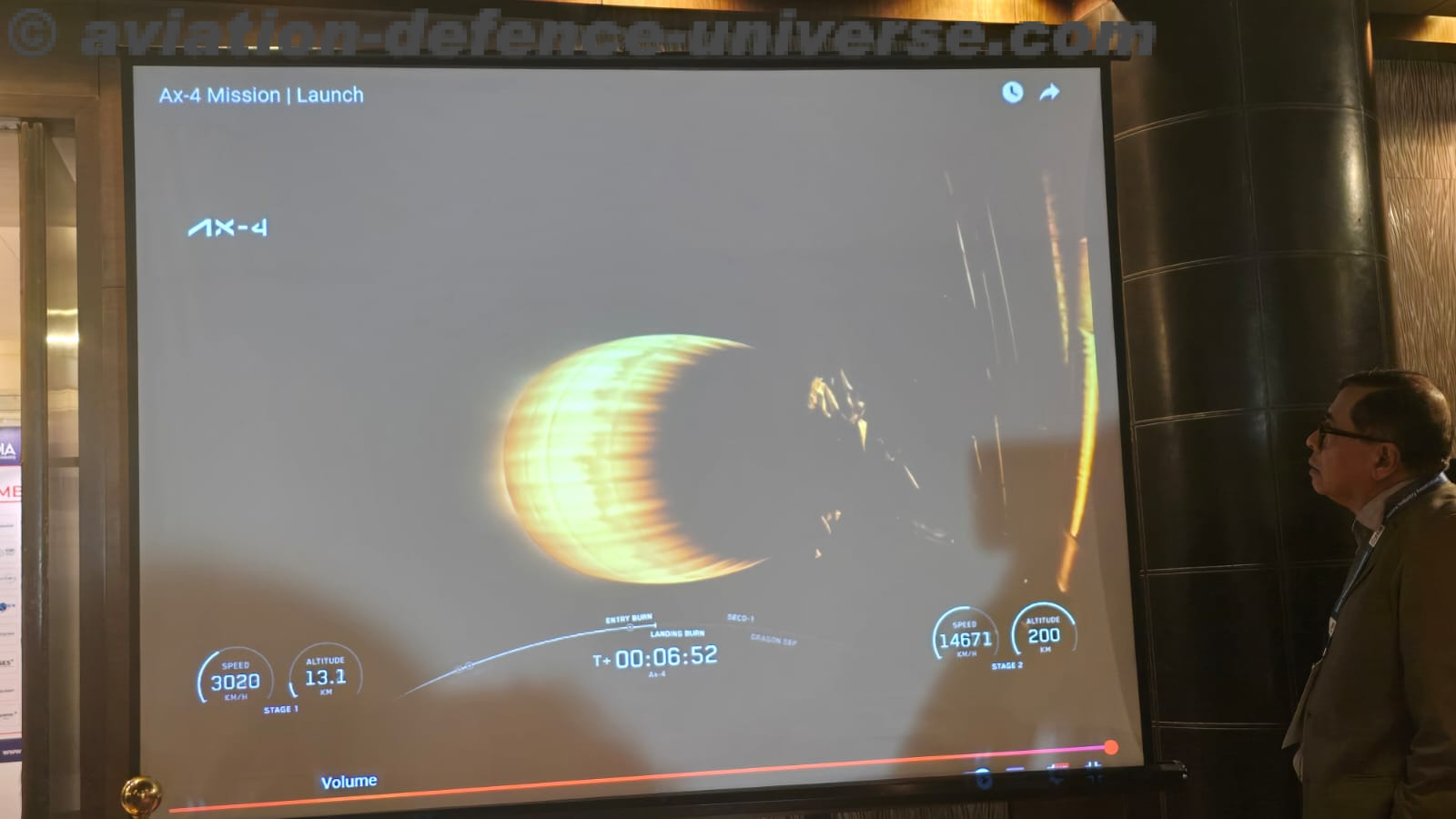























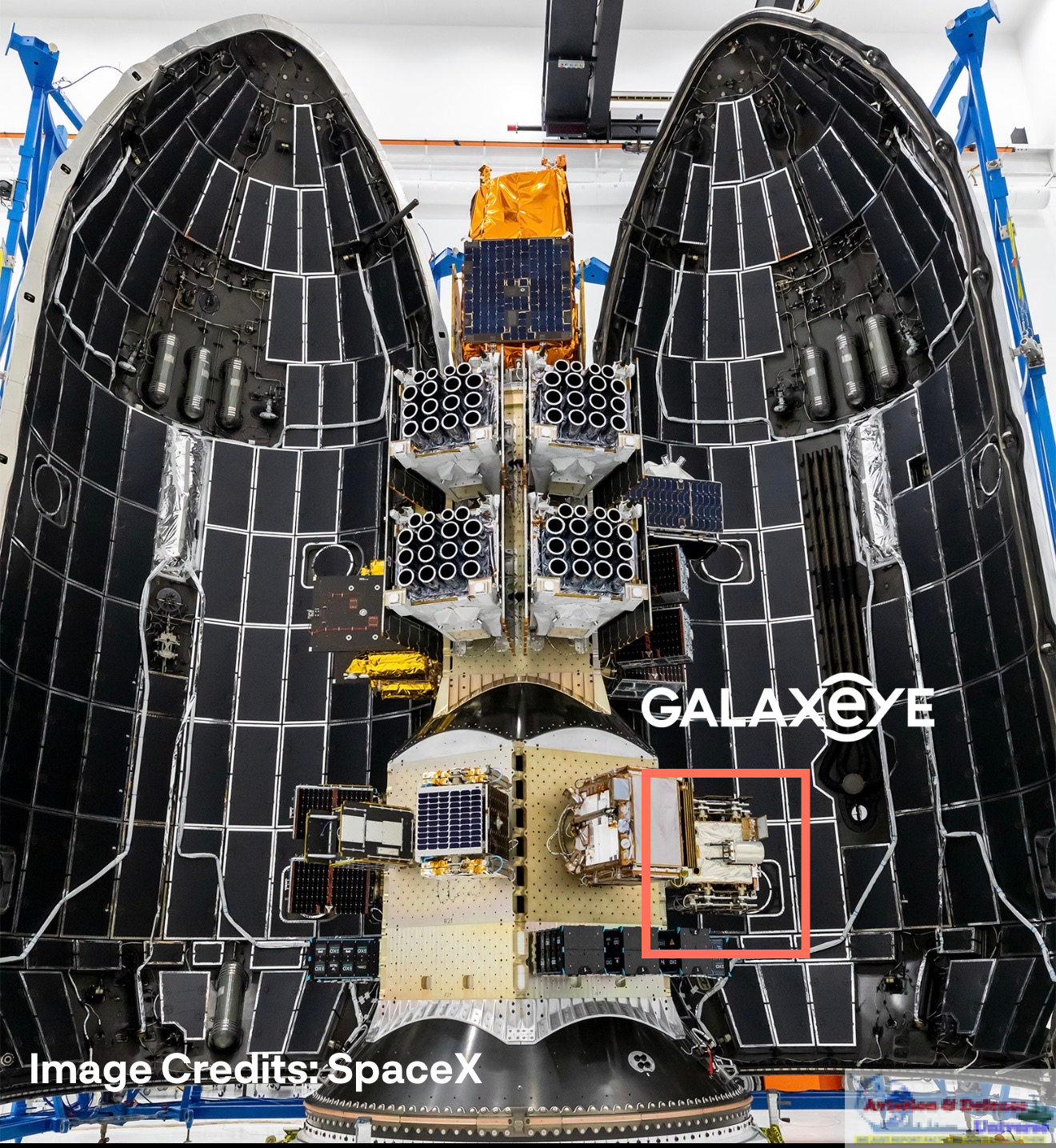
- The satellite was launched aboard a Falcon 9 by SpaceX
- Private Innovation, Global Impact: GalaxEye’s Mission Drishti Takes Flight
- How a Bengaluru Startup Is Redefining Earth Observation from Space
- India’s Space-Tech Leap: Brings Day-Night, All-Weather Imaging
By Sangeeta Saxena
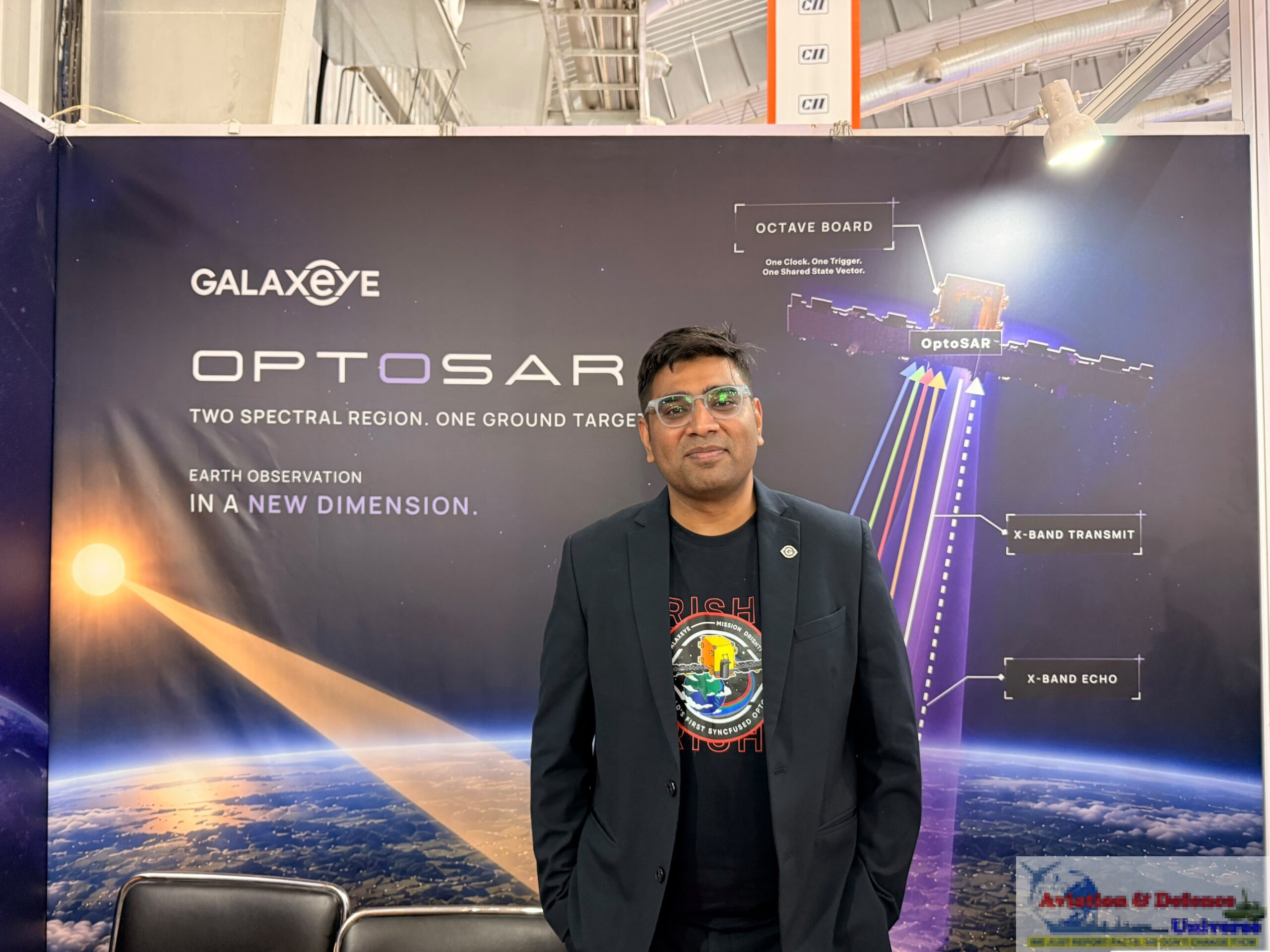
New Delhi. 03 May 2026. When a Falcon 9 rocket lifted off from Vandenberg, California, it carried more than just another satellite into orbit—it carried a signal that India’s private space sector has arrived on the global stage. At the heart of that moment was GalaxEye and its ambitious Mission Drishti—the world’s first OptoSAR satellite. By combining Electro-Optical (EO) and Synthetic Aperture Radar (SAR) imaging into a single platform, the satellite promises something the industry has long pursued but rarely achieved: reliable, high-quality Earth observation, regardless of weather or time of day.
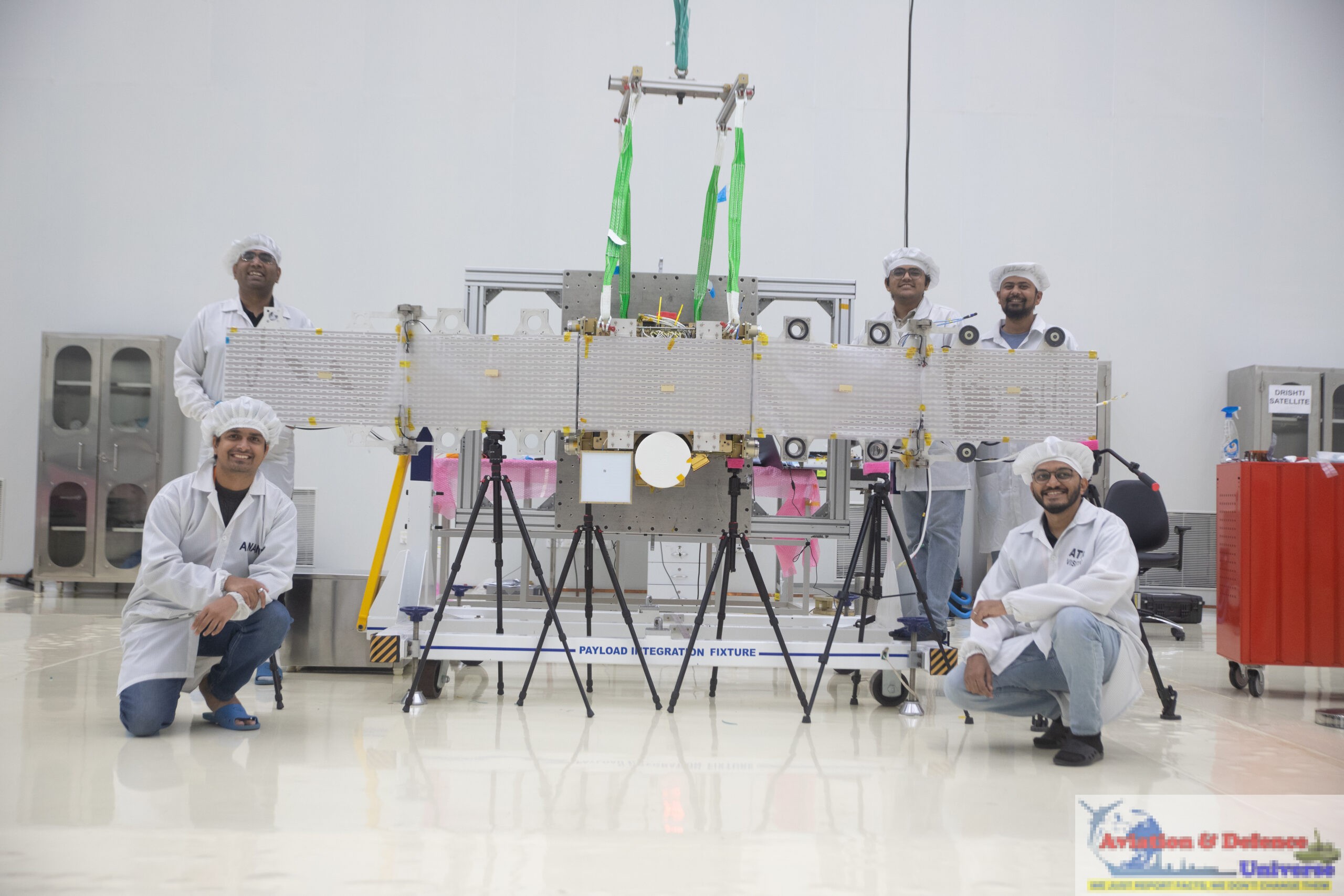
For decades, Earth observation systems have been constrained by nature itself—cloud cover, darkness, and atmospheric interference. Mission Drishti challenges those limits, offering imaging capabilities that can penetrate clouds and function in complete darkness. It is not just an incremental improvement; it is a fundamental shift in how satellite data can be captured and used. Weighing 190 kg, the satellite is India’s largest privately developed Earth observation platform—a milestone that reflects both technical maturity and growing confidence in private enterprise. The journey to this point has been anything but quick. Built over five years of sustained indigenous research and development, Mission Drishti represents a broader transformation in India’s space ecosystem—one that is increasingly driven by intellectual property, deep-tech innovation, and startup-led disruption.
Prime Minister Narendra Modi has congratulated the founders and the entire team of GalaxEye on the successful launch of Mission Drishti. The Prime Minister noted that Mission Drishti by GalaxEye marks a major achievement in India’s space journey. Shri Modi highlighted that the successful launch of the world’s first OptoSAR satellite and the largest privately-built satellite in India is a testament to the youth’s passion for innovation and nation-building. He also extended his heartiest congratulations and best wishes to the founders and the entire team of GalaxEye. The Prime Minister posted on X: “Mission Drishti by GalaxEye marks a major achievement in our space journey. The successful launch of the world’s first OptoSAR satellite and the largest privately-built satellite in India is a testament to our youth’s passion for innovation and nation-building. Heartiest congratulations and best wishes to the founders and the entire team of GalaxEye.”
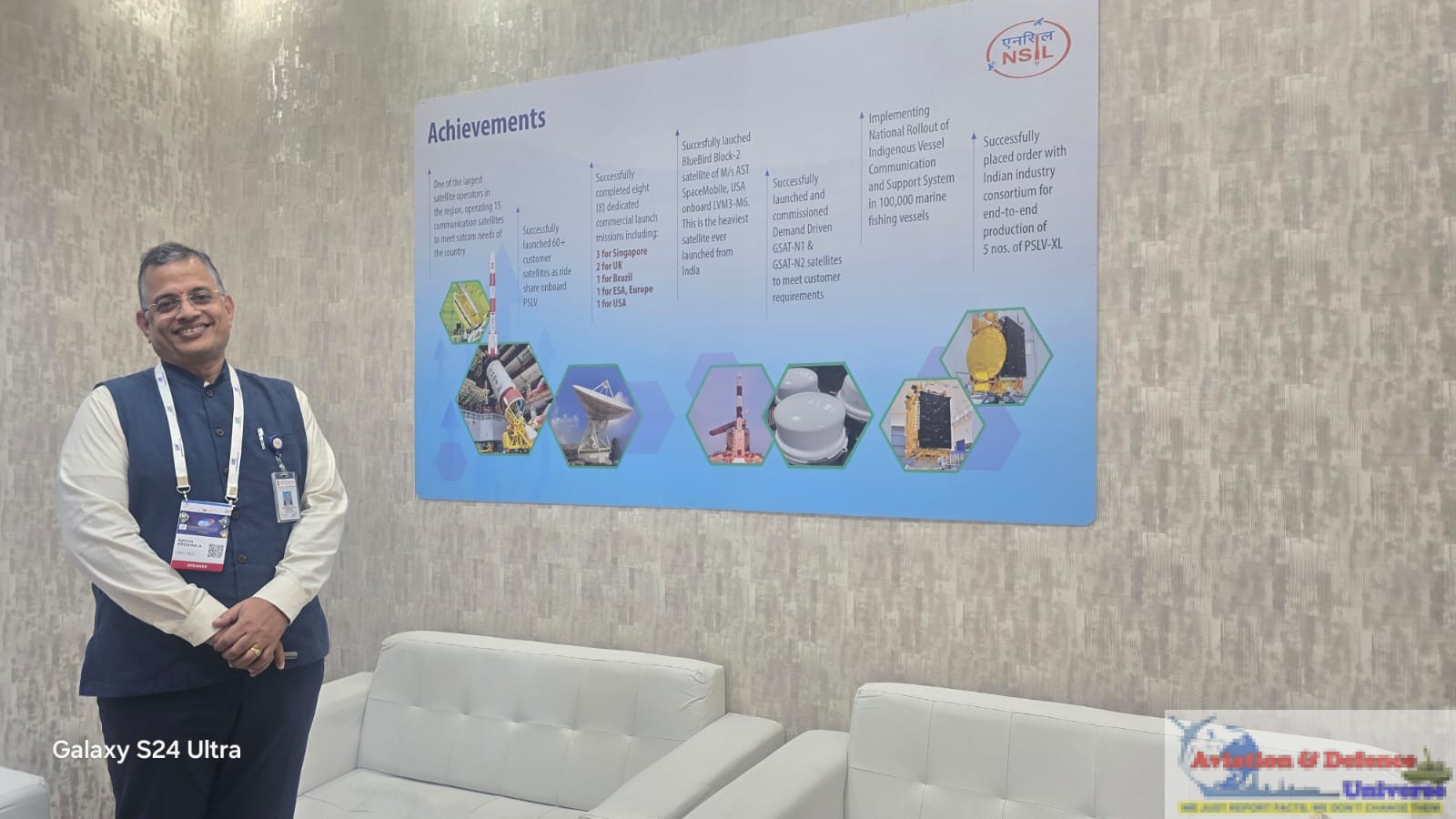
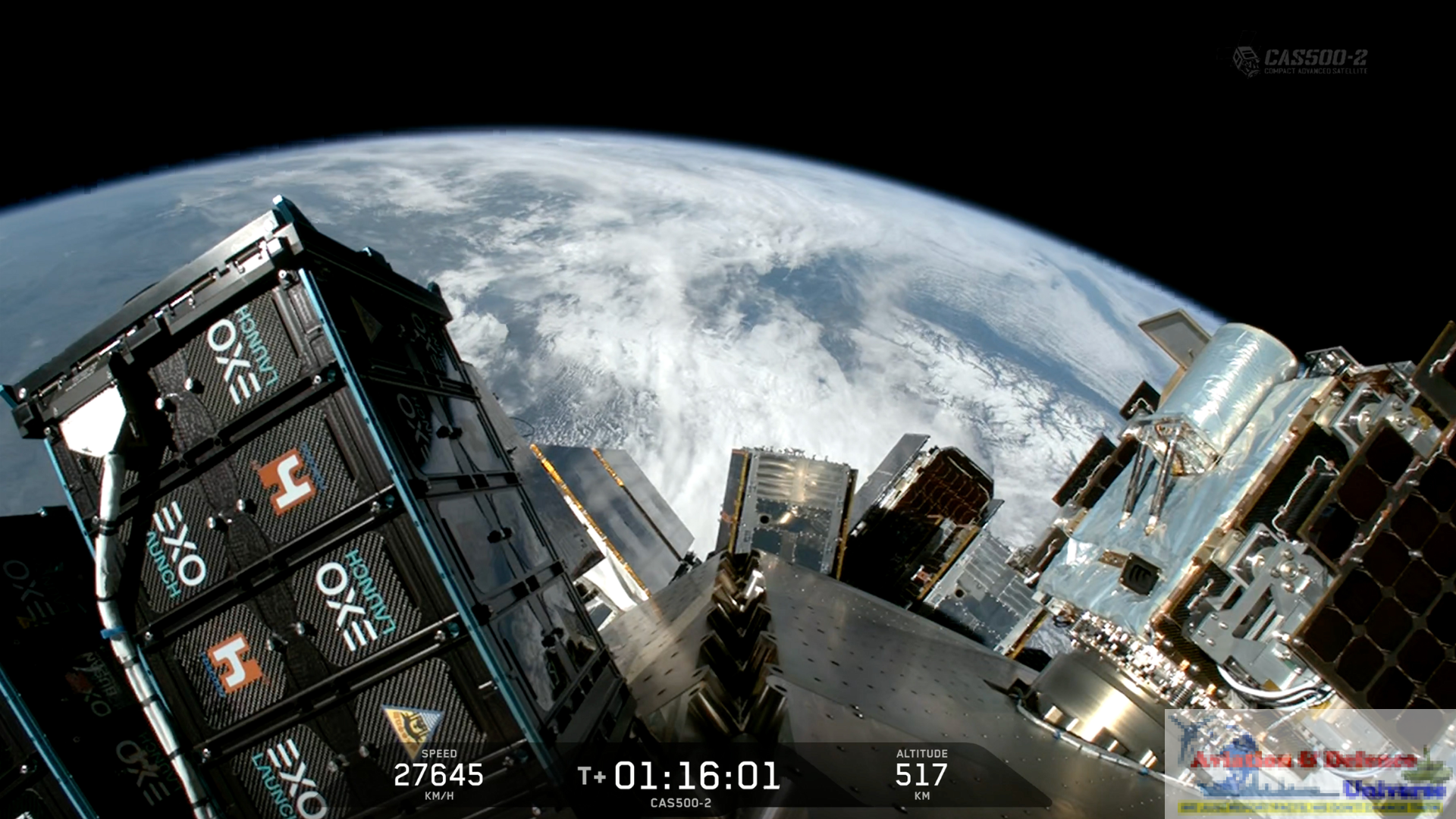 That global interest is not surprising. The applications of such a satellite are vast and strategic—ranging from defence and surveillance to agriculture, disaster response, maritime monitoring, and infrastructure planning. In an era where geospatial intelligence is increasingly critical, Mission Drishti positions India as a serious player in providing high-frequency, all-weather data. The mission also highlights the importance of institutional support. Backed by IN-SPACe and partnered with NewSpace India Limited (NSIL) for global data distribution, GalaxEye’s success reflects a maturing ecosystem where policy, infrastructure, and entrepreneurship are beginning to align.
“Mission Drishti marks our first mission and the culmination of over five years of sustained R&D to develop this breakthrough technology. With the satellite now successfully in orbit, our immediate focus is on completing its commissioning. As we move through this phase, we are already witnessing strong global interest in the differentiated datasets enabled by our OptoSAR payload.” said Suyash Singh, Founder & CEO, GalaxEye.
Following its successful deployment and commissioning, initial imagery is expected to be delivered to customers in the coming weeks. The satellite has already generated significant interest from government and commercial stakeholders internationally, seeking access to high-quality, high-frequency Earth observation data.

“The sustained effort over the last five to six years on confidence-building, capacity-building, and the commercialisation of India’s private space technology ecosystem is now showing tangible results. Mission Drishti by GalaxEye is a fine example of this – the world’s first OptoSAR satellite from an Indian private player. As more Indian space companies demonstrate their capabilities through real missions and engagement with global customers, confidence in India’s space ecosystem will continue to strengthen, creating greater demand both in India and overseas. I compliment the GalaxEye team on this important milestone and wish them continued success,” said Dr Pawan Goenka, Chairman, Indian National Space Promotion and Authorization Center.
As the company prepares to deliver its first datasets and expand its satellite constellation, the implications go beyond a single mission. Mission Drishti is a proof point—that India’s private sector can not only participate in space but lead in innovation. In the vast expanse above, a new kind of vision has been launched—one that sees through clouds, darkness, and perhaps most importantly, old limitations.
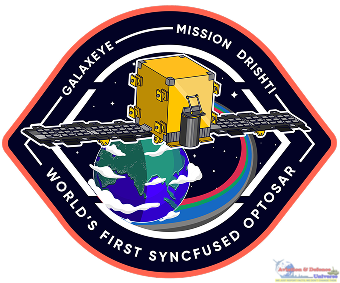 Mission Drishti represents more than a technological first—it signals the arrival of India’s private space sector as a serious contributor to global geospatial intelligence and Earth observation markets. With its dual-use applications spanning defence, agriculture, disaster management, and infrastructure planning, the satellite is poised to deliver high-value data to both domestic and international stakeholders.
Backed by strong institutional support and growing global demand, GalaxEye’s success highlights a broader transformation underway in India’s space ecosystem—one that prioritises innovation, scalability, and strategic autonomy. As the company looks to expand its satellite constellation in the coming years, Mission Drishti stands as a defining step toward building a robust, sovereign, and globally competitive Earth observation capability for India.

















































































-A4-Size-(2)_page-0001.jpg)