

























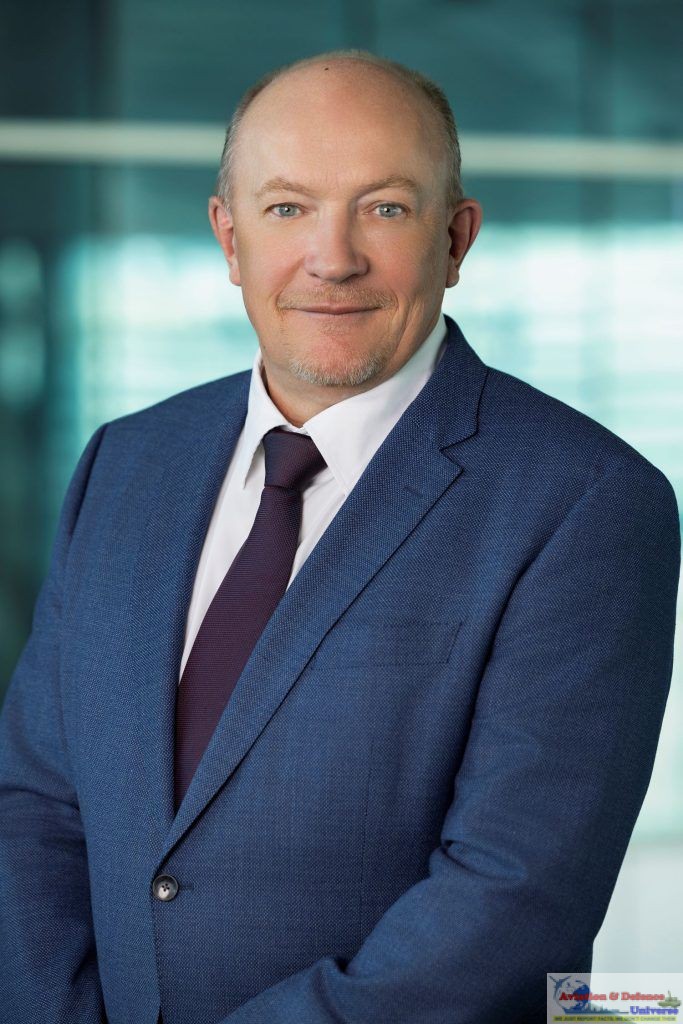
- To Add New Freighter Capacity in India Before Year-End, Says Stanislas Brun
- Explains how Etihad Cargo Is Building a Future-Ready Air Logistics Network with India at the Core
By Shipra Sindwani
Mumbai. 25 February 2026. As global supply chains evolve and air cargo becomes increasingly central to international trade, airlines are redefining their logistics strategies to keep pace with changing customer expectations, digital transformation, and sustainability pressures. Etihad Cargo, the cargo and logistics arm of the UAE’s national airline, has been steadily strengthening its global network with a focus on innovation, infrastructure expansion, and multimodal connectivity.
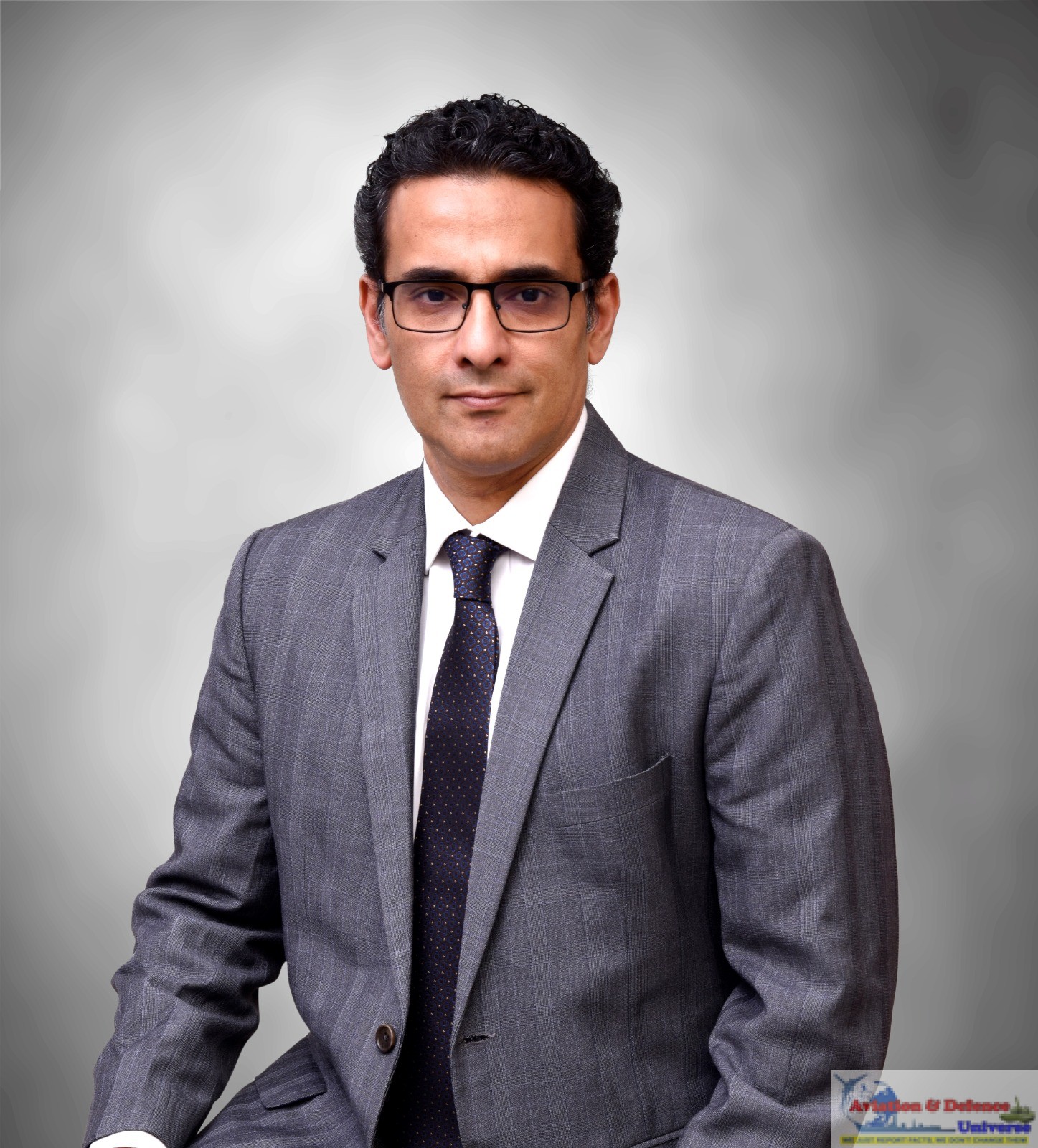
In this interview with Aerospace & Defence Universe (ADU), Stanislas Brun, Chief Cargo Officer of Etihad Cargo, discusses the strategic importance of the Indian market, the airline’s hybrid cargo model, digital transformation initiatives, investments in cold-chain logistics, and the future of multimodal cargo transportation. He also shares insights into Etihad Cargo’s fleet expansion, sustainability goals, and new international routes that will further strengthen connectivity between Asia, Europe, and North America.
ADU. Why is Air Cargo India an important strategic platform for Etihad Cargo? And how central is India to your long-term global cargo network?
Stanislas Brun. India is unquestionably one of the most important pillars of our cargo network. If you look at the geography, Abu Dhabi sits strategically between Asia and Europe, and India is the closest major 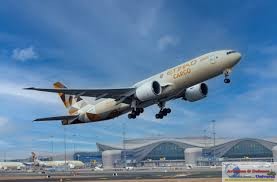 market in that corridor. Currently, we operate 11 stations across India with around 180 flights every week. Our leadership has also been engaging with Indian authorities to expand bilateral agreements in order to increase passenger and cargo capacity. At present we are operating close to the limits of existing capacity agreements, but we see enormous growth potential here.
On the freighter side, we are planning to open new dedicated cargo stations in India before the end of this year. Since the cargo segment operates under open-sky arrangements, it provides us the flexibility to introduce additional airlift capacity for Indian markets.
ADU. Etihad Cargo operates a hybrid model using both belly capacity and dedicated freighters. What factors determine which model you use, particularly in markets like India?
Stanislas Brun. Both belly cargo and freighter operations are fully integrated within our network strategy. Most cargo production originates in Asia, while a significant portion of consumption is still concentrated in Europe and North America. Our model therefore focuses on bringing cargo from Asia to Abu Dhabi through freighters, and then distributing it via wide-body passenger aircraft to various destinations across Europe and North America. For example, our freighter network currently includes 18 freighter frequencies from mainland China, seven from Hong Kong, and four from Taipei. From Abu Dhabi we connect cargo onward to destinations such as Frankfurt, Paris, Amsterdam, and London.
When it comes to the Indian subcontinent, we consider the region as an integrated cargo ecosystem. Manufacturing strength in neighbouring countries such as Bangladesh also contributes significantly to the flow of goods. When there are specific customer demands or capacity shortages, we sometimes deploy charter flights to provide additional uplift. However, our current fleet of six Boeing 777 freighters is not always ideal for shorter routes like India–Abu Dhabi. That is why we are exploring mid-sized freighters such as A330 or B767 aircraft, which can carry between 50 and 60 tonnes and are more efficient for these sectors.
ADU. Shippers today expect seamless integration across air, road, rail, and sea logistics. How is Etihad Cargo adapting its model to support true multimodal supply chains?
Stanislas Brun. Multimodal logistics is definitely the future. In Abu Dhabi, infrastructure is already well integrated because the airport, seaport, and logistics networks share common ownership. This enables  seamless connectivity between air and sea cargo operations. We are also exploring new modes of transportation, including partnerships with innovative companies. For example, we recently signed an MOU with a UAE-based company developing large cargo drones (eVTOL) capable of carrying up to 250 kilograms over distances of around 700 kilometres. Innovation is a core part of Etihad Cargo’s strategy. We must prepare for how logistics will evolve in the future rather than only focusing on today’s operational models. Additionally, Etihad Rail is expanding across the UAE and will eventually connect to Saudi Arabia and Oman. This will create a powerful regional logistics corridor across the GCC and open new opportunities for cargo movement by rail.
ADU. End-to-end visibility is now a competitive differentiator. What digital investments are helping Etihad Cargo improve predictability and customer confidence?
Stanislas Brun. A key initiative we launched recently is a solution called SmartTrack, which uses active tracking devices to monitor shipments in real time. These devices collect detailed data such as temperature, humidity, location, light exposure, tilt, and shock levels throughout the shipment journey. The intelligence lies in the backend system we developed. Using AI-driven monitoring, the system can automatically detect anomalies or potential risks. For example, if a shipment deviates from its expected route, the system immediately triggers alerts and sends notifications through messaging platforms or voice alerts.
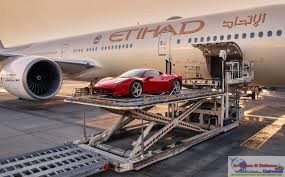 If the issue persists, the system escalates it to a human operator for intervention. This proactive approach allows us to anticipate problems before they occur, potentially eliminating 65–75 percent of operational handling issues. This is a shift from reactive logistics to predictive and proactive cargo management, supported by machine learning and real-time data.
ADU. With stricter compliance standards and growing demand for traceability, how is Etihad Cargo strengthening its pharmaceutical and temperature-controlled logistics capabilities?
Stanislas Brun. Temperature control is a critical aspect of pharmaceutical and perishable cargo logistics. To strengthen this capability, we are building a new 90,000-square-metre cargo warehouse in Abu Dhabi, scheduled to open in the second half of 2027. The entire facility will be climate-controlled at around 25–26°C, with dedicated cold zones for pharmaceuticals and perishables requiring lower temperatures. From the moment a shipment arrives at the warehouse until it is loaded onto the aircraft, it will remain within a controlled environment. We also operate cool dollies that maintain temperature stability when transporting pharmaceutical cargo between the warehouse and aircraft, particularly during the hot summer months. This infrastructure will significantly enhance our cold-chain capabilities and represent a major step forward in pharma logistics.
ADU. Sustainability targets are becoming stricter across aviation. How does Etihad Cargo balance environmental responsibility with commercial performance?
Stanislas Brun. One of the most effective ways to reduce emissions is by operating a modern, fuel-efficient fleet. In 2025 alone, Etihad inducted 29 new aircraft, and over the next five years we plan to add more than 120 additional aircraft, effectively doubling our fleet size. New-generation aircraft with advanced engines are significantly more fuel-efficient and environmentally friendly than older models. We are also closely monitoring developments in Sustainable Aviation Fuel (SAF) and other alternative energy solutions. Alongside fleet modernisation, we are expanding our freighter capacity. We have placed a major order for Airbus A350 freighters, with the first aircraft expected to be delivered in 2028. These aircraft will further strengthen our network while maintaining lower carbon emissions.
ADU. Any final thoughts on Etihad Cargo’s growth plans?
Stanislas Brun. Our strategy is straightforward. continue expanding destinations and enhancing cargo  capabilities. On the passenger side, we are opening new routes such as Charlotte in North Carolina, which will be launched soon, making Etihad the first GCC airline to serve that region. Later this year we will also open Calgary in western Canada, creating additional connectivity between Abu Dhabi and North America. Every new passenger route also enhances cargo connectivity. Our focus remains on building a stronger global network, providing new destinations, and expanding our logistics capabilities.
Etihad Cargo’s strategy reflects the broader transformation underway in the global air freight industry. By combining a hybrid cargo network, advanced digital tracking systems, multimodal logistics integration, and major investments in infrastructure and fleet modernisation, the airline is positioning itself as a key player in global supply chains. India and the wider South Asian region remain central to this vision, both as manufacturing hubs and as growing consumer markets. With new freighter capacity, expanded routes, and next-generation logistics infrastructure on the horizon, Etihad Cargo is preparing not only for current demand but for the future of global cargo transportation.
As told to Shipra Sindwani










































































-A4-Size-(2)_page-0001.jpg)