








- From MRO to Counter-Drone Systems: ADSL’s Expanding Role in India’s Defence Ecosystem
- Heavy Drop Systems, MRO and Counter-UAS: Inside ADSL’s Defence Capability Expansion
- “Innovation Alone Is Not Enough”: Raj Kumar Pandey on Industry-Armed Forces Collaboration
- India’s Defence Manufacturing Evolution: ADSL on Indigenous Readiness and Lifecycle Support
By Sangeeta Saxena
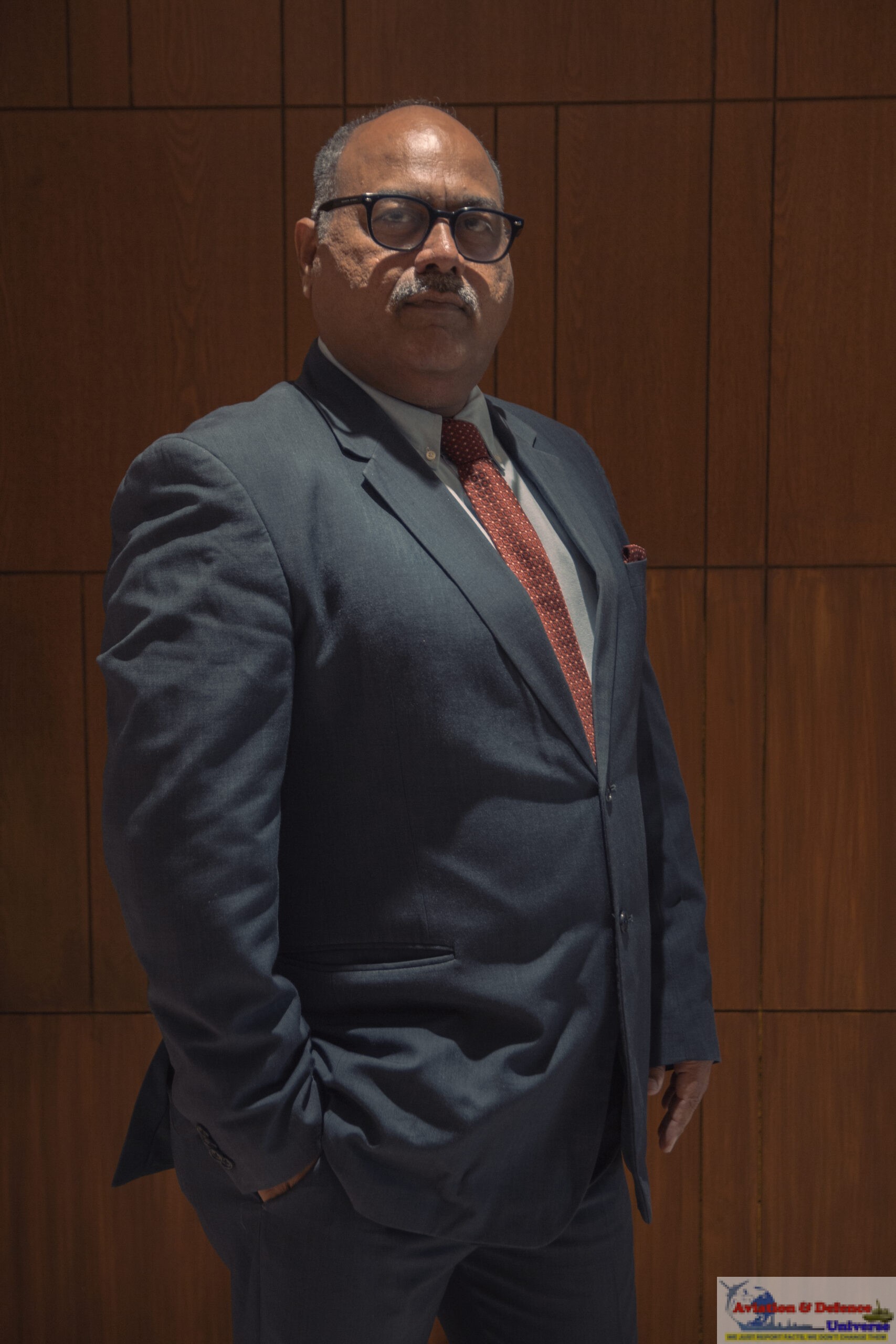
New Delhi. 18 May 2026. As India accelerates its push towards defence modernisation and self-reliance under the vision of Atmanirbhar Bharat, indigenous defence manufacturers are increasingly focusing on deployable technologies, operational readiness, and long-term lifecycle support for military platforms. Against this backdrop, ADSL, a JCBL Group company, is expanding its presence across aerial delivery systems, Counter-UAS technologies, combat vehicle upgrades, and defence MRO capabilities. In this interaction with Aviation & Defence Universe (ADU), Raj Kumar Pandey, Joint Managing Director, ADSL, discusses the company’s participation at the North Tech Symposium, its focus on indigenous defence solutions, operationally relevant technologies, lifecycle sustenance of legacy platforms, and the growing importance of integrated collaboration between industry and the armed forces. The conversation also explores the evolving landscape of India’s defence manufacturing ecosystem and ADSL’s long-term positioning within it.
ADU. What does ADSL’s participation at the North Tech Symposium signal about its evolving role within JCBL Group and India’s defence landscape?
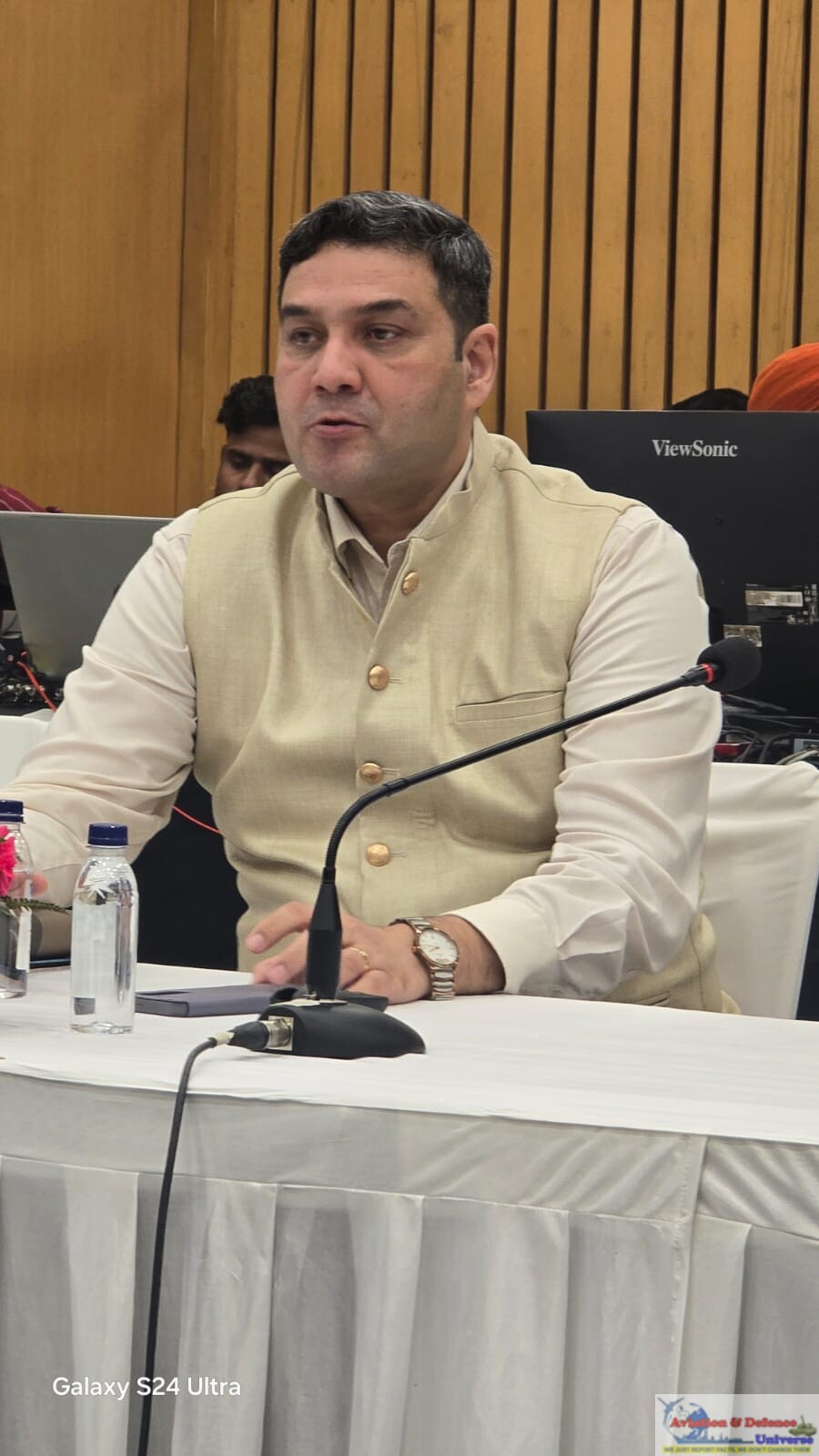
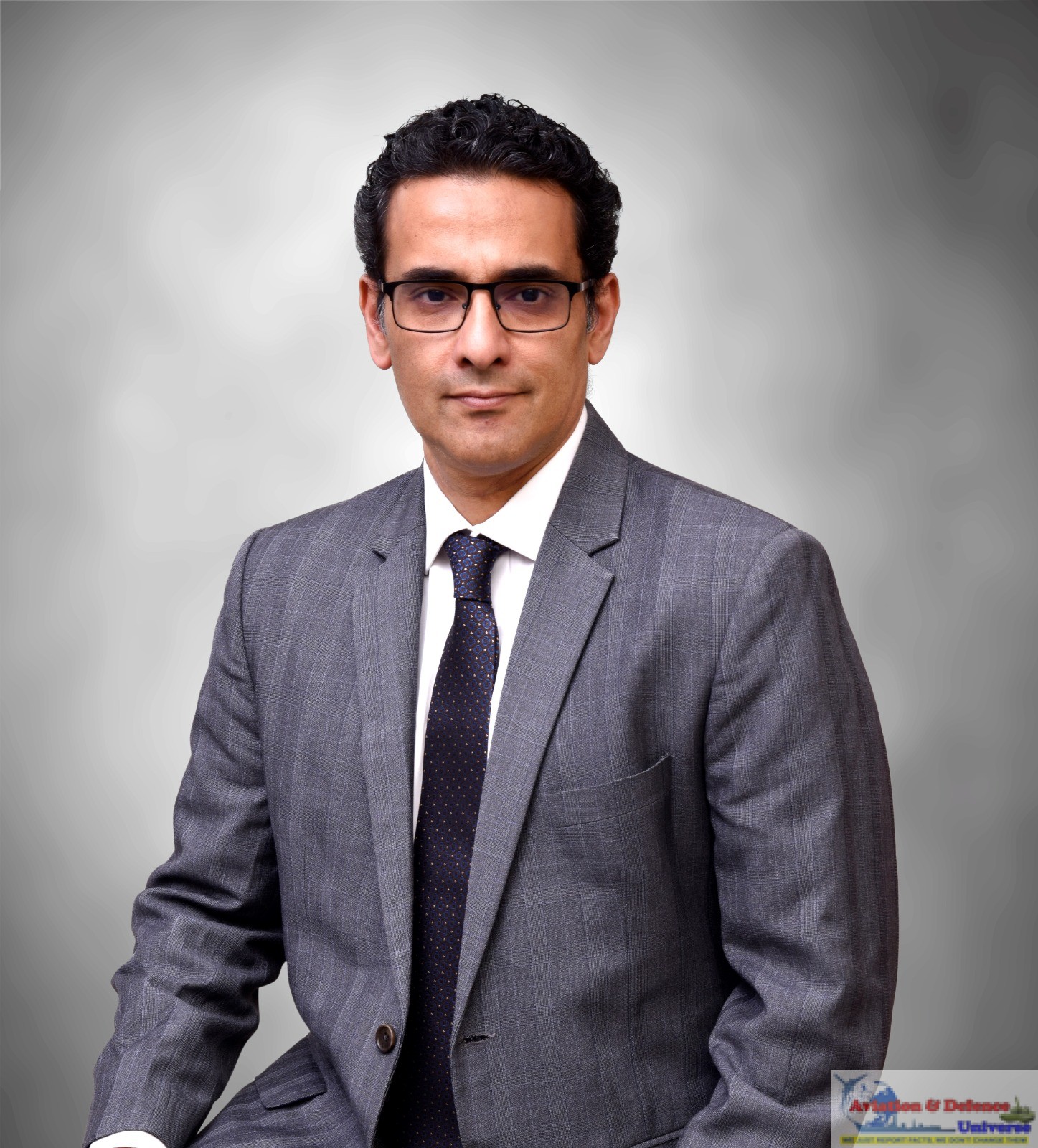
Raj Kumar Pandey. ADSL’s participation at North Tech Symposium reflects the evolution of both the company and the larger vision of JCBL Group within India’s defence landscape. Over the years, we have moved from developing capabilities to demonstrating systems that are operationally proven and aligned with real field requirements. Through ADSL, JCBL Group is strengthening its role as an indigenous defence manufacturing force, committed to supporting the nation’s journey towards self-reliance.
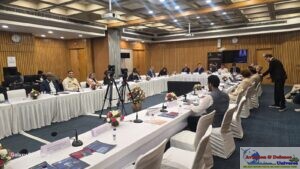
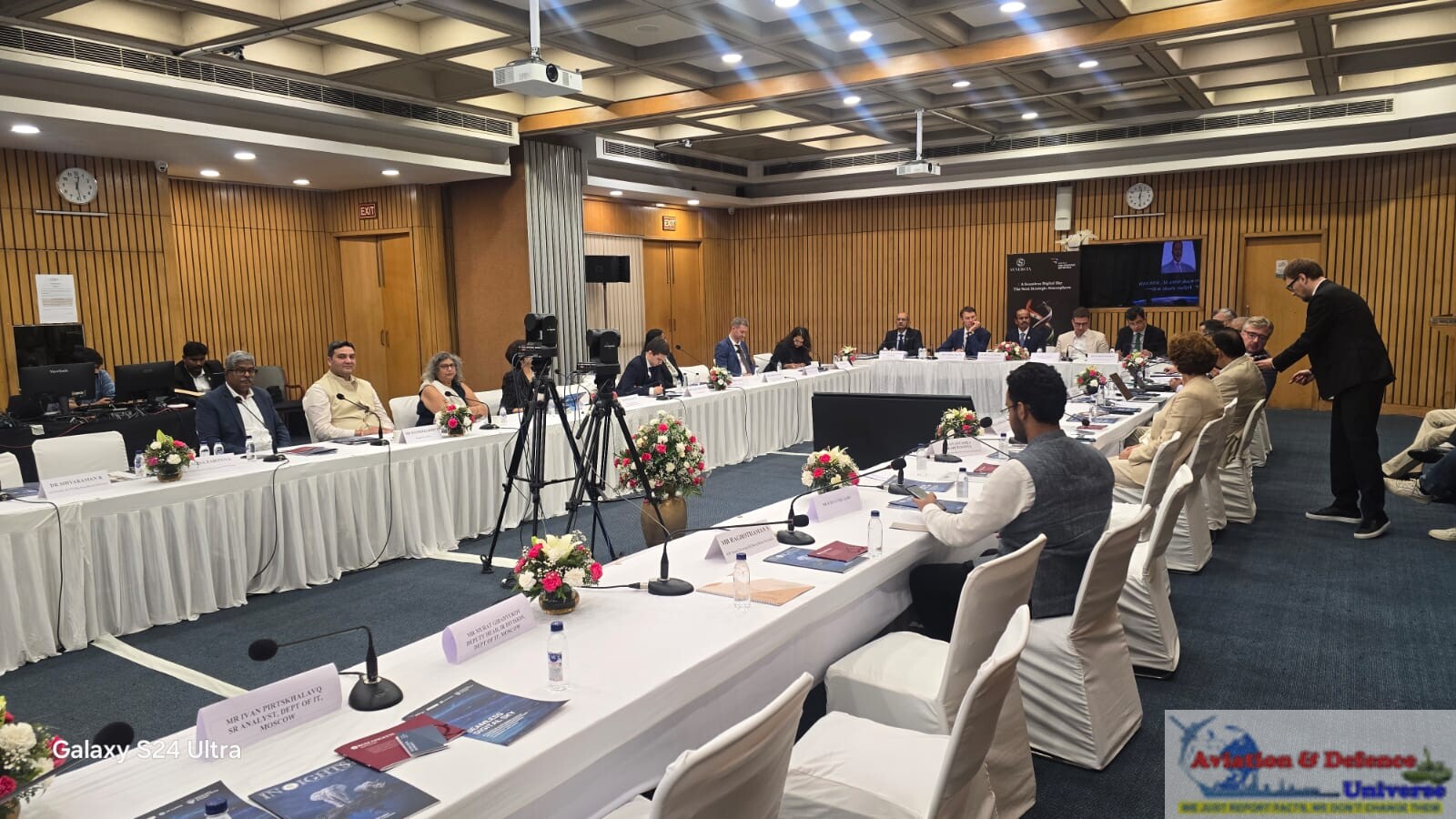
For us, participation in a symposium like this goes beyond just industry presence—it comes with a certain sense of responsibility. The theme, “Raksha Triveni Sangam,” genuinely resonates with the way we approach defence capability development, because it brings technology, industry, and the armed forces onto a common platform.
I believe that kind of convergence is important. Innovation by itself is not enough. Systems have to be relevant, deployable, and aligned with the operational realities of modern defence preparedness. That alignment only becomes possible when all stakeholders work closely together.
ADU. What are the key technologies and platforms ADSL is showcasing this year, and what operational requirements are they designed to address?
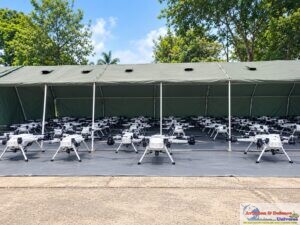
Raj Kumar Pandey. At the symposium, we showcased a range of indigenous systems. This included an anti-drone system developed to address the growing UAV threat we are seeing in modern conflict scenarios, along with a Remote Controlled Weapon System (RCWS) designed for stand-off engagement from armoured platforms while reducing crew exposure during border and CI/CT operations.
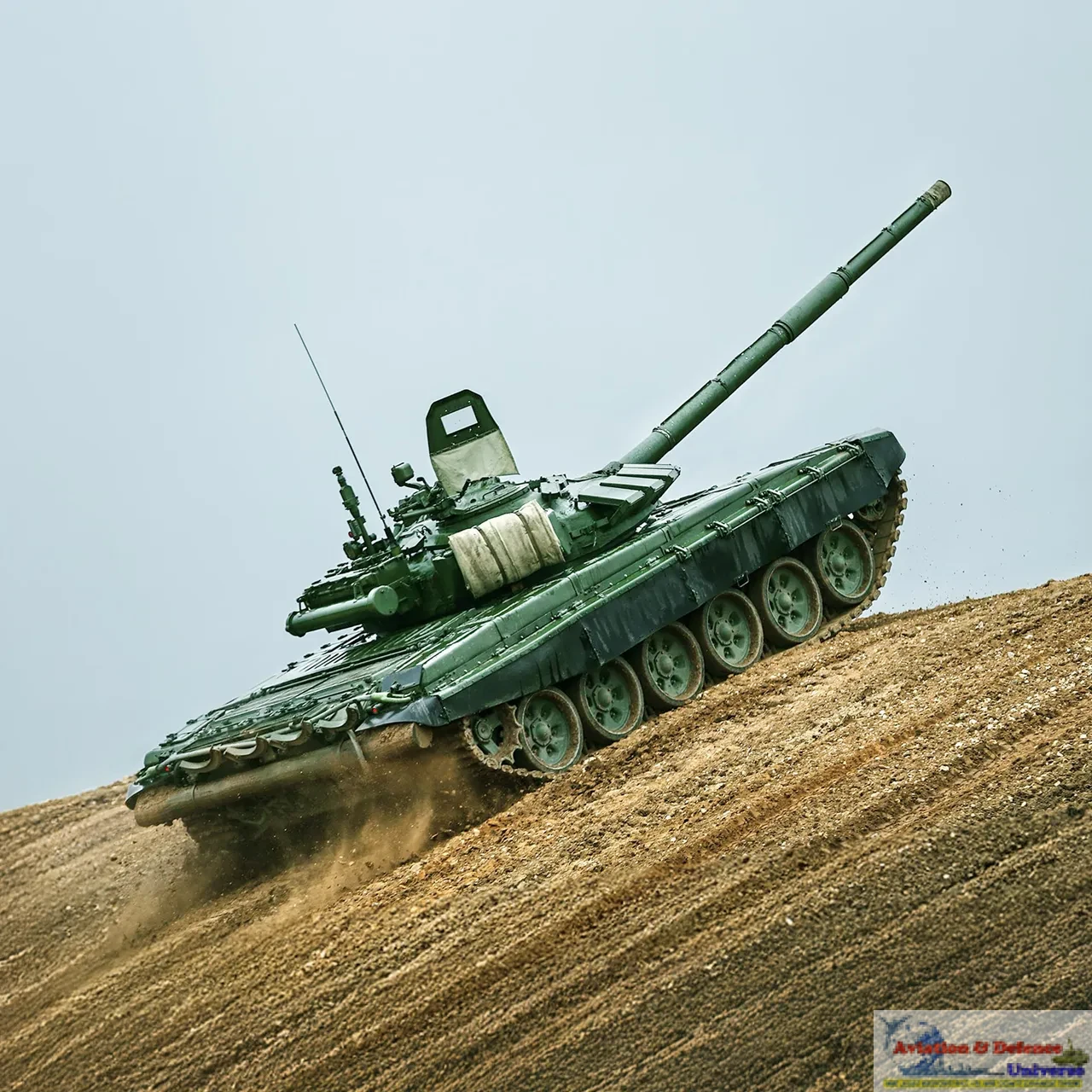
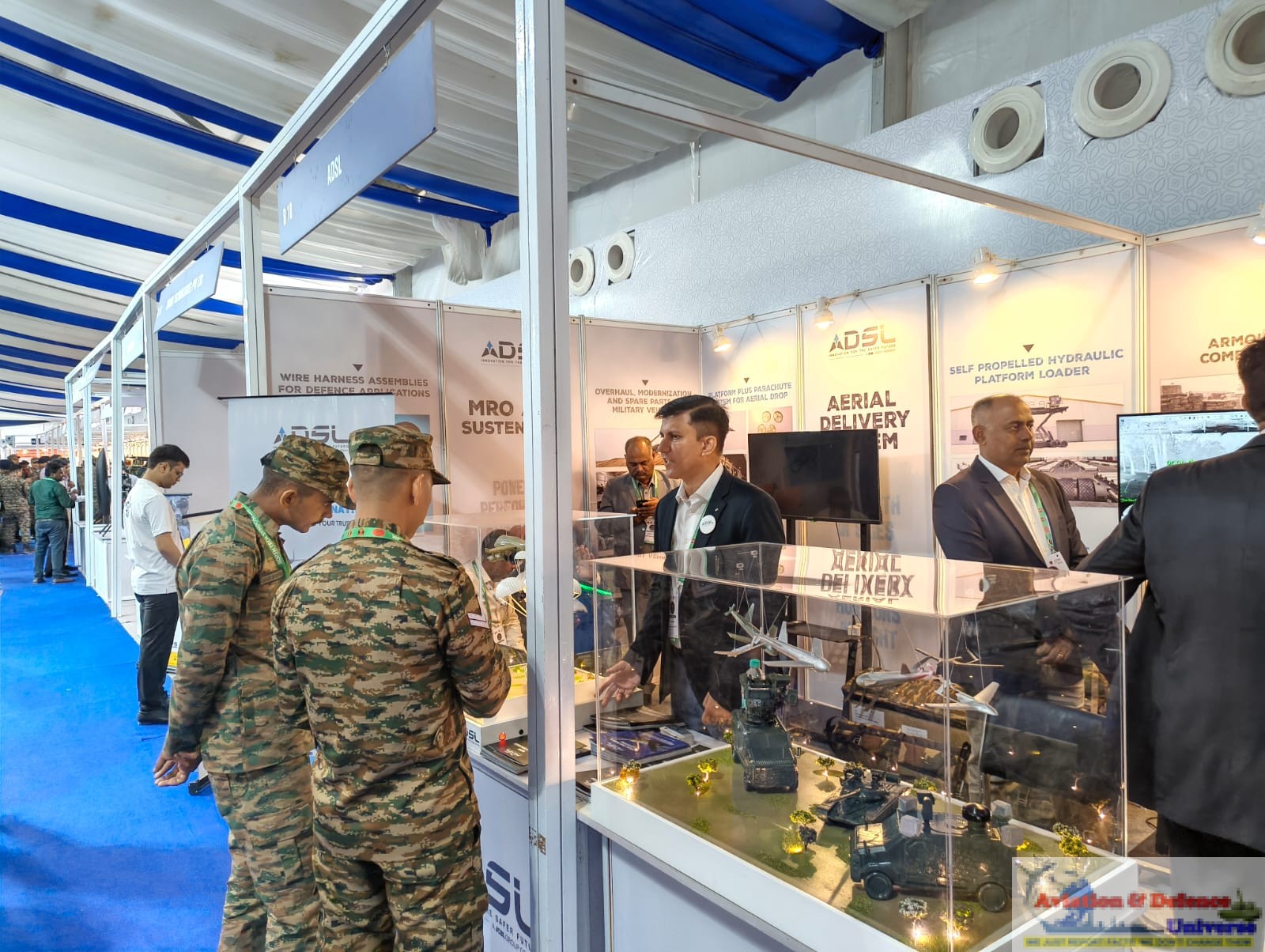 We also demonstrated the Advanced 28-ft Heavy Drop System (20T, Type V), which has been developed to support rapid aerial induction of heavy equipment and vehicles, particularly in demanding and high-altitude terrain. Alongside that, we presented our armoured vehicle solutions, upgrade programmes, and MRO capabilities for T-72-based systems and Tatra vehicles, all aimed at improving survivability, mobility, lifecycle sustenance, and the operational readiness of legacy platforms.
In addition, we showcased supporting infrastructure such as a containerised parachute drying facility, which forms part of our broader integrated approach towards airborne operational preparedness.
ADU. Which of the showcased solutions best represents ADSL’s current technological strengths and future direction?
Raj Kumar Pandey. I believe our Aerial Delivery Systems, including the Heavy Drop System and K-Loader, along with our Counter-UAS capabilities (including soft-kill systems, hard-kill solutions, and C2 integration) as well as our combat vehicle upgrade and MRO programmes, best represent ADSL’s current strengths and future direction. These solutions reflect our focus on operational readiness, indigenous engineering, and integrated battlefield support.
Going forward, our emphasis will increasingly be on system integration and the modernisation of existing combat platforms. We are focusing on integrated solutions across command and control systems, Counter-UAS capabilities, and air defence systems.
ADU. How is ADSL aligning its solutions with the evolving operational requirements of India’s armed forces?
Raj Kumar Pandey. ADSL’s approach is closely aligned with the evolving operational requirements of India’s armed forces, especially the needs emerging from Northern Command, where areas such as high-altitude logistics, Counter-UAS capabilities, and the operational availability of critical platforms continue to remain important. Our product portfolio is built around these requirements—whether through heavy drop solutions for rapid deployment, anti-drone systems designed for evolving aerial threats, or MRO and upgrade programmes for T-72 and Tatra fleets.
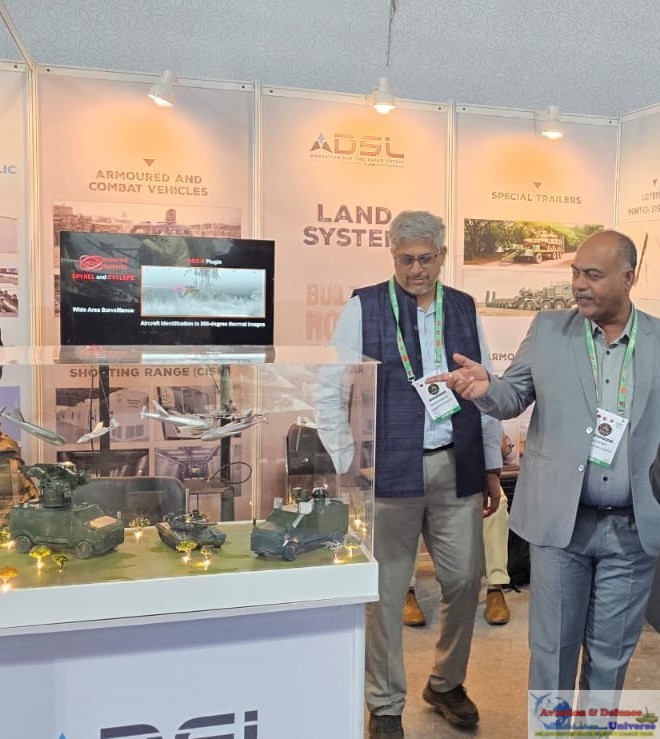 As rightly highlighted by Lt Gen Anindya Sengupta during the symposium, close collaboration between industry and the armed forces is essential to address evolving operational needs. JCBL Group already has an MoU with the Indian Army’s 14 Corps to support operational readiness through industry warehouses at forward locations. At the same time, the growing national emphasis on indigenisation in maintenance and support services aligns strongly with our own focus on platform sustenance, readiness, and long-term operational availability.
ADU. How is ADSL translating the vision of Atmanirbhar Bharat into tangible products and platforms?
Raj Kumar Pandey. For us, Aatmanirbhar Bharat is about translating indigenous capability into deployable and dependable systems for the armed forces. At ADSL, this vision is reflected through the indigenous development of heavy drop systems, cargo loaders, and equipped armoured cabins in collaboration with DRDO, along with our growing capabilities across defence platforms and support systems.
At the same time, our MRO and upgrade programmes for T-72 and Tatra platforms contribute towards reducing dependence on foreign OEMs and strengthening long-term self-reliance in maintenance and sustenance. As also highlighted by senior leadership within the armed forces, indigenisation in MRO and support capabilities will become increasingly important, particularly for ageing platforms. Most importantly, our focus is on systems that are field-validated and operationally relevant, moving beyond concepts into real deployment environments.
ADU. How is ADSL strengthening lifecycle support and operational readiness for defence platforms through its MRO capabilities?
Raj Kumar Pandey. We showcased our MRO capabilities for T-72-based systems and Tatra vehicles, which continue to be key workhorses of the Indian Army. The IAF and Ministry of Defence have repeatedly highlighted the importance of strengthening indigenous MRO capabilities to safeguard defence equipment and reduce external dependence. In that sense, ADSL’s focus on MRO is directly contributing towards improving lifecycle support as well as operational readiness of critical platforms.
At the same time, limitations in domestic repair ecosystems for legacy fleets, including areas such as rotor blade and composite repair works for platforms like the Mi-17, have created significant opportunities for emerging Indian companies like ADSL.
JCBL Group’s MoU with the Indian Army to establish industry warehouses at forward locations in Ladakh is another important step towards improving equipment availability and operational readiness in demanding sectors.
With policy-level support now enabling greater outsourcing of MRO activities to industry, and several such cases already under approval, we believe India’s defence MRO sector is entering an important “prove-it” phase, and ADSL is positioning itself to contribute meaningfully to this transition.
ADU. What strategic outcomes is ADSL looking to drive through its participation in the North Tech Symposium?
Raj Kumar Pandey. ADSL’s participation at North Tech Symposium is aimed at driving several strategic outcomes. One of the key objectives is user validation and visibility through direct operational feedback from Indian Army personnel and key stakeholders who were present at the symposium to strengthen self-reliance in defence technology.
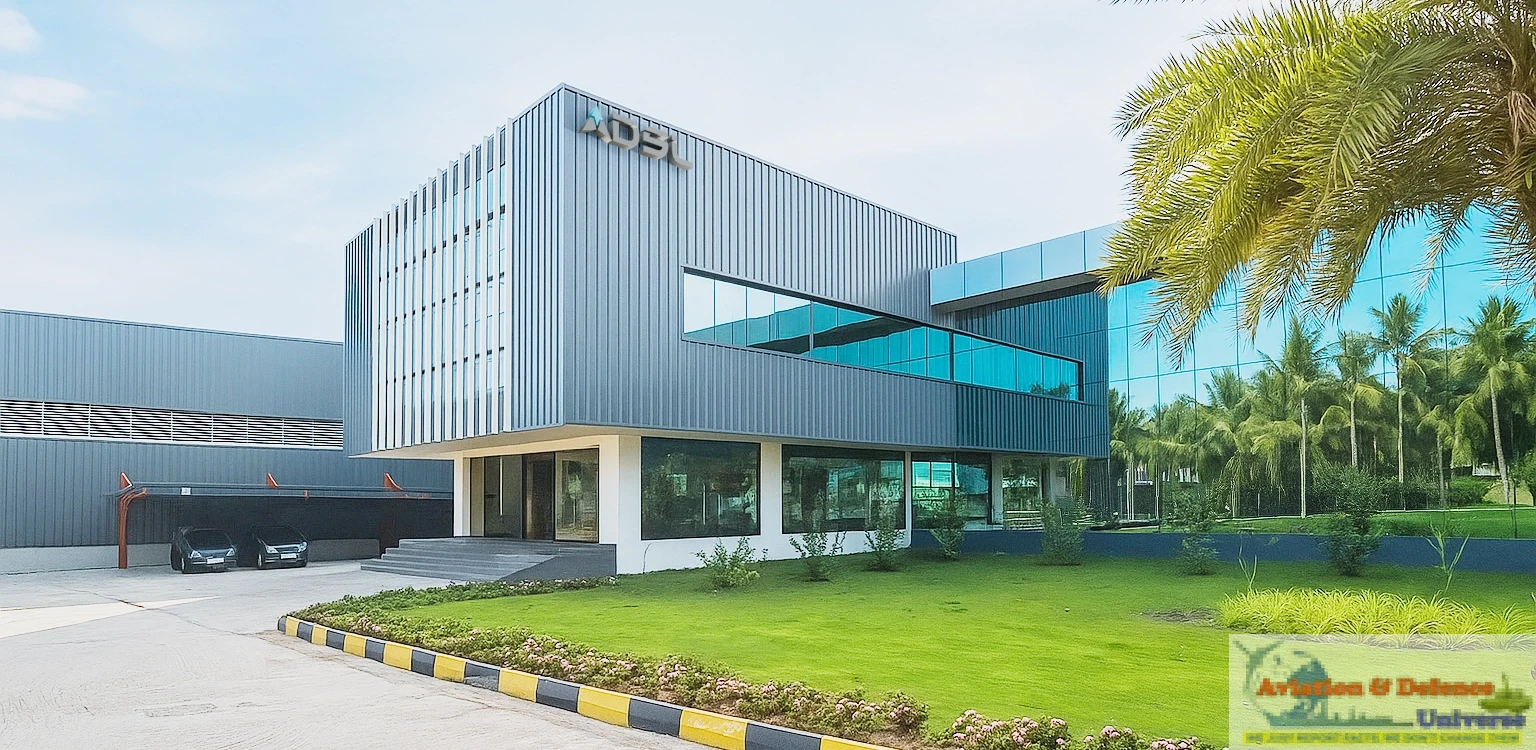 Apart from this, the platform helps identify deployable technologies, streamline procurement and field support requirements, and encourage integrated multi-physics solutions with system integration capabilities. It also reflects JCBL Group’s growing defence focus, with ADSL increasingly positioning itself as the Group’s dedicated defence and aerospace division for future strategic programmes and joint ventures, including collaborations such as the India-Slovakia light tank programme.
ADU. Where do you see the next phase of growth in India’s defence manufacturing ecosystem, and how is ADSL positioning itself within it?
Raj Kumar Pandey .The next phase drivers in India’s defence industry will be MRO growth, increasing partnerships between global OEMs and Indian firms, and a gradual shift from platform replacement towards lifecycle expansion and indigenous sustenance of Russian-origin platforms.
Multi-domain technologies and simulation are also becoming important focus areas, with simulation training emerging as a key theme presented by Tecknotrove during the symposium. Apart from this, co-development and export opportunities under the vision of Viksit Bharat 2047 are expected to create strong momentum, with MSMEs and startups playing a major role.
ADSL’s positioning is to combine JCBL Group’s vast manufacturing capabilities with ADSL’s design strengths across defence mobility, survivability, and defence electronics. We are building a full lifecycle ecosystem through MRO, upgrades, and new systems such as Heavy Drop and Counter-UAS solutions, while expanding partnerships with DRDO, the Indian Army, and future international co-development programmes. Our focus remains on building systems designed for real-world operational performance, not just specifications on paper.
 The insights shared by Raj Kumar Pandey reflect the growing maturity of India’s indigenous defence manufacturing ecosystem and the increasing emphasis on operationally relevant, deployable, and sustainable defence solutions. Through its work across aerial delivery systems, Counter-UAS technologies, armoured platform upgrades, and defence MRO capabilities, ADSL is positioning itself as an important contributor to India’s evolving defence preparedness and self-reliance objectives.
The conversation also highlights broader trends shaping the future of India’s defence sector, including lifecycle extension of legacy platforms, integrated battlefield systems, civil-military collaboration, indigenous MRO capability development, and deeper participation of private industry in strategic programmes. As India continues to modernise its armed forces while strengthening Atmanirbhar Bharat initiatives, companies such as ADSL represent the transition from capability development to field-ready indigenous defence ecosystems capable of supporting future operational requirements across multiple domains.






































































-A4-Size-(2)_page-0001.jpg)