












- “Innovation Without Jointness Is Scattered”: “Jointness Is Not Optional”
- Urges Industry and Armed Forces to Build Future Warfare Capability Together
By Sangeeta Saxena
New Delhi. 14 May 2026. As warfare rapidly evolves into a multi-domain contest shaped by Artificial Intelligence, cyber capabilities, autonomous systems, and integrated operations, the future of military preparedness will depend not only on advanced technologies but also on the ability to operate as a unified force. Strategic necessity of jointness, indigenisation, and innovation in building India’s future warfighting capability has been reiterated off and on by military leaders in India. A vision for a technologically advanced, self-reliant and operationally integrated defence ecosystem where the armed forces, industry, innovators and policymakers work together to transform India’s military capabilities for future conflicts, is what the Indian defence ecosystem sees military leaders emphasise on.
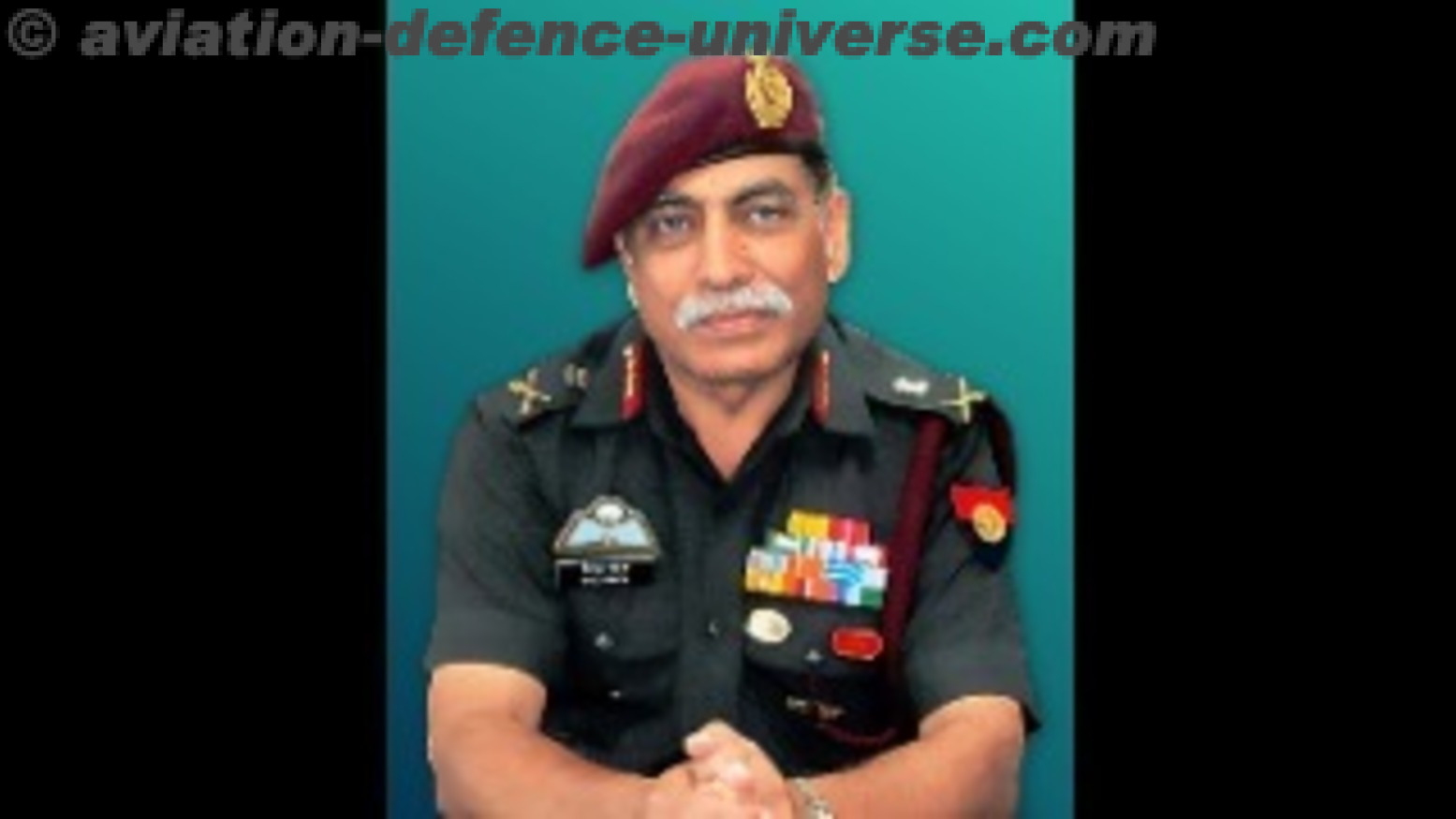
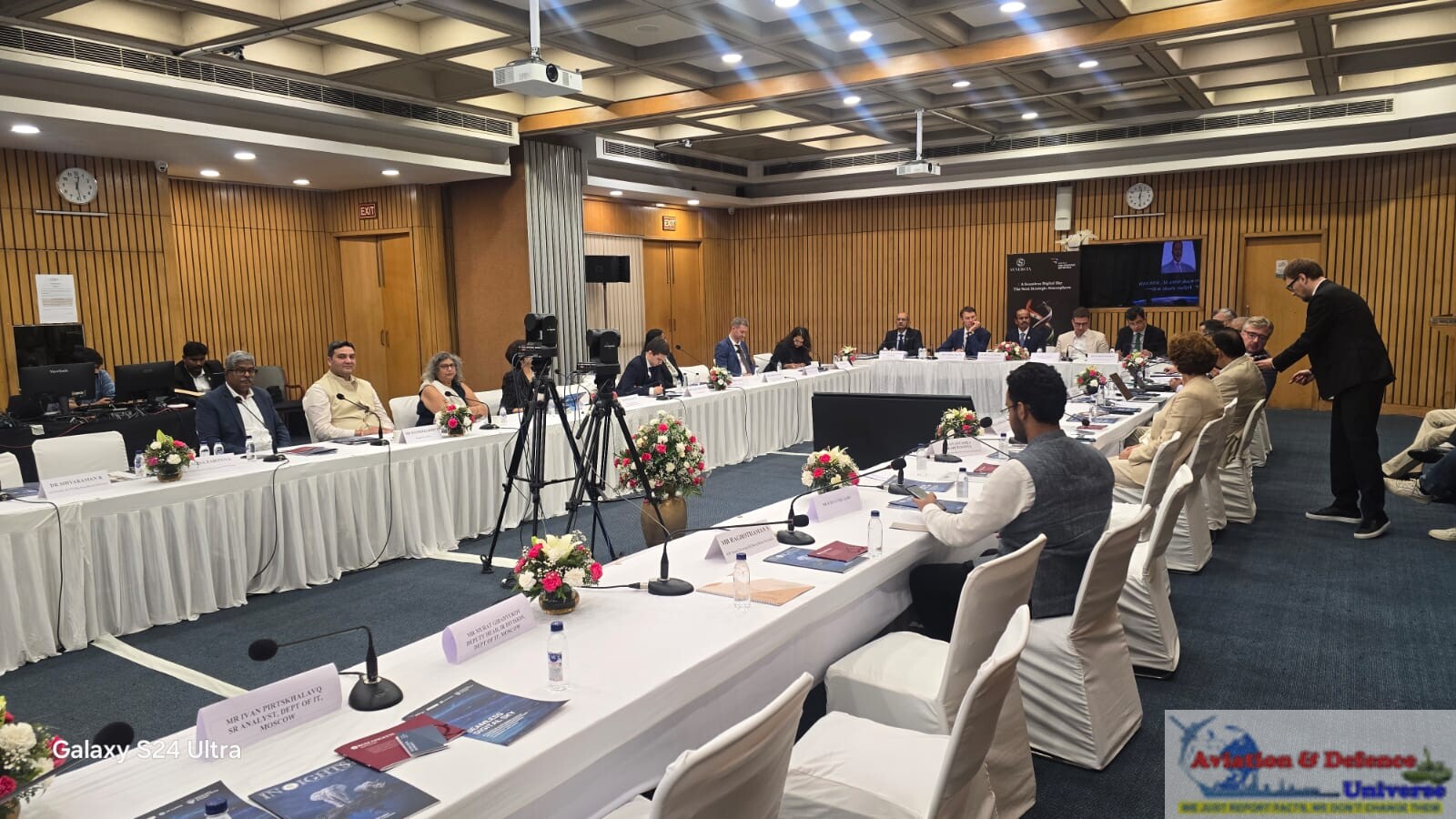
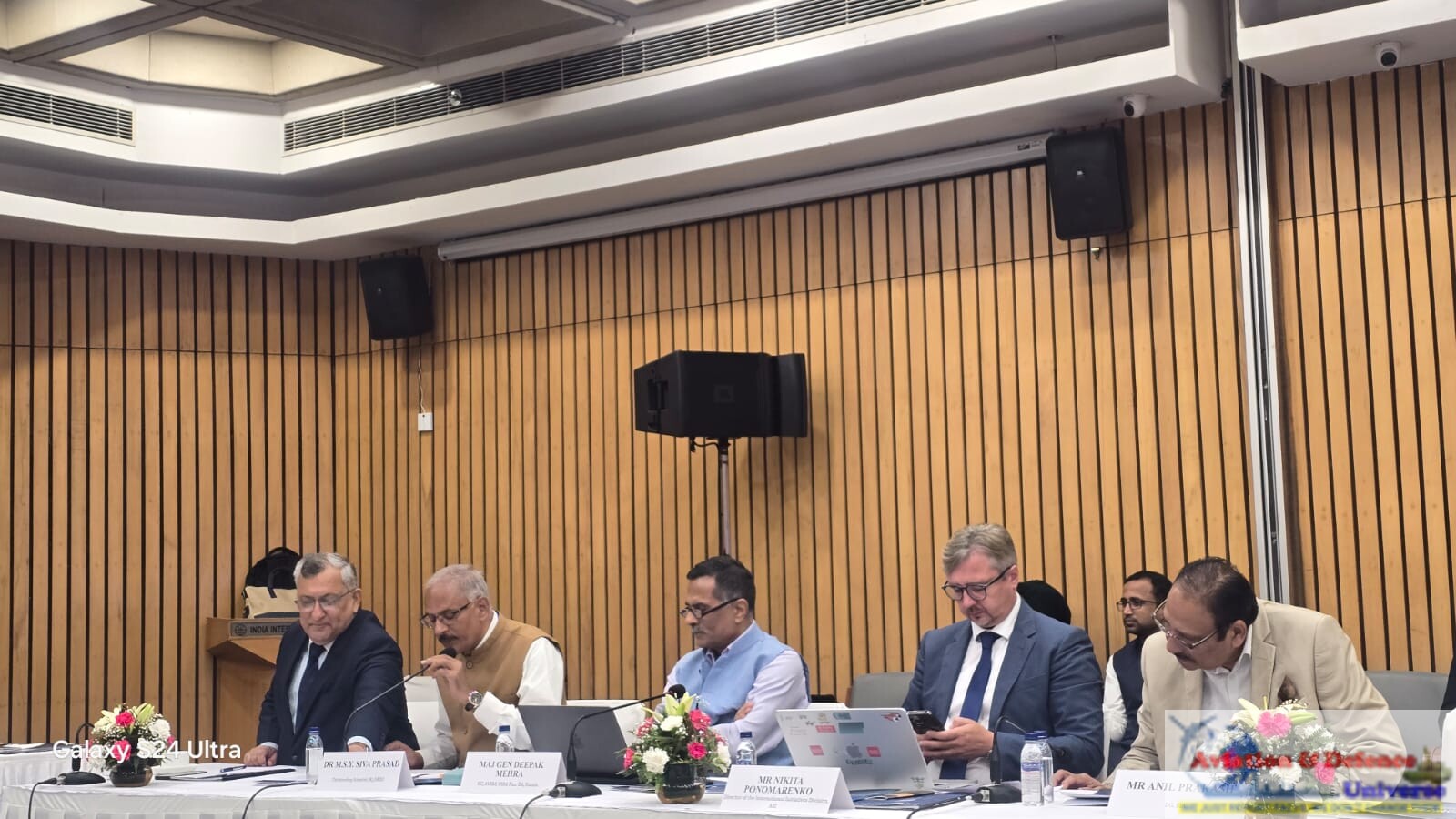
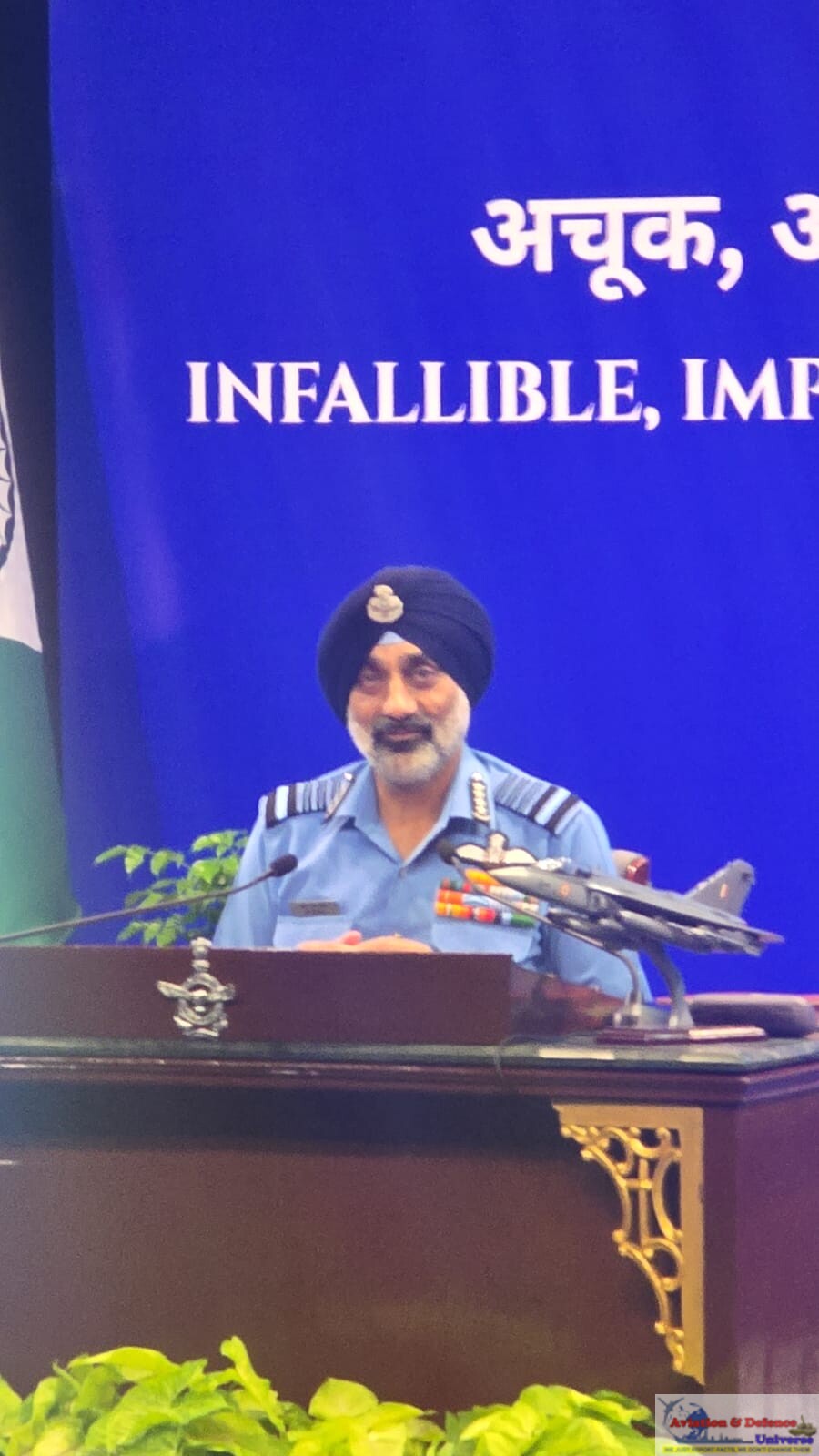
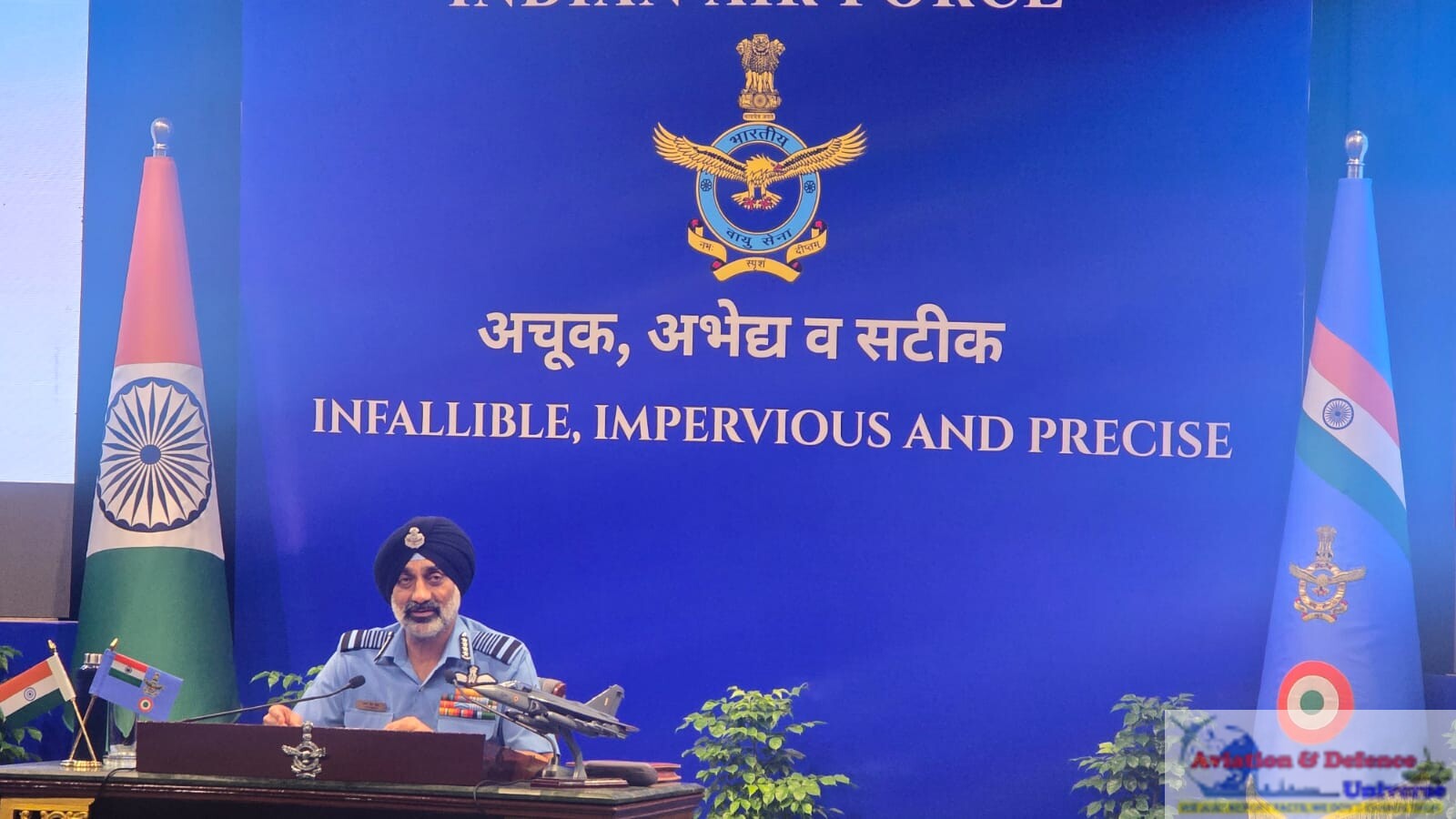
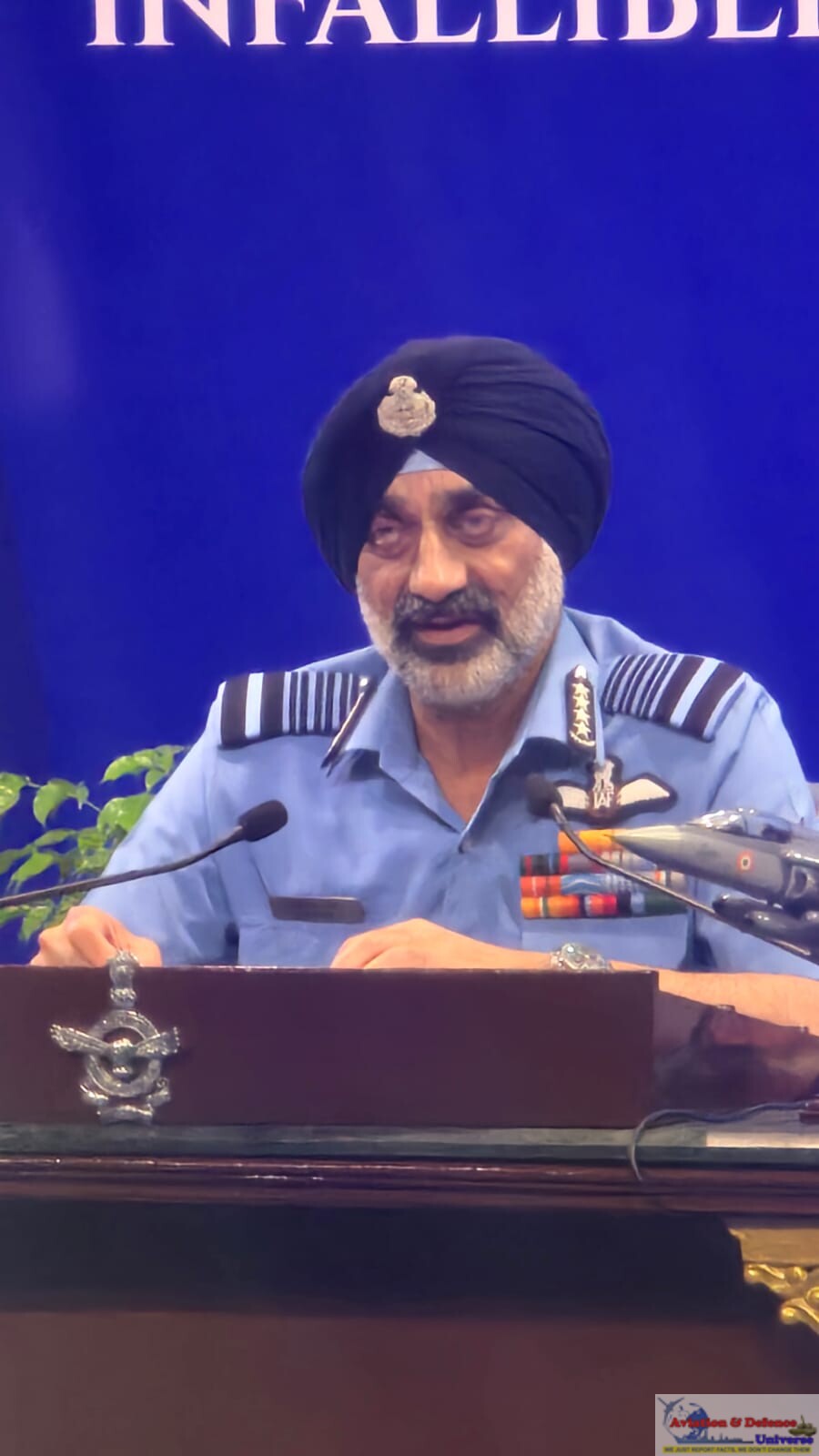
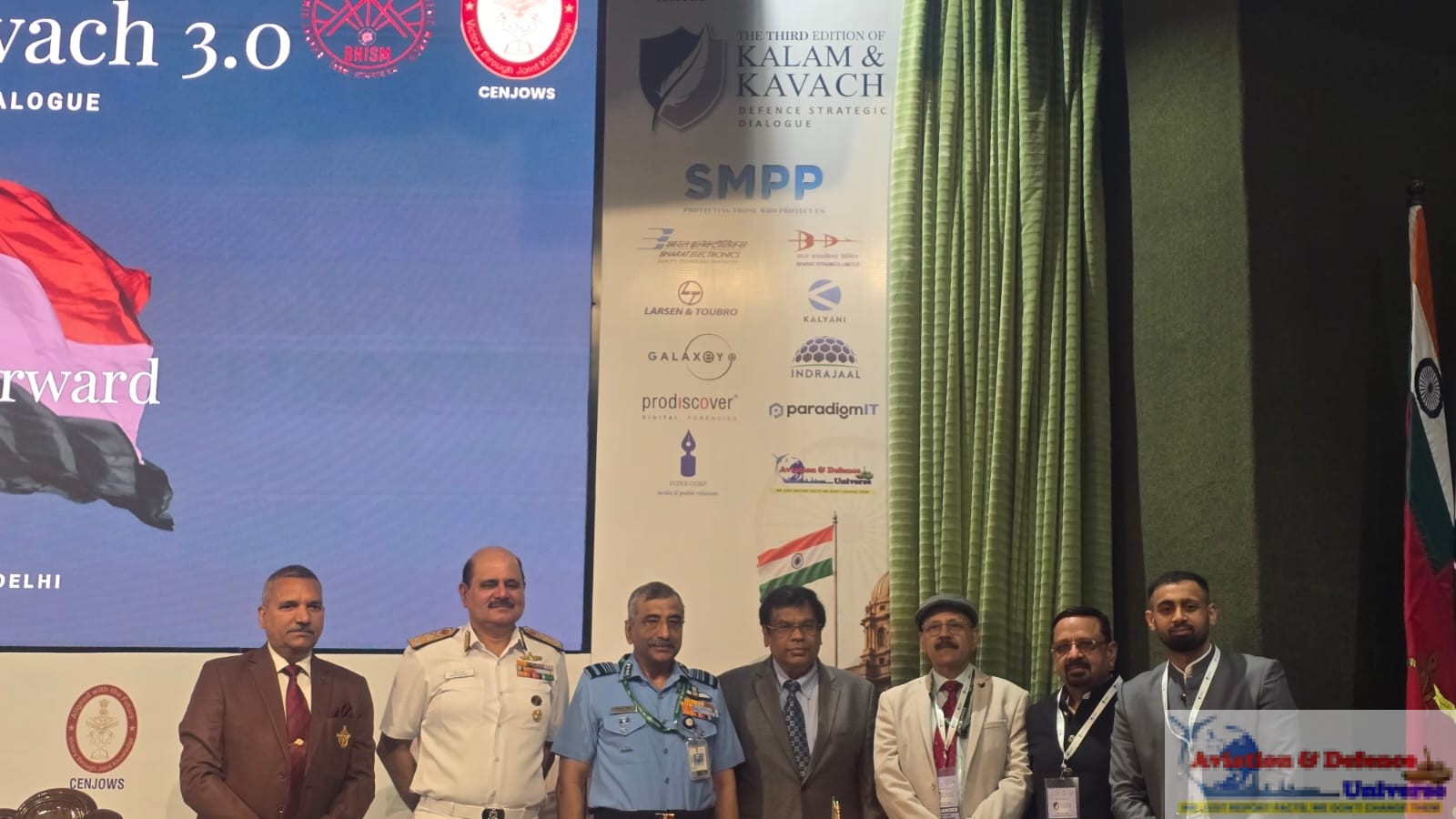
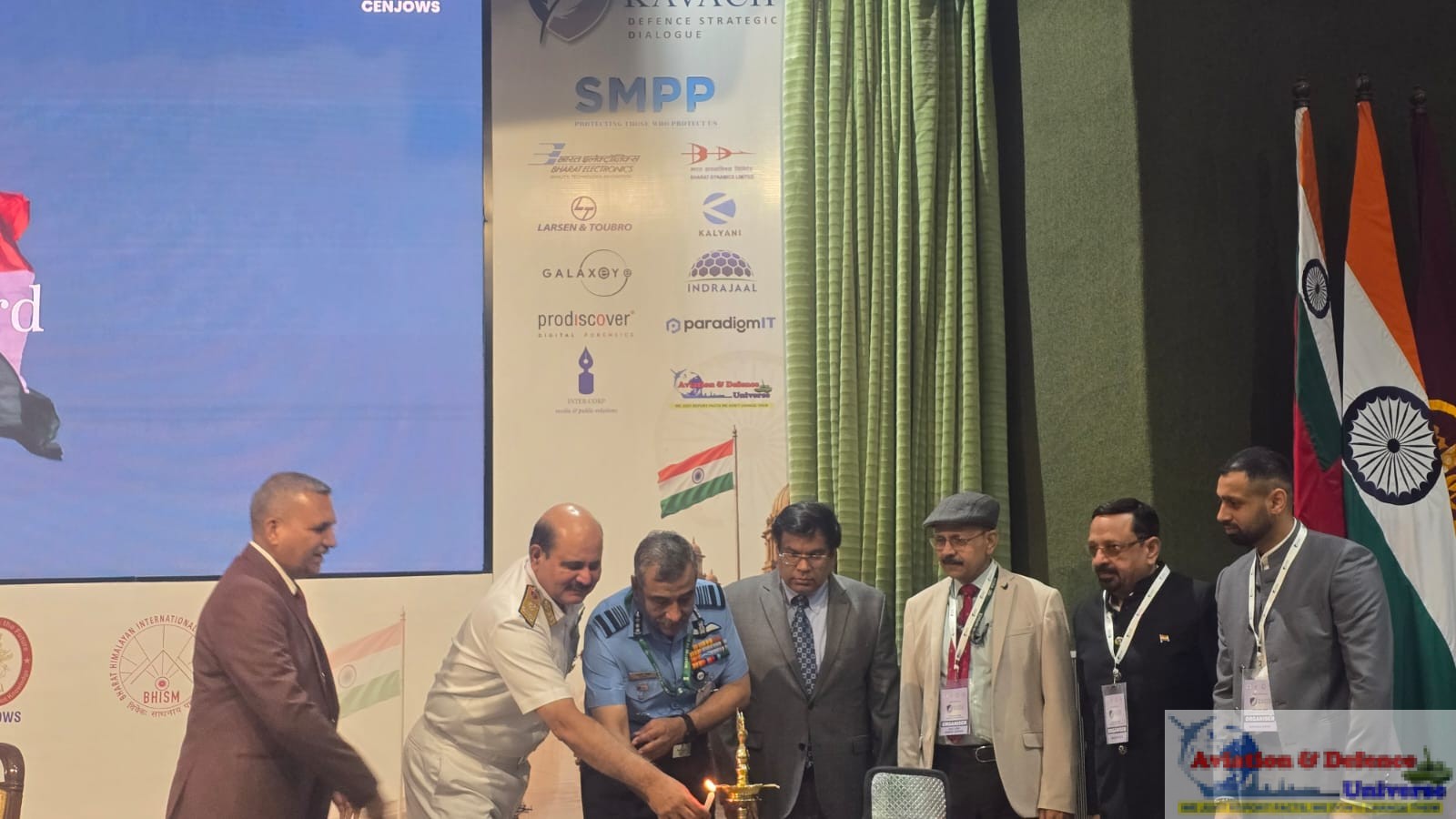
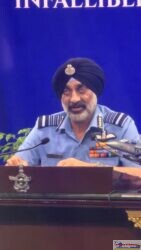
Air Marshal Ashutosh Dixit PVSM, AVSM, VM, VSM, Chief of Integrated Defence Staff to the Chairman Chiefs of Staff Committee (CISC), delivered a strategic address at Kalam & Kavach 3.0, highlighting the importance of jointness, indigenisation, innovation, and integrated capability development in preparing India for future warfare. Organised by Pentagon Press in collaboration with CENJOWS, Defence Reimagined, and BHISHMA at the Manekshaw Centre, the event brought together senior military leadership, policymakers, diplomats, defence industry representatives, innovators, and strategic thinkers to deliberate on India’s evolving defence and security architecture.
Speaking on the event theme “Taking JAI Forward with I²”, Air Marshal Dixit underlined how Jointness, Atmanirbharta, Innovation, Indigenisation, and International Collaboration were deeply interconnected and essential for building a resilient, future-ready, and integrated military force. Drawing from his operational experience and his role at Headquarters Integrated Defence Staff (HQ IDS), he stressed that India’s defence transformation would depend not only on structures and systems, but also on cultural integration, technological self-reliance, and operationally relevant innovation.
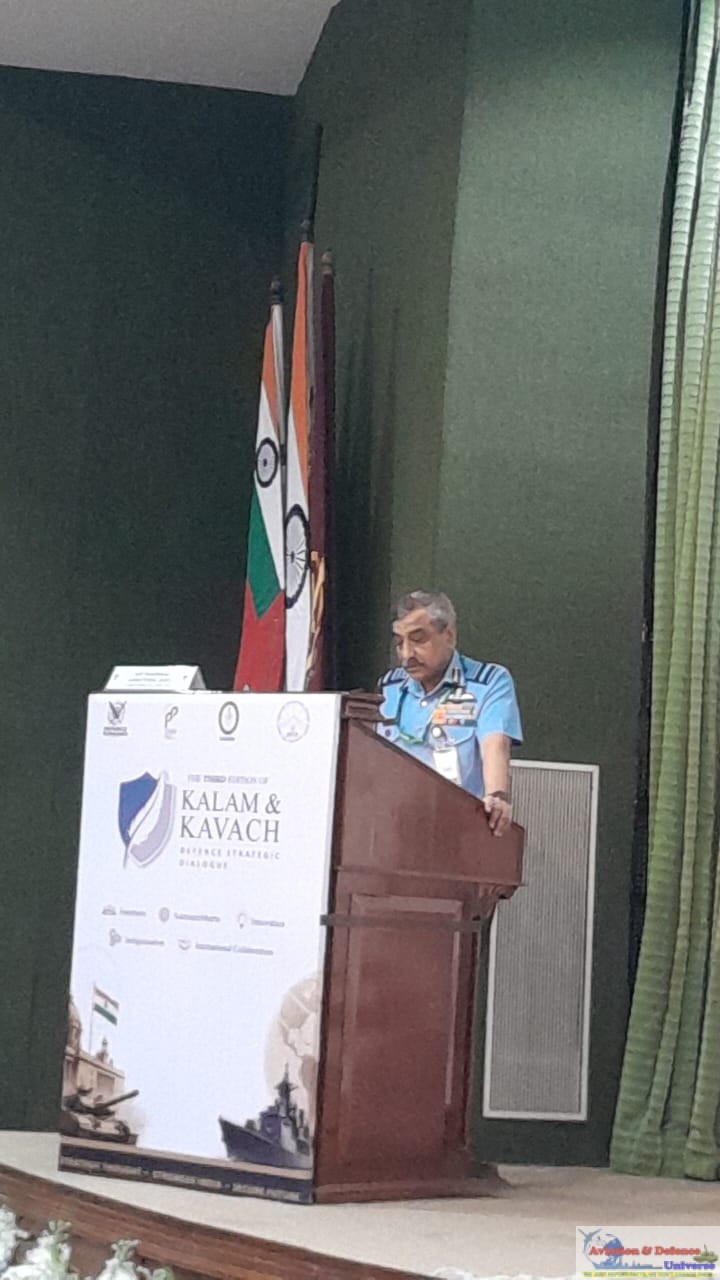 Opening his address, Air Marshal Ashutosh Dixit said the platform was important because it connected strategic policy thinking with operational realities. “I am here not to speak, but to listen and talk to you, because forums like this are where policy thinking meets ground reality,” he remarked. Referring to the theme of the event, he explained that the ideas of Jointness, Atmanirbharta, Innovation, Indigenisation, and International Collaboration were not independent concepts but part of a single strategic framework.
“Jointness without indigenous capability is very fragile. You are integrating systems you do not fully control. Atmanirbharta without innovation is very slow. And innovation without jointness is scattered. All three are connected to each other,” he said. Quoting the Prime Minister’s message on self-reliance, the CISC highlighted the strategic importance of reducing dependency on external systems and technologies.“If someone becomes too dependent on others, the very question of freedom starts to fade. Atmanirbharta is directly connected to our strength,” he observed.
Describing Headquarters Integrated Defence Staff as “the engine of jointness,” Air Marshal Dixit explained that true integration extended far beyond coordination among services. “Coordination is only the beginning of jointness. From jointness emerges integration and from there emerge structures,” he said.
He elaborated on the operational vision of integrated warfare, where formations from all three services operate as a unified force in real time.“An Army formation, naval task force, and Air Force strike element must operate as a single coherent force in real time, sharing a common operational picture and executing one integrated plan,” he stated.
Highlighting ongoing integration initiatives, he referred to joint logistics nodes, joint training exercises, and efforts to develop common communication and operational structures across services.“We have already set up certain joint logistics nodes… shared infrastructure serving all three services. Joint training exercises have become a concrete step towards integration,” he said.
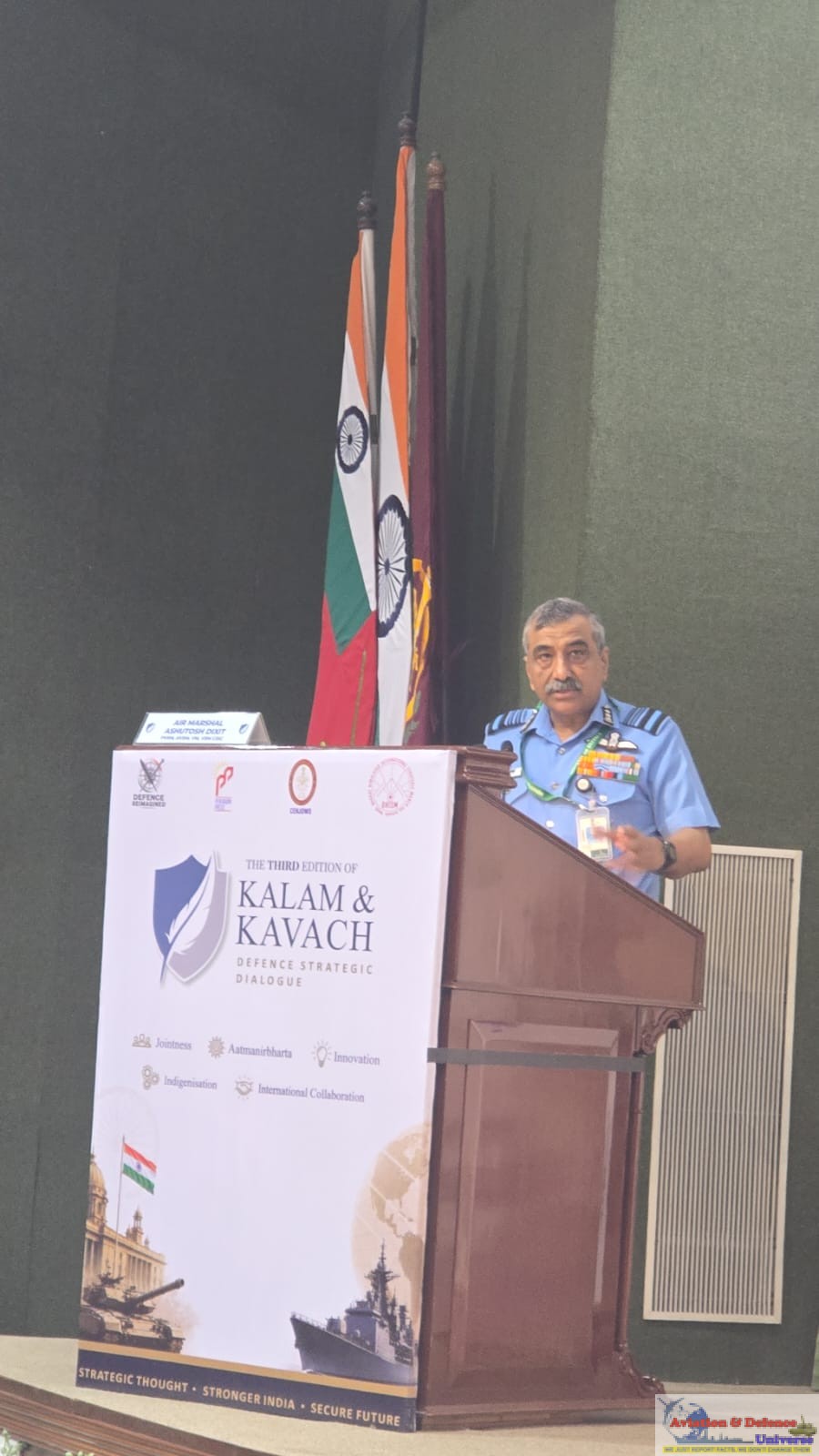 The Air Marshal emphasised that organisational structures alone would not guarantee successful integration unless accompanied by cultural transformation.“We have a structure, but the people living inside that structure create the culture,” he remarked.
Speaking from his personal experience in flight testing and indigenous system evaluation at the Aircraft and Systems Testing Establishment (ASTE), he described the realities and challenges associated with indigenisation.“Indigenisation takes patience. It takes decisions to understand why a system has failed and then to try again,” he said.
He stressed the importance of consistent requirements, long-term industry commitment, and institutional support for indigenous defence development programmes.“Building at home is not enough. What we build must be world class,” he stated.
Calling for stronger collaboration between the military and industry, Air Marshal Dixit said the armed forces were looking for operationally relevant technologies capable of solving real battlefield problems. “If you have a technology that solves a ground problem, please support us, we are there for you,” he said.
Highlighting the need to align innovation with military requirements, he observed that the real measure of progress was not the number of partnerships formed, but the operational impact of innovations created.“The real test is not how many partnerships are created, it is how many innovations are created,” he remarked.
 Towards the conclusion of his address, the CISC outlined three key takeaways for the defence ecosystem. The first focused on making jointness foundational to all future capability development.“Jointness is not optional, it is not either-or, it is the foundation,” he emphasised. His second takeaway focused on ensuring that indigenisation was accompanied by technological excellence and innovation. “Indigenisation must be matched by innovation and vision,” he said.The third takeaway addressed the need to ensure that innovation reached operational deployment instead of remaining confined to demonstrations or exhibitions. “The innovation pipeline must reach the field, not just the showcase,” he concluded.
Air Marshal Ashutosh Dixit’s address at Kalam & Kavach 3.0 underscored the growing urgency for India to build a truly integrated, technologically advanced, and self-reliant defence ecosystem capable of addressing the challenges of future warfare. By highlighting the interconnected importance of jointness, indigenisation, innovation, and international collaboration, the CISC reinforced the need for seamless integration across military services, industry, policymakers, and innovators. His emphasis on operationally relevant innovation, cultural transformation, and indigenous capability development reflected India’s broader strategic push towards building future-ready armed forces prepared for increasingly complex multi-domain conflicts.











































































-A4-Size-(2)_page-0001.jpg)