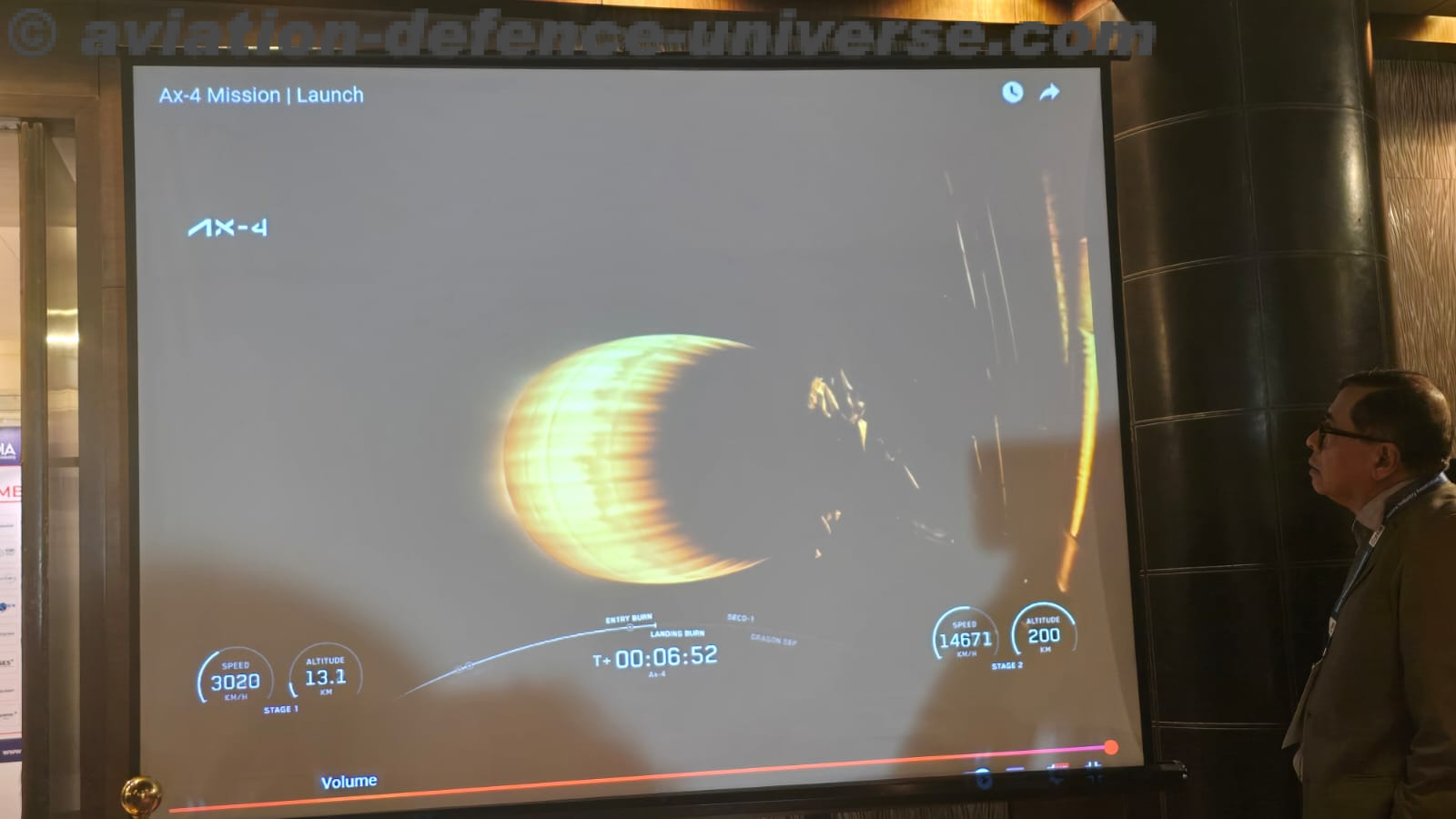




















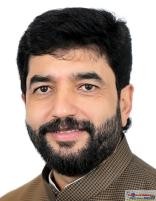
- From cutting-edge Defence and Smart Airport technologies to an inspiring session with India’s space hero, Group Captain Shubhanshu Shukla, AC
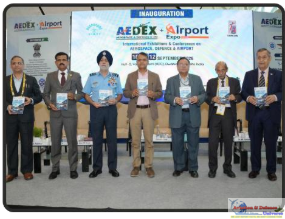
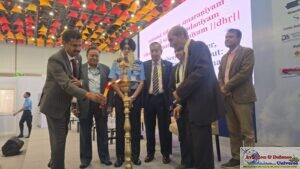
New Delhi, September 10, 2026 – India is poised to emerge as a global convergence point for the aviation, airport infrastructure, aerospace and defence industries besides investors and industry leaders under one roof when the three-day AEDEX + AIRPORT Expo 2026.
With India accelerating its emergence as a global aerospace and defence manufacturing powerhouse under the Government’s flagship initiatives such as Make in India and Atmanirbhar Bharat, this maiden International Conference and Exhibition is designed to serve as a premier business and technology platform for defence manufacturers, aerospace companies, government agencies, armed forces, research organisations, technology providers and global investors to showcase next-generation technologies.
India’s aerospace and defence sector has been undergoing unprecedented transformation, aiming to foster strategic partnerships besides exploring new business opportunities across the aerospace and defence ecosystem.
More than 670 startups, MSMEs, and individual innovators have actively signed contracts or engaged in rigorous defence challenge programmes to build operational prototypes directly for the Indian Armed Forces.
Major deep-tech startups like ideaForge (which successfully went public), NewSpace Research and Technologies, and Raphe mPhibr are leading this ecosystem, drawing over $700 million in venture funding.
In view of the above, the Indian aerospace and defence market is projected to reach USD 70 billion by 2030, creating significant opportunities for domestic and global industry participants.
Where Defence Meets Civil Aviation
The convergence of defence technology and civil aviation is officially referred to as the development of dual-use technology. Rather than remaining isolated in siloed military channels, Deep-tech startups are aggressively building technology stacks—such as autonomous navigation, perception sensing, and unmanned systems—that natively serve both defence operations and civil aviation.
HAL, which drives its engagement, funding, and technology agreements with defence and aerospace start-ups through the Innovations for Defence Excellence (iDEX) framework, has sharply come into focus for the rapid strides it has been making in the newest segments.
The state-owned facility which has already signed a final contract with Safran Helicopter Engines late last month to jointly develop and manufacture a new-generation helicopter engine, marking a maiden step in India’s efforts to build indigenous aerospace propulsion capabilities, is a co-founding member of the Defence Innovation Organisation (DIO). DIO serves as the parent body managing the iDEX initiative to foster innovation across India’s aerospace and defence sectors.
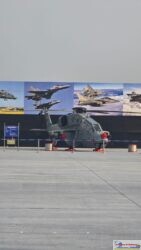
As for Helicopter Fuselage Production, HAL partnered with private players and public enterprises like Adani Defence Systems and BEML to manufacture major structural components for the indigenous Light Combat Helicopter (LCH) Prachand.
Advanced Avionics & Safety Tech, HAL has secured transfer of design and manufacturing rights for LiDAR-based Obstacle Avoidance Systems (OAS) with global partners like Hensoldt Sensors to build local integration pipelines usable by domestic tier-1 vendors and start-ups.Key focus areas for these start-up challenges include autonomous systems, predictive algorithms, intelligent machines, advanced aviation composites, and specialized rocket/jet engine components.
The recent approval of the Advanced Medium Combat Aircraft (AMCA) programme marks another major milestone in India’s journey towards defence self-reliance. The ambitious fifth-generation fighter aircraft project is expected to significantly enhance collaboration between the public and private sectors while accelerating indigenous research, advanced manufacturing and technology development.
India’s airport sector is experiencing rapid transformation and massive infrastructure expansion, solidifying its position as the World’s third domestic aviation market. With the number of operational airports more than doubling since 2014, the sector is backed by the multi- million- dollar by the Government and private sector.






























































-A4-Size-(2)_page-0001.jpg)