

 18th BRICS Summit







By Sangeeta Saxena
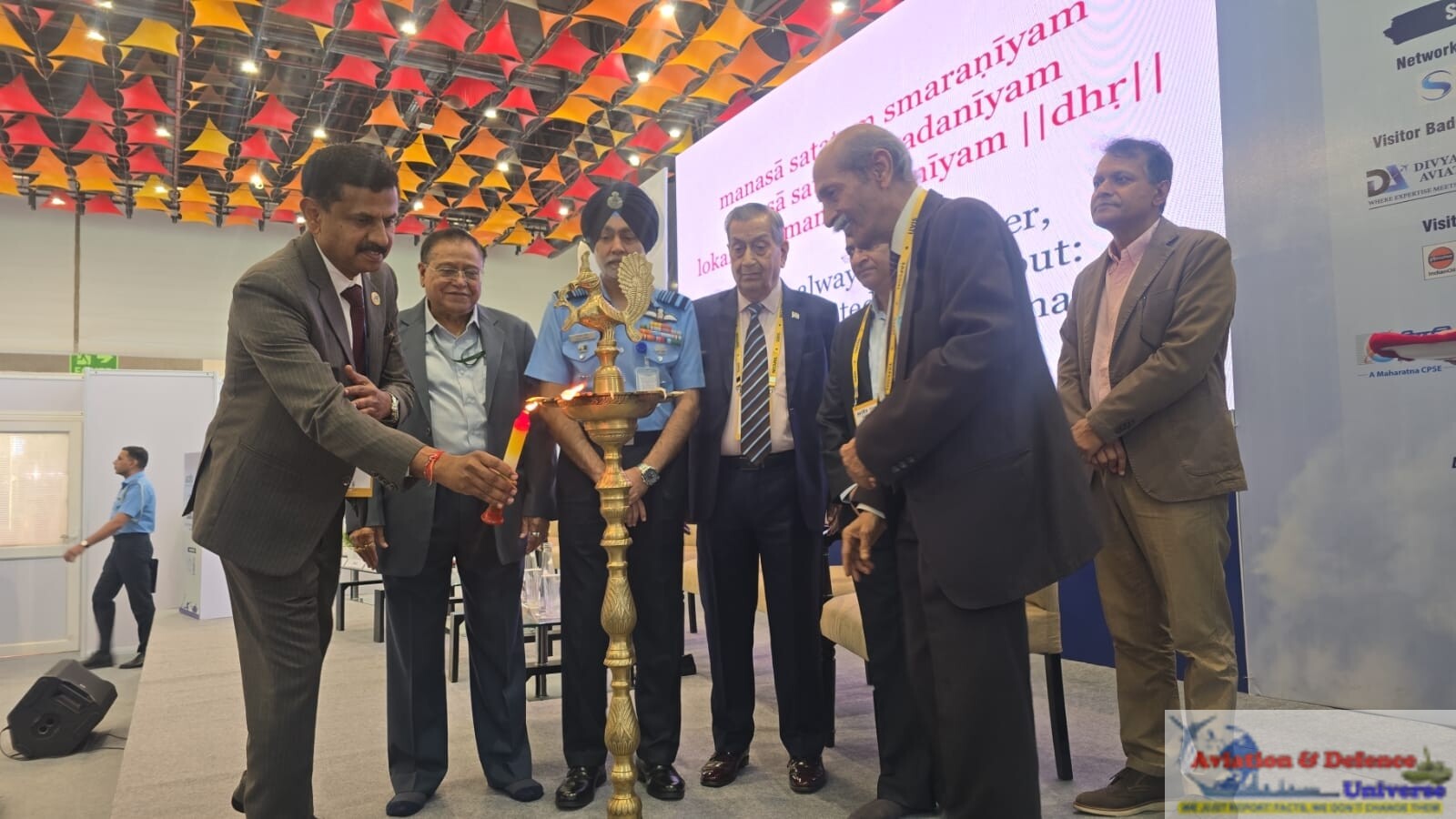
New Delhi. 10 September 2026. AEDEX 2026 opened with an ambitious vision for India’s aerospace, defence and space industries. The inaugural addresses called for faster procurement, stronger domestic supply chains and greater participation by private companies. The first panel discussion then pressed a more difficult question: how can India move from manufacturing complex platforms to owning their critical technologies?
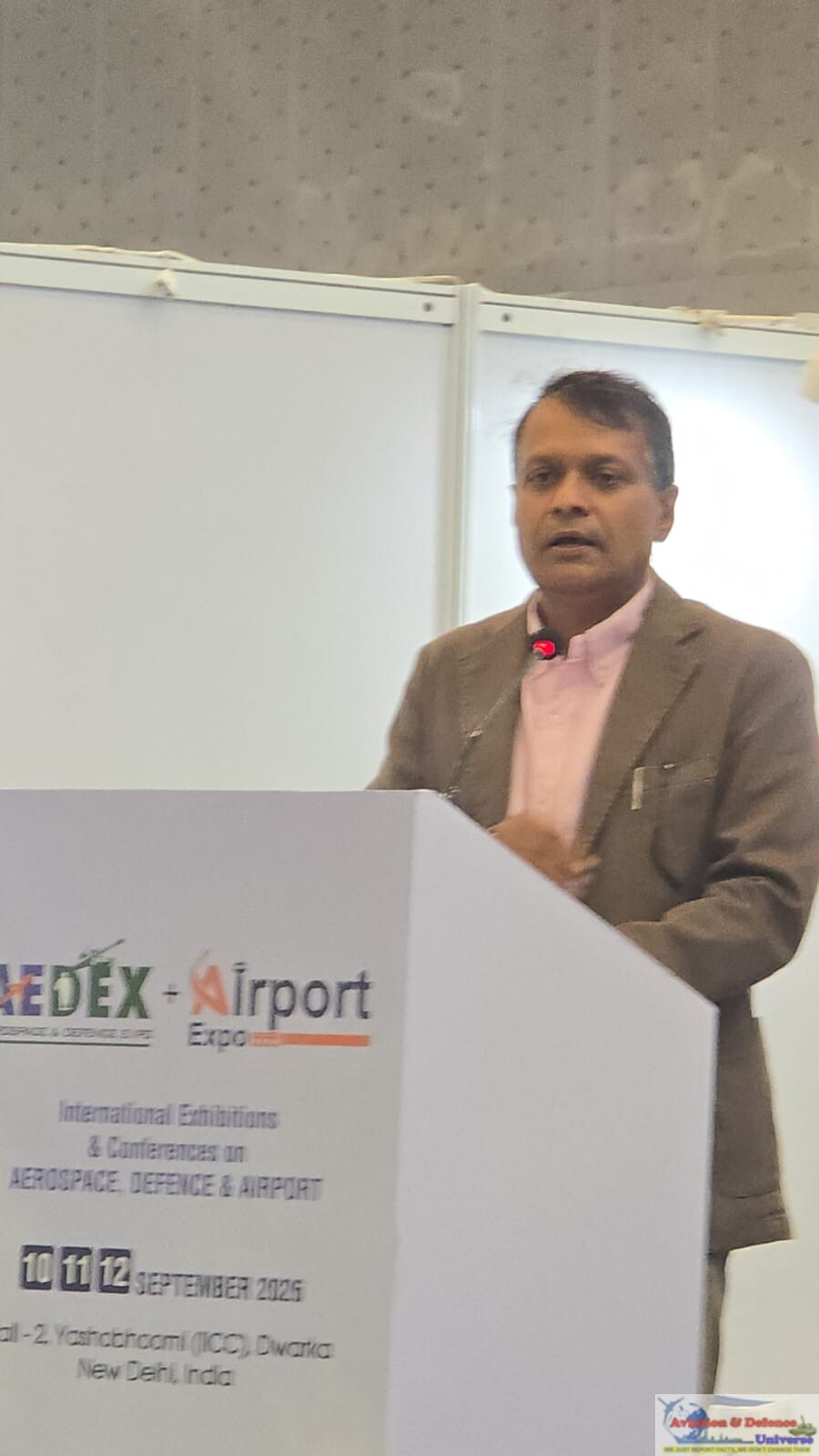 The three-day exhibition brings together the defence and civil aviation sectors. The event had around 250 stalls representing more than 10 countries, including approximately 60 stalls involving MSMEs, startups and drone enterprises. Delegations from Canada, Singapore, the United States, South Korea and the Philippines were among those expected to take part in business meetings.
Delivering the inaugural address, Defence Finance Secretary Vishwajit Sahay placed aerospace, defence and space at the centre of India’s national security, strategic autonomy and economic ambitions. India had made significant progress, he said, but remained dependent on imports for critical technologies, particularly aircraft engines.
Sahay outlined reforms ranging from positive indigenisation lists and defence industrial corridors to support for startups and changes in acquisition procedures. He said 75 per cent of the capital acquisition budget had been earmarked for domestic industry, while ₹2,000 crore was being earmarked for procurement through MSMEs and startups in financial year 2026–27. He also cautioned against treating domestic spending as a complete measure of self-reliance: a payment made in rupees did not necessarily mean the underlying product was indigenous.
His proposed roadmap put aero engines, advanced materials, sensors, avionics, semiconductors and autonomous systems among the priority technologies. Faster procurement, outcome-based research funding and closer cooperation between government, industry and academia would be needed to turn those priorities into working products, he said.
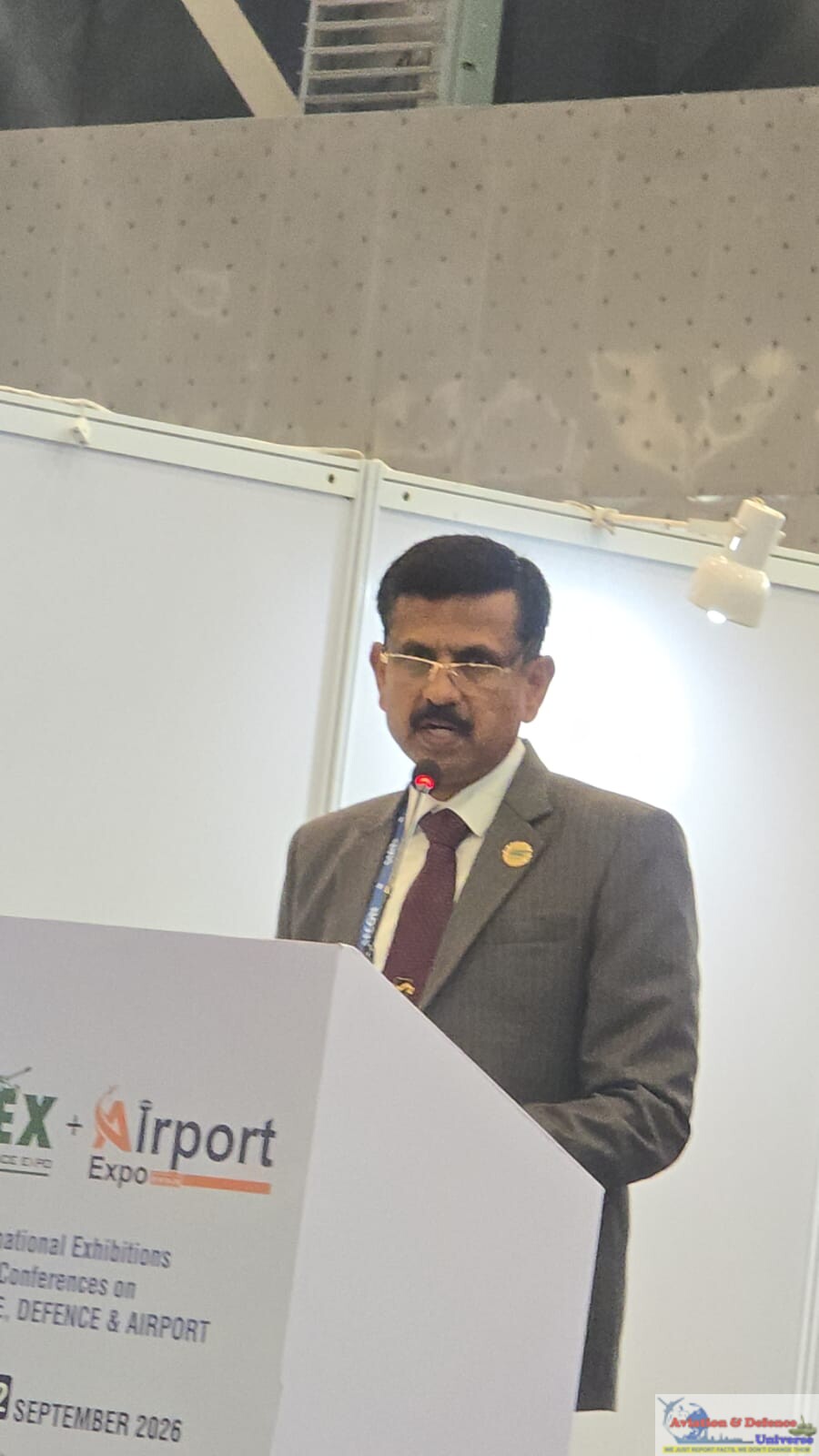 For Hindustan Aeronautics Limited (HAL), the immediate opportunity lies in widening the industrial base around its aircraft programmes. Its Chairman and Managing Director K. Ravi said more than 500 private vendors had been developed through the Tejas programme, including around 350 MSMEs supplying components, subsystems and structures. He invited startups to bring solutions in artificial intelligence, digital engineering, advanced manufacturing and autonomous systems, and urged international companies to develop and manufacture alongside Indian partners.
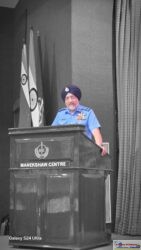
Air Marshal T. P. Singh Deputy Chief of Air Staff, IAF, brought the user’s perspective to the inauguration. He described innovation as central to the Indian Air Force’s modernisation and pointed to its engagement with industry, startups and academia. He said Air Force projects were generating business opportunities worth nearly ₹21,000 crore for the private sector, principally MSMEs and startups. Industry outreach, clearer statements of operational requirements and greater understanding of certification processes, he argued, could help companies turn promising ideas into equipment ready for service.
“Whether I go back years ago to the SG-2, the Kiran, the Ajit, the HBD-32 and to more modern inductions over the past few years including the Advanced Light Helicopter, the Light Combat Helicopter, the Tejas, Akash, BrahMos and a large number of weapon systems and radars developed both by DRDO and by the private sector. And all these systems are the capabilities or examples of the capabilities of Indian designers, engineers and industries over the years. The recent conflicts both in the Middle East and in Europe have also demonstrated the necessity for innovative thinking and out of the box planning for war fighting and this can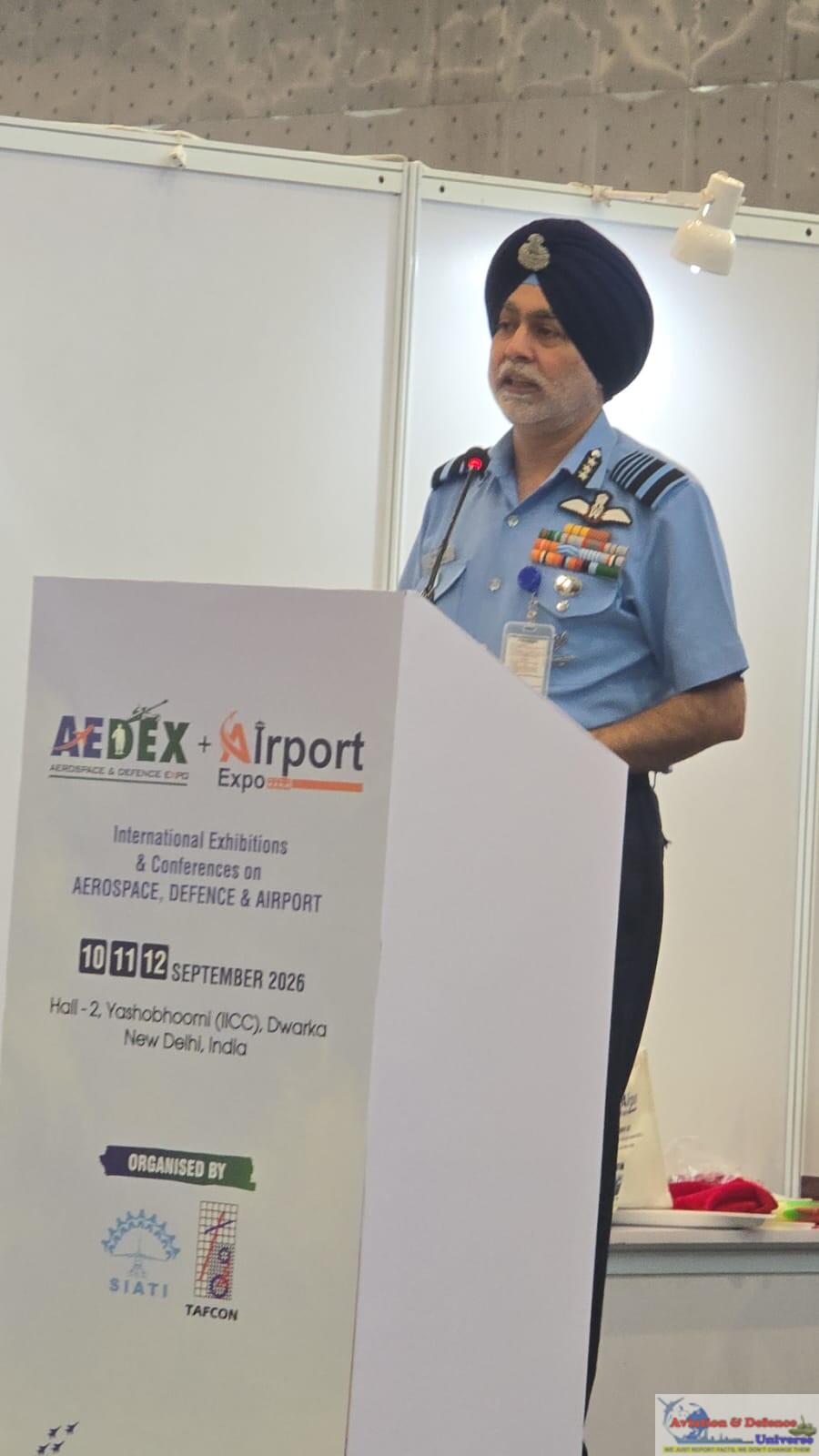 only happen when your systems and weapons are indigenous. Innovation today is the heartbeat of IAF’s modern defence strategy and we are seeing a paradigm shift in this synergy which is there between the users, the industry, the innovators, the academia and this is something which is very critical for indigenous production. A lot has been said about the policies which are there and I think the IAF is using these policies to the benefit of everybody. And today we are progressing almost 177 projects under MAKE, IDEX, EDF, both with big industries, with MSME startups and individual innovators. And these projects which are being managed by the Air Force are generating business opportunities of almost 21,000 crores for the private sector and primarily for the MSMEs and the startups. And these projects which are there pertain to various domains whether they are space, ISR, communications, EW, weapon systems, simulators, EIML systems, biomedical systems, aircrew clothing, drones, counter drones and a wide variety. Now while we are progressing these systems it is very essential to bridge the perceived or the real gap which exists between what the Air Warrior wants in the field and what the industry is able to deliver, ” he stated.
From indigenous production to indigenous design
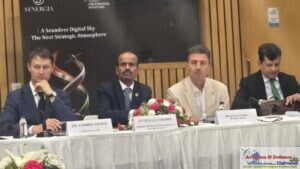
The first panel discussion, led by former DRDO chief Dr V. K. Saraswat, examined how India’s defence industrial policy had evolved from import substitution and licensed production towards the design and development of its own systems. Saraswat credited mission-based programmes and the growth of MSME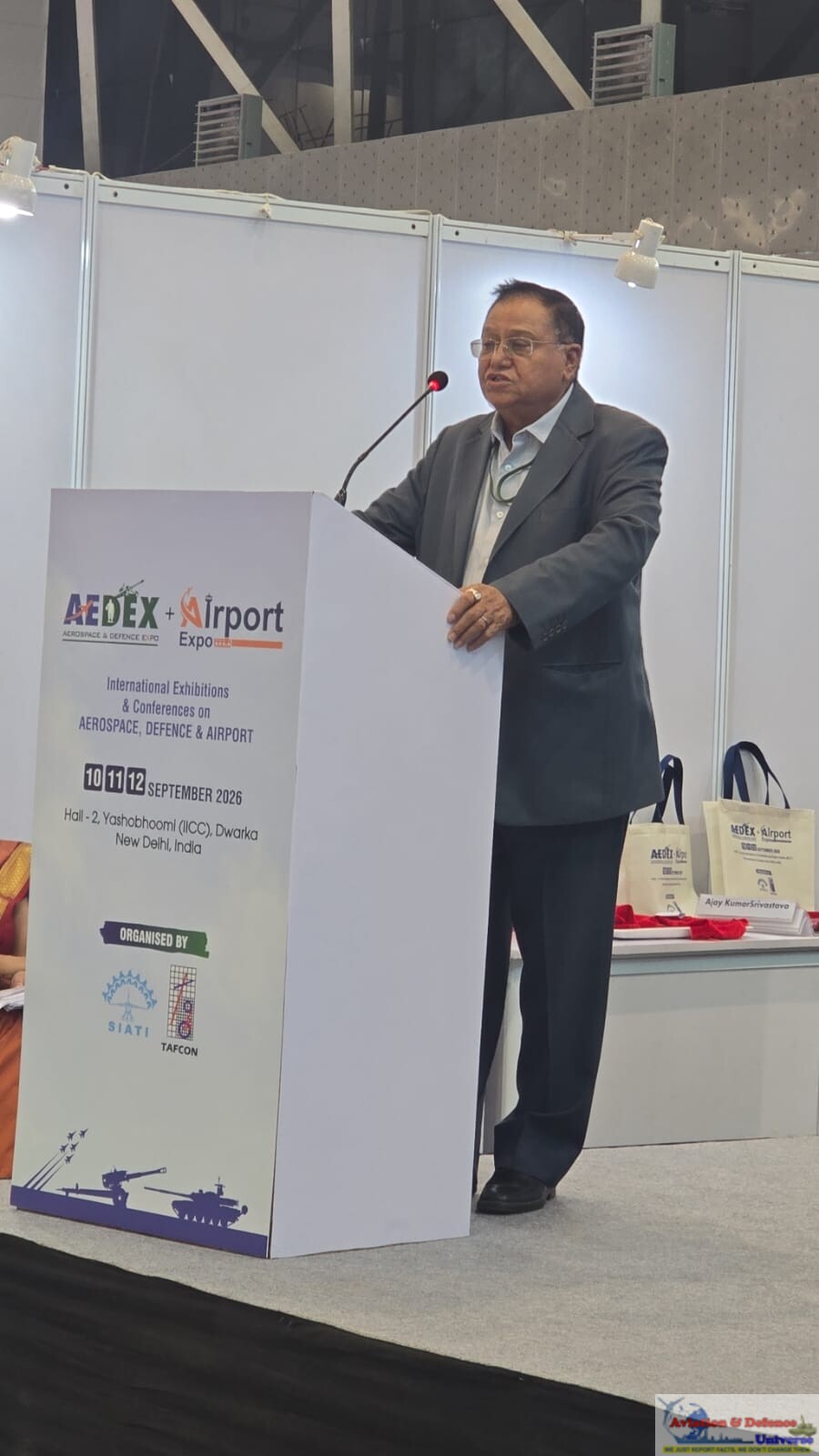 participation with expanding domestic capability. The next challenge, he argued, was to invest at the scale required for research, testing and mass production.
Recent conflicts had demonstrated the importance of holding substantial inventories of missiles and drones, Saraswat said. That made production capacity and dependable supply chains as important as successful prototypes. International collaboration could accelerate development, he added, but Indian organisations needed to acquire the ability to design subsequent versions themselves.
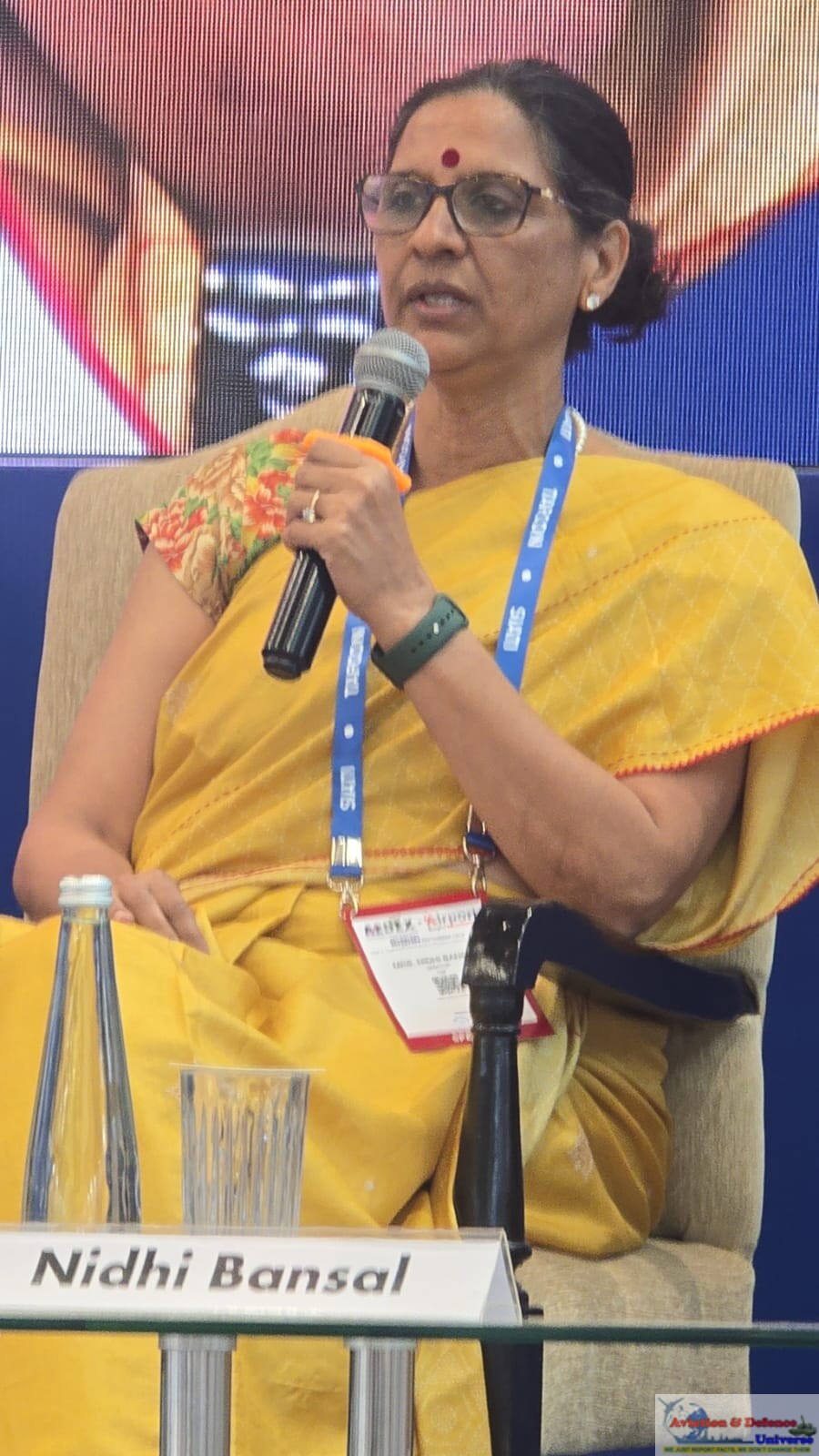
A representative discussing space missions described the advanced sensors developed for India’s lunar exploration programme and the new demands that future missions would place on domestic technology. Nidhi Bansal, Director, Technology Development Front, speaking on the Technology Development Fund, said support for private industry had to extend beyond funding to include technical guidance, intellectual property arrangements and routes to subsequent products and exports.
HAL’s panel representative drew a sharp distinction between the share of a product manufactured in India and control over its underlying technology. True indigenisation, he argued, included the ability to alter a design, replace an unavailable component and retain ownership of the intellectual property. He identified radar, electronic warfare equipment, flight-control actuators, testing facilities and engine technologies among the areas requiring sustained attention.
 An Aeronautical Development Agency representative brought the discussion down to components that can receive less attention than aircraft or engines. India still needed domestic sources for items including aircraft alternators, hydraulic and fuel pumps, carbon fibre and high-strength aluminium alloys, he said. These gaps could affect the pace of future fighter programmes even as work advanced on more sophisticated systems.
Audience questions turned to delays in the Tejas Mk1A programme and the risks facing later aircraft projects. In response, HAL’s representative said the Mk1A airframe was ready, while weapon integration and final testing remained to be completed. The discussion also examined how delays in project approvals, funding and imported critical components can affect delivery schedules. Saraswat used the exchange to renew his call for investment in indigenous aero-engine development and the facilities needed to test engines and their subsystems.
Across the inauguration and the panel, one message held: India has built a broader aerospace and defence manufacturing ecosystem, but its next advance depends on design ownership, testing capacity and sustained investment in the components that make entire platforms possible. AEDEX 2026 opened by putting those practical requirements alongside the country’s larger ambitions for self-reliance.

































































-A4-Size-(2)_page-0001.jpg)