 18th BRICS Summit









- TCL Plans to Double Business in Two Years Through Diversification and Exports
- From Ballistic Protection to Extreme Cold Climate Gear : TCL Broadens Product Portfolio
- Supporting the Soldier, Protecting the Nation : Troop Comforts Limited’s Expanding Mission
By Sangeeta Saxena
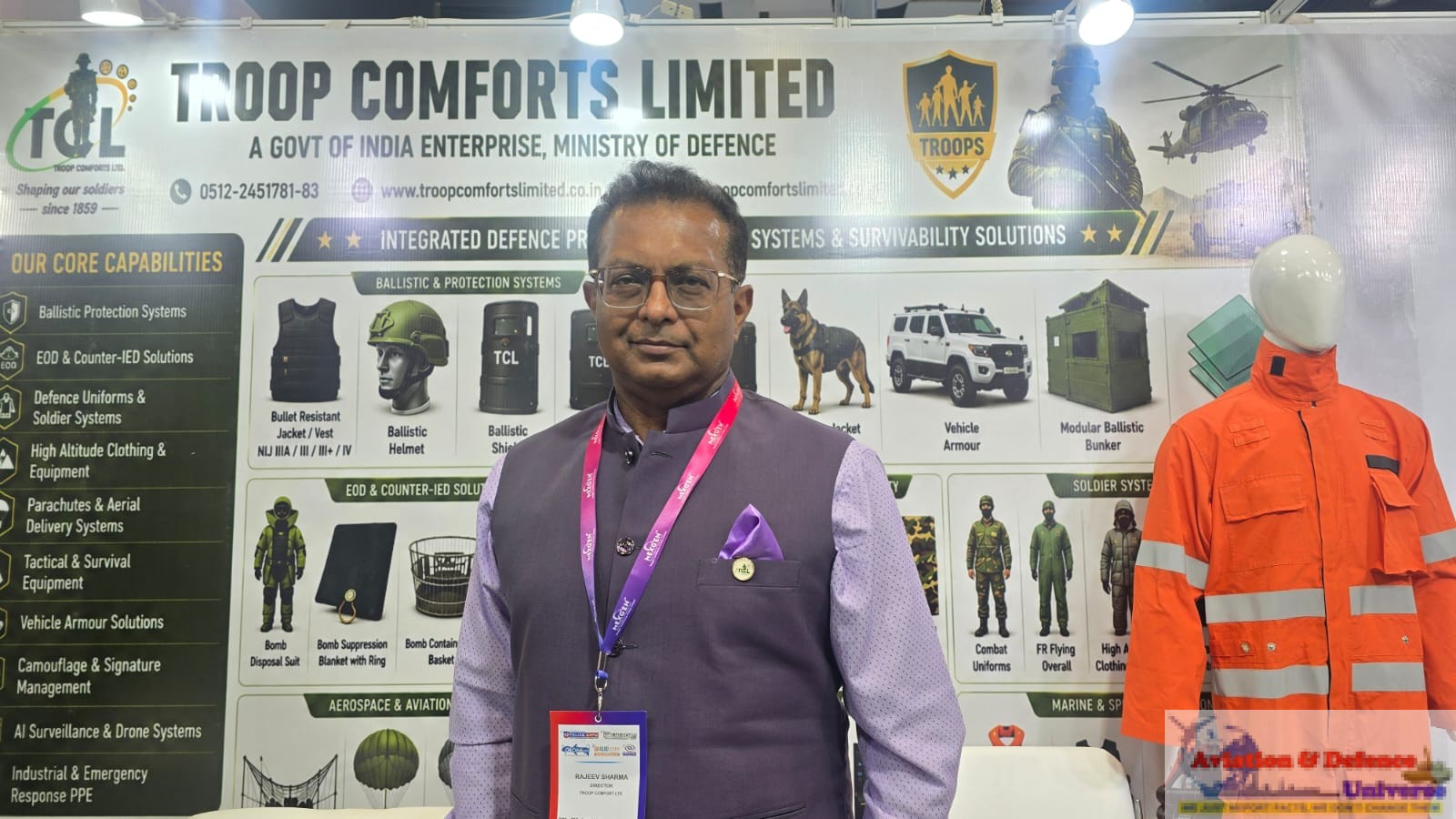
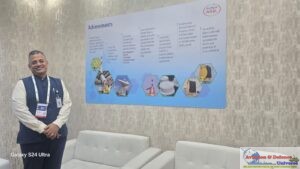
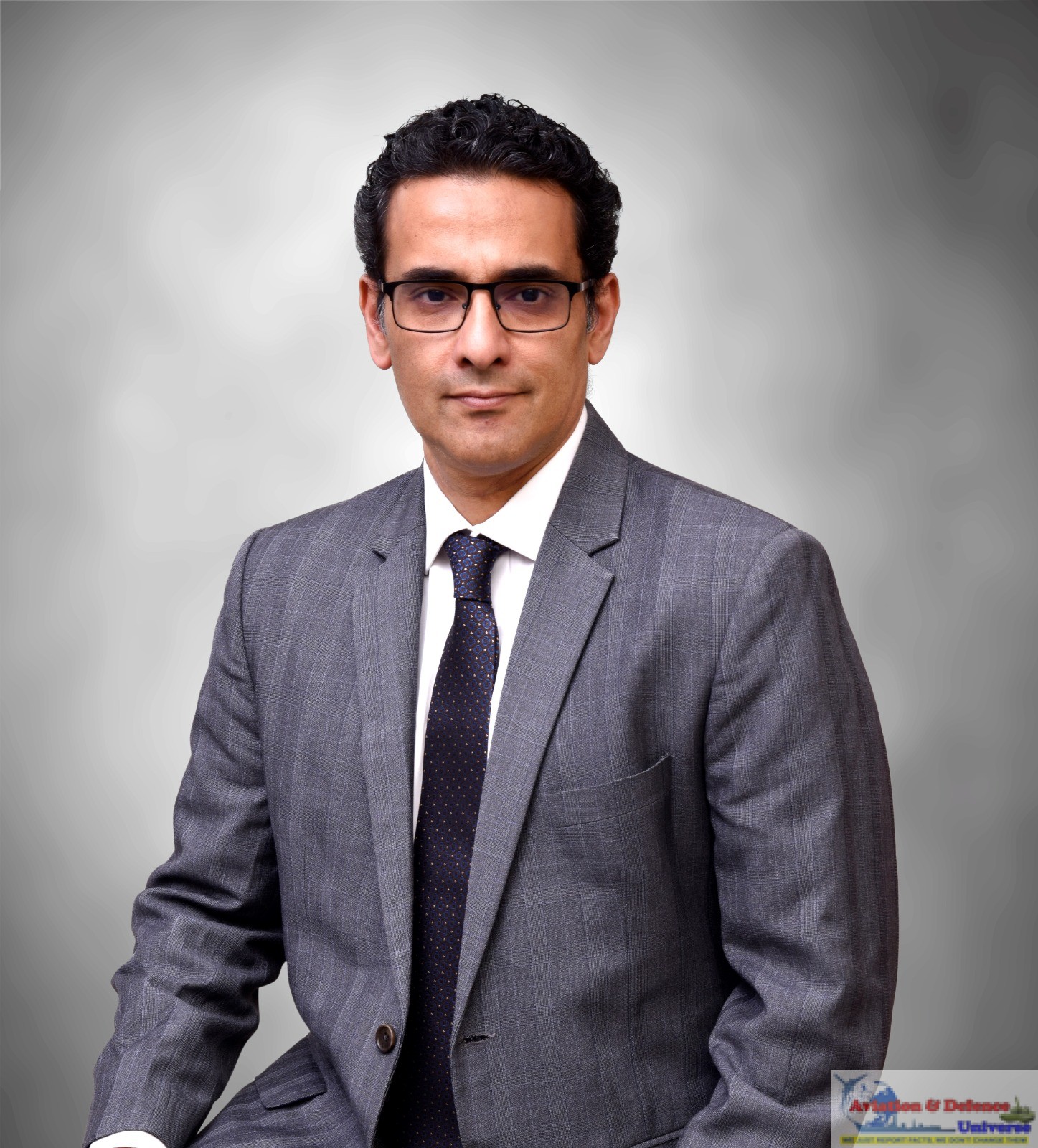
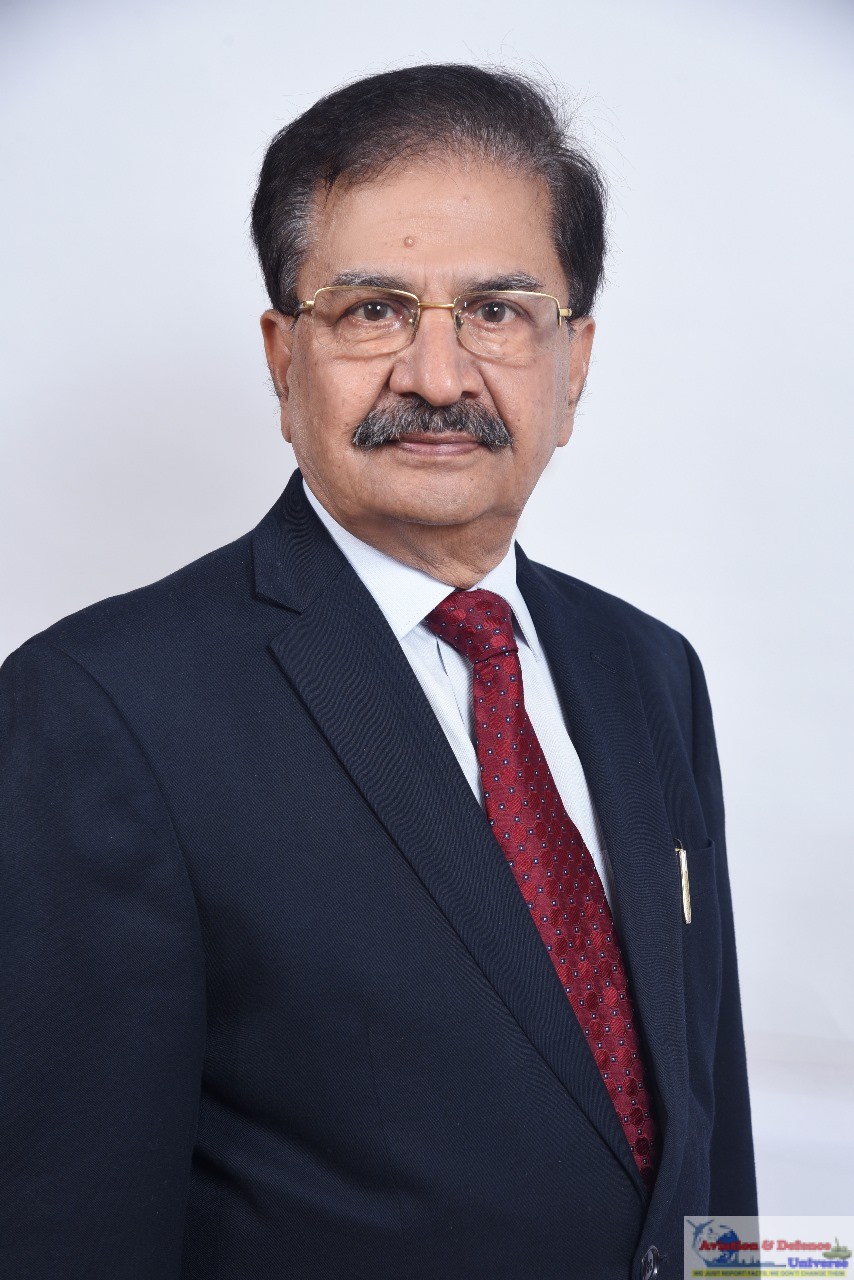
New Delhi. 25 June 2026. Troop Comforts Limited (TCL), one of the Defence Public Sector Undertakings carved out of the erstwhile Ordnance Factory Board, has long been a trusted supplier of life-cycle clothing, extreme cold climate gear, ballistic protection equipment and troop comfort products to the Indian Armed Forces. At the Homeland Security Expo and Police Expo 2026, TCL showcased an extensive range of products aimed at police, paramilitary and homeland security agencies, reflecting its strategy of diversification and growth. In an interaction with Aviation & Defence Universe (ADU), Rajeev Sharma, Director (Operations), Troop Comforts Limited, discussed the company’s product offerings, export ambitions, indigenous supply chain, homeland security opportunities and plans to significantly expand its business in the coming years.
ADU. We are meeting here at the Homeland Security Expo and Police Expo where Troop Comforts Limited has a large presence. What are you showcasing at the event?
Rajeev Sharma. Troop Comforts Limited is one of the DPSUs carved out of the erstwhile Ordnance Factory Board. We have four production units and our corporate headquarters in Kanpur. Traditionally, we have been catering to the requirements of the Indian Armed Forces, including life-cycle clothing, extreme cold climate clothing, special clothing and mountaineering equipment, tentage, ballistic protection gear and general stores. Now we are diversifying into the requirements of police and paramilitary forces. These organisations represent a significant business opportunity for us. At this exhibition, we are focusing on products required by law enforcement agencies.
We are showcasing anti-riot gear including anti-riot helmets, full body protectors, lathis, elbow and knee guards, chest protectors and related equipment. We are also displaying a wide range of ballistic protection products, including ballistic-resistant vests for both men and women, ballistic-resistant jackets offering the highest levels of protection, bomb suppression blankets, ballistic briefcases and bomb disposal suits. We are highly competitive in this segment and have invited representatives from police departments and paramilitary organisations across the country to experience these products firsthand.
ADU. How has the response been from police and paramilitary organisations?
Rajeev Sharma. The response has been very encouraging. There has been significant footfall from state police forces and paramilitary organisations. Many of them have expressed interest in procuring these products from TCL. Our products may sometimes be slightly more expensive than alternatives available in the market, but we do not compromise on quality. We also ensure timely delivery. Since these are life-saving products, quality and reliability are paramount. In that regard, TCL is ahead of many other players in the sector. We expect substantial business opportunities to emerge from this event and believe that these products alone could contribute an additional ₹100–200 crore to our business in the coming years.
ADU. Many police and paramilitary organisations operate in high-altitude regions. What products do you offer for them?
Rajeev Sharma. One of our factories in Shahjahanpur specialises in winter clothing and extreme cold climate clothing. These products are extensively used by organisations such as the Indo-Tibetan Border Police (ITBP) and the Sashastra Seema Bal (SSB). Representatives from these organisations have visited our stall. We have offered to customise products according to their specific requirements. Different forces use different camouflage patterns, and we can provide customised solutions accordingly.
We have collaborations with NIFT Delhi, IIT Delhi and a number of industry partners supporting us with advanced materials and technologies. We have assured customers that we can customise and upgrade products based on their operational needs.
ADU. Bomb disposal suits are critical for both military and homeland security applications. How important is this segment for TCL?
Rajeev Sharma. Bomb disposal suits are one of the areas where TCL has a distinct advantage. We are the only organisation in India integrating all the components of bomb disposal suits domestically. Most other suppliers import and assemble them. This gives us a significant cost advantage and positions us well to meet the requirements of police forces, paramilitary organisations and the armed forces. We are planning to expand our presence in this segment in a major way.
ADU. This is an international exhibition. What are TCL’s export ambitions?
Rajeev Sharma. Exports are an important focus area for us. Although our financial results are yet to be formally audited, we have already achieved exports worth approximately ₹40 crore during the current financial year. For the coming year, we are targeting exports of around ₹60 crore. A significant portion of our exports currently goes to Nepal, particularly anti-riot equipment. This year alone, around ₹20 crore worth of goods are expected to be exported to Nepal. We are also targeting additional exports worth approximately ₹40 crore to other international markets.
ADU. Do you have a defined export strategy?
Rajeev Sharma. Our export strategy is largely based on government-to-government (G2G) arrangements. We are focusing on Southeast Asian countries, excluding Pakistan and Bangladesh, as well as African nations and Central Asian countries. We are also exploring opportunities in countries that receive development assistance from India. If these nations require products within our portfolio, we are well-positioned to meet their requirements.
ADU. Is your supply chain fully indigenous?
Rajeev Sharma. Yes, absolutely. All our raw materials are sourced from within India. We do not depend on imported materials. Our supply chain is completely indigenous and aligned with the Government’s Atmanirbhar Bharat vision.
ADU. Do you also supply specialised boots and equipment to the Armed Forces?
Rajeev Sharma. Yes. We have partnered with several leading domestic and international companies. For example, we have tied up with the Italian company Scarpa, which manufactures specialised mountaineering and glacier boots. We are in the process of obtaining technology transfer for these products and will manufacture them in our facilities in India for supply to the Armed Forces.
ADU. Besides homeland security, the defence sector remains a major market for TCL?
Rajeev Sharma. Certainly. The defence sector remains our primary market. We cater to all three Services and are also engaging with the Indian Coast Guard. Our position in the Army remains particularly strong.
ADU. Have you developed any specialised products for the Coast Guard and maritime sector?
Rajeev Sharma. Yes. We have developed a special ballistic-resistant jacket with buoyancy characteristics for the Coast Guard. Conventional ballistic jackets are heavy. If a sailor wearing one falls into the water, there is a risk of sinking. Our design incorporates buoyancy so that the wearer remains afloat. This technology also has potential applications for navies worldwide and could become an export product. We are also exploring opportunities in the commercial shipping sector.
ADU. Do you see industrial safety as another growth area?
Rajeev Sharma. Absolutely. Industrial safety is a major opportunity for us. We manufacture products such as anti-skid footwear and anti-flash gloves that are widely used by industrial workers. These products align well with workplace safety requirements and represent another market segment that we intend to expand.
ADU. Would you like to add anything about TCL’s future plans?
Rajeev Sharma.We have a clear plan to diversify our business and tap into new markets. We expect to substantially increase our business volumes from current levels and aim to double our value of issues over the next two years. We also intend to support the Government of India’s export promotion initiatives by identifying new international markets and expanding our exports.
The interaction with Rajeev Sharma highlighted Troop Comforts Limited’s transformation from a traditional supplier of military clothing and equipment into a diversified defence and homeland security enterprise. While continuing to serve the Indian Armed Forces with specialised clothing, ballistic protection and troop support products, TCL is now aggressively targeting police, paramilitary, industrial safety and export markets. Backed by a fully indigenous supply chain, technology partnerships and growing export ambitions, the company is positioning itself as a key contributor to India’s self-reliance and defence manufacturing objectives. With plans to double its business and significantly expand exports, TCL’s journey reflects the broader evolution of India’s defence industrial ecosystem.
As told to Sangeeta Saxena


































































-A4-Size-(2)_page-0001.jpg)