


 18th BRICS Summit

















- Anti-Israel protests outside and in the venue compound
- 11 new national Pavillions
By Sangeeta Saxena
Parc Des Expositions, Paris. 15 June 2026. Eurosatory’s international expansion comes at a time when defence spending is increasing worldwide amid regional conflicts, shifting alliances and rapid technological change. The exhibition has become a key venue where governments, manufacturers, investors and military leaders collaborate to address evolving operational requirements and industrial challenges.
Beyond the impressive numbers lies a deeper story of shifting strategic priorities. The expanding national delegations at Eurosatory 2026 are not merely a reflection of growing exhibition space—they are indicators of how nations are recalibrating their defence postures in an increasingly uncertain world. From Europe’s accelerated rearmament to emerging defence ecosystems in Asia, Africa and the Middle East, countries are using the Paris platform to showcase indigenous capabilities, seek new partnerships and strengthen supply chains. In many ways, the exhibition floor has become a mirror of the global security environment, where industrial strength, technological innovation and strategic influence are increasingly intertwined. As conflicts reshape military doctrines and defence spending rises worldwide, national pavilions have evolved into statements of intent as much as showcases of capability.
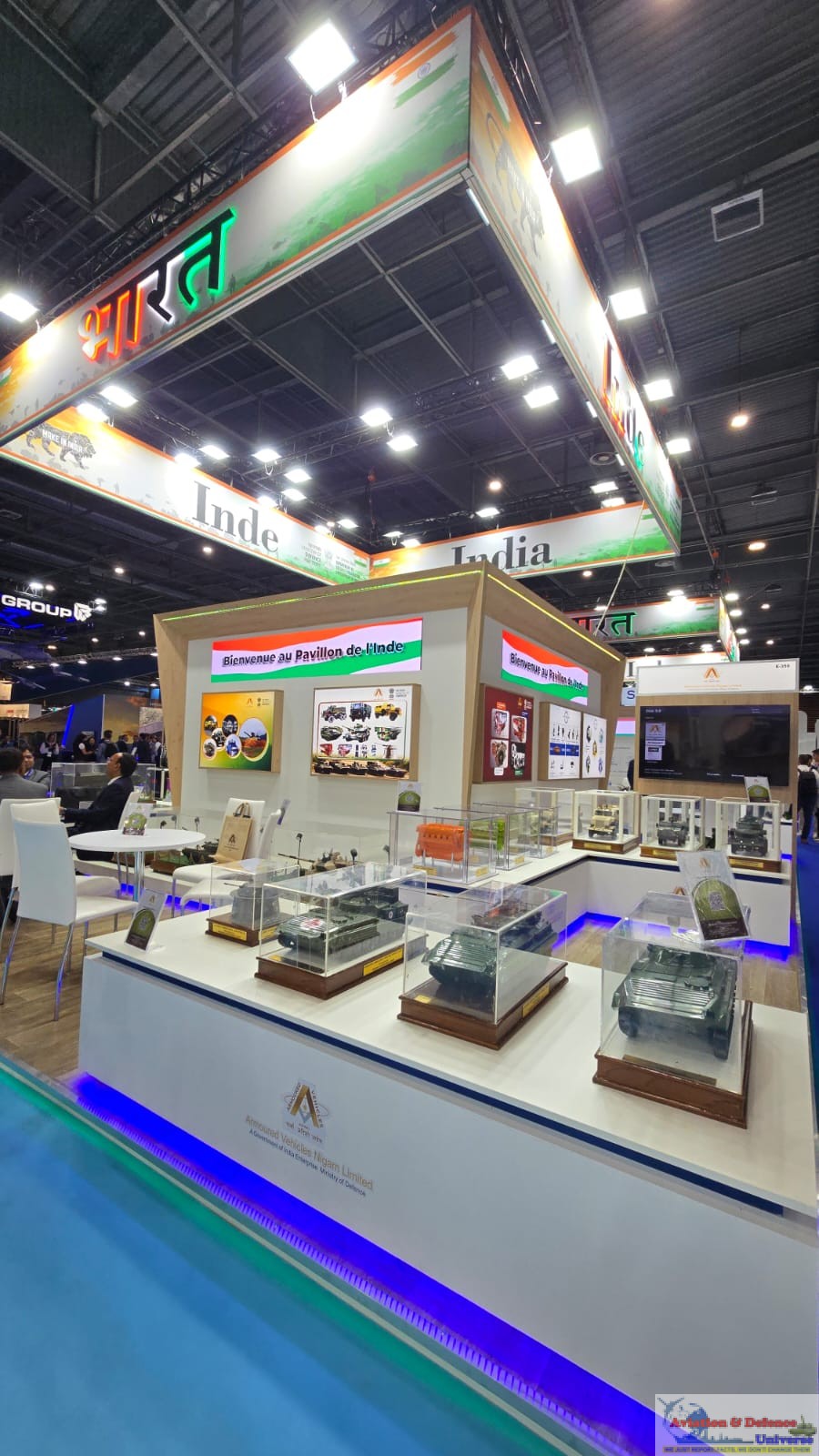 India’s participation at Eurosatory 2026 presents an interesting paradox, even as fiscal prudence and austerity measures have led to leaner official delegations, the country’s footprint at the exhibition remains stronger than ever. Indian organisations have adopted a more focused and mission-oriented approach, with smaller teams delivering substantial engagement across government and industry channels. The Indian presence extends well beyond the official India Pavilion. Industry bodies such as FICCI and SIDM, alongside the Ministry of Defence, particularly the Department of Defence Production (DDP), DRDO, Defence Public Sector Undertakings (DPSUs), and a growing number of private defence companies, have collectively created a formidable ecosystem at the show. Many Indian firms exhibiting independently outside the national pavilion further underline the maturity and global ambitions of India’s defence industry. The result is a dispersed yet highly effective presence that reflects the country’s transition from a major defence importer to an increasingly confident partner in global defence manufacturing and innovation.
Several countries have significantly expanded their participation in this year’s exhibition, reflecting growing investments in defence capabilities and industrial development. Ukraine has registered one of the most remarkable increases, expanding from just five exhibitors in 2024 to more than 80 exhibitors in 2026. Its 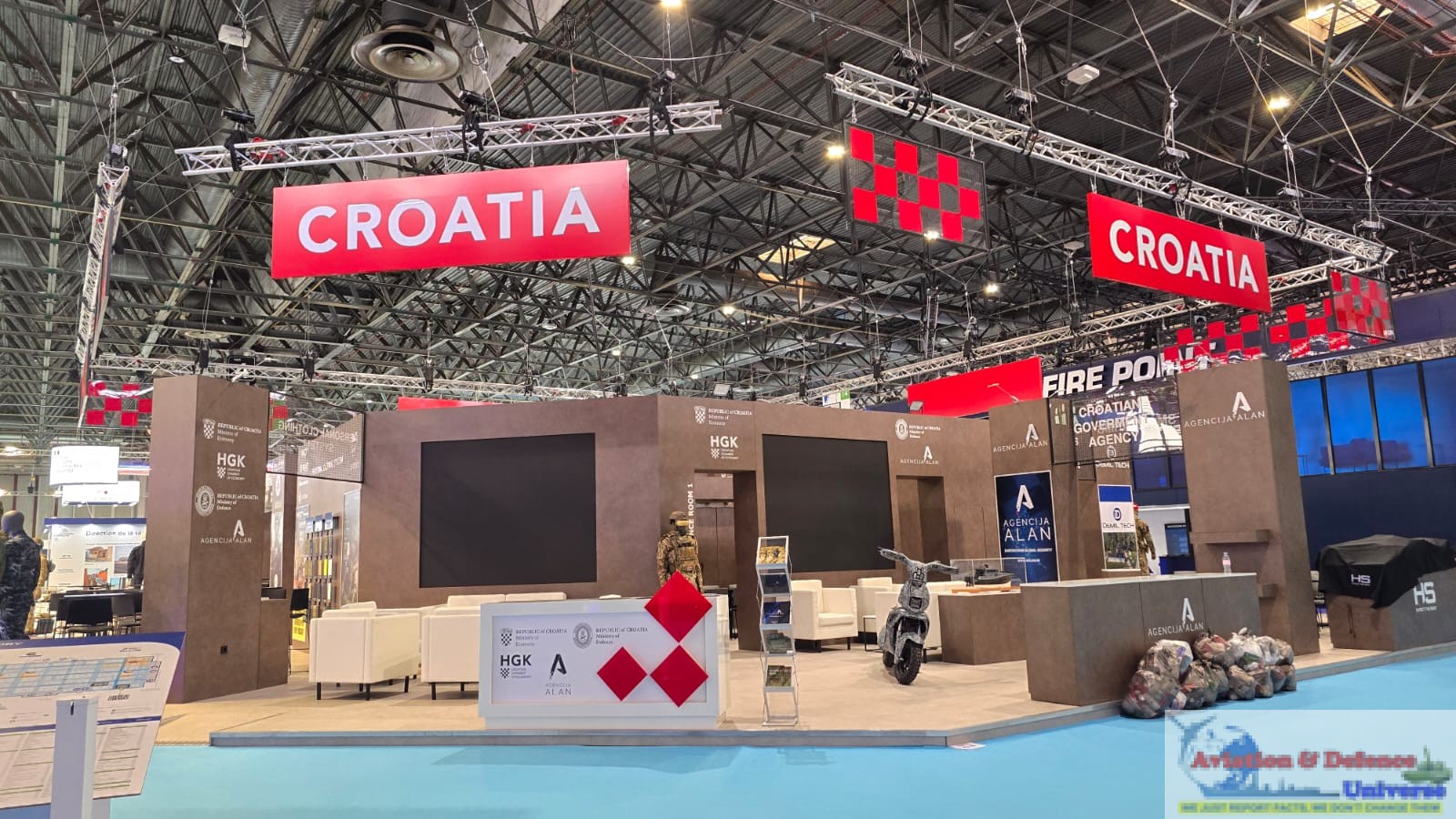 exhibition space has also grown more than fivefold, highlighting the rapid evolution of the country’s defence industrial ecosystem and its drive for greater international engagement. And ofcourse it attracts maximum attention for being a country in war. Armenia has nearly quadrupled its presence, increasing from five to 19 exhibitors, signalling the country’s expanding technological ambitions in defence and security. In Central Europe, Slovakia has tripled its participation with 23 exhibitors, while Poland has nearly doubled its presence from 22 exhibitors in 2024 to 43 this year, reflecting Warsaw’s continued military modernisation efforts. Major defence players such as Germany, the United States, Italy, Belgium, Croatia, Finland and Australia have also expanded their footprint at the exhibition, demonstrating sustained industrial growth and international engagement.
The 2026 edition also saw eight countries exhibiting for the first time: Chile, Iceland, Liechtenstein, Malta, Morocco, Nigeria, Uzbekistan and Vietnam. The arrival of these nations reflects the exhibition’s widening geographical reach and its growing appeal among emerging defence industries seeking access to global markets, technological partnerships and international visibility.
The Americas maintain a strong presence at the exhibition. The United States remains one of the largest contributors, while the participation of Chile and Brazil signals expanding engagement from Latin America. Companies across the region continue to explore opportunities in European defence markets. Countries in 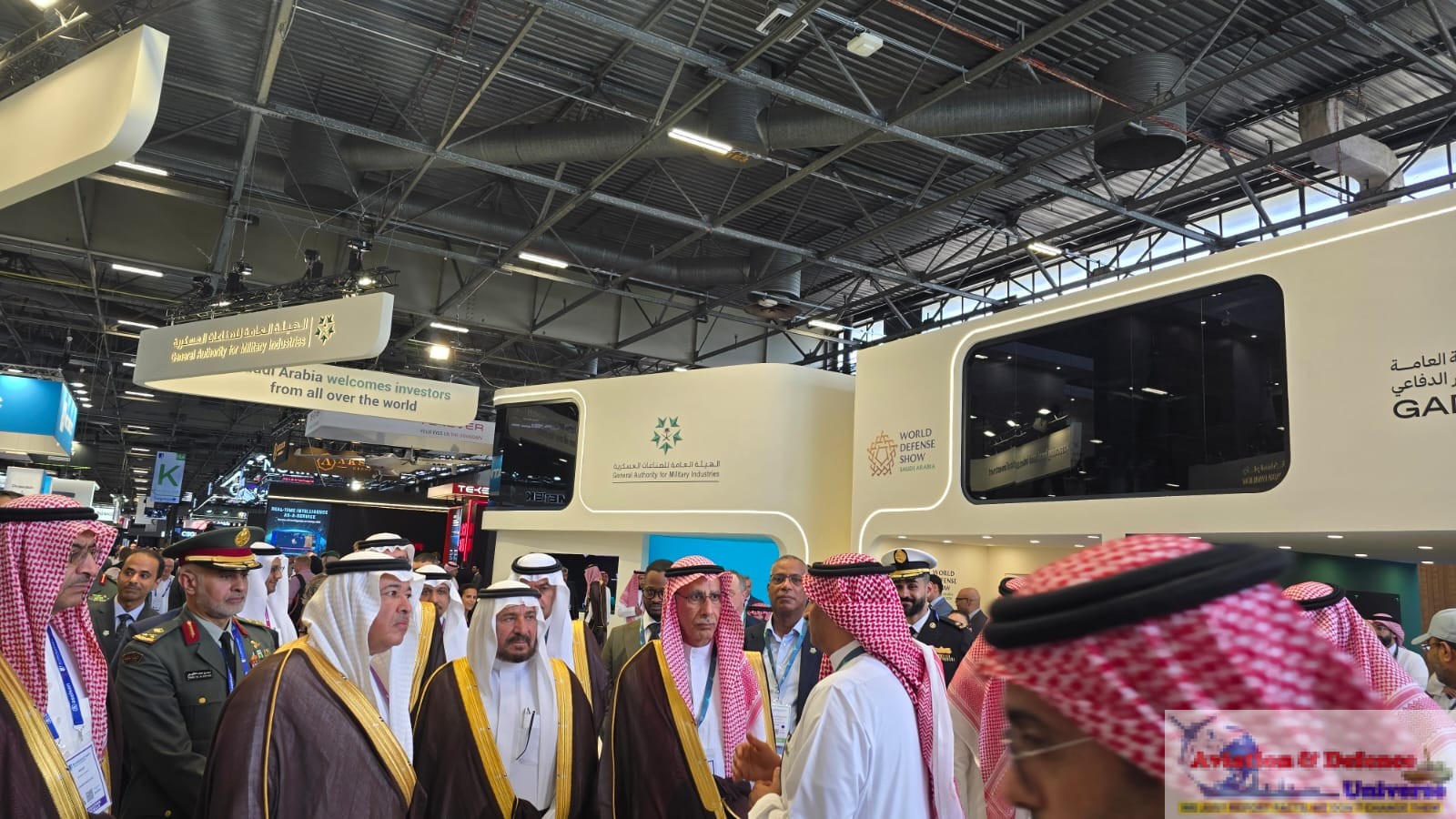 the Gulf region, particularly the United Arab Emirates and Saudi Arabia, are strengthening their industrial capabilities and focusing on technological sovereignty, indigenous production and innovation-driven growth. The participation of Nigeria and Morocco highlights Africa’s growing role in defence and security discussions. The continent is increasingly engaging in areas such as infrastructure protection, capability enhancement and regional security cooperation. The Asia-Pacific region continues to demonstrate strong momentum, with increased participation from India, South Korea and Australia. The debut of Vietnam and Uzbekistan further reinstates the rise of new industrial ecosystems focused on robotics, autonomous systems, digital technologies and dual-use applications.
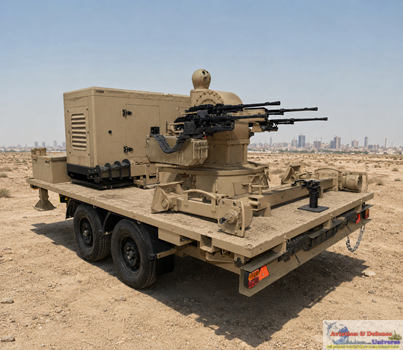
The opening day of Eurosatory 2026 was also marked by anti-Israel demonstrations both outside and, to a limited extent, within the broader exhibition complex, reiterating how major defence exhibitions increasingly sit at the intersection of geopolitics, security and public activism. Protesters gathered near the venue to voice opposition to Israel’s military operations in Gaza and to raise concerns over the global arms trade amid ongoing conflicts in the Middle East. Security at the Paris-Nord Villepinte exhibition centre remained visibly heightened as authorities managed demonstrations while ensuring the smooth conduct of the event.
The protests served as a reminder that defence exhibitions today are no longer merely commercial marketplaces for military technology; they are also arenas where broader debates over war, ethics, arms exports and international law play out in the public sphere. As governments and industry leaders discussed the future of security inside the halls of Eurosatory, the demonstrations outside reflected the growing scrutiny that defence industries face in an era of heightened geopolitical tensions and increasingly connected global audiences.




























































-A4-Size-(2)_page-0001.jpg)