 18th BRICS Summit













- Focuses on High-Intensity Warfare and Strategic Partnerships
- Pushes Defence Innovation and Industrial Mobilisation
By Sangeeta Saxena
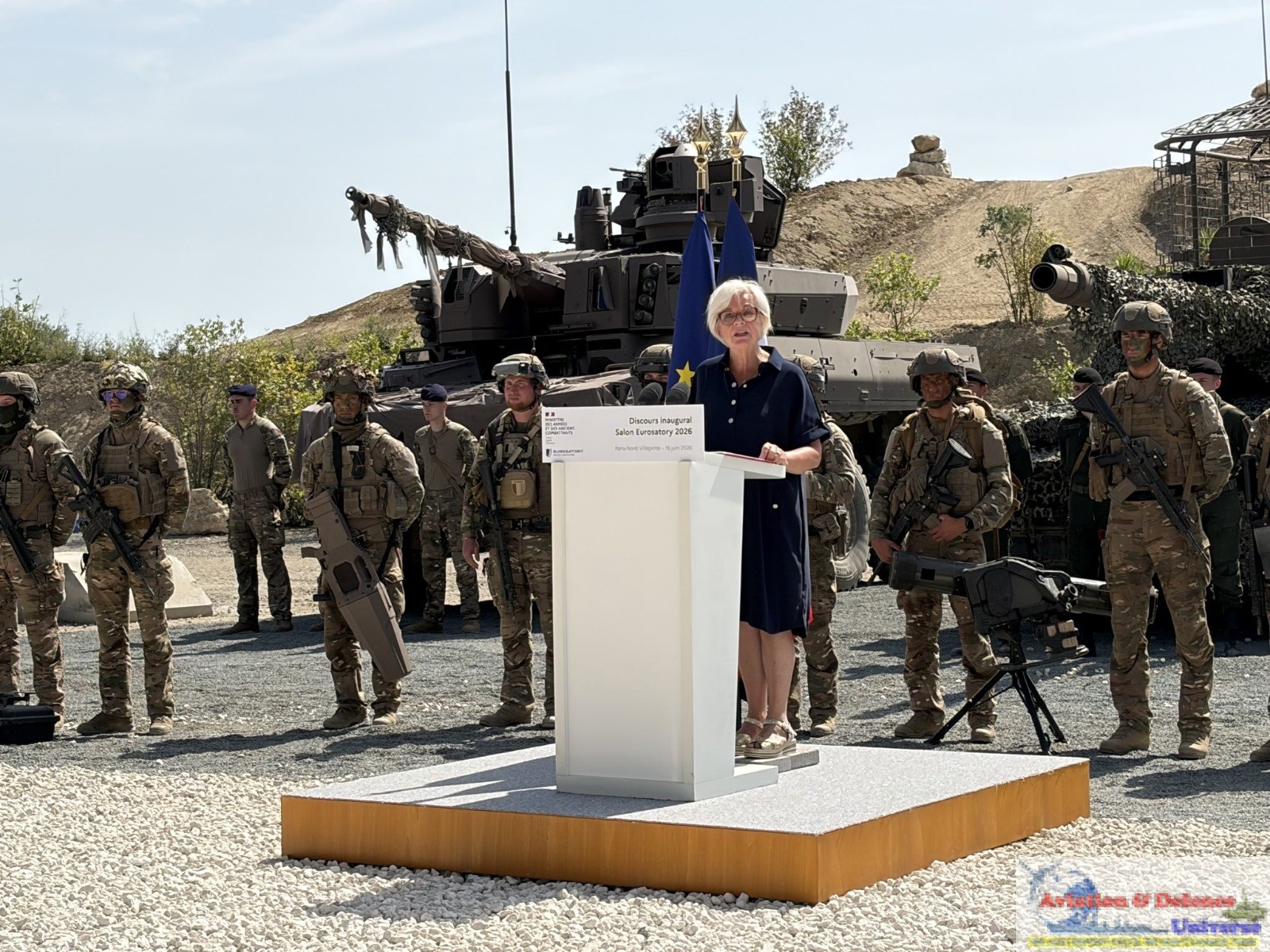
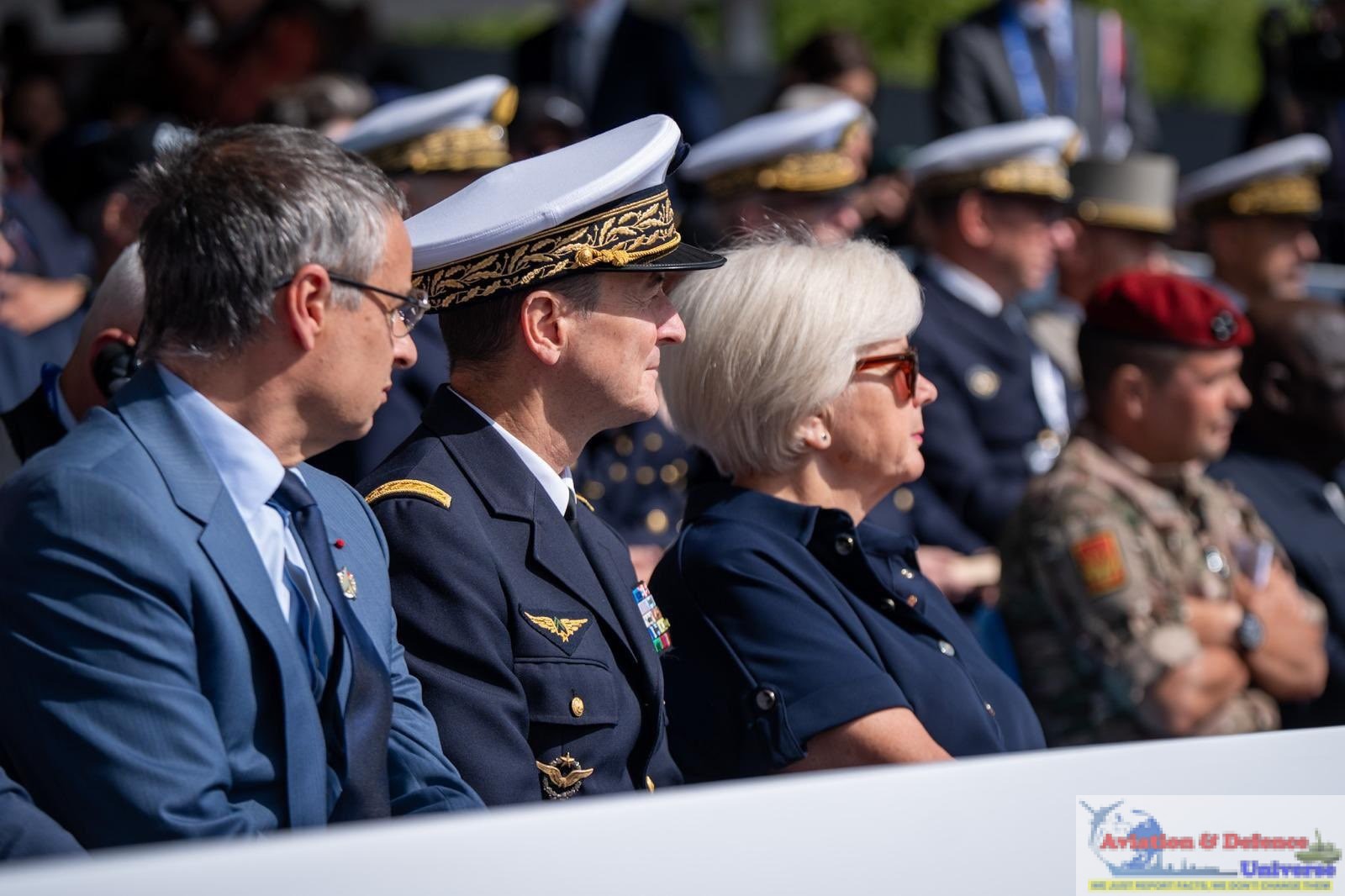
Parc Des Expositions, Paris. 15 June 2026. Against a backdrop of rising geopolitical tensions, evolving threats and accelerating military innovation, Eurosatory 2026 opened its doors at the Paris-Nord Villepinte Exhibition Centre on June 15, bringing together the global defence community at a time of profound strategic transformation. The inauguration of the world’s leading land and air-land defence exhibition by French Minister for the Armed Forces and Veterans Affairs Catherine Vautrin emphasised not only the scale of the event but also the urgency with which nations are rethinking security, industrial resilience and international cooperation.
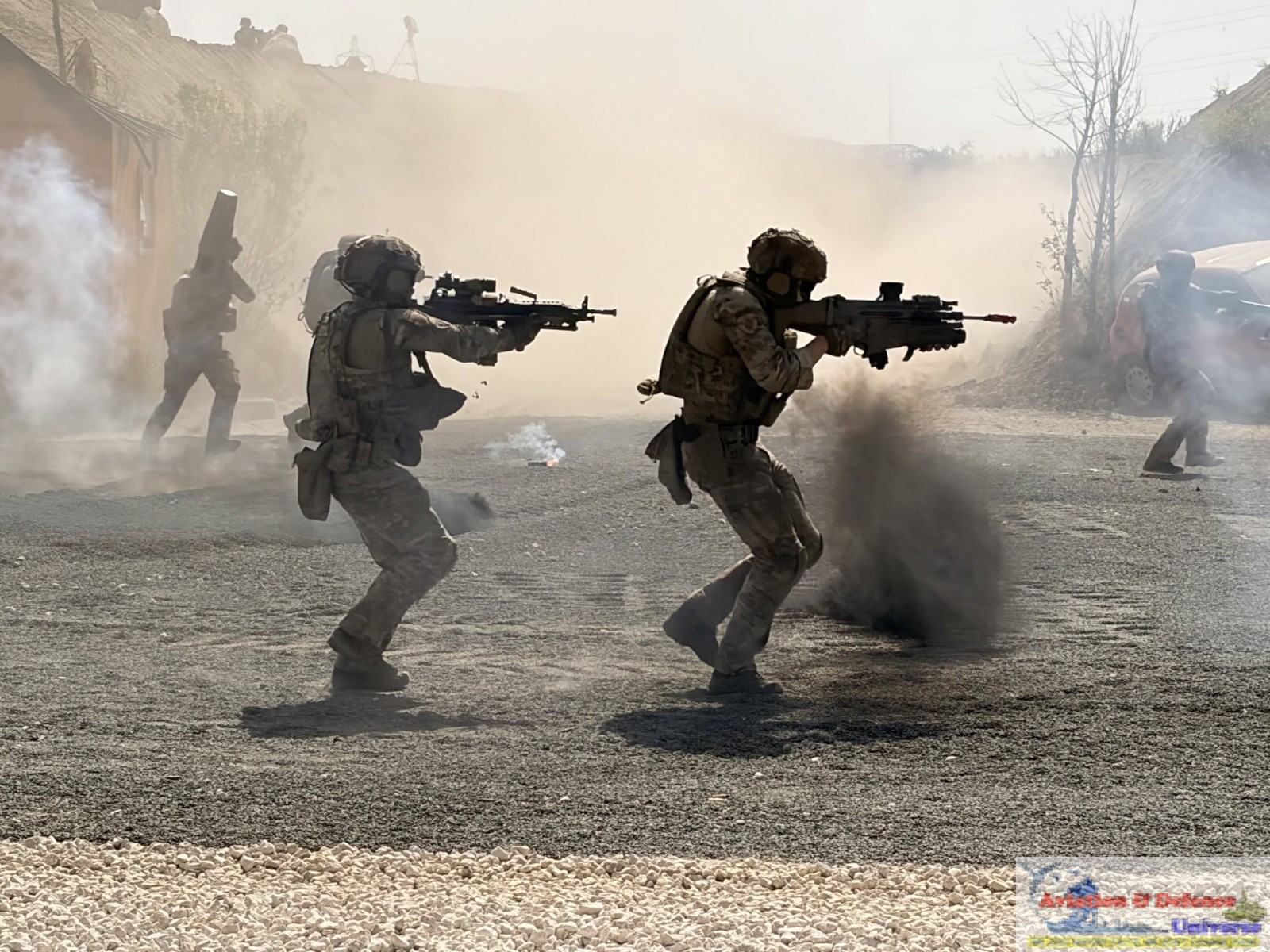 The opening ceremony followed a dynamic demonstration by French, Belgian and British land forces, showcasing operational capabilities and multinational interoperability in an era increasingly defined by high-intensity warfare. Opening the exhibition, Catherine Vautrin highlighted the significance of the event in today’s uncertain world.
“In the global agenda, there are events that say something about the state of the world. Eurosatory is one of them.” Describing the exhibition as “the world’s largest land and air-land defense and security event,” she pointed to the unprecedented international participation that marks the 2026 edition.
This year’s exhibition brings together more than 2,650 exhibitors from 68 countries, over 350 official delegations from nearly 100 countries, thousands of professional visitors and more than 1,100 journalists from around the world. France itself is demonstrating its defence capabilities through a 4,400 sq m exhibition space featuring nearly 60 pieces of equipment displayed by the French Army and the Directorate General of Armaments (DGA).
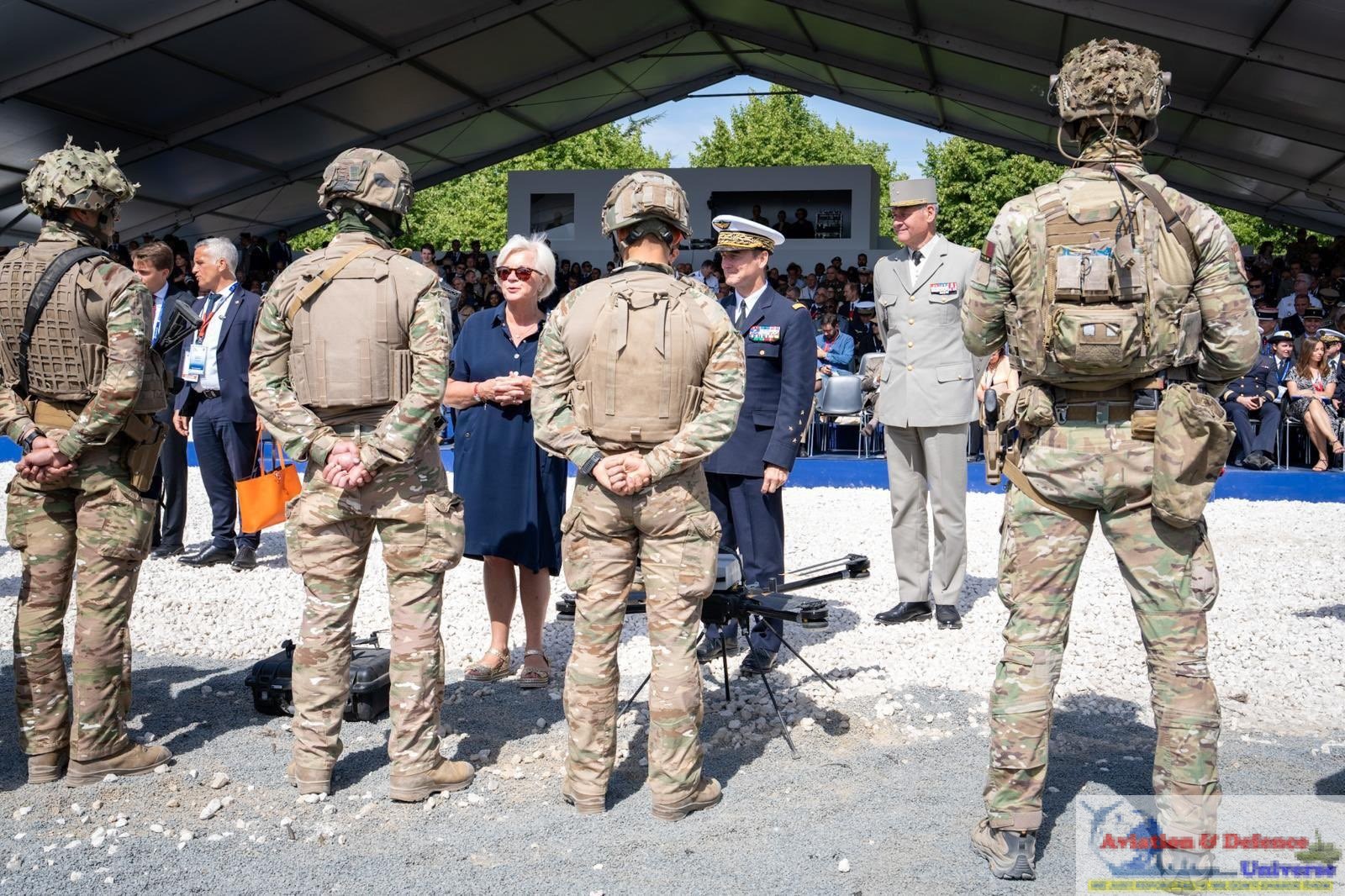
 The opening day witnessed operational demonstrations involving French and Belgian forces under the CaMo partnership, alongside British troops. The displays featured drones, jamming systems, Leclerc main battle tanks, SCORPION vehicles and coordinated attack scenarios. “We saw field-proven expertise and equipment tested in situations closely resembling the realities of current conflicts. This is how we prepare for deployment.”
The demonstrations reflected the lessons being drawn from contemporary conflicts and highlighted the increasing importance of technological integration and coalition warfare. Vautrin acknowledged that the exhibition opens during a particularly challenging period for global security. “Eurosatory opens in a somber atmosphere,” she said, noting that “the war in Ukraine continues to weigh heavily on the security of our entire continent.”
She further observed that developments in the Near and Middle East, the Persian Gulf and the Red Sea “remind us that regional balances directly affect our interests and those of our allies.” As geopolitical competition intensifies and international norms face growing challenges, states are increasingly reassessing their defence postures and preparedness.
 Amid these challenges, France continues to advocate stronger international and European defence cooperation. The minister highlighted several bilateral initiatives, including the growing defence relationship between France and Sweden, marked by reciprocal acquisitions of MMP and NLAW missile systems. The presence of 40 Ukrainian companies at Eurosatory 2026 also reflects the exhibition’s evolving role as a platform for industrial cooperation and post-conflict resilience.
Vautrin argued that greater cooperation, pooled investments and harmonised requirements are necessary to avoid technological dependence and to “guarantee our freedom of action and the interoperability of our forces.” France is simultaneously pursuing a major military modernisation effort under its updated Military Programming Law. The revised framework allocates an additional €36 billion, supplementing the €413 billion already planned through 2030.
These investments will strengthen capabilities in deep strike systems, munitions, drones, ground-based air defence, space and nuclear deterrence, while enhancing operational readiness. But for Vautrin, rearmament extends beyond military capabilities to industrial capacity. “Victory is no longer won solely on the battlefield, but also on the production lines. The factory is the first weapon.” She also referred to lessons from Exercise “Endurance,” which tested the defence industry’s ability to rapidly scale production during crises.
 In a significant announcement, the minister revealed that France has entered into exclusive negotiations with a sovereign industrial consortium comprising Safran and MBDA for the successor to the unitary rocket launcher system. The move reflects France’s broader ambition to strengthen sovereign defence capabilities and reduce strategic dependencies.
Eurosatory 2026 arrives at a pivotal moment when warfare is being transformed by technology, industrial resilience and renewed great-power competition. The exhibition not only showcases the latest military innovations but also captures the strategic dilemmas confronting governments worldwide. From rearmament and industrial mobilisation to international partnerships and operational interoperability, the messages emerging from Paris are clear: security in the 21st century will depend as much on cooperation and production capacity as on battlefield performance. As Catherine Vautrin reminded participants, the ultimate objective remains unchanged: “bringing together industry, the armed forces, and our partners around a shared operational requirement: keeping the field as the starting point and the combatant as the end goal.”












































































-A4-Size-(2)_page-0001.jpg)