
















- Drones, Chips, Propulsion and IP: Indian Drones Need Technology Sovereignty
- From Imported Components to Indigenous Capability: India’s Drone Industry Faces Its Next Test
By Sangeeta Saxena
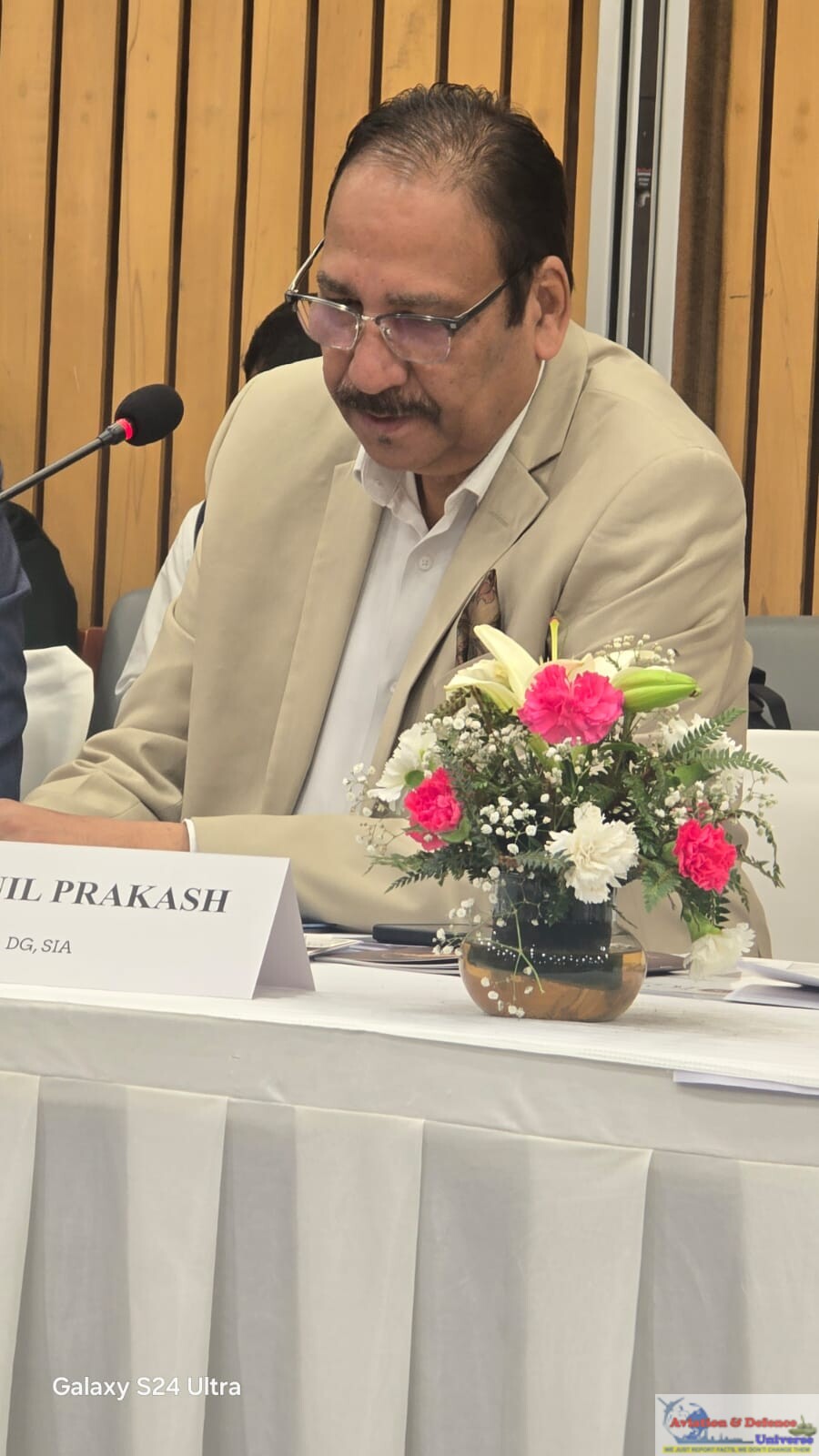
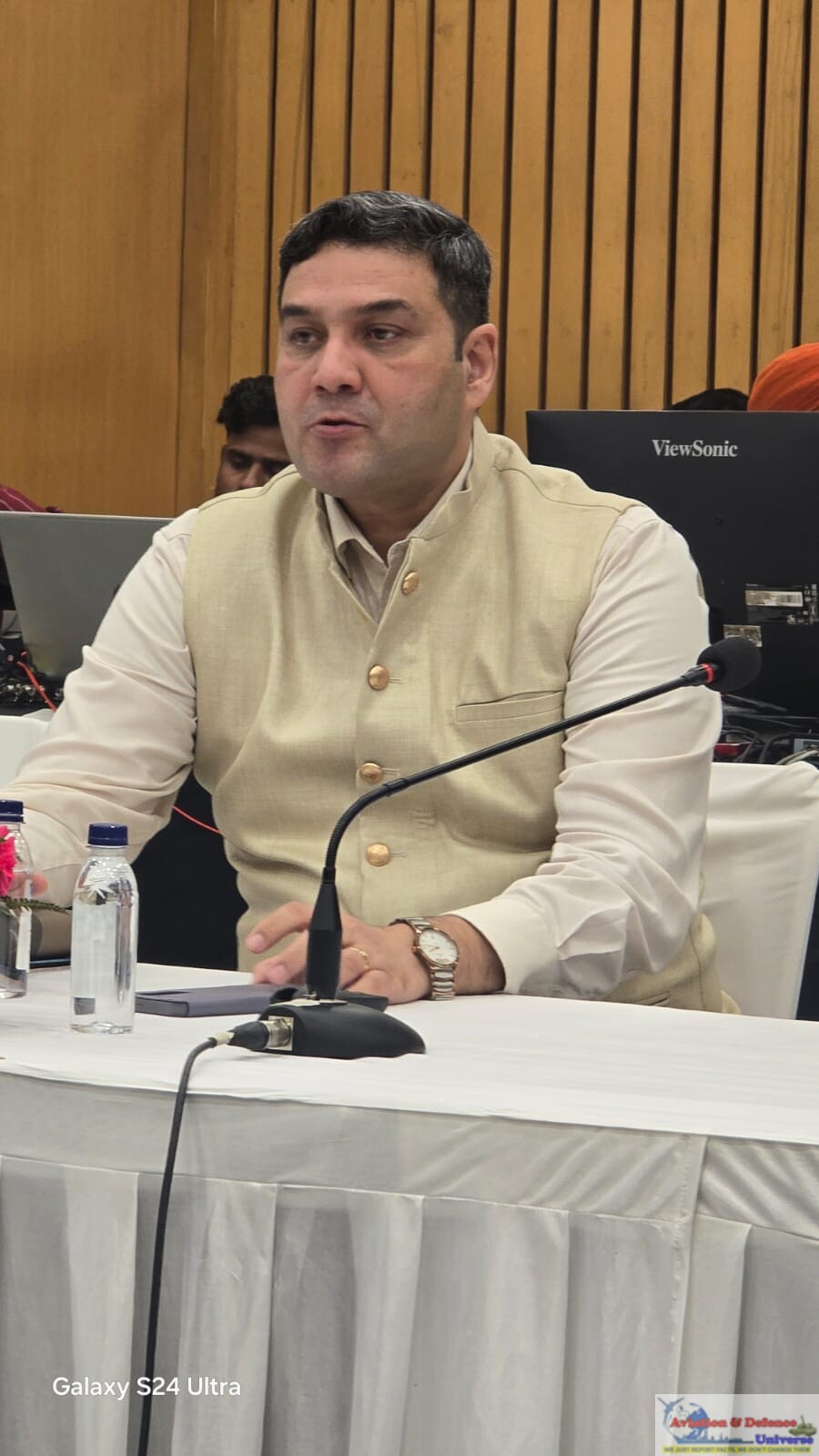
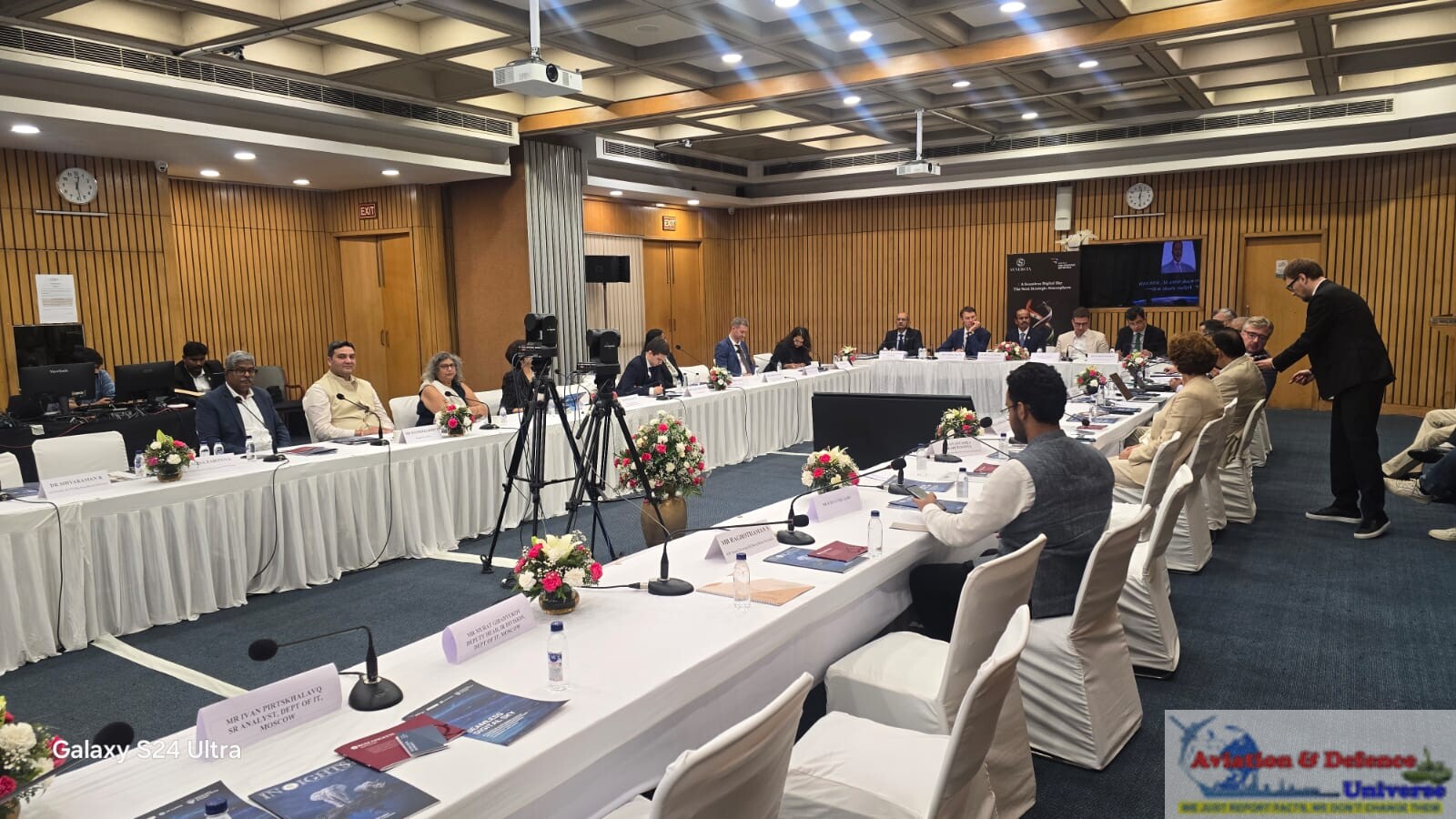
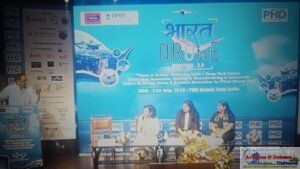
New Delhi. 03 August 2026. Making a drone in India is not necessarily the same as owning the technology that makes it fly. That distinction — between assembling a platform and possessing sovereign control over its propulsion, electronics, sensors, navigation, software, data links, intellectual property and supply chain — became the defining theme of an animated panel discussion at Bharat Drone Manthan 3.0, organised by PHDCCI.
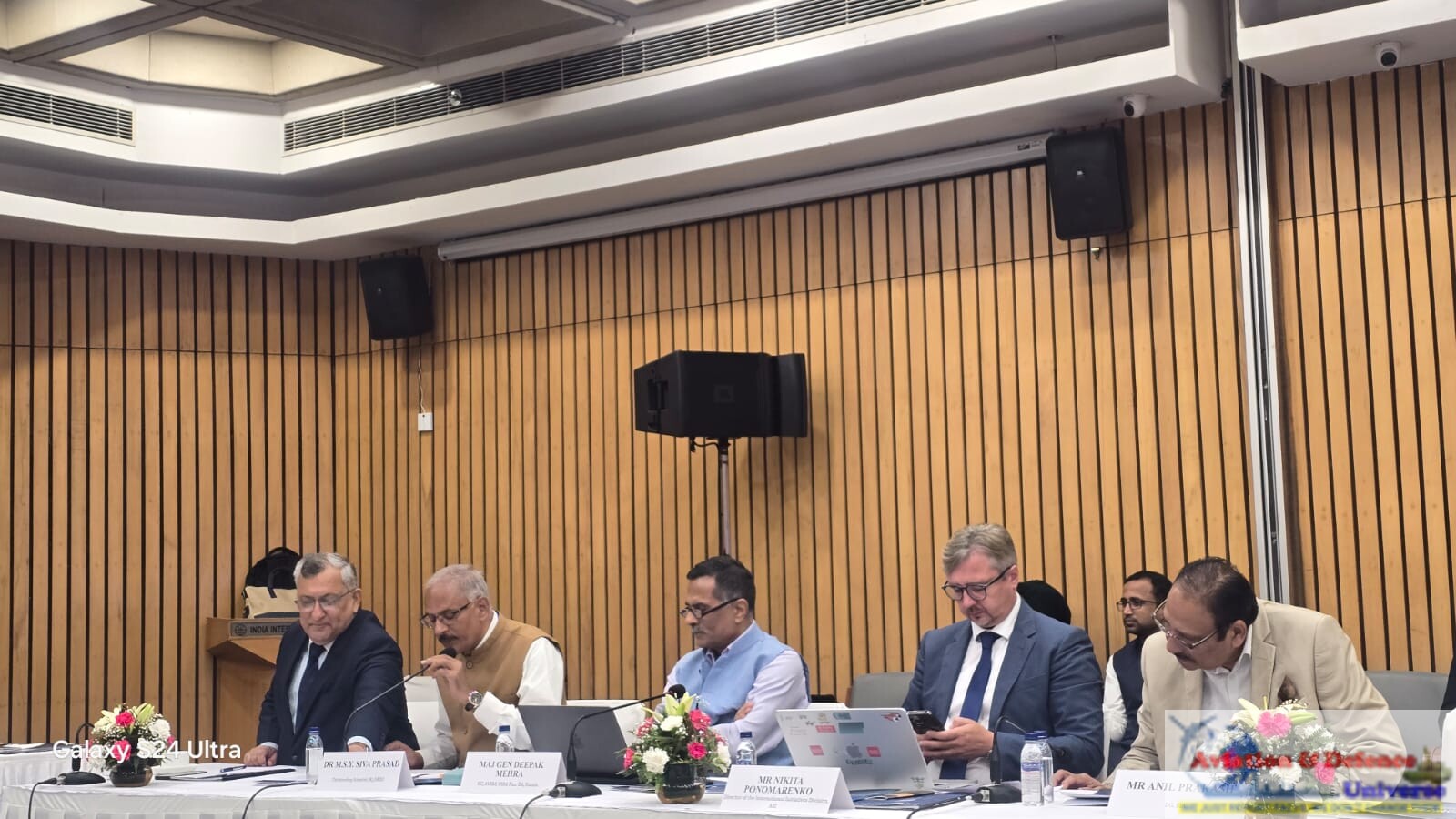
Titled “Owned in Bharat – Strengthening Indigenous Manufacturing & Supply Chain Ecosystems,” Panel Discussion II went beyond the familiar call for indigenisation to ask a harder question: what must India actually own if it wants its drone ecosystem to remain operational when supply chains fracture, exports are restricted and war makes access to foreign technology uncertain?
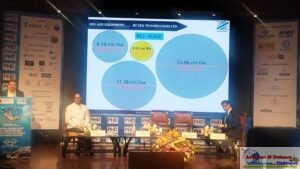
Chaired and moderated by Air Commodore Sandeep Singh, IAF, the panel brought together Natarajan Ramachandran, GM, SIDBI; Gp Capt (Dr) R.K. Narang, VM (Retd.), Senior Fellow, MP-IDSA; Vishal Markandey, CEO, Cingularity; Shreya Rastogi, Founder & CEO, SR Aerospace Solutions; Ishan Haydn, Founder, IZI; and Devmalya Biswas, Co-Founder & CEO, Hyprix Aviation Private Limited.
The discussion covered domestic manufacturing and policy support, airframes, propulsion, avionics and payloads, localisation of critical components, MSME participation, finance, testing infrastructure, technology transfer, intellectual property, software sovereignty, standardisation, public procurement and India’s integration into global defence supply chains.
But it was also a panel where consensus gave way to a spirited debate: must India manufacture almost everything critical itself, or can software ownership combined with flexible commercial supply chains provide the resilience required to fight and win future wars?
Supply Chains Are Now Strategic Vulnerabilities
Opening the discussion, Air Commodore Sandeep Singh placed the subject squarely within the lessons emerging from contemporary warfare. Geopolitical tensions, export controls and shortages of semiconductors have demonstrated that supply chains can quickly transform from commercial dependencies into strategic vulnerabilities. For India, he argued, this is not simply an economic challenge but a national imperative. India already possesses a fast-growing drone and aerospace ecosystem, a vibrant startup community, established industries, strong academic institutions and policy mechanisms including Make in India, Atmanirbhar Bharat, Production Linked Incentive schemes and iDEX.
Yet important elements of the drone ecosystem continue to depend upon imports — including propulsion systems, electronics, sensors, navigation modules, batteries, semiconductor devices and specialised materials. He encapsulated the challenge by stressing that the real measure of self-reliance is not simply what India assembles, but what it can design, develop and sustain domestically.
The discussion, he said, therefore needed to examine how India could move from assembling imported subsystems to owning core technologies; reduce critical dependencies without compromising quality or competitiveness; and create resilient supply chains capable of supporting civilian and military demand while scaling rapidly during crises and war. No single organisation or ministry could provide the solution. Government, armed forces, industry, academia, startups and users would have to work together.
An Imported Drone Can Become a Strategic Vulnerability
Gp Capt (Dr) R.K. Narang (Retd.) delivered one of the strongest warnings of the session, using contemporary conflict to demonstrate the dangers of dependence on foreign drone technologies. Pointing to the drone that had flown at the event, he observed that it was itself imported — illustrating, in his view, how far India still had to travel towards genuine indigenous drone capability. Using the experience of Ukraine and its dependence on foreign-origin drones as an example, Narang highlighted the potential vulnerability created when a nation cannot exercise complete control over the equipment operating within its own territory.
He warned that the responsibility of the armed forces and industry had become even greater because a critical imported component could potentially become a critical vulnerability during conflict. Interoperability was another major concern. With multiple agencies and services procuring different drone platforms, India could eventually have thousands of friendly and hostile drones simultaneously occupying an operational battlespace. The challenge would then be identifying which systems were friendly and which were hostile, particularly when avoiding fratricide becomes essential.
Scientific Validation, Not Just Bills of Material
Narang called for a much more rigorous system for determining whether a drone or component was genuinely indigenous. Indigenisation, he argued, should not simply be established by examining bills of material. Instead, critical components and technologies should undergo scientific validation. Such certification could also benefit Indian innovators. If an indigenous component received recognised validation and became eligible for procurement independently of a complete platform, developers would have greater legitimacy and a better chance of surviving commercially. India, he pointed out, already possessed numerous capabilities in fragmented form. He cited examples of indigenous engines and data links that had been developed but had not necessarily found their way into operational drone platforms. The problem therefore was not always the complete absence of technology. Often, the missing link was the ability to map existing capabilities, integrate them and procure them.
India Could Reach 80–90% Indigenous Capability
Narang proposed the creation of an indigenous developer database, accompanied by a national or tri-services effort to map existing capabilities. He called for a critical technology development roadmap with clearly defined timelines and ownership. In his assessment, around 50–60 per cent of many required technologies might already be available domestically. If these capabilities were systematically mapped, remaining gaps identified and procurement assured, he believed India could achieve 80–90 per cent indigenous capability across such systems within approximately two years. Whether a technology emerged from the public or private sector was secondary, he argued. What mattered was creating a coordinated national ecosystem.
He also cautioned against simply copying individual elements of foreign innovation models. India frequently cites DARPA, he noted, but the United States also possesses organisations such as the Air Force Research Laboratory, Office of Naval Research, Army Research Laboratory and Army Futures Command, while China has built corresponding structures within its military system. India, therefore, needed to study the entire innovation ecosystem rather than imitate one institution.
User Must Become Part of Design and Development
Another key recommendation was deeper involvement of the armed forces user in technology development. Instead of waiting for industry to develop a product and then testing whether it meets a rigid requirement, Narang advocated involving users directly in design and development teams and introducing spiral or block development approaches where necessary.
The objective should be continuous technological evolution rather than abandoning promising indigenous programmes simply because an early version falls short of every requirement. He concluded with a warning that encapsulated the philosophy of the session: “We should not become a low cost, low value, vulnerable assembly line of the world.” India, he argued, must conduct original research and design, develop and manufacture technologies domestically.
Stop Testing the Same Technology Again and Again
Taking the discussion from policy to the manufacturing floor, Shreya Rastogi of SR Aerospace Solutions highlighted the practical challenges confronting startups attempting to scale indigenous technologies. Her company focuses on propulsion stacks and identifying bottlenecks in the existing ecosystem.
One significant problem, she said, was repetitive validation. A product or component could already have been tested and recognised by one agency, yet be required to undergo essentially the same testing again when entering another programme or supply chain. This repetition consumes resources, money and time. She pointed towards frameworks such as the US Blue UAS model, where recognised suppliers and components can enter a trusted ecosystem without every agency independently repeating the same due-diligence exercise. For Indian startups, repeated certification can become particularly damaging because established manufacturers may be reluctant to onboard an indigenous supplier if doing so forces the entire certification cycle to begin again.
Cost creates another dilemma. Even when an indigenous component performs satisfactorily, startups and MSMEs cannot endlessly absorb the additional cost of localisation, while their customers remain under pressure to win price-sensitive competitions. The result can be deeply frustrating: an Indian supplier may have a viable product, yet the customer eventually returns to an imported component because it is cheaper or easier to qualify.
Aerospace Needs Traceability
Rastogi also emphasised the importance of moving drones from their hobbyist origins into a mature aerospace manufacturing environment. The industry needs visibility into failure rates, operating costs, maintenance requirements and lifecycle performance. Traceability, she argued, is fundamental to aerospace. Manufacturers should know who supplied a component, which batch it came from, where it was sold and how it performed. Such traceability also allows defective batches to be recalled and creates transparency throughout the supplier network. Rather than treating unmanned aircraft as an entirely separate universe, she suggested that the drone industry could learn from production, certification and traceability systems developed over more than a century of manned aviation.
Financing the Unmanned World
Natarajan Ramachandran, GM, SIDBI, brought finance into a discussion otherwise dominated by technology. The critical challenge for many defence and deep-tech startups is the notorious “valley of death” between prototype development and commercial production. Ramachandran explained that SIDBI’s mandate is focused on MSMEs and highlighted its role in managing the Government of India’s Fund of Funds for Startups.
He said SIDBI had worked through approximately 165 Alternative Investment Funds, many of which invest in deep-tech and defence-related startups. However, he acknowledged the absence of enough funds focused exclusively on defence technologies and identified this as an area deserving greater attention. SIDBI also provides seed funding through incubators and has worked with iDEX-linked startups.
₹20-Crore Purchase Order Financing for Defence MSMEs
Ramachandran highlighted SIDBI’s Cash Defence initiative, which provides an umbrella limit of up to ₹20 crore for MSMEs against specific purchase orders from defence-sector and public-sector organisations, including Hindustan Aeronautics Limited. He said the scheme was gradually gaining traction and encouraged defence stakeholders to make greater use of it. But the panel acknowledged that conventional banking remains poorly suited to the economics of defence innovation.
Research-intensive startups frequently carry negative balance sheets precisely because they are spending heavily on technology development. Yet this can prevent them from accessing conventional finance at the stage when they need capital most. Ramachandran acknowledged that cash-flow-based financing was evolving and said opportunities needed to be explored for financing companies even when conventional balance-sheet indicators appeared weak. The discussion also raised the possibility of a sovereign or dedicated fund capable of supporting MSMEs and startups during critical stages between R&D, confirmed orders and production.
Innovation Without Manufacturing Has No Meaning
Offering the startup perspective, Ishan Haydn argued that defence and enterprise drone manufacturing introduces considerations far beyond the speed, efficiency and cost that dominate consumer markets. For defence, indigenisation, sovereignty, safety and security become central. He summed up his manufacturing philosophy succinctly, “Innovation without manufacturing has no meaning.” Rapid prototyping, he argued, is essential. CNC machining, additive manufacturing and other tools allow companies to send products into the field, obtain user feedback and quickly modify designs according to operational requirements and different terrains. But once a product is validated, the company must shift gears from rapid iteration towards standardised mass production. Knowing when to make that transition is one of the significant challenges facing drone startups.
ToT Can Help — But India Must Own the IP
Haydn also offered a nuanced defence of Transfer of Technology. India should not reject ToT simply because indigenisation is the ultimate objective, he argued. Localisation cannot happen overnight, and partnerships with experienced global technology companies can allow Indian firms to learn from decades of accumulated expertise. However, the end objective must remain ownership. Source code, intellectual property and control over potential security backdoors need to reside with Indian companies.
Partnerships and ToT, therefore, should become stepping stones towards sovereign capability rather than permanent substitutes for it. Narang intervened to add an important qualification: ToT could become regressive if India simply acquired mature technology without developing the scientific knowledge underlying it. Technology transfer should complement indigenous capability, he argued, not replace the journey from early Technology Readiness Levels to mature systems.
A Provocative Counterview: Should India Manufacture Everything?
The panel then took an unusually spirited turn when Devmalya Biswas of Hyprix Aviation challenged the prevailing assumptions around defence indigenisation. He argued that modern warfare increasingly demands mass production, low cost and the ability to rapidly replace unavailable components. Rather than designing expensive bespoke defence hardware around specialised components, he advocated extensive use of commercial supply chains and software-defined architectures. His argument drew on lessons from Ukraine and other contemporary conflicts, where relatively inexpensive commercially available electronics have been incorporated into effective weapon systems.The key to resilience, according to this view, is owning the software and architecture so that when one supplier fails, another component can be substituted rapidly.
He cited the automotive industry as an example of how software flexibility can enable manufacturers to respond to semiconductor shortages by changing hardware and rewriting firmware rather than shutting production. In this model, India would still need sovereign control over genuinely critical technologies such as semiconductors, but would avoid making every component specifically as a “defence” product. The objective, he argued, should ultimately be winning the war, not achieving indigenisation as an end in itself.
Sovereignty Versus Commercial Supply Chains
The proposition triggered a lively rebuttal. Rastogi argued that “drone” encompasses an enormous spectrum, from inexpensive FPV platforms to large and complex unmanned aircraft requiring specialised airframes, propulsion and aerospace-grade systems. Commercial components may be entirely appropriate for some categories, but cannot automatically substitute for the reliability, environmental performance and lifecycle requirements of more sophisticated platforms.
India’s unusual operational geography — from extreme cold and high altitude to heat and humidity — also places unique demands on aerospace systems. Narang reinforced the sovereignty argument by pointing to disruptions in materials and component supplies and the difficulty Western countries themselves have experienced in rapidly scaling defence production during recent conflicts. India’s size, technical manpower and population, he argued, give it the opportunity to create domestic subsystem manufacturing at scale while simultaneously generating employment. The debate ultimately exposed a question likely to remain central to India’s defence-industrial strategy: how much must India manufacture itself, and where can resilient global or commercial supply chains safely be used?
Software, AI and Open Architectures
The discussion also examined the growing importance of artificial intelligence and software-defined systems. Vishal Markandey emphasised that economics and market demand ultimately shape industrial ecosystems. Government can play the role of market-maker through policies, grants and procurement, allowing companies to enter, compete, succeed or fail as the market matures. India’s automotive industry was cited as an example of how foreign technology, domestic skill development and market scale can eventually produce a formidable indigenous supplier ecosystem. The same evolutionary process could occur in drones. But the panel also stressed that the future of unmanned warfare will increasingly be shaped by AI, autonomy, software, robotics, additive manufacturing and open architectures.
India Needs Better Drone Testing Infrastructure
Testing emerged as another significant bottleneck. India possesses testing laboratories and facilities across DRDO, DPSUs, the armed forces and academia. However, the panel heard that not all laboratories are appropriately accredited for certification, forcing startups to repeat tests elsewhere. Access to test ranges can also be constrained by limited slots, operating hours and manpower.
For companies developing long-range systems, the challenge becomes even greater. Requirements may envisage drones capable of flying hundreds or even a thousand kilometres, but developers need locations where those systems can actually be tested safely and repeatedly. The panel consequently called for greater availability of civil-military testing infrastructure, potentially through Public-Private Partnership models and facilities accessible on a 24×7 basis.
The ideal, Narang suggested, would be an ecosystem where a developer could book a test facility almost as easily as booking a service online and return repeatedly as the design evolves. Air Commodore Singh indicated that additional facilities and ranges were being worked upon and that the situation should improve as these capabilities emerge.
Who Certifies What Is Truly Indian?
An audience question brought another structural gap into focus: where can manufacturers find an authenticated database of genuinely Indian component suppliers? The answer revealed a major weakness in the current indigenisation architecture. While indigenous products exist across the country, the panel noted the absence of a comprehensive mechanism capable of scientifically validating and certifying that a technology has actually been designed and developed in India.
Declarations of indigenous content can therefore become difficult to verify, particularly for new entrants attempting to distinguish manufacturers from traders or imported products. The discussion reinforced the earlier call for a national indigenous technology and supplier database backed by credible validation.
User and Industry Must Design Together
One theme repeatedly resurfaced throughout the session — the need for much deeper interaction between the armed forces user and the technology developer. Industry may understand engineering but not always fully appreciate military Concepts of Operations and Employment. Conversely, users understand operational requirements but may not always know which technological trade-offs are necessary to create an achievable engineering solution. The answer, the panel argued, lies in bringing the two together much earlier. Air Commodore Singh closed with an example from his own experience with a legacy fighter aircraft upgrade. Engineers, HAL, the Software Development Institute and operational personnel worked together, developing indigenous systems including the Head-Up Display, Up Front Control and navigation and weapon-related systems. The experience demonstrated what could happen when the operator, designer and manufacturer worked together rather than functioning in isolated silos.
The “Owned in Bharat” discussion demonstrated that India’s drone self-reliance challenge can no longer be measured by the number of platforms assembled domestically or the percentage of local content declared on paper. Genuine sovereignty lies deeper — in design authority, intellectual property, source code, propulsion, sensors, electronics, materials, testing capability, manufacturing knowledge and the ability to sustain and modify a system when foreign supply chains disappear.
Yet the panel also exposed an important counterargument. Future wars will demand affordability, scale and speed, making commercial components, global supply chains, software-defined architectures and rapid substitution equally important. India’s challenge is therefore not to choose blindly between complete localisation and global sourcing, but to know precisely which technologies it must own, which it can safely source and how quickly it can replace what becomes unavailable.
Finance must support innovators through the valley of death; testing must become accessible and repeatable; indigenous components need credible certification; startups require routes into procurement; ToT must build knowledge rather than perpetuate dependence; and users must sit alongside designers from the beginning. The message emerging from Bharat Drone Manthan 3.0 was ultimately larger than drones. “Owned in Bharat” must mean the ability to design, manufacture, modify, scale and sustain critical technology on India’s own terms — because in a crisis, ownership is not merely an industrial ambition; it becomes operational capability.











































































-A4-Size-(2)_page-0001.jpg)