 Asia’s Continued Exposure to the Strait of Hormuz













- India Must Build Millions of Drones, Not Hundreds, Warns Former MoD Official
- Bharat Must Become a Drone Manufacturer, Not Just a Drone User
By Sangeeta Saxena
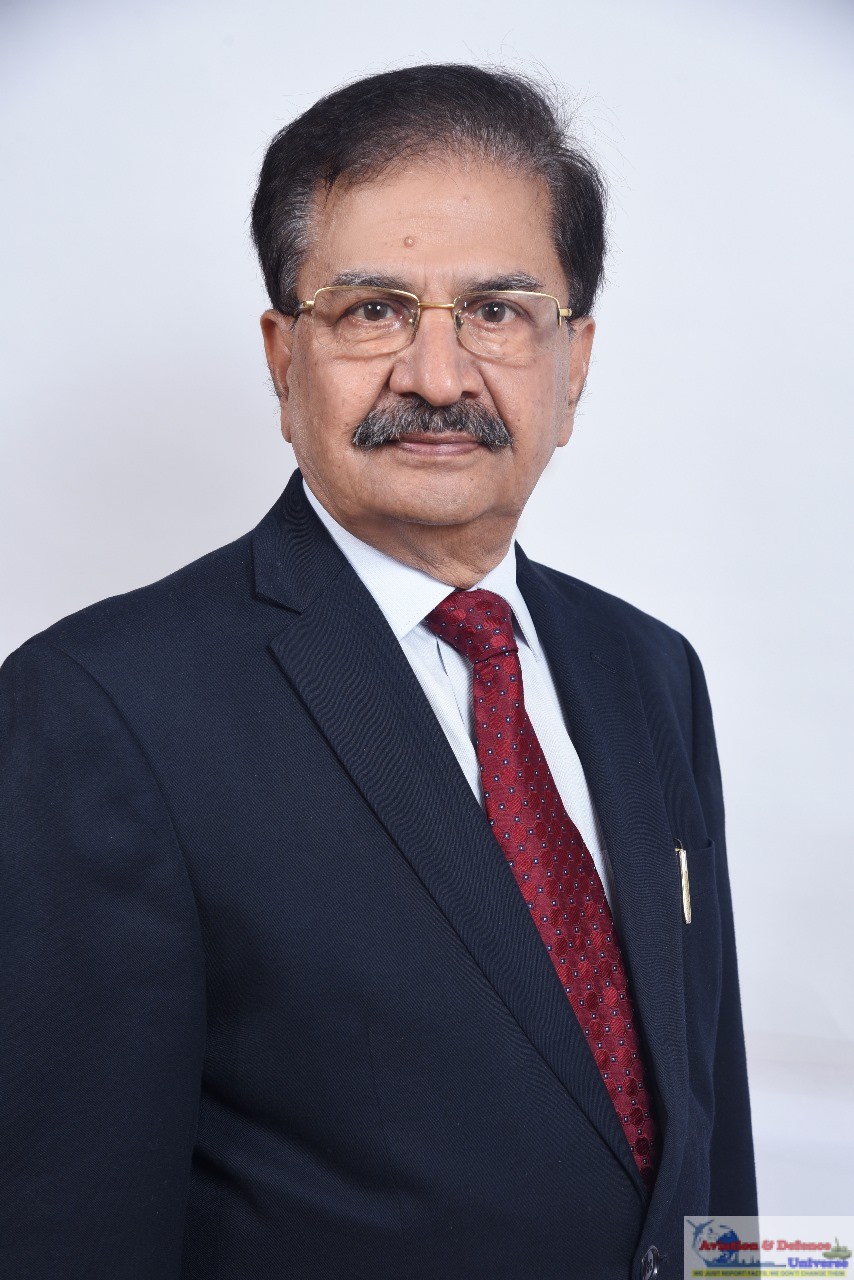
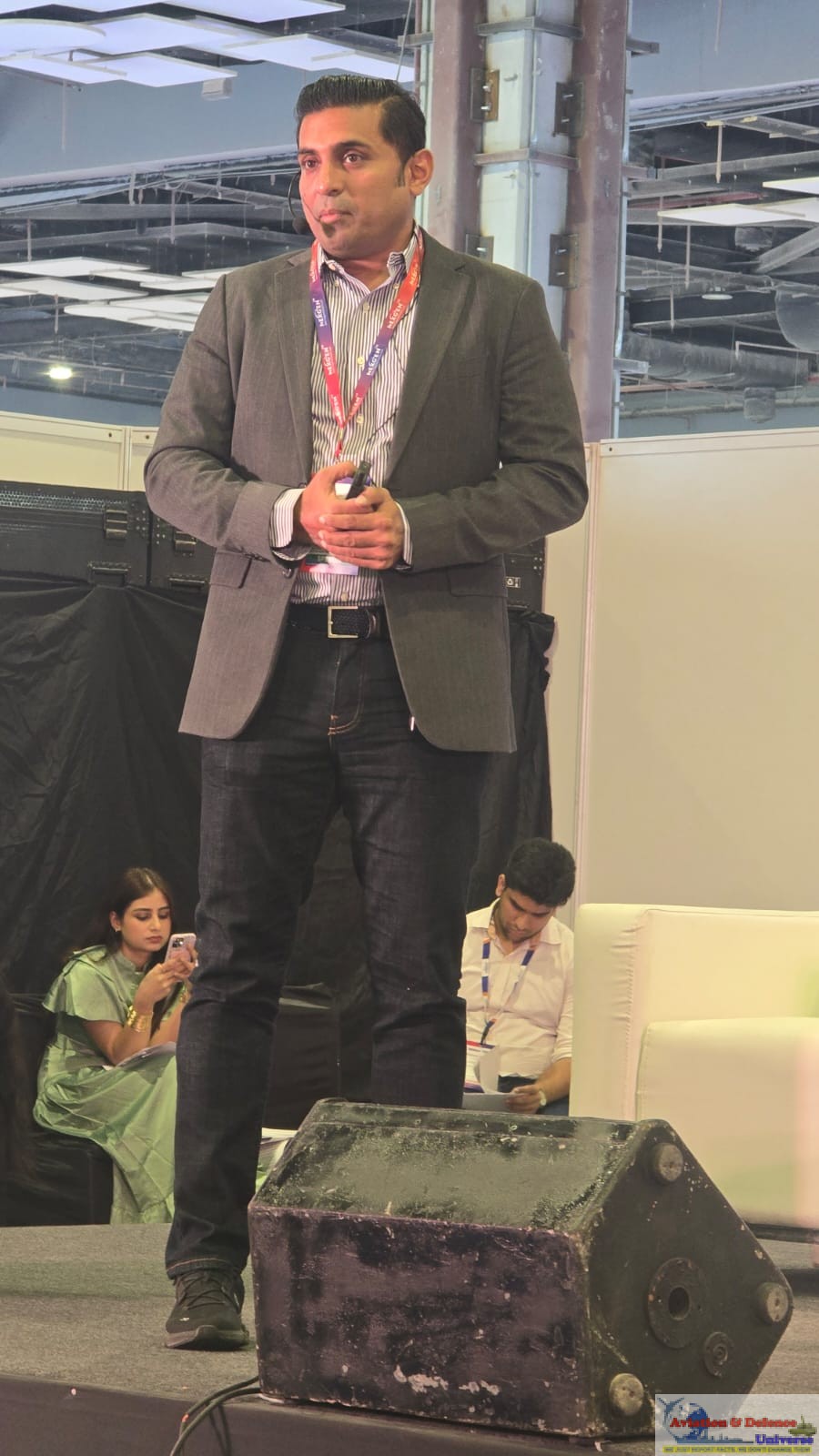
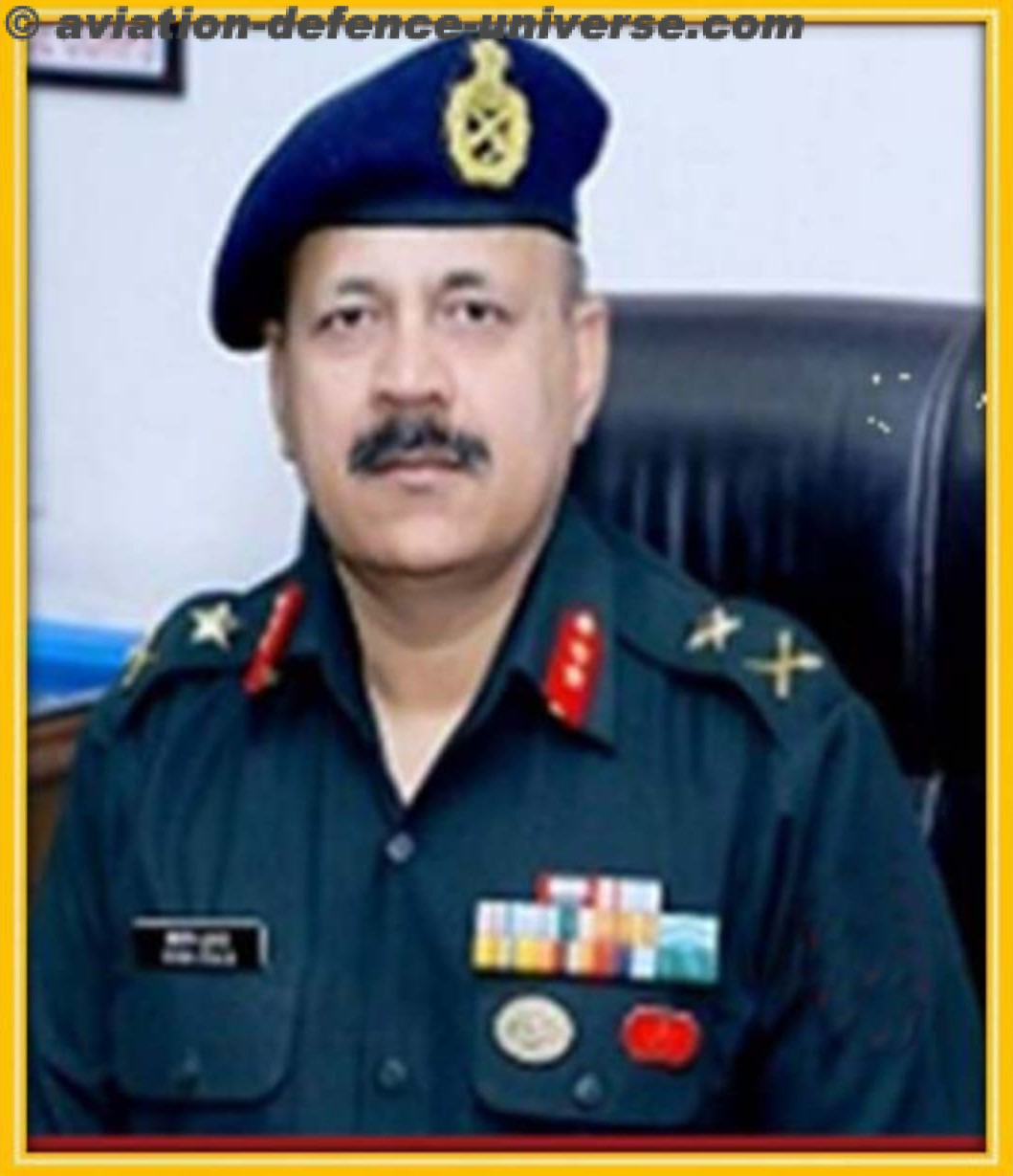
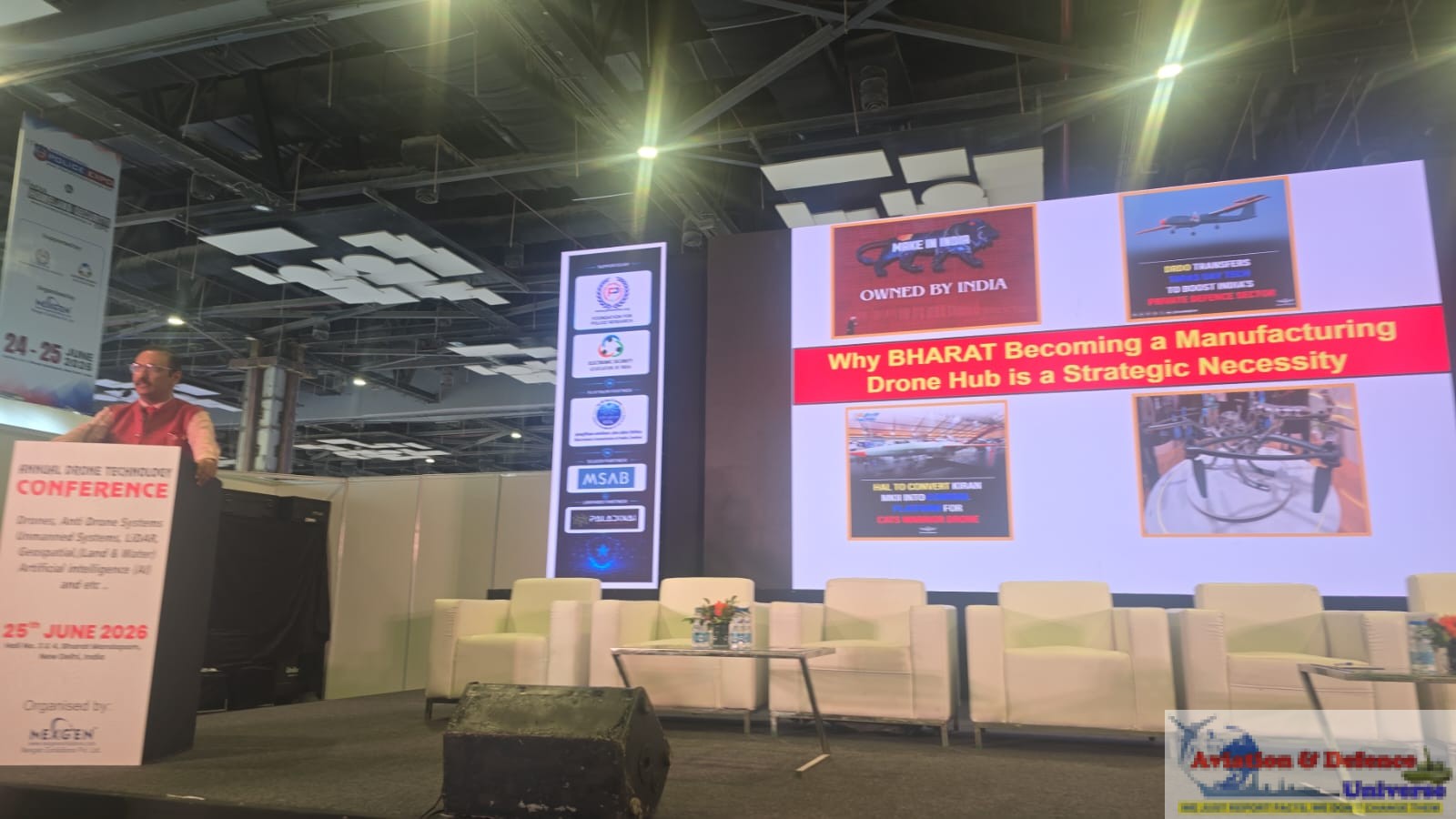
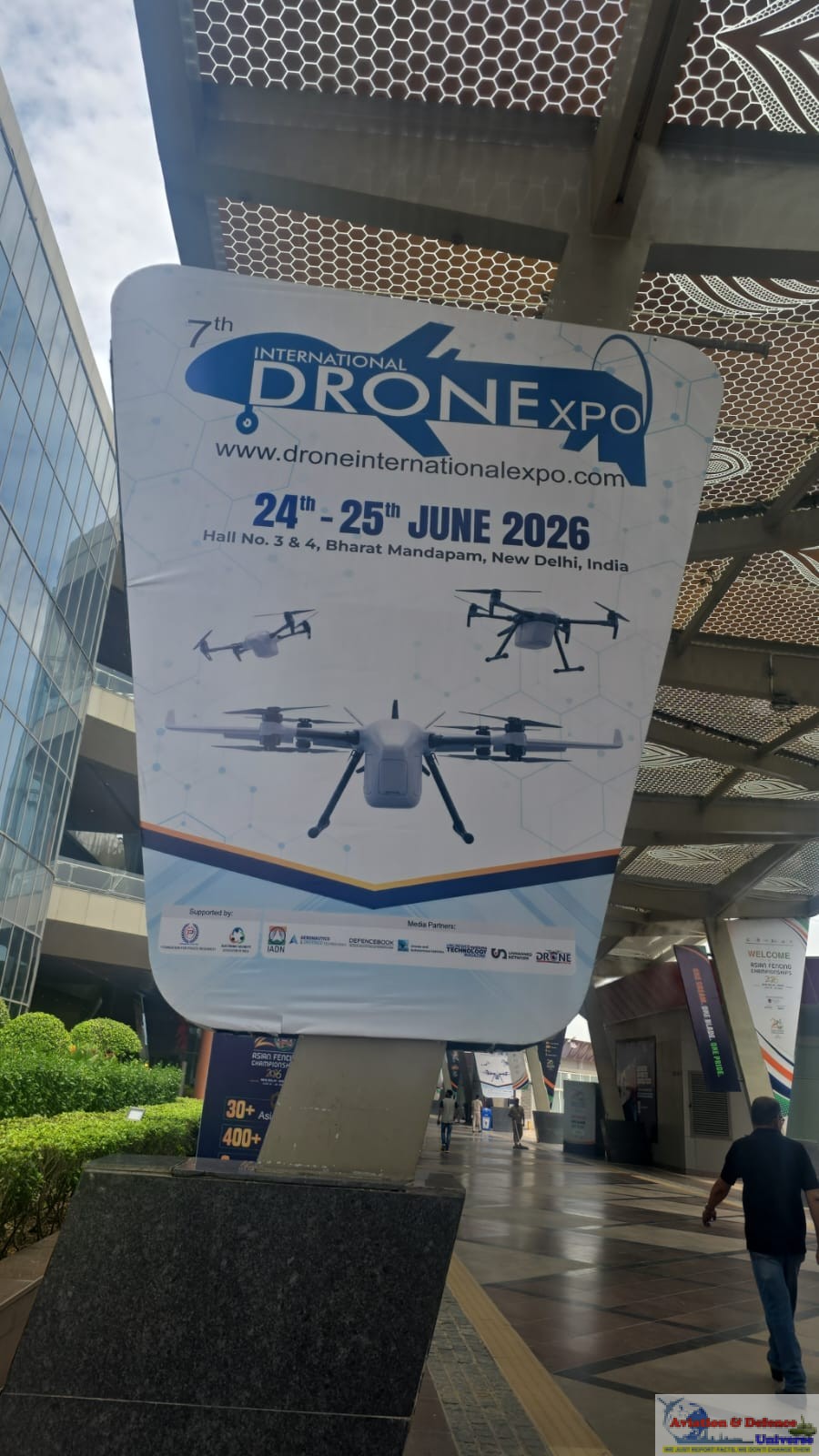
New Delhi. 26 June 2026. The future of warfare is being shaped not by conventional platforms alone but by autonomous systems, artificial intelligence and unmanned technologies that are redefining military power across the globe. Speaking at the Homeland Security Expo 2026, Col Manik Anandh (Retd.), Former Head, Aerospace Systems Division, Department of Defence Production, Ministry of Defence, delivered a comprehensive assessment of India’s drone ecosystem and the urgent need to transform Bharat into a global drone manufacturing hub.
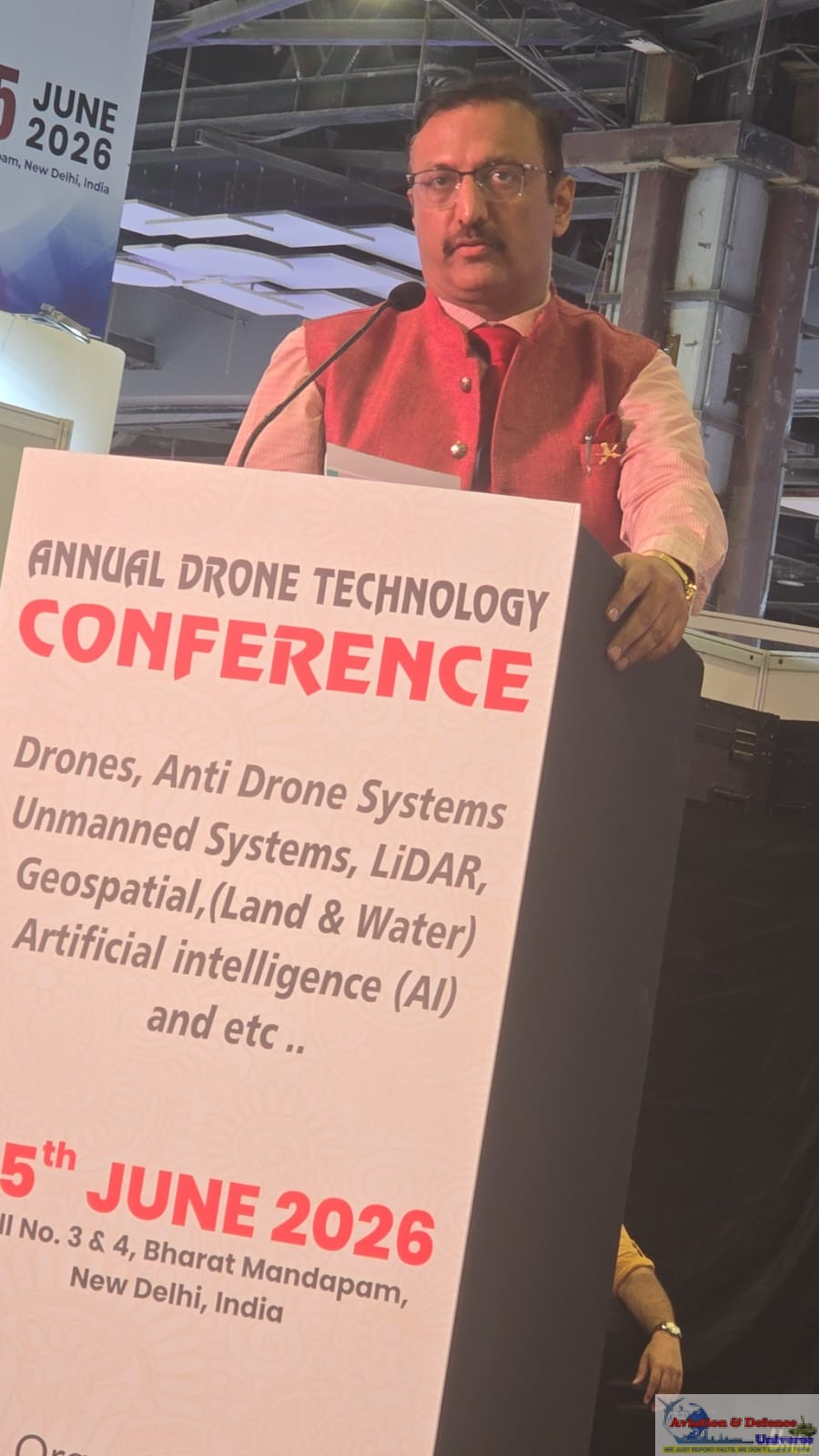 Drawing lessons from the conflicts in Ukraine, the Middle East and Operation Sindoor, he argued that while India has built a vibrant drone ecosystem through initiatives such as iDEX and the Defence Innovation Organisation, the country’s biggest challenge now lies in scaling indigenous manufacturing, securing supply chains and preparing for sustained drone warfare. His address called for a national mission centred on technology sovereignty, manufacturing readiness and whole-of-ecosystem collaboration.
Setting the context, Col Anandh reminded the audience of the Prime Minister’s vision, “The acquisition of military drones has centred… for Bharat becoming a drone manufacturing hub. It’s four years. So it’s just midway through that process… it’s time that we take a status as to where we stand today.” He noted that the vision of making India a global drone manufacturing hub demands an honest assessment of the country’s current capabilities, particularly in light of rapidly changing global conflicts and technological developments.
Drawing from recent conflicts, he made a striking observation, “The recent conflicts in Ukraine, the Gulf… have shown that warfare has now evolved in the unmanned domain.” According to Col Anandh, autonomous systems and unmanned aerial vehicles have fundamentally altered the character of modern warfare. Nations that fail to build indigenous drone capabilities risk falling behind both technologically and strategically. Challenging the audience to think differently, he asked, “If Iran under sanctions could do it, are we less?” He suggested that Iran’s ability to develop indigenous drone capabilities despite prolonged sanctions demonstrates that technological self-reliance is achievable with sustained national commitment.
 Acknowledging India’s growing innovation ecosystem, he observed, “There is a vibrant ecosystem. We have got iDEX, we have Defence Innovation Organisation.” However, he cautioned that critical components continue to rely heavily on overseas suppliers. Identifying India’s biggest vulnerability, he warned, “The axis of the critical raw components still remains on foreign suppliers… on Chinese dominated components and rare earth supply chains.” According to him, true strategic autonomy can only be achieved by reducing dependence on imported electronics, propulsion systems and critical minerals. Introducing a concept he believes deserves equal attention alongside technological readiness, Col Anandh remarked, “We talk of Technological Readiness Levels… I think it’s time to talk of Manufacturing Readiness Level.”
He argued that possessing prototypes alone will not enable India to sustain future conflicts. Explaining the procurement philosophy he advocates, he said, “The procurement cycle should be given only to those industry partners who actually can manufacture.” His emphasis was clear: scalable manufacturing capability must become a prerequisite for major defence acquisitions. Recalling India’s recent operational experience, Col Anandh shared, “When Sindoor was happening… the entire industry was kept together… how much do you have?” Although the conflict remained limited in duration, he suggested that it exposed important manufacturing constraints. Reflecting on the experience, he observed, “Fortunately… the war was only four days.” The lesson, he argued, is that future conflicts may demand far larger production capacities than currently available. Explaining why Ukraine offers valuable lessons, he said, “Ukraine is a laboratory of drone warfare.” He noted that both governments and private industry have continuously adapted technologies based on battlefield feedback. Highlighting the scale achieved there, he remarked, “Ukraine’s President said that they produce up to four million drones a year.” According to Col Anandh, India must study such models carefully to understand how innovation, rapid production and battlefield adaptation can work together.
 Turning to India’s strategic environment, he warned, “The inclusivity of our western adversary and the northern adversary is at an all-time high.” He pointed to increasing cooperation among India’s adversaries across intelligence, aerospace and military domains. Summarising the strategic reality, he remarked, “Actually it’s already a two-front game.” This evolving threat environment, he argued, demands that India rapidly expand both production capacity and operational readiness. Offering a pragmatic recommendation to the armed forces, Col Anandh stated, “The Indian Armed Forces… have to accept whatever is available as of date and then go to spiral development.” He argued that waiting for perfect systems delays capability development. Instead, equipment should be inducted, operational experience gathered and improvements introduced through successive development cycles.
Summarising the philosophy, he explained, “Then only we can become a drone manufacturing hub.” Outlining what he considers essential ingredients for success, he explained, “There are five things… access to technology, then you scale it, you adapt it and you have a resilient supply chain.” According to him, these pillars must operate simultaneously if India is to build a globally competitive drone industry capable of supporting national security requirements. Describing the cycle every drone platform should undergo, Col Anandh said, “We need to observe what is happening… field the drones… modify the equipment… operate in high altitude… deserts… plains… see the results… modify… and then have a reasonable production line.”
He stressed that drones cannot be designed solely in laboratories. Continuous testing across India’s diverse operational environments must shape future designs before mass production begins.Explaining why the issue extends beyond industry, he declared, “Bharat becoming a drone manufacturing hub by 2030 is a strategic necessity. It is a national imperative. A national mission.” According to Col Anandh, drones now influence every domain of national security—from border management and military operations to policing and homeland security. Building indigenous manufacturing capacity is therefore no longer simply an industrial objective but a strategic requirement for the nation.
 Turning to one of the least discussed aspects of drone development, Col Anandh issued a serious warning, “We really need to have the cyber vulnerabilities.” He explained that while India’s drone ecosystem has expanded rapidly, cyber security certification and resilience remain significant concerns. Recalling a challenge he personally issued to industry, he said, “When I was in India I gave a challenge to the biggest drone company in India. Give me a drone. Let me check it for cyber security. Nobody accepted the challenge.” According to him, cyber resilience should become a mandatory requirement rather than an optional feature for military and homeland security drones.
Highlighting an often-overlooked vulnerability, Col Anandh remarked, “Some people also talk of drones in the agriculture sector. They can affect the food pattern of this country.” He explained that precision agriculture drones increasingly rely upon embedded sensors, satellite navigation and wireless communications, making them vulnerable to cyber manipulation. Explaining the consequences of compromised systems, he warned, “If you trigger it… it can affect the spray of the fertiliser. It can damage the crop.” According to him, attacks on agricultural drones could eventually become part of broader attempts to undermine national food security. For him, securing supply chains is just as important as developing indigenous technologies.
Returning to one of his recurring themes, Col Anandh stated, “Iran is a case study.” Despite prolonged sanctions, he noted, Iran successfully developed indigenous UAV engines and supporting technologies. Reinforcing his earlier point, he suggested that India possesses significantly greater industrial and scientific capabilities and therefore has little excuse for remaining dependent on imports.
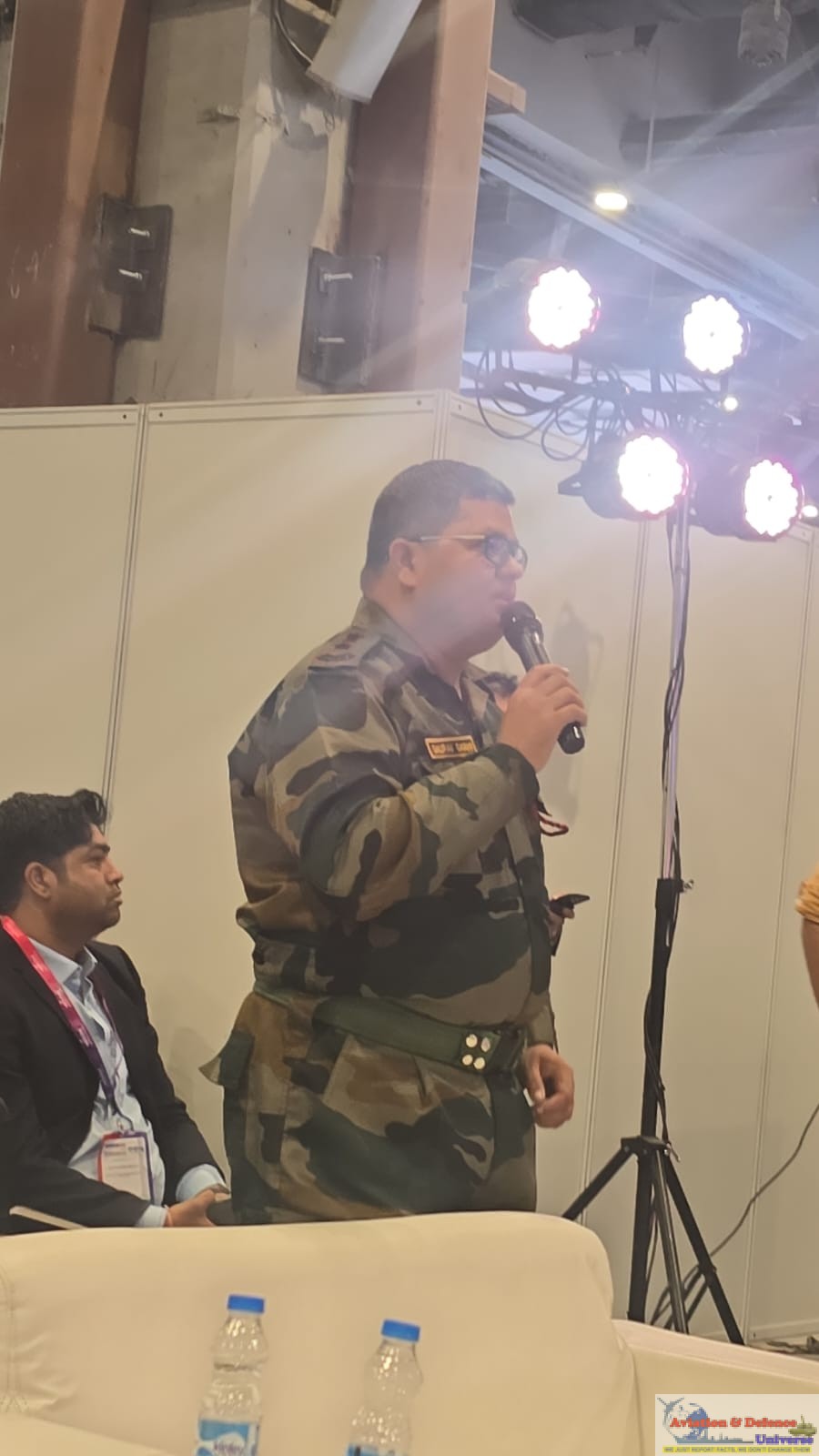 Reflecting on trials conducted by the Indian Army, Col Anandh recalled, “The Indian Army had demonstrated… they did the GPS… they did the jamming… all of them failed.” He noted that many drone systems performed well under ideal conditions but struggled in contested electronic warfare environments. Drawing the principal lesson, he explained, “Operation in an EW contested environment is required.” According to him, every future military drone must be designed to survive jamming, spoofing and electronic attacks.
Broadening the discussion beyond defence applications, Col Anandh remarked, “Drone has got huge use cases in various sectors.” He observed that innovations developed for defence often generate important civilian applications across agriculture, logistics, infrastructure inspection, disaster management and industrial operations. Highlighting government initiatives, he revealed, “We gave them a designing incentive scheme.” Unlike production-linked incentives, he explained, design incentives are intended to encourage indigenous intellectual property and next-generation technologies.
According to him, India must master indigenous autopilot technologies if it hopes to achieve genuine technological sovereignty in unmanned systems. Explaining the future direction of development, he observed, “That needs to be built from scratch.” He stressed that navigation systems, telemetry links and mission computers must all remain under Indian control. Highlighting why this matters, he remarked, “They all have to be under our control.” Only then, he argued, can India ensure operational independence during future conflicts.
Dispelling a common misconception, Col Anandh said, “Producing products is not the same.” He argued that manufacturing drones alone does not automatically create military capability. Reinforcing the distinction, he continued, “Funding innovation is not the same as innovation.” The true measure of success, according to him, lies in operational effectiveness and battlefield induction rather than the number of projects launched.
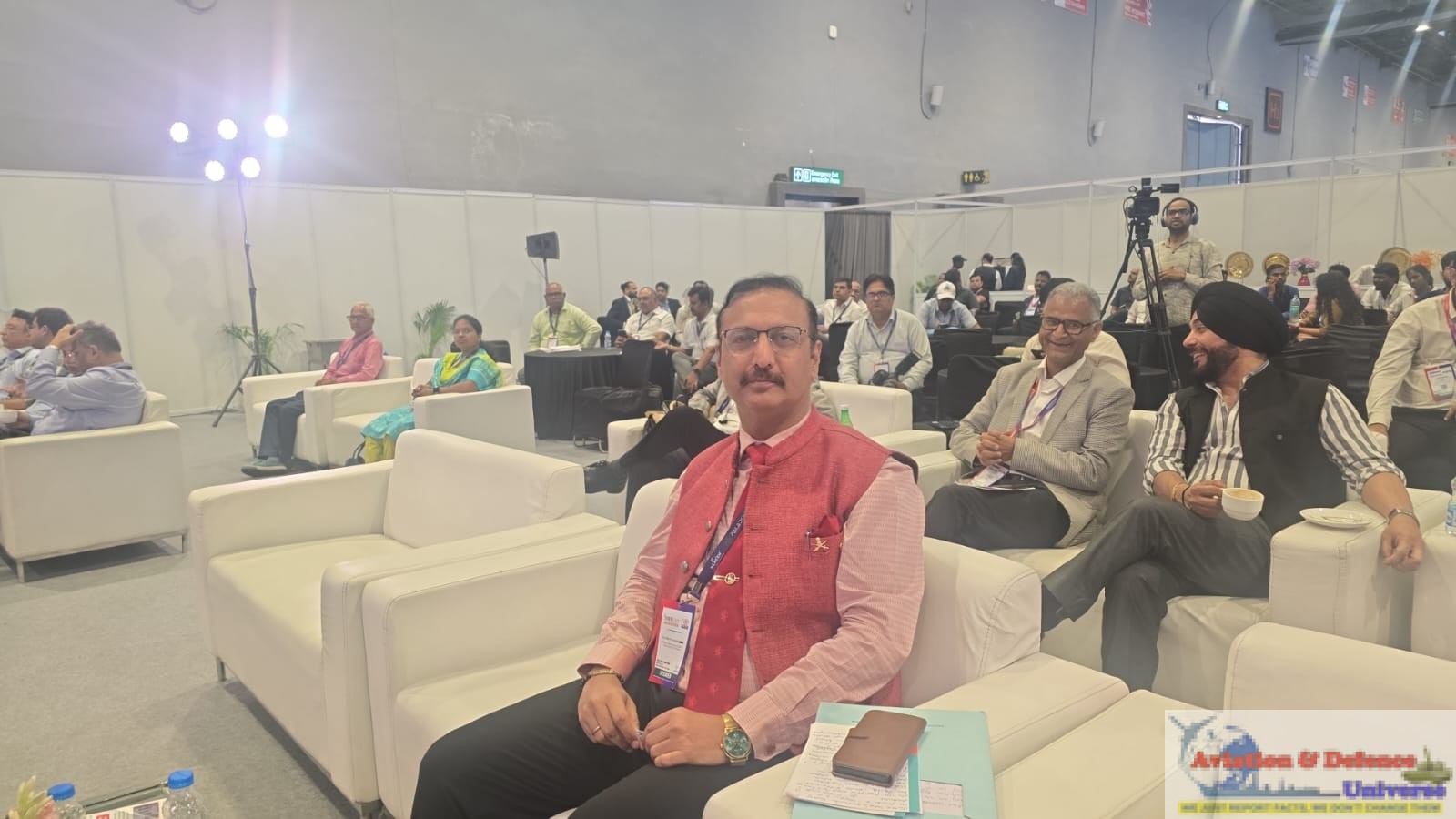 Asking an uncomfortable but important question, Col Anandh challenged policymakers and industry alike, “What is the end result?” He elaborated further, “How much capability is there in India? How much is inducted in the Armed Forces?” He argued that programme success should be judged by operational capability rather than announcements or funding allocations.
Turning towards international markets, Col Anandh remarked, “It’s a big market.” Drawing from his own experience in international defence cooperation, he highlighted emerging opportunities across Africa, Latin America and other developing regions. Looking at the economic dimension, he observed, “There is a huge demand.” However, he cautioned that India will succeed internationally only if it first develops competitive domestic manufacturing capabilities and cost-effective supply chains. Speaking candidly about recent regulatory reforms, Col Anandh remarked, “The drone rules were liberalised.” However, he expressed concern that some organisations had misused these liberalised policies. Delivering a blunt assessment, he stated, “We really want only the innovators to be there.”
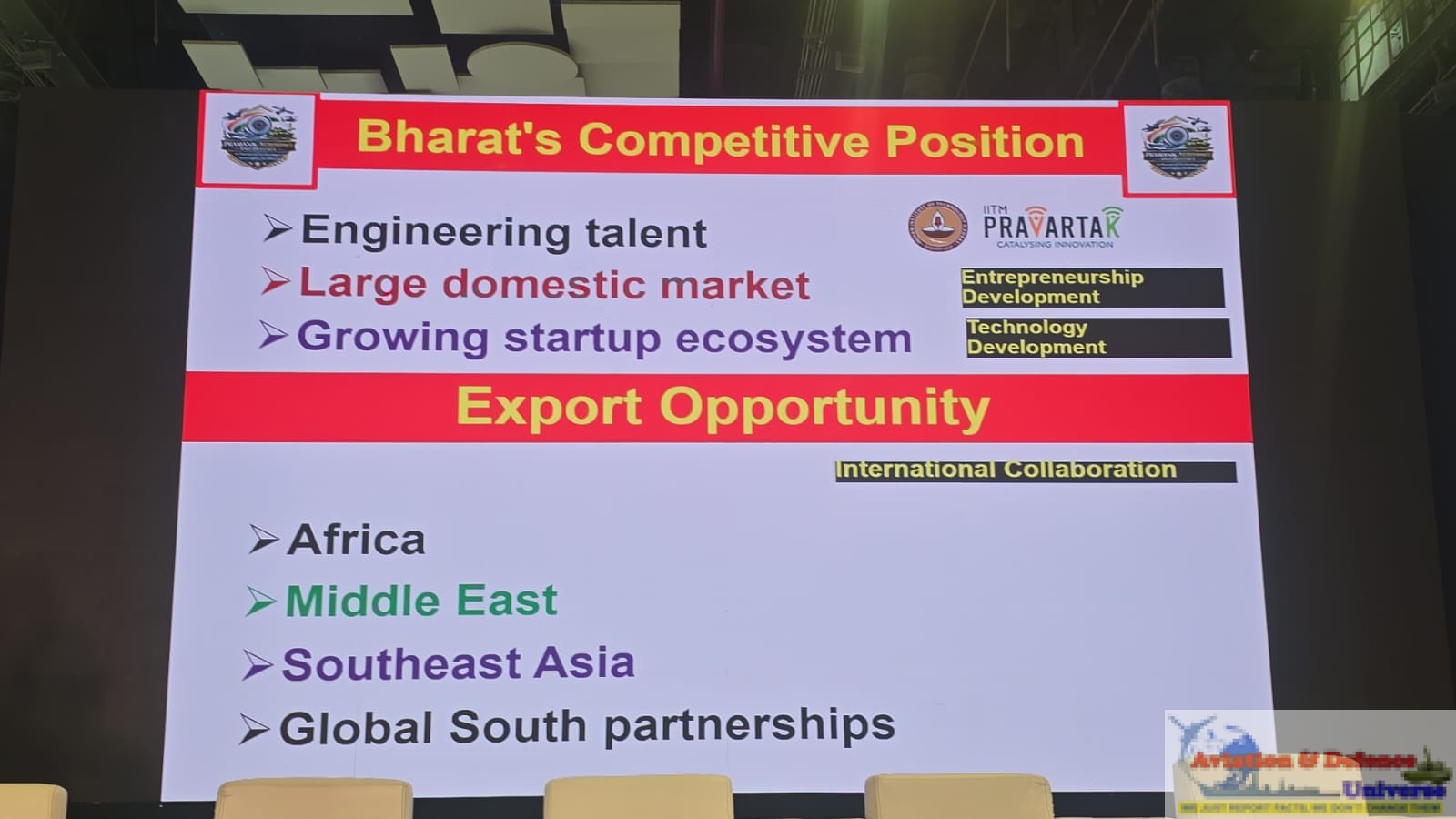
According to him, future government support should increasingly favour companies developing genuine indigenous technologies rather than those dependent upon imported systems. Expressing confidence in India’s innovation ecosystem, Col Anandh declared, “I think we are the intellectual capital of the world.” He pointed to India’s vast engineering talent, premier academic institutions and thriving start-up ecosystem as strong foundations for building a globally competitive drone industry. Highlighting the country’s strengths, he remarked, “There is no shortage of intellect. There is no shortage of entrepreneurship.” According to him, India’s challenge is not the availability of talent but converting innovation into deployable products manufactured at scale.
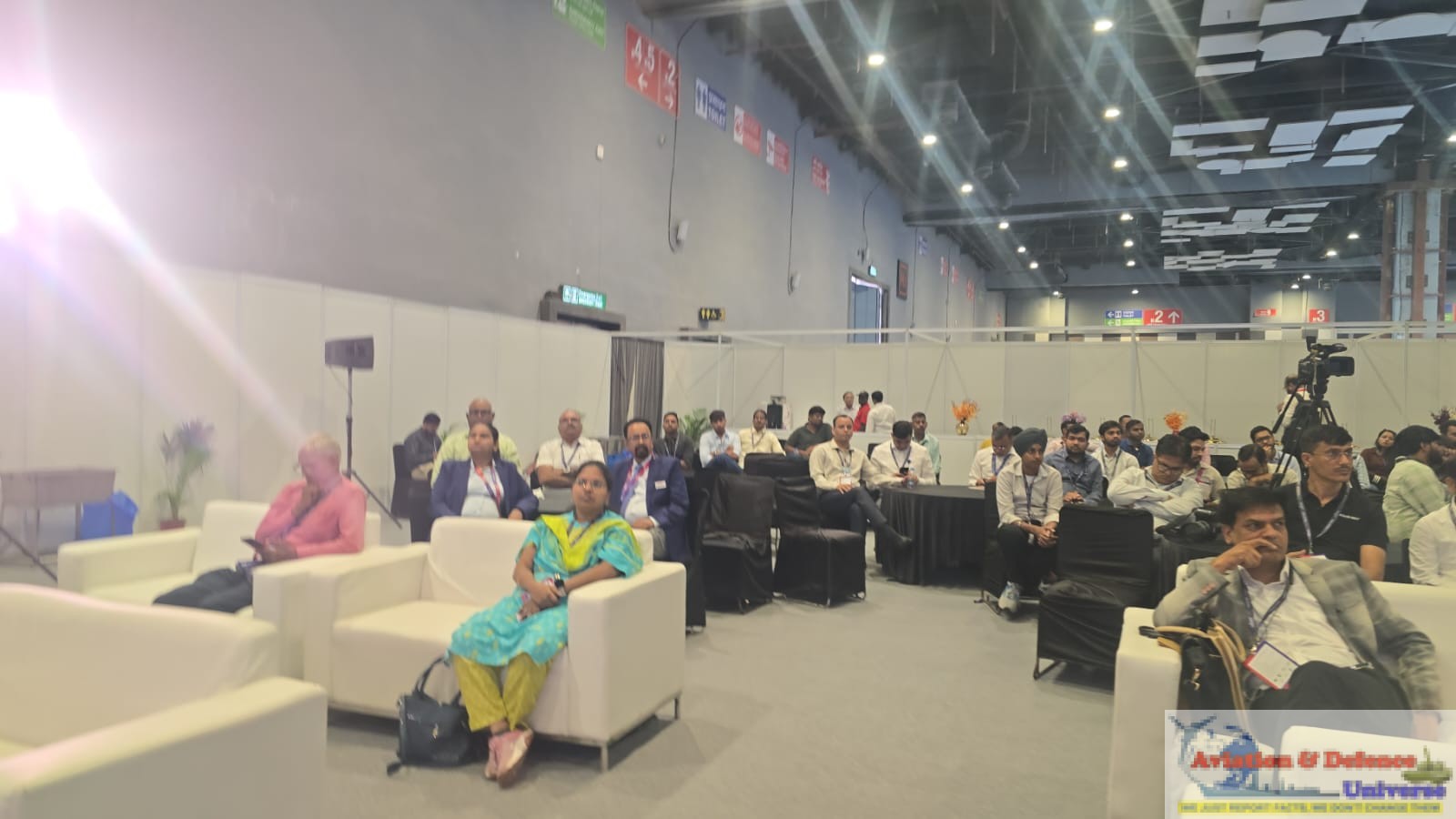 Drawing attention to a recurring challenge faced by Indian manufacturers, Col Anandh observed, “Each country… will ask you, ‘Has your end user taken it? Has it been used in your country?” He explained that international customers seek proof that products have already been adopted by their country of origin. Explaining the consequence of relying on imported technologies, he added, “If you are bringing it from outside, they will say, ‘We will make it from there.'” He argued that building a strong domestic user base is essential before India can emerge as a major exporter of military drones.
Looking at India’s future in the global drone market, Col Anandh stated, “There is a huge export opportunity only if we become innovators.” He encouraged Indian companies to collaborate, invest in indigenous research and develop differentiated technologies rather than competing solely on assembly or integration. Highlighting collaboration across the ecosystem, he noted, “The Drone Federation of India… has got a huge database… trying to revive the ecosystem.” According to him, greater cooperation among industry, academia and government will be vital to realising India’s export ambitions. Returning to technological priorities, Col Anandh listed the most important capabilities, “Flight control… sensors… propulsion.” He stressed that India must promote entrepreneurs working in these specialised domains. Issuing a challenge to the nation, he remarked, “If the Iranians could do an engine, what stops the Indians?” He emphasised that propulsion systems, secure communications and indigenous sensors must all become national priorities.
Recalling a real-world example, Col Anandh said, “The receiver is linked to China’s Beidou receiver.” He explained that hidden dependencies within navigation and communication systems can compromise operational security. Summarising the risk, he warned, “If you don’t secure the supply chains… it cannot go anywhere.” He called for complete visibility over every critical subsystem incorporated into Indian drones. Contrasting India’s current capability with global benchmarks, he noted, “We were found wanting because the production capacity didn’t exist.” According to him, scaling industrial output is now just as important as developing new technologies.
 Highlighting ongoing military reforms, Col Anandh observed, “The Indian Army is going through a decade of transformation. He referred to emerging concepts such as drone platoons, specialised formations and greater integration of unmanned systems into frontline combat units. According to him, these reforms present unprecedented opportunities for India’s drone industry to contribute directly to future military capability.
Looking beyond individual programmes, Col Anandh proposed, “We need to have a national mission of unmanned systems.” He advocated greater integration among the three Services and closer coordination between defence organisations, academia and industry.Emphasising jointness, he remarked, “We need to really work at the tri-service level.” For him, interoperability must become a defining feature of India’s future unmanned ecosystem.
Discussing long-term priorities, Col Anandh outlined several strategic objectives, “We need to restore NAVIC.” He also emphasised indigenous navigation systems, critical minerals, secure satellite infrastructure and accelerated space capabilities as essential enablers for India’s unmanned future. According to him, technological sovereignty must extend across land, air, cyber and space domains. Calling for unprecedented collaboration, Col Anandh stated, “People talk of whole-of-nation approach. I have changed it to whole-of-ecosystem approach.”
He urged government agencies, industry, academia, think tanks, armed forces and start-ups to work together rather than in isolation. Delivering a direct message to stakeholders, he said, “Work together.” Candidly acknowledging an existing weakness, he added, “Unfortunately, the drone industry in Bharat is not collaborating.” According to him, collaboration will be the single biggest determinant of India’s success. Summarising his philosophy, Col Anandh declared, “Strategic autonomy runs through technological sovereignty.” He argued that national security and economic resilience are inseparable from indigenous technological capability. Highlighting his own organisation’s vision, he remarked, “Our tagline is ‘In Pursuit of Technology Sovereignty for Bharat.'”
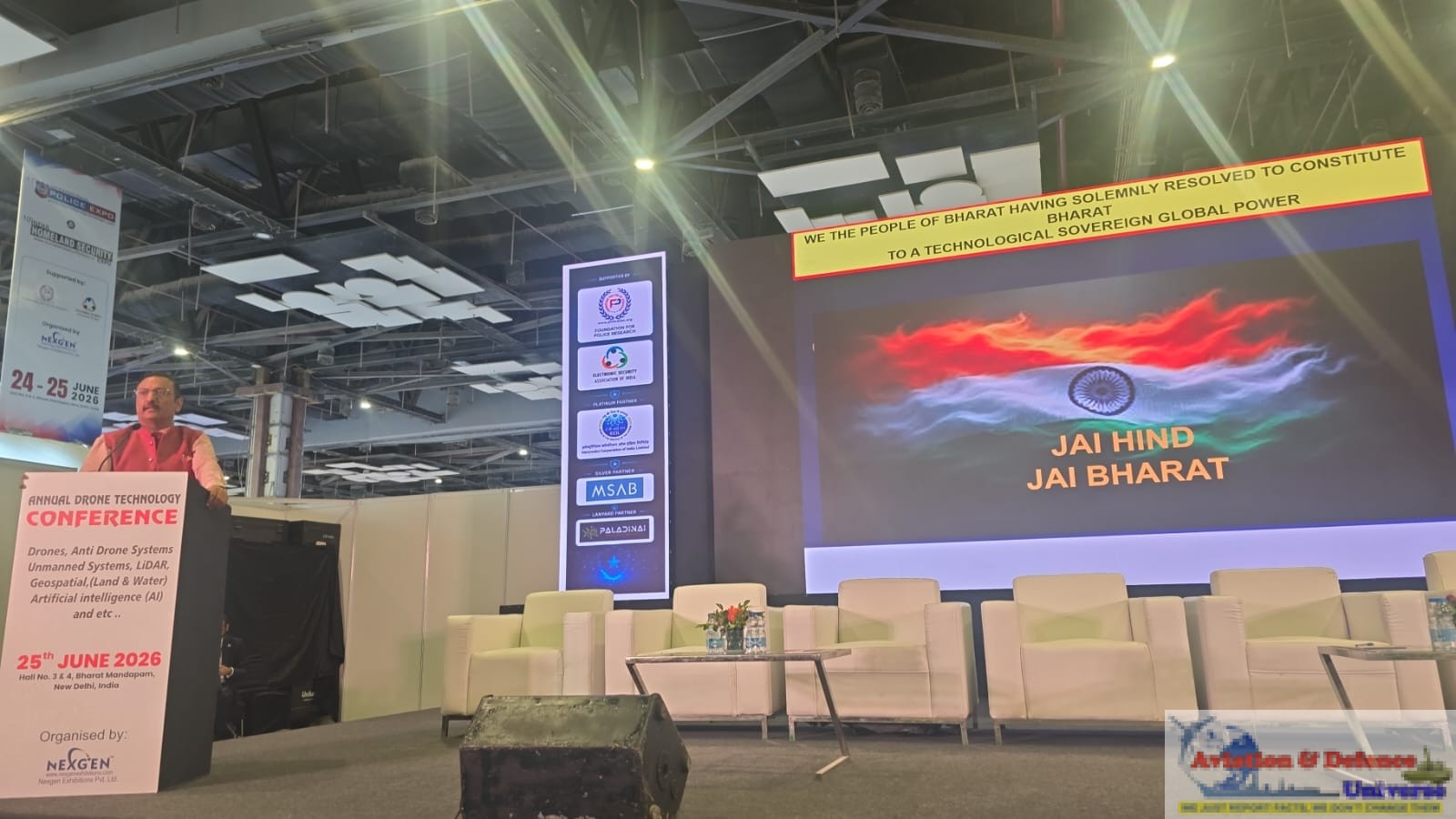 Col Manik Anandh’s address presented a compelling roadmap for India’s transformation from a growing drone user into a globally competitive drone manufacturing nation. While acknowledging the country’s vibrant innovation ecosystem, he repeatedly stressed that innovation alone is insufficient without manufacturing readiness, secure indigenous supply chains, cyber resilience and operational validation. Drawing lessons from Ukraine, Iran and Operation Sindoor, he argued that future conflicts will be won not simply by possessing advanced technologies, but by the ability to manufacture, adapt and sustain them at scale. His call for a whole-of-ecosystem approach, coupled with his emphasis on technology sovereignty, patient capital and national collaboration, positioned drone manufacturing not merely as an industrial ambition but as a strategic imperative central to India’s national security and global standing.