



 18th BRICS Summit


















- Sustainability Moves to the Forefront at Inaugural India Travel & Tourism Conclave
- MakeMyTrip Foundation and World Travel & Tourism
- Council India Initiative (WTTCII) brainstormed green skies
By Sangeeta Saxena
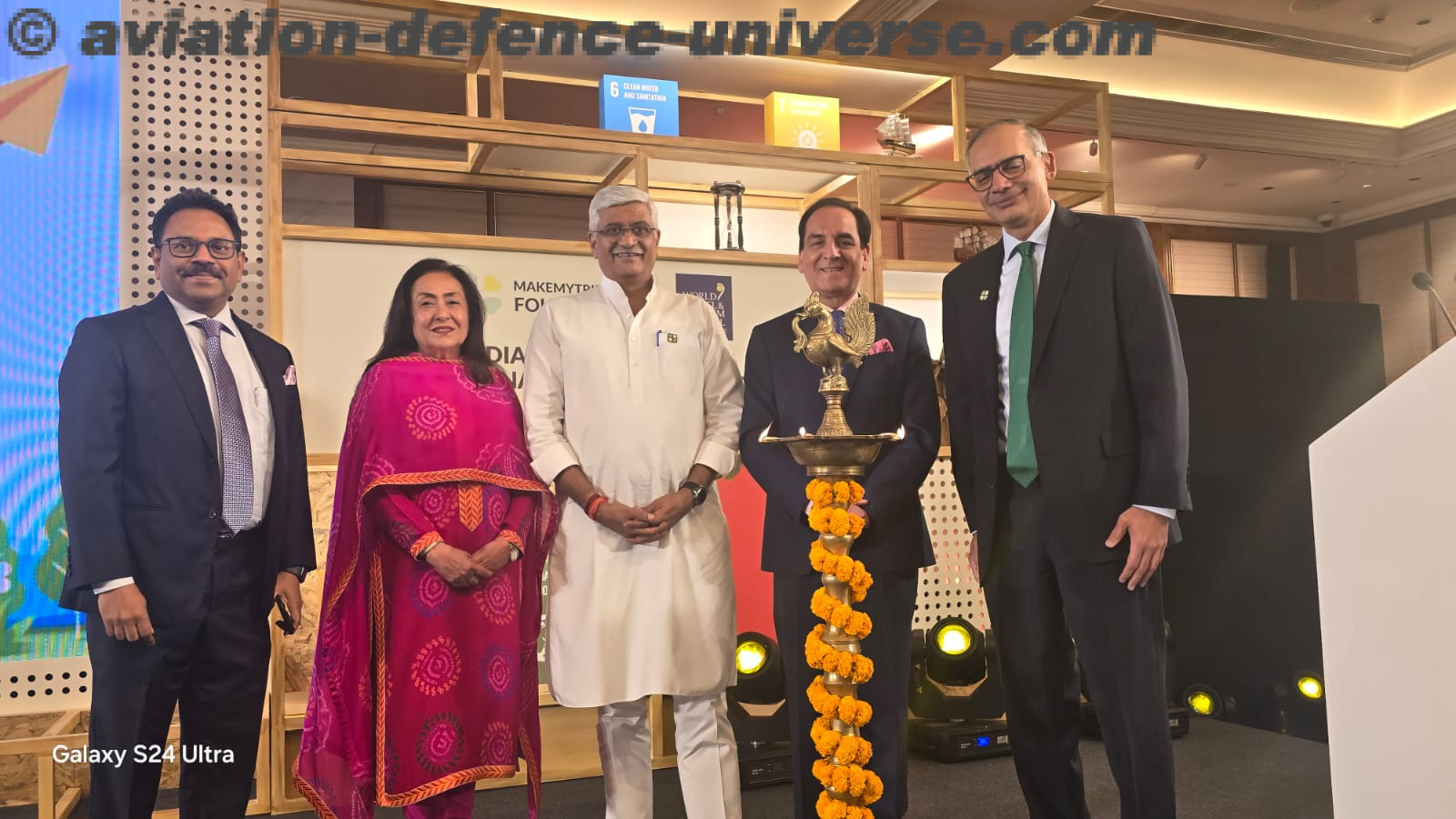
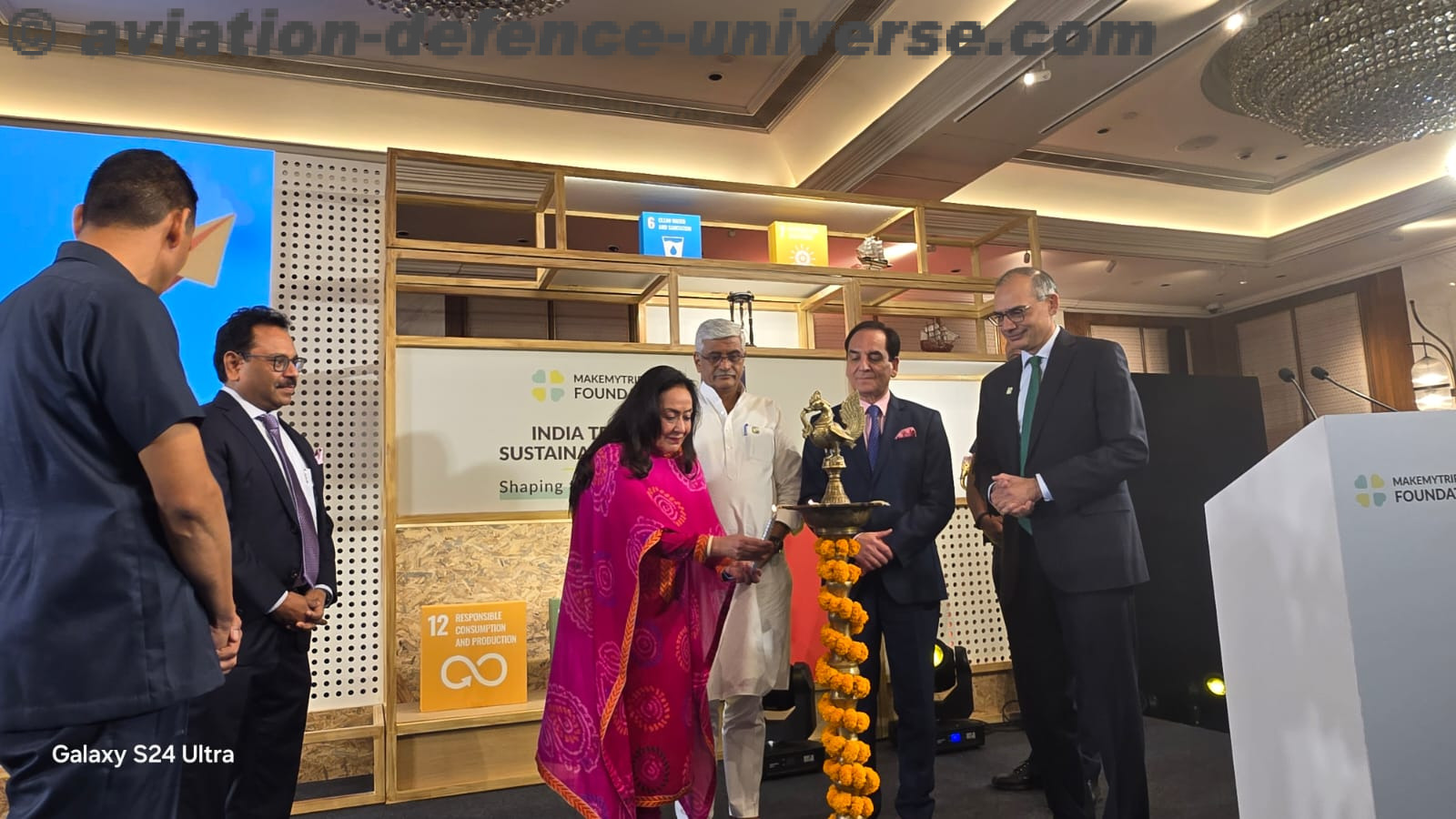
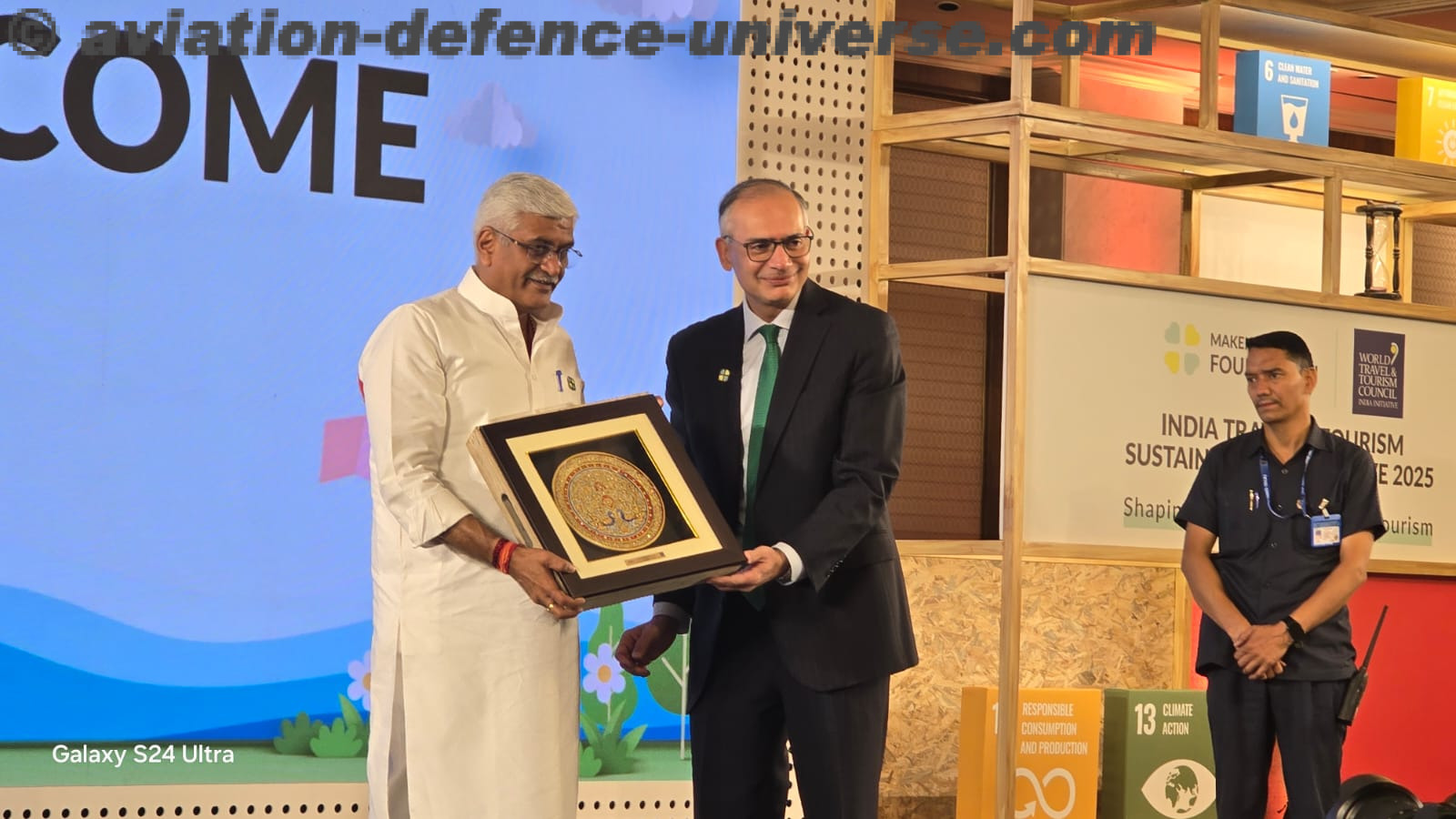
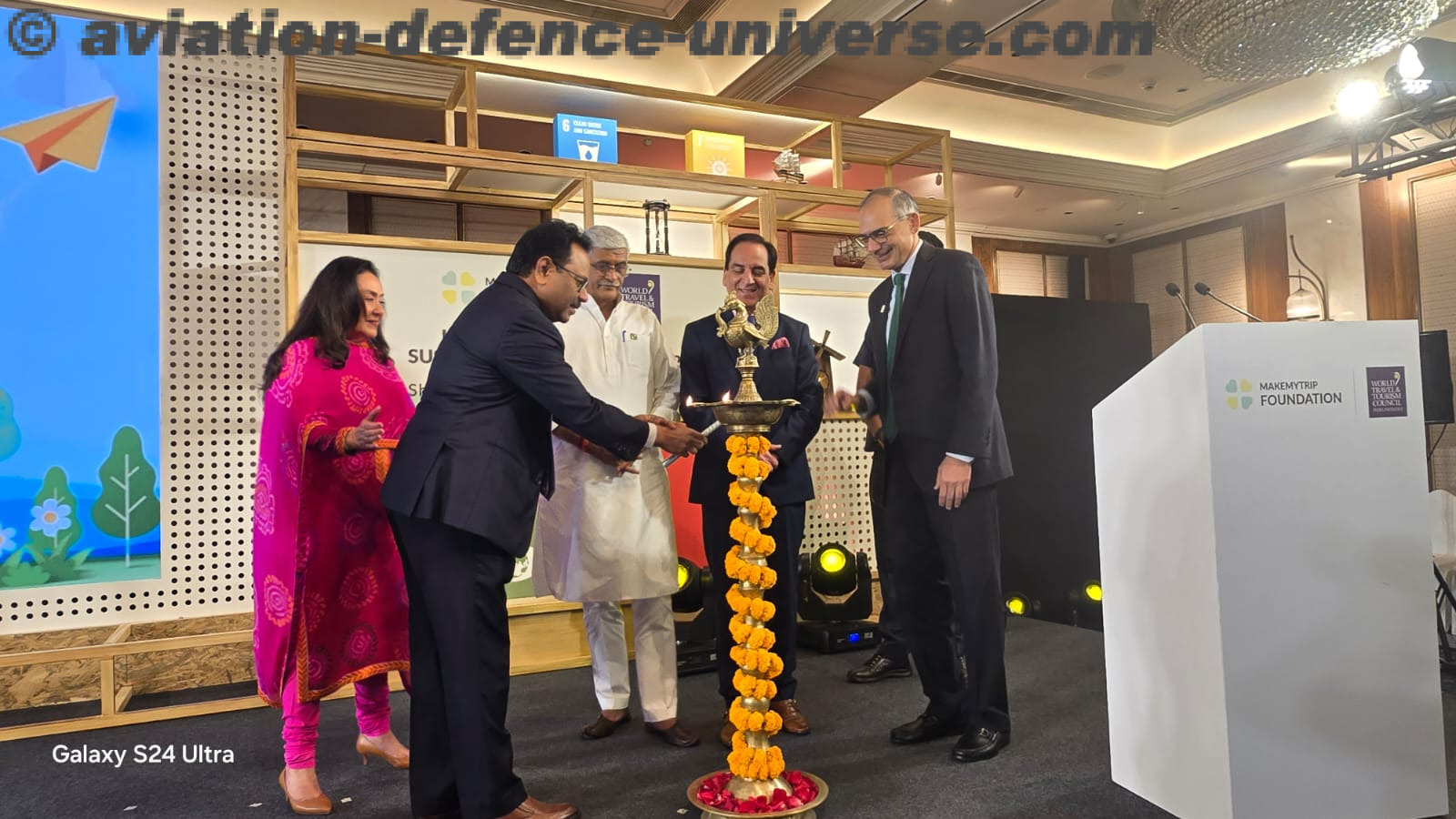
New Delhi. 16 April 2025. A powerful new conversation has begun at the intersection of travel, tourism, and environmental stewardship in India. At the first-ever India Travel & Tourism Sustainability Conclave, over 30 influential voices from government, industry, and civil society came together to chart a greener, more responsible roadmap for the future of Indian tourism. Organised jointly by the MakeMyTrip Foundation and the World Travel & Tourism Council India Initiative (WTTCII), the conclave was inaugurated by Union Minister of Tourism & Culture, Gajendra Singh Shekhawat.
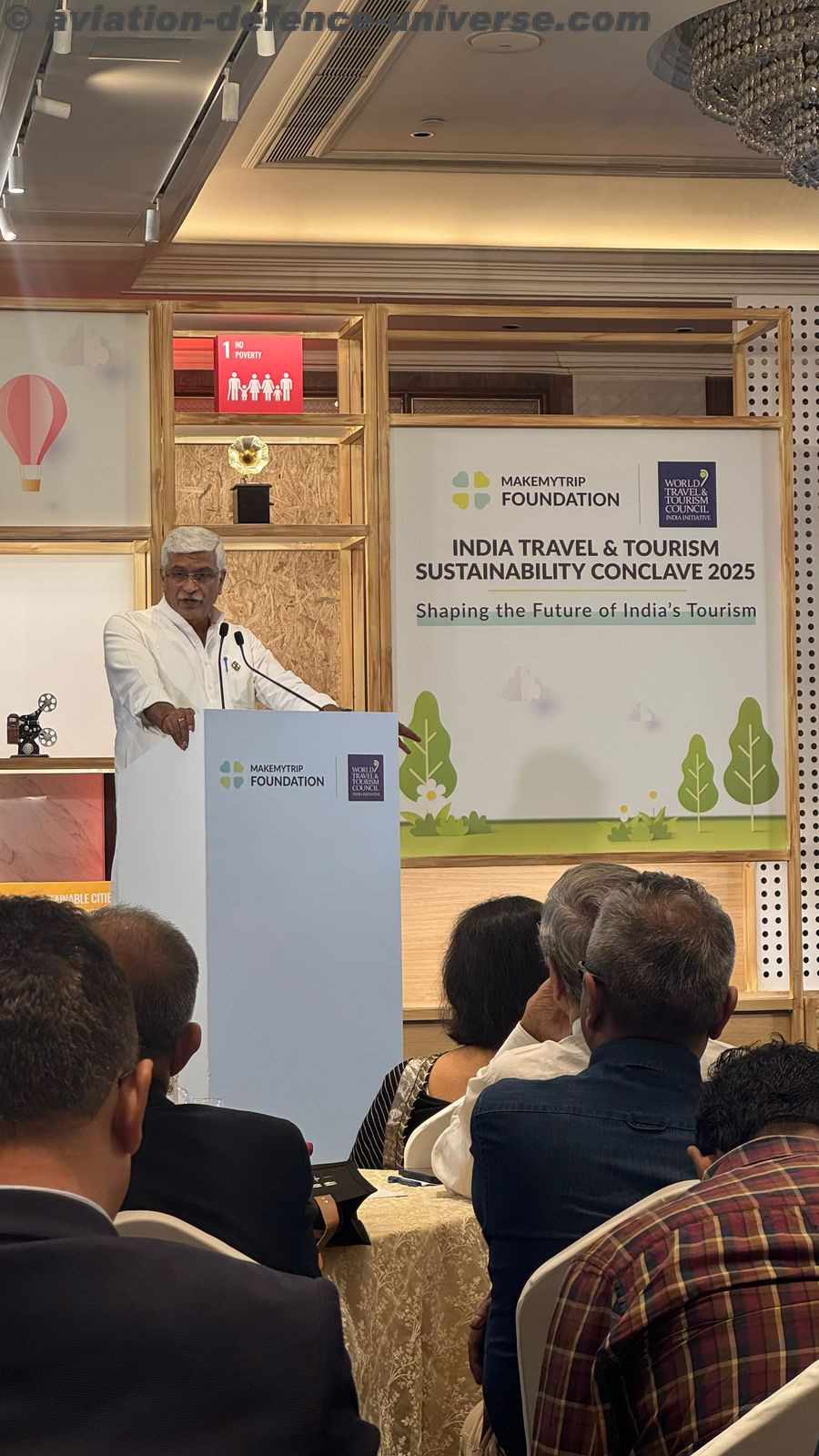 “We need more such platforms that bring the tourism ecosystem together for a meaningful dialogue on sustainability,” said Gajendra Singh Shekhawat, the Minister of Tourism & Culture. “I am happy to see MakeMyTrip Foundation and WTTCII take the lead in facilitating these conversations. I hope today’s outcomes inform how the sector grows in the years ahead.”
Held in New Delhi, the day-long event was far more than a talk shop—it was a working platform designed to foster a shared sustainability agenda for the country’s diverse and rapidly evolving travel sector. From aviation and hospitality to mobility and climate action, the conclave featured five focused discussions that underscored the urgency of embedding environmental and social responsibility at the core of tourism development.
Carbon emissions have a significant and growing impact on the global travel and tourism industry. As one of the sectors most vulnerable to climate change, tourism is directly affected by the environmental degradation that stems from excessive greenhouse gas emissions. Rising global temperatures, changing weather patterns, and the increasing frequency of natural disasters such as floods, wildfires, and hurricanes are reshaping tourism patterns. Destinations once known for their pristine natural beauty are now struggling with ecosystem damage, water shortages, and biodiversity loss, making them less attractive or even inaccessible to tourists.
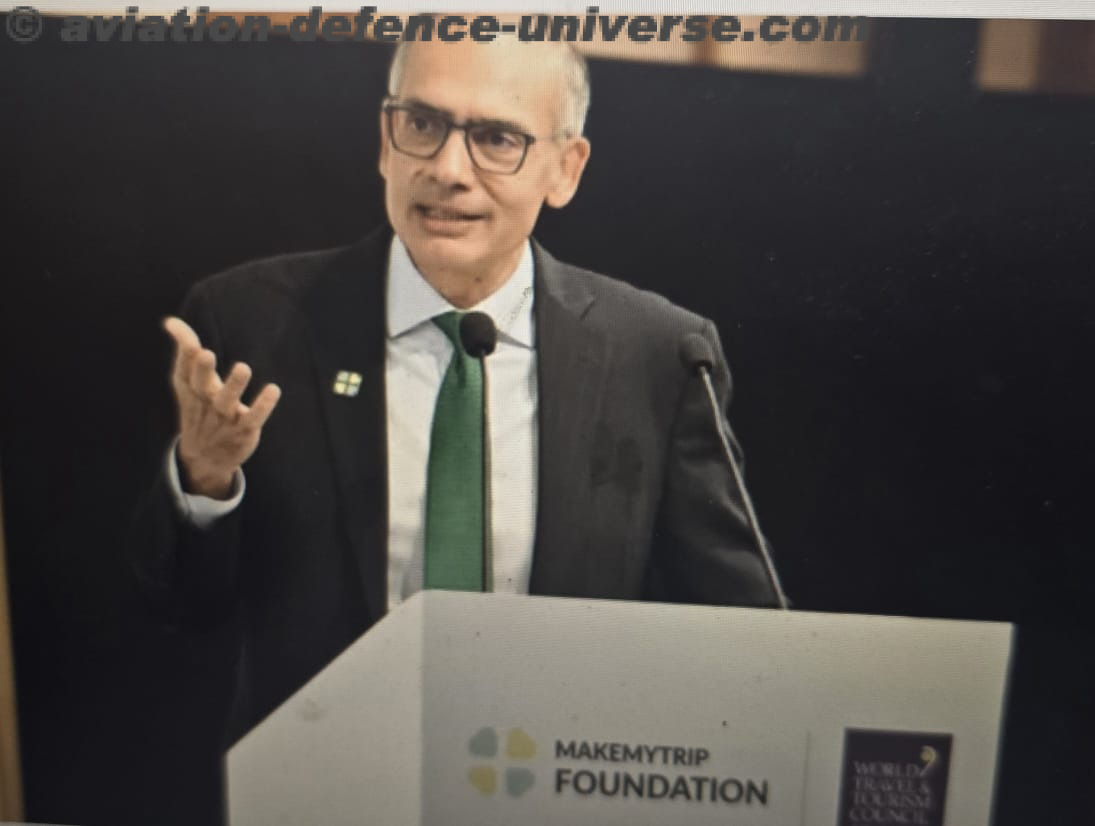 “As we think about the future of India’s travel & tourism sector, it is clear that sustainability cannot remain a peripheral concern. It must be embedded at the very core of how we envision business growth,” said Deep Kalra, Chair of WTTC India and Managing Trustee of MakeMyTrip Foundation. “Through this Conclave, our endeavour was to move beyond conversation and focus on action.”
Kalra stated that while India’s sustainable tourism business is projected to increase to USD 216 million in ten years from the present USD 37 million, worldwide the industry is scheduled to reach USD 11.4 trillion. In 2023, the worldwide sustainable tourism market size was projected at USD 2.73 trillion. He, though, said that the market in the nation is set to explode in the next ten years. Though small now, India’s sustainable tourism market will be among the fastest-growing in 10 years, was his conviction.
The highlight of the event was the launch of the Sustainable Hospitality Handbook, a collaborative effort between the Hotel Association of India (HAI) and MakeMyTrip. Designed to be practical and inclusive, the handbook offers hotels actionable guidance across key sustainability pillars—energy, water, waste, and community impact—drawing from both global standards and real-world Indian examples.
“It was encouraging to see the Conclave bring together so many strong voices to focus not just on why sustainability matters, but how we can act on it,” said K.B. Kachru, President, Hotel Association of India. “The handbook is designed to support hotels of all sizes in embracing more conscious practices, and we hope it inspires wider adoption across the sector.”
 The aviation sector, a key pillar of global tourism, is under particular scrutiny for its contribution to carbon emissions. Aircraft account for a substantial portion of global CO₂ emissions, and as international travel rebounds post-pandemic, the pressure on airlines to adopt sustainable practices has intensified. This includes transitioning to more fuel-efficient aircraft, investing in sustainable aviation fuel (SAF), and exploring green airport infrastructure. Yet, without systemic change, emissions from aviation could threaten to derail international climate goals and, in turn, harm the long-term viability of global tourism.
The discussions reflected the sector’s diversity, with stakeholders from Air India Express, Akasa Air, SpiceJet, IHCL, ITC Hotels, Lemon Tree, GreenCell, Chalo, and sustainability organisations like GSTC and TERI providing practical insights. Challenges like decarbonising aviation, electrifying public transport, and building resilient local economies were not just discussed—they were met with solutions.
 Additionally, consumer awareness is shifting. Tourists, especially younger generations, are increasingly seeking out eco-conscious travel options and are willing to make travel decisions based on a destination’s environmental credentials. This trend places additional pressure on travel companies, hotels, and destinations to reduce their carbon footprints and adopt more sustainable practices. The future of tourism may depend not just on the quality of the destination, but on how ethically and sustainably it can be accessed and experienced.
Beyond launching the handbook, the conclave announced the development of a comprehensive report on sustainable travel and tourism in India. This document, being developed by MakeMyTrip Foundation and WTTCII, will synthesize the insights and priorities surfaced at the conclave into a practical roadmap for the sector.
 Ultimately, the travel and tourism industry must balance economic opportunity with environmental responsibility. Reducing carbon emissions is not only crucial for protecting the planet but also essential for safeguarding the future of tourism itself. Through innovation, policy reform, and collective action, the industry can move toward a more sustainable and resilient model—one where exploration and conservation go hand in hand.
The India Travel & Tourism Sustainability Conclave made one thing resoundingly clear—India’s tourism sector is ready to evolve. With shared vision, practical tools like the Sustainable Hospitality Handbook, and a roadmap on the horizon, the path toward a more sustainable travel ecosystem is no longer just aspirational—it’s actionable. As stakeholders move from ideas to implementation, India may well become a global model for how tourism can grow responsibly, inclusively, and with the planet in mind.









































































-A4-Size-(2)_page-0001.jpg)