
 Israel and Morocco Deepen Defense Cooperation: Israel MOD Director General Leads Delegation to Morocco to Strengthen Defense Ties













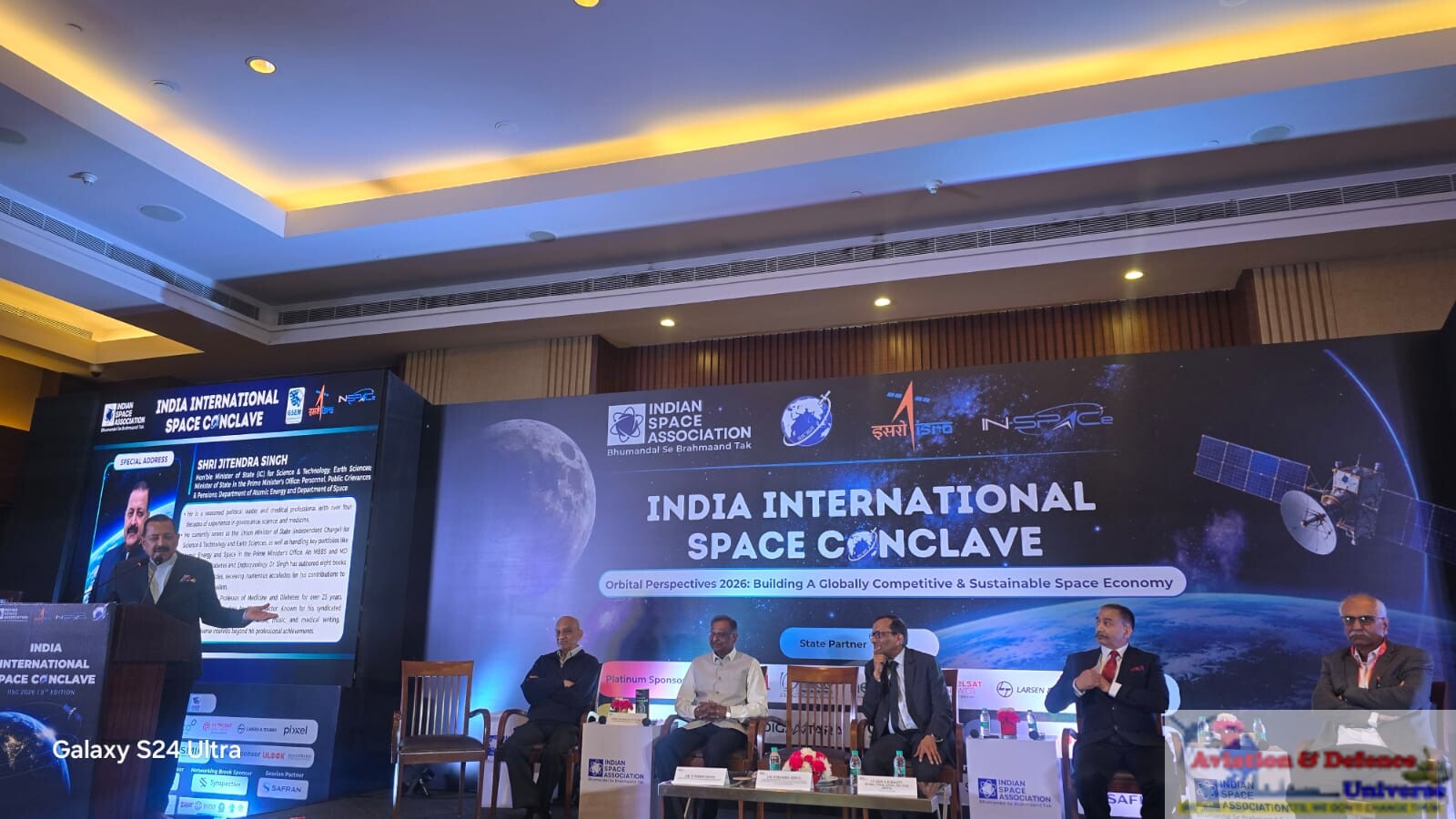
- Dr, Jitendra Singh calls for greater domestic investment, foreign capital and scientific philanthropy in space
- Space sovereignty and international collaboration can coexist
- Demand creation, youth participation and commercialisation dominate Day 2 deliberations
- Industry awards and strategic publications celebrate India’s expanding space ecosystem
By Sangeeta Saxena
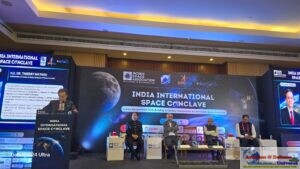
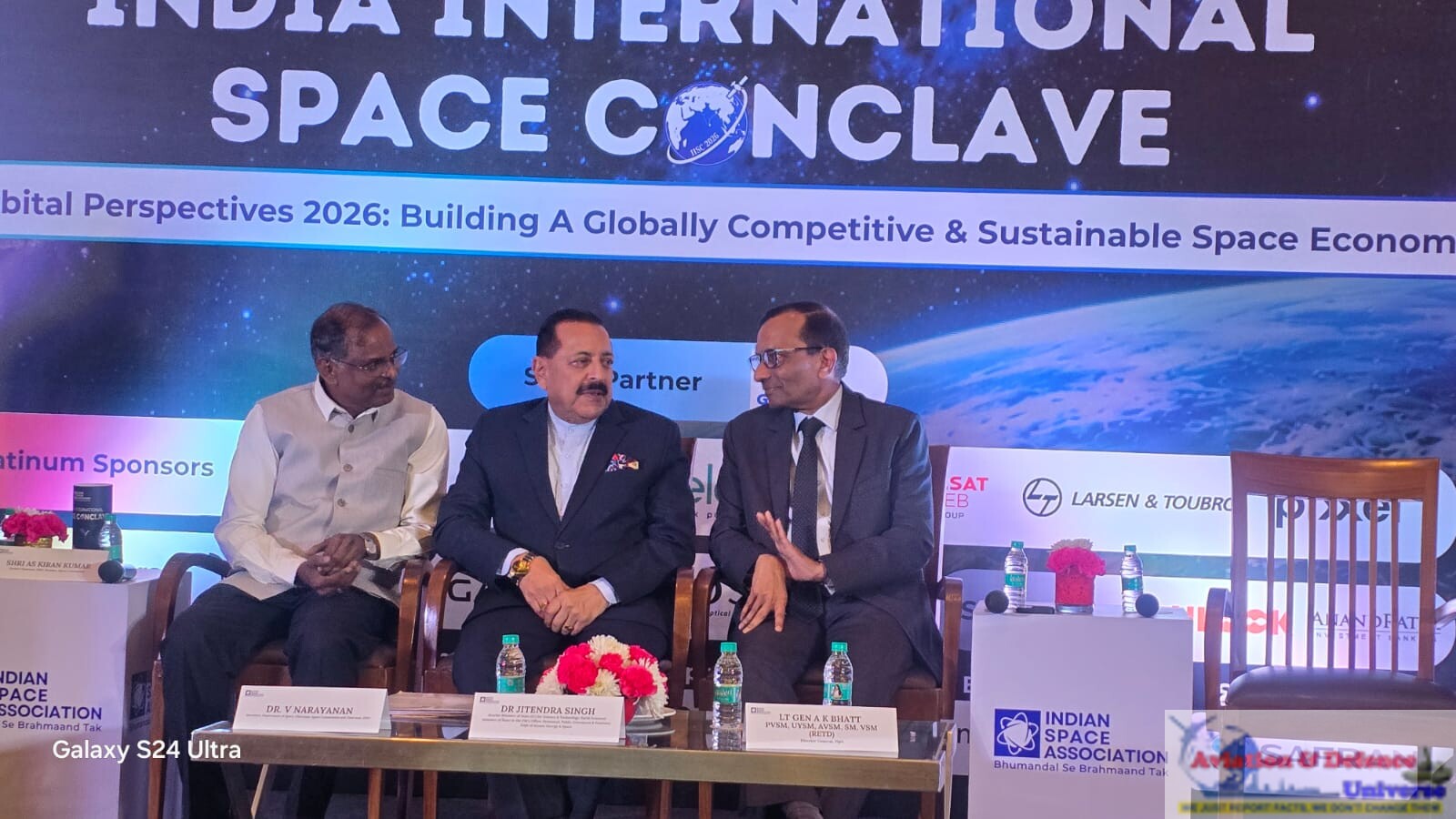
New Delhi. 24 November 2026. The government has unlocked the sector, scientists have demonstrated their capabilities, entrepreneurs have built rockets, start-ups have attracted millions of dollars, and India has announced its ambition to become a major player in the global space economy. What next? The answer, according to Union Minister Dr Jitendra Singh, lies not in another round of celebrations but in greater industrial investment, commercial confidence, scientific philanthropy and the ability to take space technology from the launchpad into the everyday lives of ordinary Indians. Addressing the inaugural session of Day 2 of the fifth India International Space Conclave (IISC) 2026, the Minister made it clear that India’s space revolution had moved beyond the question of technological capability. It was now about converting capability into capital, innovation into industry and scientific achievement into national economic growth.
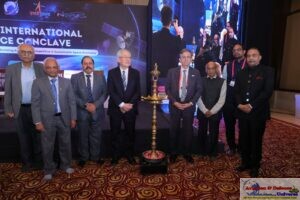
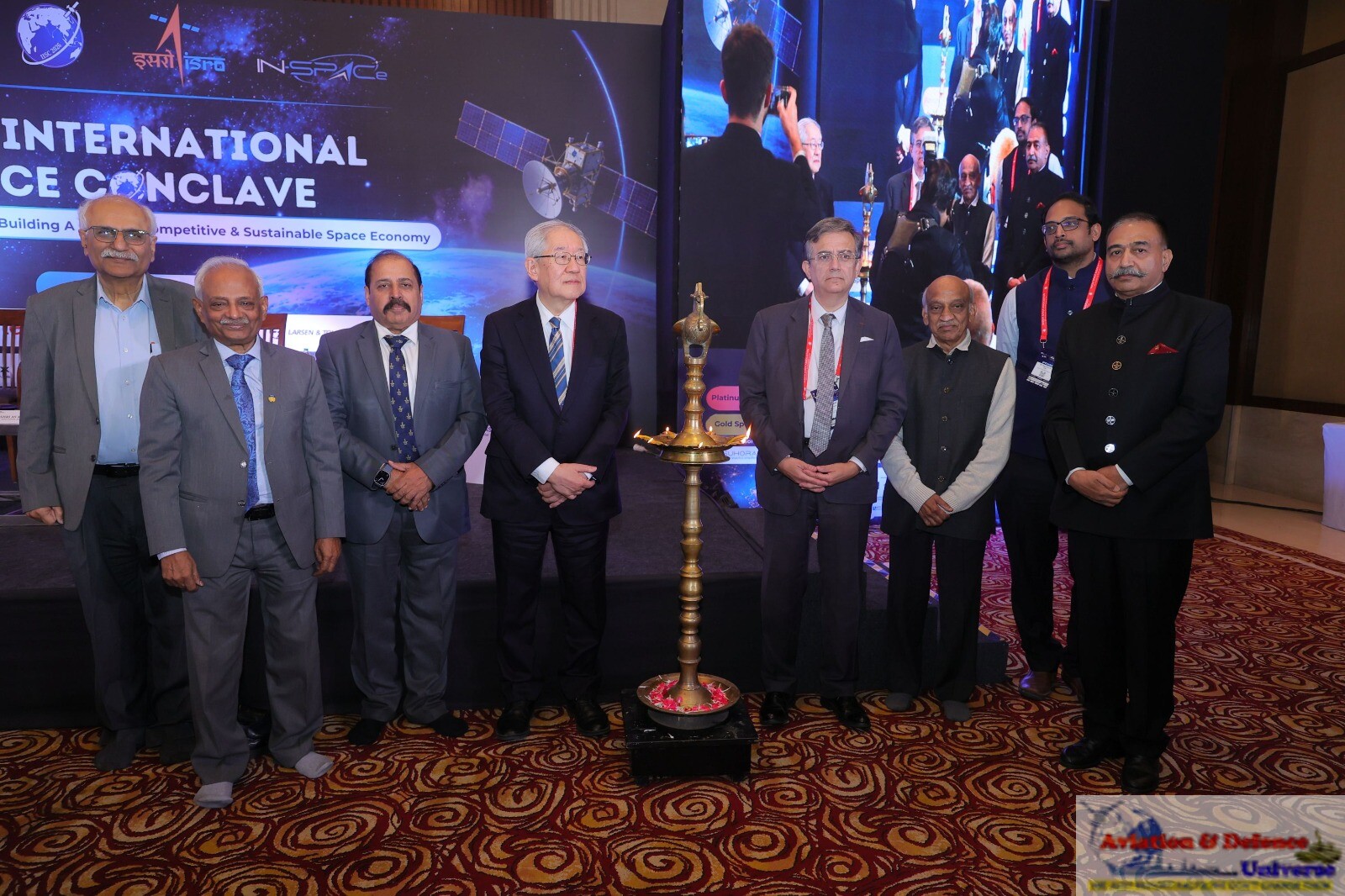
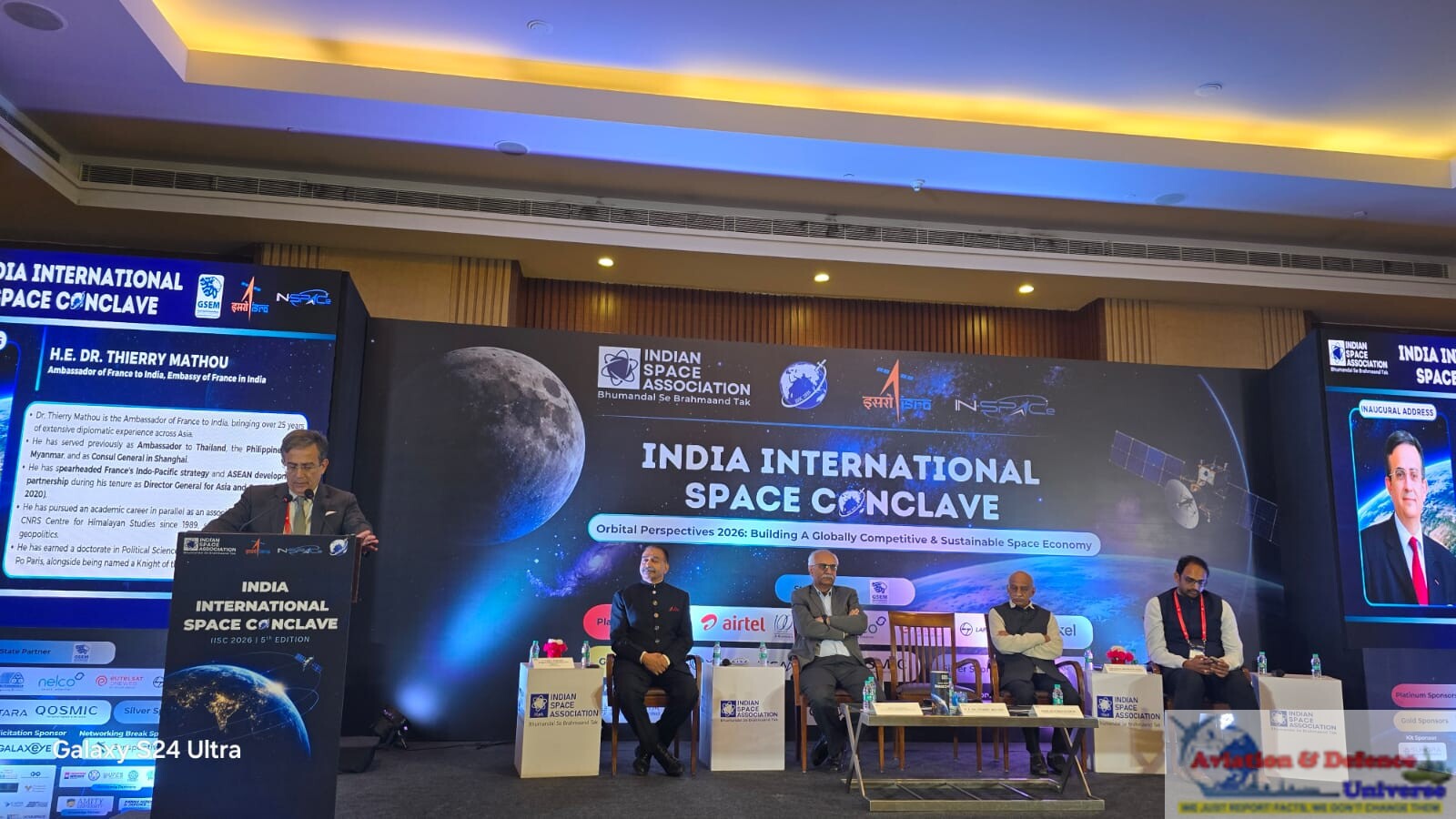
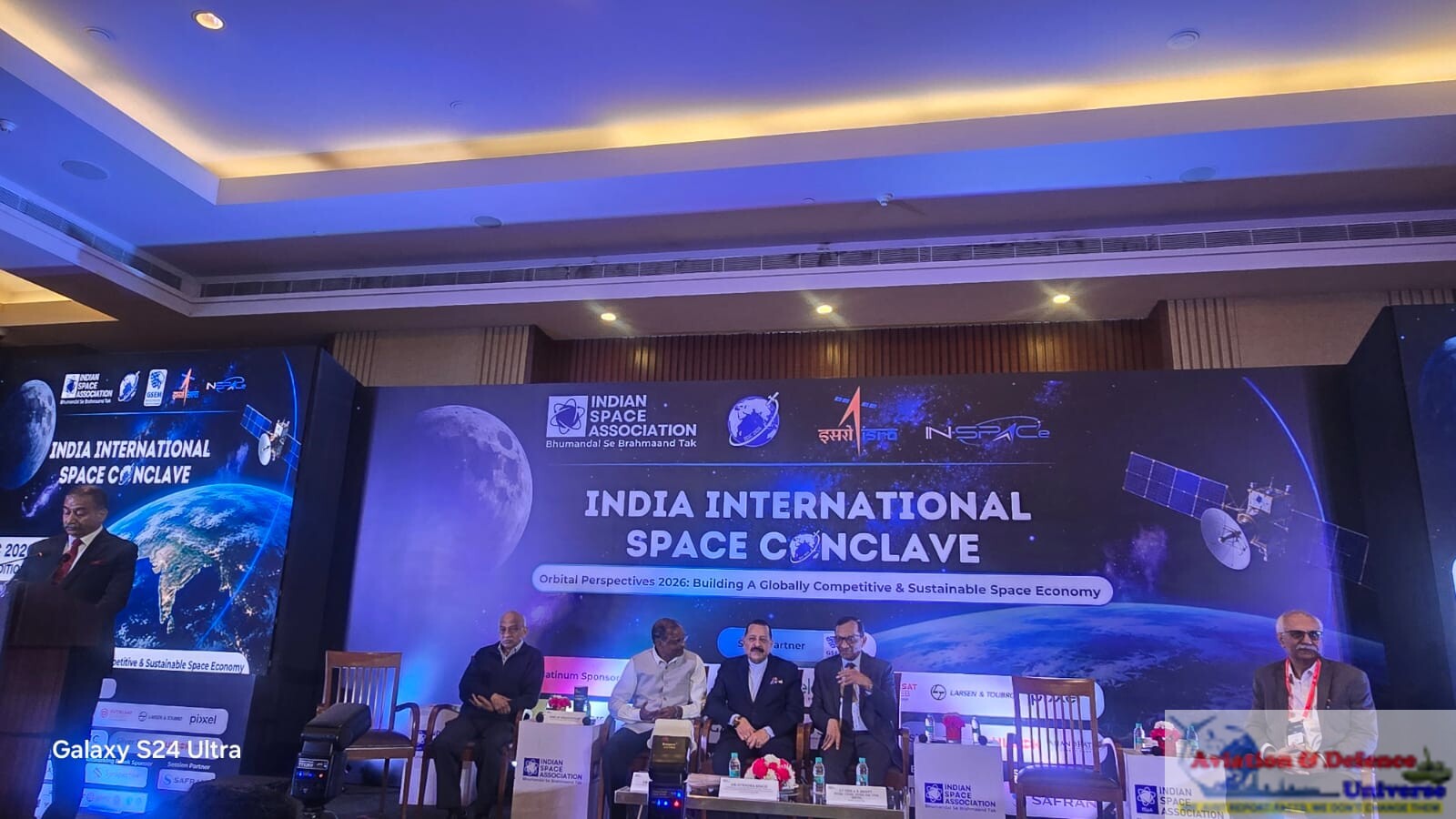
Organised by the Indian Space Association (ISpA) in collaboration with ISRO and IN-SPACe, the second day of the conclave witnessed an engaging interaction between the government, space industry leadership, international representatives, entrepreneurs, researchers and young space enthusiasts.
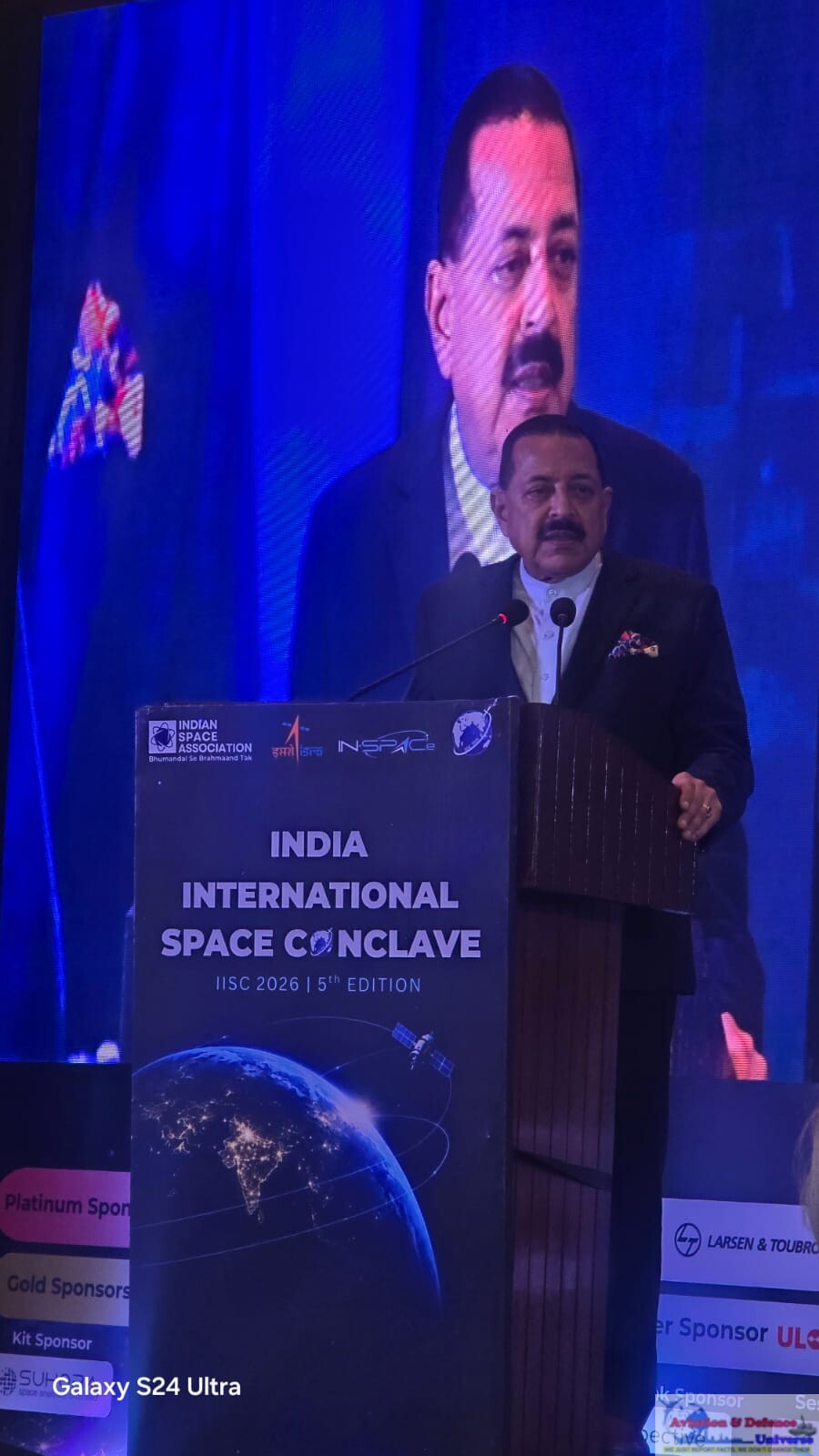 The Chief Guest, Dr Jitendra Singh, Minister of State for the Prime Minister’s Office; Personnel, Public Grievances and Pensions; Department of Atomic Energy; and Department of Space, delivered an address that was as much an invitation to industry as it was an assessment of India’s space-sector reforms.
Rather than confining himself to a formal inaugural speech, Singh encouraged an interactive discussion with stakeholders, seeking suggestions on how the government and private sector could work together to accelerate India’s emergence as a major space economy.
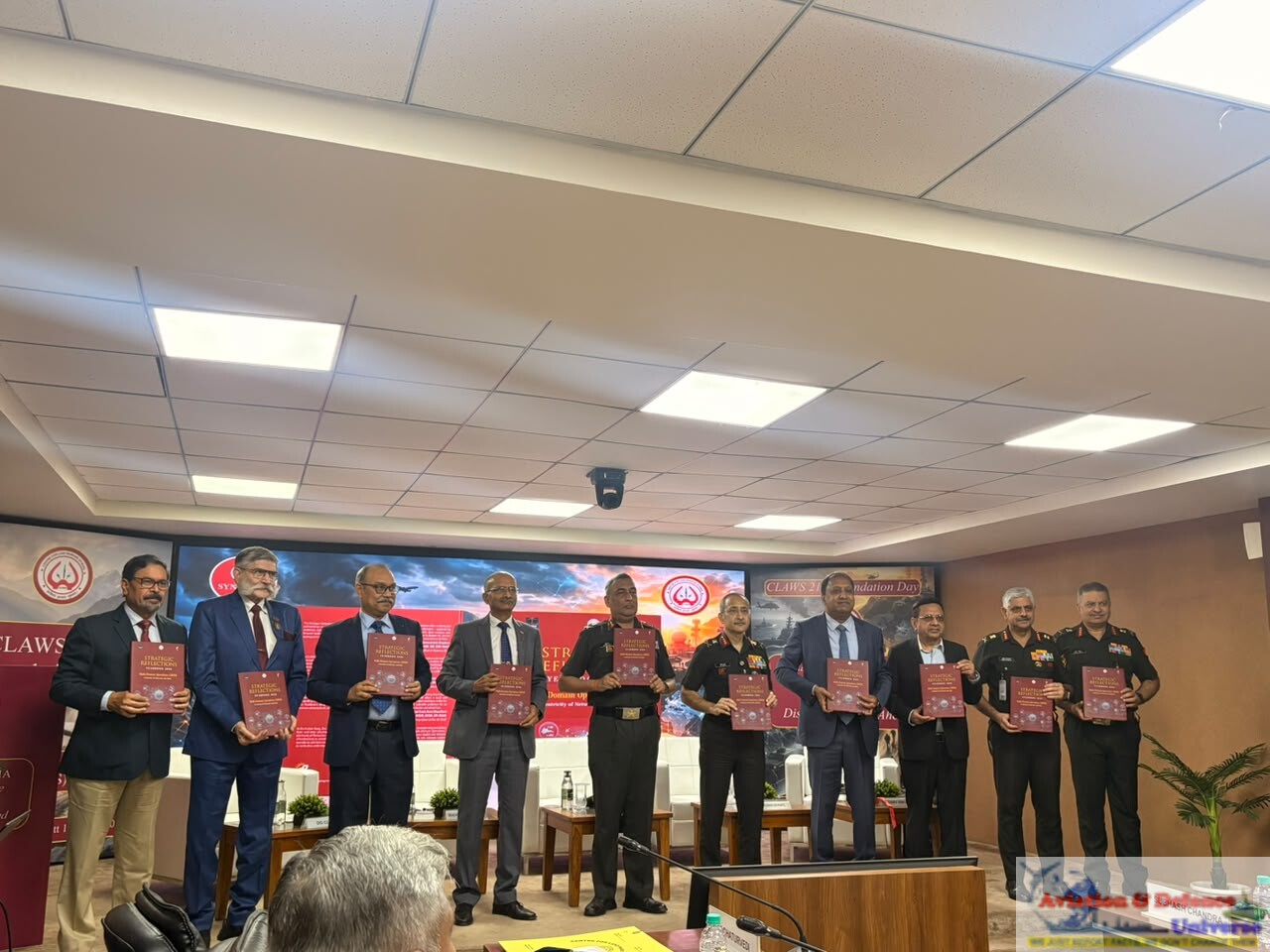
The session subsequently addressed investment, international research collaboration, technological sovereignty, demand generation, satellite broadband, scientific careers, regional participation and the democratisation of space education. It also witnessed the presentation of industry awards and the release of publications examining the future of India’s space economy.
Jitendra Singh: Six Years of Reforms Have Unleashed Decades of Untapped Talent
Tracing the evolution of India’s commercial space ecosystem, Singh recalled the institutional changes initiated around 2019–20, including the establishment of NewSpace India Limited (NSIL), followed by IN-SPACe and the opening of the space sector to private enterprise.
He described these reforms as a fundamental departure from the traditional model of space-sector development, which had largely remained within the government establishment for decades.
The Minister acknowledged that opening such a technologically sensitive and capital-intensive sector had initially generated apprehension and scepticism. Both the government and private industry were entering unfamiliar territory.
 However, he argued that developments over the subsequent years had demonstrated the potential of the decision. “From a single-digit startup today, we are 400 to 500 almost,” Singh said, highlighting the rapid expansion of India’s entrepreneurial space ecosystem.
He estimated the Indian space economy at approximately $9 billion and expressed confidence that it could grow to between $40 billion and $45 billion within less than a decade. “Space economy will be an important component of the overall Indian economy, in the times to come,” he observed.
For Singh, the speed with which India’s private space companies had emerged demonstrated that the country had never lacked scientific talent or entrepreneurial potential. What had been missing was an enabling environment.
“We had tonnes and tonnes of talent and potential in this country which was waiting to happen. It was just unleashed. It was enabled,” he said.
The Minister argued that the young scientists, engineers and entrepreneurs driving India’s space revolution today had always been present within the country. Policy reforms had provided them with opportunities to convert their knowledge and ambitions into commercially viable enterprises.
Skyroot and India’s Start-ups Vindicate the Space Reforms
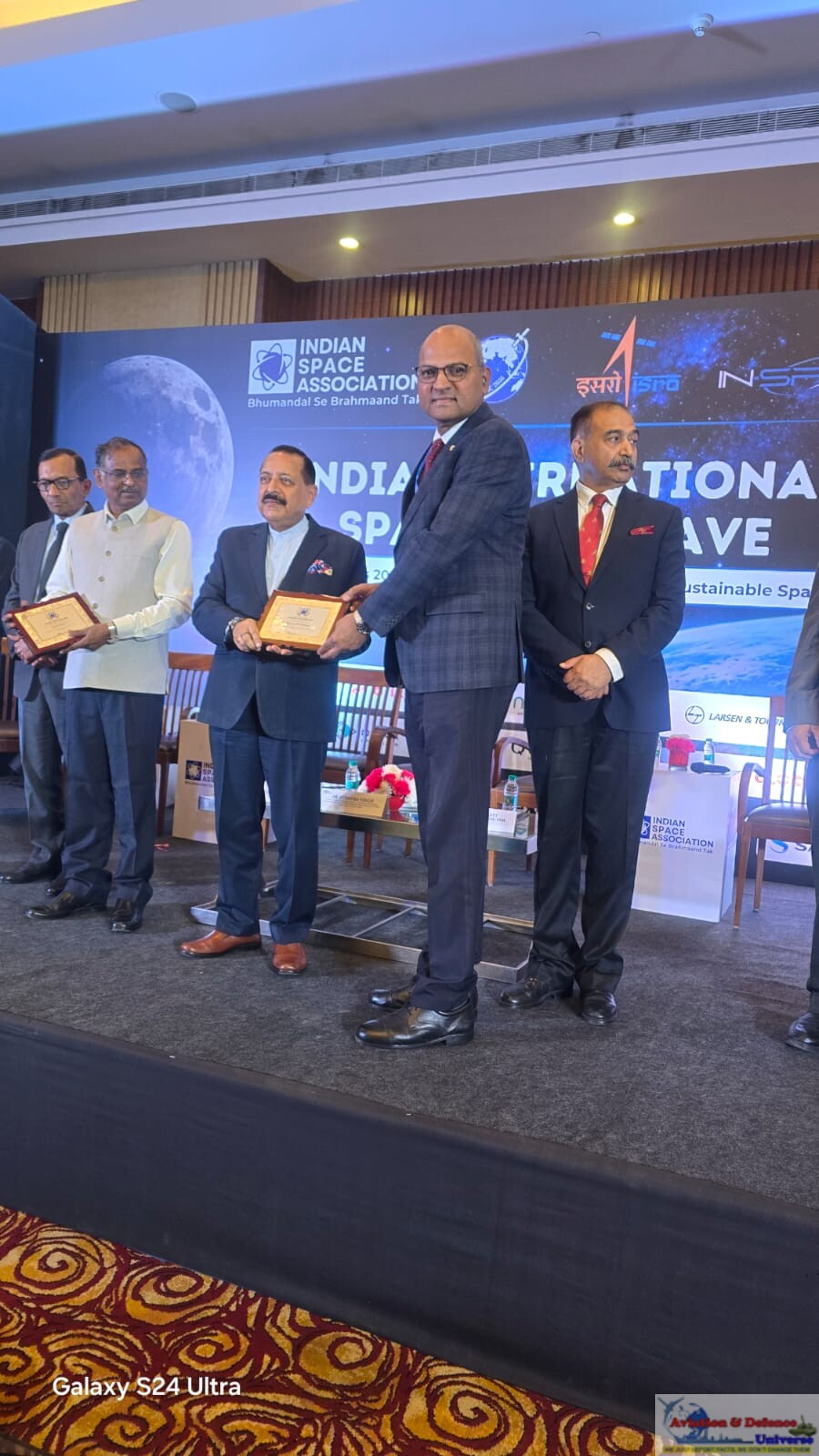
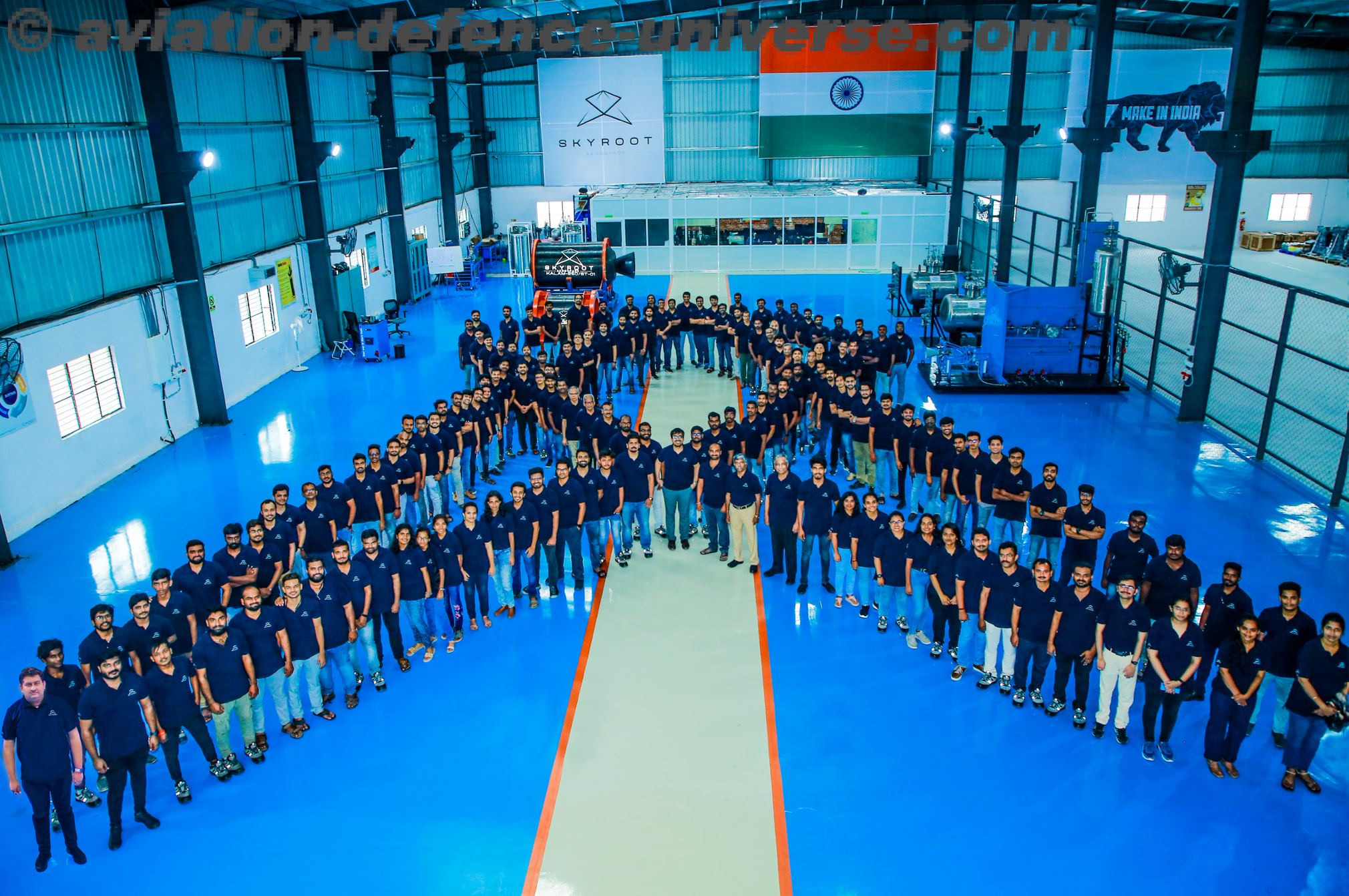
Singh referred to the achievements of Skyroot Aerospace as an illustration of the remarkable pace at which India’s private space ecosystem had evolved. An award was also conferred on Skyroot which was accepted on behalf of the organisation by Maj Gen Praveen Badrinath.
 The company’s progress in launch-vehicle development, commercial agreements and attracting investment demonstrated how quickly an Indian deep-technology enterprise could establish itself in a highly competitive global industry.
He also referred to emerging companies developing advanced propulsion systems, Earth observation capabilities, satellite technologies and indigenous engineering solutions.
The participation of established industrial groups alongside emerging start-ups indicated that space was increasingly being recognised as a commercially attractive sector rather than merely an area of scientific research. Singh acknowledged that private enterprises would ultimately assess opportunities through the prism of commercial returns. “A smart businessman could venture it only if he has enough confidence of how much money he will make at the end of the day,” he remarked.
Space Economy Is Also About Money Saved on Earth
One of the most significant observations in Singh’s address was his argument that conventional estimates of the space economy did not fully capture the economic value generated by space technology.
The contribution of space, he explained, should not be measured exclusively through satellite manufacturing, rocket launches, commercial services and revenues earned by space companies.
It should also include the financial savings generated through the application of space technology across other sectors of the economy. “What is not realised is that economy is also the sum total of the money saved,” Singh said. He described India’s extensive application of space technology to terrestrial development as a distinctive feature of its space programme.
Satellite-based monitoring, geospatial information and remote sensing could help government agencies supervise infrastructure projects, maintain construction schedules, reduce wastage, prevent leakages and improve the utilisation of public resources.
Singh’s argument introduced an important dimension to India’s space economy debate. A satellite that improved agricultural productivity, helped prevent infrastructure delays or enabled more efficient disaster management generated economic value even when that contribution was not directly reflected in the revenues of a space company.
India’s space economy, therefore, needed to be understood not merely as an industry operating above Earth but also as an enabling infrastructure supporting development on Earth.
Defence Manufacturing Offers Lessons for the Space Industry
Drawing a parallel with India’s defence manufacturing sector, Singh highlighted the role that private enterprise could play in transforming industries traditionally dominated by government institutions.
 He cited defence production figures of approximately ₹46,429 crore in 2014, rising to around ₹1.7 lakh crore in the financial year referred to in his address. He also referred to defence exports of approximately ₹23,000 crore, of which, according to the figures he presented, nearly ₹15,000 crore had been contributed by the private sector.
The Minister used these figures to illustrate how domestic industrial participation could help transform India from an importer of sophisticated equipment into a manufacturer and exporter. The defence manufacturing experience, he suggested, offered important lessons for the space industry.
Government policy could create an enabling environment, but private-sector participation would be necessary to build manufacturing capacity, develop commercially competitive products and establish a presence in international markets.
The growing convergence between defence and space technologies also created opportunities for Indian companies working in satellite communications, surveillance, navigation, advanced electronics, propulsion and specialised manufacturing.
Government Has Opened the Doors; Private Investment Must Now Increase
“I think government has already done its duty. We have brought in lot of reforms,” he said, adding that the government remained open to suggestions and further policy improvements.
Singh acknowledged that Indian industry had not traditionally been prepared to invest in sectors such as space and nuclear technology. For decades, private investment had been concentrated in more familiar areas such as manufacturing, retail and conventional services.
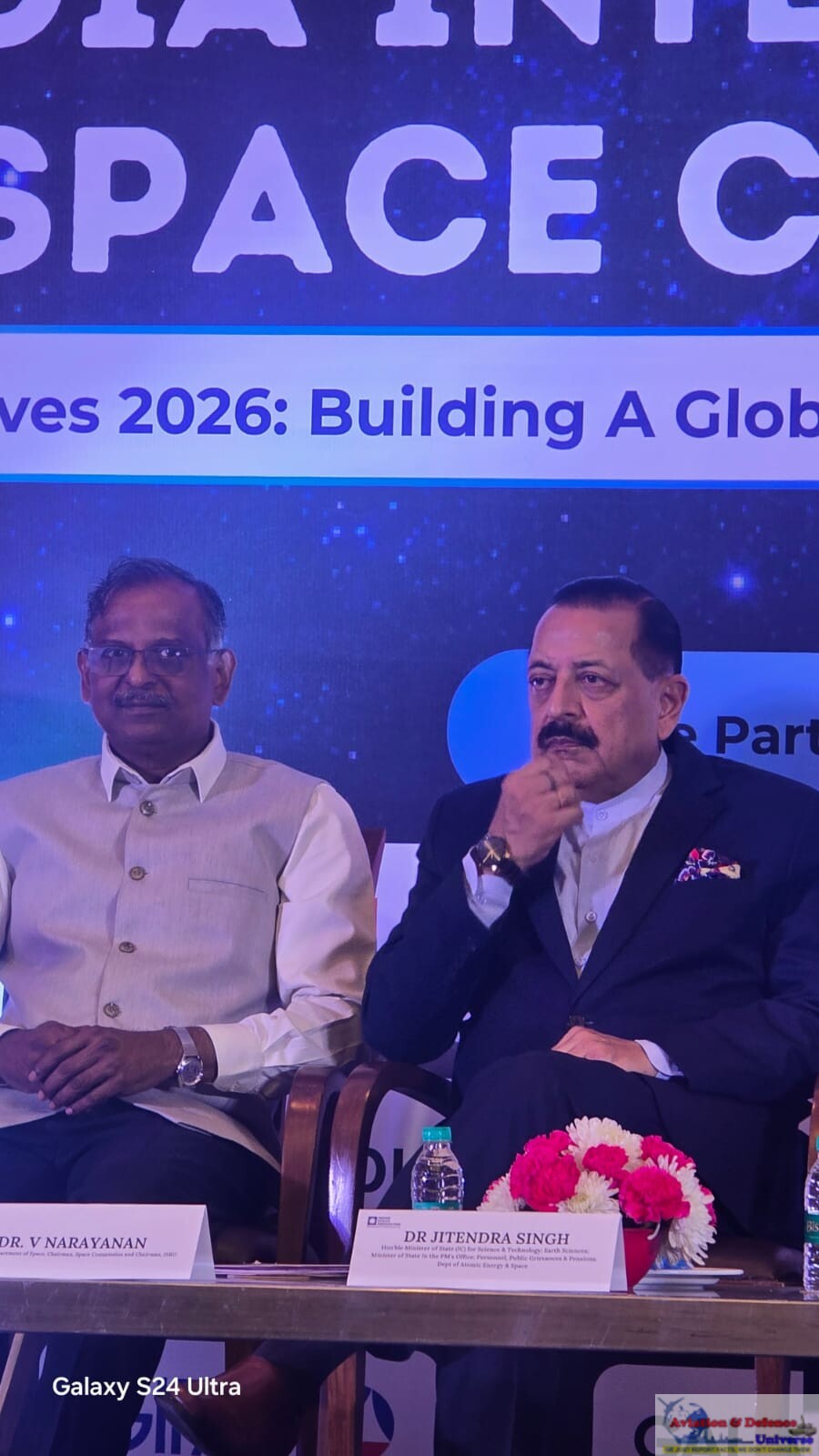 The opening of strategically important, technologically intensive sectors required investors to develop new expertise and a greater appetite for long-term risk. The Minister referred to the government’s research and development financing initiatives, including the Research, Development and Innovation (RDI) Fund, as mechanisms intended to encourage greater private-sector participation in scientific and technological development.
However, government financing alone could not create a mature innovation ecosystem. India needed private investors who understood the commercial potential of emerging technologies and were willing to support companies through their development cycles.
Foreign Investment: Indian Industry Must Become a Bridge to Global Capital
Singh also called upon Indian business leaders to use their international networks to attract greater foreign investment into the space sector. The relaxation of foreign direct investment provisions had created opportunities for overseas investors to participate in India’s commercial space ecosystem.
However, policy liberalisation needed to be accompanied by active engagement with potential investors. The Minister acknowledged concerns regarding procedural delays and other obstacles that could affect investment decisions. He indicated that the government remained receptive to industry feedback and was willing to examine issues affecting the investment environment.
Established Indian companies, particularly those with international business relationships, could help connect global investors with India’s emerging space enterprises. Foreign capital could contribute not only financial resources but also access to international markets, technological partnerships and commercial networks. For India’s space start-ups, such engagement could be particularly valuable as they moved from technology demonstration towards large-scale commercial operations.
Scientific Philanthropy: Investing in Research Is Also an Act of Service
In perhaps the most thought-provoking portion of his address, Singh called for a stronger culture of scientific philanthropy in India. He observed that philanthropic contributions were frequently directed towards educational institutions, religious establishments and other social causes. While recognising the importance of these contributions, he argued that scientific research deserved similar attention.
“What you spend on research is also a worship,” he remarked. The Minister made the case that investment in science was ultimately an investment in human welfare.Research in biotechnology, quantum technology, space and other emerging disciplines could contribute to better healthcare, improved communications, economic development and solutions to challenges affecting humanity.
India’s scientific ecosystem, therefore, needed not only government funding and commercial investment but also philanthropic support for research whose benefits might extend beyond immediate financial returns.
Investor Confidence Is Growing: India’s Space Start-ups Are Seeking Bigger Investments
The interactive session following the Minister’s address brought an additional perspective on the availability of capital for India’s space enterprises. Responding to concerns about investment, an industry representative highlighted the increasing interest among investors in India’s commercial space ecosystem.
 “The investor interest in the space of India is exponentially increasing,” the speaker observed. The representative projected investment of at least $200 million during the year, describing it as a significant improvement over the preceding year. Equally encouraging was the increasing size of investments being sought by Indian space companies.
While companies had previously approached investors for funding in the range of $5 million to $10 million, some were now discussing investments of approximately $70 million. This indicated that Indian space companies were gradually moving beyond early-stage technology development and towards more capital-intensive commercial expansion. The discussion also highlighted the importance of connecting companies facing financial constraints with institutions capable of facilitating investment.
Singh observed that the sector was still relatively young and that sustained profitability would naturally accelerate investor participation. The emergence of commercially successful space enterprises could create a cycle in which successful businesses attracted additional capital, enabling further innovation, expansion and market development.
Could India Lead a Global Space Innovation Alliance?
An interesting suggestion from the audience was the establishment of an international space innovation alliance on the lines of the International Solar Alliance. The proposal envisaged India taking a leadership role in bringing countries together to develop space-based solutions for humanity.
Three suggestions emerged during the intervention:
- Establishing an international space innovation alliance led by India.
- Creating a global accelerator programme for space start-ups.
- Organising an international grand challenge competition to identify and encourage emerging space innovators.
The proposals reflected a growing aspiration for India to move beyond participating in international space initiatives towards creating platforms that could shape global collaboration.
Responding to the suggestions, Singh agreed that India’s space ambitions needed to be aligned with international standards and global opportunities.
“We have to follow global strategies, we have to live up to global benchmarks and we have to be globally relevant,” he said. He indicated that the possibility of institutionalising an international initiative on the lines of the International Solar Alliance deserved consideration in the future.
The exchange highlighted an opportunity for India to combine its technological capabilities, entrepreneurial ecosystem and experience of international development partnerships to create collaborative space programmes benefiting countries with different levels of technological maturity.
Sovereignty Does Not Mean Isolation: India Can Collaborate While Remaining Self-Reliant
The European Space Agency representative raised an important question regarding the repeated emphasis on sovereignty during the conclave. How could India reconcile its pursuit of sovereign space capabilities with its commitment to international cooperation, particularly with Europe?
Responding to the question, Singh explained that technological independence and international collaboration were not mutually exclusive. Countries and companies could maintain their individual capabilities while simultaneously cooperating in areas of mutual interest.
 India’s objective, he explained, was to reduce excessive dependence on external sources while remaining an active participant in international scientific and commercial cooperation. “The ultimate mantra would be indigenous source, indigenous technology and indigenous products,” Singh stated.
An additional intervention from the space leadership highlighted ongoing discussions with at least three countries regarding collaborative research and development programmes. Such cooperation would require clearly defined boundaries, mutual confidence and appropriate arrangements for sharing technological information. While ISRO had undertaken collaborative research programmes with international partners for decades, the next challenge was to extend similar opportunities to India’s private space enterprises.
Making Science Aspirational: Can Scientists Become India’s New-Age Youth Icons?
One of the most contemporary and thought-provoking questions came from a participant who drew attention to the changing career aspirations of India’s younger generation. At a time when digital content creation and social media entrepreneurship could offer substantial financial rewards and public recognition, how could India make careers in science, research and space technology equally attractive?
The participant asked how the country could create an environment where young people pursuing scientific disciplines were adequately rewarded for their contributions to areas of critical national importance. Singh acknowledged that the issue required a transformation in societal attitudes towards scientific careers.
For decades, advanced qualifications in science had frequently been associated with limited professional opportunities, primarily in academic institutions and government research organisations.
A nation seeking to become a global technology leader needed to ensure that its brightest young minds regarded scientific research, engineering and deep-technology entrepreneurship as rewarding career choices.
Space, Quantum and Nuclear Technologies: India’s Emerging Technology Ecosystem
Singh also emphasised the interconnected nature of emerging technologies. Space technology could no longer be viewed independently of developments in quantum science, nuclear technology, artificial intelligence, biotechnology and advanced computing. Progress in one domain could create significant opportunities in another. “Space is not disconnected from quantum. Not also from nuclear sector,” he said.
The Minister highlighted India’s progress in secure quantum communication, stating that the country had achieved a distance of 1,000 kilometres within three years against a longer-term target of 2,000 kilometres over eight years.
He presented this as an illustration of the pace at which India’s emerging technology programmes were progressing. Quantum communication could have significant implications for secure information exchange, strategic communications, satellite networks and future space infrastructure. Singh’s larger message was directed towards Indian industry.
Dr Pawan Goenka: Demand Creation Is as Important as Capability Creation
One of the most important commercial questions raised during the interactive session concerned the demand side of India’s space economy. While Indian companies were increasingly developing sophisticated space technologies, would sufficient customers emerge to sustain their businesses?
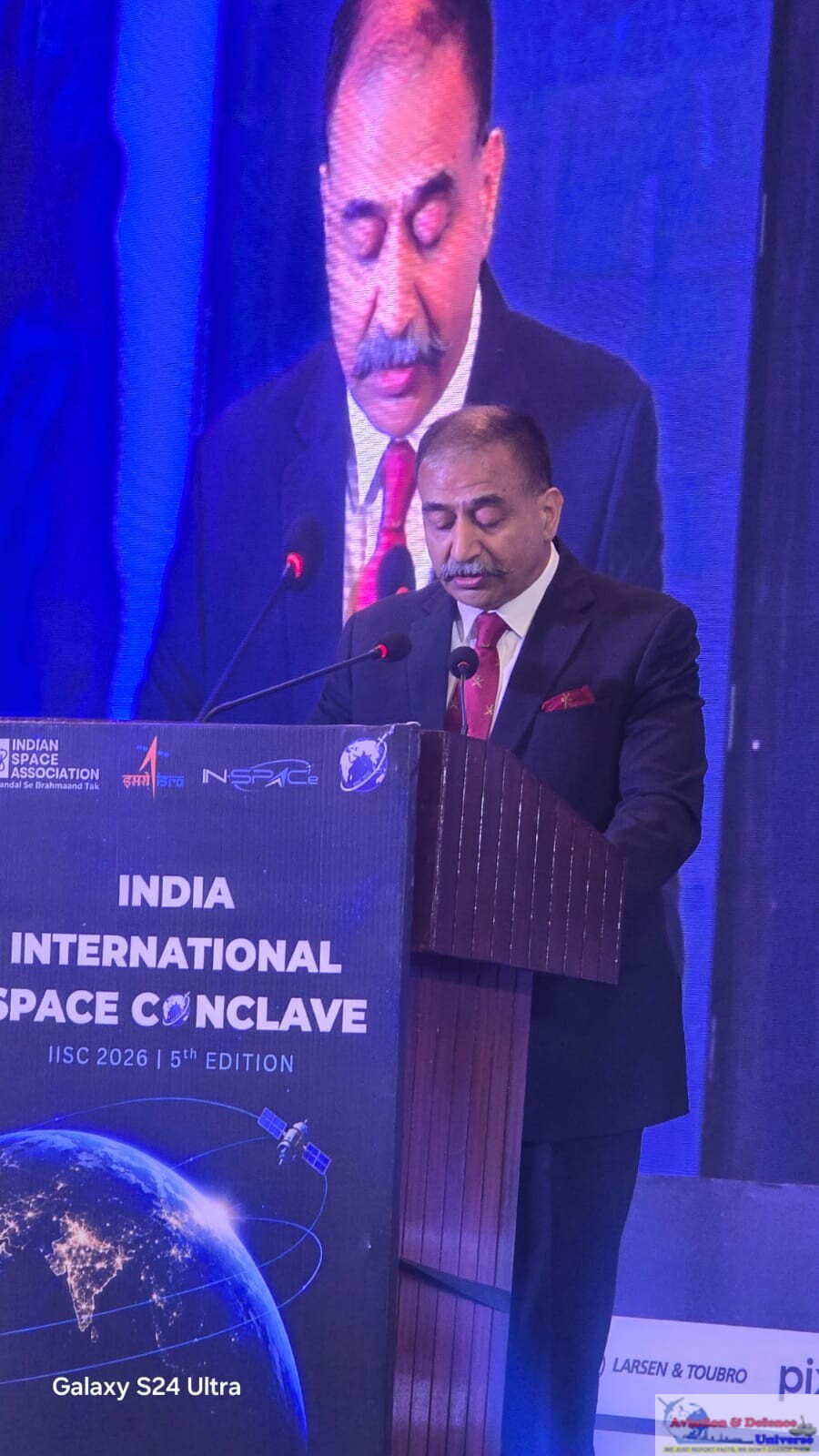 The discussion referred to observations made earlier by Dr Pawan Goenka, Chairman, IN-SPACe, regarding the need to create a robust demand ecosystem. Responding to the question, the space leadership explained that awareness of the potential applications of space technology had increased substantially over the preceding two years.
Discussions were underway with central government ministries, state governments and private companies to identify opportunities for using space-based services. The objective was to generate demand that could support the expansion of India’s commercial space industry.
Government programmes involving satellite manufacturing and space-based surveillance, together with the transfer of launch-vehicle technologies to industry, were identified as significant sources of future demand.
The discussion also referred to the national ambition of achieving 50 launches annually from 2030. “We are preparing for that both in terms of launch capacity and demand,” the speaker explained. The message was that industrial capacity and customer demand needed to develop simultaneously.
Building launch vehicles without sufficient payloads would create underutilised infrastructure. Equally, generating demand without developing adequate domestic manufacturing and launch capabilities would increase dependence on international suppliers.
Jitendra Singh: Space Technology Has a Place in Every Ministry
Adding to the discussion on demand generation, Singh argued that the apparent absence of demand frequently reflected insufficient awareness of the potential applications of space technology. For many people, space remained associated with spectacular rocket launches, lunar missions and images of satellites travelling beyond Earth.
However, the economic and developmental applications of space technology extended far beyond these visible achievements. The Minister referred to interactions with the railway sector to illustrate how space-based technologies could potentially contribute to transportation safety and infrastructure management.
He highlighted the government’s whole-of-government approach, which encouraged greater collaboration among ministries and departments. “Space technology in fact is one technology which has a place in every other ministry,” Singh observed.
However, he emphasised that the less visible applications of space technology on Earth were equally important. Another intervention highlighted how a single large commercial satellite constellation could potentially generate substantial demand for Indian satellite manufacturers, component suppliers and launch-service providers over several years.
The exchange reinforced the argument that India’s space economy would grow not only by creating more space companies but also by creating more customers for space-enabled services.
Satellite Broadband: Balancing Commercial Rollout and National Security
The issue of satellite broadband services also featured during the interactive session. A participant pointed out that although several satellite broadband operators had received licences, commercial operations remained dependent on spectrum allocation and security clearances.
 The question sought clarity on whether these issues could be resolved within the following three to six months. The response indicated that progress was being made and that approvals had already been granted in certain cases. However, strategic and national security considerations remained important components of the approval process.
Satellite broadband represented a significant commercial opportunity for India, particularly in remote regions where terrestrial communication infrastructure remained inadequate. It could contribute to digital inclusion, maritime connectivity, aviation communications, disaster response and connectivity in geographically challenging areas.
At the same time, satellite communications involved questions relating to spectrum management, security, regulatory oversight and sovereign control of critical infrastructure. The discussion highlighted the need to balance commercial efficiency with national security requirements. No firm deadline for resolving all outstanding issues was provided during the recorded exchange.
Taking Space Beyond Bengaluru and Hyderabad: The Case for Regional ISpA Chapters
An interesting intervention came from an audience member who introduced himself as Sultan and proposed the establishment of state-level chapters of the Indian Space Association. The suggestion was aimed at expanding participation beyond India’s traditional space-industry centres and enabling students, researchers, entrepreneurs and space enthusiasts across the country to engage with the ecosystem.
 “I appreciate, I mean, there is a merit in that,” he responded. The industry leadership also expressed support for the proposal. “It is a good suggestion. And we will certainly encourage local chapters to come up. It will be good to have local champions in each of these locations,” came the response from the stage. The discussion highlighted how India’s space ecosystem, traditionally concentrated in a limited number of states, was gradually expanding geographically.
New industrial clusters, state-level investment policies, academic programmes and regional entrepreneurship could help distribute the benefits of space-sector development more widely. ISpA representatives indicated that an initiative had already emerged from Odisha, while a participant expressed interest in establishing a chapter in Tamil Nadu. The proposal offered an opportunity to transform space from a specialised industrial activity concentrated in a handful of cities into a nationwide movement involving students, researchers, start-ups and established businesses.
Perhaps the most compelling testimony to the phenomenal growth of India’s space sector at IISC 2026 was not in the statistics presented, the investment projections made or the technological milestones celebrated, but in the sheer turnout the conclave attracted. The impressive gathering of scientists, entrepreneurs, investors, industry leaders, policymakers, international delegates, researchers and young space enthusiasts reflected how dramatically the contours of India’s space ecosystem had changed. What was once the preserve of a select scientific community had evolved into a vibrant, multidisciplinary and commercially aspirational national enterprise.
The enthusiasm in the auditorium, the inquisitiveness of the younger generation and the confidence of industry reflected a sector whose time had truly come. IISC 2026 was not merely a congregation of space professionals; it was a celebration of India’s growing appetite for space, its entrepreneurial courage and its collective ambition to become a global space powerhouse.