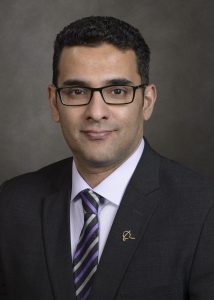







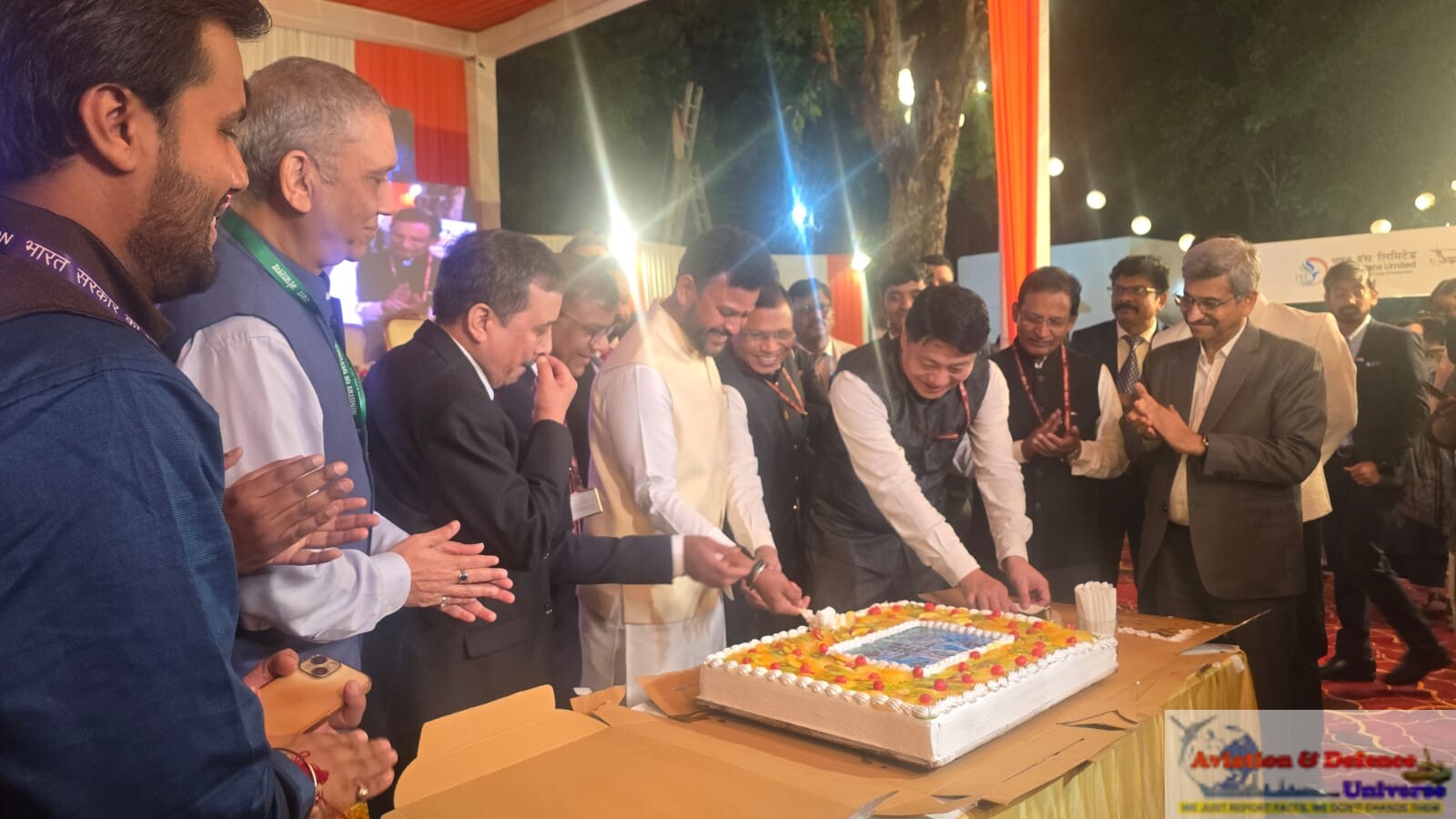
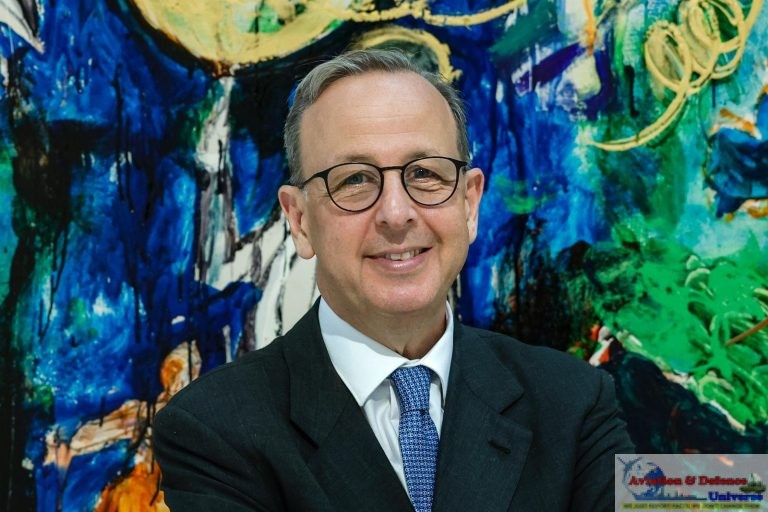


Kolkata, August 31, 2026 – The time-tested India-Russia partnership must evolve to embrace new opportunities in technology, innovation, trade, connectivity and people-to-people exchanges while preserving the deep trust and mutual understanding that have defined bilateral ties for decades, Russian Consul General in Kolkata Maxim V. Kozlov said on Monday.
Addressing the inaugural SAMPARK – India-Russia Bilateral Conclave in Kolkata, Kozlov said the partnership between the two countries was not limited to diplomacy and strategic interests but was rooted in centuries of cultural exchanges, mutual respect and friendship between the two peoples.
“The relationship between Russia and India is truly unique. It is built not merely on diplomacy and strategic interests, but on centuries of cultural exchanges, mutual respect and friendship between our peoples,” he said.
Welcoming the decision to hold the conclave in Kolkata, Kozlov said eastern India had an important role to play in strengthening bilateral engagement. He noted that discussions on India-Russia relations had traditionally been concentrated in cities such as New Delhi and Mumbai and expressed hope that the SAMPARK initiative would become the beginning of a series of similar engagements.
“It is encouraging to see this important conversation beginning from eastern India. I sincerely hope that this first SAMPARK Conclave will become the beginning of many more initiatives aimed at strengthening the bonds between our two countries,” he said.
Tracing the historical links between the two countries, the Russian diplomat said the relationship between the peoples of India and Russia went back centuries. He referred to the travels of Russian explorer Afanasy Nikitin, who visited India long before the arrival of Vasco da Gama and documented his experiences in The Journey Beyond Three Seas.
He also highlighted the contribution of Russian scholar and cultural figure Gerasim Lebedev, who travelled to Kolkata in the late 18th century, learned local languages and contributed significantly to the development of theatre in India. Kozlov also referred to Russian painter Vasily Vereshchagin, whose travels in India resulted in several works reflecting his fascination with the country.
According to Kozlov, cultural exchanges through literature, cinema and the arts have created a unique emotional bond between Indians and Russians, which continues to provide an important foundation for the bilateral relationship.
Turning to the contemporary strategic partnership, he recalled the signing of the India-Russia Declaration on Strategic Partnership in 2000 and said the relationship had subsequently evolved into a “Special and Privileged Strategic Partnership”.
“Today, our task is to build upon this strong foundation and identify new and promising areas that can serve as drivers of the Russia-India partnership, making it even more comprehensive, multidimensional and future-oriented,” Kozlov said.
He said the two countries had set an ambitious target of increasing bilateral trade to USD 100 billion by 2030, while emphasising the need to diversify and balance the trade basket.
“More Indian goods should find their way into the vast Russian market,” he said, adding that both sides were working to expand economic engagement through major platforms such as the St Petersburg International Economic Forum, the Eastern Economic Forum and the INNOPROM industrial exhibition.
Kozlov also stressed the need to expedite negotiations for a Free Trade Agreement between India and the Eurasian Economic Union and strengthen mechanisms to facilitate trade. He said greater use of national currencies for bilateral transactions could further help make trade and financial settlements smoother and more resilient.
Connectivity, he said, would be another key driver of the partnership. The International North-South Transport Corridor and the Northern Sea Route could play an important role in securing supply chains, reducing transportation time and costs and creating new opportunities for trade and investment.
The Russian Consul General said Moscow was also keen to expand cooperation with India in emerging areas such as civil aviation, artificial intelligence, data centres, advanced technologies and critical minerals.
He said the existing partnership already covered a wide range of sectors, including shipbuilding, railways, metallurgy and petrochemicals, while new opportunities were being explored in energy infrastructure, gas, petrochemicals and other areas.
Nuclear energy, he said, remained one of the flagship areas of bilateral cooperation. Referring to the Kudankulam Nuclear Power Plant, Kozlov said the project demonstrated the potential of India-Russia technological cooperation and indicated that both sides could explore next-generation nuclear technologies, including advanced reactors and small modular reactors.
He said the future of the partnership would increasingly depend on cooperation in cutting-edge technologies.
“Artificial intelligence, digitalisation, quantum computing, advanced materials, robotics, biotechnology and cybersecurity are among the areas where Russia and India can achieve meaningful results together,” Kozlov said.
He stressed the importance of combining the scientific and engineering capabilities, market potential and human resources of both countries to establish joint technology parks, research centres and innovation platforms connecting academia, industry and entrepreneurs.
Critical minerals, he said, represented another promising area of cooperation, with scope for joint efforts in geological exploration, mining, extraction and processing to develop reliable and resilient supply chains.
Agriculture has also emerged as an increasingly important component of the economic relationship, Kozlov said, noting Russia’s role as a supplier of energy resources, fertilisers and agricultural commodities to India. He said there was considerable scope to expand cooperation through new projects, improved logistics and greater market access.
“Even this brief overview of the emerging areas of cooperation demonstrates that the potential of the Russia-India partnership is virtually unlimited,” Kozlov said.
“What is important now is that we transform these promising opportunities into practical outcomes that serve the interests of our peoples and contribute to prosperity and development in both our countries,” he added.
Kozlov said several new initiatives were already under discussion and expressed confidence that the emerging areas of cooperation would receive further attention during upcoming high-level bilateral engagements as well as multilateral forums such as BRICS.
“As we continue to build the future of our partnership, the enduring friendship and mutual trust between the peoples of Russia and India will remain our greatest strength,” he said.
Concluding his address, Kozlov thanked the organisers of the SAMPARK Conclave for creating a platform for dialogue and expressed hope that the initiative would develop into a regular forum bringing together policymakers, scholars, business leaders and young people to explore new opportunities for India-Russia cooperation.

















































-A4-Size-(2)_page-0001.jpg)