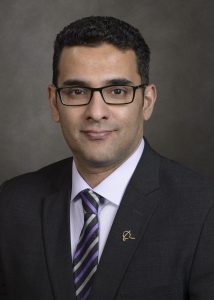









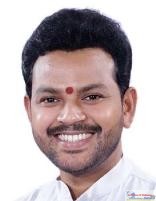
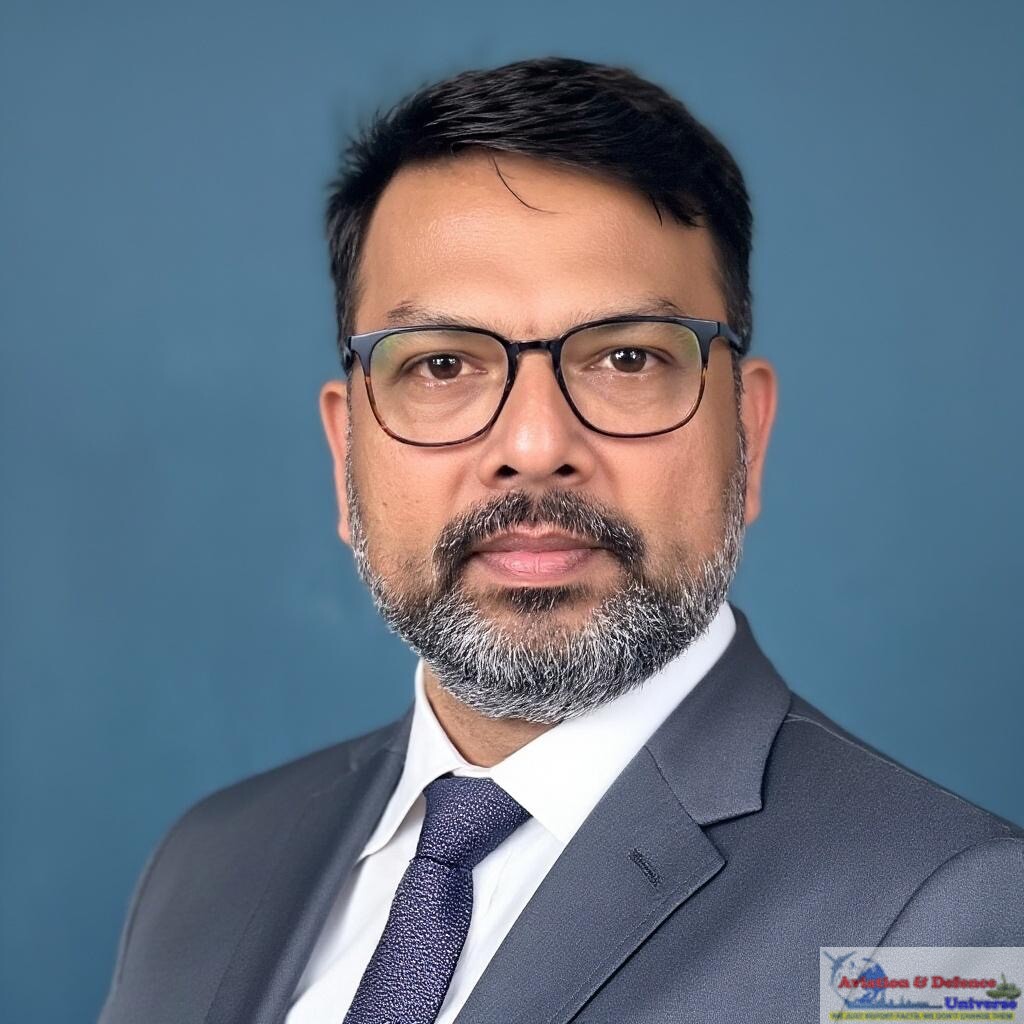
Kolkata, August 31, 2026 – Emphasising the importance of synergy, communication, confidence, compassion and mutual respect in building successful relationships, Honorary Consul of the Republic of Maldives in Kolkata Ram Krishna Jaiswal said the partnership between India and Russia has immense potential to create new opportunities and contribute to the progress and prosperity of both nations.
Addressing the inaugural SAMPARK – India-Russia Bilateral Conclave in Kolkata on Monday, Jaiswal said meaningful partnerships, whether between large or small nations, could have a wider impact on societies, economies and international relations.
“I strongly believe that whether we are talking about two giants of the world, two large nations, two small nations, or even a state interacting with smaller nations, what matters most is the ability to build meaningful partnerships. Such partnerships have the potential to influence and shape the larger fabric of our society, our economies and our relationships with one another,” he said.
Referring to the India-Russia relationship, Jaiswal said the two countries share a long-standing friendship built on trust, understanding and mutual respect. He said cooperation between the two countries could generate significant benefits if their strengths and capabilities were brought together in a spirit of partnership.
“When two great nations come together and work towards a common objective, the outcome can be greater than what either country could achieve individually. Such cooperation can become a catalyst for progress and prosperity for both nations,” he said.
Jaiswal stressed that communication remained one of the most important foundations of any successful relationship. While technology has made it possible to connect with people across geographical boundaries almost instantly, he said genuine communication required people to listen to one another, understand different perspectives and maintain an open dialogue.
He also underlined the importance of confidence and trust between partners. According to him, nations, institutions and individuals must have the confidence that their partners would work together in good faith, particularly during challenging circumstances.
Compassion, he said, was another crucial element in sustaining relationships. “A person may be confident, articulate and successful in communication, but without compassion, a relationship remains incomplete,” he said, adding that every individual carries his or her own challenges and pressures, which may not always be visible to others.
He said the same principle applied to relations between nations, which may have different histories, cultures and perspectives but must remain sensitive to one another’s concerns and aspirations.
Jaiswal also highlighted mutual respect as a fundamental requirement for long-term partnerships. “We must respect one another — not because we expect something in return, but because respect itself is the foundation of a civilised and constructive relationship,” he said.
Looking ahead, he said India and Russia had considerable scope to expand cooperation in areas including education, technology, innovation, business, investment and people-to-people exchanges. Universities, institutions, entrepreneurs and investors, he said, could play an important role in broadening the relationship and creating new avenues of collaboration.
He said greater interaction between institutions and people of the two countries would lead to deeper understanding and stronger confidence, thereby creating the foundation for expanded cooperation.
Jaiswal expressed confidence that the India-Russia partnership would continue to evolve and unlock new opportunities, while initiatives such as SAMPARK could provide an important platform for dialogue and greater engagement between the two countries.
He thanked the organisers for bringing together stakeholders to deliberate on the future of India-Russia relations and called for continued engagement, stronger cooperation and deeper friendship between the two nations.




























































-A4-Size-(2)_page-0001.jpg)