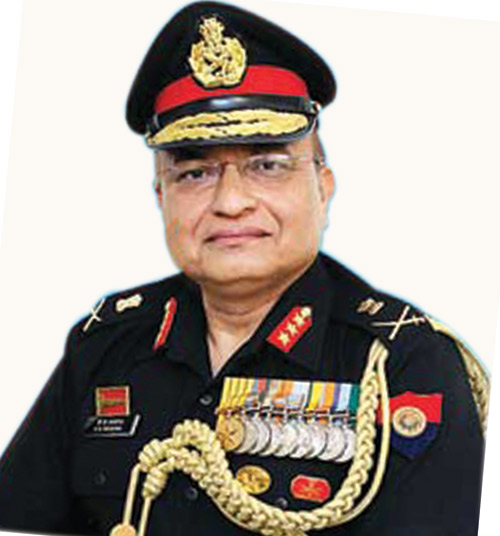




















 New Delhi, India – 9 January 2025 – Day 2 of DEFSAT 2025, India’s premier defence and space forum, witnessed a remarkable turnout, reinforcing the nation’s resolve to advance its defence and space modernization agenda. It began with an enriching inaugural session featuring a keynote address by the Hon’ble Governor of Uttarakhand, Lt Gen Gurmit Singh (Retd.), PVSM, UYSM, AVSM, VSM, who articulated a compelling vision for strengthening India’s defence and homeland security.
The Governor echoed the optimism, stating:
“In 2025, we stand at a pivotal moment of transition and innovation, with technology in full bloom. The dynamics of robotics in defence are undergoing a transformation. We have entered an era where defence and space are intricately interconnected… DefSat 2025 represents our commitment to harnessing the potential of the defence space industry.”
A major highlight of Day 2 was the session on Homeland Security, where experts emphasised the critical role of space technology in disaster management, border protection, and law enforcement. This is the first time at our editions of DefSat highlight the convergence of space technology and homeland security, paving the way for a safer and interconnected future. Discussions also addressed the demand for advanced security technologies to protect critical infrastructure.
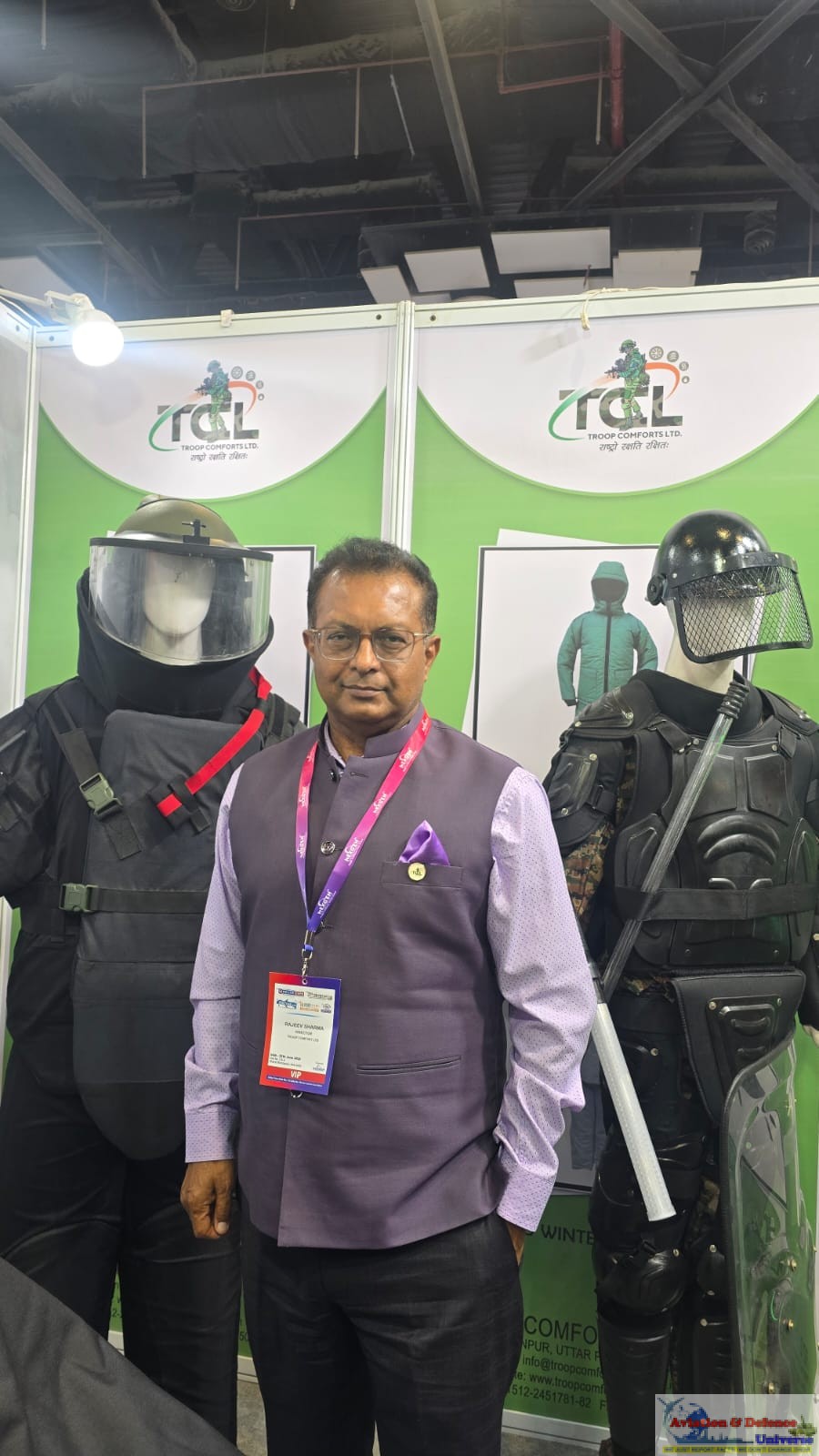
 Mr Rajeev K. Sharma from the Bureau of Police Research and Development (BPR&D) highlighted the urgent need for millimetre wave imaging and algorithm-driven solutions to detect both metallic and non-metallic threats.
“Innovation in airport and critical infrastructure security is crucial to staying ahead of modern threats while ensuring convenience and efficiency,” he noted.
Other sessions focus on Investment Ventures, with over 50 prominent investors slated to discuss emerging sectors such as Artificial Intelligence, Space Tech, and Cybersecurity. The forum also explored how new policies and defence initiatives are creating opportunities for both domestic and global investors.
A major highlight of DefSat 2025 is the Defence Innovation Ventures, which aims to kickstart partnerships with the private sector, enabling innovative defence solutions to thrive. Despite a decline in India’s space industry funding by 55% in 2024 to $59.1 million, compared to $130.2 million in 2023, the conference emphasised the need for renewed focus and targeted policies to attract global and domestic investment. In a broader context, global investments in space companies have totalled $28 billion over the past five years, while India’s space industry raised $354 million during the same period.
 “India’s defence sector requires patience, strategic capital and a stronger focus on R&D to strengthen innovation and scalability. With limited innovation premiums and challenges in delivery reliability, the government alone cannot address these gaps. Primes and the private sector have to take the lead to create collaborative funding opportunities and investment in RnD. Through SIA-India, it will be a road to reach the vision of collaboration investment opportunities in RnD.”
– Ms Kriti Upadhyaya, Founder, IndUS Tech Council
As pointed out by Anil Prakash, DG SIA-India, “Long gestation periods in space innovation demand collective funding and collaboration, as it is through unified efforts that we pave the way for pioneering advancements and secure a future where satellite technology continuously shapes industries and empowers nations.”
As DEFSAT 2025 progresses, sessions on artificial intelligence in defence systems, strategic defence investments, and space-based technologies continue to set the stage for impactful outcomes. The conference serves as a hub for actionable strategies, aiming to transform ideas into tangible progress for India’s defence and security sectors.













































































-A4-Size-(2)_page-0001.jpg)