
















- Defence Tech Requires Long-Term Vision and Sovereign IP Creation, Say Investors
- India’s Defence Startup Ecosystem Needs Patient Capital and Smarter Risk Sharing
- Fund of Funds, Dual-Use Tech and Exports: Key Takeaways from Defence Funding Session
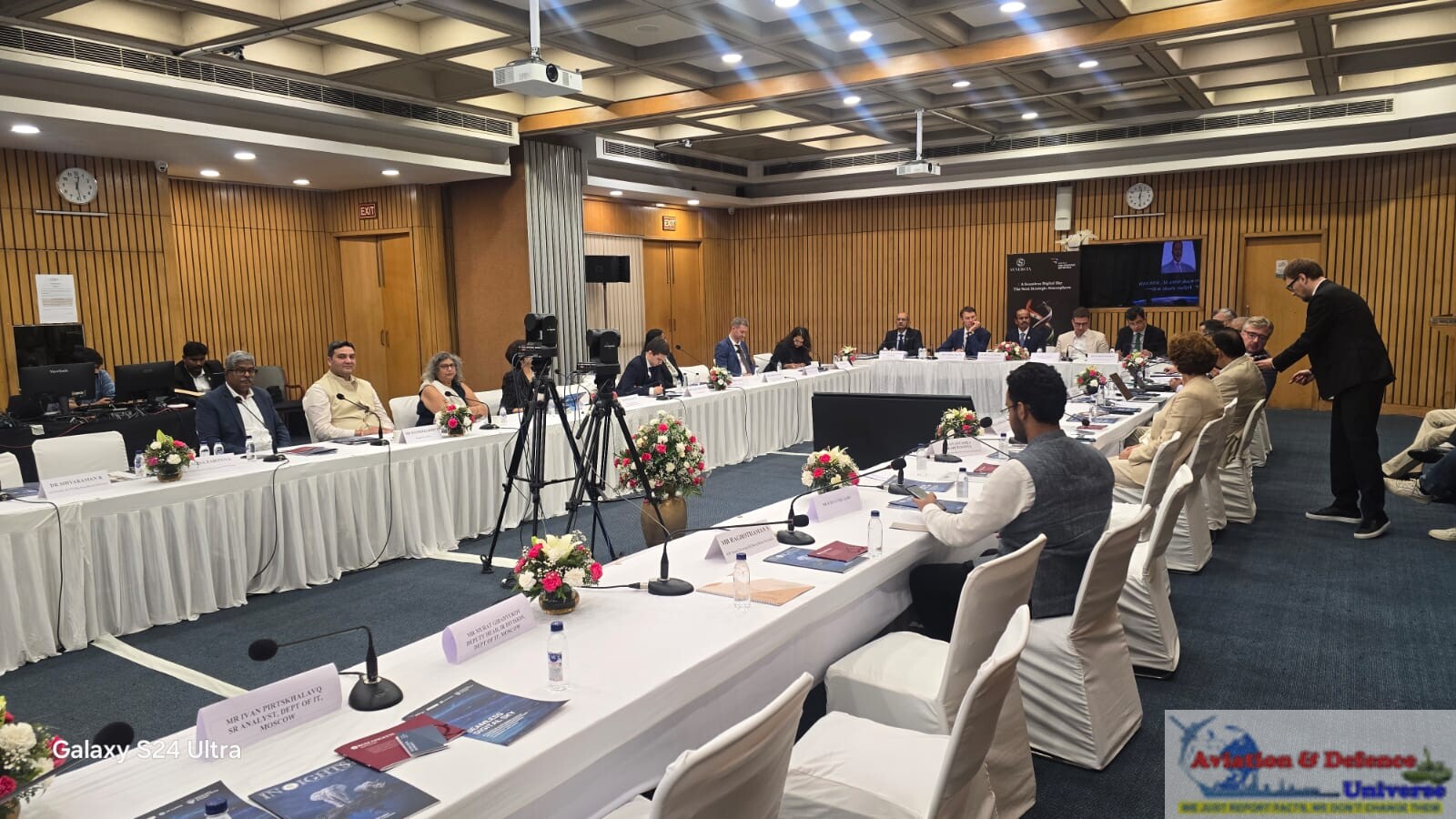
New Delhi. 13 June 2026. The unique challenges of financing defence startups—from long gestation periods and a single buyer ecosystem to technology validation and working capital constraints—took centre stage during a high-level discussion featuring venture capitalists, private equity investors and industry stakeholders.
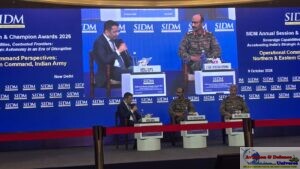
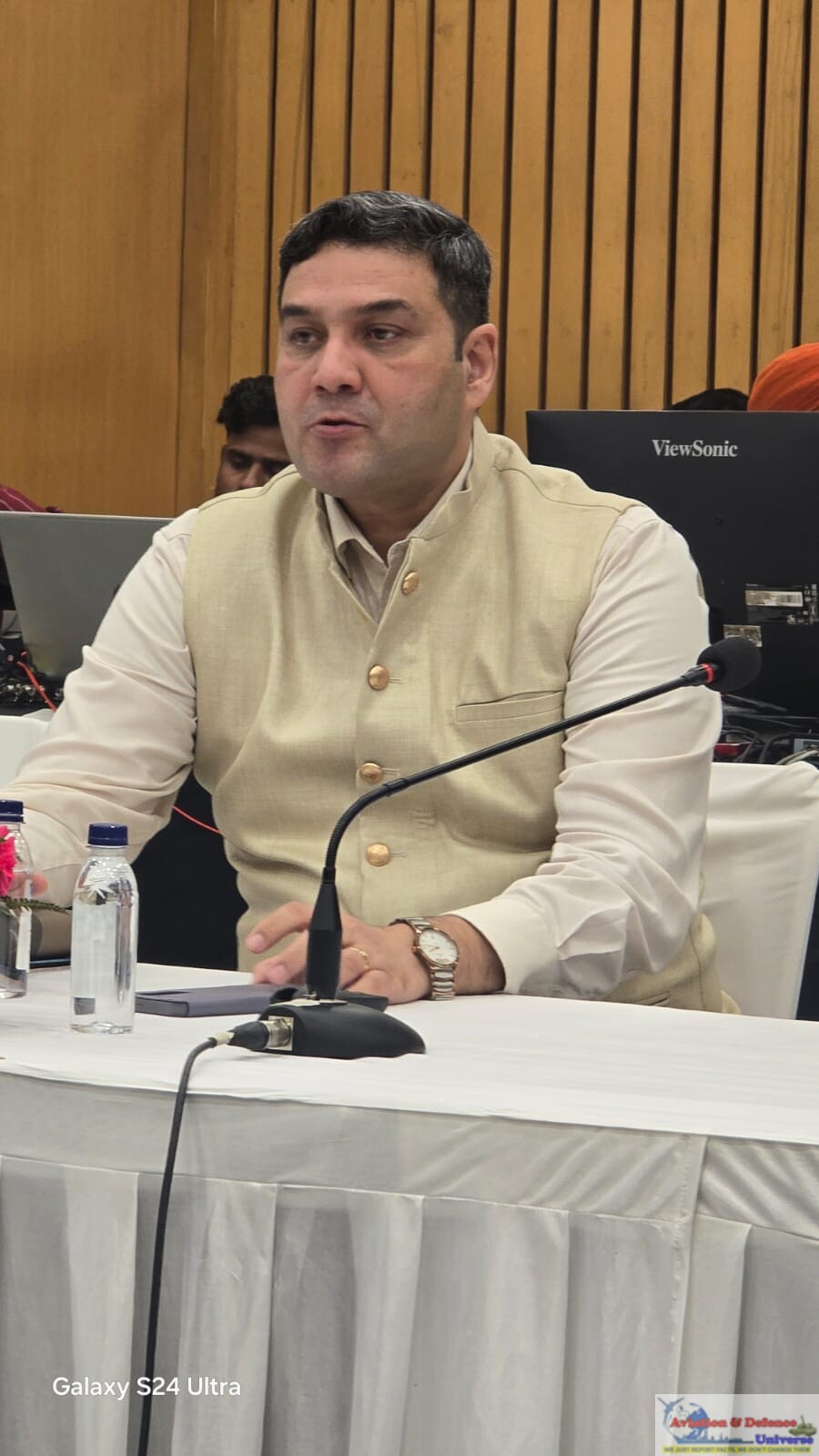
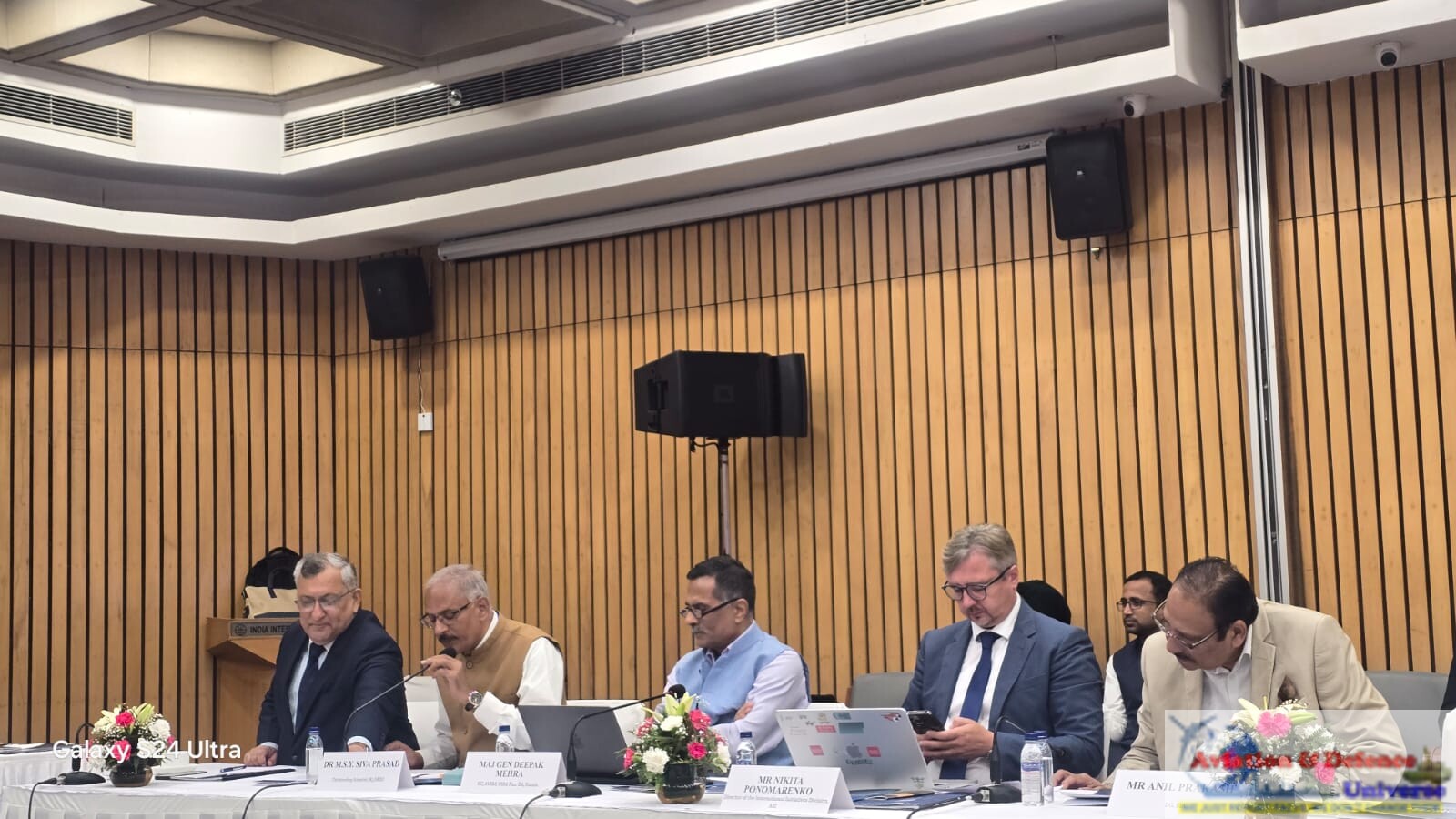
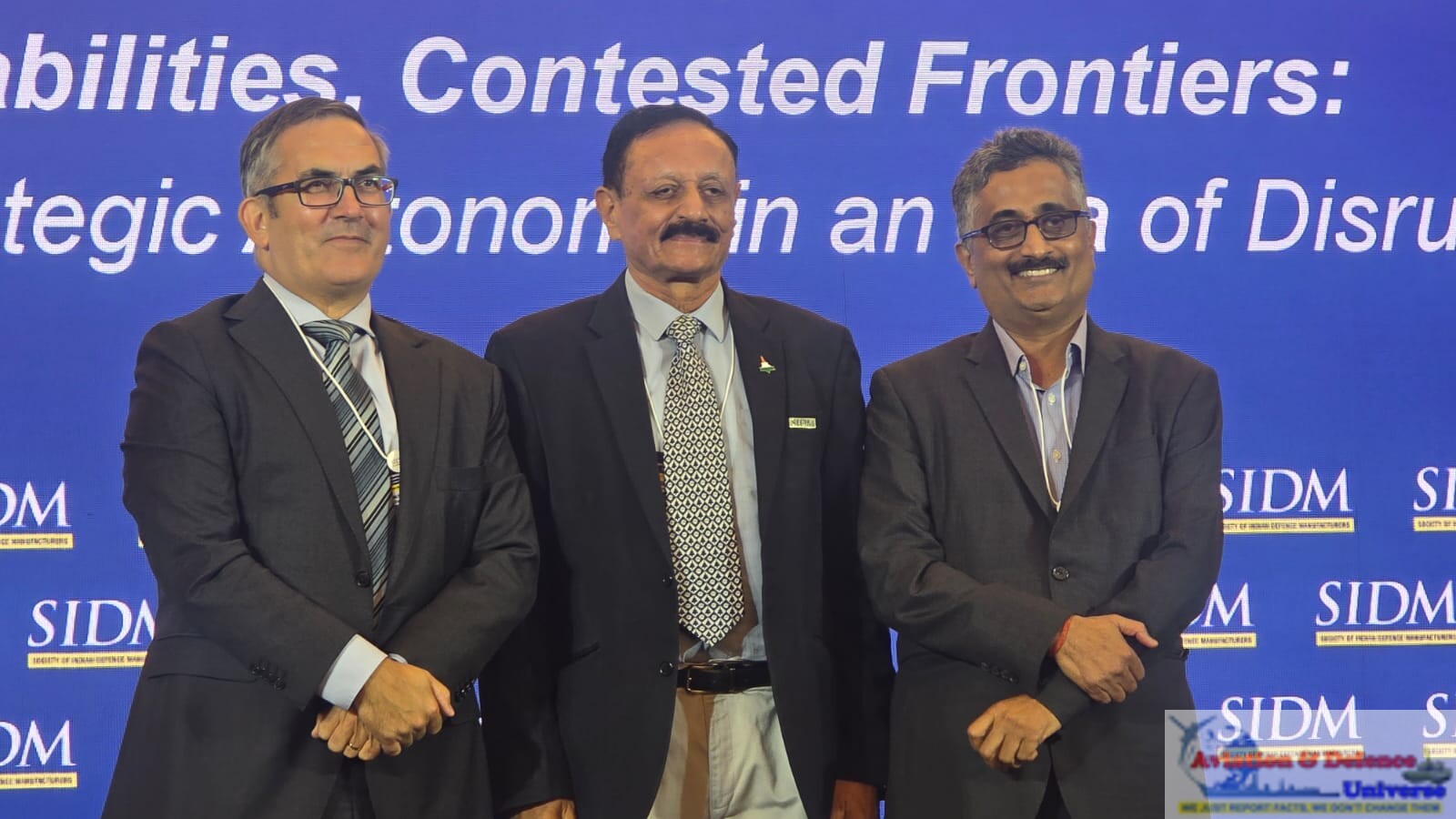
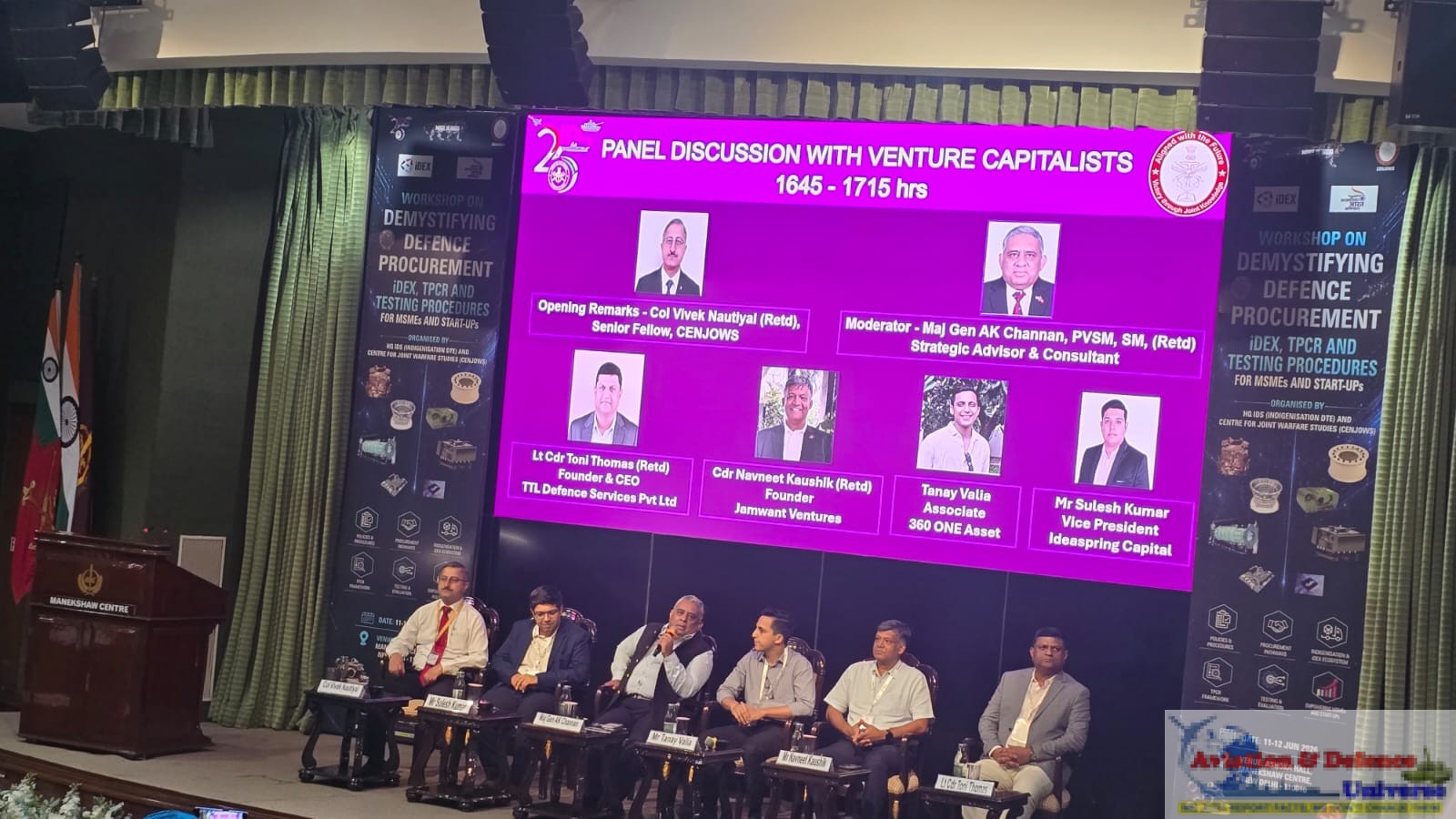
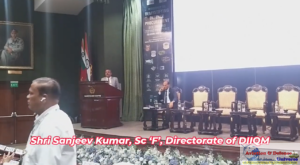
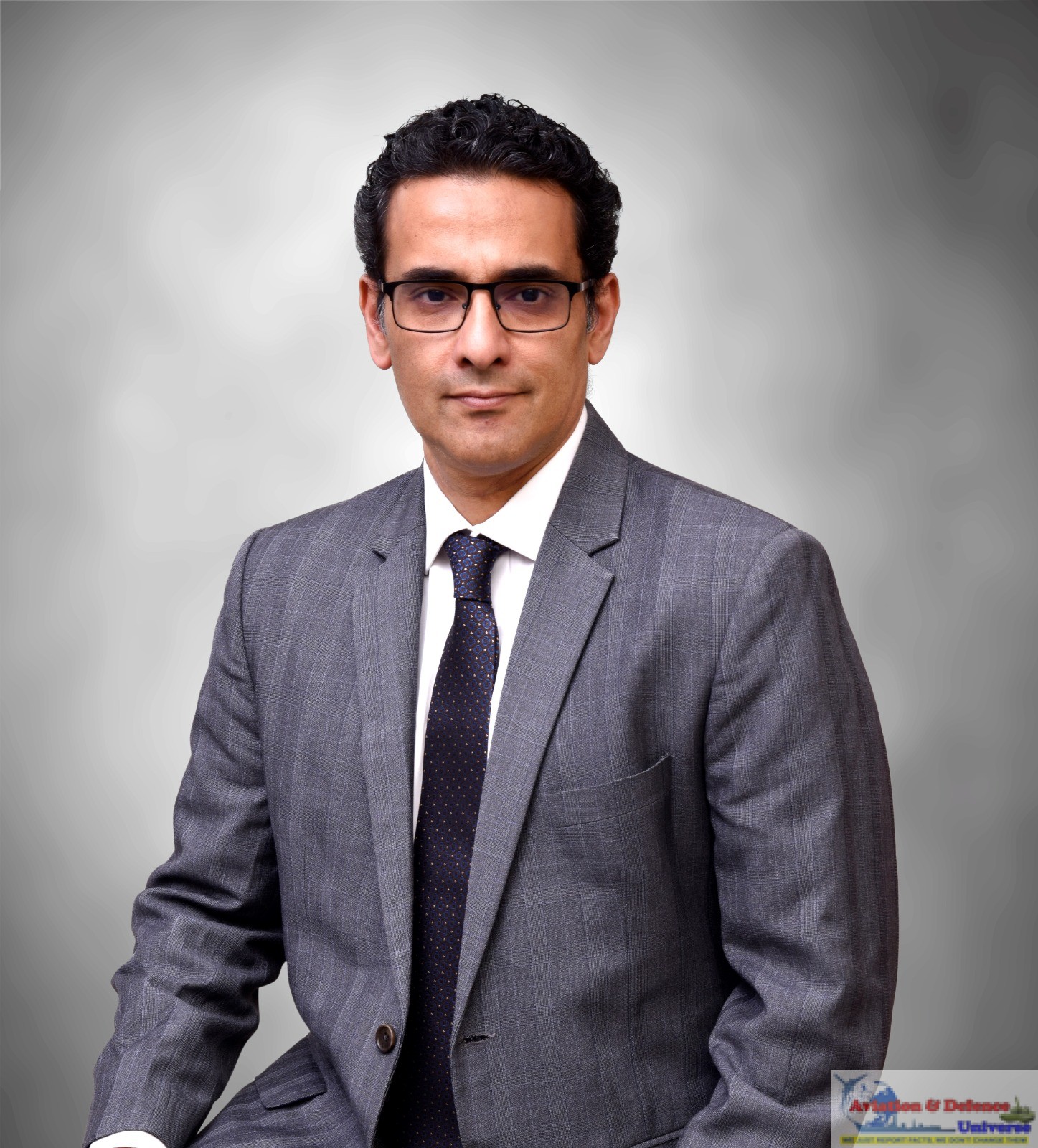
The session on brought together Sulesh Kumar from Ideaspring Capital, Cdr Navneet Kaushik from Jamwant Ventures, Tanay Valia from 360 ONE Asset and Lt Cdr Toni Thomas(Retd) from TTL Defence Services for a great discussion on role of venture capitalist in aiding MSME and Start-up ecosystem in achieving their goals. The session was opened by Col. Vivek Nautiyal, Senior Fellow, CENJOWS and was moderated by Maj Gen AK Channan (Retd.) They discussed how capital can accelerate India’s growing defence innovation ecosystem while balancing the inherent risks associated with military technologies. The discussion underscored that defence technology requires not merely funding, but patient capital, deep domain understanding and a long-term investment outlook.
Sulesh Kumar of Ideaspring Capital, an early-stage investor in defence and deep-tech startups, one panelist highlighted the increasing role of academia in defence innovation. “A lot of R&D is now coming from universities, places like IITs. We actually have almost four start-ups founded by professors from IITs. Academia moving towards solving real world problems including defence problems is happening a lot more,” he said.
The panelists agreed that defence startups differ significantly from conventional technology ventures because of their longer development cycles and complex procurement processes. “One thing different from us and other funds out there is that we understand deep tech and defence tech. There are very long gestation periods and we understand that,” an investor noted.
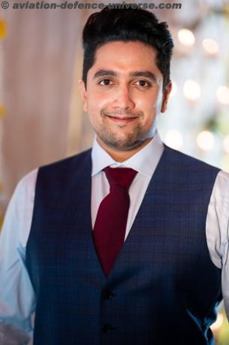
A key theme emerging from the discussion was the importance of creating sovereign intellectual property (IP) and products with export potential. Investors stressed that they increasingly prefer companies building indigenous technologies rather than merely assembling imported systems. “We invest in companies that we consider IP houses. These are companies which are making sovereign IP, manufacturing new products and developing new products. Once that happens, the number of projects you can apply to increases and you are also opening yourself to export markets,” said Tanay Valia , Associate, 360 One Asset. “And about six to seven months back, we have actually launched India’s largest multistage defence and space fund, all raised from domestic capital.
So now we have raised about 1,500 crores, which we will be deploying to at least 15 to 20 companies in the next year or maybe two years, right? So we are multistage, that means we back companies right from the prototype stage to when we are well-established,” he added.
Another investor Cdr Navneet Kaushik (Retd.), Founder Jamwant Ventures, challenged conventional thinking around defence technologies, stating, “Why should Indian defence not have cutting-edge technology? Why should we only be looking at catching up? Why can’t we make something which is working at the cutting edge in the world?”
He also highlighted the difficulties faced by startups after securing contracts but lacking sufficient capital to execute them and pointed out that many promising companies struggle with working capital despite possessing validated technologies and confirmed orders.
Responding to concerns regarding equity dilution and debt financing, experts advised startups to avoid debt in their early stages. “In the initial seed phase, my experience is that startups should not get into debt funding. They should go for equity funding. In the later phase, once they are in the growth stage and scaling up, debt funding becomes beneficial,” he explained.Investors outlined the key parameters they evaluate before funding companies. Beyond technology readiness, equal importance is placed on financial discipline and founder commitment.
“We do the risk assessment in three metrics—Technology Readiness Level (TRL), Financial Readiness Level (FRL) and Promoter Readiness Level. We look at whether the promoter has the vision and whether he has the risk-taking ability to stay the course,” said Lt. Cdr Toni Thomas (Retd.), Founder & CEO TTL Defence Services Private Ltd.
Addressing concerns over venture capital firms demanding controlling stakes, he clarified, “Have you ever seen a venture capital fund asking for more than 20 to 25 per cent? Anybody coming with 51 per cent basically wants to own the company. Then the founder becomes an employee in his own company.”
The discussion also explored the concept of a dedicated defence fund of funds involving government participation alongside private capital. While acknowledging the promise of such a model, investors stressed that fund deployment decisions should remain with professional fund managers.
“Fund of funds can work. Defence can put in some money, while the VC raises the rest from the market. But the freedom to deploy the fund should remain with the VC because investors expect returns within a defined time frame,” he suggested.
The session concluded with a consensus that India’s defence startup ecosystem has matured considerably, but sustained growth will require patient capital, stronger industry-academia partnerships, export orientation and improved access to growth-stage financing. As India’s ambitions in defence indigenisation and advanced technologies expand, investors and entrepreneurs alike recognised that building globally competitive defence enterprises demands not only capital, but also perseverance, innovation and trust between stakeholders.











































































-A4-Size-(2)_page-0001.jpg)