


 Israel and Morocco Deepen Defense Cooperation: Israel MOD Director General Leads Delegation to Morocco to Strengthen Defense Ties





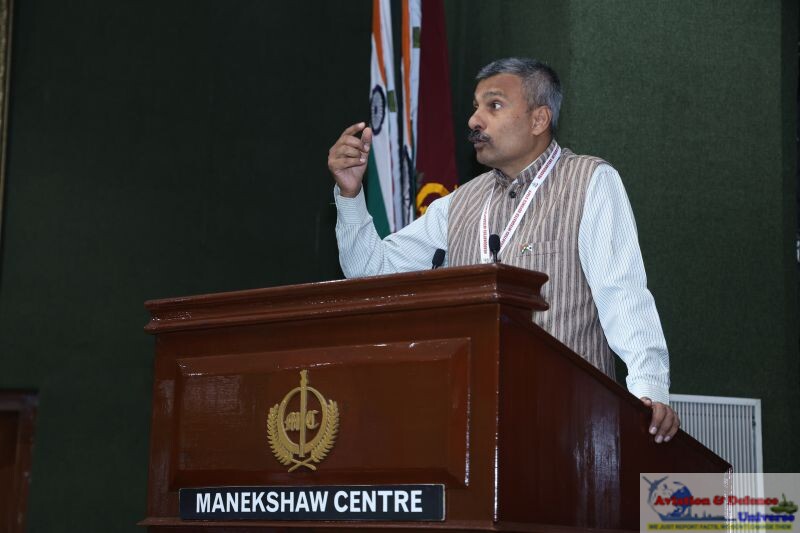



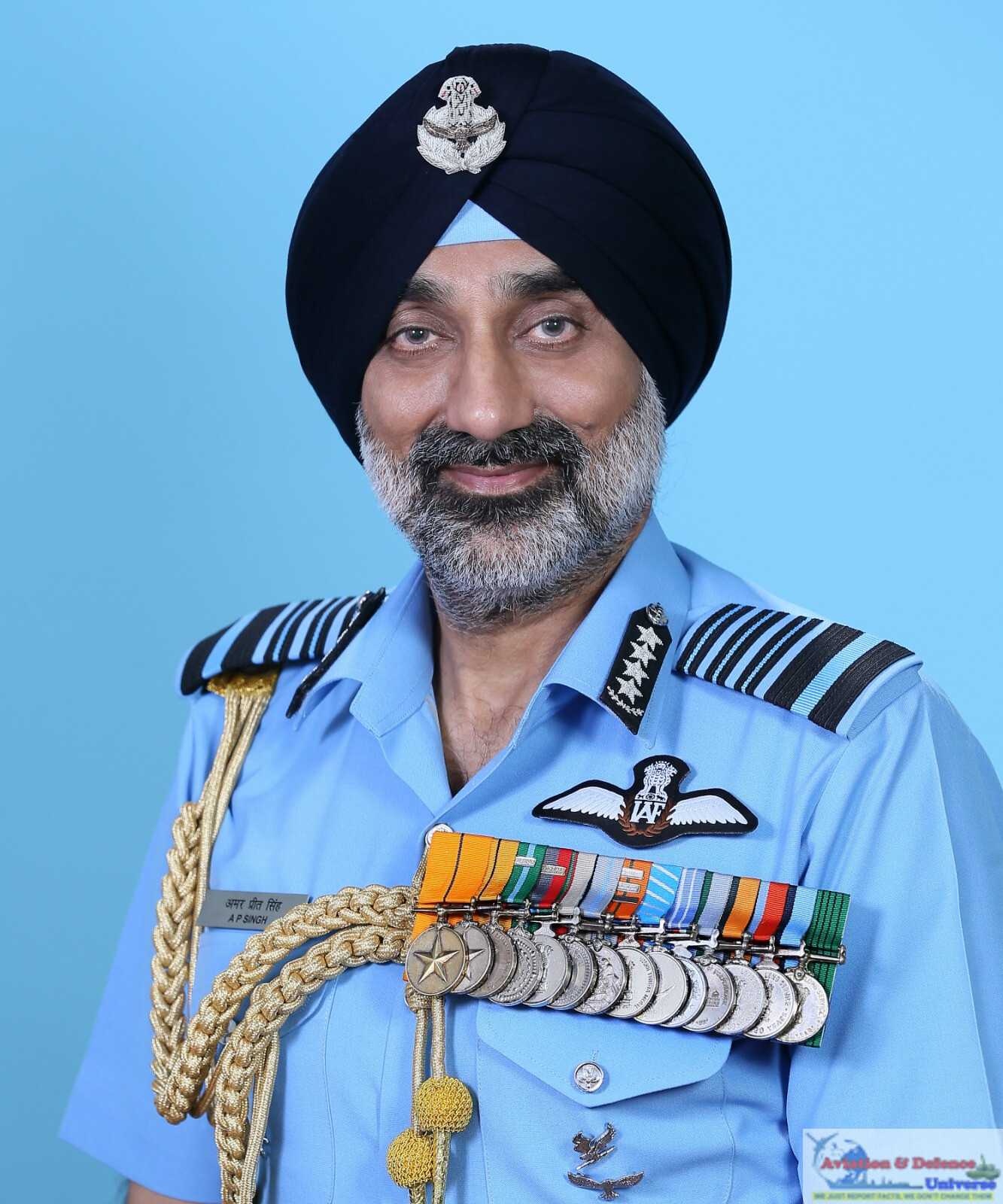
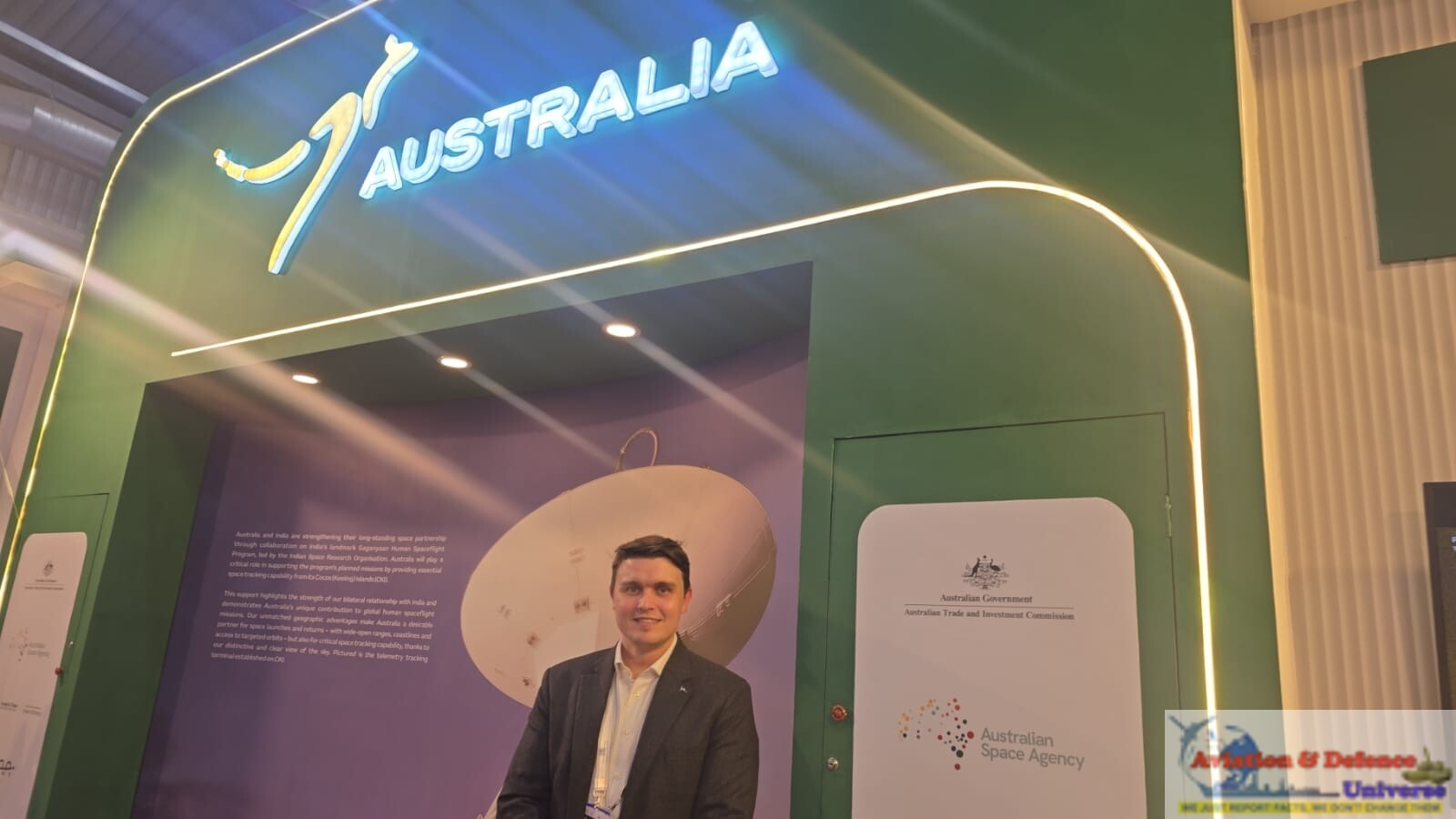

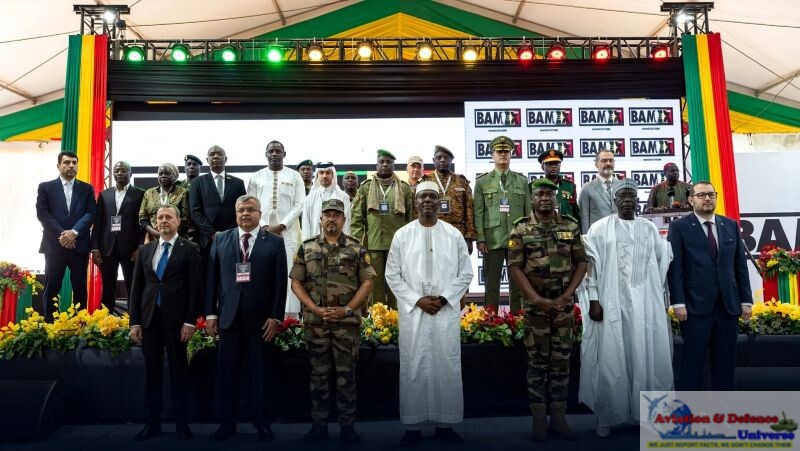
- Intelligence, Innovation and the Sahel: Five Countries Bring Their Perspectives to Bamako
- From Early Warning to Joint Action: BAMEX 2026 Examines the Sahel’s Security Challenges
- BAMEX 2026: Sahel Security Panel Focuses on Early Warning and Regional Cooperation
By Sangeeta Saxena
New Delhi. 12 November 2026. How quickly can governments act on an early warning when a threat crosses several borders? That question framed the inaugural high-level panel at BAMEX 2026, where ministers and senior officials from five countries considered how intelligence, technology and diplomatic cooperation could help African states anticipate crises and coordinate their responses.
Held at the Bamako Exhibition Centre (FEBAK), the session opened the policy discussions at the second Bamako International Defence and Security Exhibition. Mali’s Minister of Foreign Affairs and International Cooperation, Abdoulaye Diop, moderated the panel under the theme “Innovation, Intelligence and Responsiveness: Africa Facing the New Challenges of Global Security.”
The panel’s terms of reference identified persistent terrorism, transnational organised crime, illicit trafficking and porous borders as shared concerns, particularly in the Sahel. The agenda linked three tasks: recognising emerging threats, equipping governments to assess them and coordinating a response across borders. It also placed political dialogue and respect for state sovereignty at the centre of that cooperation.
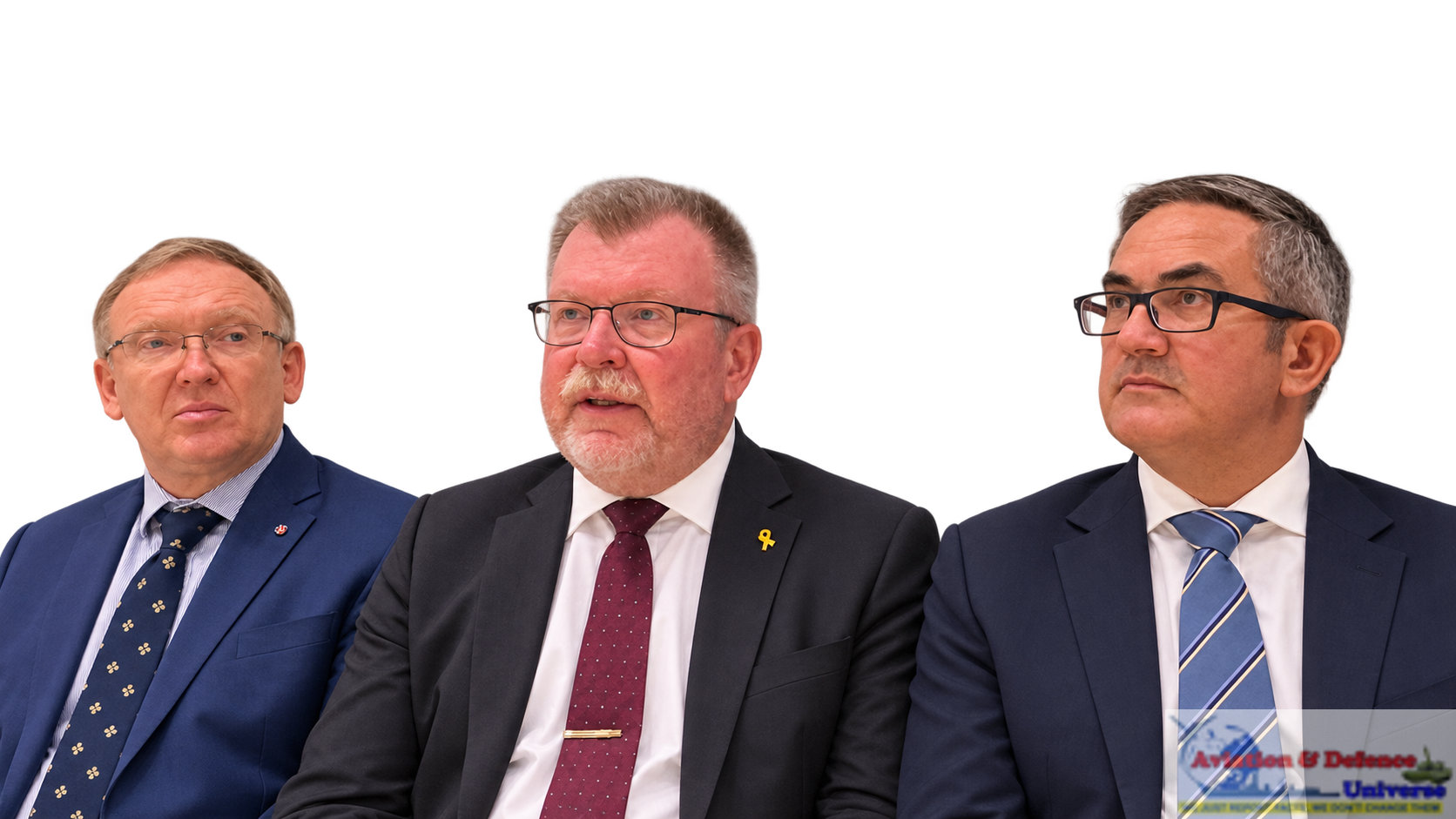
The discussion brought together Oumar Diarra of Mali, Mahamadou Sana of Burkina Faso and Colonel Issaka Mahamadou Moctar of Niger, alongside Türkiye’s Deputy Minister of National Defence Bilal Durdalı and the Republic of the Congo’s Defence Minister Raymond Zéphirin Mboulou. The programme paired Mali’s counterterrorism experience with Burkina Faso’s focus on collective security and Niger’s perspective on using technology to develop defence capabilities. Türkiye’s experience in anticipating threats and the Republic of the Congo’s perspective on wider African security challenges rounded out the agenda.
At the opening ceremony, Mali’s Prime Minister Abdoulaye Maïga called for earlier detection of threats and closer coordination. He said new technologies had to be suited to local conditions and backed by the skills and maintenance capacity to keep them in use. He also stressed that intelligence had to be verified, analysed and shared under clear rules so that officials could act on it quickly.
The panel agenda extended cooperation beyond immediate crisis response to joint training, research, skills transfer and industrial partnerships. That gave the opening discussion a practical question to carry beyond Bamako: how can neighbouring states share a warning, agree who should act and respond before a local threat becomes a regional crisis?
The high-level panel at BAMEX 2026 sought to advance diplomatic and strategic dialogue on the security challenges facing African states, with particular attention to the Sahel. Its agenda focused on how evolving threats affected regional stability and state sovereignty, and how innovation, intelligence, faster government responses and stronger international cooperation could help address them.
Mali’s Minister of Foreign Affairs and International Cooperation, Abdoulaye Diop, opened the high-level panel at BAMEX 2026 by outlining the issues that would guide the discussion. Oumar Diarra examined emerging security threats and their implications for national strategic priorities, drawing on Mali’s experience. Burkina Faso’s Minister of Security, Mahamadou Sana, discussed how innovation, intelligence, faster government responses and international cooperation could help address cross-border threats. Colonel Issaka Mahamadou Moctar presented Niger’s perspective on the role of technological innovation in developing defence capabilities, while Türkiye’s Deputy Minister of National Defence, Bilal Durdalı, drew on his country’s experience in anticipating threats and combating terrorism. Raymond Zéphirin Mboulou, Minister of National Defence of the Republic of the Congo, addressed wider African security challenges through his country’s experience. The panel then opened the discussion to heads of delegation and other participants before Diop summarised the exchanges, outlined the main recommendations and closed the session.
Abdoulaye Diop, Mali’s Minister of Foreign Affairs and International Cooperation, moderated the high-level panel at BAMEX 2026. Oumar Diarra drew on Mali’s experience of counterterrorism in the Sahel and considered prospects for closer regional cooperation. Burkina Faso’s Minister of Security, Mahamadou Sana, examined African approaches to collective security and how states could work together to address transnational threats. Colonel Issaka Mahamadou Moctar, representing Niger, discussed how technological innovation could help strengthen national defence capabilities. Türkiye’s Deputy Minister of National Defence, Bilal Durdalı, shared his country’s experience in anticipating threats and combating terrorism, while Raymond Zéphirin Mboulou, Minister of National Defence of the Republic of Congo, examined the wider security challenges facing Africa.
Africa, particularly the Sahel, faces a complex mix of security threats, including persistent terrorism, transnational organised crime and illicit trafficking. Porous borders and wider access to military-use technologies make these threats harder to anticipate and contain, prompting governments to rethink how they prevent crises and respond when they occur. Innovation helps states adapt their capabilities as threats evolve, intelligence helps them detect and assess risks early, and responsive institutions turn those assessments into timely decisions. Because many of these threats cross national borders, effective responses depend on diplomatic and strategic cooperation grounded in mutual trust, political dialogue, the exchange of experience, capacity building and respect for state sovereignty.
The deliberations at BAMEX 2026 clarify how security threats in the Sahel are evolving and what those changes mean for regional stability. They build a shared understanding of the role of intelligence in anticipating threats and preventing crises, and put forward ways for governments to respond faster and coordinate more effectively against threats that cross national borders. They also identify practical avenues for diplomatic, security, technological and industrial cooperation among African states to strengthen collective security and protect state sovereignty. Opportunities for lasting partnerships in training, research and innovation offer ways to strengthen African defence and security capabilities.