

















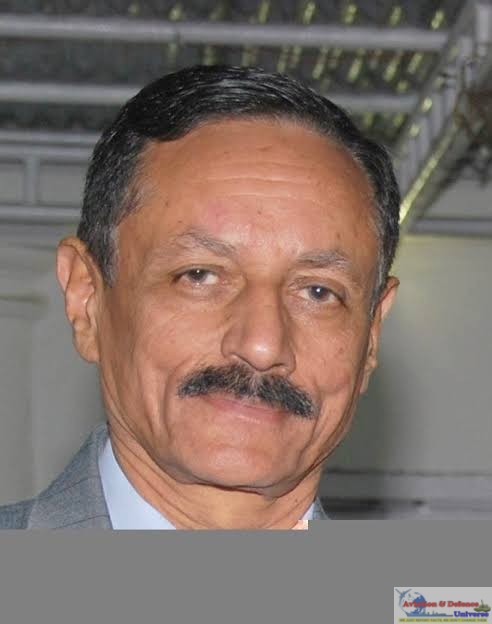
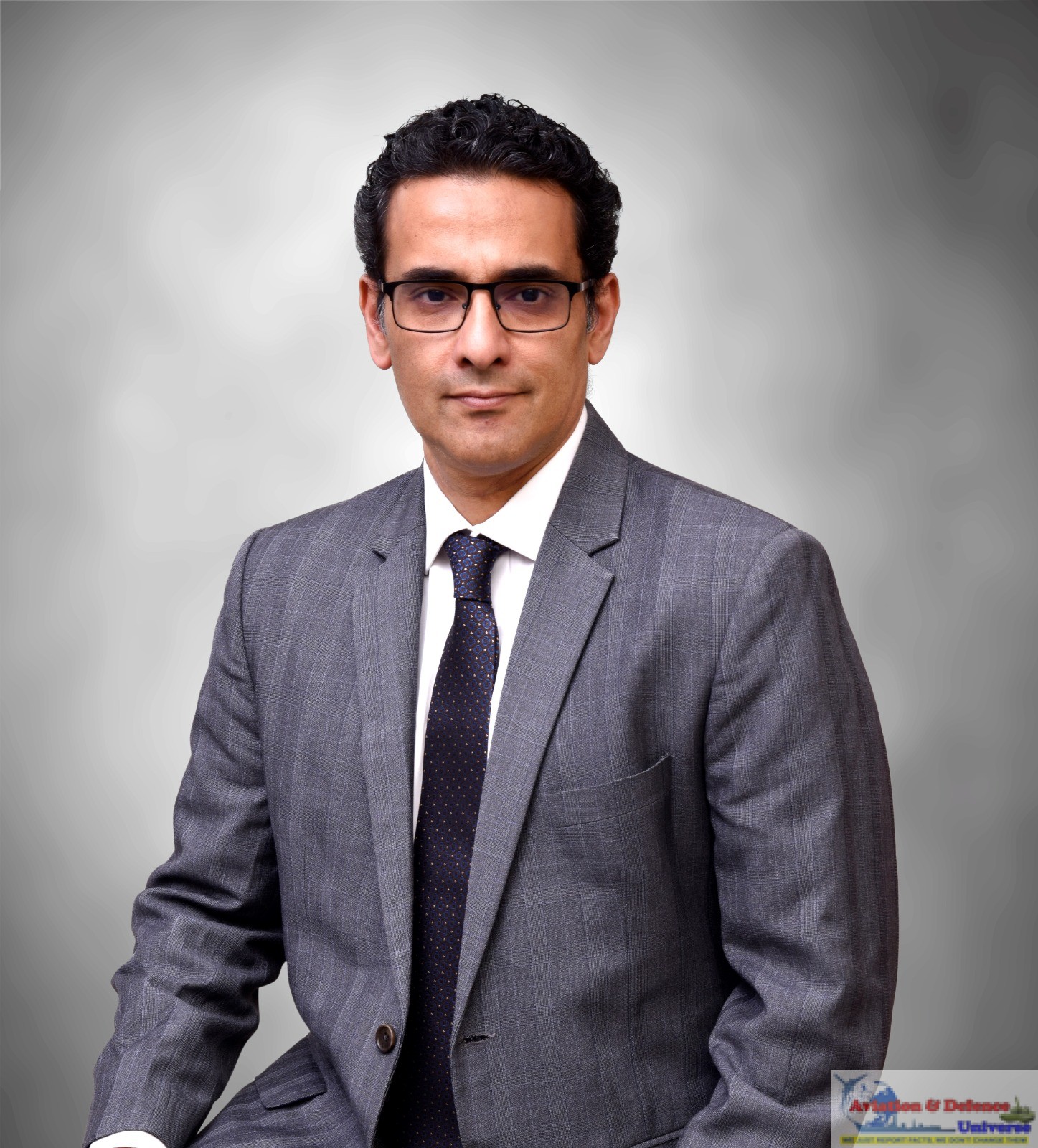
New Delhi, 29 June 2026: Samtel Avionics is set to expand its defence technology portfolio with the launch of indigenous jamming and interception technology, while also advancing its diversification strategy through satellite manufacturing, said Puneet Kaura, CEO & Managing Director, Samtel Avionics.
“Another thing we are looking at is the jamming and intercepting technology, which can also be used across the border. This is the technology we have developed and it will be a part of our portfolio soon,” Kaura said.
As part of its diversification plans, Samtel is also working on satellite technologies. “We have satellites as one part of our diversification strategy. We have completed the concept and identified the building blocks. Once it is manufactured, it can not only be supplied to the Indian Armed Forces but also to global customers,” he said.
Referring to the growing global interest in Indian defence products, Kaura said, “After Operation Sindoor, Indian Defence Products have become battle tested and the world is looking at us.”
Sharing his perspective on the future of India’s defence ecosystem, Kaura said the country stands at a defining moment in its journey towards defence indigenisation and must move beyond manufacturing defence equipment to owning the core technologies, intellectual property and innovation that power them if it is to achieve true self-reliance and emerge as a global defence manufacturing hub.
“You cannot truly call a product Indian unless the technology, design and intellectual property are owned in India. As long as critical technologies remain outside our control, some level of dependence will continue,” Kaura said. .
Highlighting the importance of innovation-led growth, Kaura said, “India currently spends only around 0.3% of GDP on innovation, compared to 3–5% in many developed countries. If we aspire to become a developed nation by 2047, accelerating innovation and indigenous product development must become a national priority.”
“There is no dearth of talent in India. What we need is the determination to build technologies here. Every successful startup inspires many more, and I hope more young innovators choose to build solutions that strengthen the country’s defence capabilities. We have the talent, the opportunity and the vision. I
Atmanirbharta in defence technology
Expressing confidence in India’s ability to achieve technological self-sufficiency in defence, Kaura said, “I am cent per cent sure that India can become self-sufficient in defence technology by 2047”. At present, India imports around 60% of defence technology and it is reducing with time. The goal is to have 70% indigenous technology. Innovation and innovation spend should be looked at. Samtel Avionics is 100% self-reliant. If we can do it, others can do it too.”
Global wars have opened markets for us
Kaura also highlighted the opportunities emerging from global defence spending and India’s growing role in international supply chains. “Another part is Make in India for the world. At present, India is in a good sweet spot. We have global markets open, due to the ongoing wars.
Kaura noted that rising defence budgets across Europe and other regions present significant opportunities for Indian companies to integrate into global defence supply chains through technology partnerships and manufacturing collaborations. For instance, Europe has capacity constraints and they need manufacturers like us,” he said.
Highlighting the scale of the opportunity for Indian industry, he said, “India is close to a $4 trillion economy today and spends around 2% of its GDP on defence. As we move towards a $5 trillion and eventually a $10 trillion economy, defence spending is expected to move closer to global benchmarks of around 3% of GDP. Combined with our increasing indigenous content, the opportunity for Indian defence companies will multiply.”
Speaking on the role of the private sector, Kaura said innovation-led enterprises will be instrumental in accelerating India’s defence capabilities. “Creative solutions can be developed much more effectively by the private sector because it has the flexibility to innovate, experiment and push technological boundaries. India’s future defence ecosystem will be built on innovation-led private participation.”
As Indian defence products gain acceptance in international markets, Kaura said the country is steadily transitioning from being one of the world’s largest importers of defence equipment to becoming a trusted global supplier.

































































-A4-Size-(2)_page-0001.jpg)