





















- Bridging the Funding Gap: BizAv India Panel Debates Aircraft Leasing and Indian Banking Readiness
- Leasing Frameworks and the Road to Aircraft Financing Reform
- Financing the Fleet: Industry Calls for Stronger Repossession and Banking Expertise
By Sangeeta Saxena
Hyderabad. 31 January 2026. As India’s aviation sector expands — with growing fleets in both commercial and general aviation — access to competitive financing remains one of the most critical enablers of sustainable growth. While global leasing markets continue to fund a significant portion of aircraft acquisitions, Indian operators, especially in general and business aviation, face structural challenges in accessing domestic capital. Issues ranging from asset-based lending limitations and repossession concerns to payment execution delays and regulatory bottlenecks have constrained the development of a robust aircraft financing ecosystem within India.
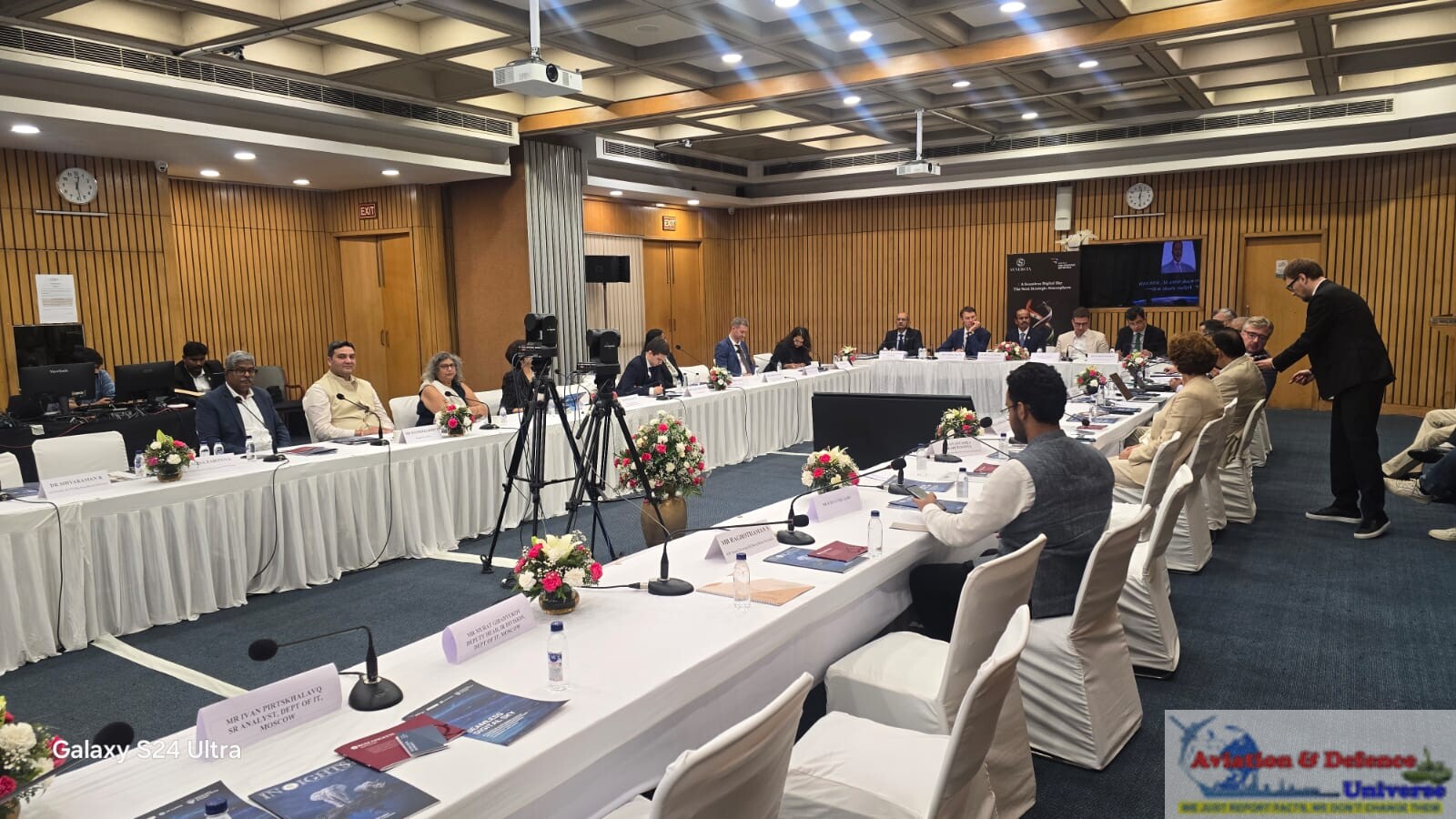
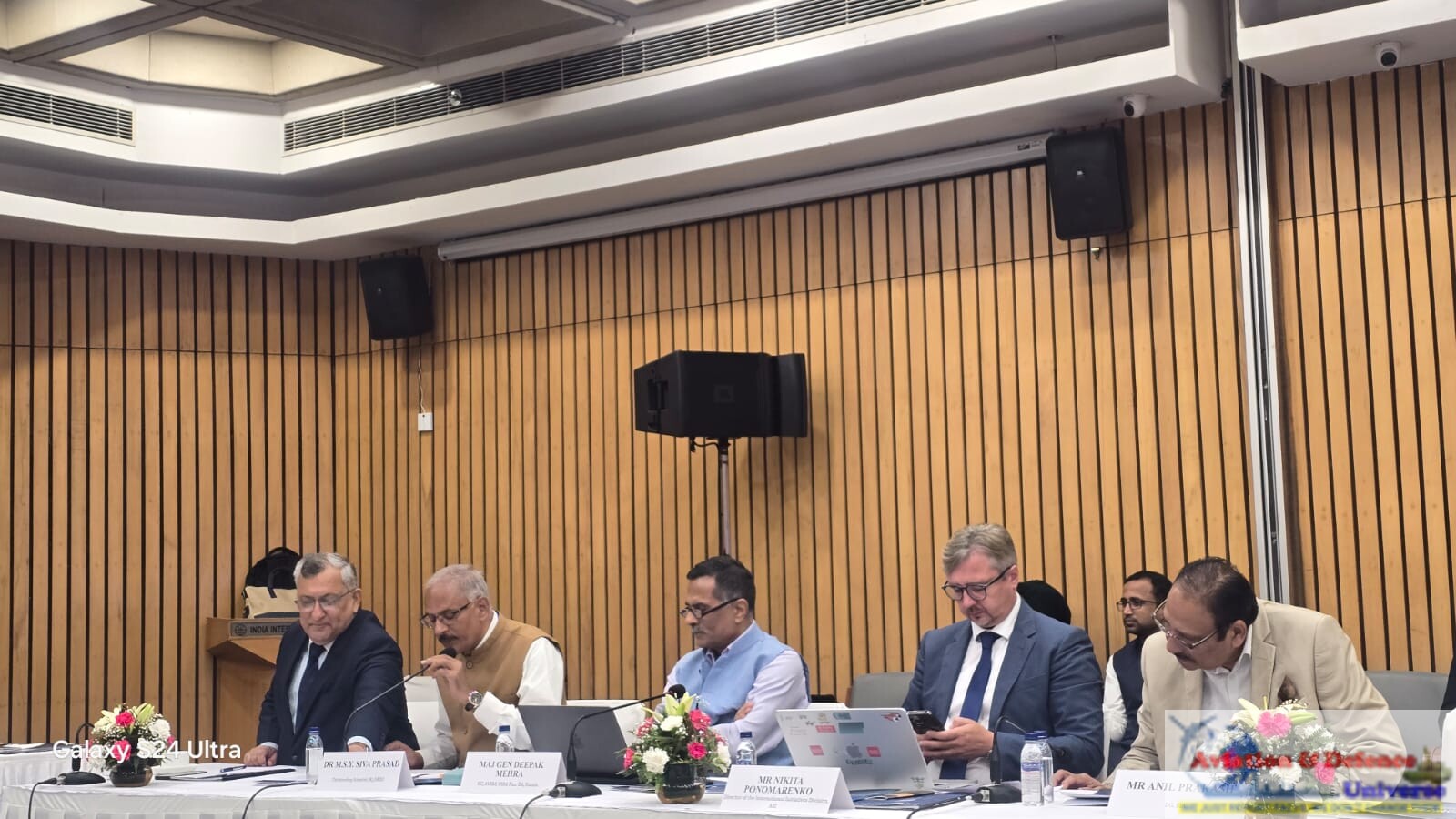
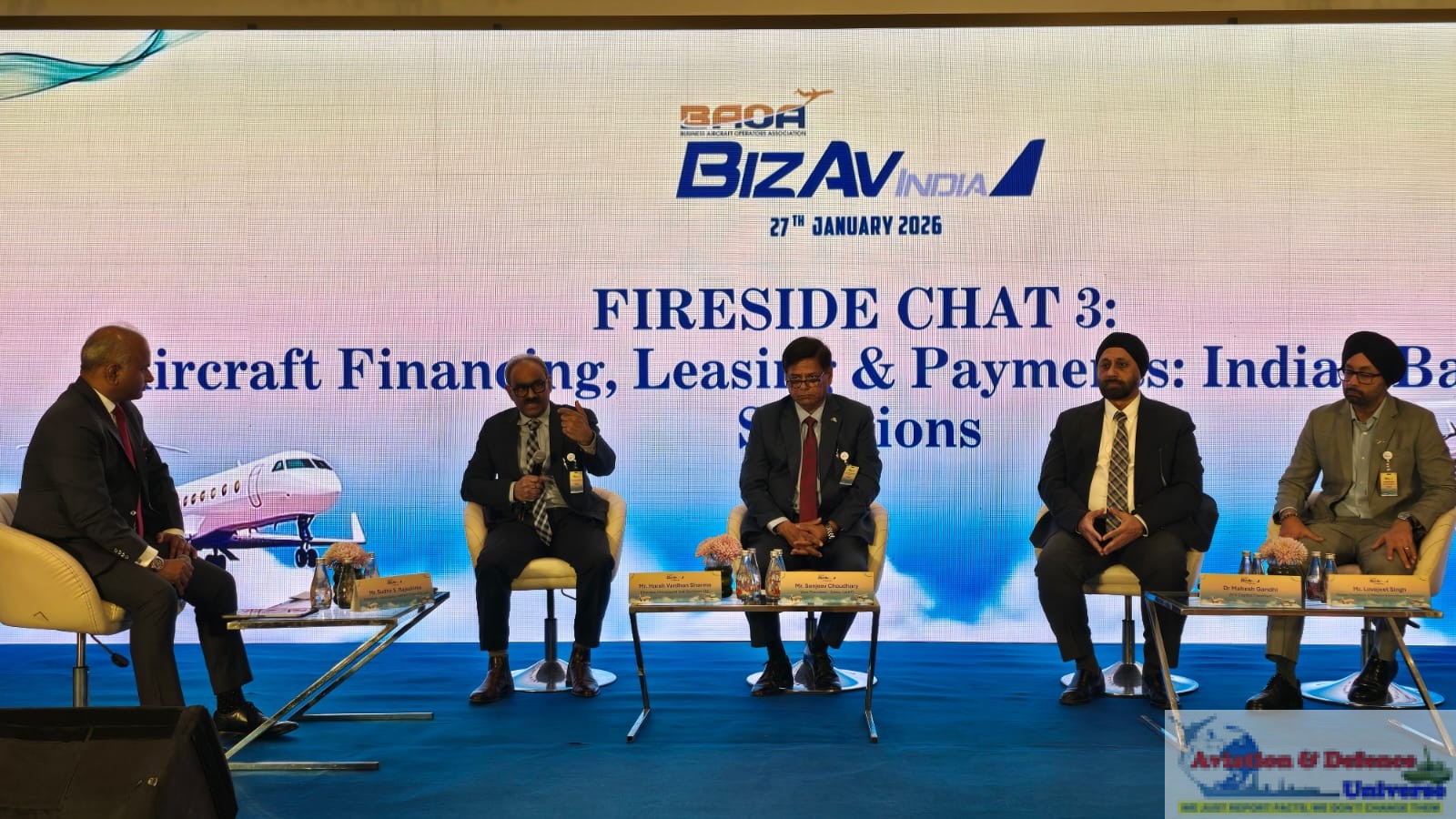
These themes were explored in depth at the BizAv India session titled “Aircraft Financing, Leasing & Payments: Indian Banking Solutions”, held on the sidelines of Wings India 2026 in Hyderabad. The discussion examined financing frameworks through Indian banks, regulatory and tax considerations, access to competitive capital, and payment execution for both new and pre-owned aircraft transactions.
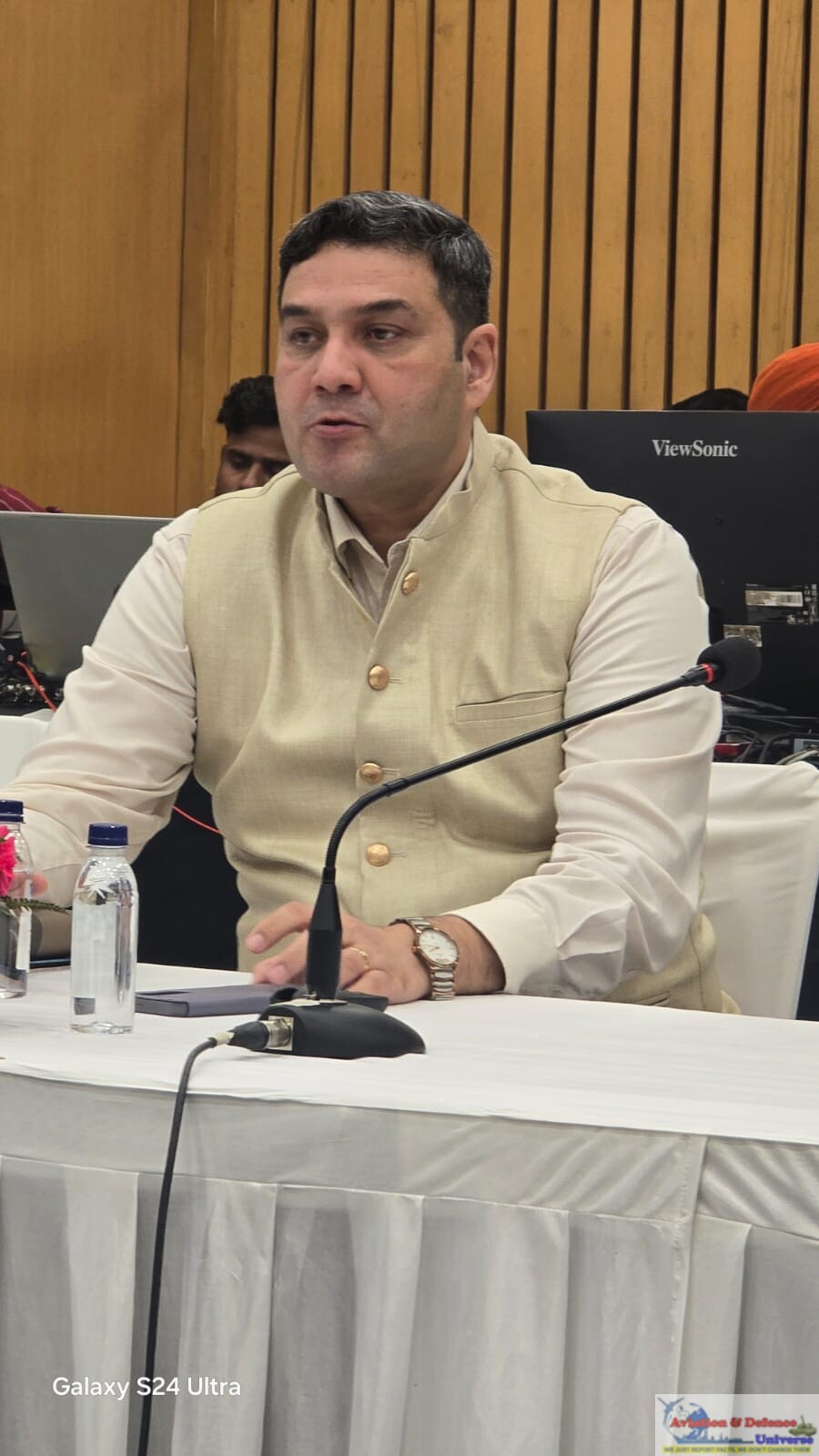
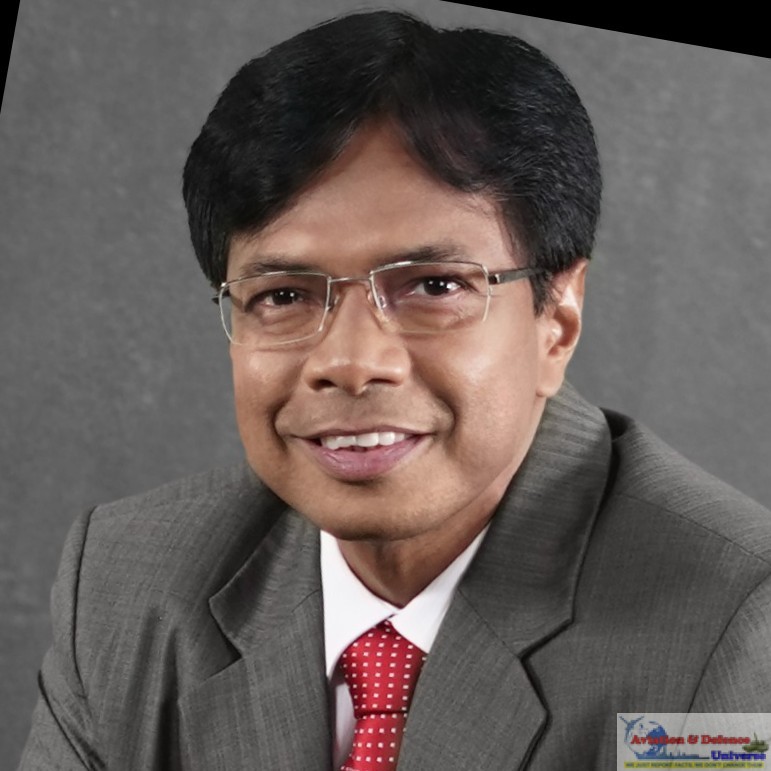
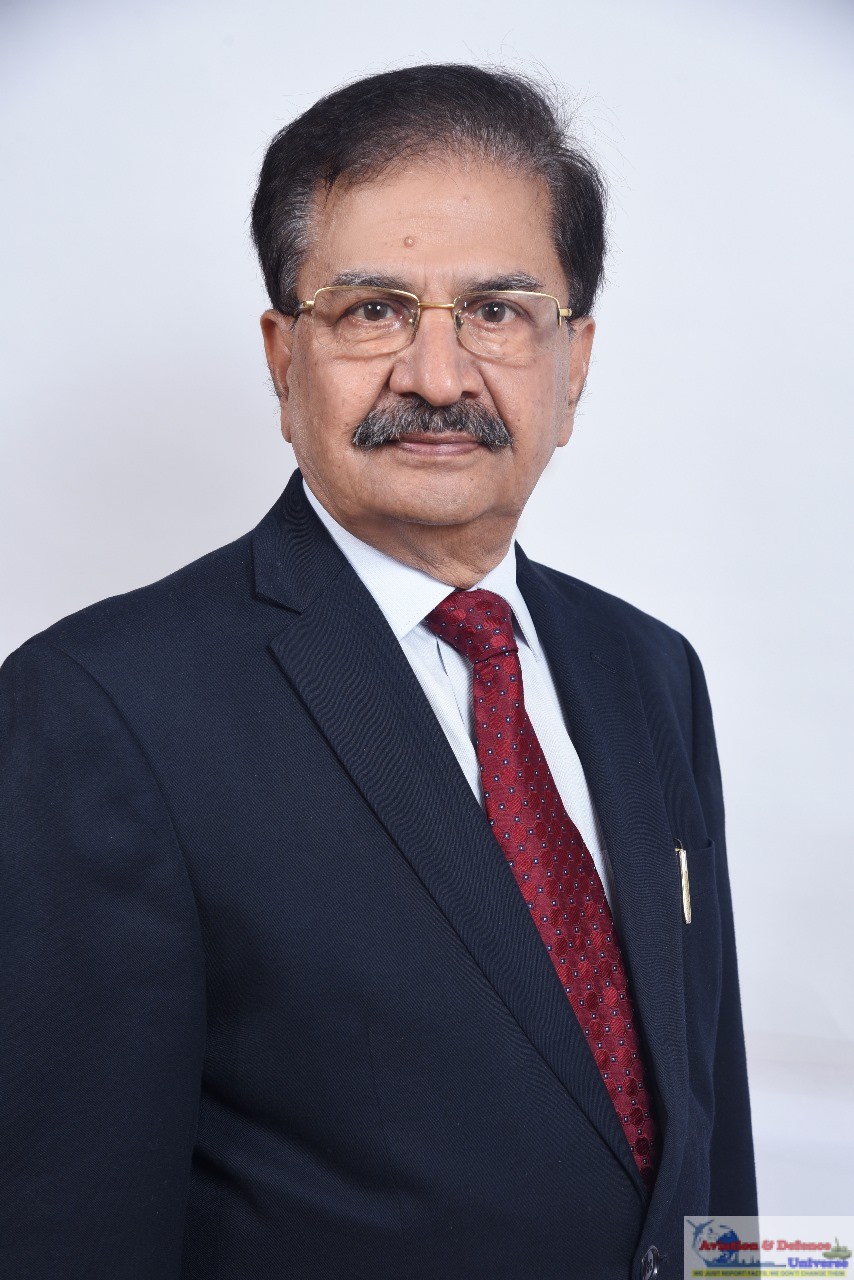
T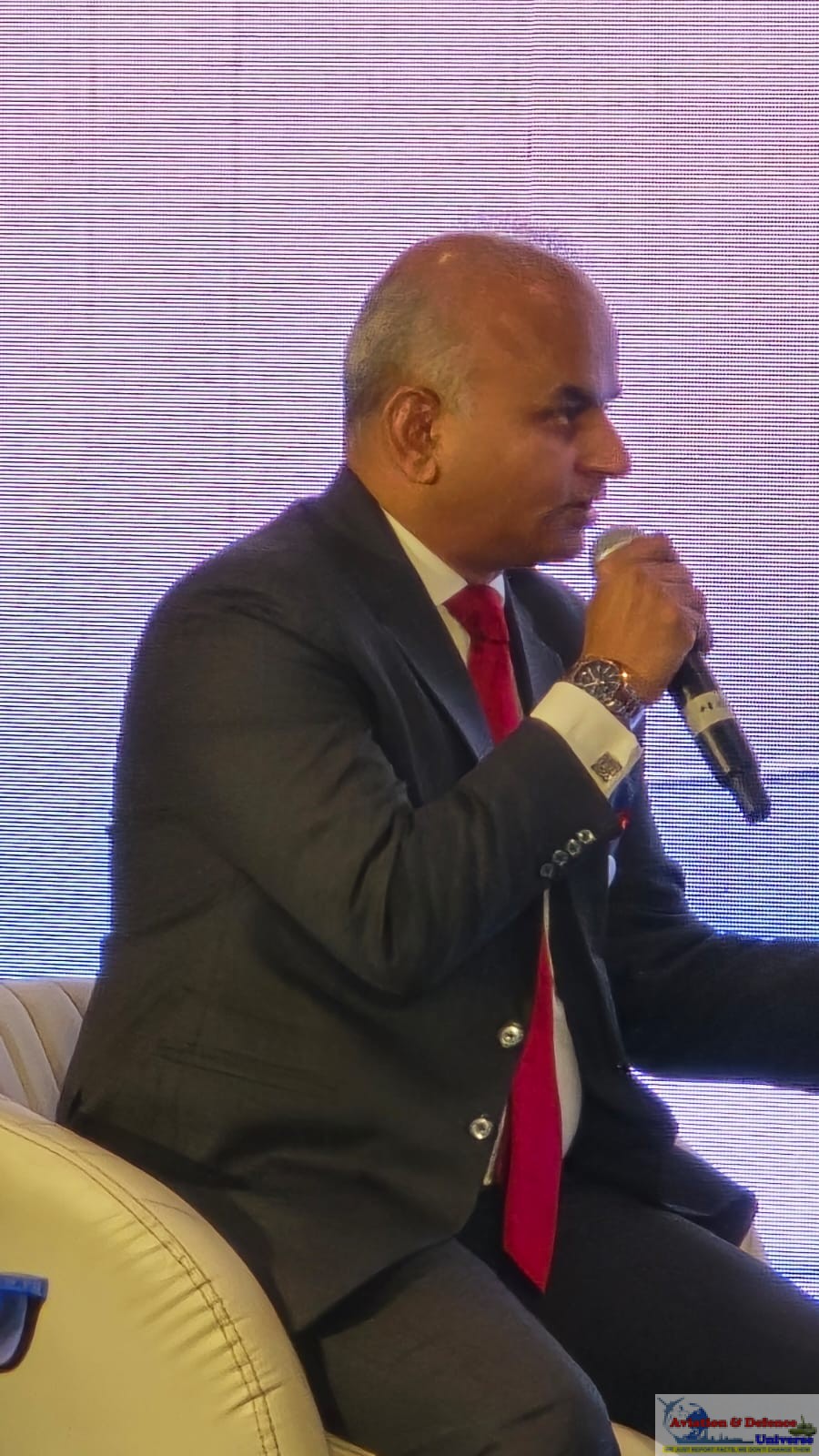 he session was moderated by Sudhir S. Rajeshirke, President – Aerospace, Jubilant Enpro Pvt. Ltd. and featured an experienced panel comprising Harsh Vardhan Sharma, Director, Himalayan Heli Services Ltd., Sanjeev Choudhary, Vice President-Sales, JetHQ, Lovejeet Singh, Partner, Chandhiok & Mahajan Advocates and Solicitors and Dr. Mahesh Gandhi, AFII Capital Frankfurt.
Balance sheets, asset risk and the cost of capital are issues which need deliberation and brainstorming by expects. Opening the discussion on the realities of aircraft lending, Dr. Mahesh Gandhi of AFII Capital Frankfurt emphasised that lenders ultimately seek financial comfort. He stated, “The greatest face of India or your buyer’s face of India is they are not able to provide a balance sheet which is strong enough to at least prove that there’s a cash flow back up.”
Highlighting global practices, he noted, “Go anywhere in the world… we can do an asset-only financing. We don’t look at the balance sheets… the risk is on the assets.” However, he cautioned that asset-only financing carries a price. “In dollar terms, it’s not less than 30% to 60%… If it’s asset only, that’s the best. Accept it. If you have cash flows to back it up, then the price starts coming down.”
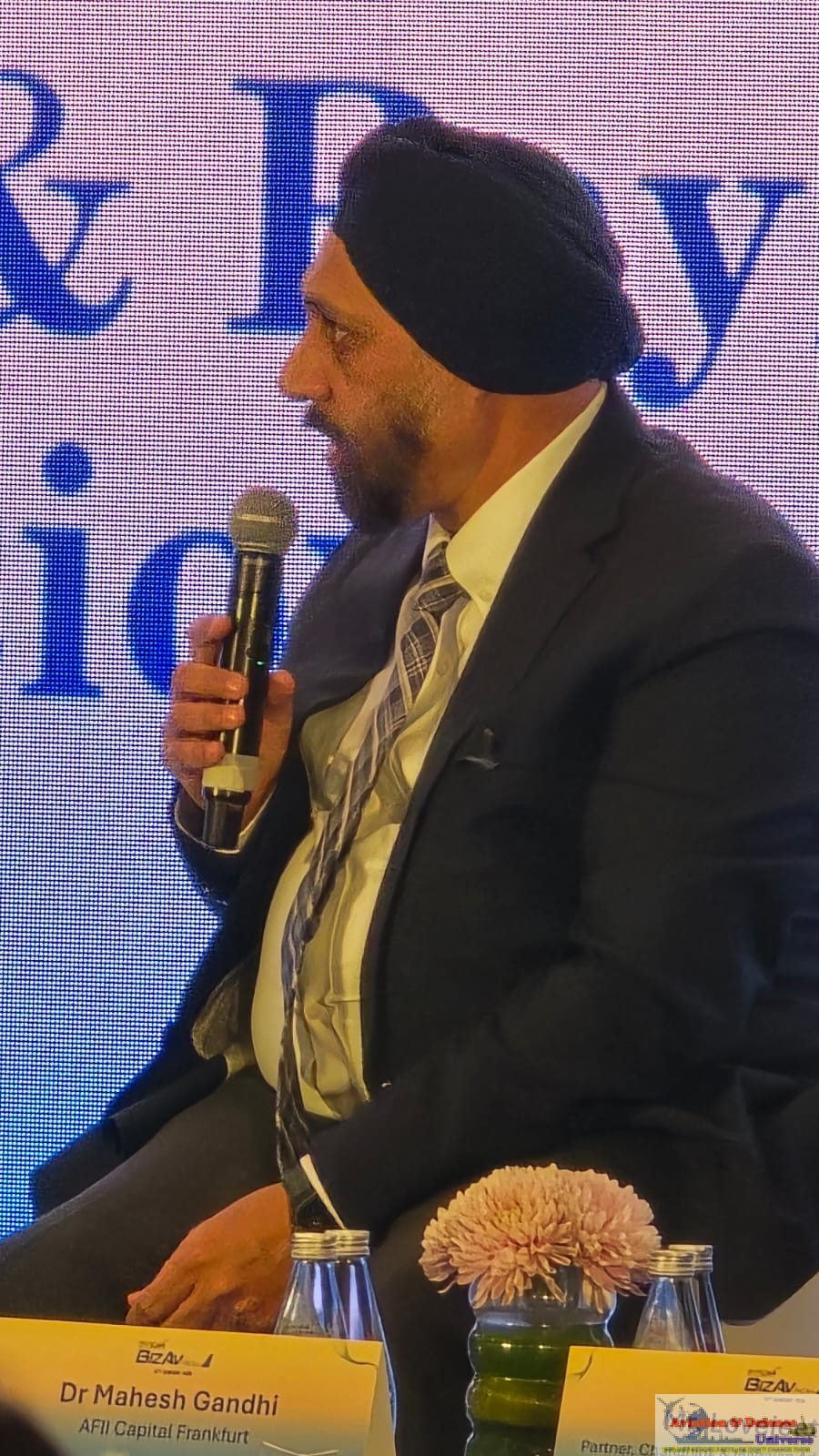 Dr. Gandhi underlined that without strong financial backing, high capital costs would remain inevitable. “If you try to raise money without a balance sheet, you will always have this problem and this problem is going to be perennial.” Drawing from over two decades of transactions in India, he reiterated that lenders need reassurance. “First and foremost, what we need is comfort, a cash comfort that yes, tomorrow, if the asset is not going to repay by utilisation, we need somewhere to look at.” Repossession and resale were equally critical. “I’m interested in making sure that the asset for which I’m lending, I’m able to repossess that asset and sell that asset, if required… and not at a huge loss.”
Indian banks and the knowledge gap was a very important imperatives which need to be discussed. Moderator Sudhir Rajeshirke shifted the focus to domestic banks, observing that Indian customers prefer working with institutions they already have relationships with. However, challenges persist.
Harsh Vardhan Sharma explained, “Some of the key concerns… have all boiled down to one thing — a lack of skill or a lack of knowledge gap in the Indian banks.” He elaborated that banks struggle with valuation, residual value fluctuations and monitoring maintenance exposure.
“Aircrafts are an asset which are dependent on operations and maintenance… Indian banks need partners… to monitor this, to assure them of the residual value.” He emphasised that risk mitigation through SPVs or holding structures is often restricted by regulatory limitations, noting that certain Indian laws restrict pledge structures beyond specified thresholds.
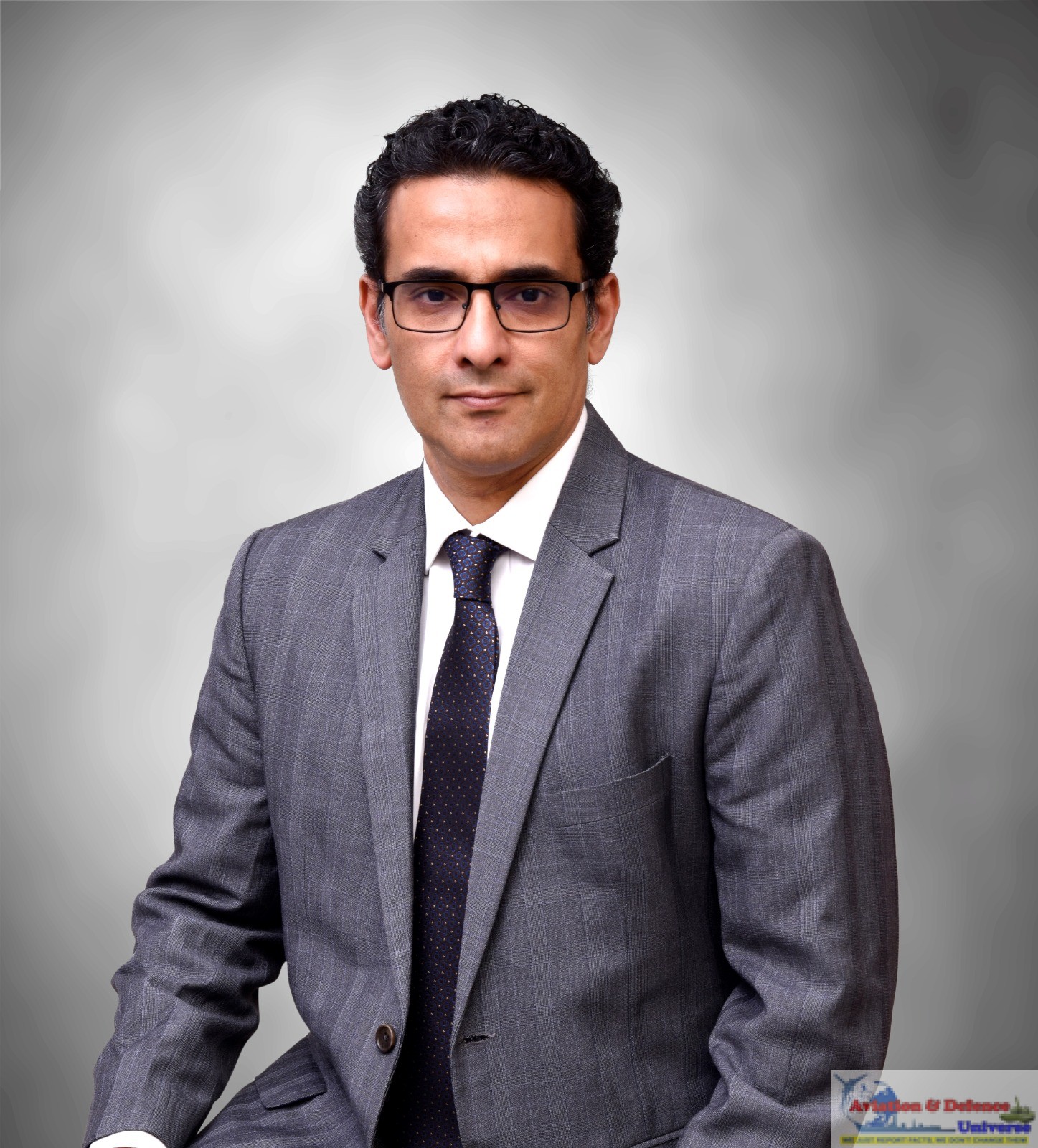
 From a legal standpoint, Lovejeet Singh clarified that regulatory frameworks do allow repossession, but operational clarity remains essential. He observed that once a bank repossesses an aircraft, “How does the bank deal with it? Because the bank is redeploying.” He added that parallel amendments under the Aircraft Act and related civil procedure frameworks are expected to strengthen enforcement mechanisms in the coming months.
The broader concern, echoed across the panel, was that repossession must not only be legally permissible but also commercially practical and time-bound. Turning to transaction execution, Sanjeev Choudhary of JetHQ highlighted the time sensitivity of aircraft deals, particularly in the pre-owned market. “Good aircrafts don’t stay for long in the market. The supply to demand ratio is reversed,” he said, citing examples such as the Legacy 650, where global demand far exceeds availability.
He pointed out that Indian buyers often lose out due to delays in transferring refundable deposits to escrow accounts overseas. “The first step to secure the aircraft is to put out your refundable deposit in the escrow in US… The Europeans can do it in 24 to 48 hours… Come to India… it can take much longer.” Choudhary stressed that RBI guidelines permit outward remittance under defined conditions, yet implementation varies 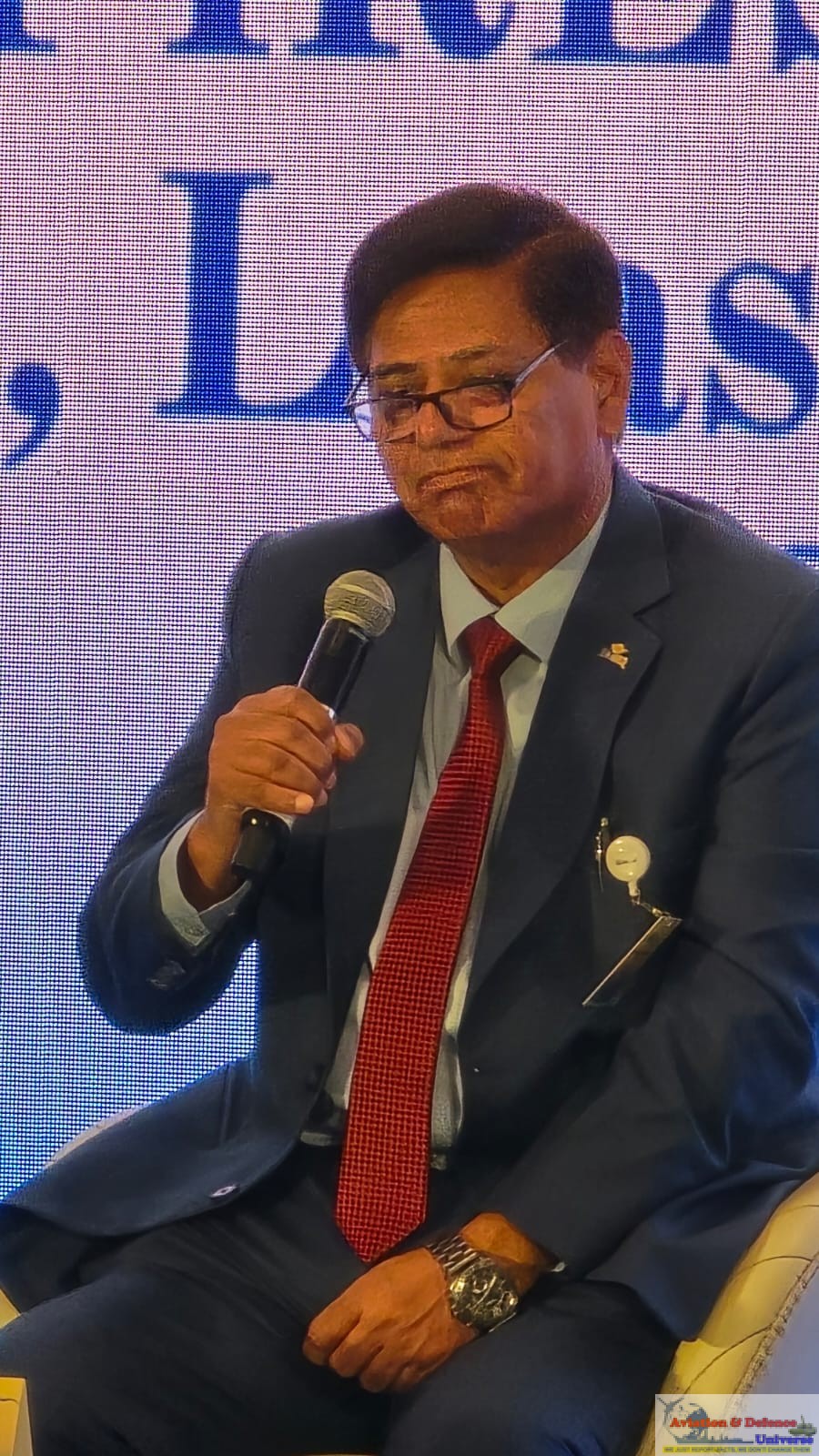 at the bank level. “It’s not a level playing field for an Indian buyer. We lose out on the aircrafts just because we can’t pay that refundable deposit in time.” An aviation banking professional from the audience highlighted structural impediments. He observed that the SARFAESI Act does not provide a fully streamlined recovery path for aircraft and ships, which complicates enforcement confidence. Additionally, he suggested that amendments to the Banking Regulation Act could allow banks to invest in leasing companies rather than directly finance aircraft assets.
Dr. Gandhi reinforced that broader RBI regulations around movable asset collateral require modernisation. “Asset-based collateral is not used by RBI in India for movable assets… So the main problem is the RBI regulation has to change.”
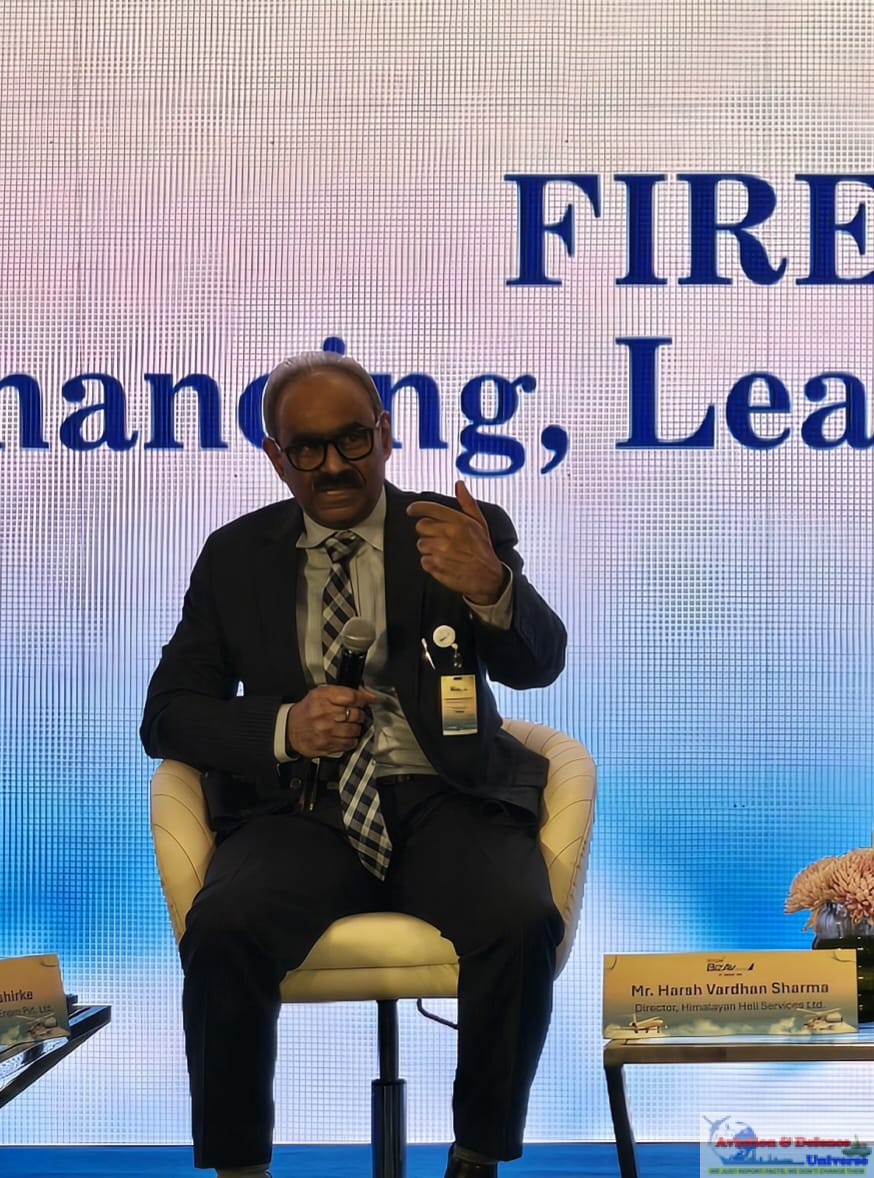 Despite the concerns raised, the session was not devoid of optimism. Harsh Vardhan Sharma shared practical experience from the helicopter sector, noting, “We got two helicopters from Indian banks in the last two years… The bankers were very positive… If your business case is strong, banks are open to come forward and do the financing.” He added that remittances for NSOP operators, particularly for moderate transaction values, have become smoother in recent years.
The BizAv India 2026 session on Aircraft Financing, Leasing & Payments made it clear that India’s aviation growth story now hinges on financial reform as much as operational expansion. While global capital remains accessible, domestic lending capacity is constrained by regulatory gaps, knowledge deficits and structural rigidities.
Yet, with improving repossession clarity, evolving RBI frameworks, growing expertise within banks, and increasing collaboration between industry stakeholders and regulators, there is cautious optimism that India can build a stronger, more self-reliant aircraft financing ecosystem. For general aviation and business aviation operators, the path forward will require balance sheet discipline, regulatory reform, institutional learning and a coordinated push between industry bodies and government. As the session concluded, the consensus was evident — the capital exists, but confidence and clarity must follow.
The leasing and finance industry for aircraft and helicopters in India faces a unique combination of regulatory, legal and market challenges that limit the flow of competitive capital into the sector. One of the foremost concerns for lenders is repossession risk — while legal frameworks exist, enforcement timelines and procedural clarity in cases of default have historically created uncertainty, raising the risk premium on loans. Aircraft are movable, high-value, rapidly depreciating assets whose residual value depends heavily on maintenance status, utilisation and market cycles, making valuation more complex than traditional asset classes. Exchange control regulations and delays in outward remittances can further complicate cross-border lease rentals and security deposits, particularly in time-sensitive pre-owned transactions.
 Domestic banks often lack specialised aviation asset expertise, leading to conservative credit committees and collateral-heavy structures that discourage operators. For helicopters, the challenge is even sharper due to smaller fleet sizes, limited secondary markets, mission-specific configurations and seasonal revenue volatility. Together, these factors increase financing costs, reduce access to rupee-denominated funding and keep India dependent on overseas leasing structures rather than developing a deep domestic aircraft finance ecosystem.
Aircraft leasing and finance in India is at a pivotal stage of evolution, driven by rapid fleet expansion but constrained by structural bottlenecks. With Indian airlines placing some of the largest aircraft orders globally and regional and business aviation operators seeking fleet growth, the demand for capital has surged. However, the majority of aircraft operating in India continue to be leased from overseas lessors, primarily structured in foreign jurisdictions due to more mature legal, tax and repossession frameworks. Domestic banks and NBFCs have traditionally remained cautious, citing asset volatility, limited aviation expertise, exchange control constraints and historical repossession challenges. Recent policy efforts — including strengthening the Cape Town Convention framework, promoting aircraft leasing through GIFT City, and proposals to classify aircraft as infrastructure assets — signal a shift toward building a more robust domestic financing ecosystem. If supported by clearer regulatory alignment, faster payment execution mechanisms and enhanced banking capability in aviation asset valuation, India has the potential to transition from being primarily a lessee market to becoming an emerging hub for aircraft leasing and structured aviation finance.
 GIFT City, India’s International Financial Services Centre in Gujarat, has been positioned as the country’s gateway to building a globally competitive aircraft leasing and financing ecosystem, modelled in part on the success of Ireland. With regulatory oversight by the International Financial Services Centres Authority (IFSCA), GIFT City offers tax incentives, simplified cross-border financing structures and a dedicated framework for aircraft leasing entities to operate from India. The broader objective is to reduce dependence on foreign leasing hubs, retain lease rentals within the Indian financial system, deepen domestic capital participation and create a specialised ecosystem of legal, technical, valuation and asset management expertise. While Ireland built its dominance over decades through tax clarity, legal certainty and strong repossession mechanisms, GIFT City aims to replicate these fundamentals within the Indian context, supported by growing fleet demand from Indian airlines and operators. If policy stability, enforceable creditor rights and competitive financing costs are consistently maintained, GIFT City has the potential to emerge as a credible regional leasing hub serving not only India but also South Asia and emerging aviation markets.
As India’s aviation market expands at an unprecedented pace, the evolution of a robust domestic leasing and financing ecosystem is no longer optional but essential. Strengthening frameworks around repossession, taxation clarity, regulatory alignment and capital access will determine whether the country continues to rely heavily on overseas hubs or successfully anchors aircraft financing within its own financial system. With policy momentum building and institutions such as GIFT City gaining traction, the opportunity is clear: to transform India from a major aircraft lessee into a credible global aviation finance destination. The coming years will reveal how decisively industry, regulators and financial institutions can collaborate to turn that ambition into reality.




















































































-A4-Size-(2)_page-0001.jpg)