

























- Safety, Scale and Skyways: India’s Urban Air Mobility Vision Gains Momentum
- Building the Future of Flight: eVTOL Developers, Regulators and Tech Firms Align
- Hybrid Electric Aircraft, Micro Towers and Policy Push: India’s Air Mobility Leap
By Sangeeta Saxena
Hyderabad. 31 January 2026. Imagine a world where the morning commute lifts gently off the rooftop instead of crawling through traffic, where air taxis glide silently between glass towers, and eVTOLs connect suburbs, business districts and airports in minutes instead of hours. The skyline is no longer just a backdrop — it becomes a living highway. Hospitals receive critical patients faster, executives reclaim lost hours, tourists soar over cityscapes, and remote communities are no longer remote. Clean, electric propulsion hums above, vertiports replace parking lots, and mobility becomes three-dimensional. In this world, time is the new currency — and the sky is open for all.
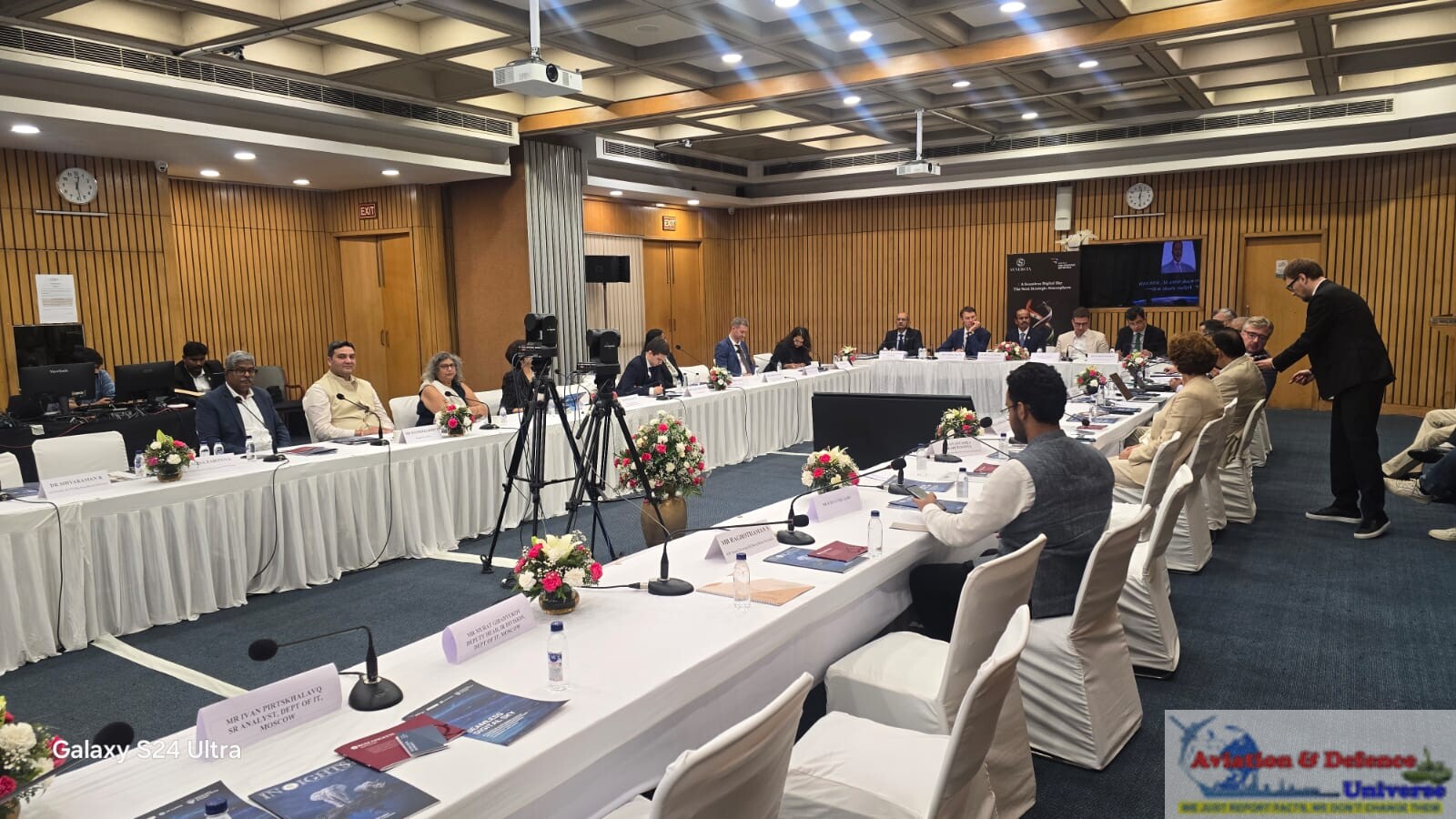
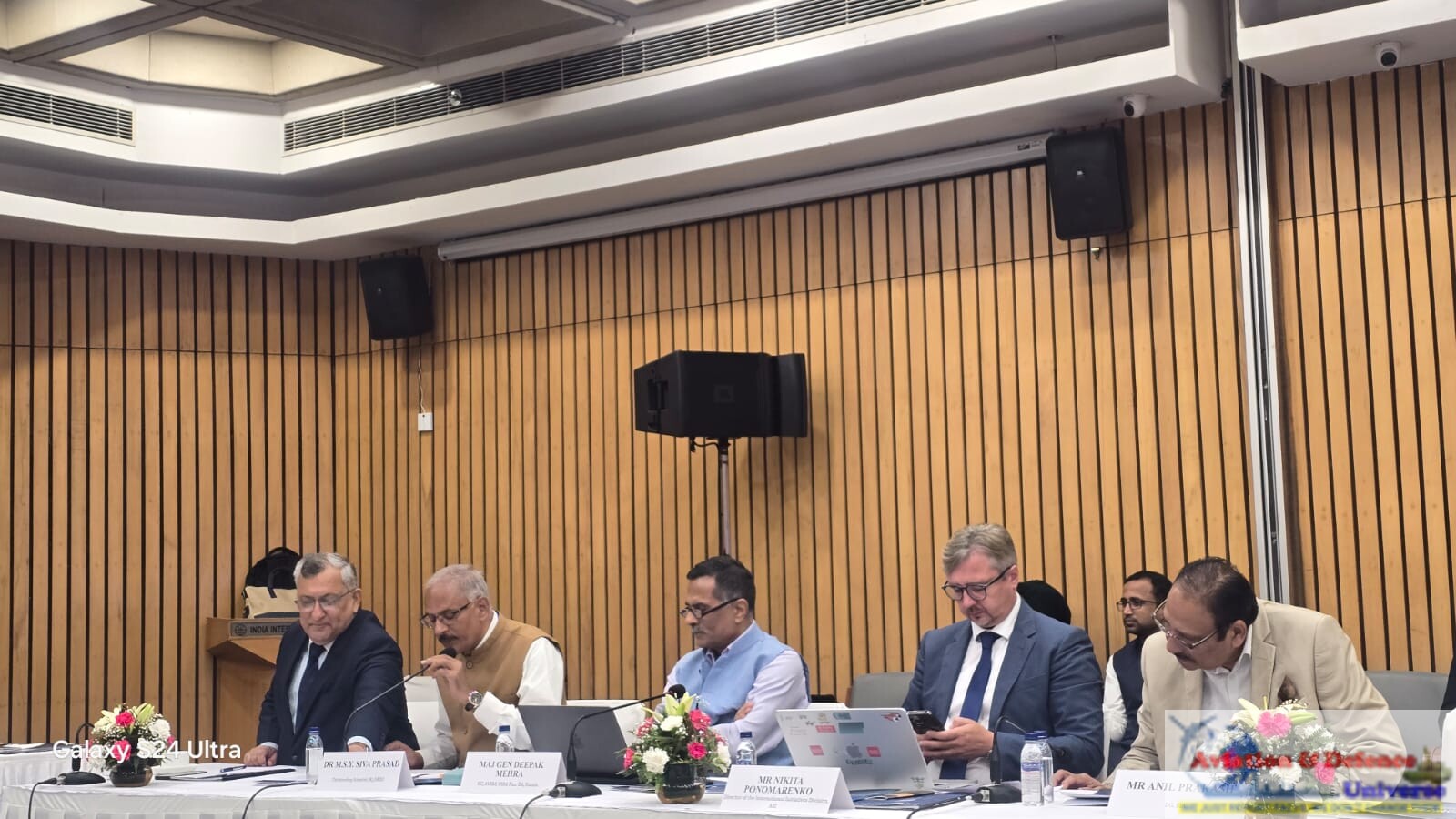
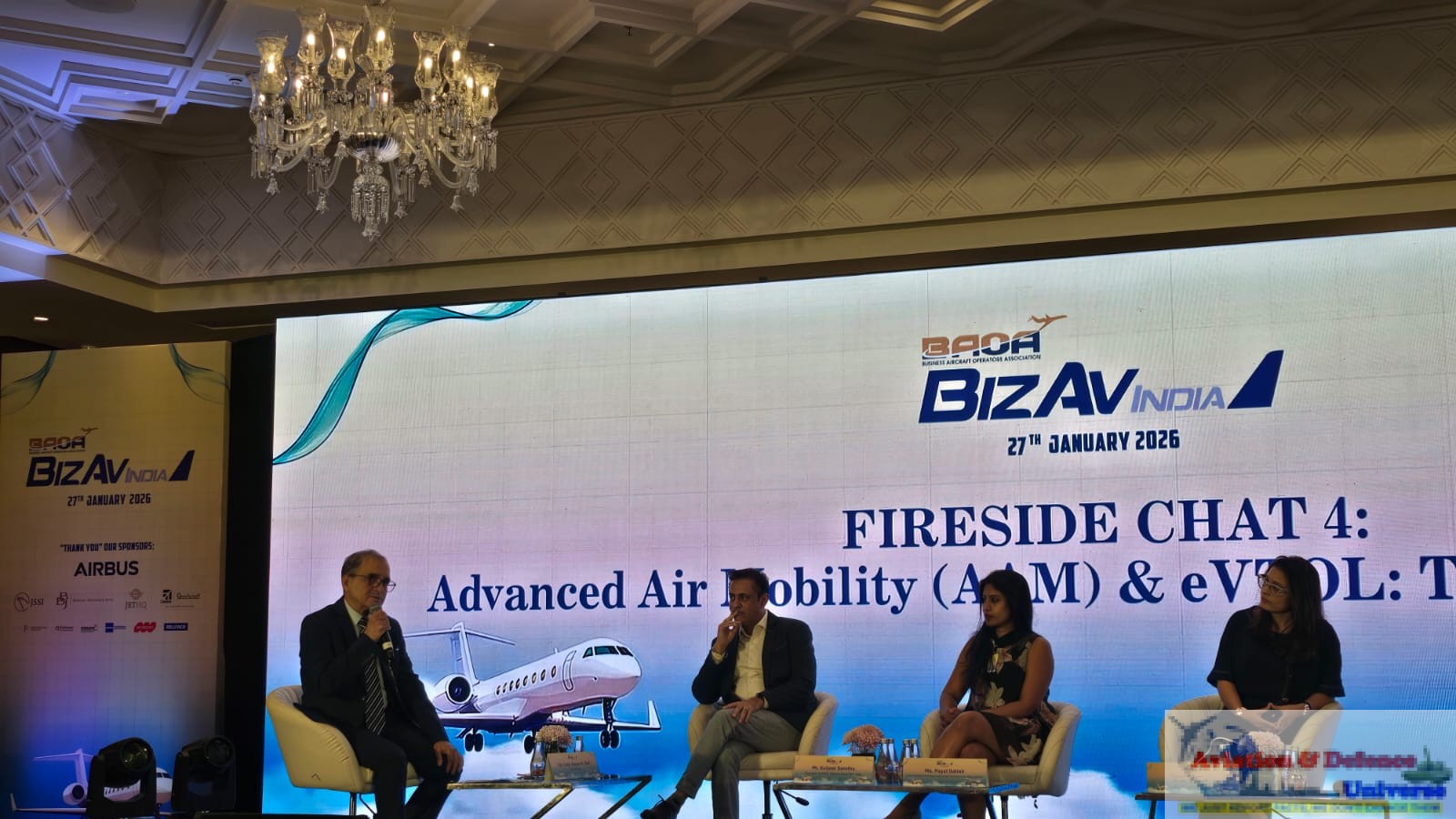
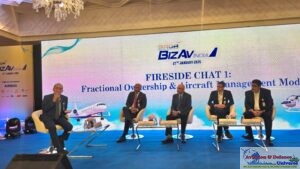
 As India prepares for the next phase of aviation growth, advanced air mobility and electric vertical take-off and landing (eVTOL) aircraft are emerging as a transformative frontier. At a recent session held alongside Wings India 2026, in Biz Av India, industry leaders, innovators and regulators discussed progress, certification timelines, infrastructure readiness and the broader ecosystem required to commercialise urban air mobility in India. The conversation highlighted a coordinated push between government, startups, established aviation stakeholders and technology providers to ensure that India is not merely a consumer but a developer and manufacturer in this emerging sector. It was chaired by Gp Capt RK Bali, MD, BAOA and panelists were Kuljeet Sandhu, Founder & CEO, Nalwa Aero Pvt. Ltd., Payal Satish Sarla Aviation’s Vice President Business Development & Strategy and Poonam Gaur, CEO & Co-Foinder Flemonte Aviation.
The moderator Gp Capt RK Bali took off by informing, “it was noted that a recent high-level meeting chaired by the Secretary had resolved that such reviews would take place every two months to ‘take stock of the situation and see how we can push these efforts further’ underlining the seriousness with which advanced air mobility is being pursued at the policy level.”
Kuljeet Sandhu of Nalwa Aerospace outlined the company’s progress, confirming that it had received design organisation approval from the ACA and moved beyond the conceptual stage. “We have passed out that conceptual phase and the design philosophy which we worked from last four, five years is very, very much clear. There is some safety first and safety last, nothing more than that over there,” he said.
 Sandhu highlighted the involvement of global expertise, noting, “My CTO was in the US Air Force before working with us on this project. He has designed a very beautiful concept… It is a box wing structure… a study of hundred years of old study which we picked up to understand how this box wing is better than the conventional aircraft.”
The development journey was not without setbacks. “We met with six failures… I would say we did not get the desired results… This is the seventh version of design which we are receiving very good values in terms of technical parameters,” he stated. Emphasising a cautious, research-driven approach, Sandhu added, “There is no shortcut in that way.”
A major milestone for the company is its memorandum of understanding with the Andhra Pradesh government. “We are getting a land allocation of 500 acres to develop the production line, R&D, runways and everything in-house so that we can make this a big reality in India in coming years,” he said.
Around the world, eVTOL (electric vertical take-off and landing) aircraft are already moving beyond concept to real-world operation, signalling the dawn of urban air mobility. In the United States, companies like Joby Aviation and Archer are progressing toward commercial passenger service, with initial test flights and planned operations in cities such as San Francisco and Miami. In Europe, Volocopter has completed numerous manned air taxi demonstrations in cities including Singapore and Paris, showing the viability of short-haul aerial routes in dense urban environments. Japan’s SkyDrive has flown piloted eVTOL prototypes and secured regulatory milestones ahead of planned services for events like the Osaka Expo. In Australia, Beta Technologies’ eVTOLs are supporting logistics and cargo missions, including military resupply trials. Meanwhile, in the Middle East, entities like NEOM in Saudi Arabia are integrating eVTOLs into the design of next-generation urban infrastructures. These global deployments — from passenger shuttles to cargo and medical missions — indicate that eVTOL technology is rapidly transitioning from experimental aircraft to practical, in-service platforms across diverse markets.
 Representing Sarla Aviation, Commercial Officer Payal Satish described the Bengaluru-based startup’s progress. “We are two and a half year old company building hybrid electric vertical takeoff and landing aircraft in Bangalore,” she said, noting that the company’s leadership team brings experience from global eVTOL firms.
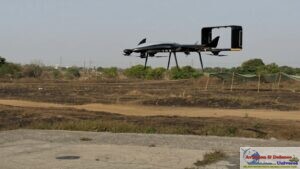
Sarla has already built and is testing a half-scale prototype. “We built our half scale prototype… which is going through testing at the Taneja Aerodrome,” she confirmed. The company has also begun the design organisation approval process with the DGCA. On timelines, she said, “We are looking at about 2029–30 as timelines by when we can hope to have eVTOL commercially certified in India.” She pointed to global validation of the sector, stating that test flights by international players demonstrate that “eVTOLs are no longer at a concept stage, but actually very much going to become a reality.”
Importantly, Sarla sees itself as complementary to helicopters. “We see ourselves complementing the fleet of helicopters that a lot of NSOPs have at the price point that we will come in,” she said. Alongside aircraft development, the company is actively working on the ecosystem: “We are also working very actively with airports, with real estate developers, with hospitals… to start building out the very much needed ecosystem we will need to operate in.”
Can eVTOLs ever be common man’s vehicle of convenience? Seems still a fae fetched possibility. At least in their early years, eVTOLs are perceived as a mode of transport for the rich and privileged because of the high development, certification and infrastructure costs involved. Building electric air taxis requires advanced battery systems, lightweight composite materials, redundant flight controls and rigorous safety testing — all of which push up capital expenditure. Add to that the need for vertiports, digital air traffic management systems and trained pilots, and the initial cost per seat inevitably remains high. Much like commercial aviation in its infancy, early adopters are typically corporate travellers, premium commuters or high-net-worth individuals willing to pay for time savings and exclusivity. Until scale, manufacturing efficiencies and regulatory maturity bring costs down, eVTOL services are likely to operate in premium corridors between airports, business districts and luxury residential hubs, reinforcing the perception that this revolutionary mobility solution currently caters to a niche segment rather than the broader public.
 The discussion also addressed airspace integration and infrastructure challenges. Poonam Gaur representing Flemonte Aviation Pvt Ltd, a new automated air traffic and weather advisory system called “micro towers” was introduced. These AI-enabled systems aim to provide live weather and traffic advisories for vertiports and high-density urban air mobility corridors.
“Traditional air traffic control systems are not actually going to be viable for high intensity and high traffic areas and for small vertiports,” it was explained. The micro towers are designed to deliver VFR weather and traffic advisories directly to pilots without heavy infrastructure dependency. With 13 micro towers already installed in India, further patent developments are expected to enhance altitude tracking and automated advisories.
Affordability remains central to the business case. It was noted that an initial 15–20 minute eVTOL flight between Noida and Delhi airport could cost around ₹3,500, with expectations of gradual reduction as technology matures and volumes scale.
Sandhu argued that cost reduction will be a game changer. “I think the cost which is coming would be just like Uber and Ola of aviation,” he said, emphasising the expanding middle class and growing aviation demand. Advances in battery density — from 180 Wh/kg to 500 Wh/kg — were cited as indicators of rapid technological progress.
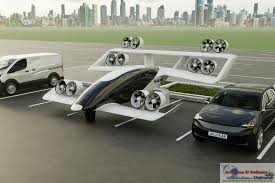
eVTOL aircraft represent a new category of urban and regional mobility designed to operate from compact vertiports, rooftops and decentralised hubs. Their hybrid or fully electric propulsion systems promise lower emissions, reduced noise footprints and significantly lower operating costs over time. In India’s congested metropolitan corridors, eVTOLs could dramatically cut travel times, enabling 15–20 minute city transfers that currently take hours by road. Beyond urban air taxis, their use cases extend to medical evacuation, rapid intercity connectivity, last-mile cargo logistics and connectivity to remote or disaster-affected regions. By decentralising aviation access and reducing dependence on large airports, eVTOLs could redefine mobility patterns while supporting sustainable growth in aviation.
The session reiterated that India’s advanced air mobility ambitions are no longer speculative. With regulatory engagement, state government support, design approvals, prototype testing and parallel ecosystem development underway, the foundations for eVTOL operations are being laid. While certification is targeted toward the end of the decade, collaboration between aircraft developers, infrastructure providers, regulators and financial stakeholders will determine the pace of commercial rollout. If current momentum continues, India could emerge not only as a market for urban air mobility, but as a global development and manufacturing hub in the eVTOL era.























































































-A4-Size-(2)_page-0001.jpg)