
















- A Growth From Policy Paralysis to Phased Possibility
- Will it be a Reform, Reboot or Regulatory Reset?
- Biz Av India brainstorms Capital Constraints & Shared Skies
- Will it come out of regulatory incubation?
By Sangeeta Saxena
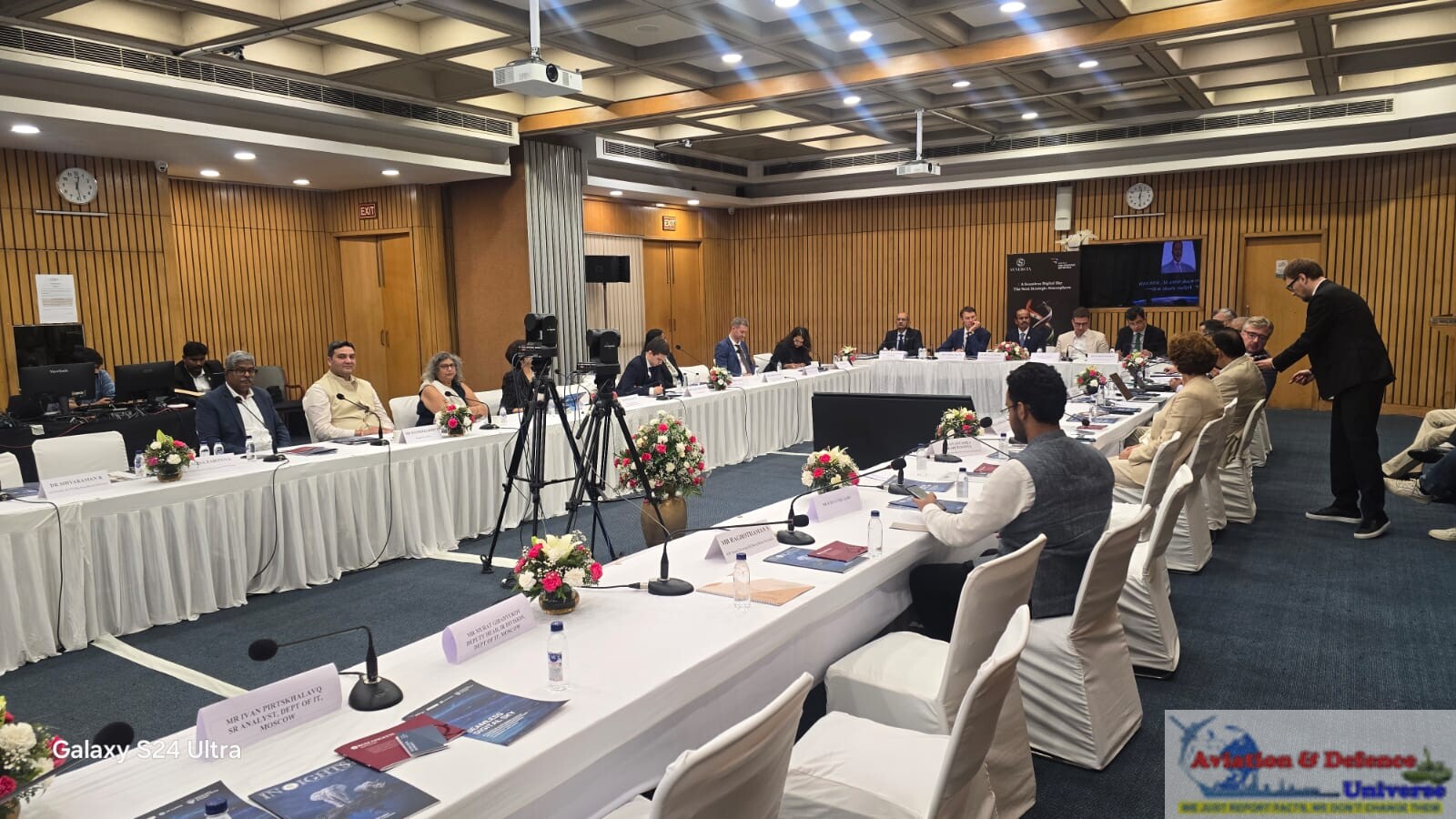
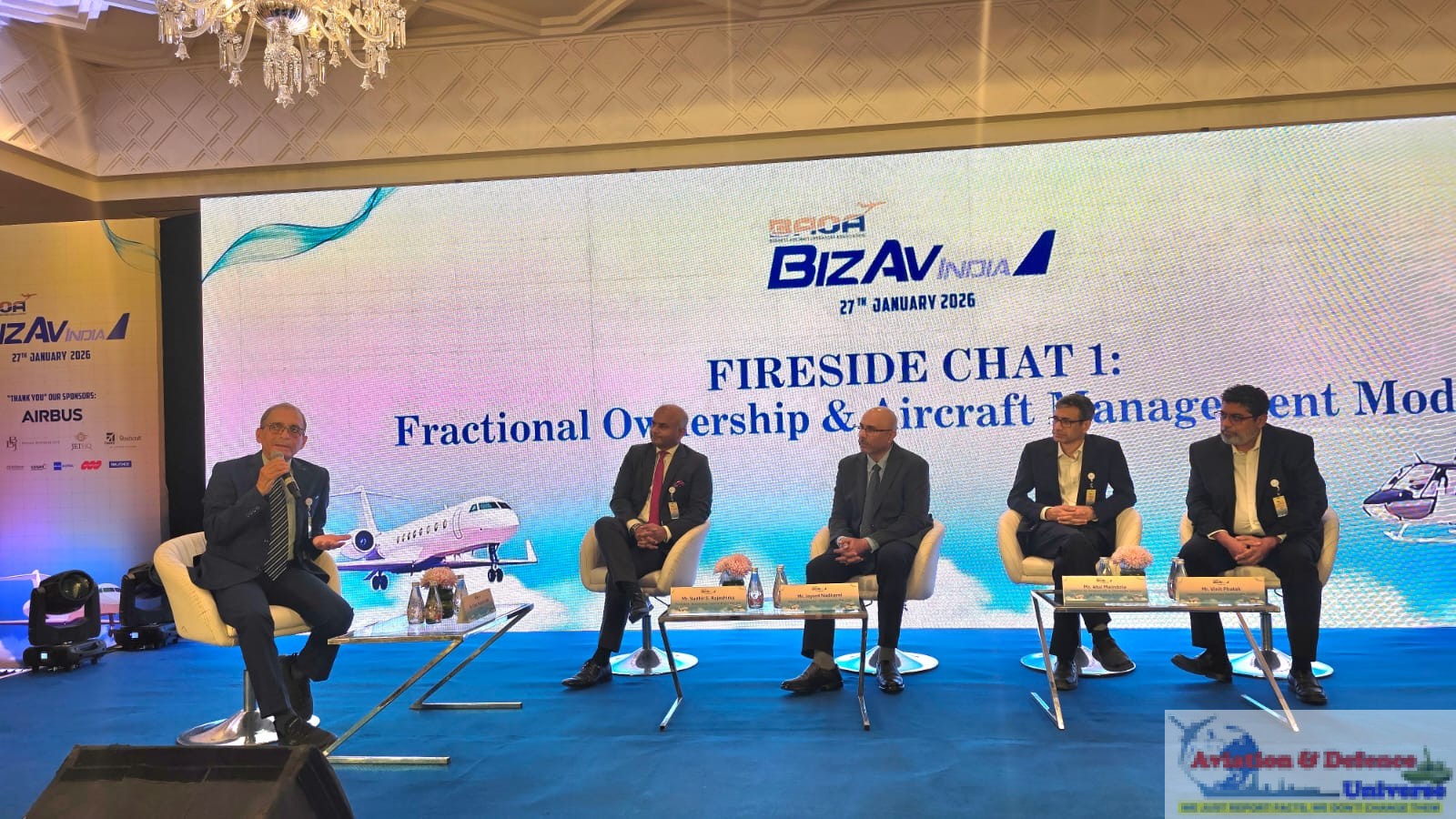
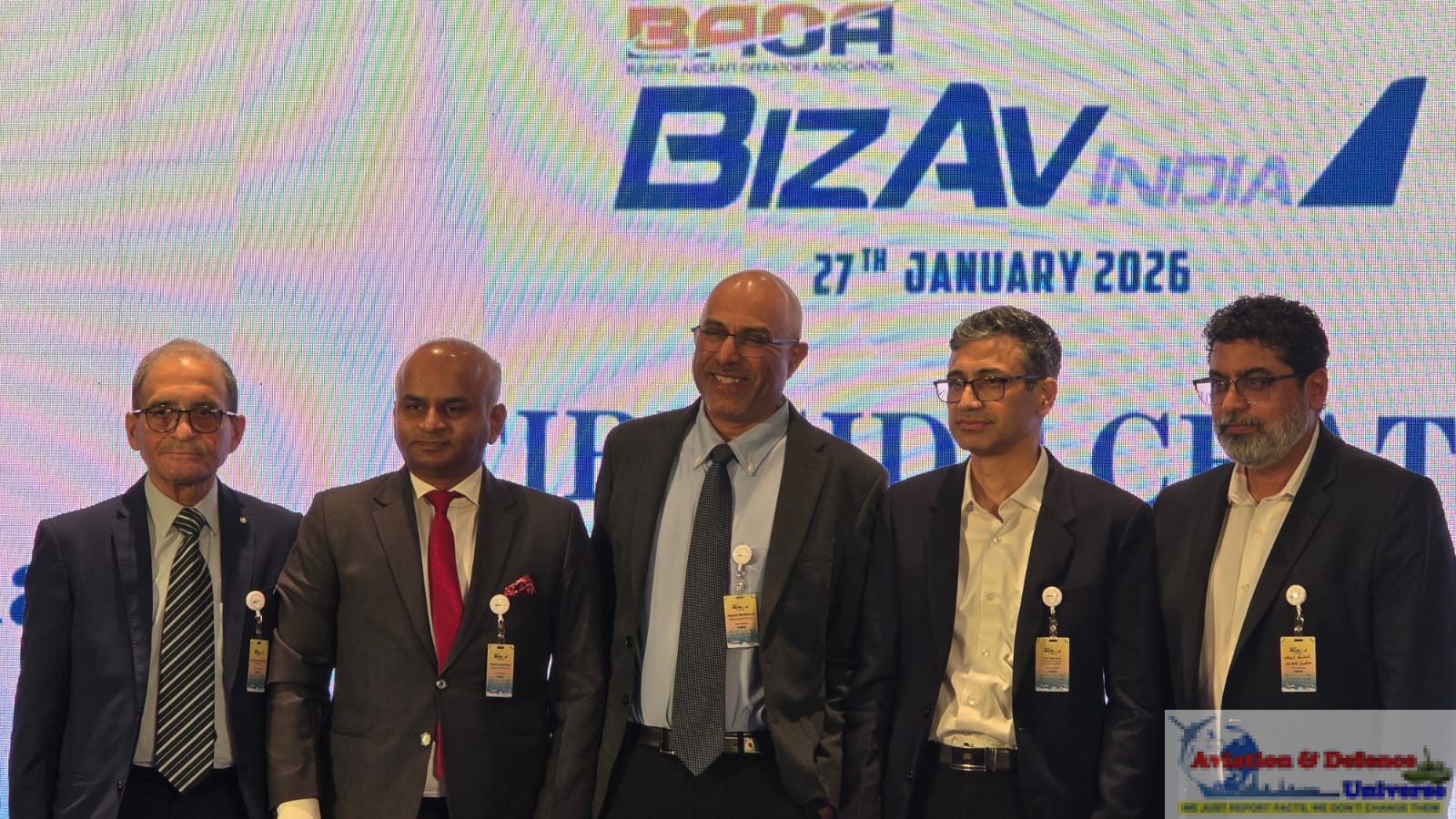
Hyderabad. 30 January 2026. For the last two decades one issue which has plagued general aviation in India is fractional ownership and many a headline this journalist has given claiming that it is a failed model or an issue in coma and more recently a matter in regulatory incubation. As India’s general aviation sector searches for scalable, capital-efficient growth models, fractional ownership and aircraft management frameworks are emerging as transformative possibilities. Long established in mature aviation markets such as the United States and Europe, these models allow multiple stakeholders to share aircraft ownership and operational responsibility under professional management structures. At Biz Av India 2026, held on the sidelines of Wings India in Hyderabad, industry leaders, regulators and global experts convened to discuss how such models can be responsibly adapted within India’s regulatory and taxation ecosystem.
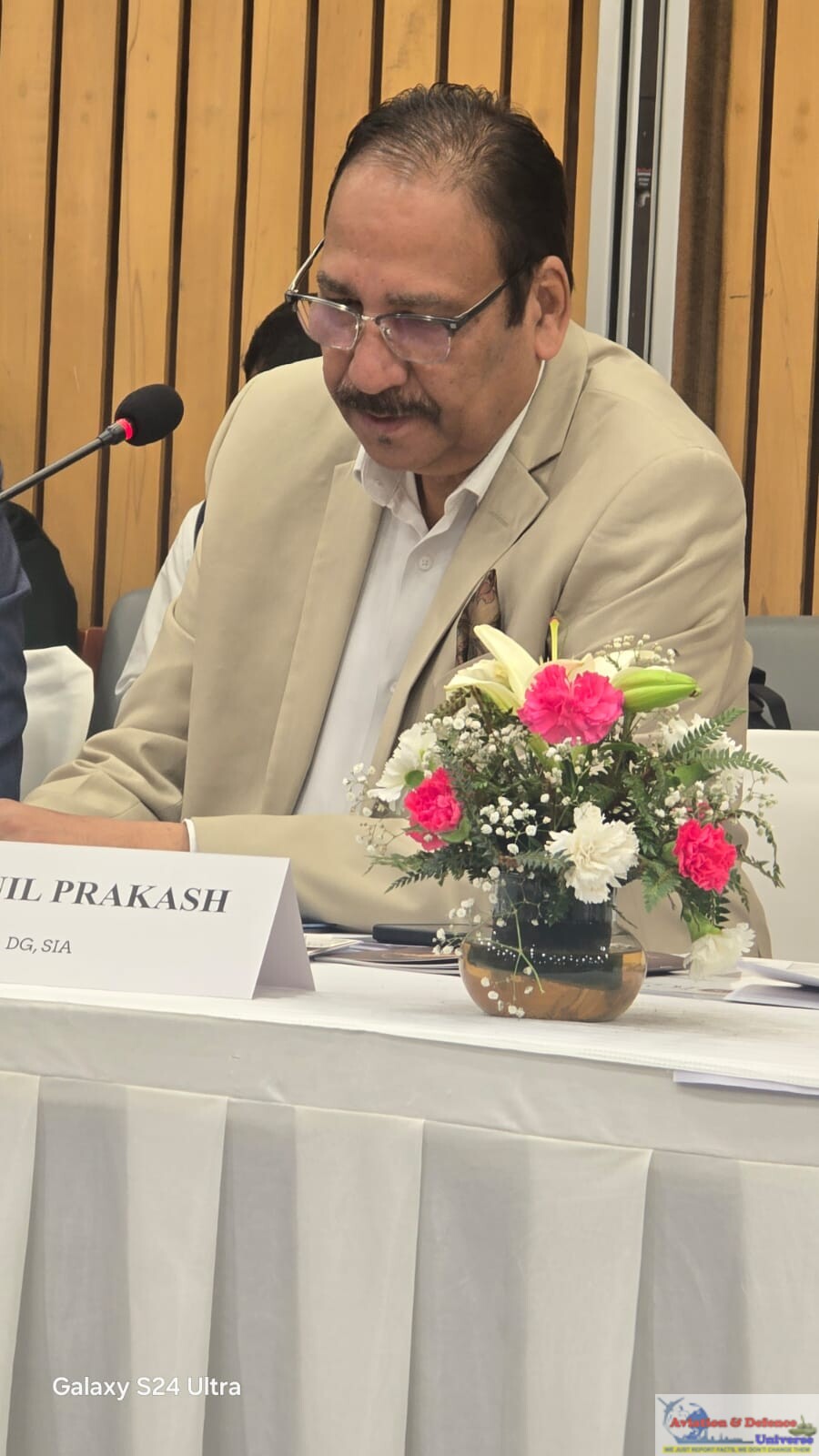
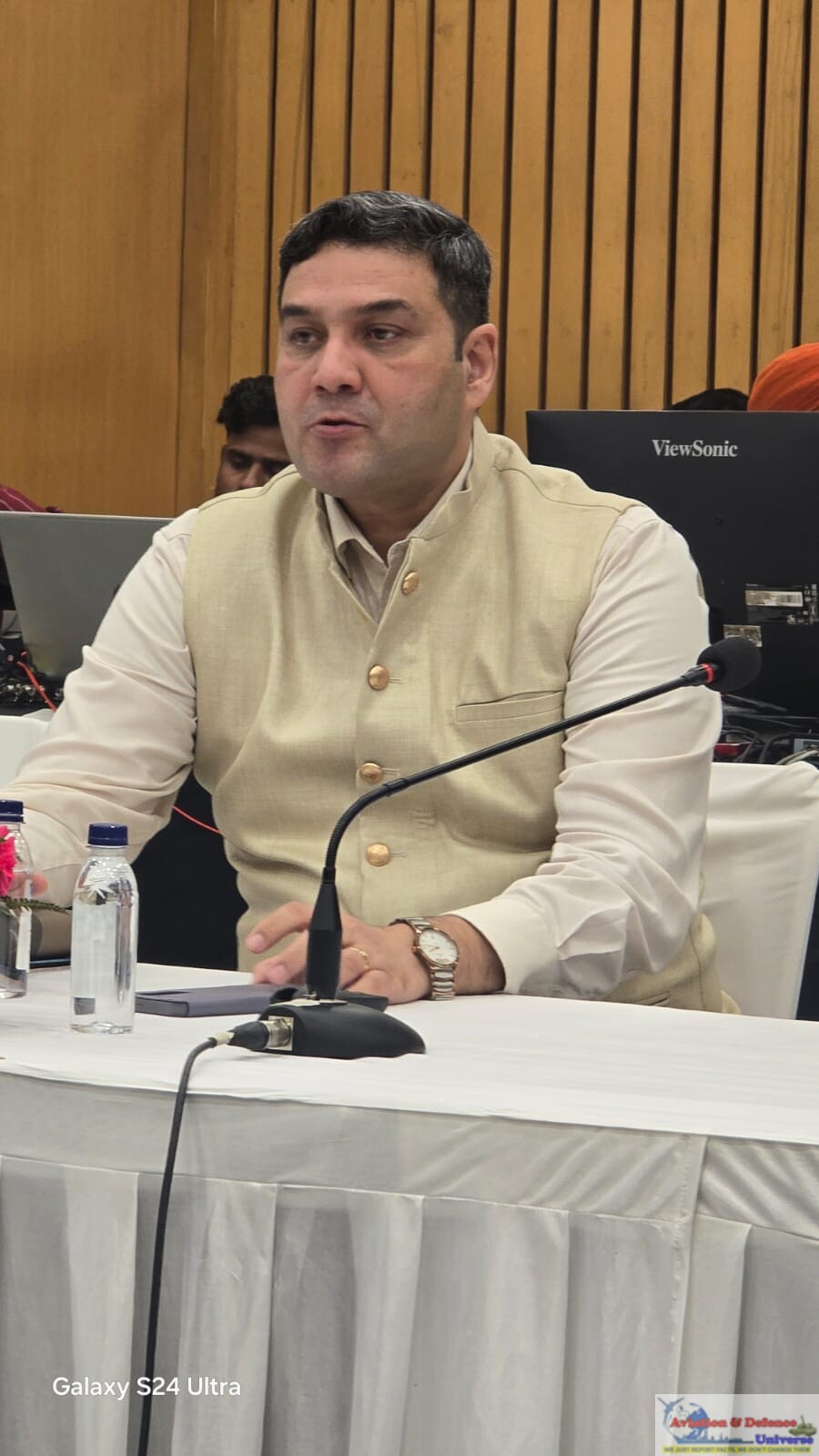
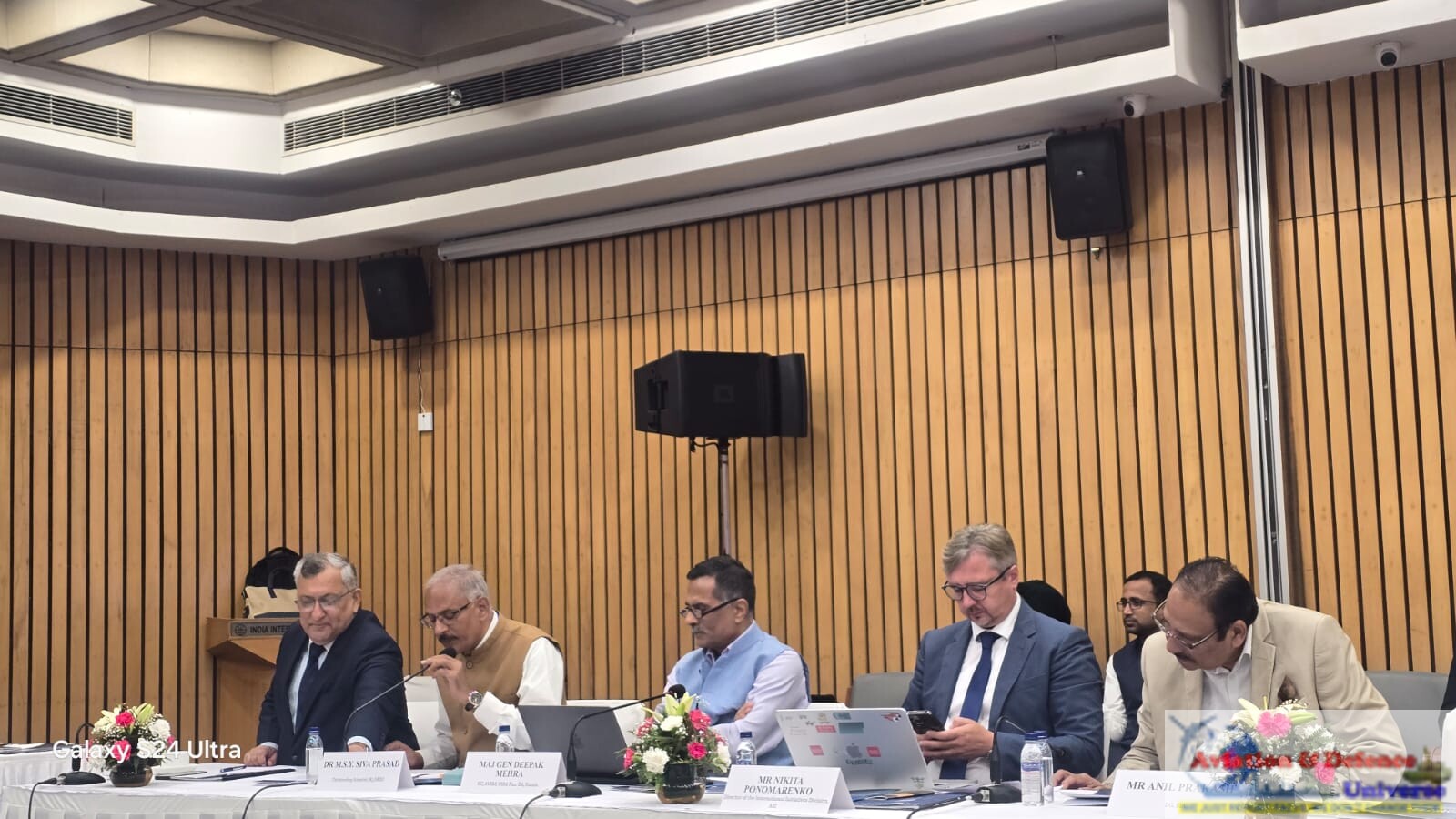
The session was moderated by Gp Capt RK Bali, Managing Director, BAOA, and featured Sudhir Rajshirke, President Aerospace & Defence, Jubilant Enpro; Jayant Hadkarni, Managing Director, Flightshares Pvt Ltd; Atul Maindola, AT-I, DGCA; and Vineet Phatak, Director Global Business Development, ACASS.
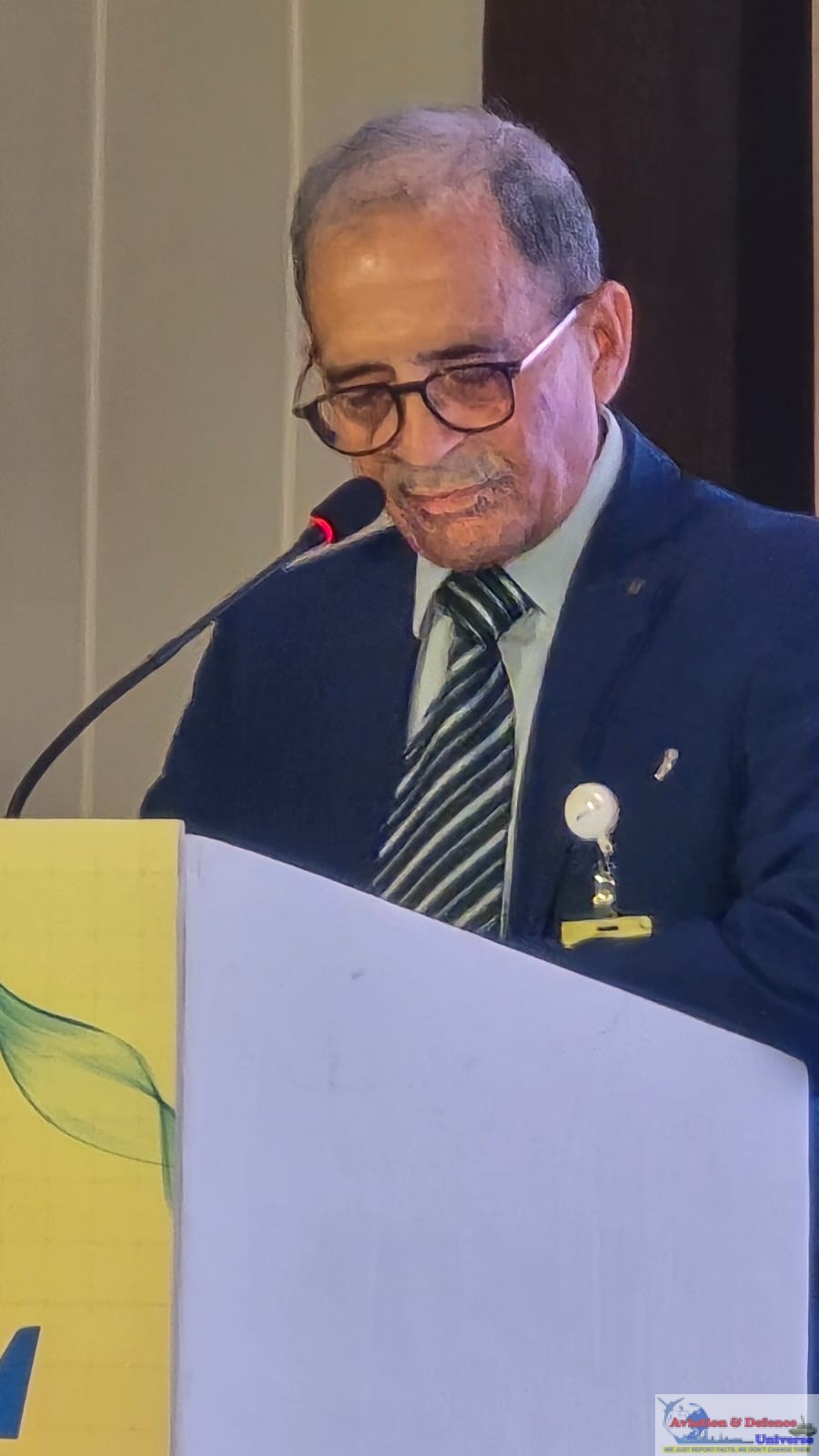
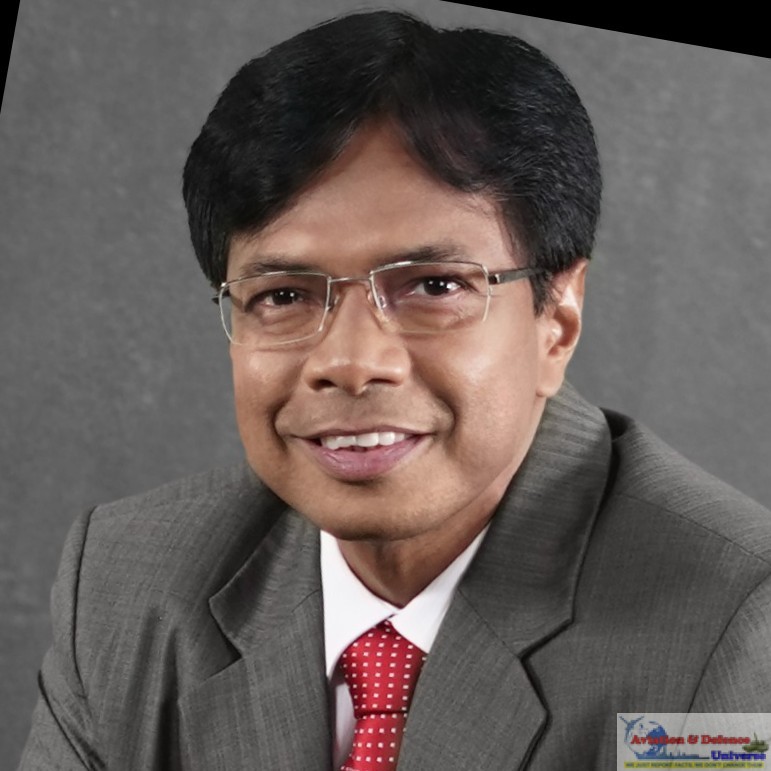
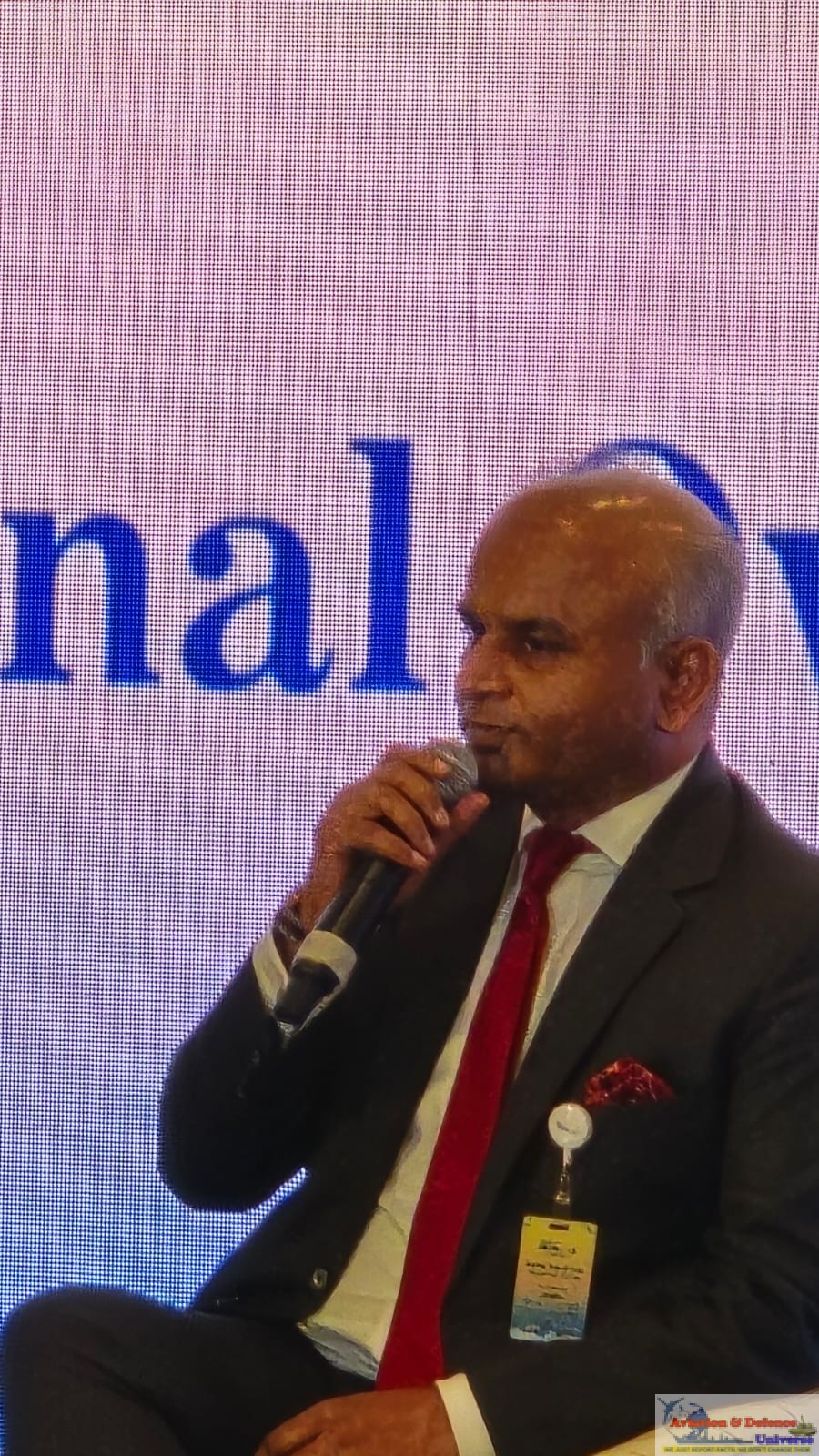 Opening the discussion, Sudhir Rajshirke outlined the core philosophy behind the initiative. “The key idea actually is to bring the best practises, the established practises, that have been credibly vetted and have worked in the West and see how those can be imbibed into India under the current regulations,” he said. He noted that while the Ministry of Civil Aviation has drafted a policy paper that is “almost in the event stage,” industry comments have been submitted to align the framework with global practices. “The intent of any policy, especially with regards to something which is radical in India, is always positive. But it is very important that the policy also creates a framework that can safely enable this model in India in a step-by-step manner,” he added, emphasising the need to address hurdles related to aircraft import and taxation at the policy stage itself.
Fractional ownership in India’s general aviation is still at an early, “enabling framework” stage rather than a mature, standalone operating category the way it exists in the US and other developed markets. While India has seen limited, earlier experiments with shared-use or quasi-fractional models, the sector has largely remained constrained by taxation clarity, transaction structuring, and the absence—until now—of a clear regulatory mechanism to outsource operations (not just maintenance) to a professional manager. The emerging Indian approach is therefore being built around an Aircraft Management Service Provider model, where a single professional entity holds operational responsibility, compliance control, and day-to-day management even if there are multiple owners—designed to keep regulatory oversight straightforward and avoid getting pulled into complex ownership contracts.
Globally, fractional ownership typically operates under well-defined, dedicated rules (for example, US-style “subpart K” frameworks), with mature market practices for contracts, invoicing, financing, resale, and clear tax/accounting treatment—often allowing owners to access structured depreciation and predictable billing mechanisms. In India, by contrast, regulators are consciously not rushing to label it “fractional ownership” in the global sense; instead, they are opening the door through aircraft management provisions first, with fractional-style multi-owner structures expected to evolve only once legal, tax, GST, invoicing, and governance issues are proven in practice and stabilised.
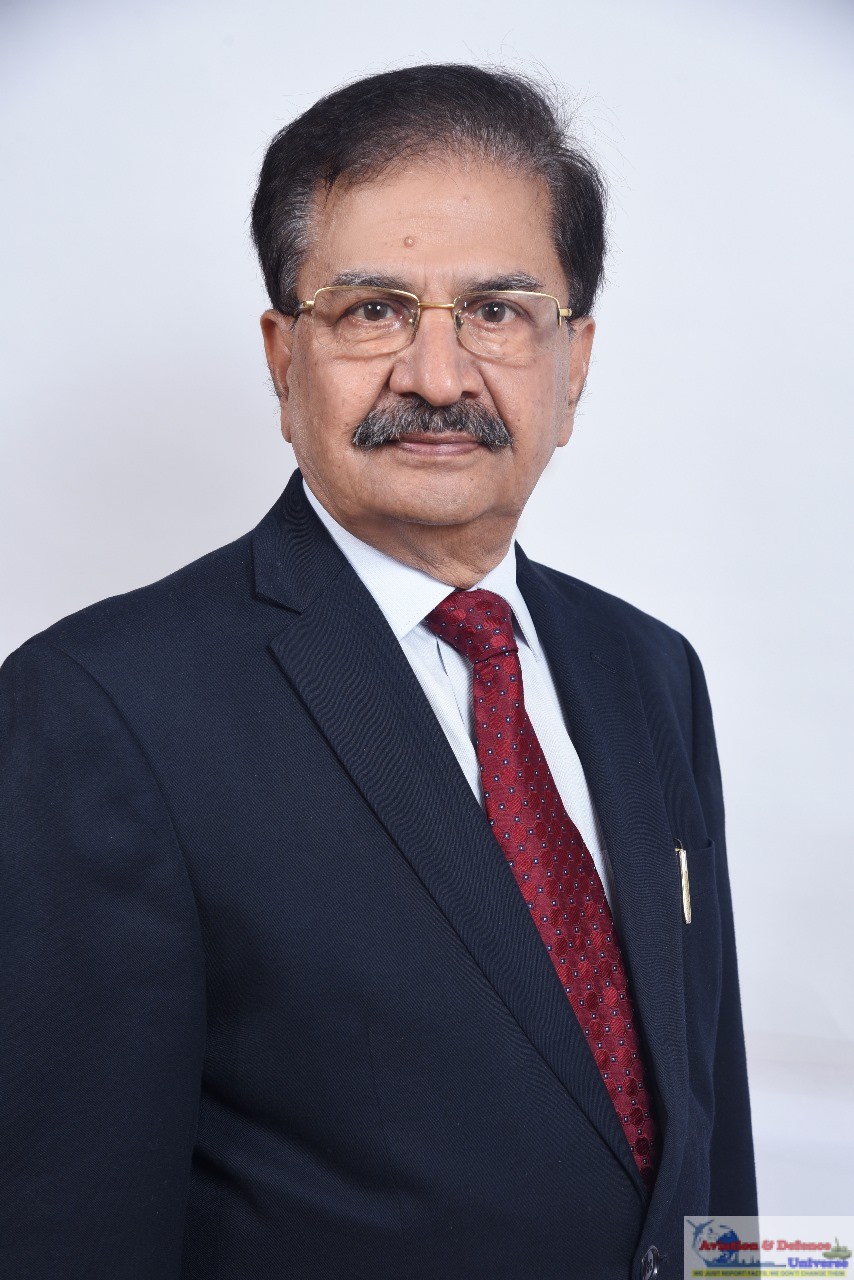
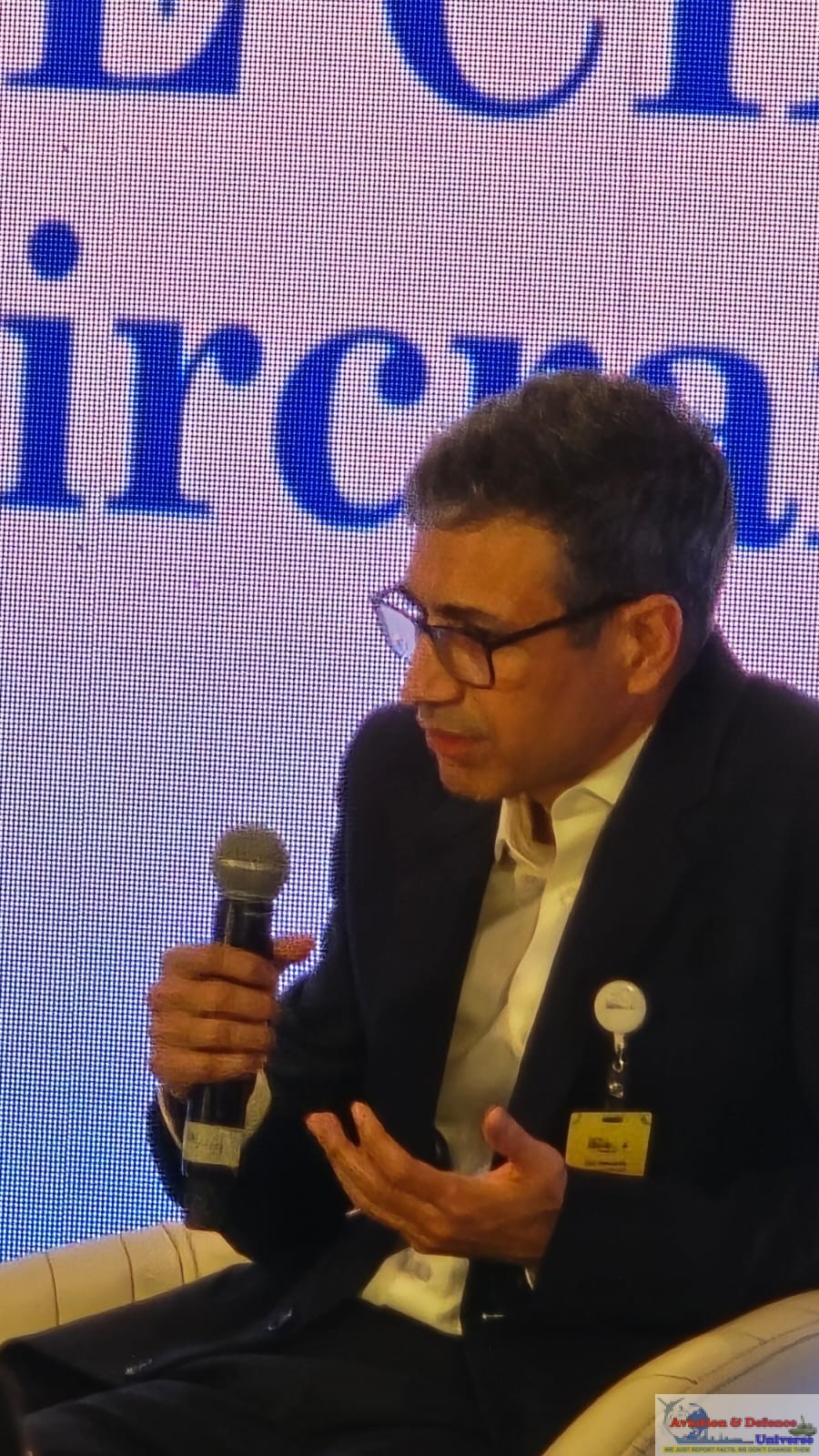 Gp Capt Bali highlighted DGCA’s constructive role in shaping the enabling framework and invited Atul Maindola to provide an update following recent regulatory consultations. Maindola confirmed that enabling provisions are being incorporated into upcoming rules. “We have provided the new positions in the rules which are coming up. That basically allows us to have the aircraft management service provider who will be operating the aircraft under the existing regulatory framework itself,” he said. He clarified that the regulatory approach will not disrupt current frameworks. “If you are operating the aircraft, you continue to comply with the regulations. If you are operating in a private use category, you will continue to operate. The only thing is there is a professional entity which will come in so that the operation and maintenance goes to a professional entity called the aircraft management service provider.”
Significantly, DGCA does not intend to introduce a complex standalone fractional ownership regulation at this stage. “We are not coming up with elaborate regulations calling it fractional ownership. We are creating enabling provisions. We will have provisions to enable multiple owners, and then the industry will work it out,” Maindola explained. He acknowledged that taxation remains a core challenge. “DGCA can only enable it. All aspects of taxation are policy-level issues which have to be addressed by the Ministry,” he said.
Is fractional ownership in India a failed model or still in coma? Fractional ownership in India hasn’t failed outright — but it’s certainly not yet a flourishing, mainstream model either. At present it’s more accurate to say the concept is still in a regulatory “coma”, barely emerging from its nascent stage rather than dying on the vine. Unlike mature markets such as the US or Europe, where well-defined fractional ownership frameworks (e.g., FAA’s Subpart K) support structured multi-owner usage with clear contract, taxation, and operational rules, India never fully operationalised a comparable model. Earlier experiments — including limited shared ownership or investment-linked arrangements — struggled largely because of lack of regulatory clarity on how multi-owner operations should be structured, taxation ambiguities, especially around depreciation, GST and cross-border agreements, no formal contract models or standardized documentation for multi-user aircraft and regulatory hesitation to introduce ownership-linked rules without mature market precedents
Those factors prevented fractional ownership from scaling, meaning it has not become embedded in the mainstream general aviation ecosystem. However, it would be premature to declare the model dead. Recent developments — including emerging enabling provisions for aircraft management service providers, ongoing policy discussions with the Ministry of Civil Aviation, and industry engagement with DGCA — suggest that India is deliberately taking a phased, cautious approach.
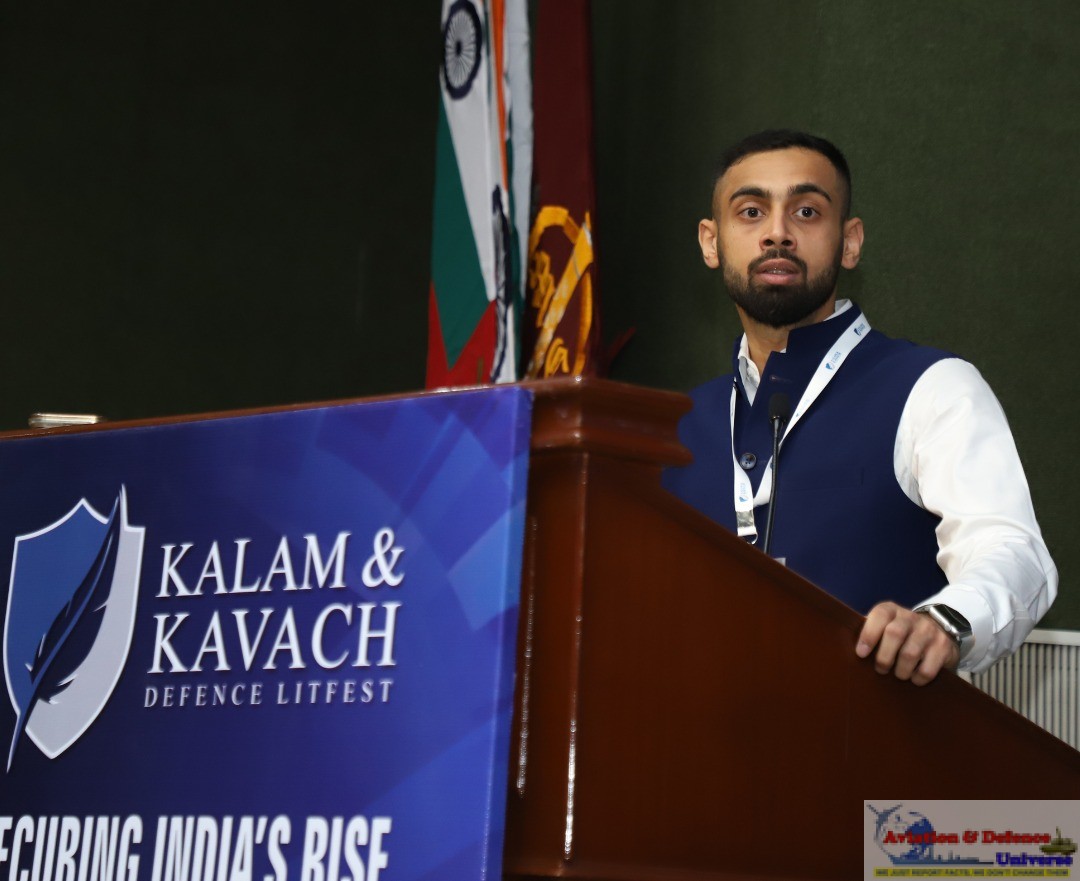
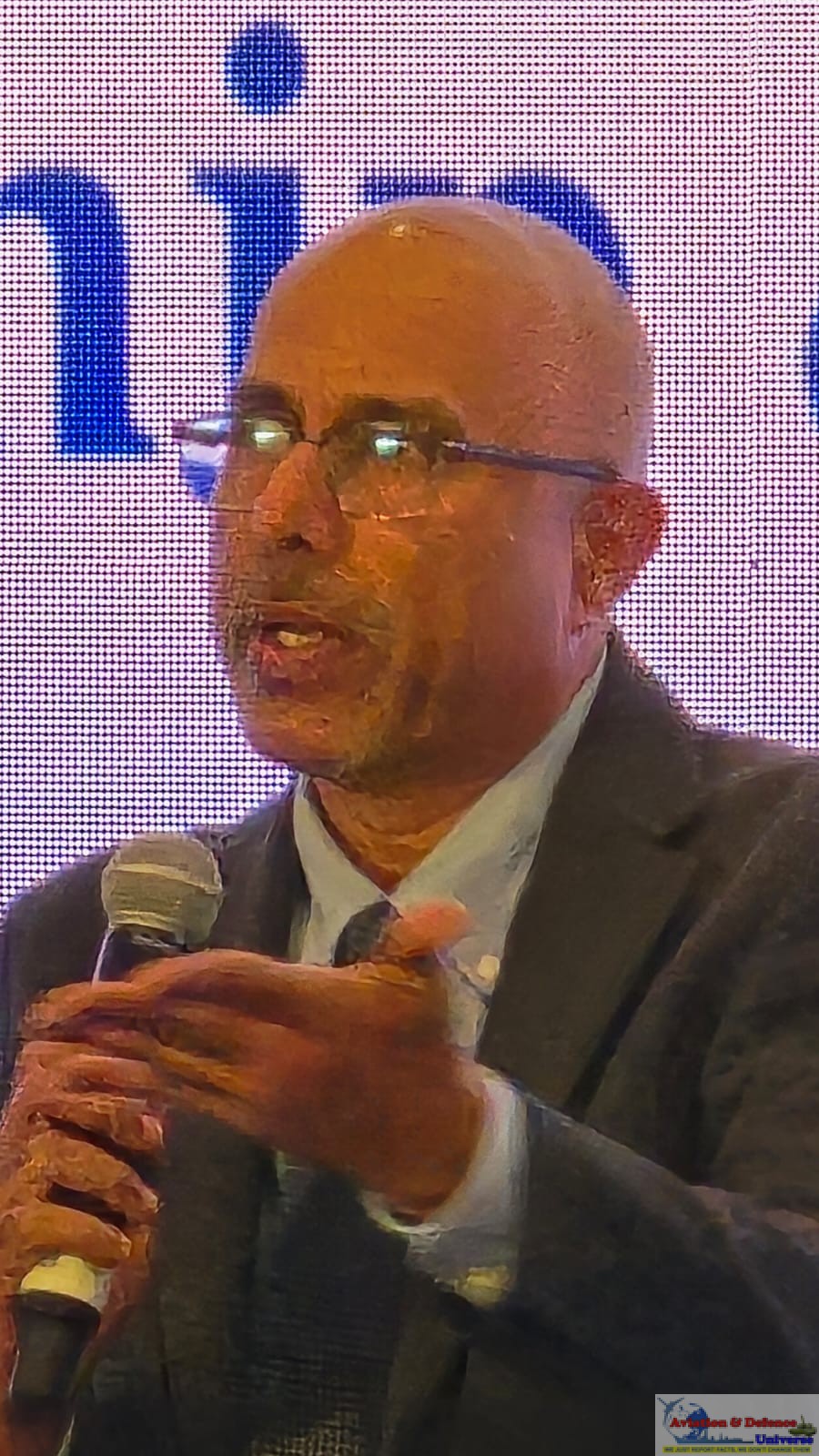 Jayant Nadkarni cautioned that while fractional ownership appears attractive, it demands structural and psychological transformation within the industry. “Fractionation sounds like a very elegant term, but there’s a lot of stuff to do. It’s quite a complex programme,” he said. Operators, he noted, must adopt robust systems. “Proper operations. Sanitised operations. Proper KYCs. Clear contracts. No misuse. There will always be misuse. Proper mechanisms of handling misuse and defaults.” He stressed that Indian operators must elevate financial transparency and SOP sophistication to match global standards.
Instead of leapfrogging straight into a full Subpart K-style regime, the regulatory focus is currently on establishing aircraft management rules that allow professional entities to manage operations, creating legal clarity around multi-owner arrangements, preparing the ground for future fractional ownership regulations and addressing tax and transaction clarity with the Ministry of Finance. In that context, fractional ownership in India is not so much “failed” as undeveloped and delayed — more like an idea in stasis while the regulatory groundwork is laid. The reason isn’t lack of industry interest, but a deliberate effort to ensure that when the model does arrive, it arrives with clear rules that protect owners, operators, regulators and the flying public alike.
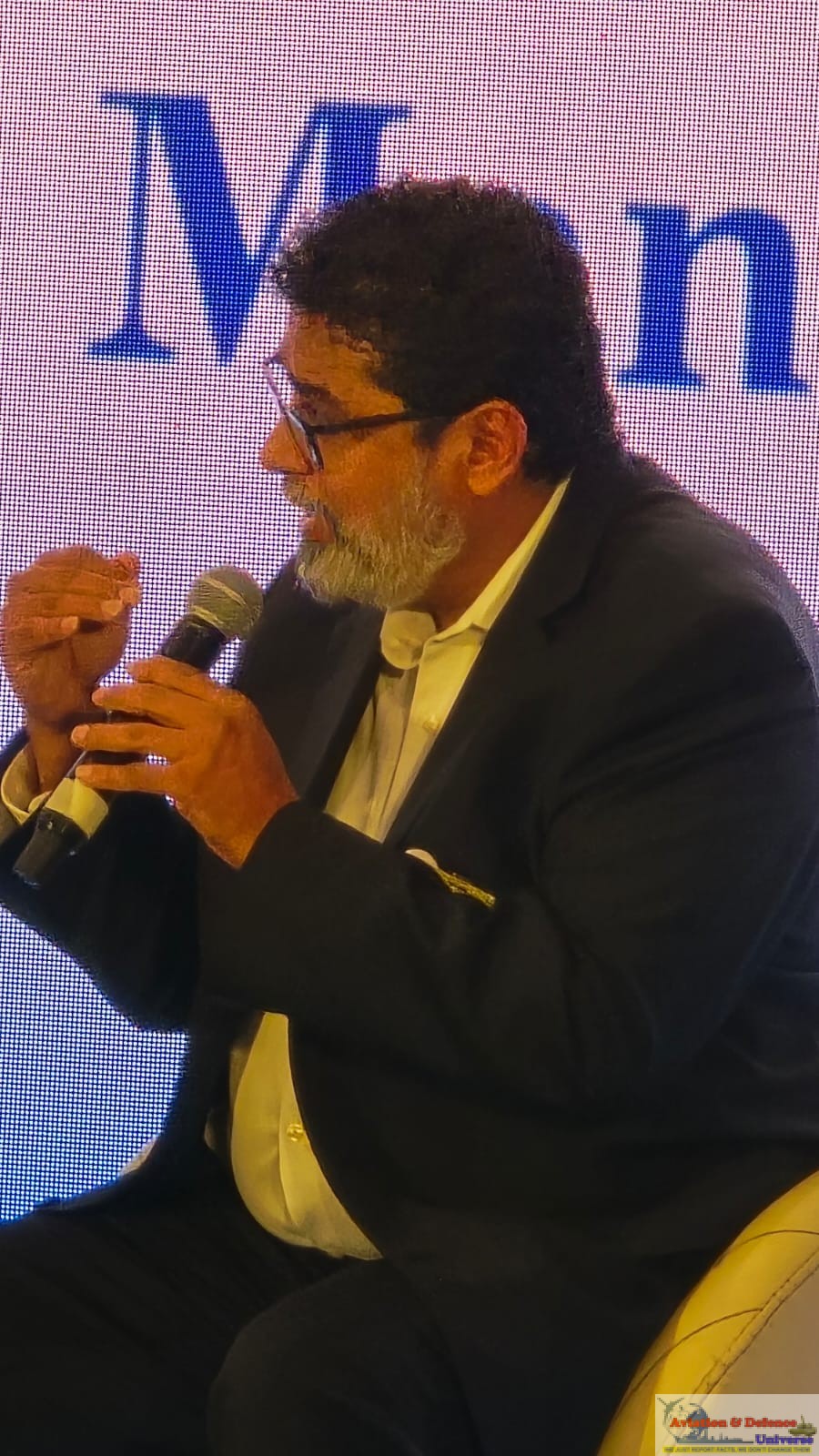 Vineet Phatak brought international perspective from ACASS, sharing lessons from mature markets. “Globally, aircraft management is a big facilitator for aircraft sales. It’s a big facilitator for people to start getting new aircraft,” he said. However, he warned that success hinges on robust documentation. “We need to have a legal document that’s vetted and validated. Transparency is key. Comfort comes when there is transparency,” he added.
Operational control and liability allocation present another challenge. In a multi-owner model, clarity is required regarding who holds final operational authority, how liability is distributed in the event of an accident, and how insurance structures are configured. Regulators must ensure that operational integrity is not diluted in a shared ownership model. Without clearly defined custodianship of responsibility, enforcement and safety oversight become complicated. India also lacks standardized contractual frameworks for fractional arrangements. There are no vetted aircraft management agreements or model fractional ownership contracts available for industry-wide adoption. This contractual vacuum increases legal risk and complicates financial structuring. Mature markets have developed standardized documentation over decades; India must build that foundation deliberately.
Rajshirke further differentiated between aircraft management and fractional ownership as phased steps. “First step is managing one aircraft for a corporate. Second stage is fractional ownership where one aircraft is operated for four or five owners. Now how are you going to invoice it? How are transactions going to be structured from the taxation and GST point of view?” he asked. He urged cautious optimism. “We should not have a very optimistic but a cautiously optimistic way of implementing these models in a step-by-step manner.”
Fractional ownership in India’s general aviation ecosystem faces a unique combination of structural, regulatory and financial challenges. The most significant hurdle continues to be taxation ambiguity. There remains uncertainty regarding GST applicability in shared ownership structures, clarity on depreciation benefits for multiple owners, and the treatment of import duties when aircraft are jointly owned. Tax authorities have historically expressed concern about potential revenue leakage, which has made ministries cautious. Until taxation provisions are explicitly aligned with the operational framework, large-scale adoption remains difficult.
Beyond taxation, regulatory gaps also constrain progress. India does not yet have a structured equivalent to the FAA’s Subpart K framework that specifically governs fractional ownership. There is no clearly codified mechanism defining multi-owner operational control, nor a detailed framework outlining the distribution of responsibility between owners, operators and aircraft management service providers. This absence of formal structure creates uncertainty in compliance interpretation and enforcement.
Maindola reiterated that the regulatory door is being opened deliberately. “The doors which were slammed shut so far should be opened with enabling provisions. Whether it is fractional or aircraft management, there should be an enabling provision. Thereafter the industry will perform well,” he said. He noted that in the US, detailed fractional regulations evolved only after the industry matured significantly. “India is just starting off. We are zero today. So the right thing is being done.”
 The taxation dimension drew pointed discussion. Gp Capt Bali emphasised that depreciation benefits are central to investor interest. “You want to be fractional because you are getting depreciation benefit out of it. That is the bottom line,” he remarked, referencing earlier models such as CloudOne Air. Panelists acknowledged that clarity from the Ministry of Finance would be critical in unlocking the model’s viability.
Industry readiness is another important factor. Most Indian non-scheduled operators are structured around single-owner models. Managing multiple owners requires advanced financial transparency, usage accounting, robust invoicing systems, structured reporting and strong governance frameworks. Operators must evolve from traditional practices to more sophisticated asset management systems if fractional ownership is to succeed sustainably.
Capital and financing ecosystems further limit expansion. Indian banks remain conservative toward aviation assets, and structured aviation finance expertise is still developing. The leasing ecosystem is not yet deep enough to seamlessly support multi-owner models. Without accessible financing and asset-backed lending structures, scaling fractional models becomes slower.
As the session concluded, the overarching consensus was clear: fractional ownership and aircraft management are not merely financial instruments but structural reforms capable of unlocking capital, consolidating operations, and driving sustainable growth in India’s general aviation sector. With regulatory enabling provisions expected in the coming months, the responsibility now shifts to the industry to build transparent, professionally managed frameworks that can withstand regulatory scrutiny and deliver long-term stability.
From a regulatory perspective, key blockers remain inter-ministerial coordination and policy sequencing. Formal recognition under the National Civil Aviation Policy is still evolving. Taxation approval from the Ministry of Finance is critical. Historical misuse of separate owner-operator concepts has also made regulators cautious. There is concern that fractional ownership could be used for tax arbitrage rather than genuine aviation growth. Additionally, the industry has yet to present a fully unified model that addresses both compliance and taxation simultaneously.
 A phased roadmap offers the most practical way forward. The first phase should focus on enabling aircraft management service providers within the existing regulatory framework. Outsourcing of operations and maintenance can be formally structured without immediately introducing full fractional complexity. This creates the professional management layer necessary for shared ownership to function safely.
The second phase can introduce a structured multi-owner framework. Under this stage, aircraft may be owned by multiple stakeholders but must be managed by a certified aircraft management service provider. Standardized contracts, transparent cost allocation systems and operational control clarity must be mandated. Parallel engagement with the Ministry of Finance should aim to clarify taxation treatment at this stage.
 The third phase, once early projects demonstrate success, can formalize fractional ownership recognition with dedicated sub-regulations. These regulations may define minimum ownership shares, usage rights, depreciation eligibility and capital structuring norms. At this stage, India may consider a framework comparable in principle to international models but adapted to domestic legal and tax environments.
Throughout these phases, ecosystem strengthening must continue. Standardized documentation, compliance handbooks, dispute resolution mechanisms and aviation finance engagement are essential. Industry awareness initiatives will also be necessary to build confidence among potential owners.
India’s fractional ownership model will likely differ from Western frameworks in its early years. It will be more regulator-supervised, more taxation-sensitive and more compliance-driven during the initial stages. Mature markets built their frameworks over decades of operational experience; India must evolve its model cautiously to avoid structural weaknesses.
Fractional ownership in India cannot be described as a failed model. It is not fully operational either. It is best understood as a model in regulatory incubation. The concept carries significant potential in a capital-constrained economy where asset sharing can unlock demand, improve fleet utilization and professionalize general aviation operations. Success will depend not on speed, but on sequencing reforms carefully, ensuring taxation clarity and building institutional strength before scaling. If implemented with discipline and transparency, fractional ownership can become a strategic growth lever for India’s business aviation ecosystem rather than a regulatory experiment.
 And the conclusion was that a team led by the Minister in power at Rajiv Gandhi Bhawan will have to give the push which will get fractional ownership out of the regulatory incubation . As the session concluded, one message resonated clearly across regulators, operators and global experts alike — fractional ownership in India will not succeed through speed, but through structure. The path forward lies in enabling aircraft management frameworks first, aligning taxation clarity with regulatory intent, and allowing the industry to evolve responsibly through phased implementation. With DGCA opening the regulatory door and the industry acknowledging the need for transparency, robust contracts and disciplined governance, India now stands at the threshold of a model that could unlock capital efficiency and expand access to business aviation. The transition may be cautious, but if executed with coordination and foresight, fractional ownership could emerge not as a borrowed concept from the West, but as a calibrated, India-specific growth engine for general aviation. Biz Av India 2026 thus marked a pivotal moment — not the finalisation of fractional ownership in India, but the opening of a regulatory runway for its careful and strategic take off. Lets keep our fingers crossed !



















































































-A4-Size-(2)_page-0001.jpg)