


 18th BRICS Summit
















- Decode Defence Acquisition Procedures, iDEX, TPCR and Testing Processes
- Two-Day Workshop Guides Industry Through Defence Acquisition Ecosystem
- Armed Forces, Innovators & Venture Capitalists Brainstorm Defence Indigenisation
By Sangeeta Saxena
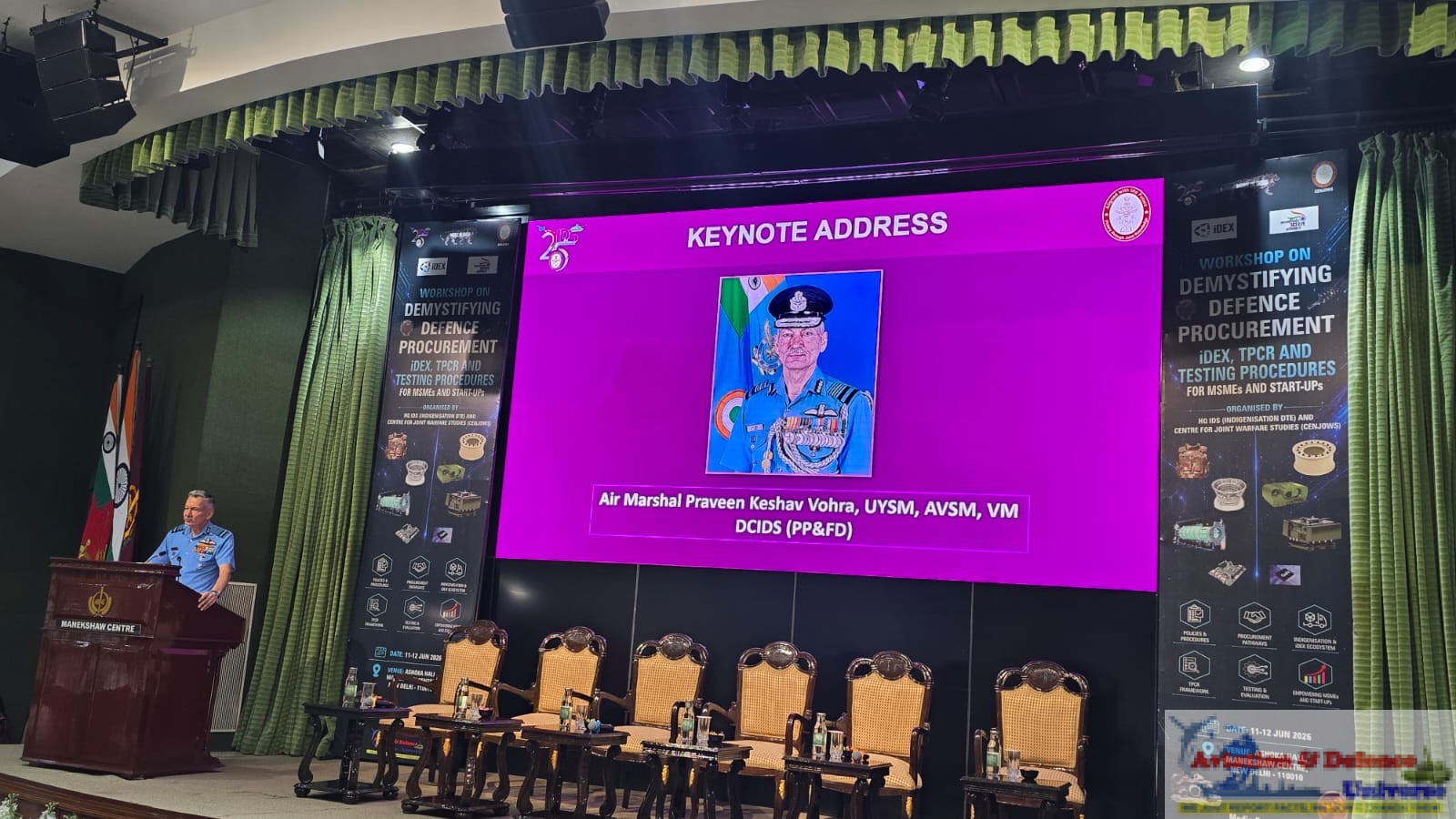
New Delhi. 11 June 2026. India’s journey towards defence self-reliance requires not only visionary policies and military preparedness but also a vibrant ecosystem of innovators, manufacturers and entrepreneurs capable of transforming ideas into battlefield-ready capabilities. Recognising the need to bridge the information gap between the armed forces and industry, the Centre for Joint Warfare Studies (CENJOWS), in collaboration with Headquarters Integrated Defence Staff (HQ IDS), organised a two-day workshop titled “Demystifying Defence Procurement, iDEX, TPCR and Testing Procedures for MSMEs and Start-ups.”
The event brought together defence officials, policymakers, venture capitalists, startups and MSMEs to provide practical insights into India’s evolving defence procurement ecosystem. Designed as an interactive platform rather than a conventional seminar, the workshop sought to address persistent misconceptions surrounding defence acquisition procedures and help industry participants navigate opportunities within the defence sector.
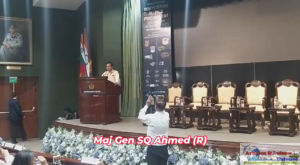
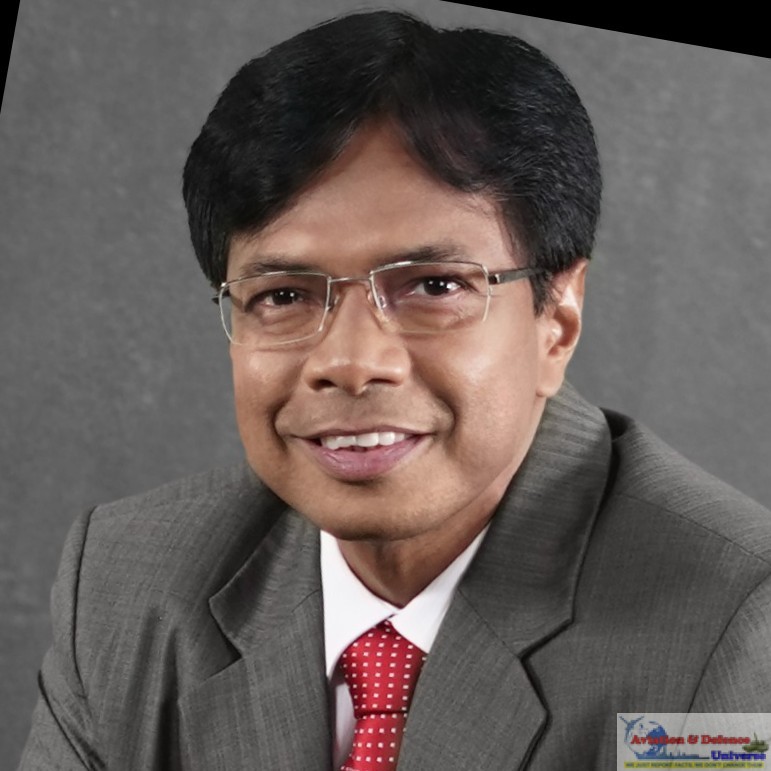
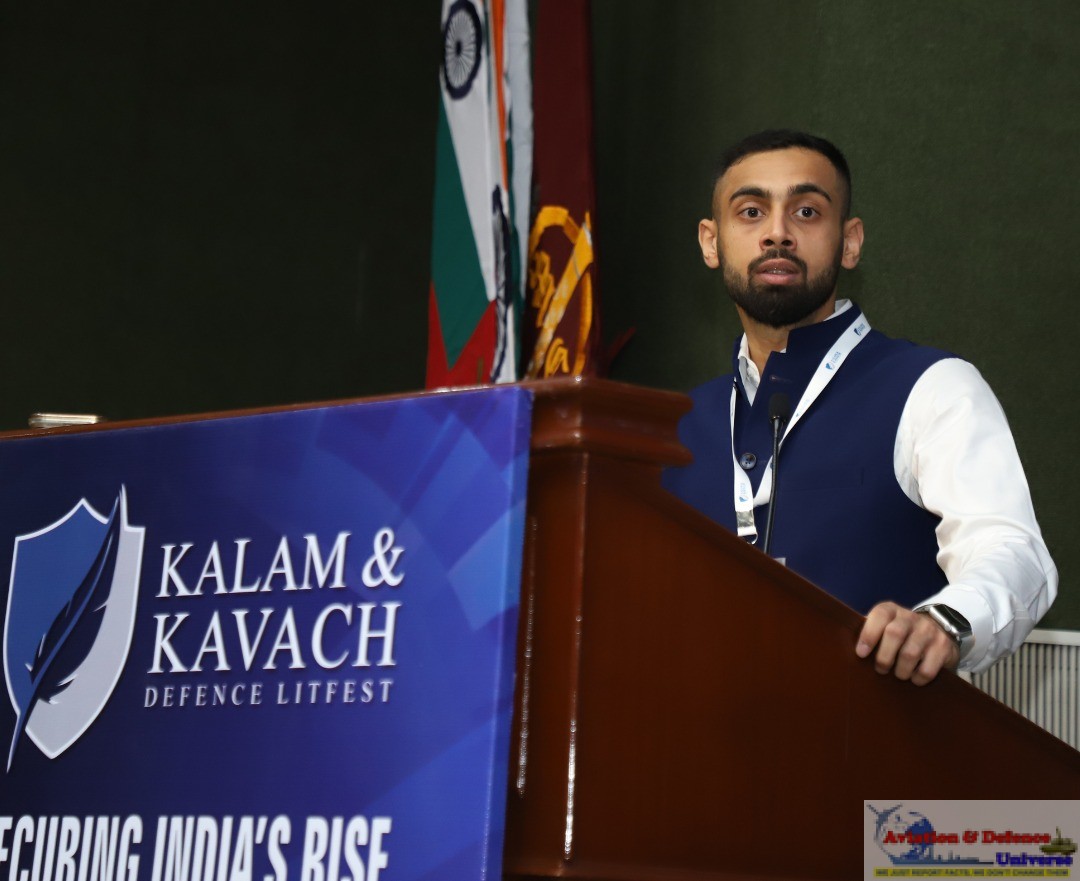
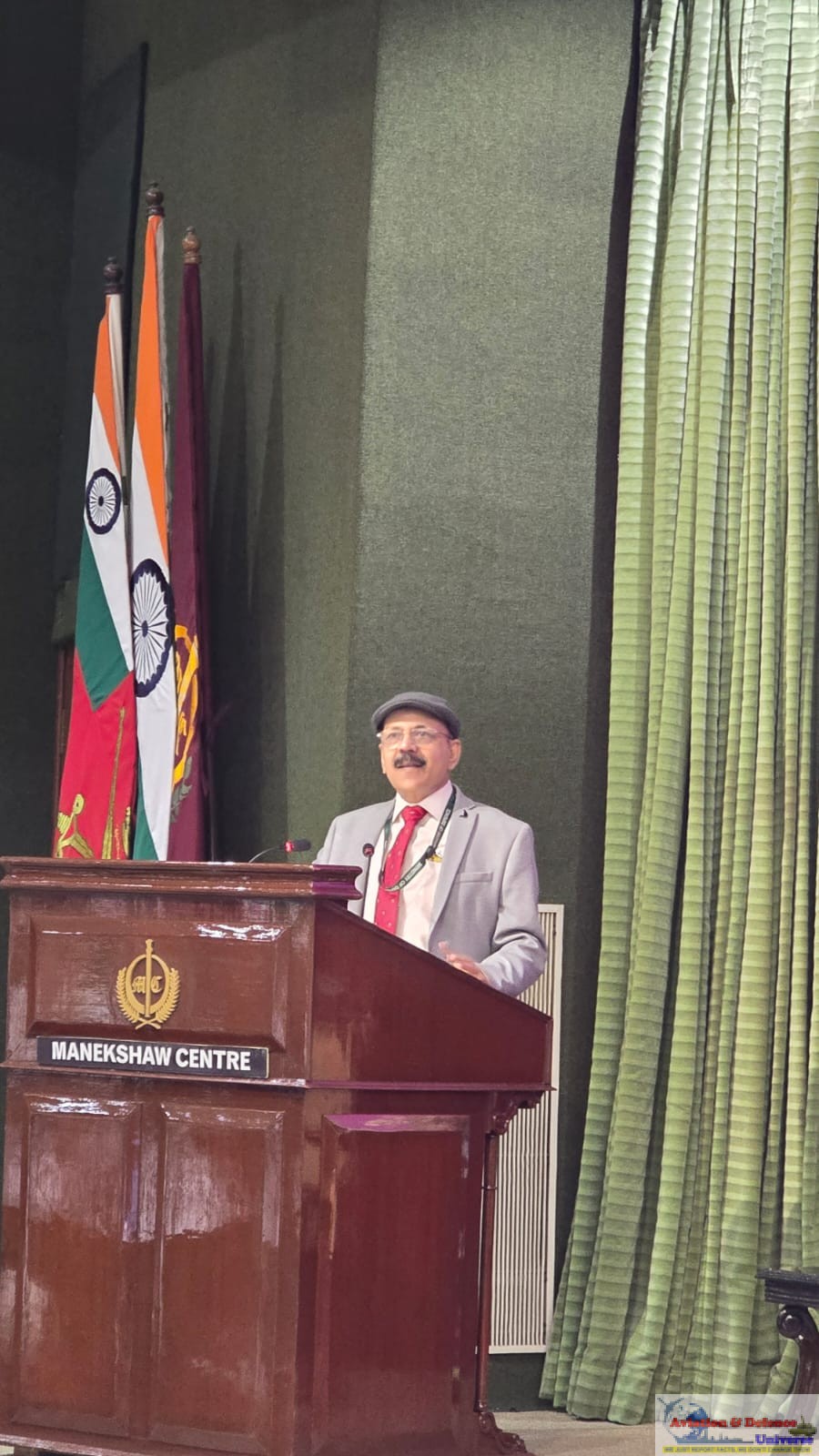 Opening the workshop, Director General CENJOWS, Maj Gen Ashok Kumar (Retd.), emphasised that the event was conceived specifically to address the concerns and questions raised by industry stakeholders. “There have been more than 50 queries on various subjects which we have shared with our guest speakers and they will be covering these aspects while they speak to you,” he said.
Highlighting the interactive nature of the workshop, he added, “It is not a conventional workshop. It is not going to be a monologue or one-way traffic. This is going to be a mutual interaction-based exercise.” According to Maj Gen Kumar, many startups and MSMEs continue to perceive defence procurement as inaccessible and excessively complicated.
“The idea is that the myth which is prevailing in the minds of a large number of MSMEs, startups and industry players that it is very difficult to enter the domain of defence procurement. That myth is busted because that is not based on facts.”
He noted that substantial efforts have been made by the Ministry of Defence and Service Headquarters to place information in the public domain, yet a perception gap remains. “Still that perception and gap persist and we, in these two days, are going to address that myth comprehensively.”
The workshop also features participation from nearly twenty venture capital firms, reflecting growing recognition of the need for financial support mechanisms within the defence innovation ecosystem. “We have also got close to around 20 venture capitalists because startups and MSMEs have a very major challenge of getting capital support for their ventures and efforts,” he observed. Maj Gen Kumar stressed that the relationship between industry and the armed forces has evolved significantly.
“Initially, industry was seen as vendors. Then a new term came that they became partners. But frankly speaking, today you have moved beyond the concept of partners. Today you are custodians of national security.” Underscoring the importance of indigenous capability development, he remarked, “No defence forces can fight an effective battle without indigenous supporting equipment which is latest and technologically advanced.”
Describing defence procurement opportunities, he said, “Defence procurement and the options which are there are like a kind of treasure hunt. There is a huge treasure which you can own provided you take the right path and move there first.” He concluded by urging participants to adopt a mission-mode approach. “We don’t have time to really wait and do progress, innovation or problem-solving in the conventional way.”
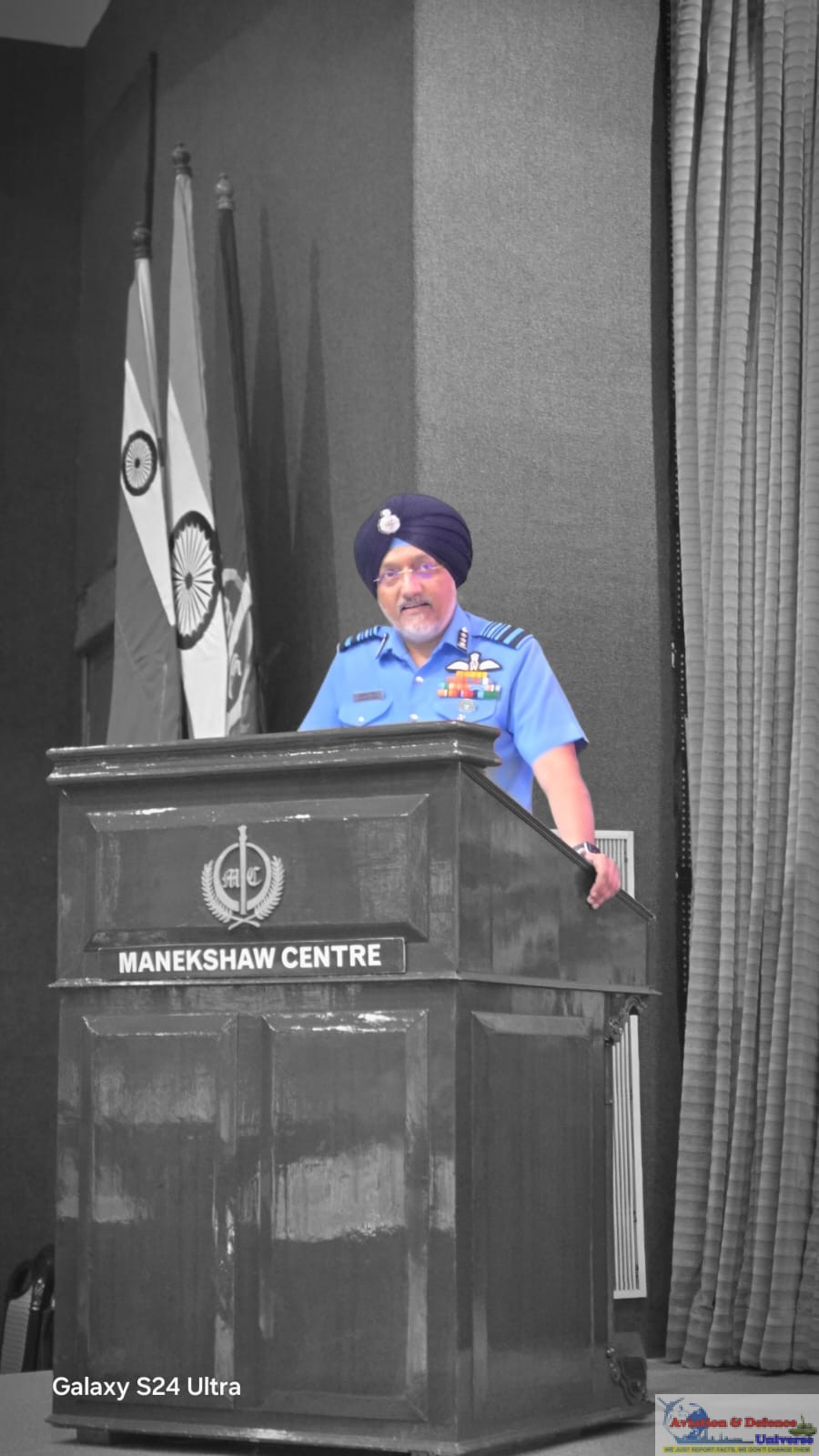
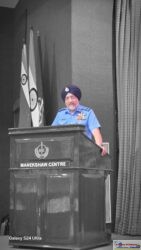
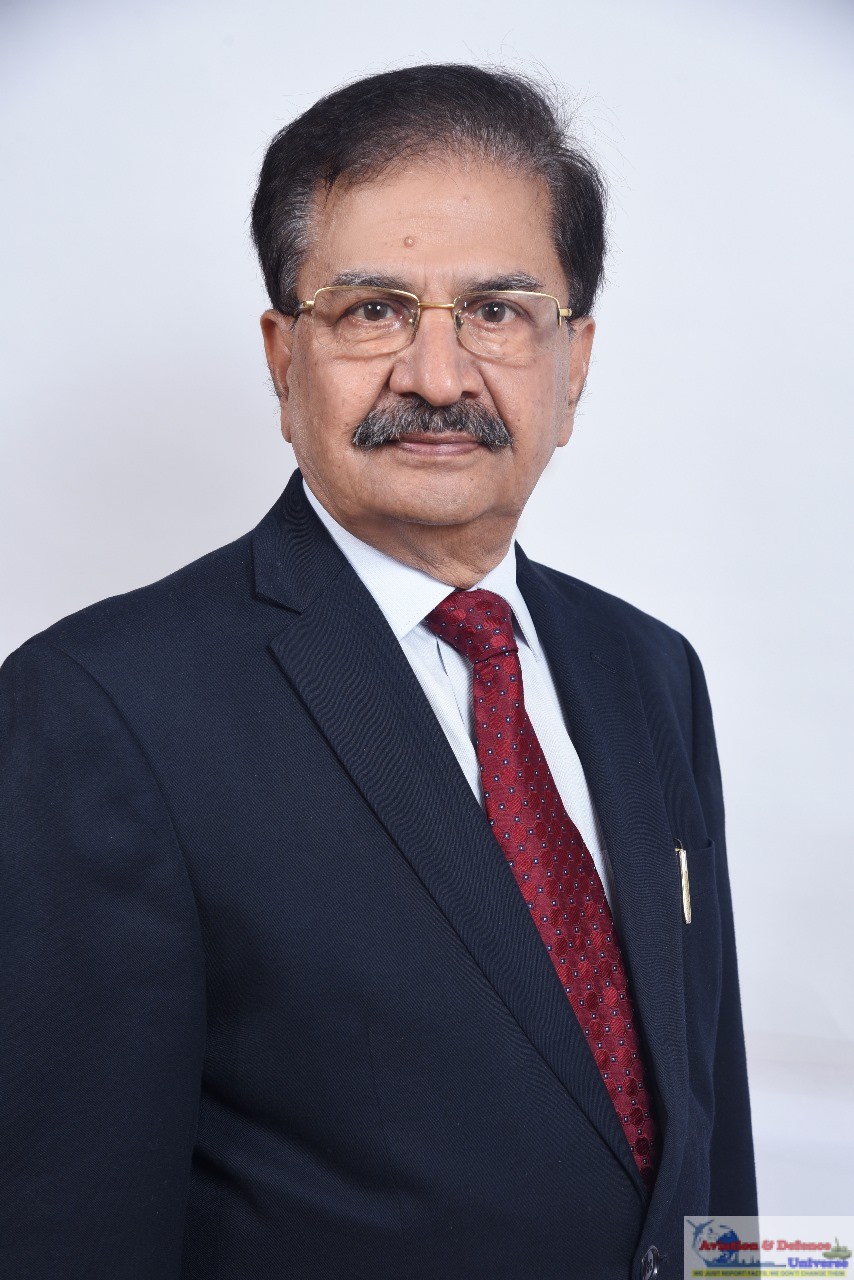
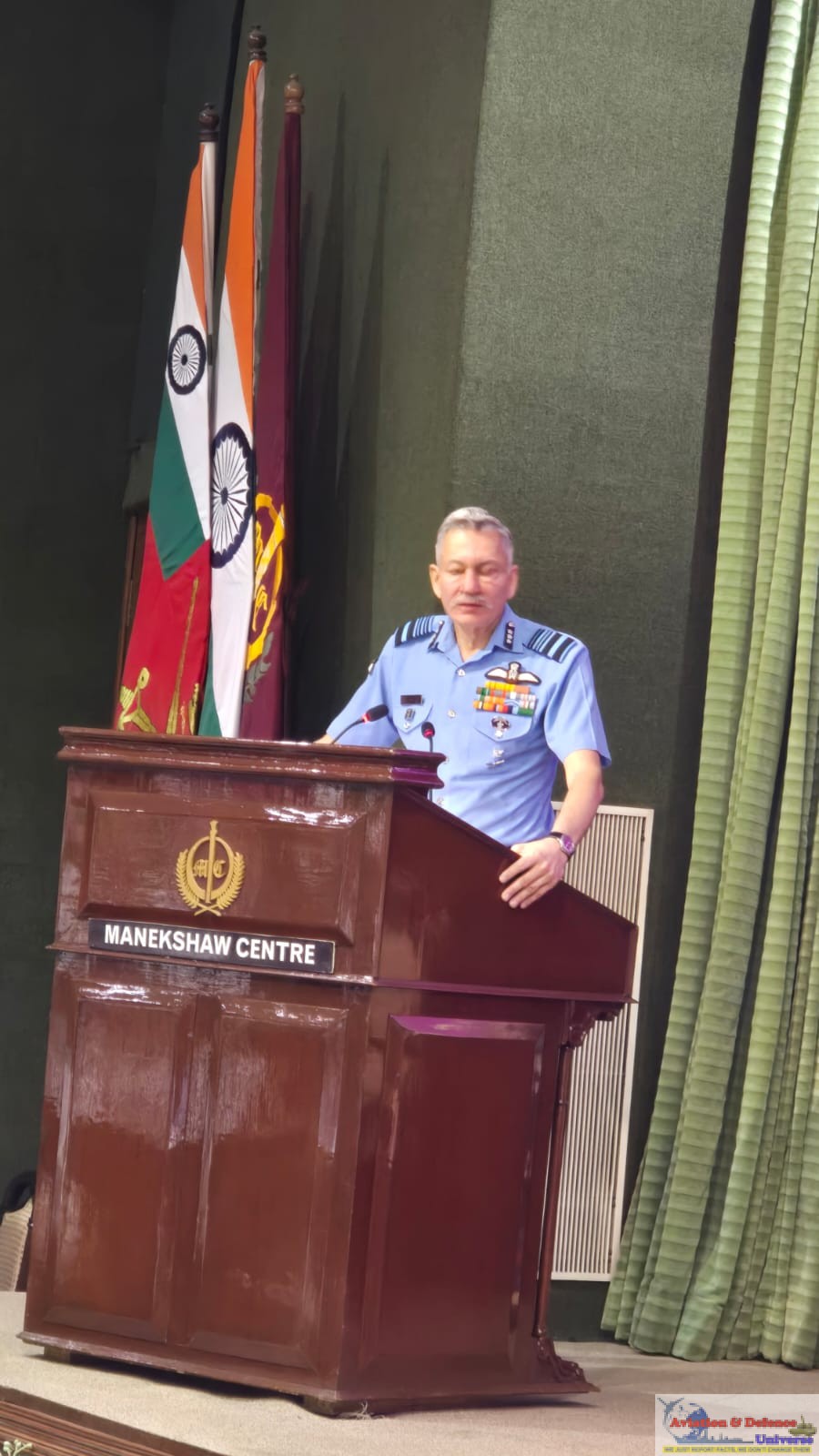 Delivering the keynote address, Air Marshal Praveen Keshav Vohra, DCIDS (Policy Planning & Force Development), highlighted the indispensable role played by startups and MSMEs in strengthening national security. “MSMEs and startups are as much a part of defence preparedness as the armed forces themselves.” Recalling operational experiences, he noted that indigenous technologies developed by startups had already proven their value during critical deployments. “The startups who had created those systems and whom we had bought from were at the front with us, carrying out the development.”
Tracing India’s defence industrial journey, Air Marshal Vohra explained that the country initially pursued self-sufficiency after Independence before shifting towards licensed production and is now returning to a model focused on self-reliance. “In the last decade now, we are once again shifting back to Atmanirbharta and self-reliance which is the requirement today. He stressed the urgency of accelerating capability development.
“We don’t have lead time to prepare for 10-15 years. We are surrounded by our enemies and anything can happen in a very short time.” Highlighting the growth of India’s defence manufacturing sector, he noted, “In 2014 we had a defence production of about ₹47,000 crore. Today it has gone up to about ₹1,27,000 crore.” He described MSMEs and startups as the foundation of India’s defence industrial ecosystem. “The base and the backbone of the entire defence production rests with you, the MSMEs and the startups.”
The Air Marshal cited several indicators demonstrating India’s defence transformation. “Our defence budget has effectively tripled in the last decade, reaching a monumental ₹7.85 lakh crore in 2026-27.” “Seventy-five percent of our capital budget—₹1.39 lakh crore—is reserved for indigenous production.”
He also pointed to the growing export footprint of India’s defence industry informing , “We are now exporting to 80 countries.” “The volume is already about ₹38,000 crore and likely to expand exponentially in the future.” Addressing one of the most frequently raised concerns among entrepreneurs, Air Marshal Vohra highlighted the government’s growing support mechanisms. “One of the most common questions heard in startups is, where is the capital for high-risk R&D?” “The answer lies in our robust grant system.” He explained that the government has moved beyond conventional procurement towards active financial partnership with innovators.
 “Government offers substantial tailored grants at the innovation stage itself.” “We have moved beyond simple procurement to active financial partnership. According to him, iDEX now provides support ranging from ₹1.5 crore to ₹25 crore for startups. “This is to bridge the gap between a brilliant idea and a combat-ready platform.” He also highlighted additional support mechanisms including the Aditi Scheme and DRDO’s Technology Development Fund (TDF), which aim to support deep-tech development and long-term innovation. A major focus of the workshop was the effort to create equitable opportunities for private industry.
“One of the most significant changes which has happened in the last couple of years is the creation of a level playing field,” Air Marshal Vohra said. “In the past there were barriers to entry for private players. Now DPSUs are bidding in open tenders against all participants. Our requirements are made so that we don’t rule out any of the MSMEs, ” he added. He also addressed industry concerns regarding lengthy testing and trial procedures. “We recognise that all of you who have made something face what can be called the valley of death—the trial process. We have ensured that we are facilitating everything so that the trials go through expeditiously and we can get from an idea to a capability to production, ” he enhanced. The armed forces, he explained, are prepared to support innovators throughout the development cycle. “We will offer you the testbed, we will offer you the trial area and facilitate all the trials so that induction is conducted in a swift manner.”
Looking ahead, Air Marshal Vohra outlined India’s ambition to emerge as a leading global defence manufacturing power. “Our ultimate goal is to make India a global defence manufacturing hub and a top five global defence producer by 2047.” Emphasising collective responsibility, he reminded participants that defence preparedness extends beyond the military. “When a war takes place, the nation is at war. It is not just the defence forces who are at war. Every one of you is a soldier at that moment in time.” Calling upon startups and MSMEs to embrace the challenge, he said, “I expect the MSMEs and startups which are the backbone of our industry to prepare from this moment on.”
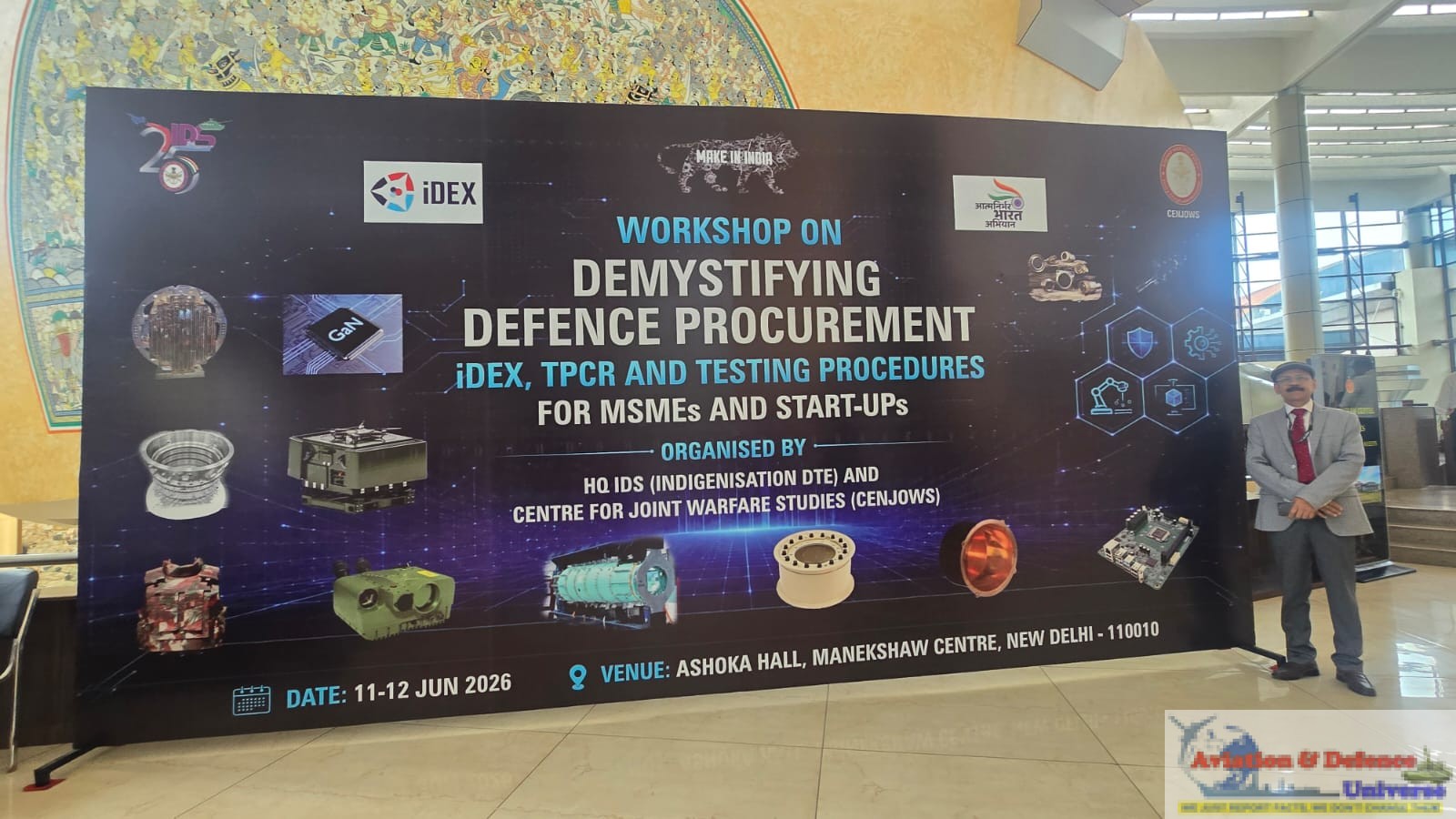 The inaugural session of the workshop set the tone for two days of candid dialogue, practical guidance and strategic engagement between the armed forces, industry and investors. Through the combined efforts of CENJOWS and HQ IDS, the event sought to dismantle long-standing misconceptions about defence procurement while providing startups and MSMEs with direct access to policymakers, procurement experts and venture capitalists. With India’s defence production, exports and indigenous capabilities expanding rapidly, the workshop underscored a central message: defence self-reliance cannot be achieved by the armed forces alone. It requires a collaborative ecosystem in which innovators, manufacturers, investors and military stakeholders work together to transform ideas into operational capabilities and position India as a leading global defence manufacturing power.









































































-A4-Size-(2)_page-0001.jpg)