
























- ‘iDEX Is a Facilitator, Not a Decision-Maker’: Vivek Virmani Explains the Defence Innovation Journey
- From Grants to Guaranteed Procurement: How iDEX Is Reshaping Defence Innovation
- Innovation Meets National Security: iDEX Emerges as a Force Multiplier for Defence Startups
By Sangeeta Saxena
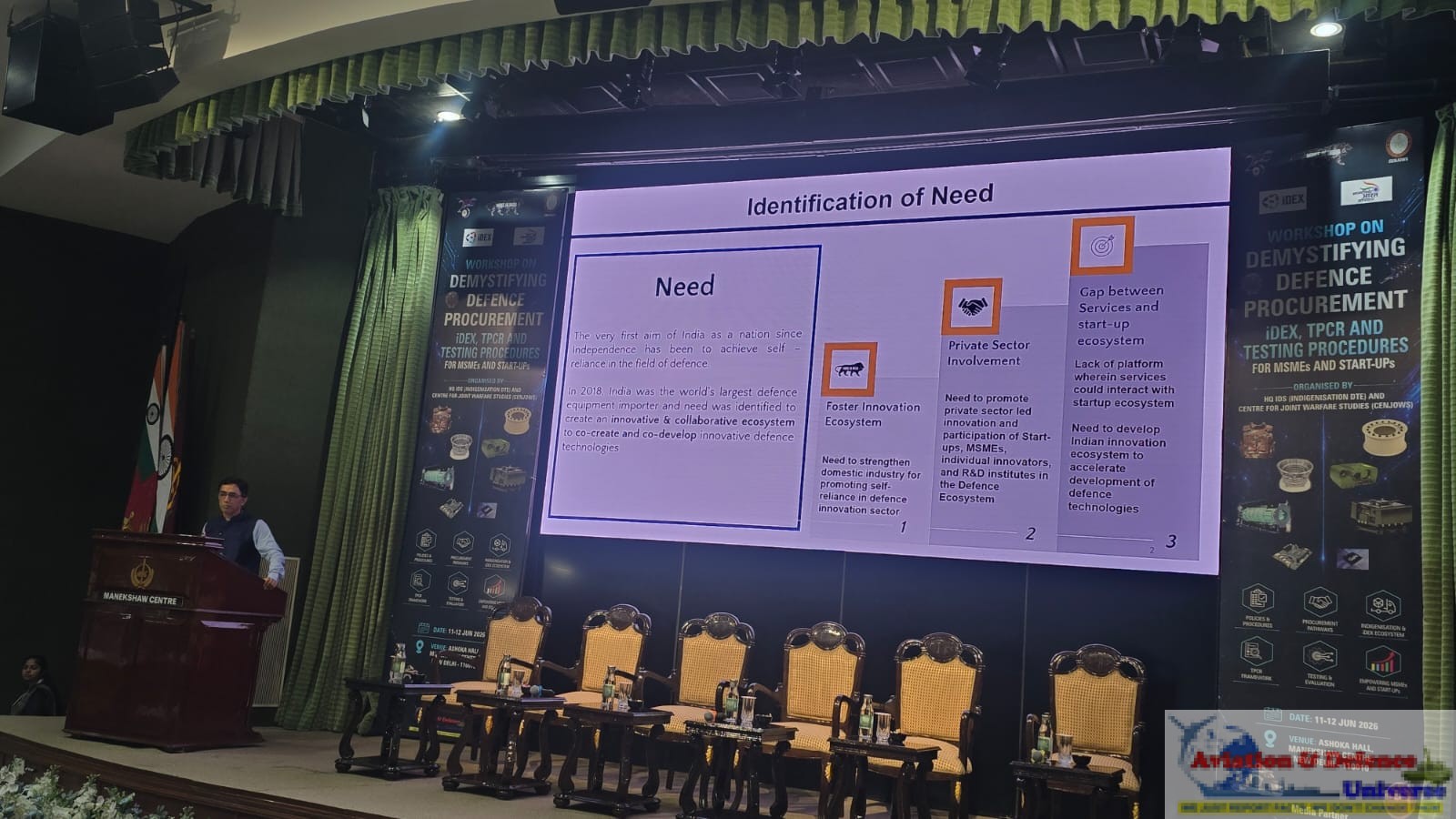
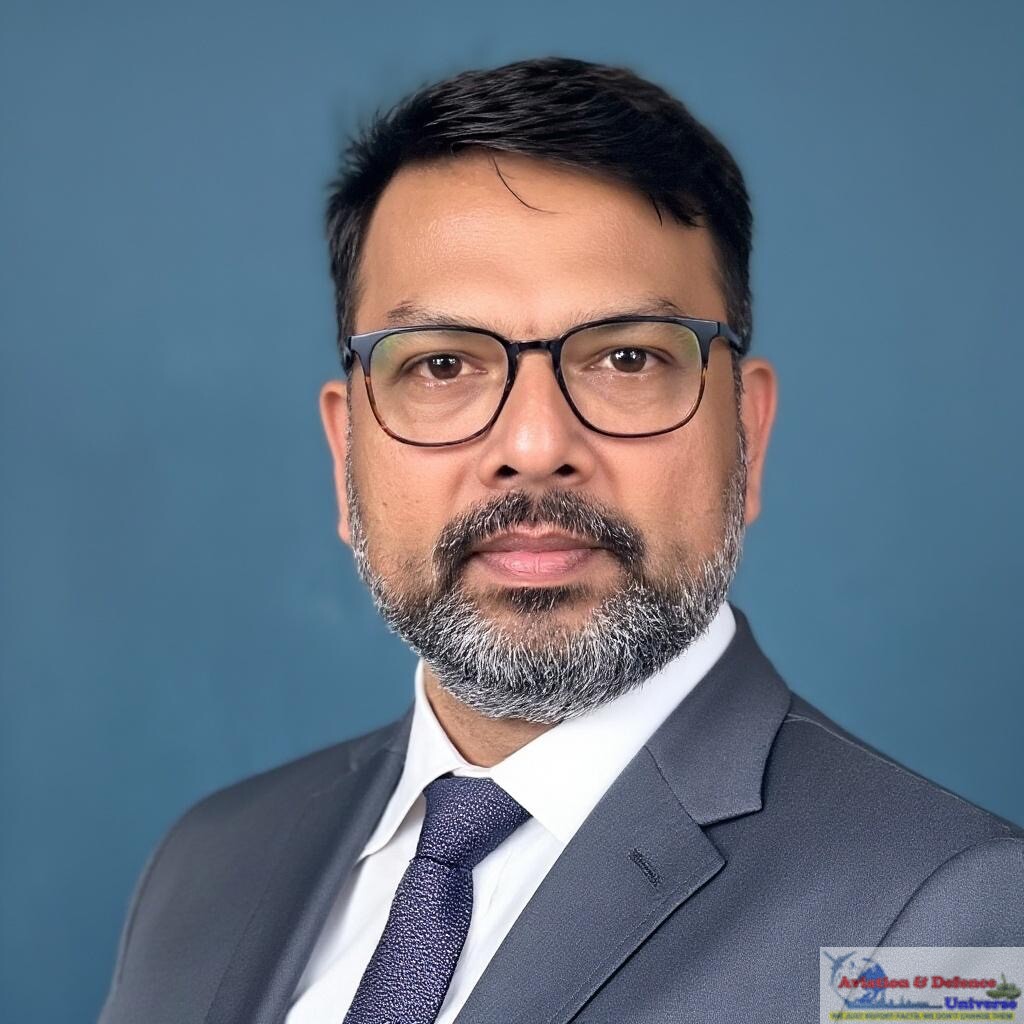
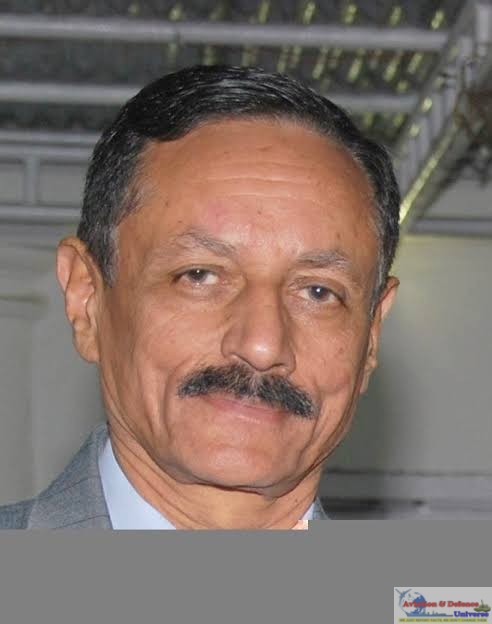
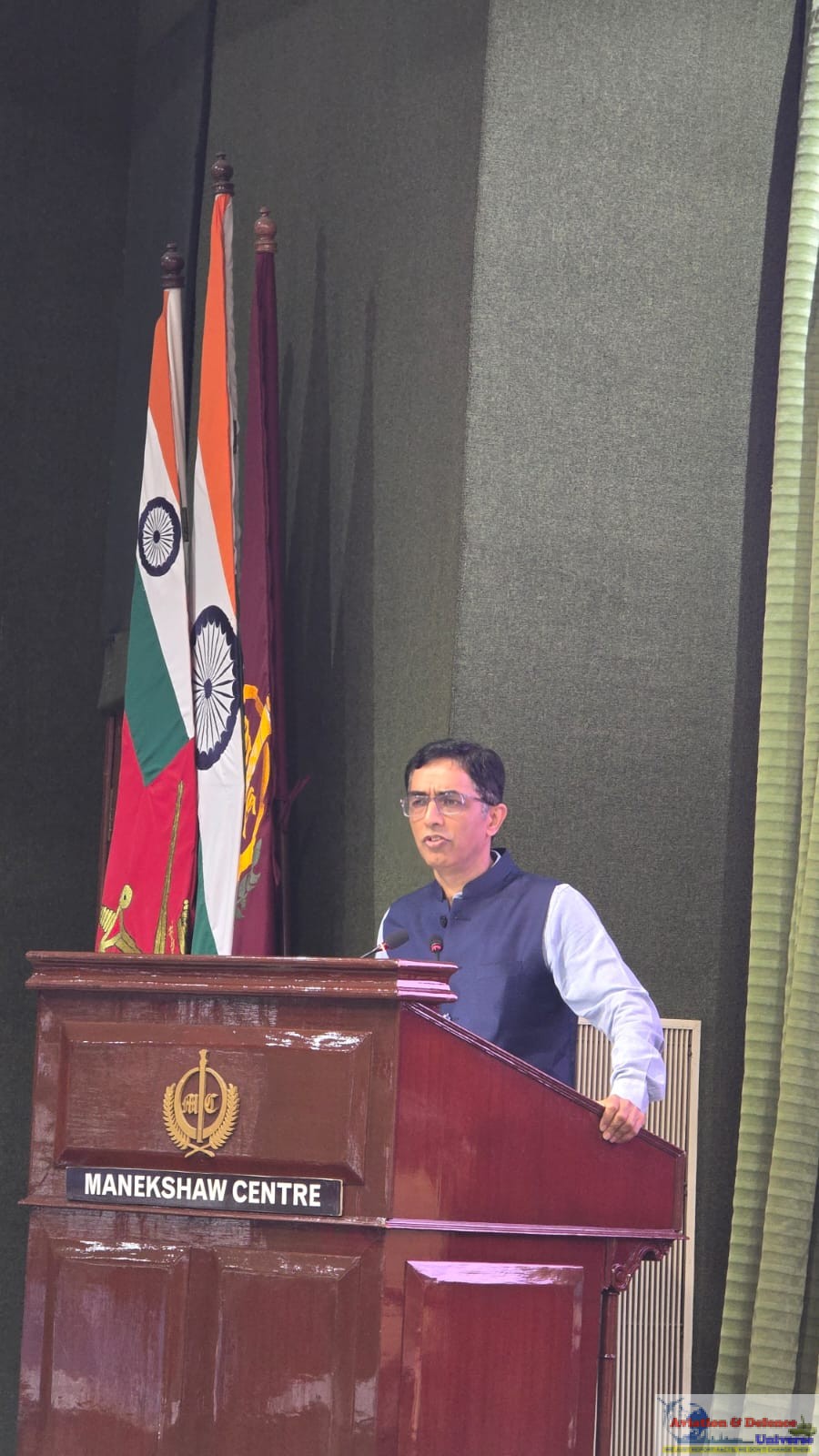 New Delhi. 13 June 2026. As India accelerates its journey towards Atmanirbhar Bharat in defence, startups and MSMEs are increasingly emerging as critical stakeholders in building indigenous military capabilities. Yet, for many innovators, navigating the defence ecosystem remains a challenge, particularly when it comes to funding, procurement and scaling technologies into deployable solutions. Addressing these concerns, the third session of the HQ IDS-CENJOWS workshop on “Demystifying Defence Procurement, iDEX, TPCR and Testing Procedures for MSMEs and Start-ups” offered participants a detailed overview of the Innovations for Defence Excellence (iDEX) ecosystem. Led by Vivek Virmani, Deputy Director General, iDEX and COO, Defence Innovation Organisation (DIO), the interactive session explored funding mechanisms, procurement pathways, co-development models and the growing role of investors in strengthening India’s defence innovation landscape.
Opening his address, Virmani underscored the foundational purpose of iDEX saying, “The basic purpose of IDEX stays as R&D with the innovators to enable the military to get the equipment that they are looking for.” He clarified that iDEX functions as an enabler rather than a procurement agency. “IDEX is more like a facilitator. The decisions are not made by IDEX.”Explaining the separation between operational requirements and financial processes, he said, “We chip in and help them to make decisions for the technical requirements that they are looking for. We don’t want the military to get into all that, which actually strucks up the cases.”
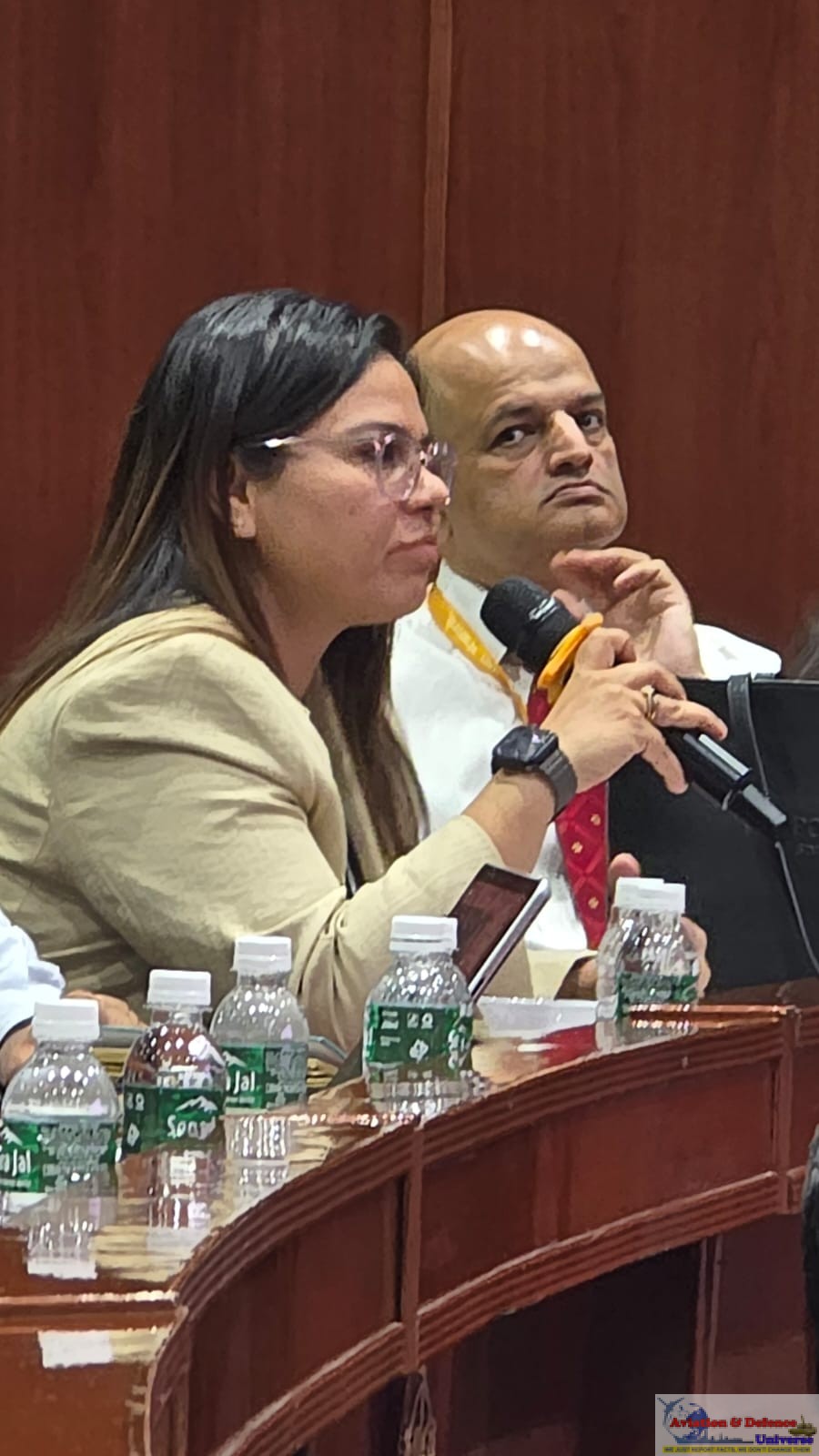 Virmani explained that iDEX currently operates through two funding slabs—₹1.5 crore and ₹25 crore. “The funding is in two slabs. One is the 1.5 CR slab and the other is the 25 CR slab. “He revealed that both schemes are likely to continue beyond March 2026. We have the approval of the Ministry of Finance to continue the schemes by running more challenges. We are looking at a substantial more sum to come in.” He also clarified that grant funding is distinct from procurement. “This is a grant, this is not a procurement process.”Emphasising the shift in approach, he remarked.
One of the major themes of the session was the importance of handholding innovators through the development cycle. “There was no concept of hand holding where somebody was faltering while development and that is where co-creation and co-development come in.” Virmani explained that support now extends beyond contract completion. “The co-creation and co-development has now extended its relevance for us post completion of any IDEX design and development contract.” He noted that the armed forces increasingly prefer scaling successful innovations rather than beginning afresh, “The military also needs the products to be taken up to the next level rather than starting from scratch with a different set of innovators every time.”
Responding to frequent requests for reducing the matching contribution requirement, Virmani defended the current model. “There is no right or wrong in what should be the percentage of matching contribution. Fifty percent should remain the optimal approach.” He highlighted the emergence of a stronger investor ecosystem, “The investors are now available, investors in the form of private investors, VC funds, financial institutions are coming in a big way. Equity, everything, every option is now available to the start-ups.”
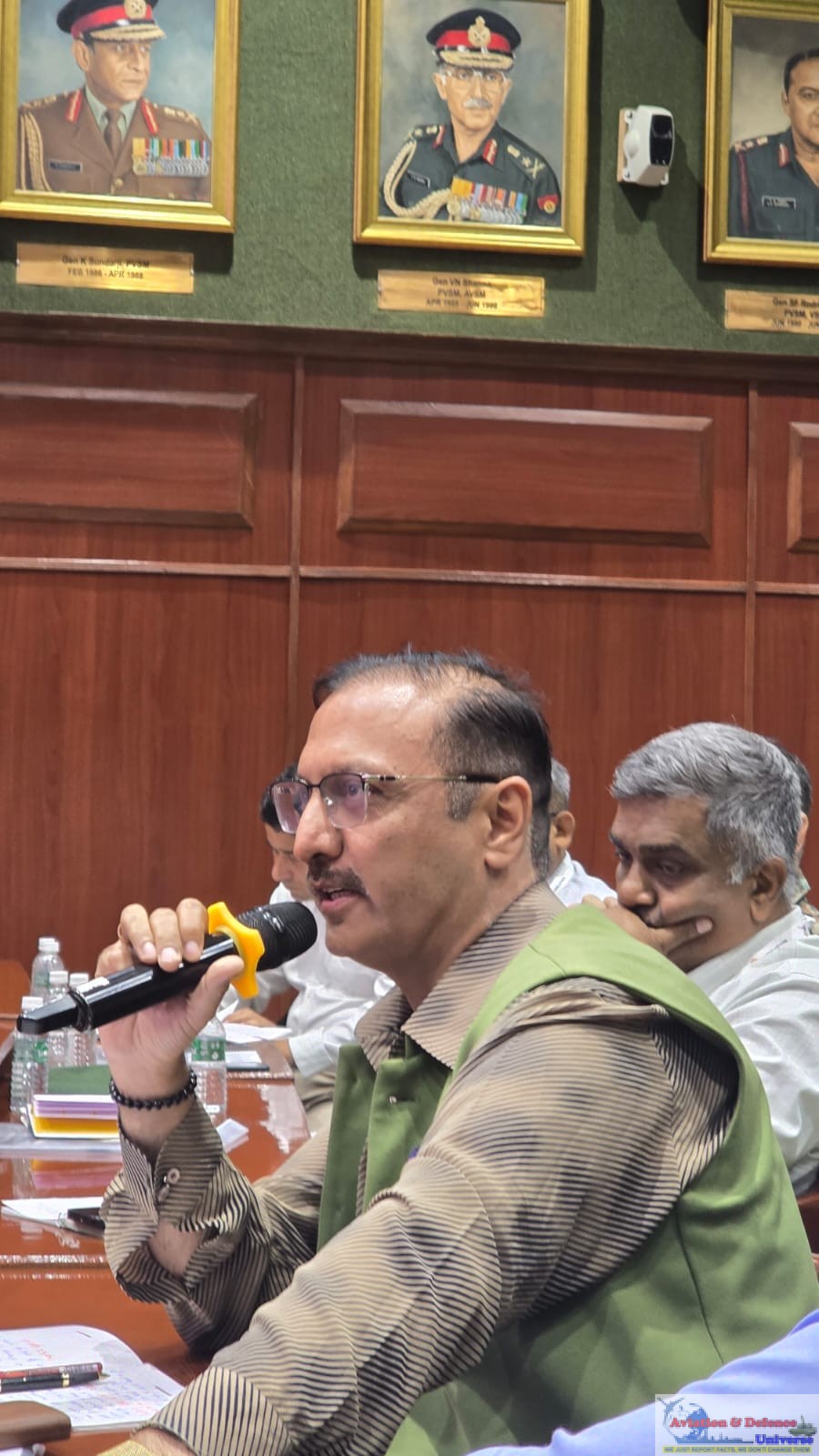 Recalling the early years of iDEX, he said, “We used to write, we will strive to get you an order. There was no legal commitment that there will be an order. However, this has evolved significantly. Procurement has been assured in DAP. Now we are writing in our legal contract that this is the MPQ, minimum pilot order quantity.” He acknowledged concerns from startups that had received small orders. “Some innovators have been taken for a ride. We want to avoid that kind of situation.”
Virmani emphasised the critical role played by incubators in the iDEX ecosystem. “We have relied heavily on incubators from the beginning. The first incubators actually guided us how to do the process. While the number of incubators grew from four to twenty-eight, a quality review has led to consolidation.We have come down to 21 incubators now. We want to maintain the quality. The credibility of the scheme itself relies on that.”
The session also highlighted growing investor interest in defence technologies. “IDEX investor hub was started in 2023. It was an experiment for us.” He revealed that venture funding into defence startups has grown rapidly. “Our stats show something like 450 CR that has been committed by VC funds.” Virmani noted that actual investments may be much higher. The actual commitment may be far higher.”
Highlighting efforts to improve accessibility, Virmani said that outreach sessions have expanded considerably. “This time we had about 59 such sessions.” He also pointed to digital outreach. “We have done the recording, we have put it on a YouTube channel.” During the latest application cycle, the response from startups was overwhelming. “In the last 3 hours of the application window, we received 6 applications per minute. Our system was running good, it was smooth and we were pretty satisfied.”
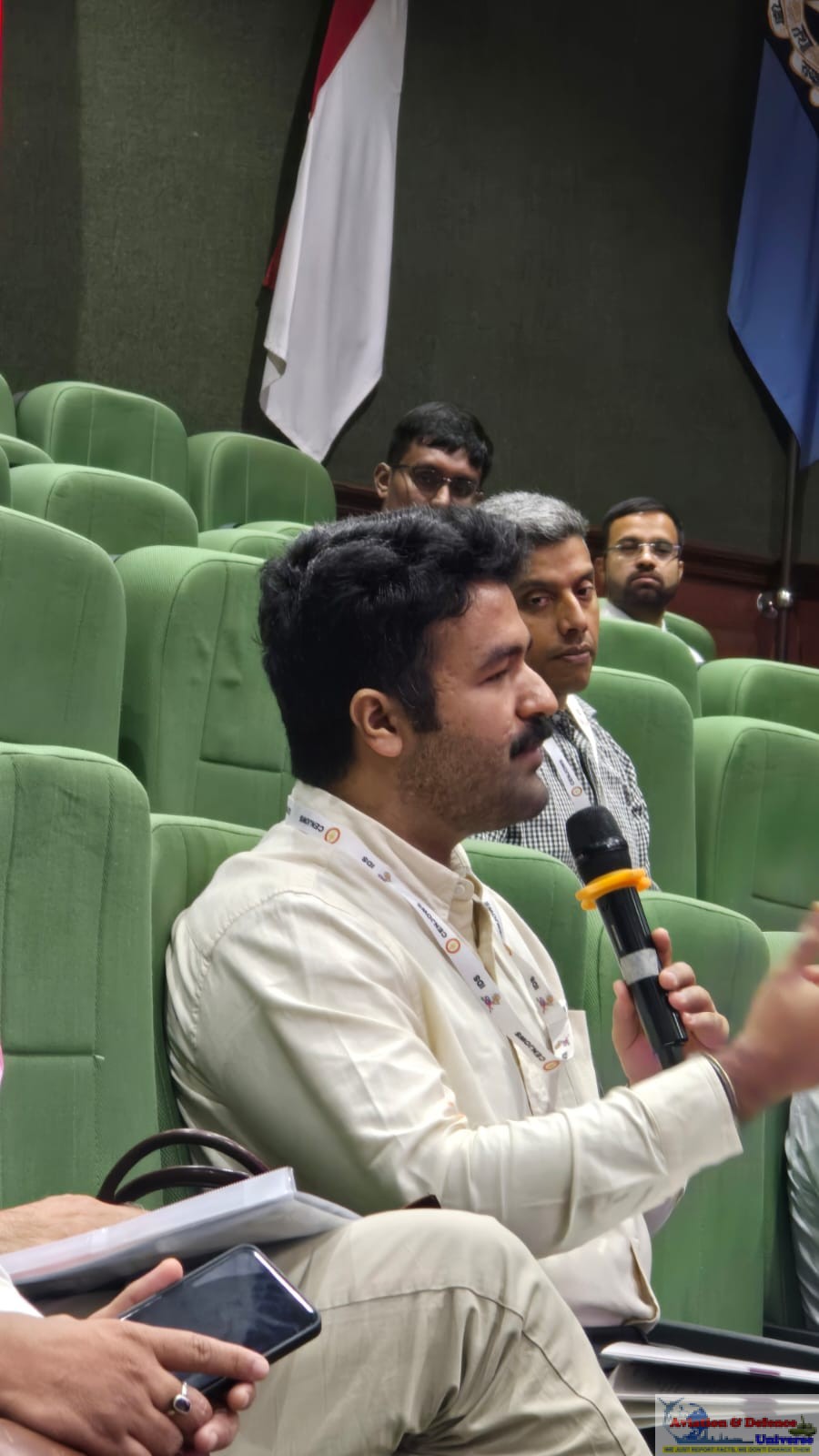 The interactive session saw candid exchanges between industry participants and officials. One participant suggested reducing matching contributions and increasing grants. “If we can reduce it further by seeing their seriousness, it will be very nice. If we can increase the funding, that will also be good.” He further argued, “You cannot get success every time. Somebody will fail, but that failure also can be some outcome.”
Responding to this, Virmani acknowledged, “There is an intention of increasing the quantum of funds.” He also highlighted the encouraging success rate of iDEX projects. “As per our scheme, 20 percent is the envisaged success rate. As of now, out of 550 odd cases, we have about 15 percent which have already converted. We are looking at a probable success rate of about 50-70 percent. There are instances where we have converted failures to success.”
Another participant highlighted the need for innovative financing models for deep-tech startups. “No start-up likes to dilute the equity. If you really want deep tech to germinate, you need to think very innovatively.” He also cautioned, Policy will remain policy.Till you have a better investment climate.” Responding positively, Virmani said, “It seems a good idea. It is certainly an idea that we should explore. On the role of investors, he offered a balanced view. Investors are there to make a quick buck. But he also observed a positive trend.Investors now come to us and say how can I add value to this to help the scale up.” Virmani highlighted the growing role of state governments and international exposure.”Almost all states now have their own startup initiatives.” He added that support for showcasing startups internationally is also evolving. “We are trying to make it better.”
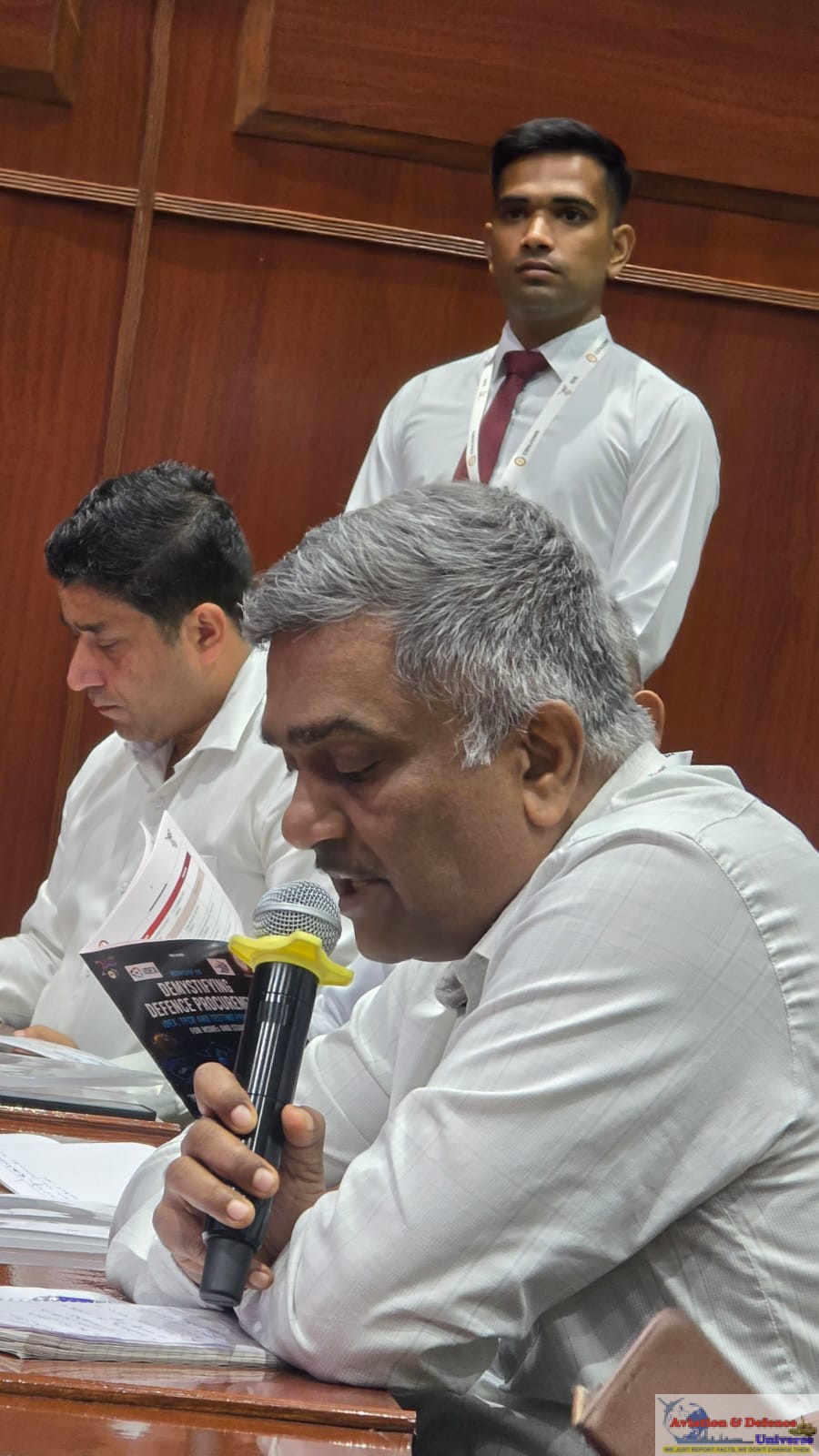 The iDEX session at the HQ IDS-CENJOWS workshop provided participants with valuable insights into one of India’s most transformative defence innovation initiatives.And attracted maximum questions from the participants. Beyond funding mechanisms and procurement pathways, the discussion highlighted the importance of co-creation, investor participation, incubator support and agile policy frameworks in nurturing indigenous technologies. The lively audience interaction reflected the growing maturity of India’s defence startup ecosystem, while also underscoring persistent challenges related to scaling, deep-tech financing and manufacturing. As iDEX enters its next phase, the message emerging from the session was clear: innovation alone is not enough—success will depend on the ability to convert ideas into deployable capabilities, scale them sustainably and integrate them into the nation’s defence preparedness.













































































-A4-Size-(2)_page-0001.jpg)