
 Israel and Morocco Deepen Defense Cooperation: Israel MOD Director General Leads Delegation to Morocco to Strengthen Defense Ties




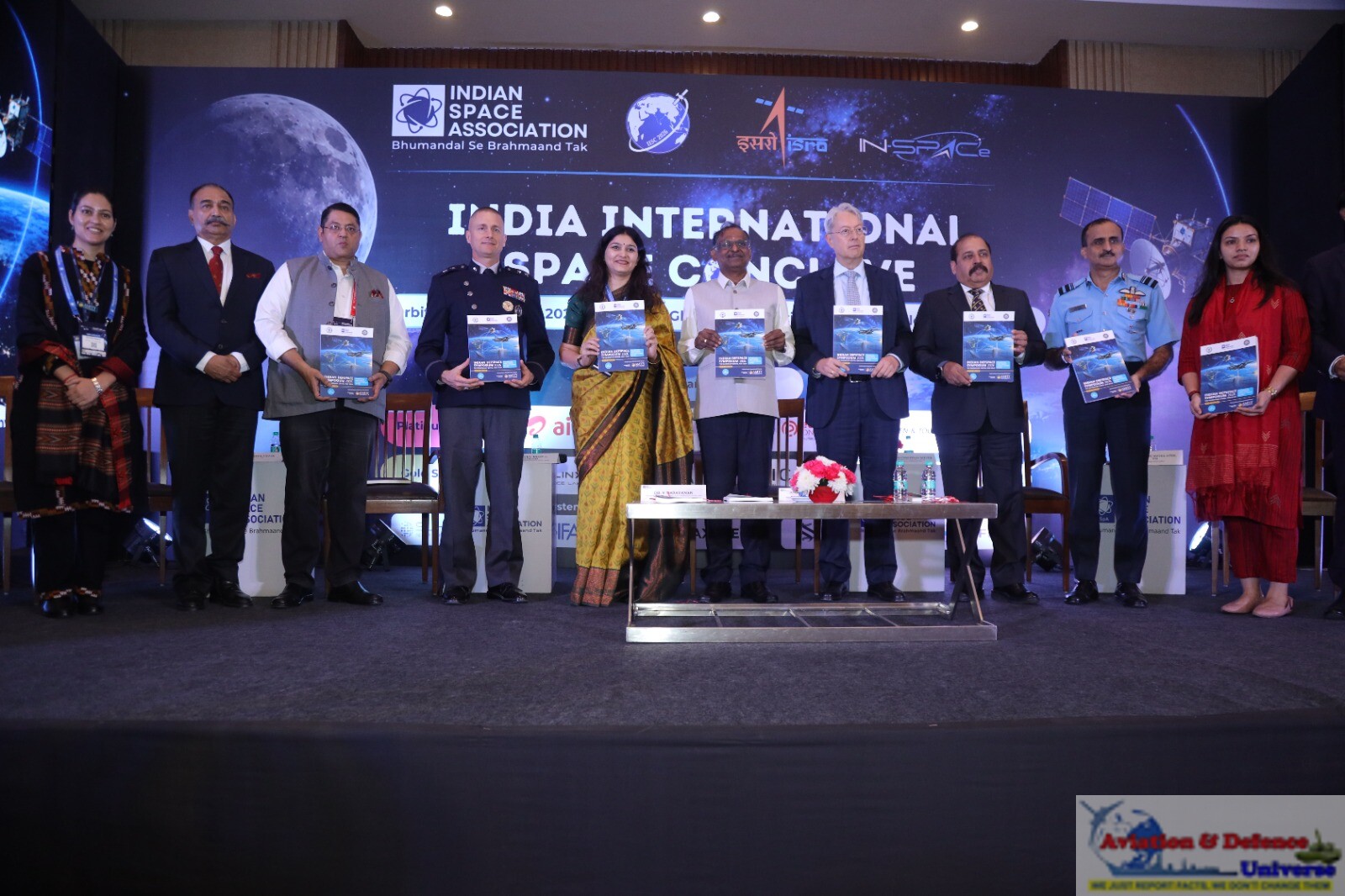
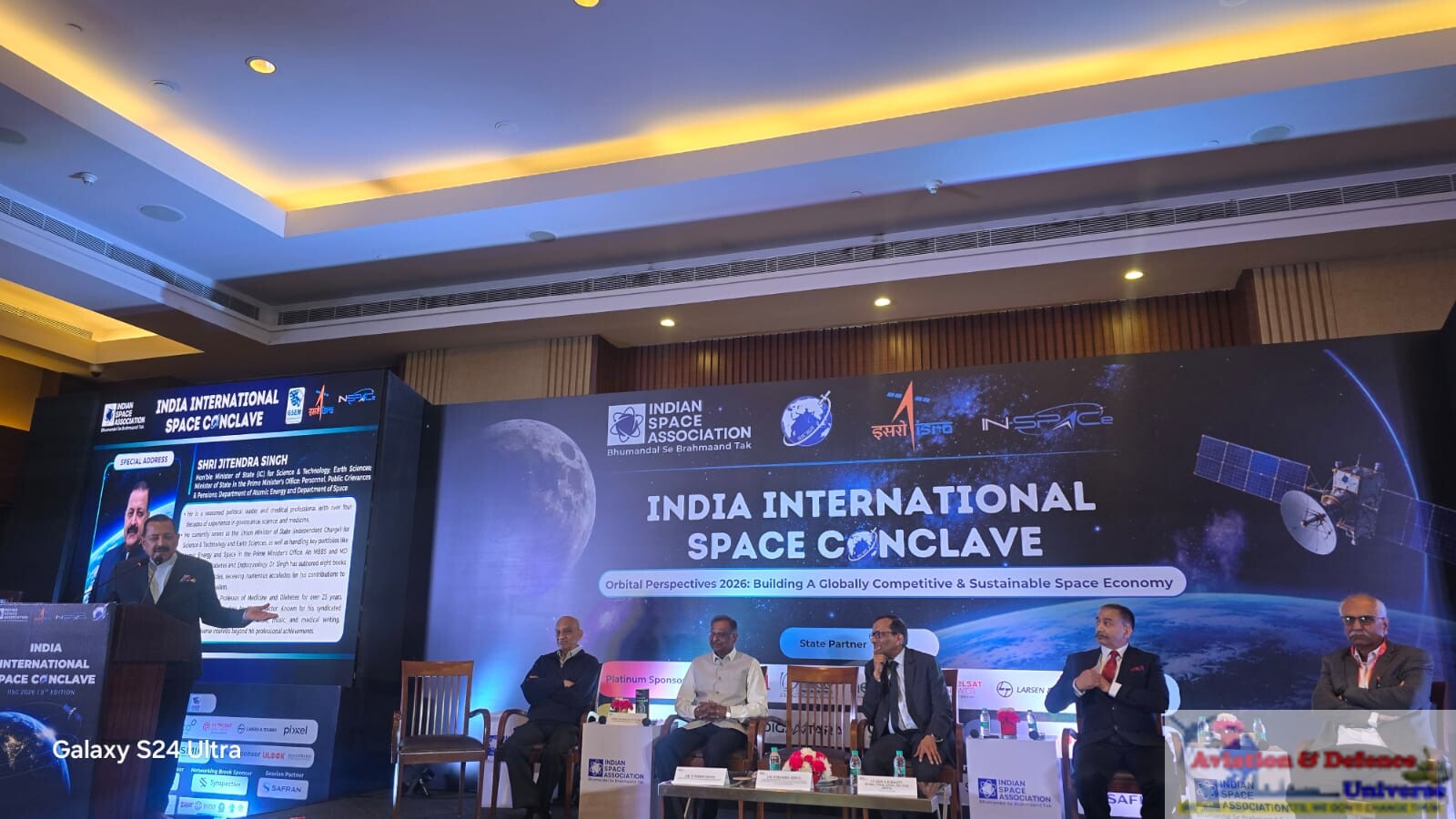
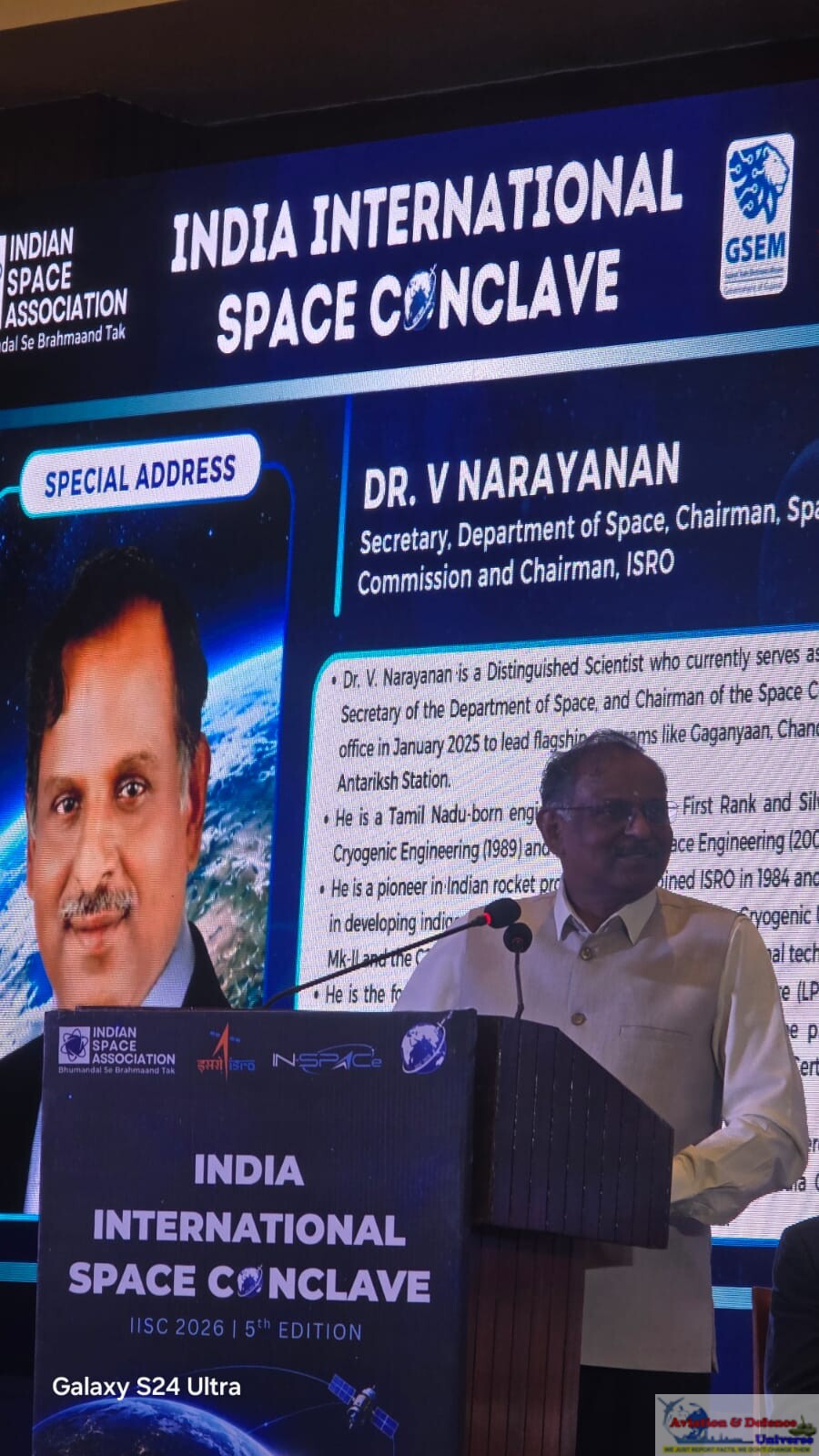
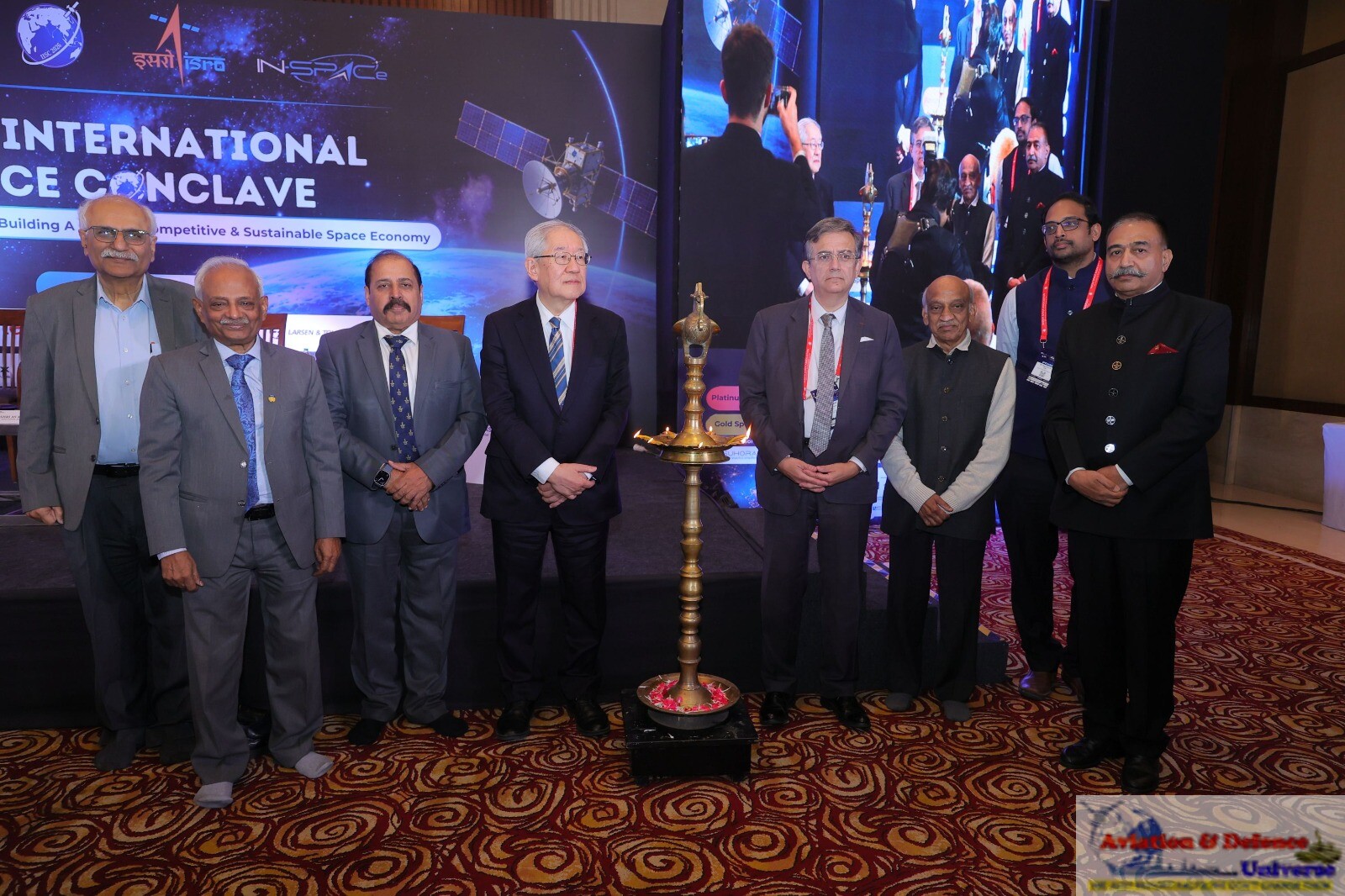
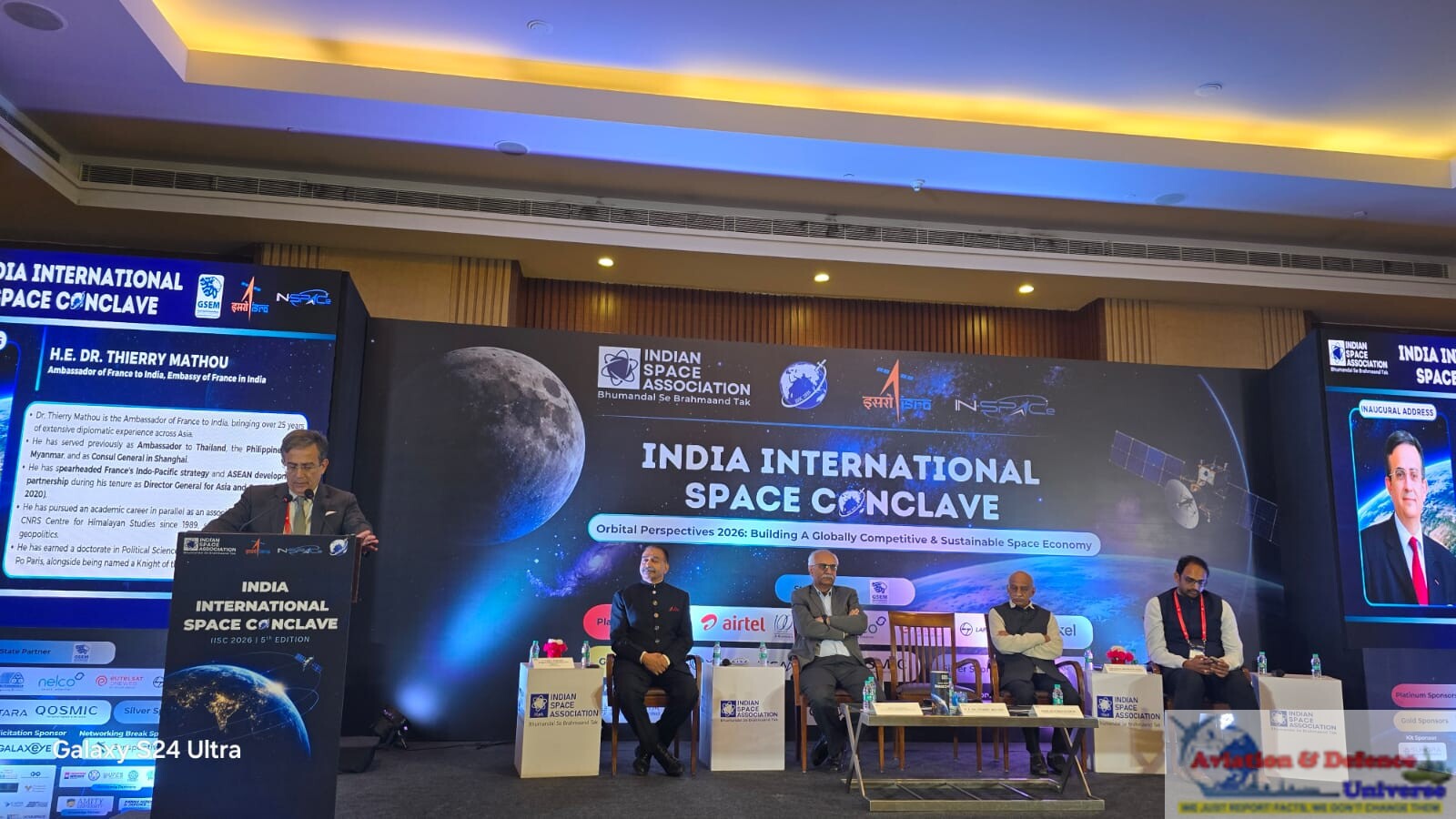







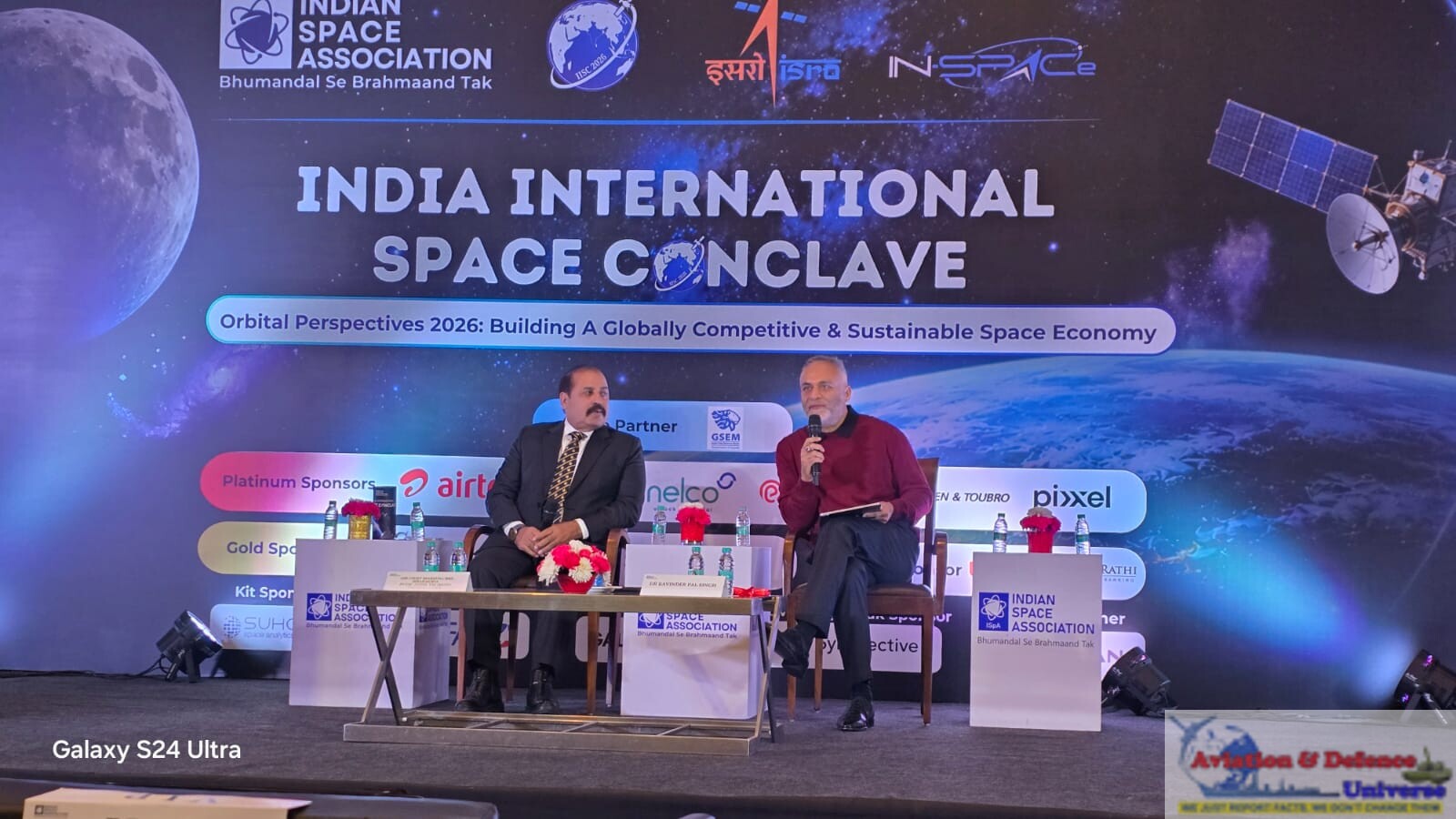
- Air Chief Marshal R.K.S. Bhadauria and Dr Ravinder Pal Singh challenge conventional definitions of Atmanirbharta at IISC 2026.
- From China’s critical mineral dominance to India’s industrial preparedness, a compelling fireside chat questions the very foundations of self-reliance.
By Sangeeta Saxena
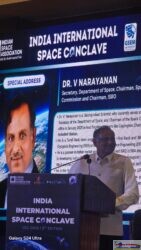
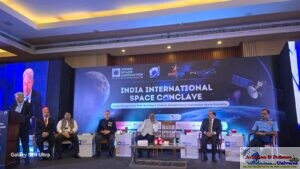
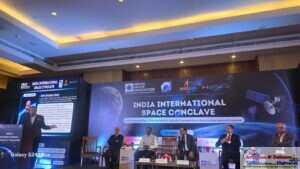
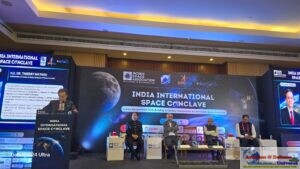
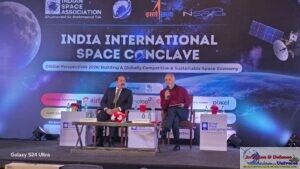
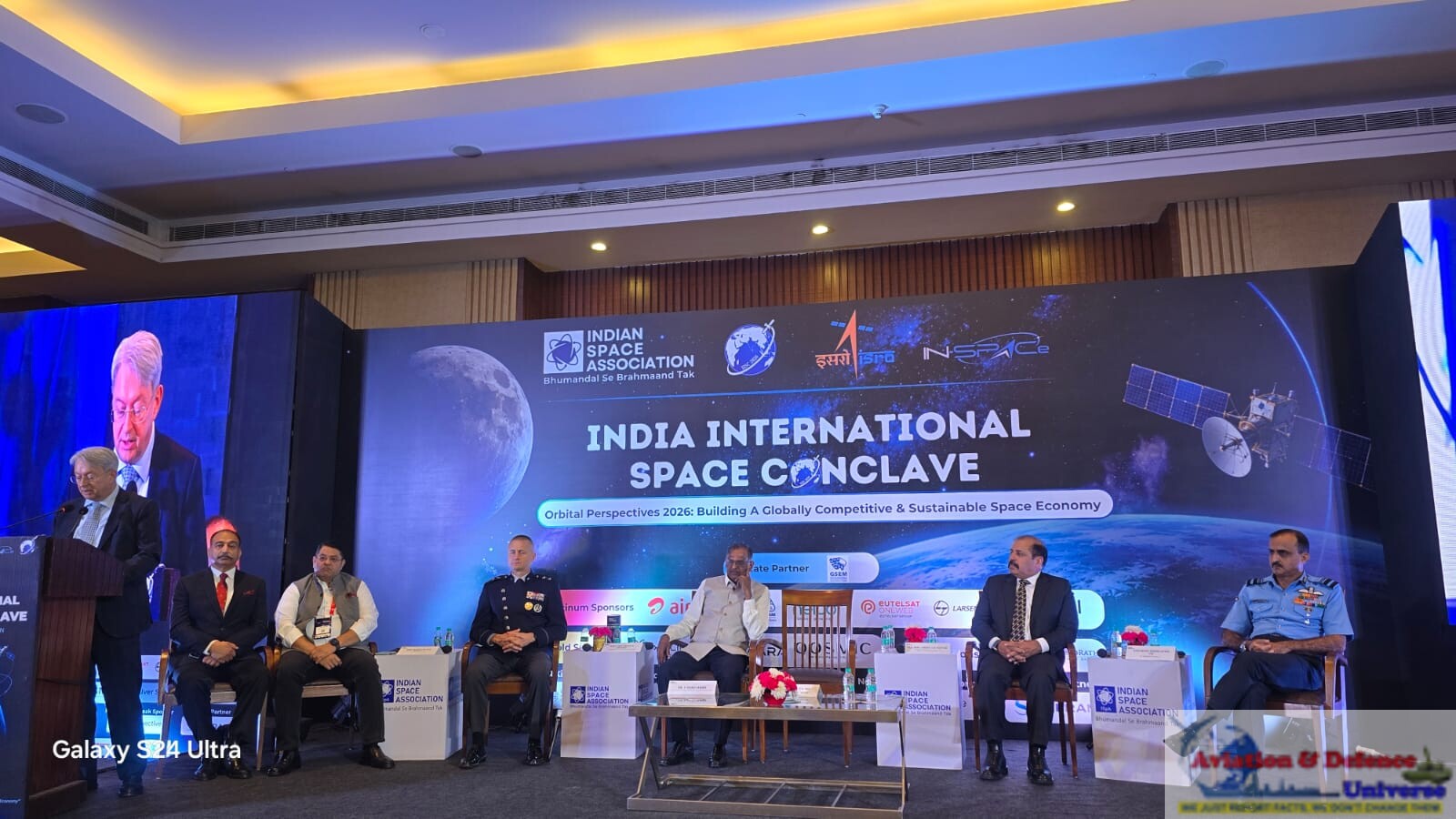
New Delhi. 26 November 2026. A nation may manufacture its own fighter aircraft, build its own satellites and launch its own rockets, but can it truly claim technological sovereignty if the materials that power them are controlled by another country? Can a foreign export licence determine the limits of India’s military preparedness? And does assembling a product on Indian soil necessarily make it Indian? These were the uncomfortable yet compelling questions that dominated an intellectually stimulating fireside chat between Dr Ravinder Pal Singh and former Chief of the Air Staff Air Chief Marshal R.K.S. Bhadauria (Retd.), which set the tone for Day 2 of the fifth India International Space Conclave (IISC) 2026. Moving the narrative from manufacturing to materials, from procurement to preparedness and from policy reforms to their execution, the conversation challenged the very definition of Atmanirbharta. With China’s dominance over critical mineral supply chains providing the strategic backdrop, the discussion stripped the celebrated slogan of Make in India down to its most fundamental question — Made of what? It was a conversation that India’s space industry needed to hear, its defence establishment needed to reflect upon and its policymakers could ill afford to ignore.
An Air Chief Who Has Seen Sovereignty from the Cockpit and the Negotiating Table
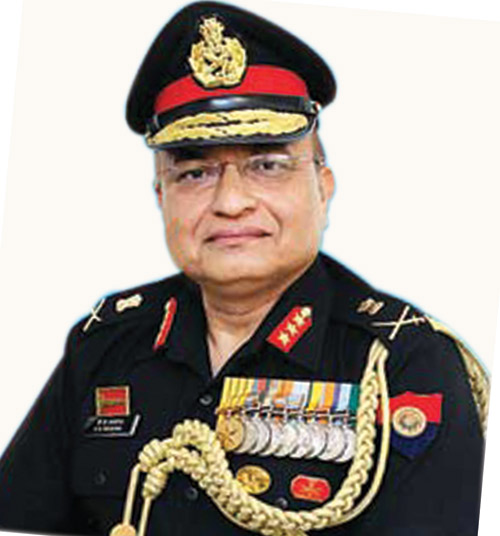
Introducing Former Chief , Singh highlighted the former Air Chief’s extensive experience as an aviator, experimental test pilot, flying instructor, military leader and participant in major defence acquisition programmes. He referred to Bhadauria’s association with the development of the Light Combat Aircraft programme and his involvement in India’s acquisition of the Rafale fighter aircraft. Singh explained why the former Air Chief was particularly well placed to discuss technological sovereignty.
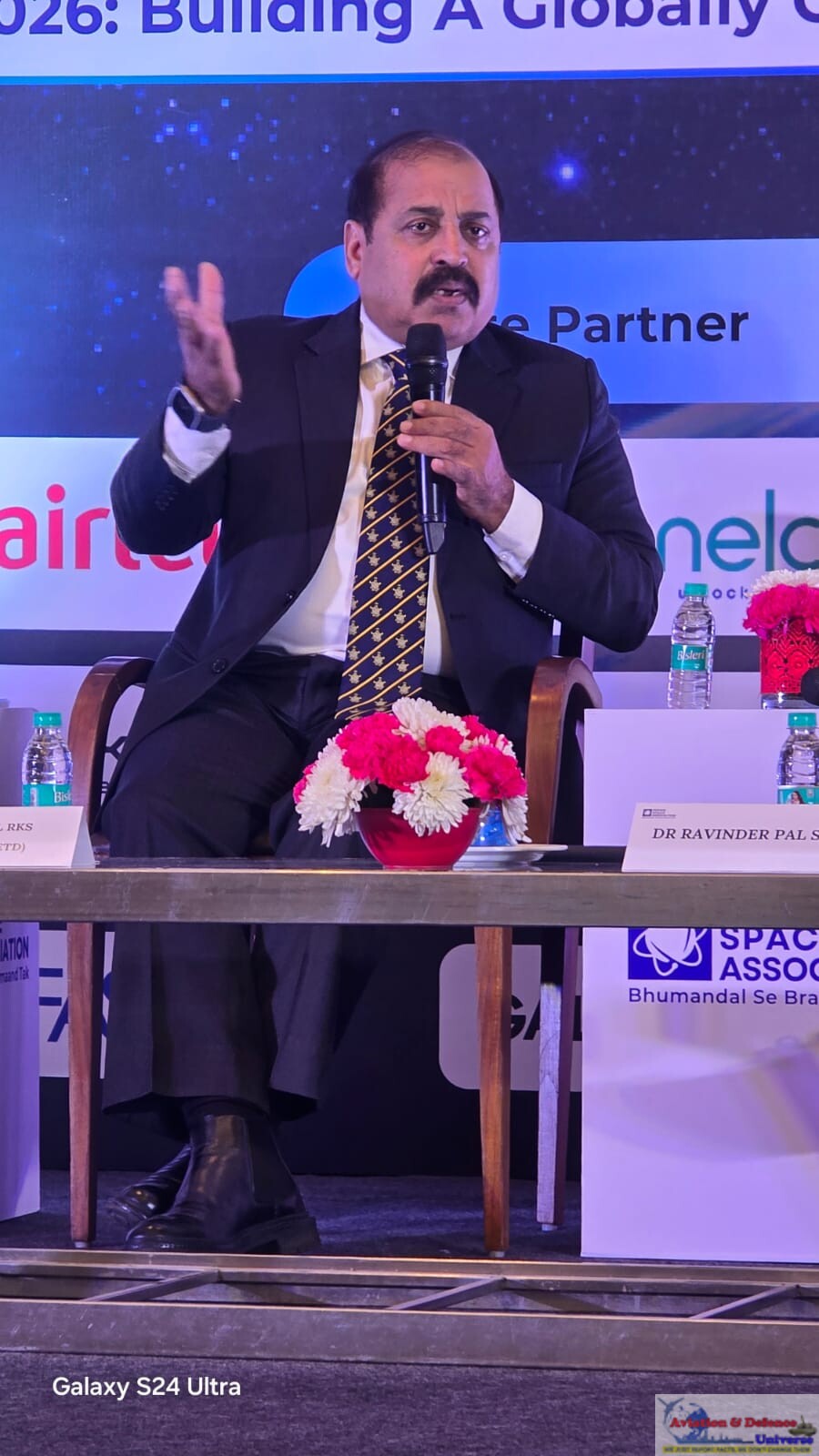 “He has tested what India has built, he has negotiated what India has bought and he has commanded what India flies today.” Few military leaders, Singh suggested, had experienced the complexities of indigenous development, international acquisition and operational employment from such diverse perspectives. The introduction provided an appropriate context for a conversation that examined sovereignty not merely as a policy objective but as a practical requirement for military preparedness and industrial resilience.
Sovereignty Must Extend to the Bill of Materials
Responding to Singh’s observations, Bhadauria acknowledged the significant progress made by ISRO in developing indigenous materials and reducing dependence on imported technologies in the launch-vehicle segment. However, he cautioned that similar levels of indigenisation had not yet been achieved across satellites, sensors and advanced electronic systems.
“Can we say the same for satellites? Unfortunately no. Can we say the same for sensors? Absolutely no. So that is the area that we need to start looking at,” he said. The former Air Chief referred to the proposed Space Based Surveillance-3 programme and the participation of private industry in developing a substantial proportion of the satellites envisaged under the programme.
He described private-sector participation as a significant opportunity to strengthen India’s indigenous space industrial base. However, the real measure of success would not simply be the number of satellites manufactured by Indian companies. Bhadauria wanted greater visibility into the origin of their materials, the ownership of their designs, the sources of critical components and the arrangements for ensuring continuity of supply.
He called for examining the bill of materials down to the constituent materials themselves, asking where they originated and what plans existed to develop indigenous alternatives. The former Air Chief also highlighted the importance of genuine Indian design and development rather than superficial indigenisation through assembly or licensed production.
“Design in India is the answer,” he asserted. He emphasised that the country needed to accelerate the qualification of domestically developed materials, improve supply-chain management, establish appropriate reserves of critical resources and create mechanisms through which Indian innovations could enter operational systems more rapidly. ISRO, he suggested, could play an important role by providing industry with visibility regarding future material requirements and technological development priorities.
Short Conflicts Are Fought with Inventories; Prolonged Conflicts Depend on Industry
The conversation subsequently examined the relationship between industrial capacity and military preparedness. Drawing lessons from contemporary conflicts, Bhadauria explained that the requirements of a short-duration military engagement differed considerably from those of a prolonged conflict.
While existing inventories and operational capabilities could sustain the initial stages of an engagement, longer-duration conflicts would increasingly depend upon the ability of domestic industry to replenish, maintain and expand military capabilities. “So initially inventories, anything beyond a month is industry capability,” he observed.
Industrial infrastructure, manufacturing capacity, availability of critical materials and the ability to scale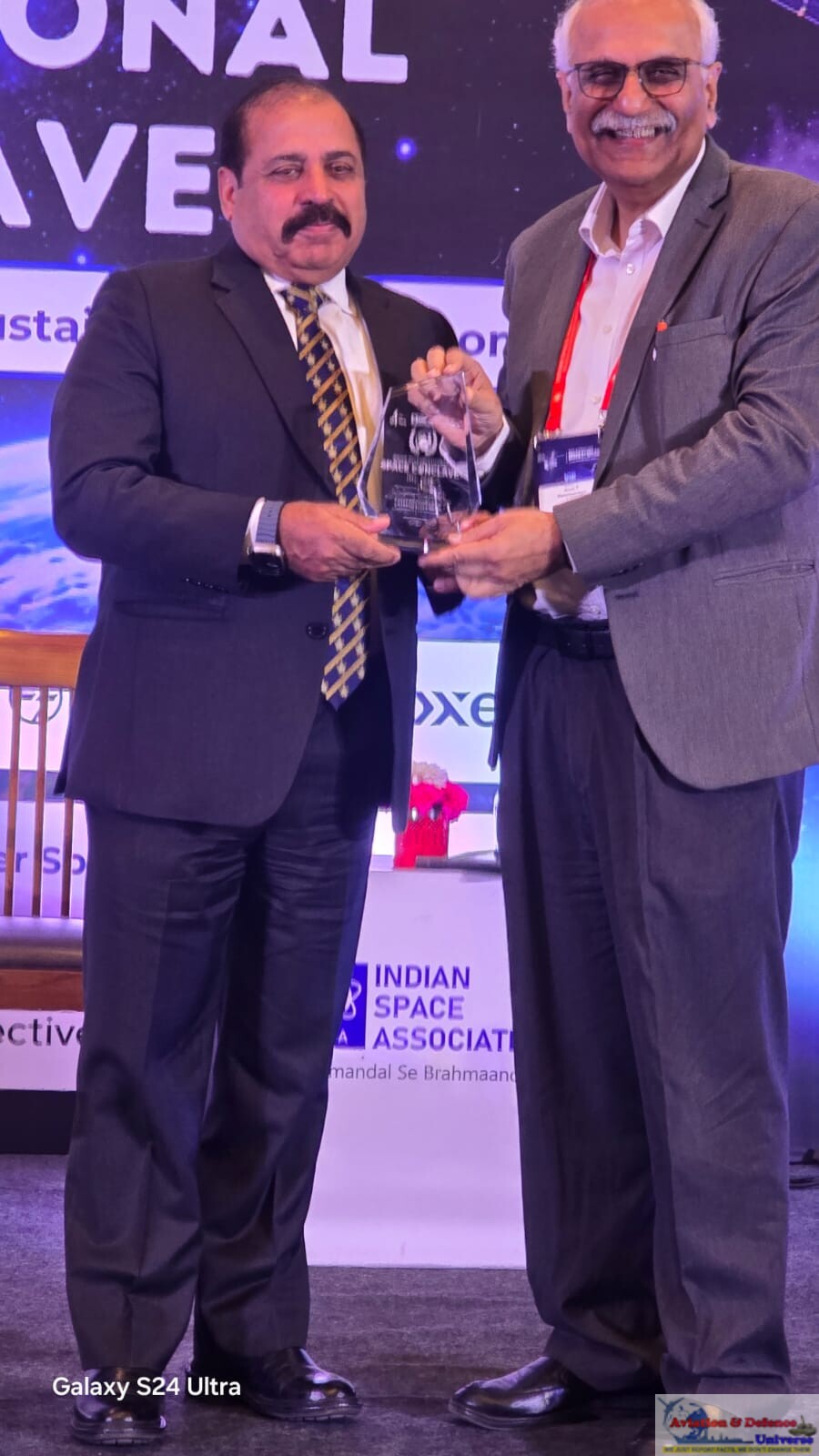 production would become increasingly important as conflicts extended over longer periods. Dependence on imported components could create vulnerabilities if international supply chains were disrupted or external suppliers were unable or unwilling to provide necessary equipment.
Bhadauria argued that military preparedness could no longer be considered independently of industrial preparedness. India needed to develop an ecosystem capable of sustaining national requirements over extended periods, rather than relying exclusively on existing inventories or foreign supply arrangements. “Time has come to change our thinking on these matters,” he said. The observations carried particular relevance for India’s space sector, where the ability to manufacture, replace and sustain space-based assets was becoming an increasingly important component of national resilience.
The Reforms Are in Place; Execution Is the Missing Link
Discussing the broader meaning of Atmanirbharta, Bhadauria argued that awareness of the importance of sovereignty had increased significantly among policymakers, military planners and industry leaders. The challenge was now to translate that understanding into action.
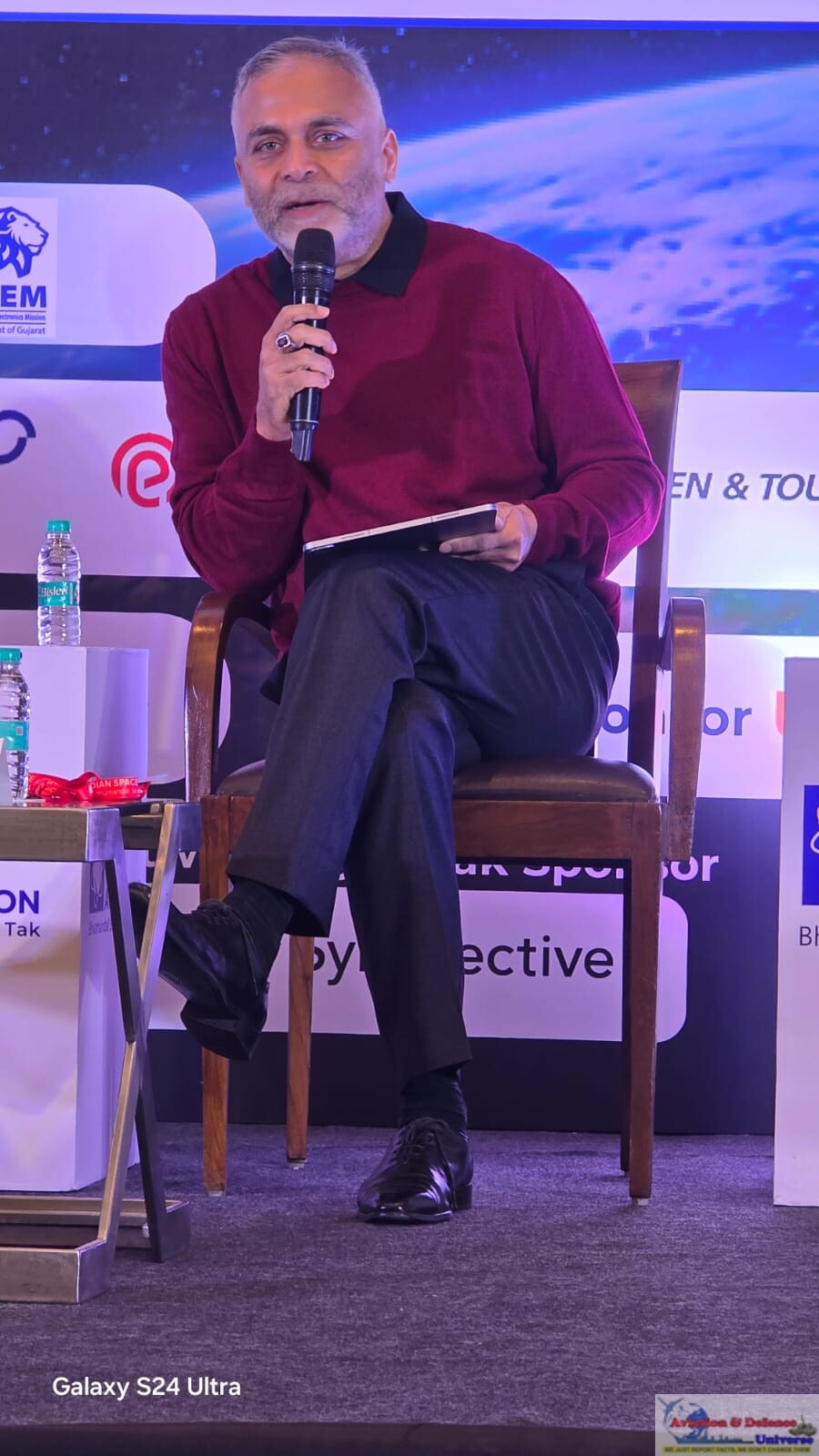 Indian innovators and technology developers needed an environment in which their products could be tested, qualified, accepted and incorporated into operational systems. The government and established institutions, he suggested, needed to support emerging companies through this process rather than expecting them to overcome every institutional obstacle independently. “The reforms are in place. The execution is lacking. And that is where the radical change is required,” Bhadauria stated.
The former Air Chief also questioned the continued emphasis on licensed production and technology transfer in areas where indigenous technological capabilities already existed. He distinguished between meaningful international collaboration in areas where India lacked critical expertise and arrangements that merely perpetuated dependence through domestic assembly of foreign-designed systems.
Advanced technologies such as next-generation aero-engines and certain emerging technological domains could justify international collaboration. However, where Indian companies possessed the ability to develop indigenous solutions, priority needed to be given to domestic innovation. His argument was not against international cooperation but against treating technology transfer as a substitute for developing India’s own design and engineering capabilities.
Sovereignty Has a Supply Chain
Concluding the fireside chat, Singh returned to the central argument that strategic sovereignty was inseparable from control over the industrial and material foundations of technology. He called upon entrepreneurs, policymakers and international companies seeking to engage with India to examine partnerships through this perspective.
India’s space ambitions, he argued, required greater attention to what the country was building its technologies with, rather than merely what it was building. Singh also drew attention to the scale of investment required in critical mineral extraction and processing, contrasting investment in Indian space start-ups with American investment in strategic mineral capabilities.
His larger message was that financing space companies without simultaneously strengthening their upstream supply chains could leave important strategic vulnerabilities unresolved. The fireside chat concluded with a powerful reminder that sovereignty has a supply chain, and that India’s journey towards becoming a technologically independent space power must begin well before the manufacturing and assembly stages.
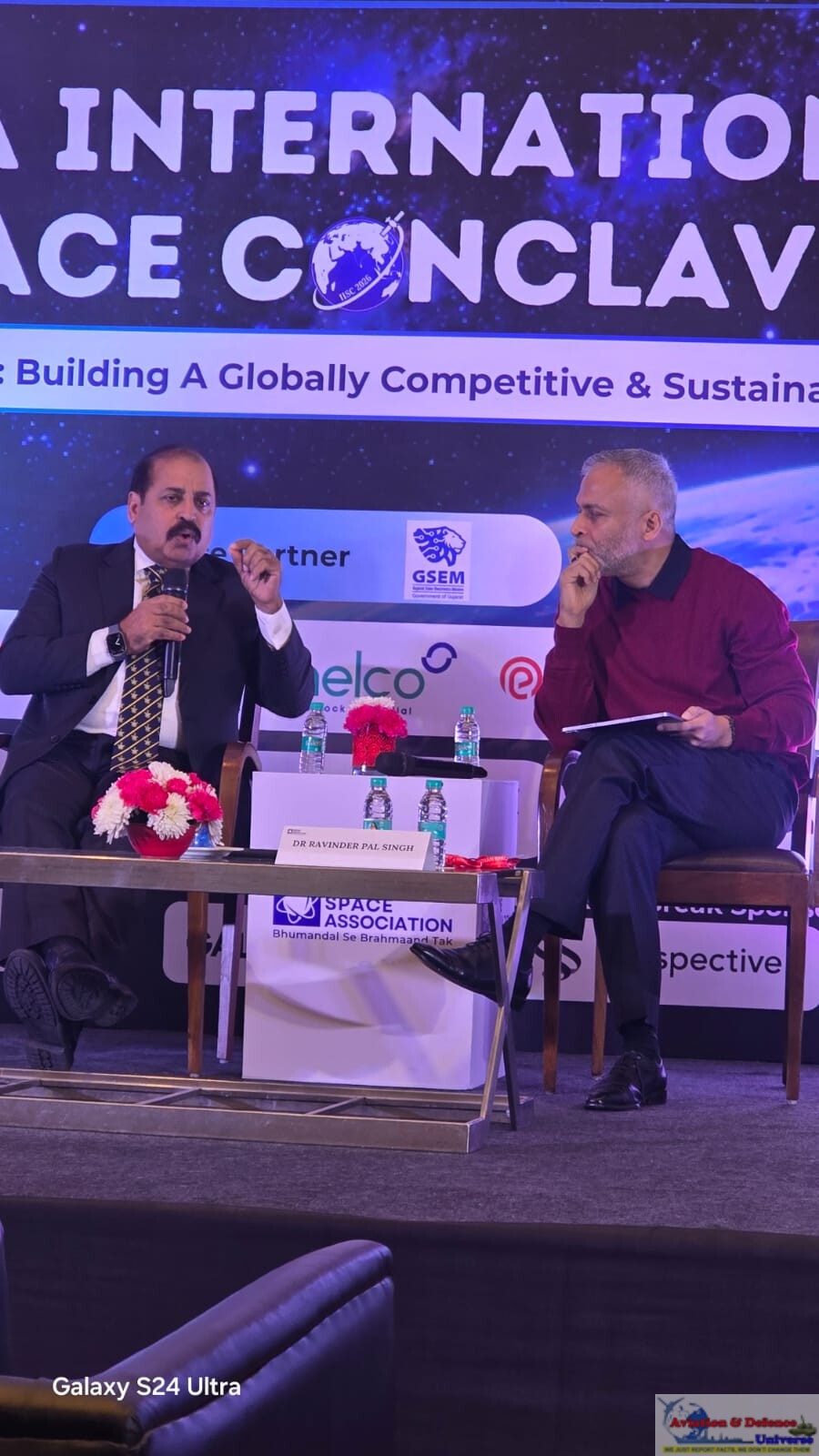 The fireside chat was neither a celebration of India’s achievements nor a lament over its dependencies; it was a wake-up call for a nation aspiring to become a technological and strategic powerhouse. Dr Ravinder Pal Singh’s provocative observation about the weaponisation of the periodic table and Air Chief Marshal Bhadauria’s emphatic call for indigenous design, industrial preparedness and radical changes in execution exposed the distance India still needed to travel between manufacturing capability and genuine technological sovereignty. The message was clear — mineral reserves must translate into processing capabilities, research into products, reforms into execution, investments into industrial capacity and indigenous designs into operational assets. International collaboration must accelerate India’s technological advancement, not institutionalise its dependence. Ultimately, the credibility of Atmanirbharta will be tested not in the comfort of conference halls or during peacetime production, but when geopolitical pressures threaten supply chains and national security demands uninterrupted industrial support. India cannot afford to have its strategic ambitions held hostage to a licensing desk in another country. The next chapter of Make in India must begin in its mines, mature in its laboratories, take shape on its drawing boards and find strength on its factory floors. Because sovereignty cannot be imported, independence cannot be assembled, and self-reliance cannot be built under someone else’s licence.