
 Israel and Morocco Deepen Defense Cooperation: Israel MOD Director General Leads Delegation to Morocco to Strengthen Defense Ties
















- Luxembourg Ambassador Christian Biever Calls for Deeper Collaboration with India
- From Satellite Communications to Lunar Exploration: India–Luxembourg Partnership Expands Its Horizons
- Size of Vision, Not Territory: Luxembourg’s Space Diplomacy Finds a Natural Partner in India
By Sangeeta Saxena
New Delhi. 25 November 2026. From diplomatic goodwill on Earth to technological partnerships in orbit, India and Luxembourg are scripting an exciting new chapter in their bilateral relationship. Despite the striking difference in their geographical size, the two nations share an ambition that transcends borders — harnessing space technology for economic growth, innovation and human progress. While India’s strengths lie in cost-effective launch capabilities, scientific excellence, satellite manufacturing and a rapidly expanding entrepreneurial ecosystem, Luxembourg brings decades of expertise in satellite communications, commercial space operations, investment and pioneering regulatory frameworks for space resources.
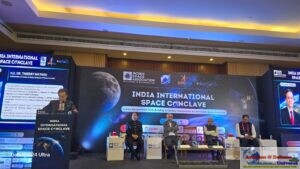
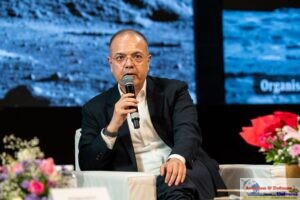
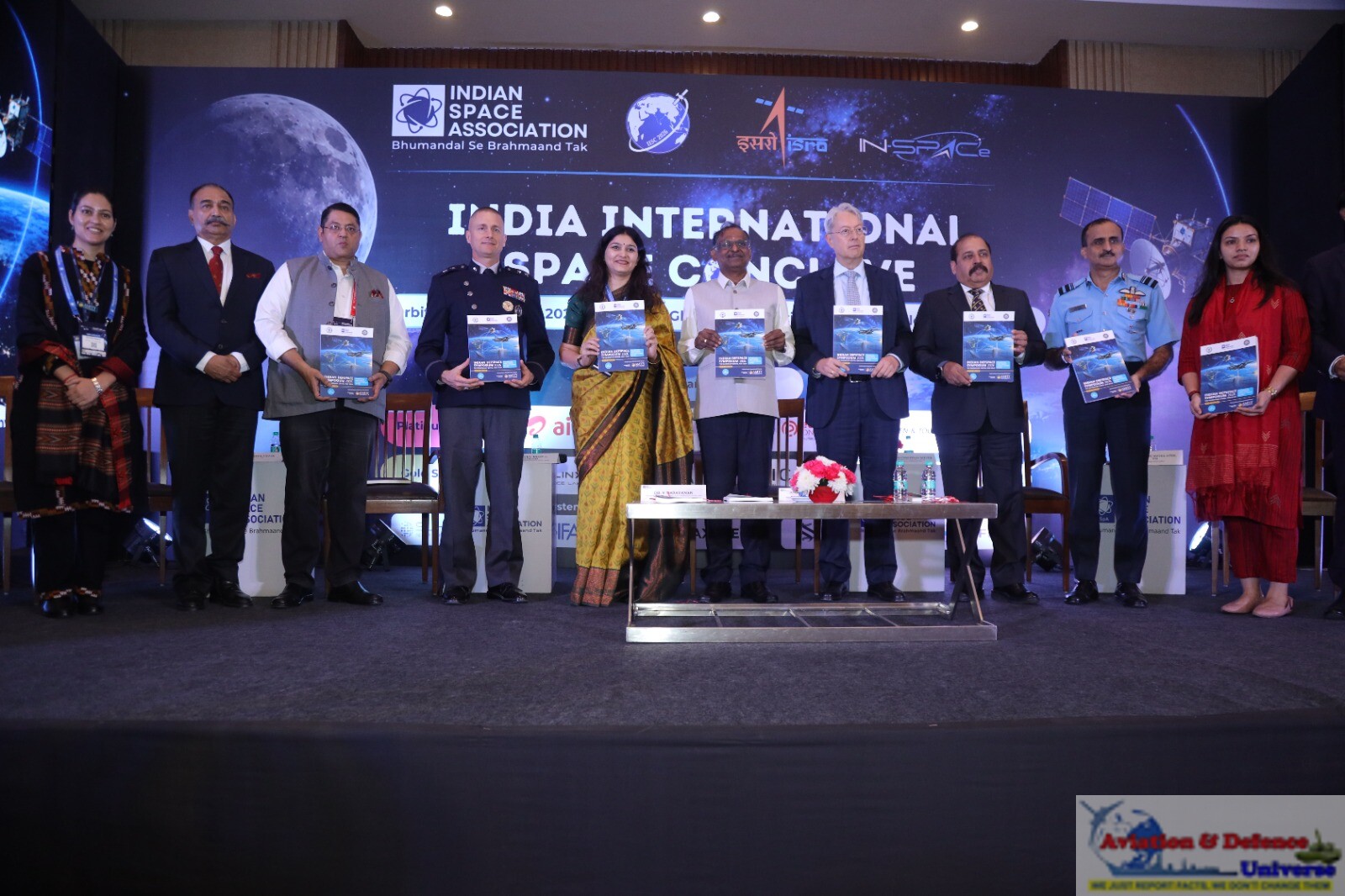
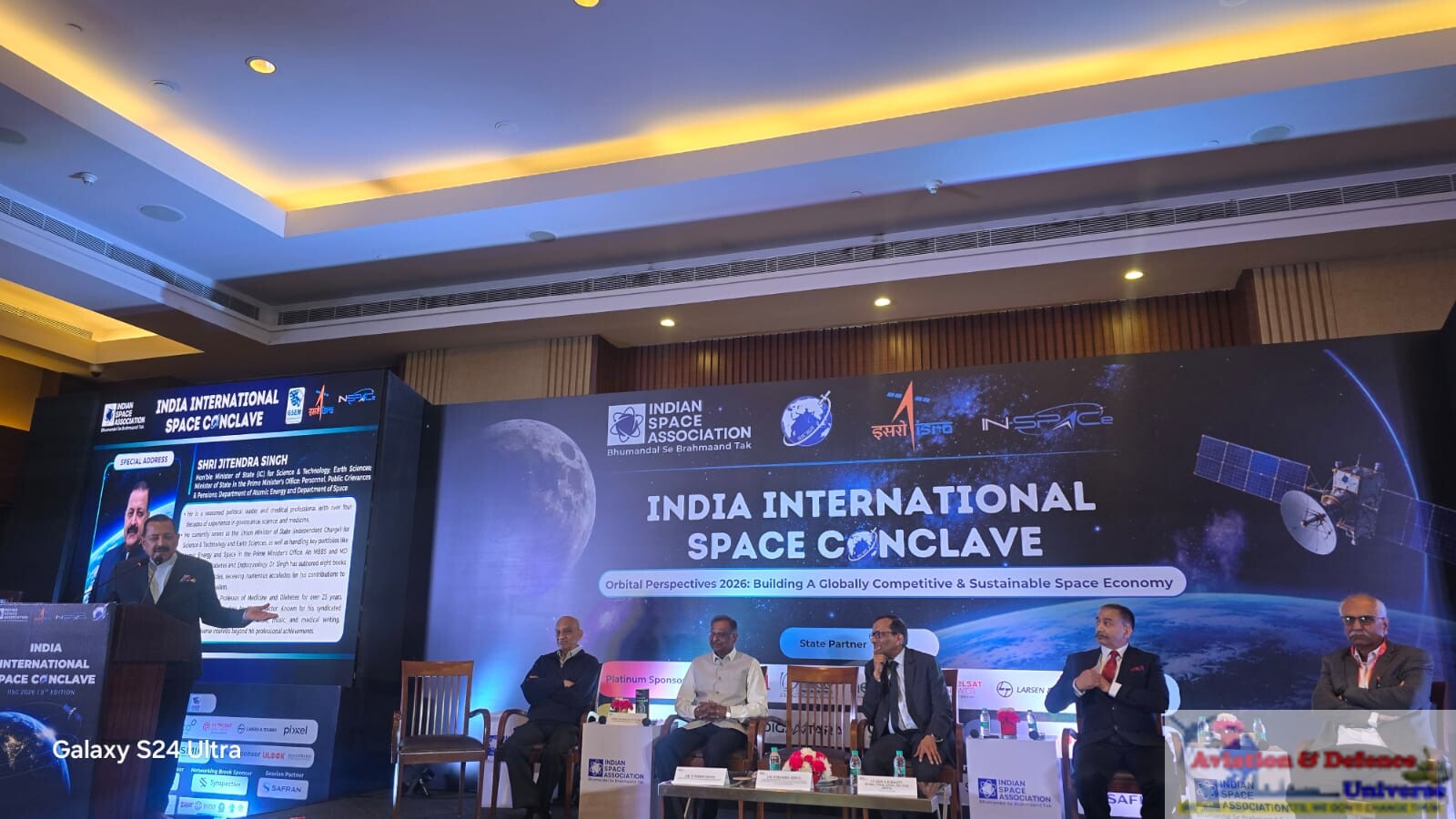
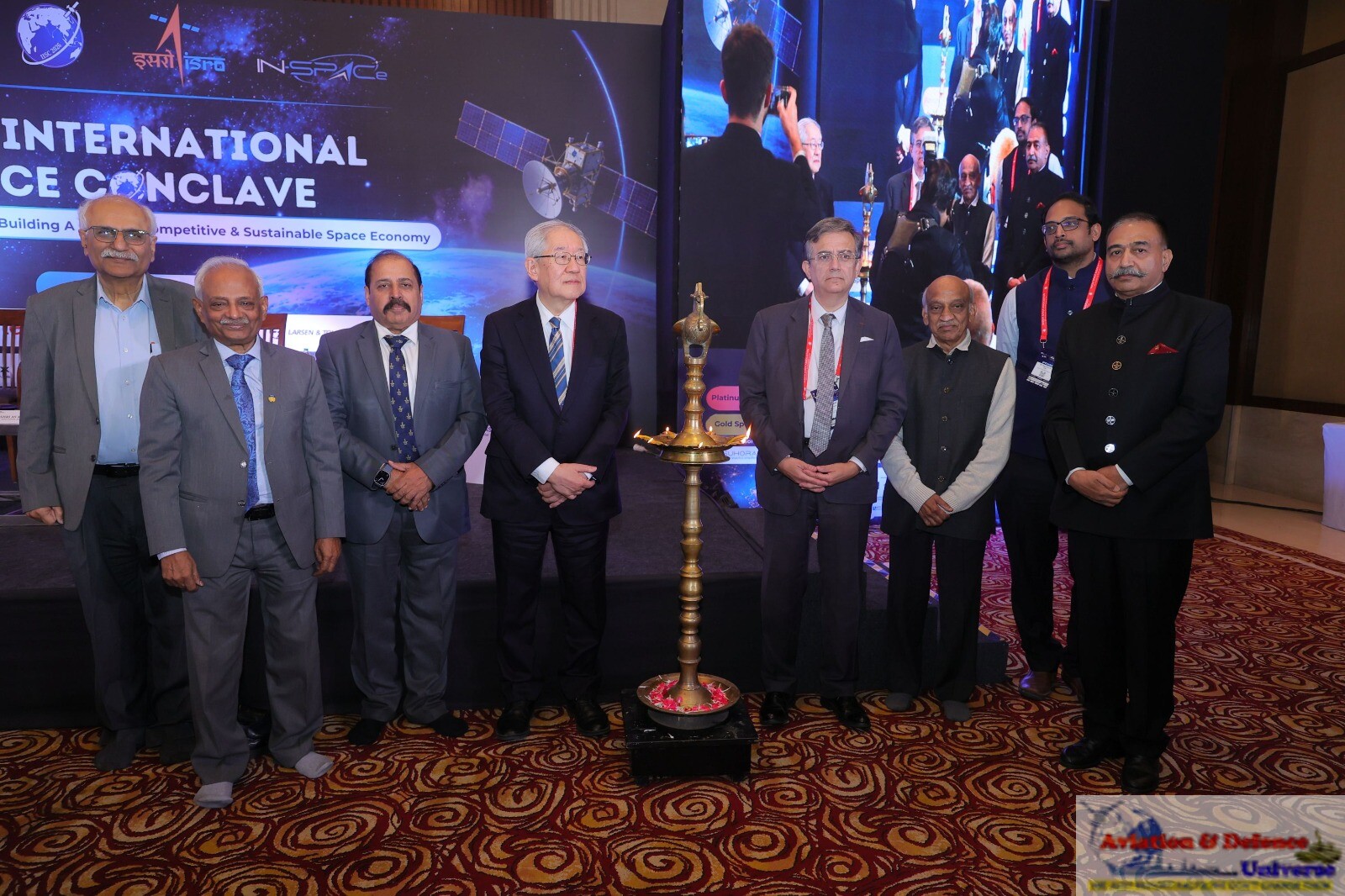
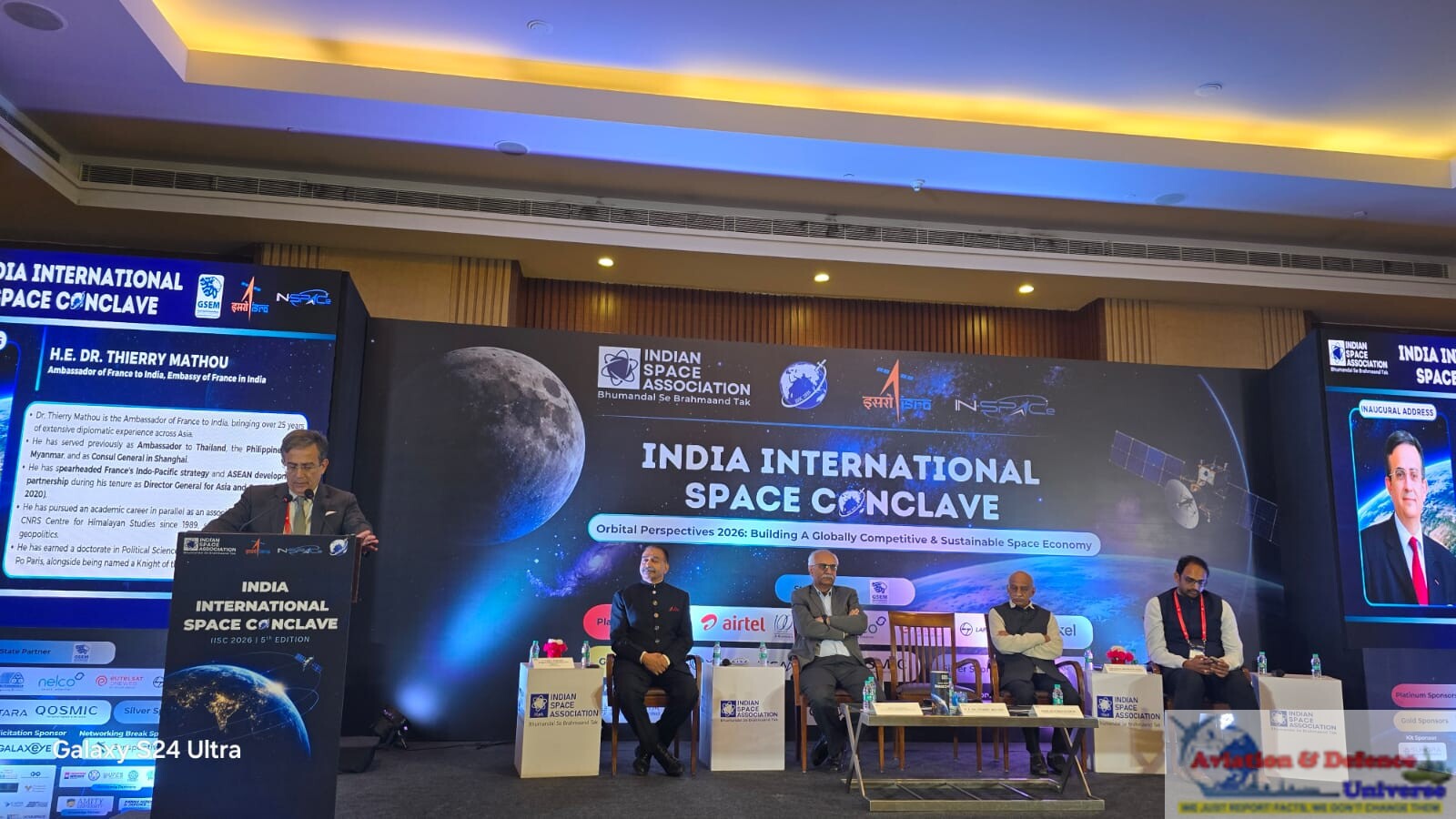
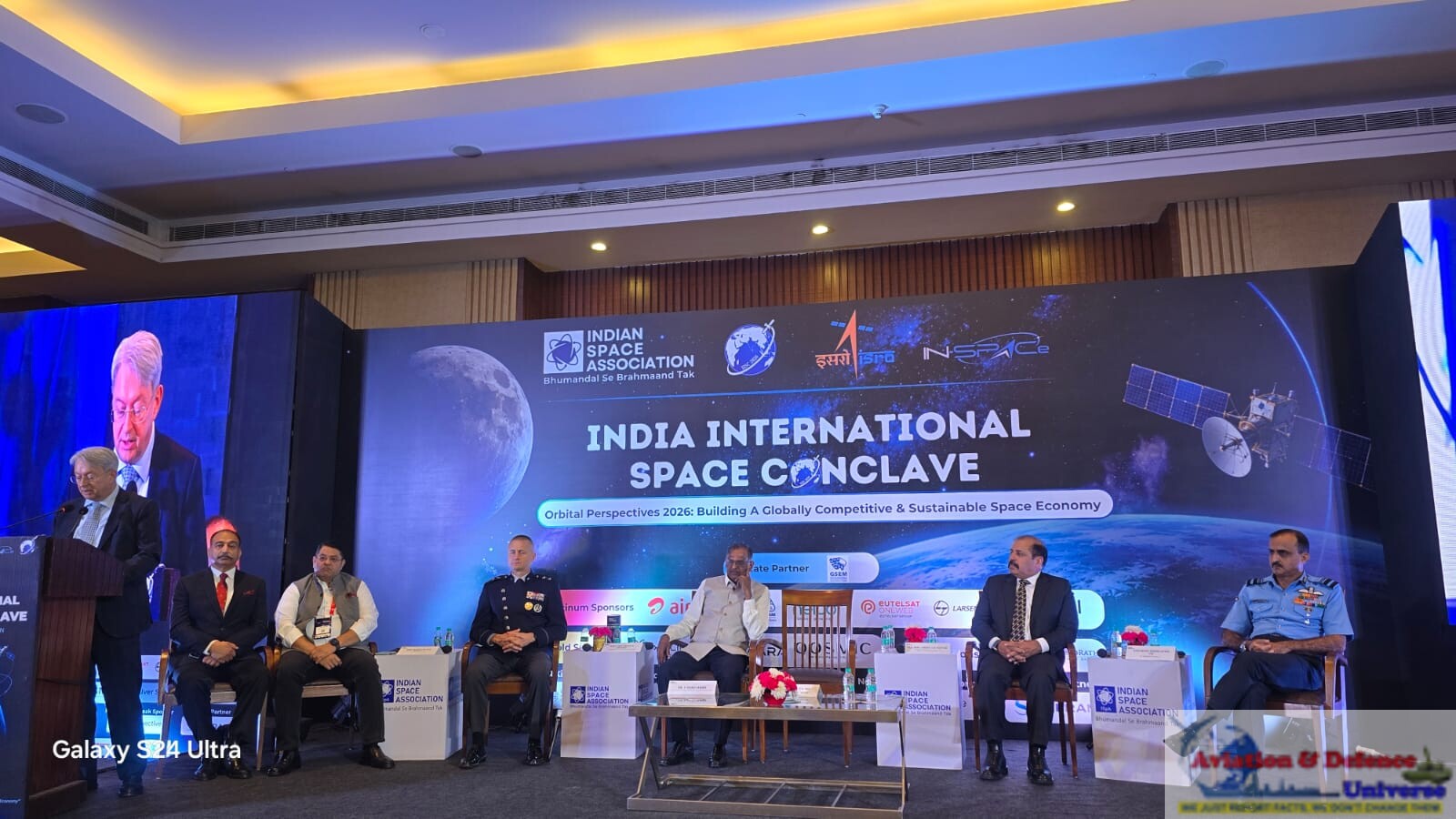
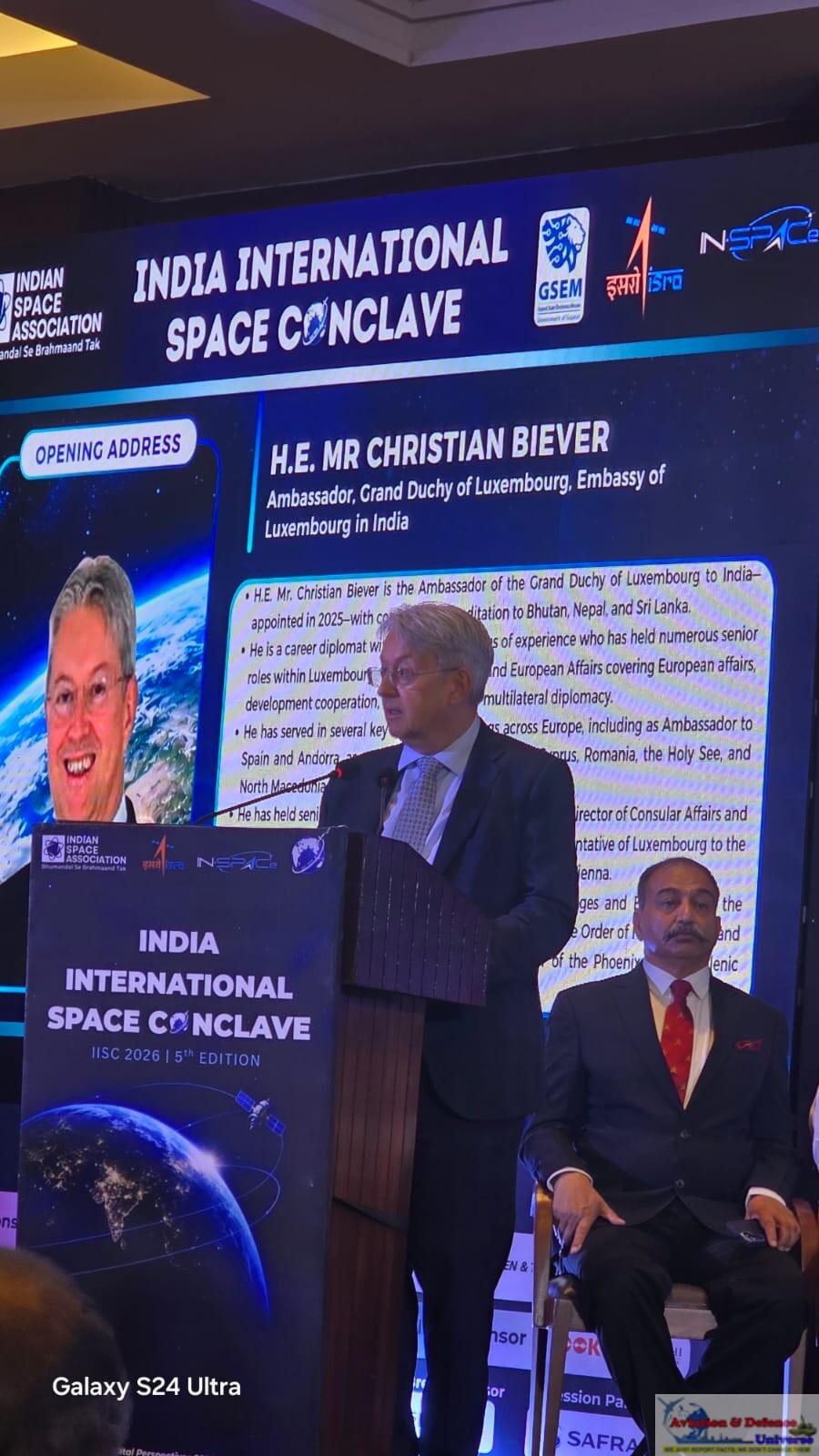 Delivering the opening address as Guest of Honour, H.E. Christian Biever, Ambassador of the Grand Duchy of Luxembourg to India, brought an international diplomatic and commercial perspective to the deliberations. The Ambassador highlighted the significance of the day’s theme, which brought together innovation, governance, human potential and global collaboration.
Technological innovation, he argued, needed to be accompanied by governance frameworks that encouraged responsible and sustainable development. Equally important was the human dimension, because scientific and technological achievements ultimately emerged from the knowledge, creativity and determination of individuals.
International cooperation constituted another indispensable element of the future space economy. “Space transcends national borders. Its opportunities are global, its challenges are shared and its future cannot be shaped by one nation alone,” Biever said.
These principles, he explained, were deeply embedded in Luxembourg’s own experience of developing a commercially successful space ecosystem. “Luxembourg’s journey demonstrates that the country’s contribution to space is not determined by the size of its territory but by the size of its vision.”
The Ambassador’s observation carried particular significance for an industry in which technological expertise, innovative business models and international partnerships could enable countries of vastly different geographical and economic sizes to make meaningful contributions.
Luxembourg: A Small Nation with a Significant Space Footprint
Biever traced Luxembourg’s space journey to its strategic decision more than four decades earlier to invest in satellite communications through SES.
That early commitment had helped establish the foundations of an internationally connected space ecosystem involving commercial operators, technology companies, research institutions and entrepreneurs.
SES had subsequently emerged as a major international satellite operator, connecting businesses and communities across continents, including through partnerships in India.
Luxembourg had also sought to position itself at the forefront of emerging space activities through its SpaceResources.lu initiative and the establishment of the European Space Resources Innovation Centre. These initiatives were contributing to the development of technologies and capabilities that could support sustainable activities beyond Earth in the future.
Biever emphasised that Luxembourg’s approach combined technological ambition with long-term responsibility. The same combination of innovation, openness and responsible governance, he suggested, created opportunities for stronger cooperation with India.
India-Luxembourg Space Relations Gather Momentum
The Ambassador praised India’s achievements in satellite applications, indigenous launch capabilities, lunar exploration and human spaceflight development. “India has demonstrated the power of scientific excellence, determination, and national vision,” he observed.
India’s expanding private space ecosystem and growing community of technology entrepreneurs had created substantial opportunities for international collaboration. Biever highlighted the increasing momentum in bilateral relations between India and Luxembourg, referring to a series of high-level ministerial engagements  during the year.
These included interactions involving foreign affairs, finance, economic cooperation and space-sector development. He referred to Luxembourg’s participation in the Bengaluru Space Expo and engagements with IN-SPACe and representatives of India’s commercial space ecosystem.
The Ambassador also announced plans for a high-level Luxembourg delegation to visit India in January 2027, including representatives of the Luxembourg Space Agency and dedicated space companies. The proposed visit would include engagements in Delhi, Mumbai and Bengaluru, providing opportunities to identify potential industrial and commercial partnerships.
The initiative reflected Luxembourg’s interest in moving beyond diplomatic engagement towards deeper cooperation between companies, technology developers and research institutions.
Complementarity, Not Similarity, Defines Successful Space Partnerships
Biever referred to the bilateral memorandum of understanding signed in 2022 as an important foundation for expanding India-Luxembourg space cooperation. The strengths of the two countries, he explained, were complementary. India possessed extensive scientific and engineering capabilities, a rapidly expanding industrial base and ambitious national space programmes.
Luxembourg brought longstanding expertise in satellite communications, specialised space enterprises, an innovation-friendly business environment and experience in developing regulatory frameworks for emerging space activities.
Potential areas of cooperation included satellite communications, Earth observation, research, entrepreneurship, lunar exploration and space resources. “Luxembourg and India demonstrate that meaningful space partnerships are not defined by similarity of scale, but complementarity of strength and unity of purpose,” Biever stated.
The observation offered a broader perspective on international space partnerships. Successful cooperation did not necessarily require countries to possess identical capabilities or comparable industrial ecosystems. Instead, partnerships could create value by combining complementary strengths, sharing expertise and pursuing mutually beneficial objectives.
The Future of Space Must Be Defined by Responsibility
Concluding his address, Biever emphasised that the future of space should not be measured exclusively by technological achievements, the distances travelled or the resources discovered.
The responsible application of technology, effective governance, human development and international cooperation would ultimately determine whether space remained a source of opportunity for humanity.
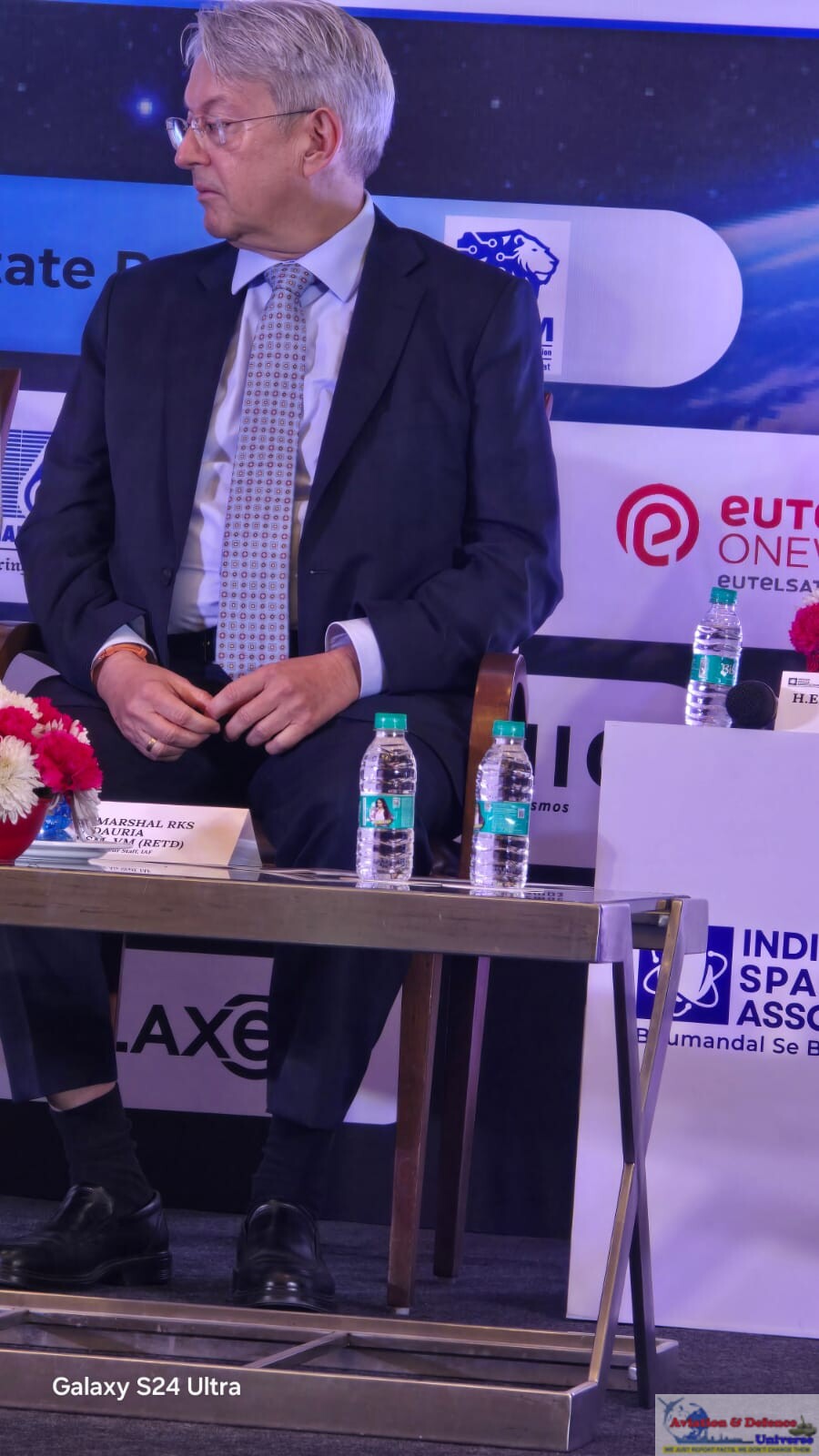 “It will be defined by the wisdom with which we use these capabilities, by our courage to innovate, by our commitment to responsible governance, and by our determination to nurture human potential,” he said.
The Ambassador expressed confidence that India and Luxembourg, working alongside international partners, could contribute to a future in which space remained a source of discovery, opportunity and inspiration.
His address provided an important diplomatic balance to the morning’s emphasis on technological sovereignty and strategic preparedness. While countries needed to develop resilient national capabilities, the shared challenges of outer space also required cooperation across national borders and generations.
The bilateral space cooperation MoU signed in 2022, complemented by growing high-level diplomatic engagements and industry interactions, has laid the foundation for partnerships in satellite communications, Earth observation, research, lunar exploration and emerging space technologies. Luxembourg’s proposed high-level space delegation to India in January 2027 is another indication of the growing momentum in this relationship. For India, Luxembourg offers a valuable gateway to Europe’s commercial space ecosystem, while for Luxembourg, India represents a dynamic market, a formidable technology partner and a growing manufacturing destination. The India–Luxembourg relationship is a compelling example of how diplomacy can transcend geography, technology can bridge distances and shared ambitions can turn two nations of vastly different sizes into partners on an infinite frontier.