
 Israel and Morocco Deepen Defense Cooperation: Israel MOD Director General Leads Delegation to Morocco to Strengthen Defense Ties













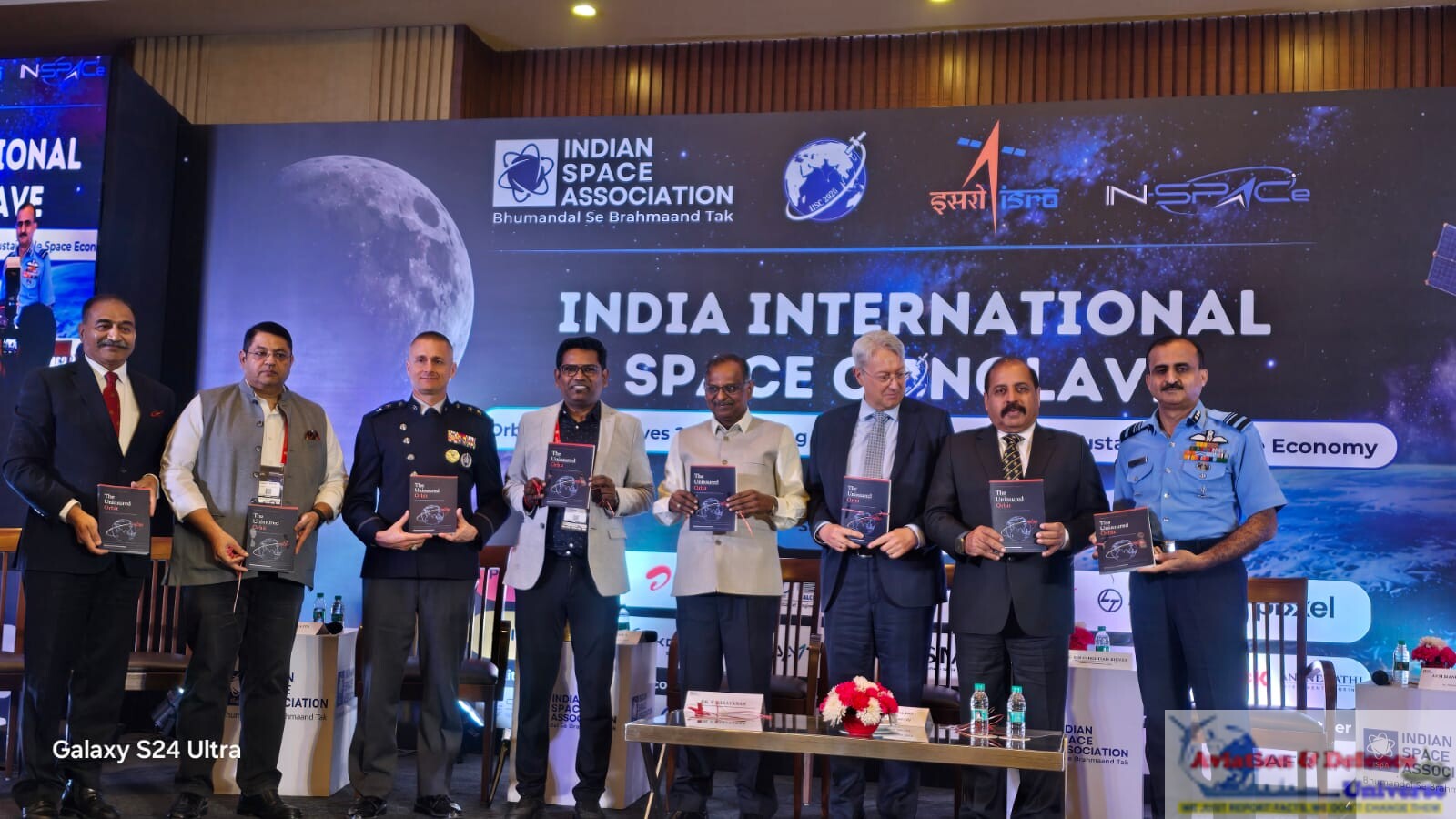
- From Scientific Excellence to Commercial Eminence: ISRO Chief’s Roadmap for India
- The Scientists Built the Foundation; Industry Must Build the Future: ISRO Chief
- From a borrowed American rocket in 1963 to launching a heavy American satellite in 2025
By Sangeeta Saxena
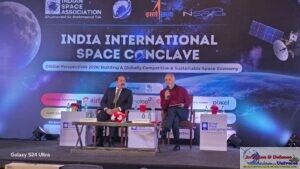
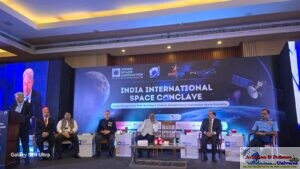
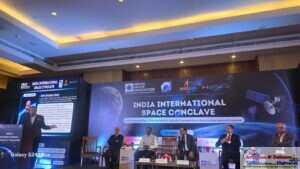
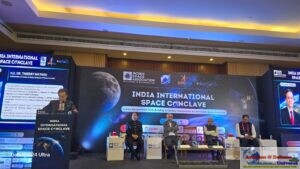
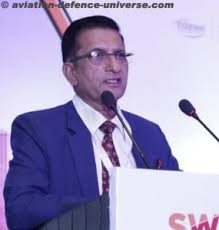
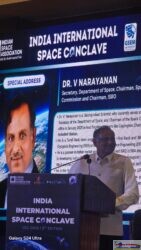
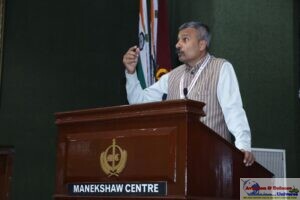
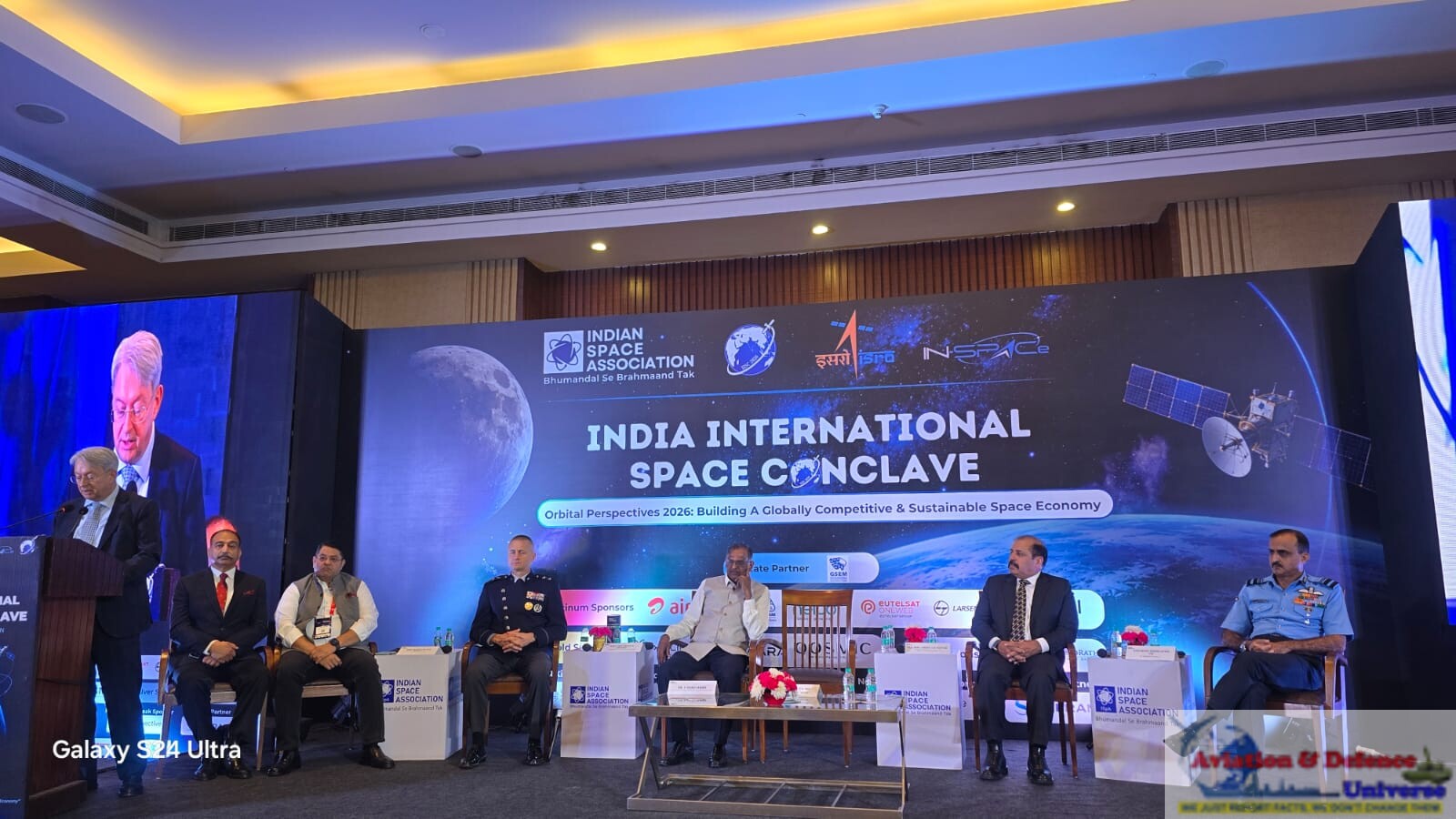
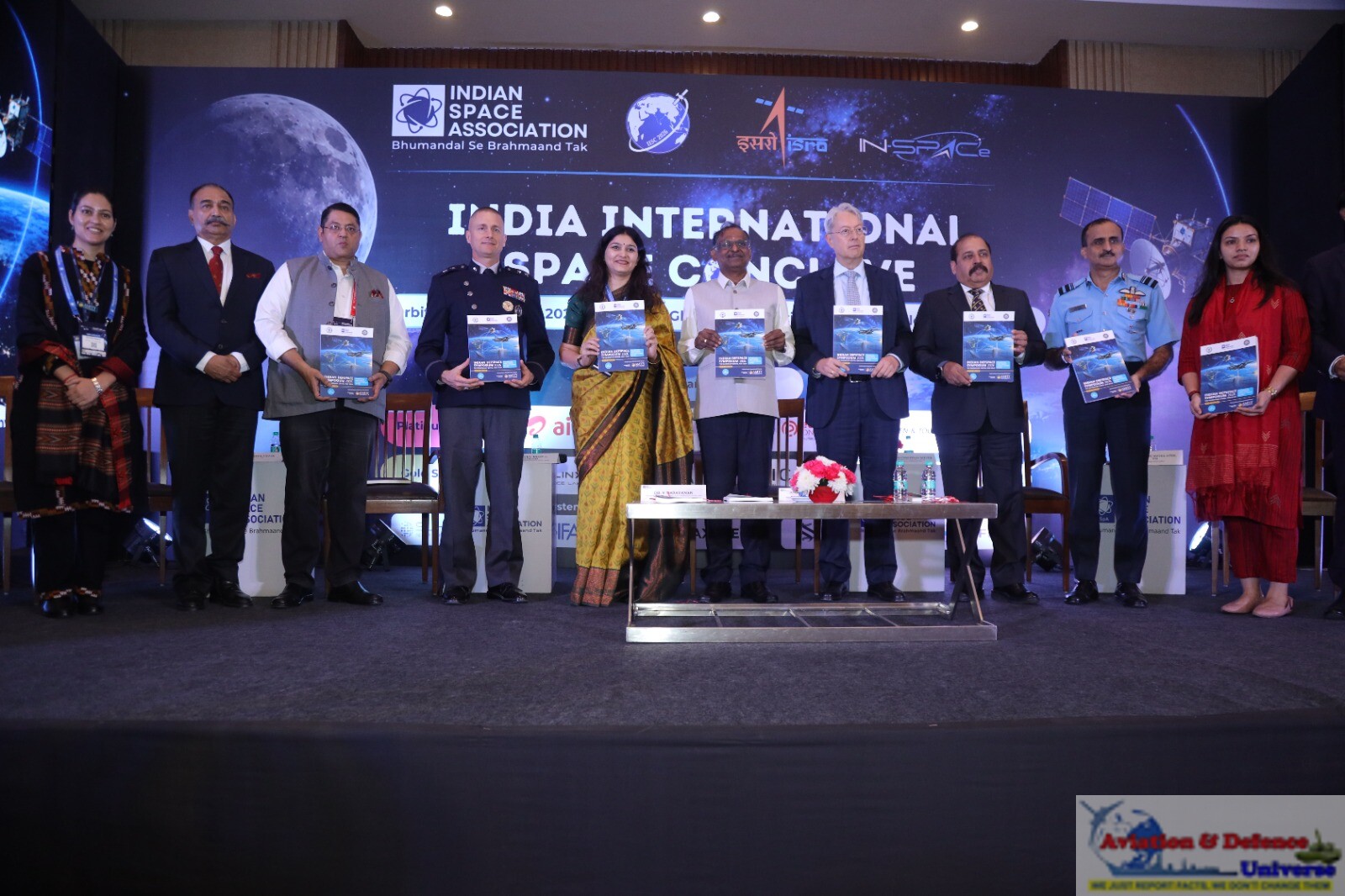
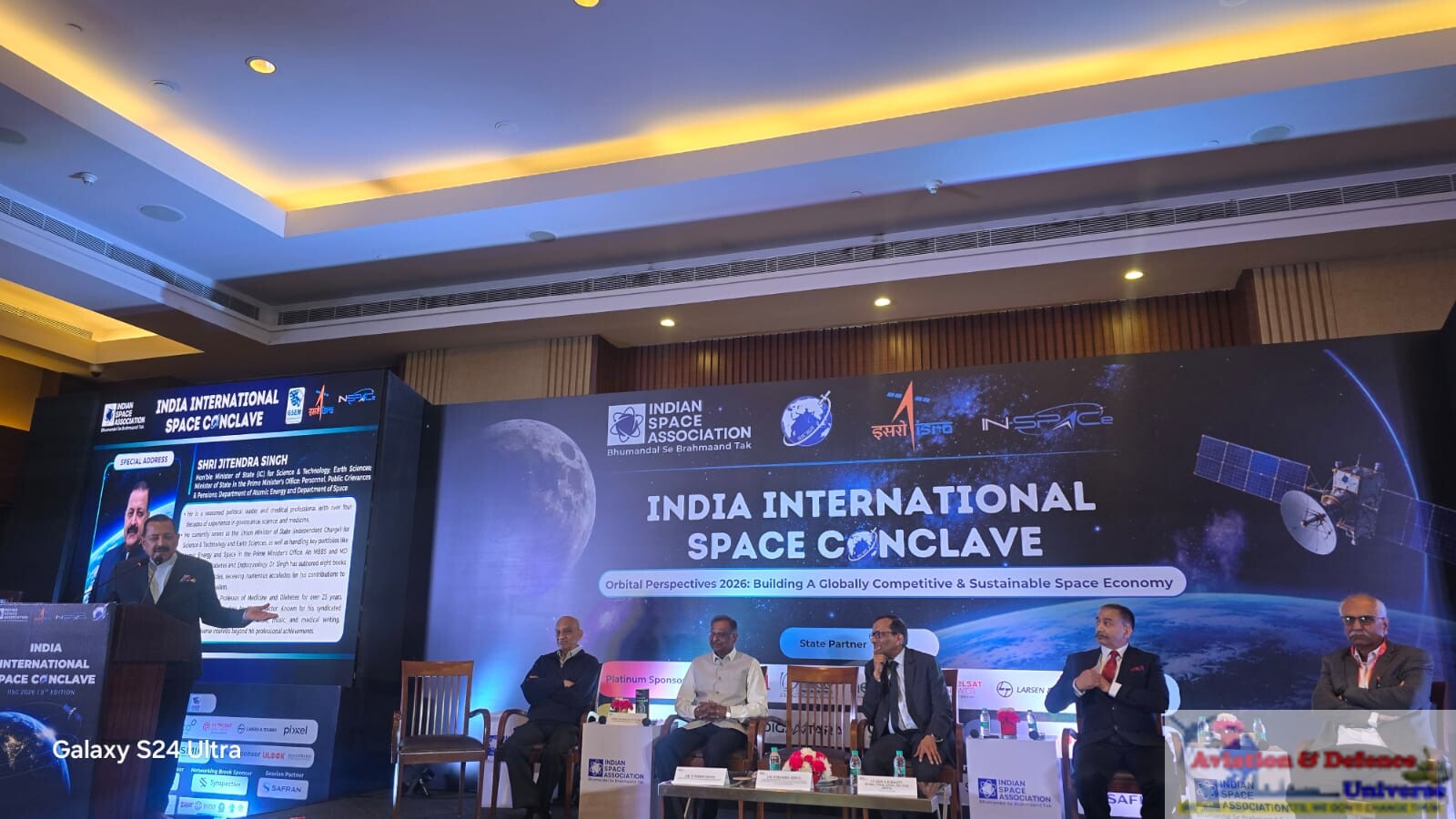
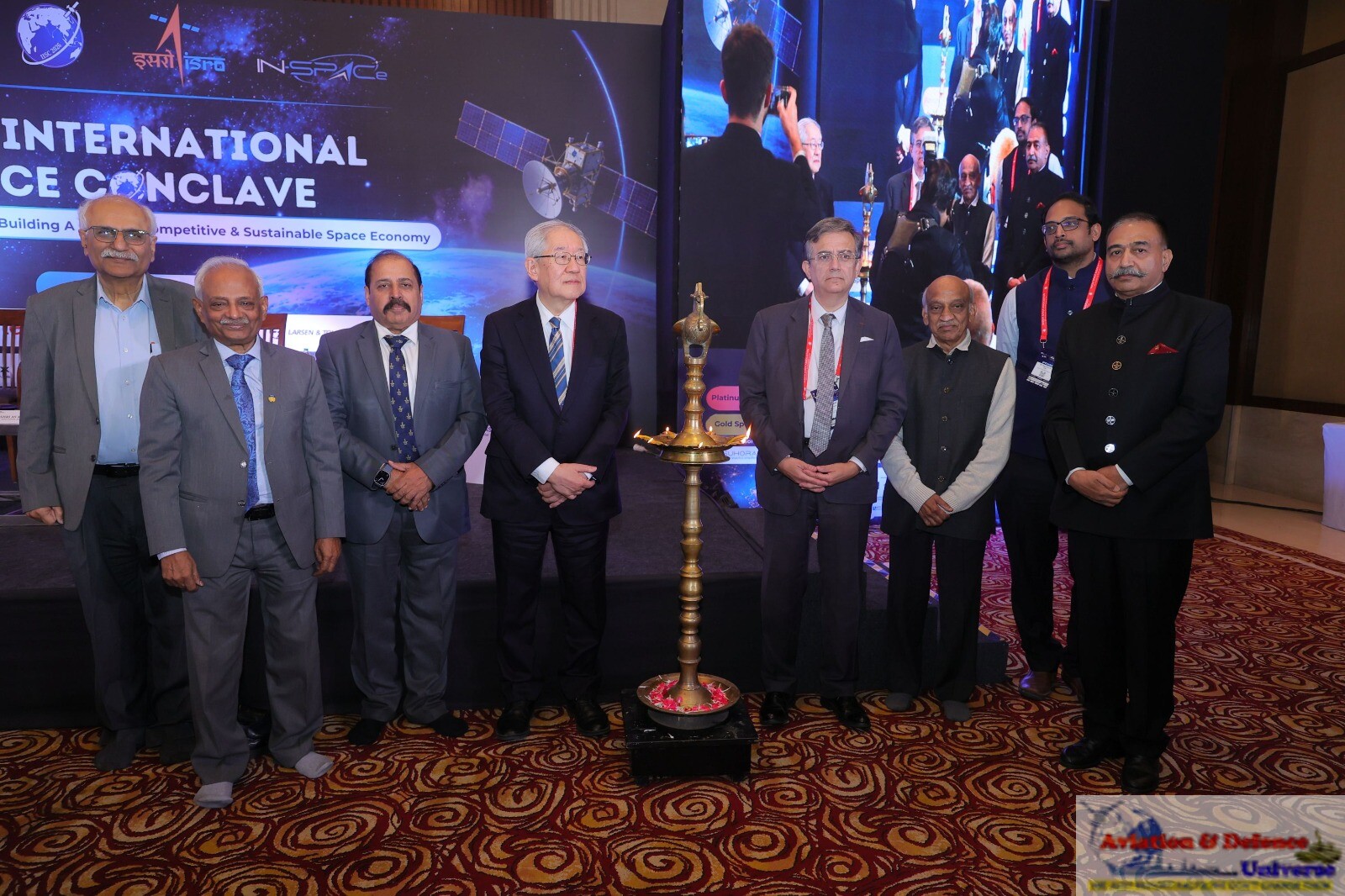
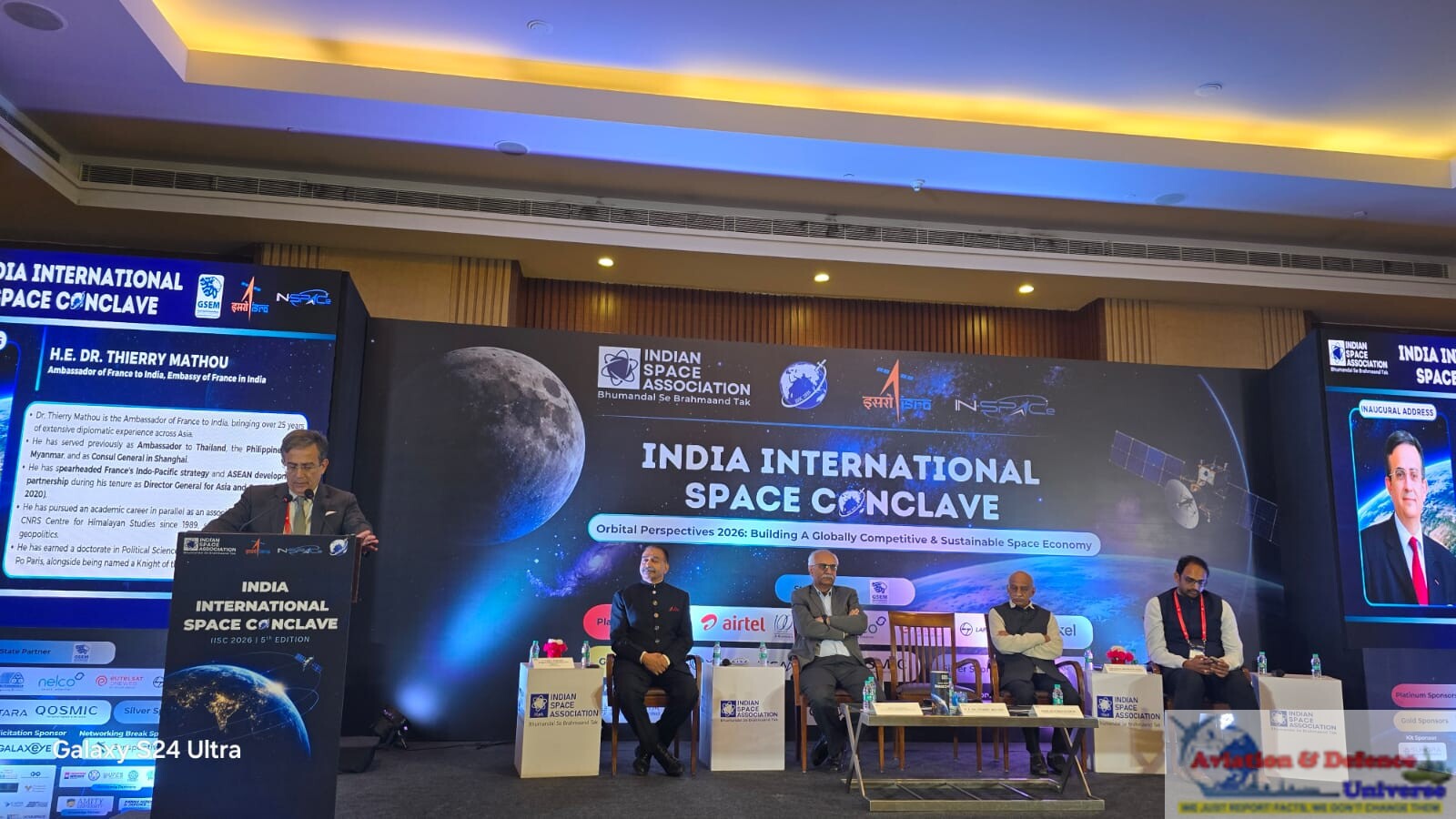
New Delhi. 26 November 2026. In 1963, India borrowed a tiny American rocket, fitted it with a French scientific payload and launched it from its own soil. In December 2025, an indigenously developed Indian rocket carried a sophisticated, heavy American satellite into space. Between these two milestones lies one of the most extraordinary stories of scientific determination, technological transformation and national self-belief. But for Dr V. Narayanan, Chairman, Indian Space Research Organisation (ISRO), Chairman, Space Commission and Secretary, Department of Space, this remarkable journey is merely the foundation of a far more ambitious future. Delivering his special address on Day 2 of the fifth India International Space Conclave (IISC) 2026, Narayanan outlined a vision in which India would move from scientific accomplishments to industrial dominance, from manufacturing satellites to manufacturing them at scale, and from government-led space exploration to an entrepreneurial space economy. Acknowledging Indian industry’s indispensable contribution to ISRO’s achievements, he virtually handed the baton of industrial expansion to manufacturers, entrepreneurs and start-ups. The scientist who celebrated India’s journey from technological dependence to technological confidence also set the nation’s next destination — to be second to none in space technology by 2047. Dr V. Narayanan acknowledges Indian industry’s indispensable contribution
From Borrowing a Tiny Rocket to Launching the World’s Satellites
Delivering his special address, Dr V. Narayanan, Chairman, Indian Space Research Organisation (ISRO), Chairman, Space Commission and Secretary, Department of Space, took the audience through India’s remarkable journey from modest beginnings to sophisticated space capabilities. He began by emphasising the centrality of space technology to India’s aspiration of becoming a developed nation by 2047.
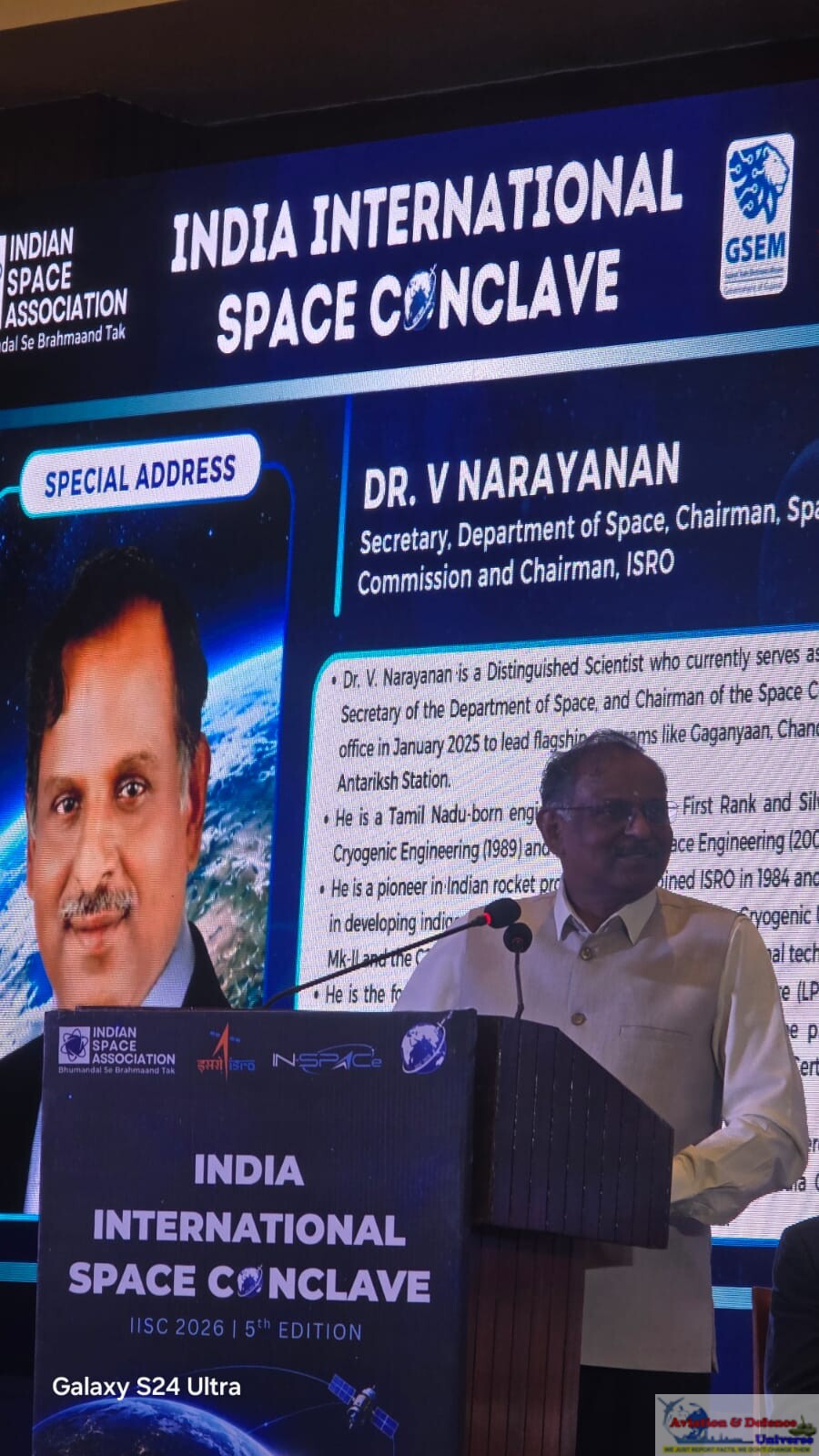 “Without space we cannot think about 2047, we cannot think about any advanced developed nation,” Narayanan said. Recalling the launch of India’s first sounding rocket on 21 November 1963, the ISRO Chairman described how the country had depended upon international assistance during the formative years of its space programme. The rocket had been supplied by the United States, the scientific payload had come from France and India had undertaken the task of assembling and launching the system.
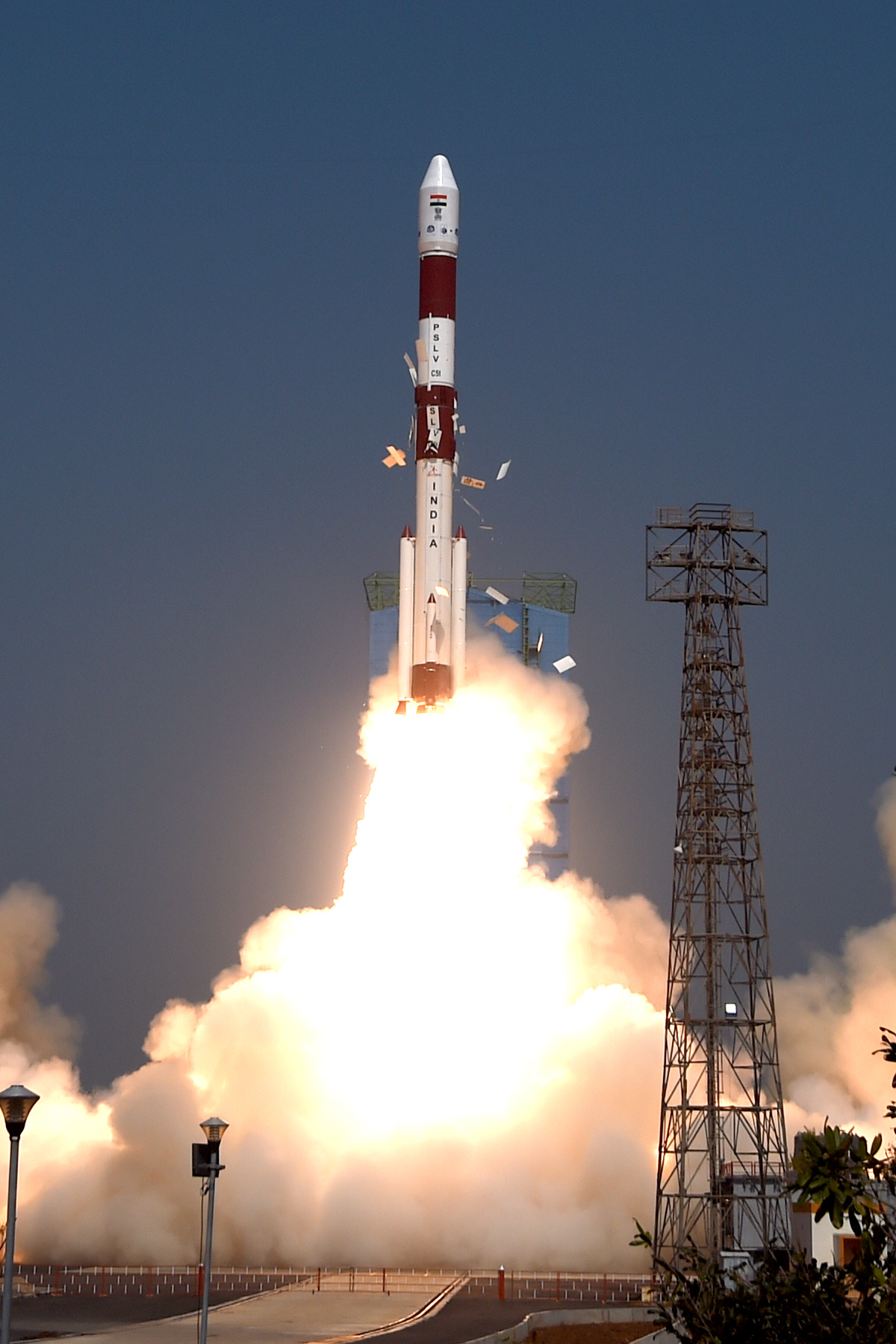
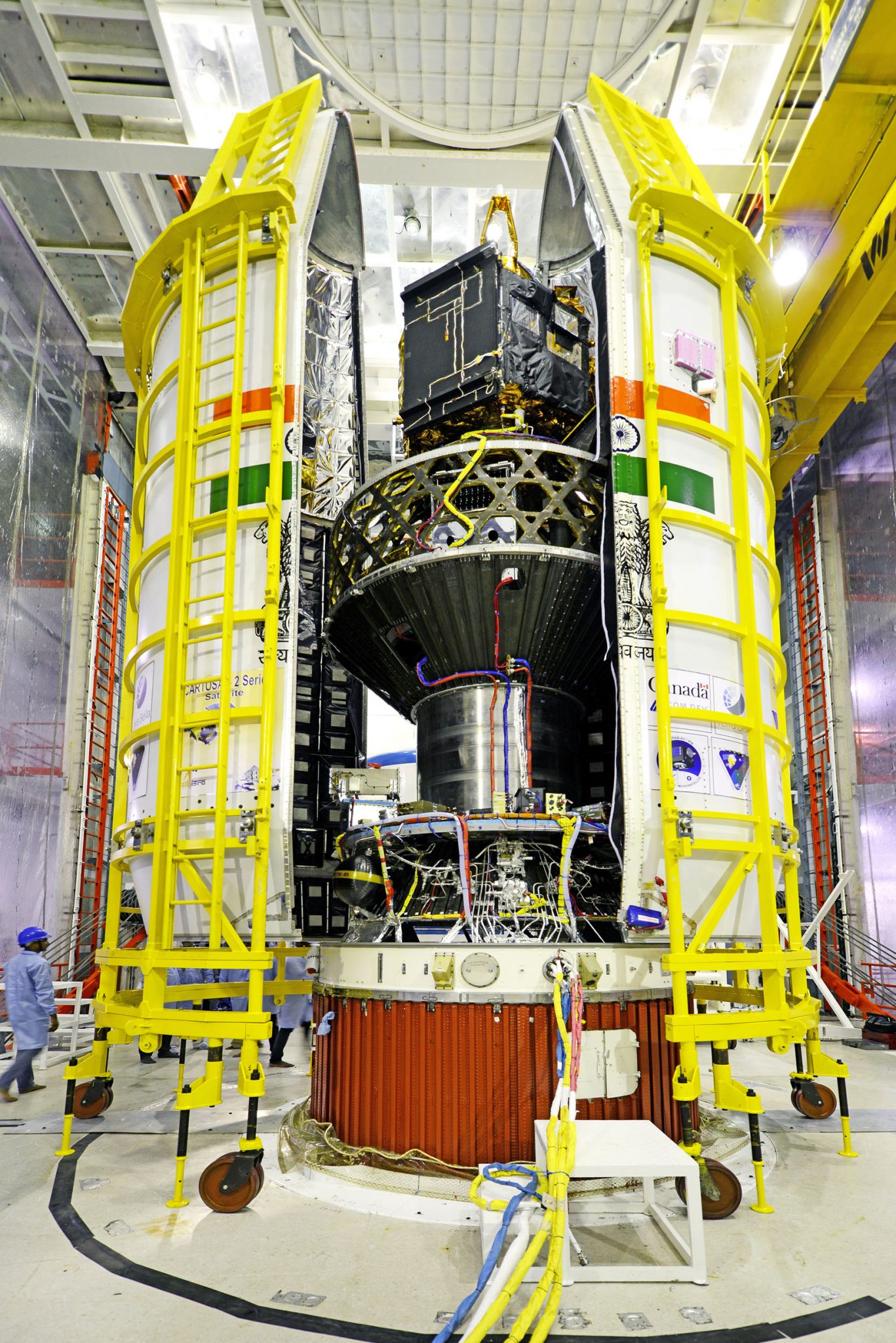
From those modest beginnings, India had developed capabilities across launch vehicles, satellite manufacturing, space applications, planetary exploration and advanced scientific missions. Narayanan contrasted the early sounding rocket with the subsequent commercial launch of a heavy American-built satellite aboard an indigenous Indian launch vehicle in December 2025.
The contrast, he explained, illustrated the extraordinary technological transformation achieved by the country. India had progressed from receiving a small rocket from the United States to providing commercial launch services for sophisticated American spacecraft. The journey also demonstrated the importance of sustained investment in scientific research, engineering expertise and industrial capability.
NISAR: International Cooperation at Its Scientific Best
Narayanan highlighted the NASA-ISRO Synthetic Aperture Radar mission as an outstanding example of international scientific and technological collaboration. Developed jointly by India and the United States over approximately a decade, the mission brought together sophisticated radar technologies and engineering expertise from both countries.
The satellite was integrated in India with participation from American teams and launched aboard an indigenous Indian launch vehicle. Narayanan informed the audience that the spacecraft was functioning successfully and generating valuable scientific data for the global community.
The mission illustrated India’s ability to participate in complex international programmes as a technologically capable partner. It also demonstrated how indigenous technological development and international scientific cooperation could reinforce each other. The ISRO Chairman subsequently referred to India’s progress in Earth observation, navigation and launch-vehicle capabilities, tracing the country’s evolution from the early SLV-3 programme to increasingly sophisticated launch systems.
From Space for the Common Man to Space as an Economic Engine

Narayanan recalled that the original vision of India’s space programme had been to apply advanced technology for the benefit of ordinary citizens. He referred to the pioneering use of satellite-based mass communication in the 1970s, which demonstrated how space technology could contribute to education and social development. Today, space-based applications had become indispensable across numerous sectors, including national security, navigation, disaster warning, agriculture, water management and food security. However, a major transformation was underway.
India’s space programme, historically led by government institutions, was increasingly becoming an ecosystem involving private enterprises, start-ups, investors and commercial customers. Narayanan observed that India’s share of the global space economy remained approximately two per cent and that the country aspired to increase this share to between eight and ten per cent over the following decade.
The opening of the space sector to private enterprise was intended to help achieve that transformation. Reflecting on his own career, Narayanan remarked that when he had joined ISRO more than four decades earlier, he had never imagined that private companies would eventually undertake activities across the entire space value chain. Today, Indian enterprises were increasingly involved in rocket design, launch services, satellite manufacturing, applications and associated technologies. The emergence of approximately 440 space start-ups, he said, represented a significant achievement for the country.
Without Indian Industry, Rockets and Satellites Would Have Remained on Paper
One of the most significant aspects of Narayanan’s address was his acknowledgement of the contribution made by Indian industry to the development of the national space programme. He observed that a substantial proportion of expenditure associated with ISRO’s missions flowed into domestic industry. Indian manufacturers, engineering companies and technology suppliers had contributed to the development of launch vehicles, spacecraft and associated systems over several decades. “I can boldly tell you, without the support of Indian industry, we would not have reached the present level at all,” Narayanan said.
 He added, “The rocket would have been only in the paper form. Satellite would have been only in the paper form.” The ISRO Chairman invited the audience to applaud the industry leaders whose contributions had enabled India’s scientific and technological achievements. His acknowledgement was particularly important at a conclave dedicated to strengthening the partnership between government institutions and private enterprise. India’s space industry was not beginning from scratch.
It was building upon decades of industrial participation in ISRO programmes, accumulated engineering expertise, specialised manufacturing capabilities and a workforce familiar with the demanding requirements of space technology. The next phase would involve transforming companies that had traditionally supplied components and subsystems into enterprises capable of designing, manufacturing and delivering complete space systems.
Private Launch Companies Are Creating New Chapters in India’s Space History
Narayanan recalled several milestones that had defined India’s space journey, including the country’s early satellite programme, the successful SLV-3 launch, satellite-based developmental applications and the historic Chandrayaan-3 lunar landing. He also referred to the achievements of India’s emerging private launch-vehicle companies, expressing pride in the progress made by domestic space entrepreneurs. The ISRO Chairman described the success of private enterprises in developing orbital launch capabilities as the beginning of a much larger transformation.
For Narayanan, the opening of the space sector represented an opportunity to extend technological entrepreneurship across the country. Envisioning the future of India’s space ecosystem, he remarked, “I think every city will have a space company.” He went even further, suggesting that space-related products could eventually emerge from communities across the country. The vision reflected the potential democratisation of space technology, with opportunities extending beyond established research institutions and traditional industrial centres.
Industry-Built PSLV: From Supplying Components to Building Complete Rockets
Narayanan informed the gathering that the first fully industry-built Polar Satellite Launch Vehicle was expected to fly in the coming months. The development represented an important milestone in India’s transition towards industrial-scale launch-vehicle manufacturing. Indian industry had traditionally contributed components and subsystems to ISRO’s launch programmes. The manufacture of a complete PSLV by an industrial consortium would represent a significant expansion of that role. The ISRO Chairman also highlighted similar developments in satellite manufacturing, where private companies were increasingly progressing from subsystem development towards building complete spacecraft.
These developments could allow ISRO to devote greater attention to advanced research, next-generation technologies and complex scientific missions while industry assumed a larger role in production and commercial deployment.
Gaganyaan, Global Navigation and High-Speed Connectivity
Outlining India’s future space priorities, Narayanan referred to the Gaganyaan human spaceflight programme and the challenges associated with ensuring the safety of astronauts. “Actually, sending somebody to space is very easy. But bringing them back safely is a very tricky job,” he remarked. The observation highlighted the complexity of human spaceflight, where reliability, safety and the successful recovery of astronauts remained paramount. Narayanan also discussed India’s indigenous navigation satellite constellation and the longer-term aspiration of extending navigation capabilities beyond regional coverage.
 He envisaged a significant role for domestic industry in manufacturing the satellites required for future navigation services. High-speed, low-latency communications constituted another major opportunity. Providing advanced connectivity across India would require a substantial number of satellites, creating opportunities for manufacturers, component suppliers, launch-service providers and communications companies.
The ISRO Chairman also highlighted the continuing importance of disaster warning and mitigation, emphasising that space-based infrastructure could contribute to protecting citizens and reducing the consequences of natural disasters. The requirements of national security, communications, navigation, disaster management and developmental applications collectively pointed towards a substantial increase in demand for space assets.
India’s Challenge Is No Longer Building Satellites; It Is Building Them in Numbers
Perhaps the most important industrial message from Narayanan was that India’s challenge had shifted from demonstrating technological capability to achieving production scale. ISRO had developed considerable expertise in designing and manufacturing sophisticated spacecraft. However, meeting the rapidly expanding requirements of national security, communications, Earth observation and commercial applications would require a much larger number of satellites. “But producing in numbers, that is a challenge. That is a place where the industries and startup companies have to play a crucial role,” he said.
The observation complemented the discussions on the first day of the conclave, when industry leaders had emphasised the need to move from technological firsts to repeatable industrial production. India’s future space capabilities would increasingly depend upon manufacturing infrastructure, supply-chain resilience, production efficiency and the ability to deliver sophisticated systems within commercially relevant timelines. For private companies, the growing demand represented both a technological challenge and a significant business opportunity.
Advanced Optics, Materials and Semiconductors: The Next Frontiers of Indigenisation
Narayanan also identified specific technological areas where Indian industry needed to strengthen indigenous capabilities. These included advanced optical systems, specialised materials, precision manufacturing, semiconductor technologies, data processing, robotics and artificial intelligence. India had made considerable progress in developing sophisticated optical payloads, including high-resolution imaging systems for scientific missions. However, developing larger optical systems and producing them in greater numbers remained challenging.
 Dependence on imported raw materials and certain manufacturing capabilities needed to be reduced through greater domestic investment and technological development. The ISRO Chairman acknowledged that importing specialised products was not necessarily undesirable in every circumstance. Nevertheless, India needed to possess the underlying capability to develop and manufacture critical technologies domestically.
“We can import, but we should have the entire capability in the country,” he emphasised. Narayanan also drew attention to the lengthy manufacturing cycles associated with certain sophisticated optical systems. Increasing production capacity and reducing manufacturing timelines represented important opportunities for private industry. His observations echoed the opening fireside chat’s emphasis on materials and supply chains. India’s space sovereignty would ultimately depend not only upon its ability to build spacecraft but also upon its ability to develop the specialised technologies and materials incorporated within them.
Space Sustainability Is a Collective Responsibility
Narayanan also addressed the growing congestion of the orbital environment. While space technology had created extraordinary opportunities for humanity, the increasing number of satellites and associated debris presented challenges requiring collective international attention. Responsible space operations, debris management and the protection of the orbital environment needed to accompany technological and commercial expansion.
“It is also our responsibility as a global community to take care of that aspect,” he said. Indian start-ups and established companies could contribute to developing technologies and services addressing these emerging challenges. Space sustainability was therefore not merely a regulatory concern but also an area of technological innovation and potential commercial opportunity.
Second to None by 2047
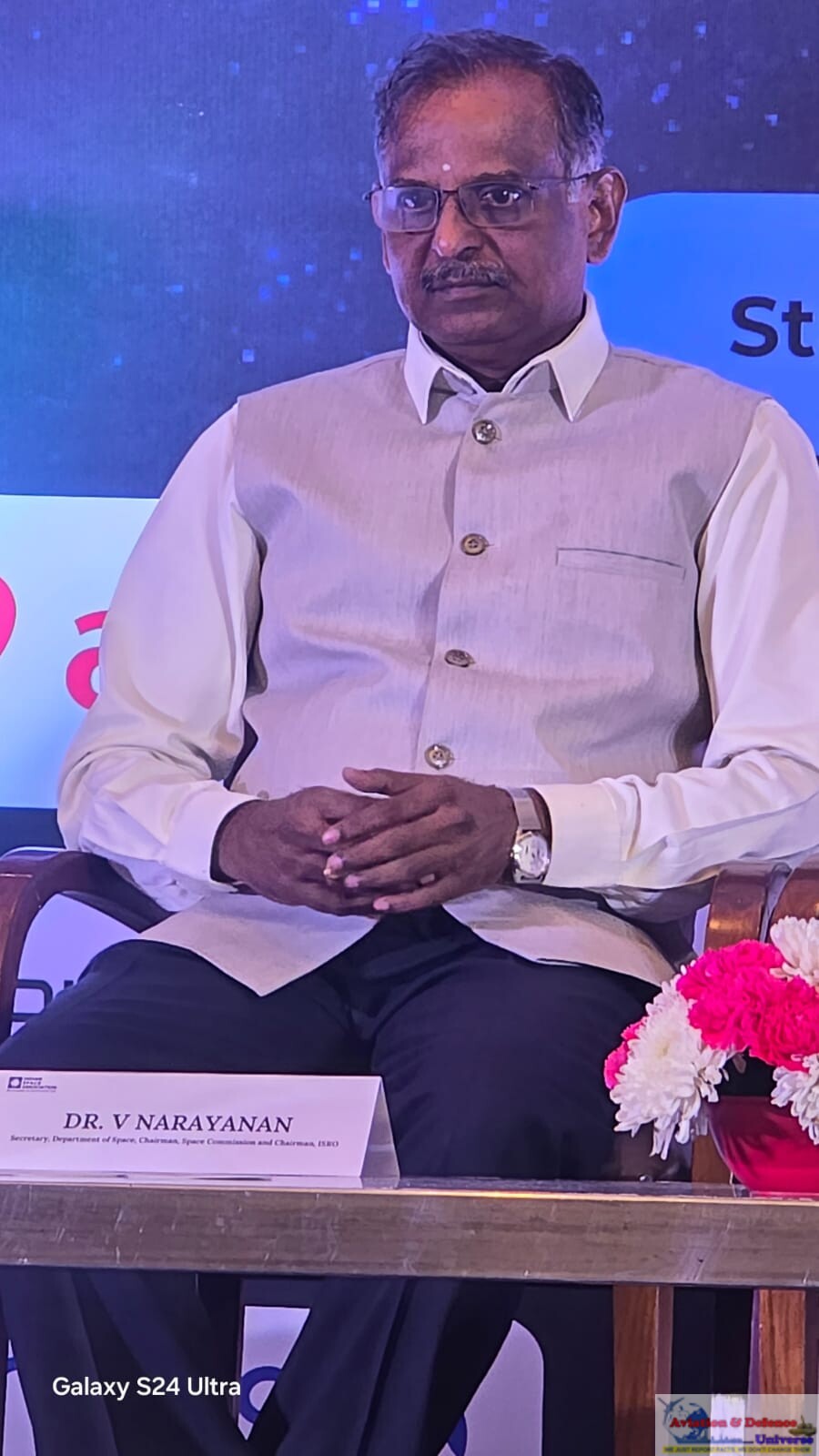 Concluding his address, Narayanan expressed confidence in India’s ability to achieve technological leadership in space as the country approached the centenary of its independence. The growing participation of industry, entrepreneurs, academia and international partners demonstrated the increasing strength of India’s space ecosystem. He described platforms such as IISC as valuable mechanisms for bringing stakeholders together and creating connections that could contribute to future technological and commercial development.Setting an ambitious benchmark for the country, Narayanan declared: “By 2047, when India is becoming a developed country … we will be second to none.” He clarified that India’s objective was to achieve technological excellence across launch systems, spacecraft and applications, even if leadership was not measured exclusively through numerical superiority “May not be in terms of numbers, but in terms of technology, we will be second to none,” the ISRO Chairman asserted. The statement provided a compelling vision for India’s space industry — a country capable not merely of participating in global technological developments but of standing alongside the world’s leading space nations.
Dr V. Narayanan’s address was as much a tribute to India’s scientific past as it was a clarion call to its industrial future. From the humble sounding rocket of 1963 to Chandrayaan-3’s historic lunar landing, from satellite-based education for rural communities to the sophistication of NISAR, from government-manufactured rockets to industry-built launch vehicles, India has repeatedly demonstrated that ambition 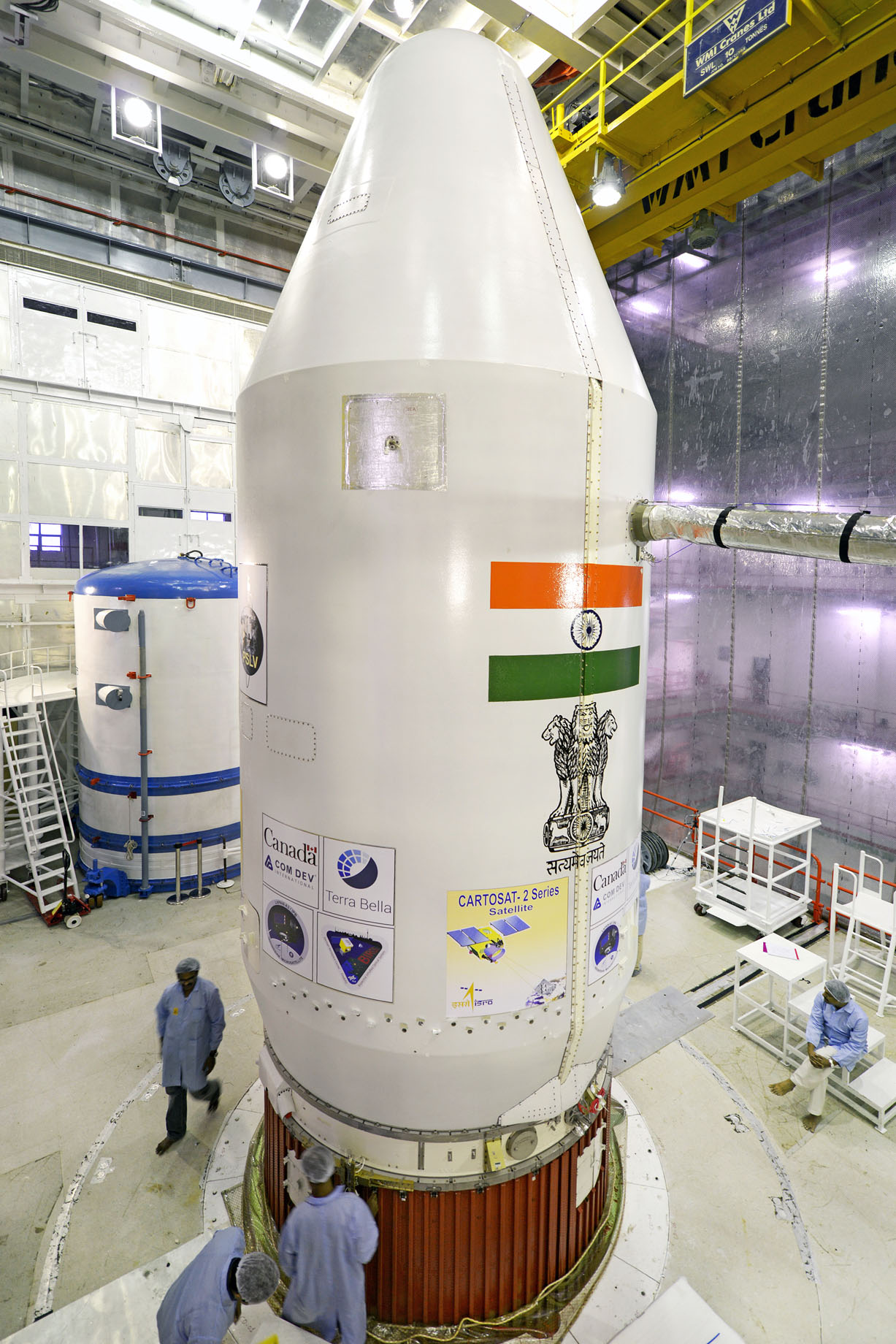 backed by scientific perseverance can overcome formidable technological barriers. But the next chapter will demand more than spectacular missions and historic firsts. It will require production lines capable of manufacturing satellites in large numbers, indigenous capabilities in advanced optics, semiconductors and critical materials, globally competitive space enterprises, safe human spaceflight, sustainable orbital operations and a nationwide culture of technological entrepreneurship.
Narayanan’s dream of a space company in every city and space products emerging from communities across India reflects the democratisation of a sector once considered the exclusive preserve of scientists and government laboratories. His vision of being second to none by 2047 is not merely an aspiration for ISRO; it is a collective national mission for industry, academia, entrepreneurs, investors and policymakers. India has proved that it can reach where few nations have reached. It must now manufacture what few nations can manufacture, innovate where few nations dare to innovate and deliver at a scale that the world cannot ignore. The first chapter of India’s space odyssey was written by its scientists; the next must be co-authored by its industry. And by 2047, India must not merely occupy a place among the stars — it must help define the future of space itself.