

















- From Chennai to Ayodhya: Creating Airports Rooted in the Soul of India
- Reimagining Airports as Gateways to Culture, Connectivity and Sustainability
- People, Purpose and Place: A Vision for the Airports of Tomorrow
By Sangeeta Saxena
New Delhi. 16 July 2026. An airport is often the first handshake between a traveller and a destination. Long before one steps into the streets of a city, encounters its people or experiences its traditions, the terminal building has already begun telling its story. But can a modern airport—built from seemingly lifeless masses of steel, glass and concrete—capture the soul of the land on which it stands?
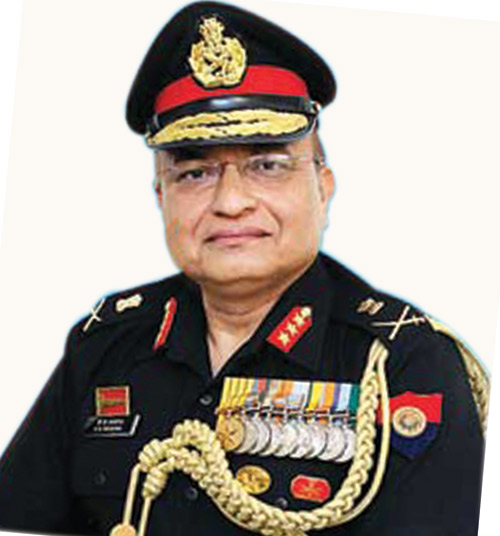
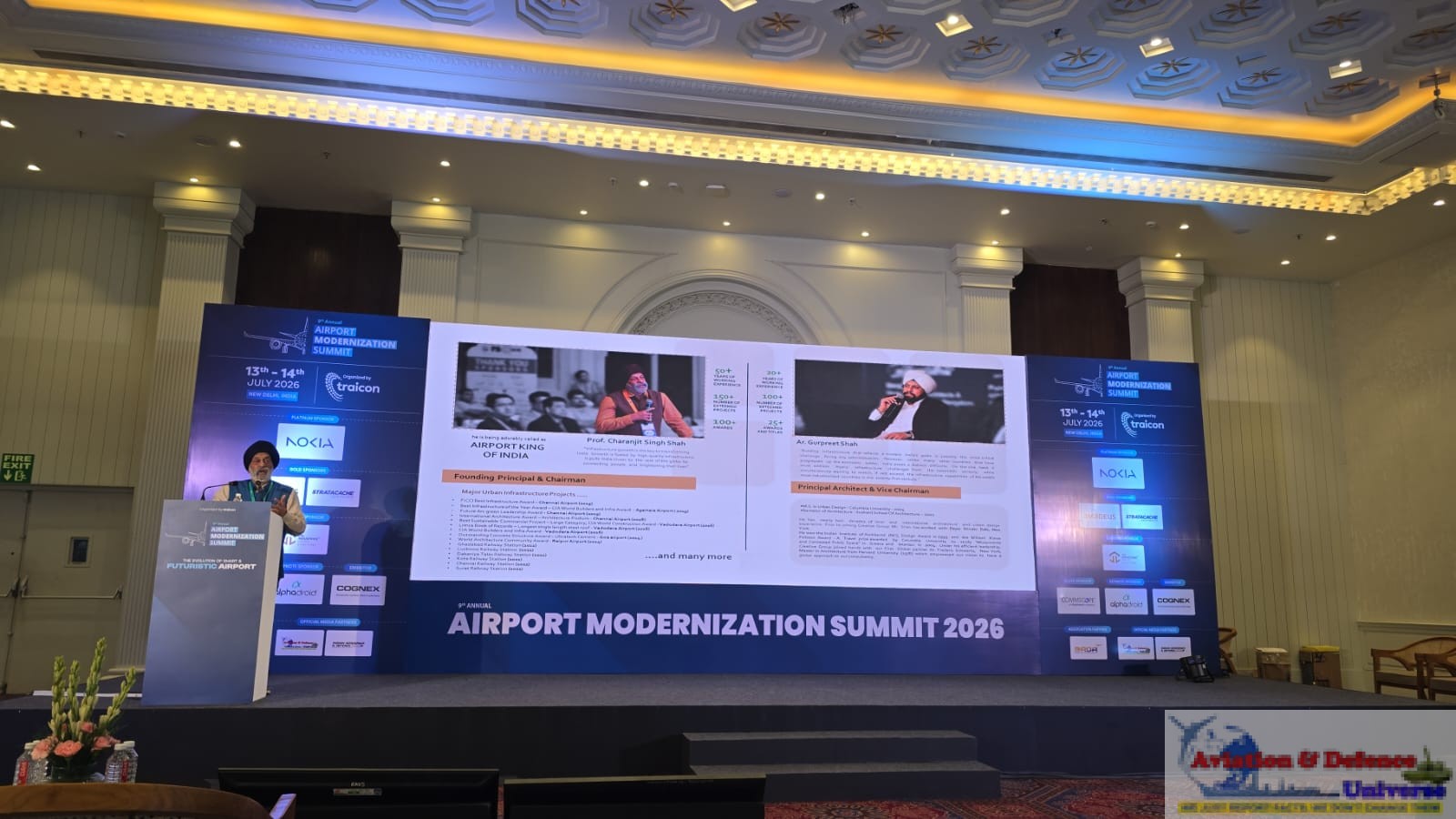
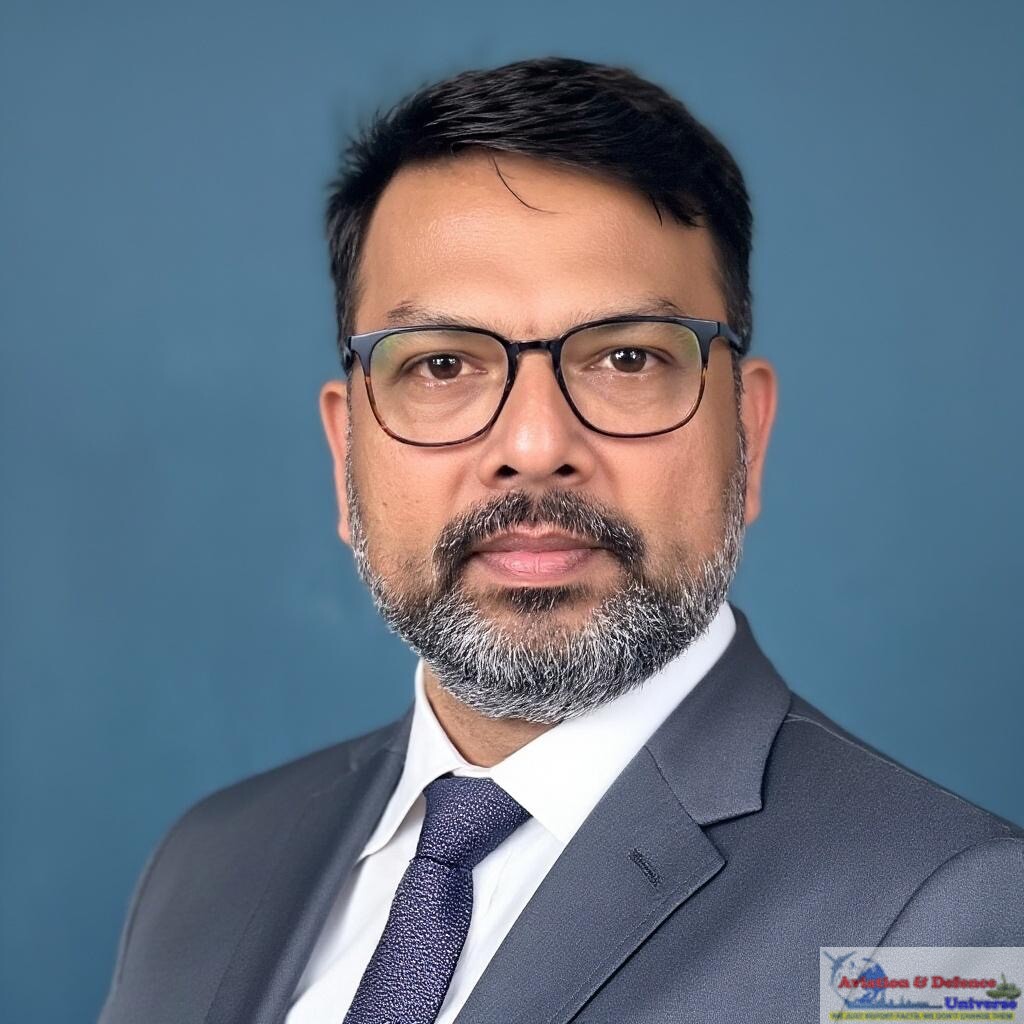
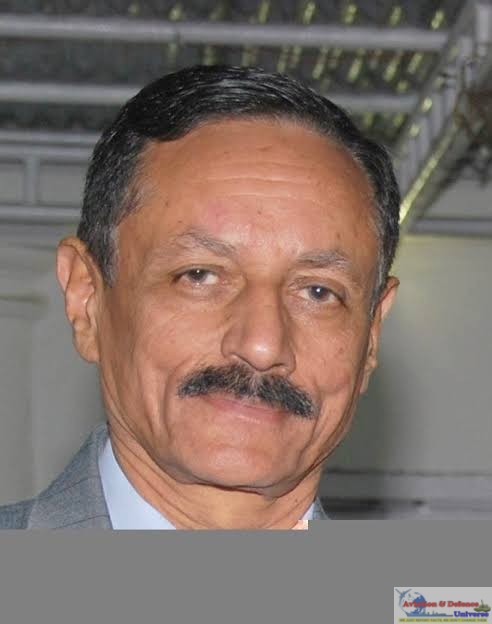
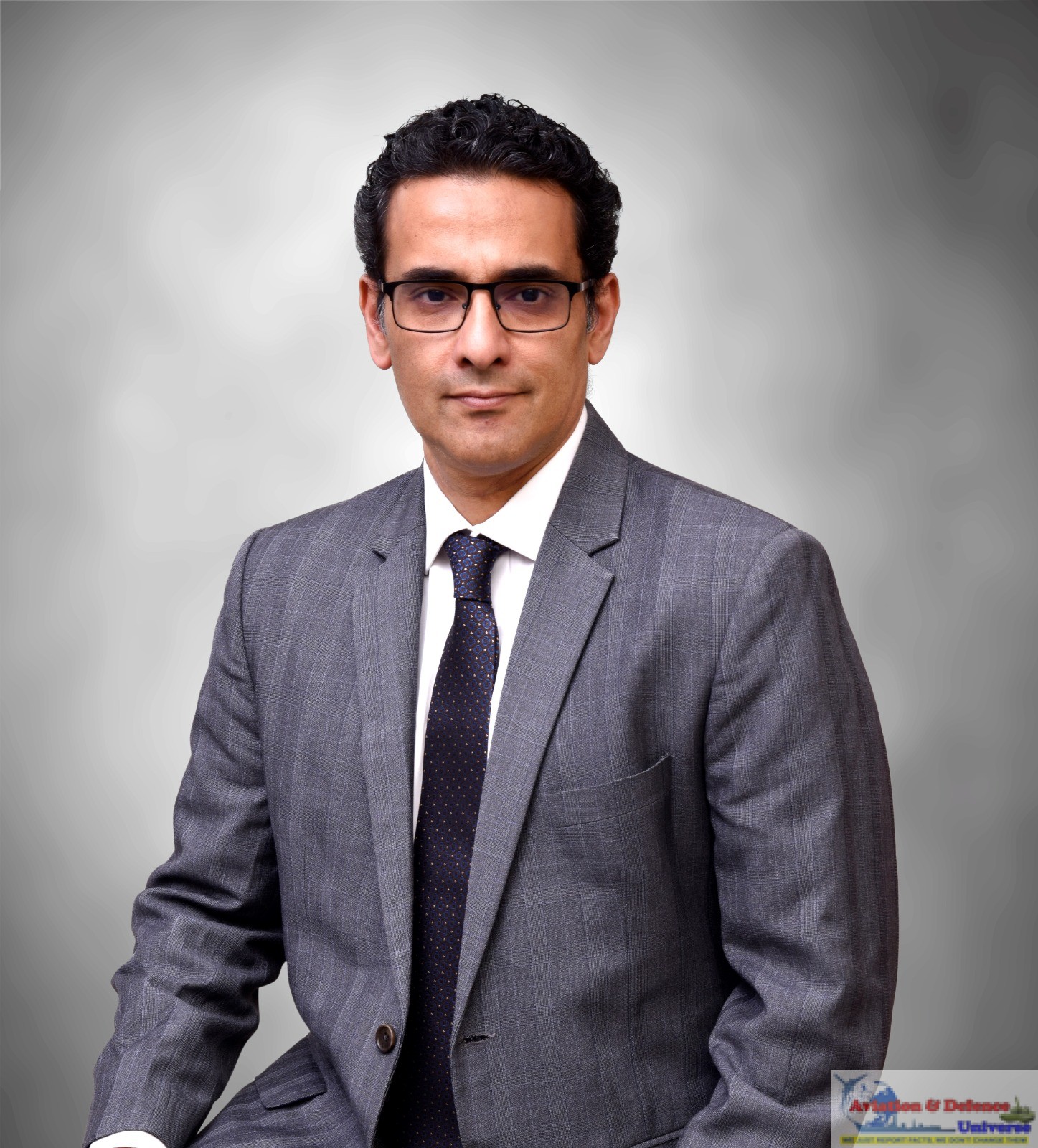
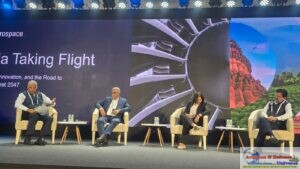
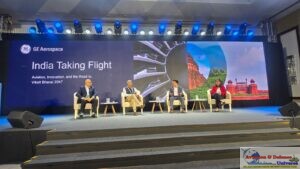
Prof. Charanjit Singh Shah, Chairman & Founder of Creative Group LLP, is an architect whose vision goes beyond designing buildings to creating spaces that connect people with their culture, geography and identity. With decades of experience in shaping major transportation infrastructure, including airports, railway stations and multimodal projects in India and overseas, Prof. Shah has championed an architectural philosophy that brings together engineering innovation, sustainability, functionality and a strong sense of place. From pioneering complex structural solutions at Chennai Airport to drawing upon local heritage for terminals in Gwalior, Varanasi and Ayodhya, his work reflects his conviction that architecture should never be an anonymous global expression. For him, the challenge is to breathe life into the otherwise “dead mass” of brick, concrete and steel, creating buildings that belong unmistakably to their people, purpose and place.
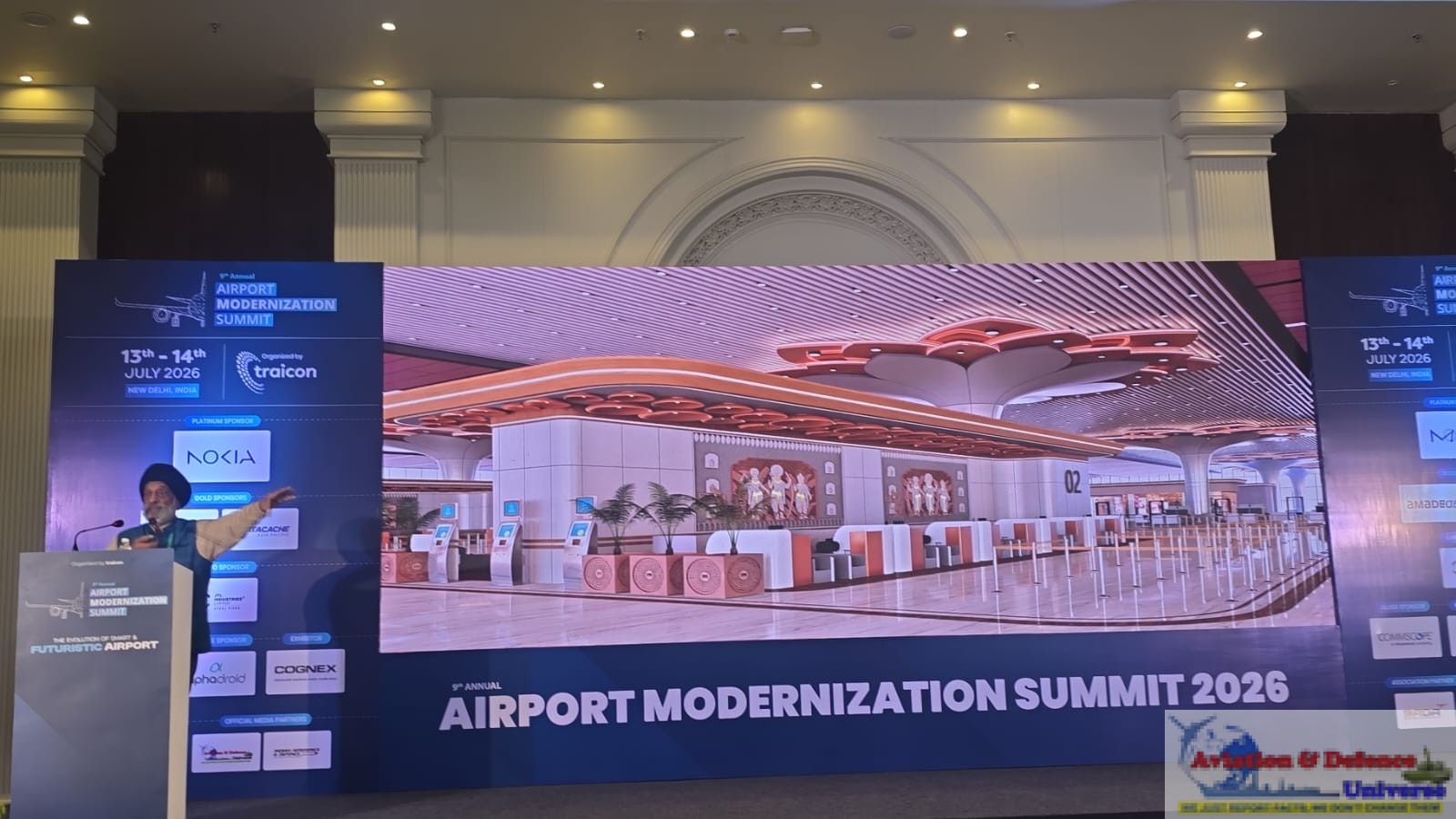
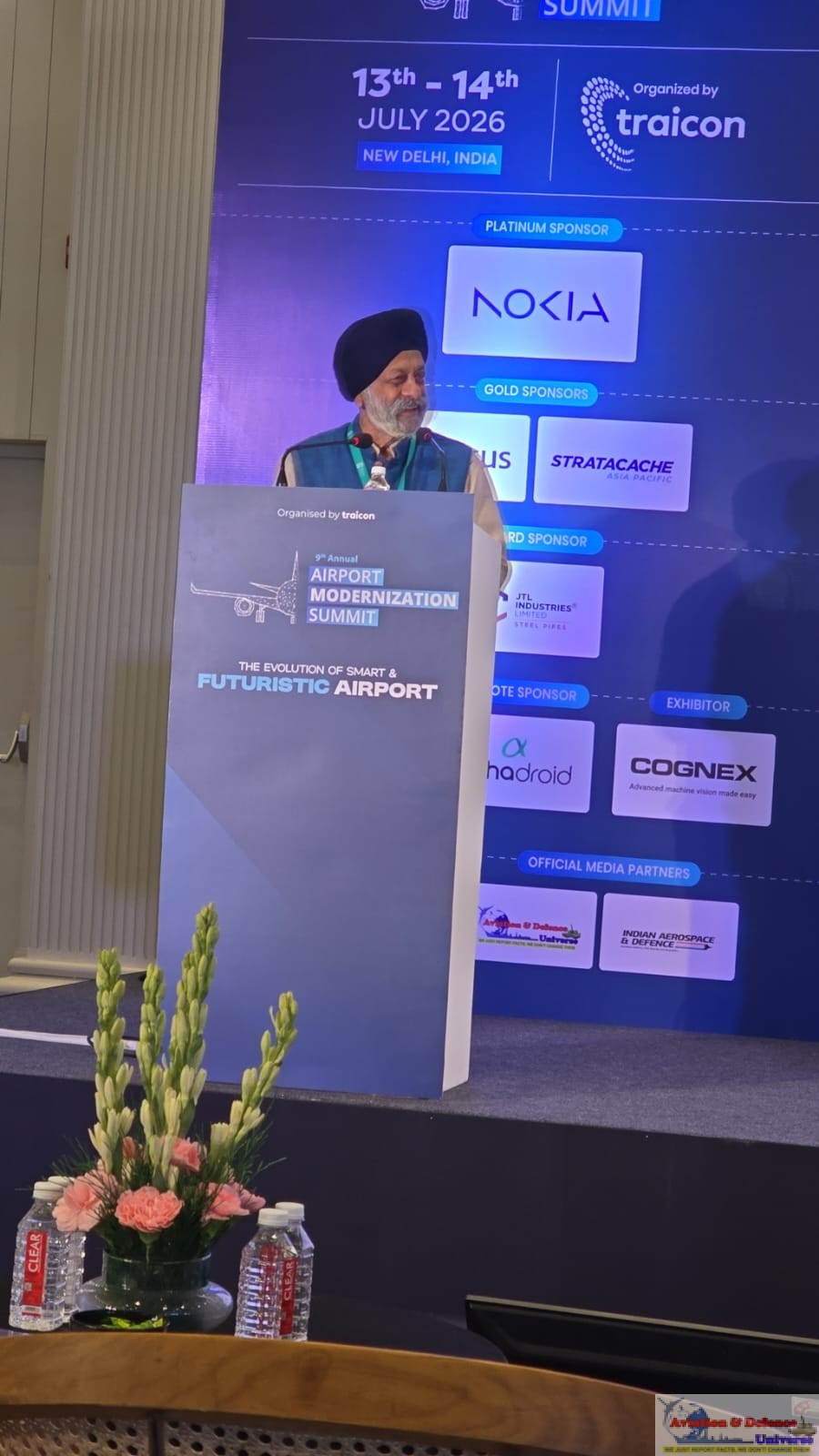 In an insightful address tracing decades of experience in transportation infrastructure and airport design, the speaker presented a compelling philosophy in which architecture goes far beyond creating functional buildings. From introducing new structural technologies at Chennai Airport to incorporating the cultural vocabulary of Gwalior, the temple architecture of Varanasi and the spiritual ethos of Ayodhya into contemporary terminals, the address explored how airports can become living expressions of people, purpose and place. Sustainability, intermodality, technological innovation and cultural identity, he argued, must come together to create infrastructure that does not merely serve passengers but gives them a sense of belonging.
Transportation Moves Towards an Integrated Future
Beginning with the transformation of urban transportation, he highlighted how mobility has evolved from individual modes into an interconnected ecosystem encompassing roads, flyovers, rapid transit, underpasses and underground networks. The real challenge today, he explained, is no longer simply building individual pieces of infrastructure but integrating them into a seamless mobility experience that also addresses last-mile connectivity.
Drawing on experience across more than 65 airports globally, over 50 railway station redevelopment projects, as well as seaports, land ports, highways and other transportation infrastructure, he stressed that the scale and complexity of modern transportation projects demand an integrated approach.
Intermodality, therefore, is no longer an optional addition to infrastructure planning. Airports and other major transport hubs must become nodes where different modes of transportation converge, allowing passengers to move seamlessly between systems.
Chennai Airport: Pushing the Boundaries of Indian Engineering
Turning to Chennai Airport, Professor recalled how airport architecture and engineering in India were operating within significant technological constraints when the project was conceived around 2005. Large-span structures and complex steel fabrication were still relatively uncommon in Indian airport construction. The project therefore became an opportunity to push engineering boundaries and bring new structural capabilities into the country.
One of its defining features, he explained, was a massive cantilever extending approximately 25 metres, or around 80 feet, which he described as among the largest of its kind in airport architecture at the time. The project also required technologies for bending and fabricating large steel pipes that were not readily available domestically.
Reflecting on the process of introducing such capabilities, he explained that technology was brought into India through international collaboration, creating an engineering capability that would subsequently become part of the country’s own construction ecosystem. For him, innovation was never about creating engineering complexity merely for spectacle. Structure and architecture had to work together to create an identity. The terminal’s architectural inspiration, for instance, drew from the idea of birds in flight, with its structural forms evoking wings and movement—the very essence of aviation.
Sustainability Begins with Architecture, Not Cosmetics
A major theme running through the address was sustainability. He argued that genuinely sustainable architecture cannot simply be created by covering a building with glass and subsequently compensating for excessive heat through expensive technology.
Instead, sustainability must begin with the fundamental orientation and design of the building. He emphasised the importance of studying the movement of the sun and understanding how conduction, convection and radiation affect a structure. The objective, he explained, should be straightforward: maximise natural daylight while minimising heat gain.
Rather than depending excessively on artificial lighting and mechanical cooling, buildings should use passive architectural principles to respond naturally to their climatic environment. Recalling the experience of visiting Chennai Airport, he pointed to the ability of the terminal to function extensively with natural daylight as an example of how architecture itself can conserve energy.
The principle, he suggested, is simple but powerful: design the building according to its climate rather than design against the climate and then use technology to correct the consequences.
Finding Space Where There is None
Chennai Airport also presented another major challenge—space. With approximately 1.2 kilometres separating different parts of the airport ecosystem and extremely limited land available around the existing infrastructure, the design challenge was to create connectivity without the luxury of open space.
The solution required architects and engineers to effectively “dig out space without having space”, creating elevated and enclosed connections that could allow passengers to move between facilities while retaining valuable ground-level areas. This approach also reinforced the larger philosophy of intermodality—using architecture not merely to house passengers but to facilitate movement between different transportation systems.
Designing for Climate and Context
Moving to projects in hotter and drier regions, the speaker explained how architectural responses must change according to local environmental conditions. Instead of simply replicating the glass-and-steel vocabulary of international airports, design should respond to heat, landscape and local materials. In such 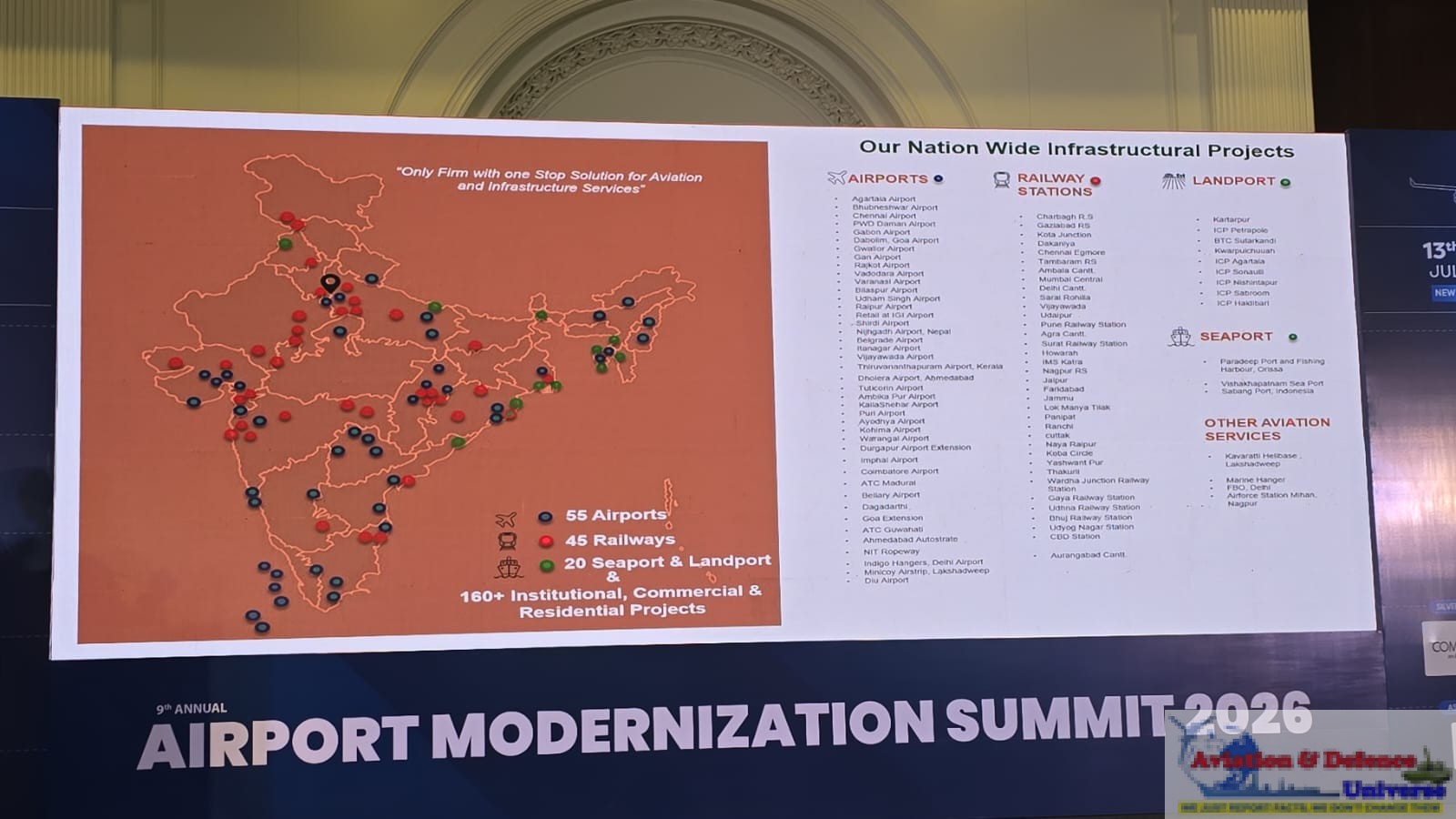 environments, even parking areas and external surfaces can contribute significantly to the heat-island effect. The use of landscaping and greener surfaces, he explained, can reduce radiated heat and improve the environmental performance of the entire airport precinct. This again returned to his central definition of sustainability: minimising heat gain while maximising daylight.
The Airport Must Belong to its Geography
But climate is only one part of context. For the speaker, architecture must also emerge from the economic, historical and cultural character of the region. Referring to airport design in Chhattisgarh, he highlighted the importance of steel as both a structural material and a symbol of regional identity, given the state’s major contribution to India’s steel production.
Why, he asked in essence, should an airport in such a region not celebrate that identity through its architecture? The approach demonstrates a broader philosophy: infrastructure should not become an anonymous global product that could exist anywhere. It should carry clues about where it belongs.
Gwalior: Bringing Music, Art and Culture into the Terminal
This philosophy found another expression in the development of Gwalior Airport. The challenge here was to translate the city’s distinctive cultural heritage into the vocabulary of a modern terminal.
Gwalior’s association with music, art, history and regional traditions provided the inspiration. The objective was to ensure that passengers could recognise where they were through the architecture itself—whether standing inside or outside the terminal.
Explaining this philosophy, the speaker emphasised that a building should not simply resemble a generic international airport. It must have a “touch of the soil” and a connection with the soul of the place. The terminal, therefore, becomes more than a transportation facility. It becomes an introduction to the destination.
Technology Makes Complex Architecture Buildable
While celebrating cultural identity, the address also stressed that modern technology has transformed the way architects design and execute complex infrastructure. Digital tools now allow architects, engineers and construction teams to work collaboratively, making complex designs easier to understand, execute and estimate accurately.
 Technology therefore does not replace architectural creativity. Instead, it enables ambitious ideas to move from imagination to execution with greater precision. This combination of advanced technology and cultural rootedness emerged as one of the central themes of the speech: the most modern building can still belong deeply to its place.
Varanasi: Translating Temple Architecture into an Airport
Perhaps one of the most evocative examples was the airport project associated with Varanasi and the cultural world of the Kashi Vishwanath Temple. Here, the architectural challenge was particularly significant. How could the vocabulary of temple architecture be interpreted within a contemporary aviation terminal without simply copying historical structures?
The answer lay in drawing inspiration from traditional architectural elements and reinterpreting them for a modern public building. The speaker described this as an opportunity to bring India’s common heritage into contemporary infrastructure and create an immediate sense of belonging.
It was also here that he articulated one of the strongest ideas of his address—the ability of architecture to transform lifeless materials into something emotionally meaningful. In his words, the challenge is to take “a dead mass of brick and concrete and steel” and put life and soul into it. When that happens, he suggested, “the building starts breathing.”
Ayodhya: When the Journey Begins at the Airport
The philosophy reaches perhaps its most symbolic expression at Ayodhya Airport. For millions of visitors, Ayodhya is not simply another destination. It carries immense spiritual, historical and emotional significance. The airport therefore needed to communicate that identity from the moment a traveller arrived. The speaker described his aspiration in deeply personal terms: a passenger should not have to wait until reaching the Ram Temple to experience Ayodhya. The terminal itself should begin that emotional journey.
The design therefore draws upon the architectural and cultural vocabulary associated with Ayodhya and the Ramayana tradition, seeking to create a sense of spiritual arrival within the airport itself.
 The aspiration, as expressed in the speech, was that the moment passengers entered the terminal, they should instinctively feel the identity of the destination and say, “Ram Ram .”It is an idea that encapsulates the entire philosophy presented in the address: architecture succeeds when people do not merely see a building but feel the place to which it belongs.
The speech presented a vision of airport architecture in which engineering excellence, technology, sustainability and cultural identity are not competing priorities but complementary parts of a single design philosophy. From pioneering large-span steel structures and solving complex intermodal challenges to harnessing natural daylight and embedding regional heritage into contemporary terminals, the journey reflects how India’s aviation infrastructure is developing its own architectural vocabulary.
The central message was compelling: an airport should never be an anonymous glass-and-steel structure that could stand anywhere in the world. It must respond to its climate, connect transportation systems, embrace technological innovation and, above all, carry the identity of its surroundings. Whether through the music and heritage of Gwalior, the temple traditions of Varanasi or the spiritual resonance of Ayodhya, architecture can transform infrastructure into belonging. When a building belongs to its people, its purpose and its place, steel and concrete cease to be lifeless materials—the building begins to breathe, and architecture acquires a soul.






































































-A4-Size-(2)_page-0001.jpg)