






















- India Must Prepare for the Future Space Battlefield, Warns DSA Chief
- From Himalayas to Orbit – Space is India’s Strategic Shield
- Beyond Borders – Space Is Central to India’s Security Architecture
By Sangeeta Saxena
New Delhi. 26 February 2026. As global tensions rise, protecting satellites, ensuring redundancy and preparing for contested-space operations have become critical. India’s armed forces are tasked not only with using space for operational advantage but also defending against space-based disruptions. The emphasis is on resilience, redundancy, and sovereign capability—ensuring that adversarial actions in orbit do not paralyse terrestrial defence systems.
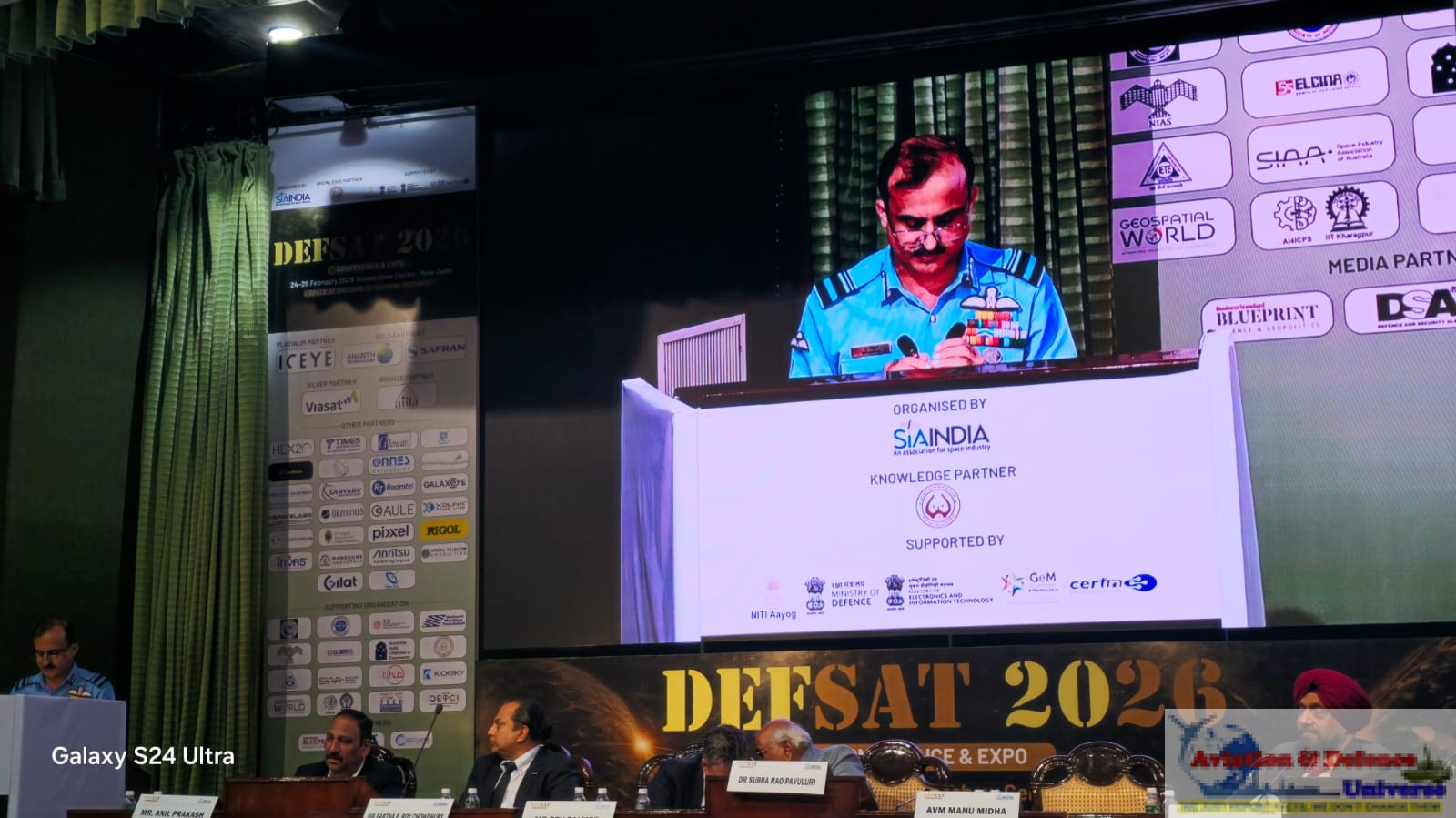
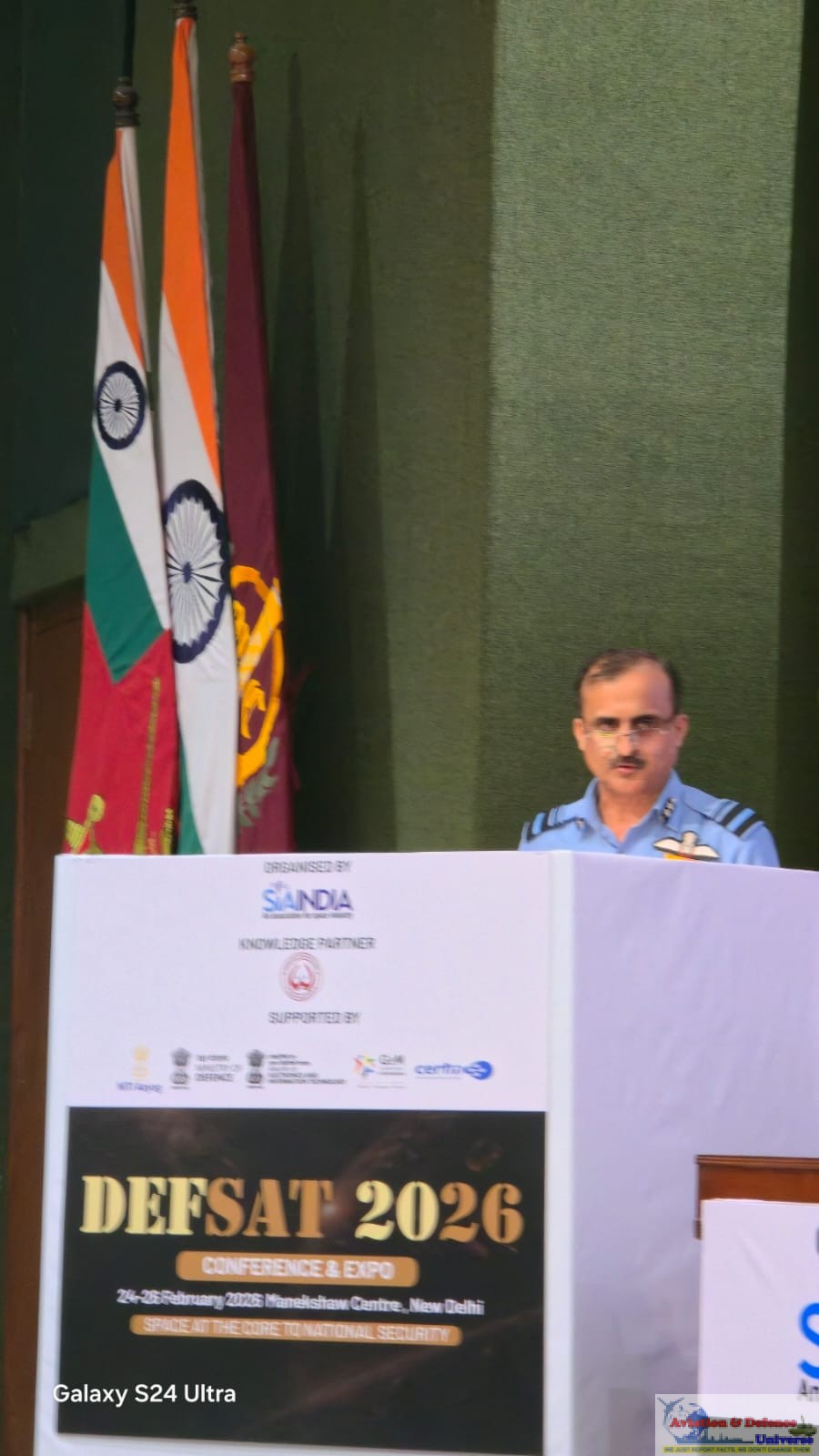
 At DEFSAT 2026, Air Vice Marshal Manu Midha, Director General of the Defence Space Agency (DSA), delivered a compelling address on why space is no longer a supporting domain but the very core of national security. Speaking at a time of rapid technological shifts and intensifying geopolitical competition, AVM Midha underscored that sovereignty today is defined not merely by territorial boundaries but by the ability to secure interests in orbit.
His address reframed the national security debate—moving beyond traditional warfighting considerations to emphasise the foundational role space plays in sustaining modern society, enabling military precision, and safeguarding India’s strategic autonomy.
AVM Manu Midha, DG Defence Space Agency reiterated, “We all know that space has emerged as the ultimate high ground—the enabler of modern warfare, the guardian of our sovereignty. In an age where conflicts span land, sea, air, cyber and information domains, the conversation about the criticality of space cannot be limited to enhancing warfighting effectiveness alone. Let us first ask ourselves—what do we mean by national security? In simple terms, it is the security to choose the way we wish to live. Imagine a day without space. Life as we know it today would cease to exist. That itself answers why space is core to national security.”
 India’s defence forces recognise that space-based ISR, navigation and communications are now indispensable to joint operations. The Defence Space Agency integrates space into multi-domain operations, ensuring seamless coordination across the Army, Navy and Air Force. By strengthening space situational awareness, enhancing resilient communications and developing indigenous capabilities, India is building deterrence in orbit.
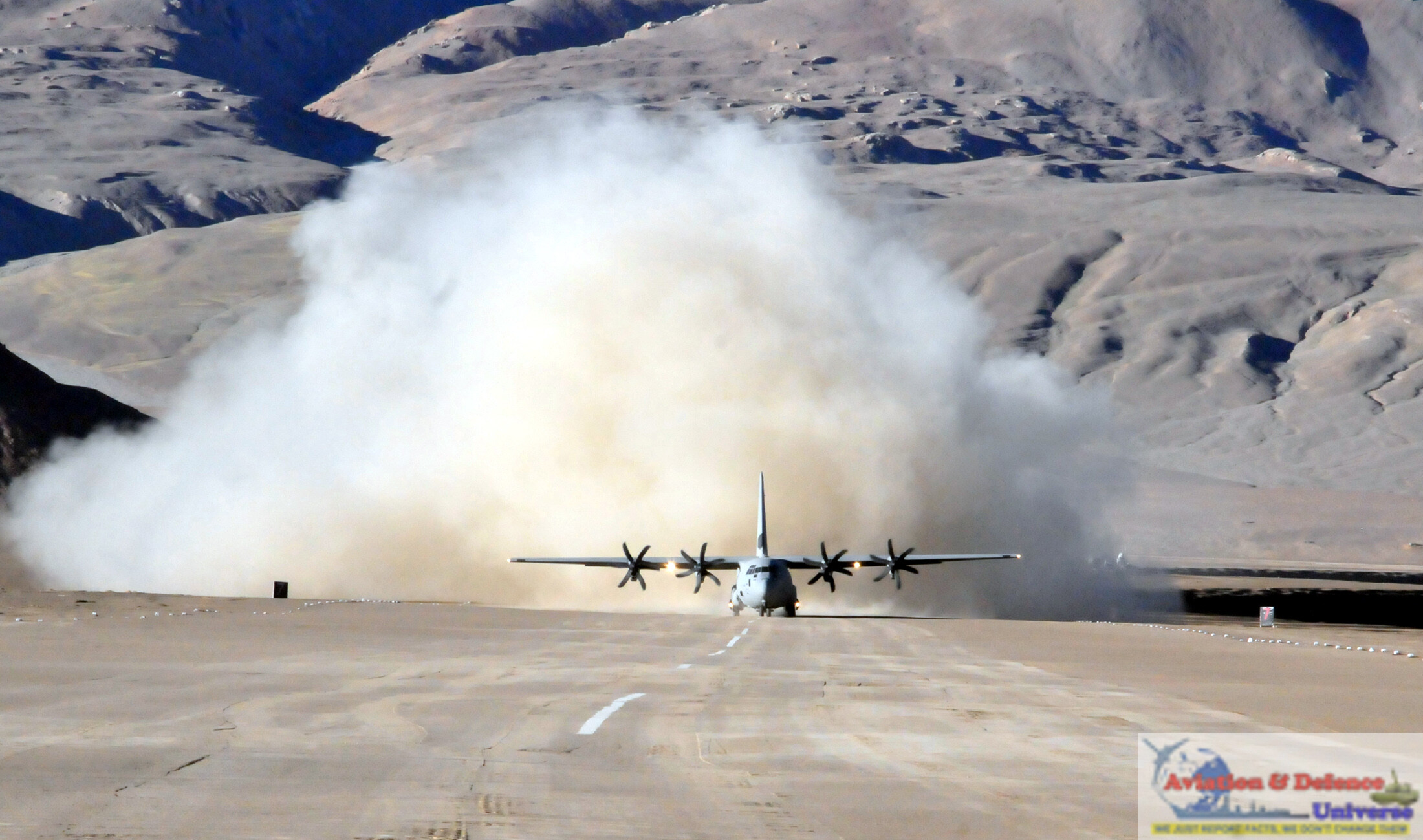
DG DSA reminded, “Modern sovereignty is no longer defined by the borders of land, sea or air, but by our ability to protect our interests in the vacuum above. Historically, space was a support domain—a luxury for the elite. Today, space underpins every facet of national defence. The combat effectiveness of any fighting force rests on three pillars—information, precision and reach. Space provides all three. Space-based assets allow beyond-the-horizon capability. They enable a commander to speak to a tactical unit in a remote valley instantaneously. Whether in the high-altitude reaches of the Himalayas or dense terrains elsewhere, SATCOM serves as a secure, jam-resistant lifeline. The fusion of space with ISR provides a ‘God’s eye view’ of the battlefield, removing the fog of war and acting as a life-saving sentinel in the sky.”
 The militarisation of space is no longer theoretical—it is unfolding in real time. Major powers have declared space an operational domain of warfare, alongside land, sea, air and cyber. Anti-satellite (ASAT) weapons, electronic warfare systems, jamming capabilities, directed energy technologies and co-orbital threats have reshaped the strategic landscape. Space assets are increasingly viewed not just as enablers, but as targets.
“All-weather, day-and-night surveillance gives commanders a decisive edge. GNSS has brought in the precision revolution—turning dumb iron bombs into smart weapons and enabling precision-guided munitions with surgical accuracy. To understand the criticality of national space capability, we need only look at the battlefields of the last 24 months. The conflict in Ukraine has been dubbed the first commercial space war. When terrestrial networks were neutralised, commercial SATCOM networks became the backbone of decentralised command,” he explained.
The role of armed forces as custodians of space security presents unprecedented challenges. Unlike terrestrial domains, space assets operate at extreme speeds and distances, making real-time response complex. Satellites have long lifecycles, limiting rapid upgrades against emerging threats. Attribution in space warfare—determining who is responsible for interference—remains difficult, complicating deterrence strategies. Additionally, the growing involvement of commercial players adds layers of dependency and vulnerability. Armed forces must therefore balance military preparedness with international norms, technological innovation, and industrial collaboration—ensuring readiness without escalating instability in an already contested domain.
“Closer home, Operation Sindoor underscored a vital truth—real-time situational awareness is the difference between victory and stalemate. Space assets significantly reduced the OODA loop and contributed decisively to operational success. Our adversaries are investing heavily—not only in expanding ISR, communication and navigation capabilities, but also in counter-space systems. We must ensure that we are prepared to operate in the future space battlefield.”
 India operates in a volatile strategic neighbourhood, bordered by two nuclear-armed adversaries—Pakistan and China—both of whom are steadily expanding their space and counter-space capabilities. China has formally declared space a warfighting domain and has demonstrated anti-satellite (ASAT) weapons, co-orbital systems, electronic warfare tools and sophisticated space-based ISR networks that integrate seamlessly with its joint military doctrine. Its investments in satellite constellations, navigation systems like BeiDou and dual-use commercial space assets point to a deliberate effort to dominate the information and orbital high ground. Pakistan, while more limited in scale, is deepening space cooperation with China and enhancing its access to satellite imagery, navigation, and communications that strengthen its military planning and precision capabilities. In such an environment, space is no longer a passive support arena but an emerging battlefield—where disruption of satellites, jamming of signals, cyber intrusions, and denial of orbital services could shape outcomes before conventional forces even engage.
The Defence Space Agency (DSA) of India is the country’s nodal military body responsible for integrating space capabilities into national defence strategy and multi-domain operations. Established to bring together the space-related functions of the Army, Navy and Air Force under a unified framework, the DSA works to enhance space-based intelligence, surveillance and reconnaissance (ISR), satellite communications, navigation support, and space situational awareness for the armed forces. It plays a critical role in safeguarding India’s orbital assets, developing counter-space preparedness, and ensuring resilience against emerging threats such as satellite jamming, cyber intrusions and anti-satellite weapons. As space increasingly becomes a contested domain, the DSA stands at the forefront of shaping India’s military space doctrine, strengthening indigenous capabilities, and ensuring that space remains a force multiplier rather than a vulnerability in future conflicts.
 AVM Manu Midha concluded with a thought provoking note – our presence in the stars is the ultimate guarantee of our peace on Earth. His address at DefSat 2026 delivered a clear and urgent message: space is no longer peripheral—it is central to national security, economic resilience and strategic sovereignty. From enabling precision strikes and real-time ISR to sustaining communication lifelines in remote terrains, space has become the invisible backbone of modern warfare and modern life itself. As adversaries expand counter-space capabilities and commercial actors reshape the orbital ecosystem, India’s Defence Space Agency stands at the forefront of safeguarding national interests in orbit. The future battlefield, as the DG DSA emphasised, will extend into the vacuum above. In that environment, resilience, innovation and preparedness will determine whether space remains a force multiplier—or becomes a vulnerability.




























































































-A4-Size-(2)_page-0001.jpg)