


 18th BRICS Summit
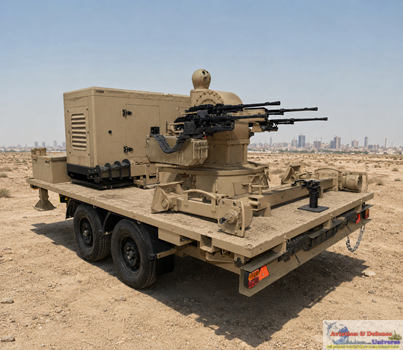





















 New Delhi | 27 Feb, 2026 – The WICCI National Aviation Council, in collaboration with the G100 Security & Defence Wing, has formally submitted its Strategic Policy Framework for the Regulation of Lethal Autonomous Weapons Systems (LAWS) to the Stockholm International Peace Research Institute (SIPRI) – United Nations Office for Disarmament Affairs (UNODA) platform.
The submission contributes to the evolving multilateral discourse on the governance of autonomous weapons, at a critical juncture when global deliberations are transitioning from voluntary behavioural norms toward legally binding frameworks.
The framework aligns with the 2026 mandate under discussion within the Convention on Certain Conventional Weapons (CCW) process, calling for the formalization of regulatory guardrails by December 2026. It underscores the urgency of preventing the normative hardening of autonomous violence and ensuring that the delegation of lethal force remains under meaningful human control and ethical oversight.
The policy paper highlights:
- Meaningful human control and accountability in weapons systems
- Ethical AI integration within defence technologies
- Full compliance with International Humanitarian Law (IHL)
- Transparency and multilateral confidence-building measures
- Early warning systems and safeguards to prevent proliferation and misuse
 A central focus of the submission is the gendered impact of algorithmic bias in autonomous targeting systems. The framework emphasizes that data asymmetries and pattern-recognition failures in AI-driven systems pose disproportionate risks to women and children, particularly in high-intensity conflict and electronic warfare environments.
The report argues that bias in training datasets directly undermines the IHL Principle of Distinction and calls for mandatory auditing, documentation transparency, and gender-responsive compliance mechanisms.
Strategic Roadmap to 2026
The submission outlines a strategic roadmap aligned with key multilateral milestones:
- UN General Assembly political mobilization
- CCW Group of Governmental Experts negotiations in Geneva
- A December 2026 target for a legally binding treaty framework
It further proposes lifecycle-based Confidence-Building Measures (CBMs), including pre-deployment transparency, independent AI audits, post-strike data review, and legal accountability structures to mitigate escalation risks and civilian harm.
The WICCI–G100 submission emphasizes that autonomous weapons governance cannot be addressed through fragmented national approaches. It calls for coordinated international cooperation to prevent destabilizing arms races and to safeguard humanitarian principles in the age of AI-enabled warfare.
 Bodil Valero, Global Chair of the G100 Security & Defence Wing, stated:
“The regulation of Lethal Autonomous Weapons Systems must be comprehensive, legally binding, and grounded in both territorial and human security. When harm occurs, accountability cannot disappear into algorithms, states must retain clear legal responsibility.”
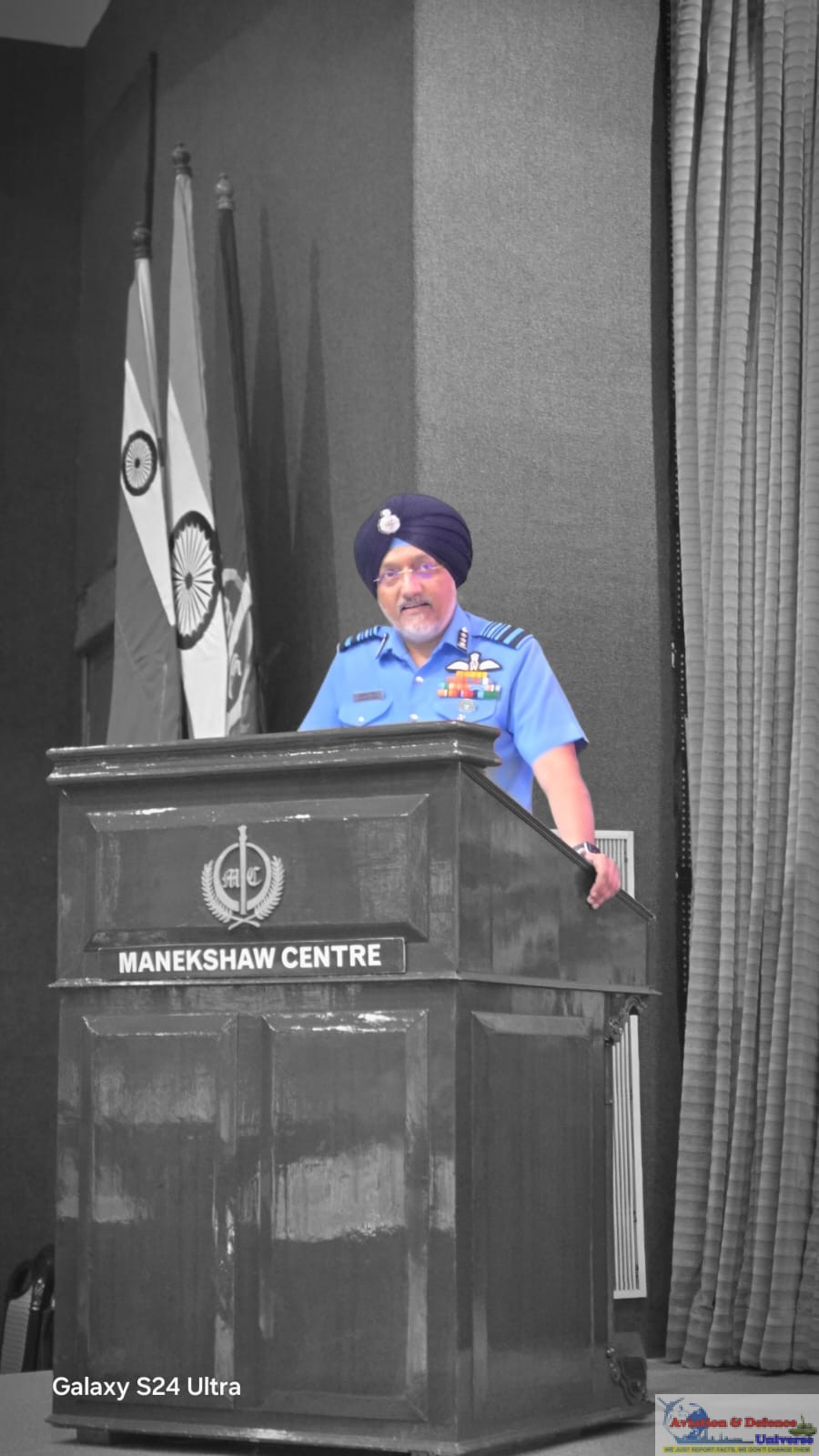
Lynn Frederick Dsouza, Country Advisory Member (India), G100 Security & Defence Wing and National President – Aviation Council, WICCI National Aviation Council, emphasized:
“The 2026 Treaty must codify binding safeguards, including a prohibition on biometric targeting of human beings. Delegating lethal force to opaque algorithms without meaningful human control risks eroding the foundations of International Humanitarian Law.”
“This submission reflects the collective expertise of policymakers, defence practitioners, aviation leaders, technologists, and strategic advisors working across borders to ensure that emerging defence technologies enhance security without undermining global stability,” the Council stated.
WICCI reaffirmed its commitment to contributing constructively to responsible global norm-setting and to advancing inclusive, gender-responsive approaches to AI governance in defence systems.


















































































-A4-Size-(2)_page-0001.jpg)