


 18th BRICS Summit























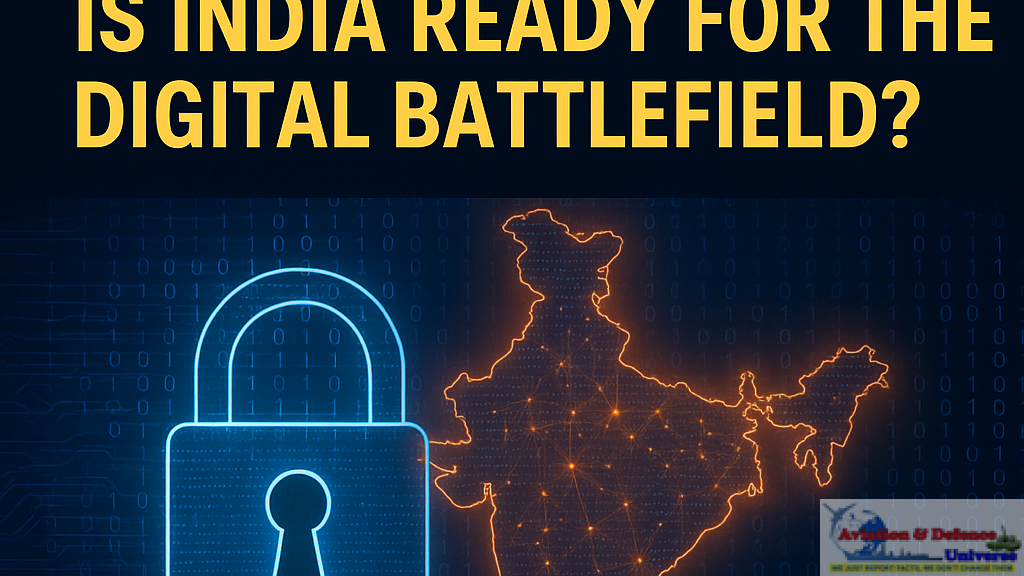
- Algorithmic Combat: India’s Military Transformation in the Digital Age
- Net-Centric India: Redefining Warfare Through Cyber, Drones and AI
- Beyond Borders: India’s Strategic Leap into Cyber and AI-Driven Warfare
By Maj Gen (Dr.) Ashok Kumar, VSM (Retired)
New Delhi. 02 March 2026. Warfare is undergoing a historic transformation. The battlefields of tomorrow will no longer be confined to land, sea, and air; they will extend into cyberspace, artificial intelligence-driven systems, autonomous platforms, and algorithmic command networks. The rapid fusion of digital technologies with military strategy has fundamentally altered how conflicts are initiated, fought, and concluded. Leadership decapitation strikes, attacks on digital infrastructure, AI-enabled targeting, and drone-dominated engagements have demonstrated that modern wars are increasingly hybrid — blending kinetic and non-kinetic dimensions.

The fabric of warfare is changing rapidly as digital technology, autonomous systems, and artificial intelligence continue to redefine global security dynamics. Conventional concepts of warfare, which were historically characterised by territorial wars and physical force, are increasingly spreading into sophisticated virtual and automated realms. Nature of even targets being selected has undergone major changes which was evident during US attack on Venezuela targeting the leadership and ensuring their forced extraction whereas in case of attack on Iran, the top leadership was killed. Not only this, there has been sweeping changes in the attack targets where not only the leadership but entire populace and civil infrastructure is being hit . In this changing scenario, cyber warfare, AI-powered military applications, drone operations, and autonomous lethal systems have emerged as critical components of current war fighting strategy. Understanding and incorporating these new elements of warfare is both a strategic need and a pressing national goal for India, a country with expansive digital infrastructure, numerous security challenges, and a fast-modernising military.
 For India, a nation with vast digital infrastructure, complex security challenges, and expanding global responsibilities, adapting to this new paradigm is not optional — it is imperative. Cyber warfare, AI-enabled decision systems, drone dominance, and autonomous platforms are reshaping India’s defence doctrine, operational thinking, and force structure. The Indian Armed Forces’ emphasis on net-centricity and theatre integration reflects a clear recognition that future conflicts will be decided by information superiority, precision, speed, and technological resilience.
The rapid digitalisation of governance, industry, and key infrastructure have exposed India to a wide range of cyber attacks. Simultaneously, breakthroughs in artificial intelligence provide tremendous prospects for boosting military surveillance, decision-making, logistical efficiency, and precision. Drone technology, which was formerly largely employed for surveillance, has grown into a flexible platform for border security, counter-terrorism, and disaster relief besides being one of the most potent tools for war fighting. This rise along with autonomous lethal systems indicates a move towards algorithm-based combat, in which robots may take over duties formerly reserved for humans. These technologies have enormous potential benefits, but they also create ethical, strategic, and security challenges that must be carefully addressed.
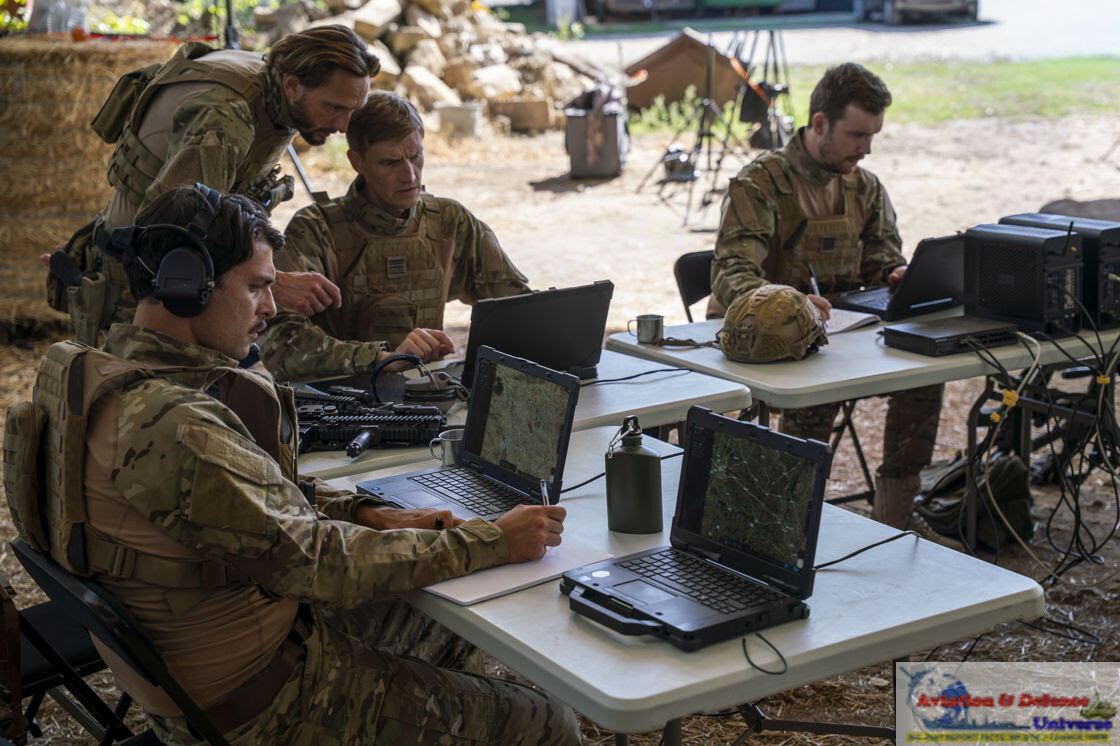
India’s use of these technologies indicates its desire to bolster national security, effectively adapt to changing challenges, and establish itself as a significantly advanced technological and military force. Indian Army has already declared its focus on developing net centricity for the next two years . Air Force and Navy are also leading in this field. This is also an inescapable requirement for a forward looking Theaterisation expected anytime. However, concerns like skill shortages, regulatory inadequacies, cyber security risks, and international governance issues present substantial obstacles. This article investigates the features of cyber warfare, AI warfare, drone warfare, and autonomous lethal weapons in the Indian context, focusing on existing users, rising capabilities, related dangers, and future opportunities, though in brief as complexities of war fighting are changing with unprecedented speed not experienced earlier. In doing so, it hopes to provide a thorough knowledge of how these revolutionary technologies are reshaping India’s security landscape and determining the future of warfare.
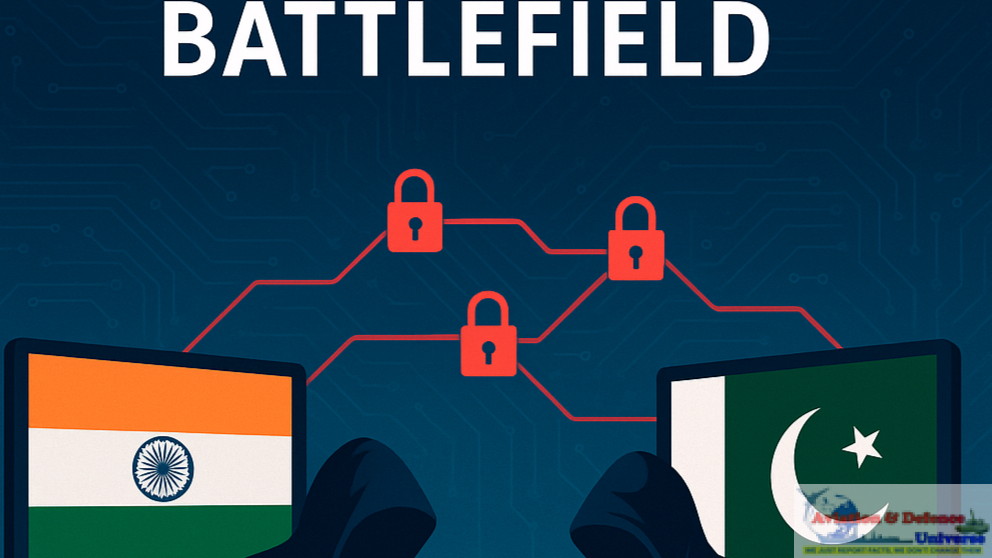 Cyber warfare is the use of digital technology to penetrate, disrupt, destroy, or control computer systems and networks. It encompasses both offensive and defensive operations executed by state or non-state actors to jeopardise information integrity, damage key infrastructure, or gain strategic benefits. Cyber warfare includes hacking, virus distribution, ransomware attacks, cyber espionage, data breaches, and distributed denial-of-service (DDoS) attacks. These strategies enable adversaries to strike remotely, covertly, and often without rapid notice, making cyberspace a hotly contested arena.
India has seen a number of notable cyber events, highlighting expanding risks. The 2019 Kudankulam nuclear power plant hack revealed flaws in critical infrastructure security after malware compromised the plant’s administration network. Previously, the 2012 energy sector hack attacked many power plants, illustrating how hackers may affect critical services. More recently, the 2020 healthcare system hack exposed enormous amounts of sensitive data across hospitals and diagnostic networks, highlighting the threats that civilian digital systems face.
In response, India has built institutional and operational capabilities to fortify its cyber defences. The Nuclear Cyber Security Policy (2013) established the framework for safeguarding critical infrastructure and increasing resilience. The establishment of the Defence Cyber Agency (DCA) in 2019 was a significant step towards unifying offensive and defensive cyber operations throughout the armed forces. There is a crying need to upgrade Cyber Agency to a Command level configuration . It has to also ensure that it gets its HR from all the experts rather than remaining limited to uniformed fraternity. In addition, the Indian Computer Emergency Response Team (CERT-In) responsible for monitoring threats, issuing advisories, and coordinating national responses to cyber events should also be upgraded.
Despite these advances, India still confronts some ongoing obstacles. There is a significant scarcity of competent cyber security workers, which limits the ability to repel advanced assaults. Attribution issues make it difficult to identify criminals and respond decisively. Furthermore, international collaboration is critical, since cyber dangers cross boundaries and need coordinated global action. Strengthening these areas is critical to improving India’s cyber warfare readiness.
While there is a focused effort towards handling the cyber crimes but capabilities of cyber warfare need manifold increases which was evident in most of the current conflicts including during Operation Sindoor. It is now an inescapable need to raise the level of Defence Cyber Agency to a Command level establishment to handle operational challenges India will face in future wars as highlighted earlier.This is no doubt the most preferred option of future war fighting.
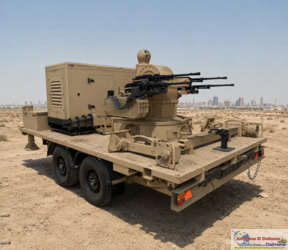
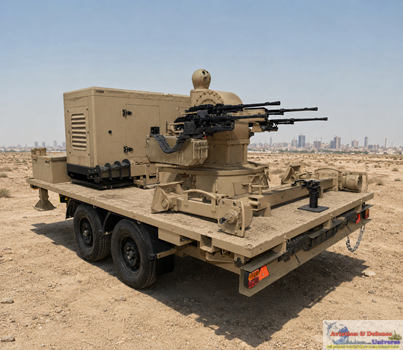
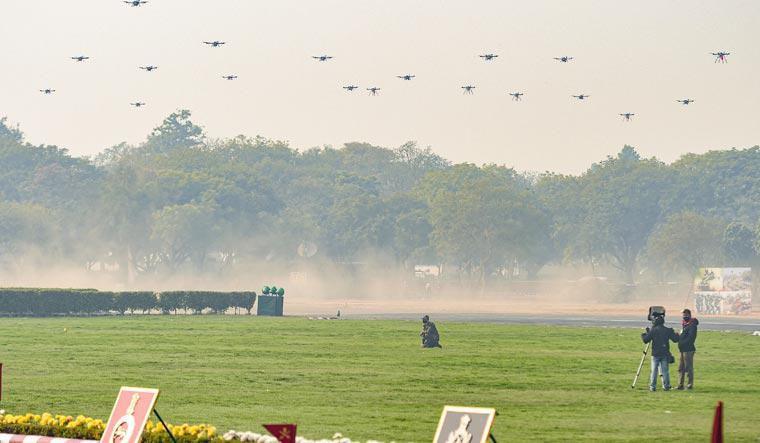 Drone warfare has become a distinguished aspect of modern military operations, as unmanned aerial vehicles (UAVs) progress from simple surveillance tools to sophisticated platforms capable of surveillance, precise attacks, electronic warfare, and logistical support. Early drones had limited range and capabilities, but swift advances in sensors, communication systems, and autonomous navigation have greatly expanded their potential. Today, drones play an important role in both conventional and asymmetric combat, allowing forces to operate in hostile settings without endangering troops.
Drone technology in India has evolved swiftly in a variety of operational fields. Border surveillance is one of the most common applications, with UAVs monitoring the Line of Control (LOC), Line of Actual Control (LAC), and other sensitive boundaries. These drones record real-time footage, identify infiltration attempts, and improve situational awareness for ground personnel. Drones are used in counter-terrorism/ insurgency operations to help with intelligence collection, topographical mapping, and precise targeting, especially in challenging areas of Jammu and Kashmir. Besides military duties, drones are increasingly being used in disaster response, aiding with search and rescue missions, providing medical supplies, and surveying damage after floods, landslides, and other natural disasters.
The increased ranges , enhanced precision and never seen before lethality have made these the preferred choice for the war fighting. They also come on top due to negligible risk to their operators being unmanned.
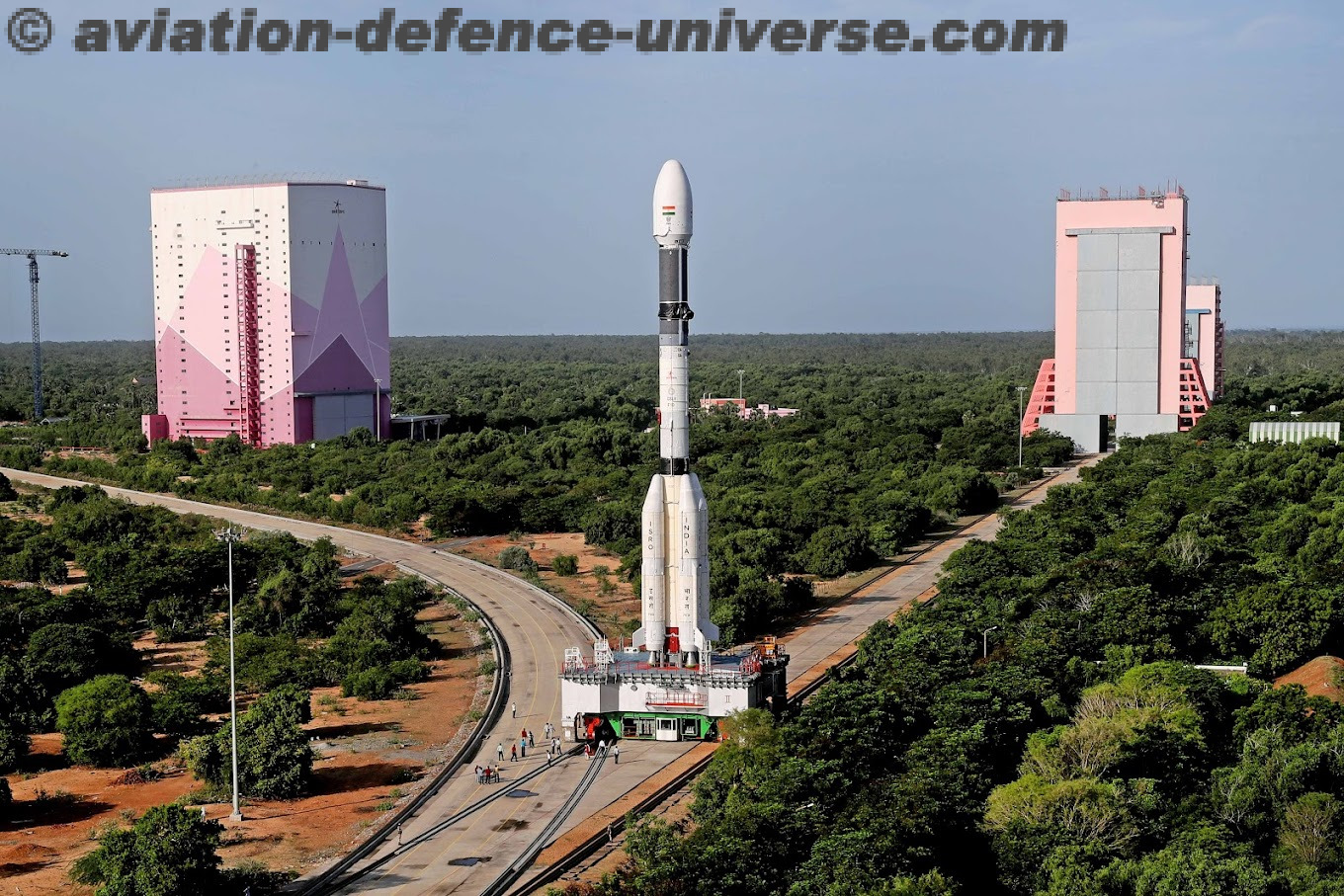 Despite these advantages, India confronts a number of obstacles, including increasing counter-drone threats, legislative loopholes, and concerns about privacy and airspace safety. However, substantial potential exists. The push for indigenous manufacturing under “Make in India”, combined with expanding private-sector innovation, has the potential to boost India’s drone ecosystem. Drones are positioned as a critical component of India’s future security policy due to their increased accuracy, autonomy, and widespread application in both military and civilian settings. The recent conflicts have outlined the unmatched roles played by drones including in Operation Sindoor. Substantial focus is needed for full indigenisation of drones and counter drone systems to meet the requirement of Indian defence forces, earlier the better.
Its not a domain which has been added like cyber and space but Artificial intelligence is changing the face of modern combat by enabling speedier decision-making, increasing situational awareness, and automating complicated military activities. In combat, artificial intelligence refers to the employment of algorithms, machine learning systems, and data-driven technologies to assist or perform military activities with valid degrees of autonomy. These technologies have improved battlefield capabilities by processing massive volumes of data faster and more accurately than humans, making AI an essential component of future military operations.
AI applications in the Indian military are gradually growing across operational and support areas. Predictive maintenance systems utilise artificial intelligence-based analytics to monitor aeroplanes, naval vessels, and ground vehicles, allowing for early diagnosis of mechanical defects and saving downtime. AI-powered surveillance tools, complete with picture recognition and real-time data processing, improve border monitoring and information collection, particularly in sensitive locations such as the Line of Actual Control (LAC). In addition, AI is being used in logistics and supply chain management to optimise resource allocation, automate inventory tracking, and improve mission planning and transportation efficiency.
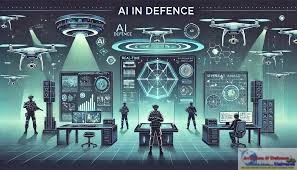 AI integration has various advantages, including increased operational efficiency, more precision, less human error, and better decision support for military leaders. However, it has major challenges as well. Increased automation may result in job displacement, and accountability problems arise when AI systems influence or carry out key decisions. Potential algorithm biases might result in faulty decisions, and AI systems themselves may be susceptible to cyber manipulation, posing new security vulnerabilities on the battlefield. The challenges are more disastrous when AI used is not indigenous to the country.
Recognising AI’s strategic relevance, India has developed a larger national strategy through programs such as the National Strategy for Artificial Intelligence (2018), which encourages AI use in a variety of industries, including defence. The construction of AI-focused research centres and defence commitments to developing a strong AI ecosystem capable of supporting advanced military modernisation is an inescapable requirement to leverage the advantages of AI specially in war fighting domain.
The fast expansion of technology has fundamentally altered the character of warfare, offering new realms where conflicts may be initiated, intensified, or prevented without the use of traditional armed forces. For India, the combination of cyber warfare, AI warfare, drone operations, and autonomous systems represents a strategic move towards modernising its military capabilities in response to new security threats. Cyber warfare has emphasised the vulnerability of important digital infrastructure, emphasising the necessity of strong institutional frameworks, skilled labour, and international collaboration. AI has created new opportunities for improved decision-making, surveillance, logistics, and operational accuracy but also presents ethical and security issues.
 Meanwhile, drone technology has given versatile and cost-effective instruments for border management, counter-terrorism, and disaster response, despite ongoing regulatory and counter-drone challenges. As India’s technology capabilities increase, the key issue will be to strike a balance between innovation and accountability. Strengthening cyber security, encouraging indigenous research and development, adopting clear operating rules, and cultivating global collaborations will be critical in navigating this new era of conflict. Finally, India’s readiness to adapt to these new changing technologies will decide its capacity to protect national security and preserve strategic stability in an increasingly complicated global context.
India stands at a decisive inflection point in its military evolution. The convergence of cyber capabilities, AI-driven operations, drone warfare, and autonomous systems presents both unprecedented opportunities and profound strategic risks. While these technologies promise greater operational efficiency, precision, and deterrence, they also demand robust cyber resilience, indigenous technological ecosystems, ethical safeguards, and institutional reforms.Upgrading the Defence Cyber Agency to a Command-level structure, accelerating indigenous drone and AI development, fostering skilled cyber talent, and strengthening global partnerships will be essential steps in preparing for the wars of tomorrow. Ultimately, India’s ability to harness digital warfare technologies responsibly and strategically will determine not only its military effectiveness but also its broader national security and geopolitical standing in an increasingly contested global order.
Pics Courtesy Linkedin
(Maj Gen Ashok Kumar, VSM (Retd) is Director General Centre for Joint Warfare Studies (CENJOWS), a Kargil war veteran and a defence analyst. He specialises on neighbouring countries with special focus on China. The views in the article are solely the author’s. He can be contacted at editor.adu@gmail.com).













































































-A4-Size-(2)_page-0001.jpg)