

 18th BRICS Summit










- From Platforms to Ecosystems: India’s Airpower Vision Takes Shape
- India’s Aerospace Moment: Collaboration and Capability discussed
- Redefining Airpower: Focuses on Innovation and Indigenous Growth
By Surabhi Rao
Bangalore. 12 March 2026. India’s military aviation ecosystem today stands at a critical juncture, shaped by rapid technological evolution, expanding operational demands and an increasingly complex geopolitical environment. The Indian Air Force, along with the Army and Navy’s aviation arms, is transitioning from a platform-centric force to a networked, technology-driven airpower ecosystem. This transformation is driven not only by the induction of modern aircraft, but by the parallel development of indigenous design capabilities, advanced avionics, MRO infrastructure, digital systems and resilient supply chains.
 At the heart of this shift lies the national push for Atmanirbhar Bharat in defence, aimed at reducing dependence on imports while building a sustainable domestic aerospace industry. Public sector giants like HAL, an expanding private sector, and a growing startup ecosystem are collectively redefining India’s aviation landscape. However, critical gaps remain in areas such as engine technology, advanced sensors and electronic warfare systems, underscoring the need for deeper collaboration, innovation and long-term policy alignment. Against this backdrop, platforms like Bharat Aero 2026 become vital in shaping the discourse on India’s future airpower capabilities. Bharat Aero 2026 held in Bengaluru brought together leaders from the Indian Armed Forces, defence industry and government to discuss the future of India’s military aviation ecosystem and the path toward greater self-reliance in aerospace manufacturing.
Organised by the Society of Indian Defence Manufacturers (SIDM) in collaboration with the Centre for Aerospace Power and Strategic Studies (CAPSS) and supported by Hindustan Aeronautics Limited (HAL), the conference served as a platform for collaborators to deliberate on emerging technologies, indigenous development and industry collaboration.
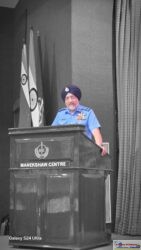
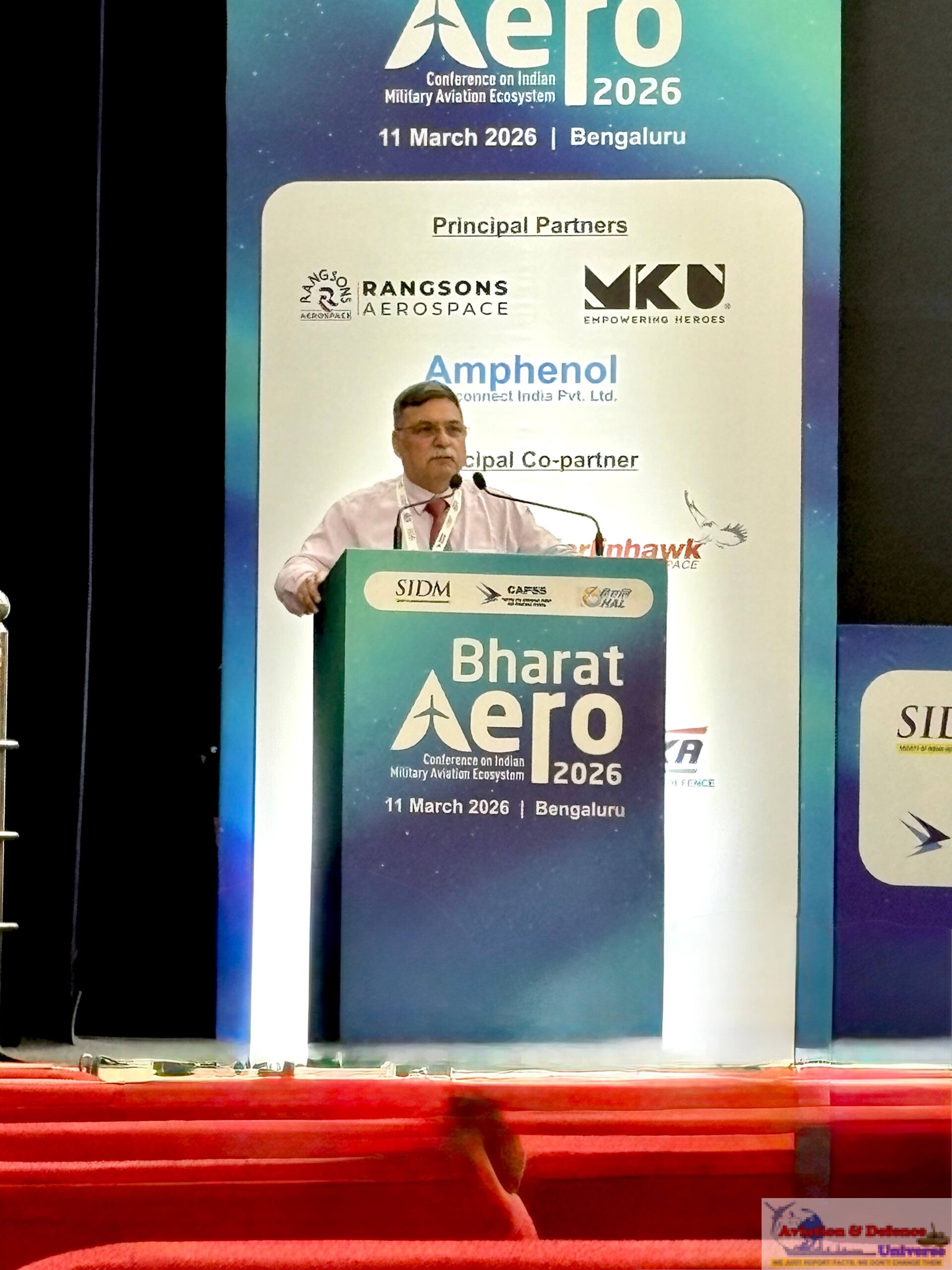
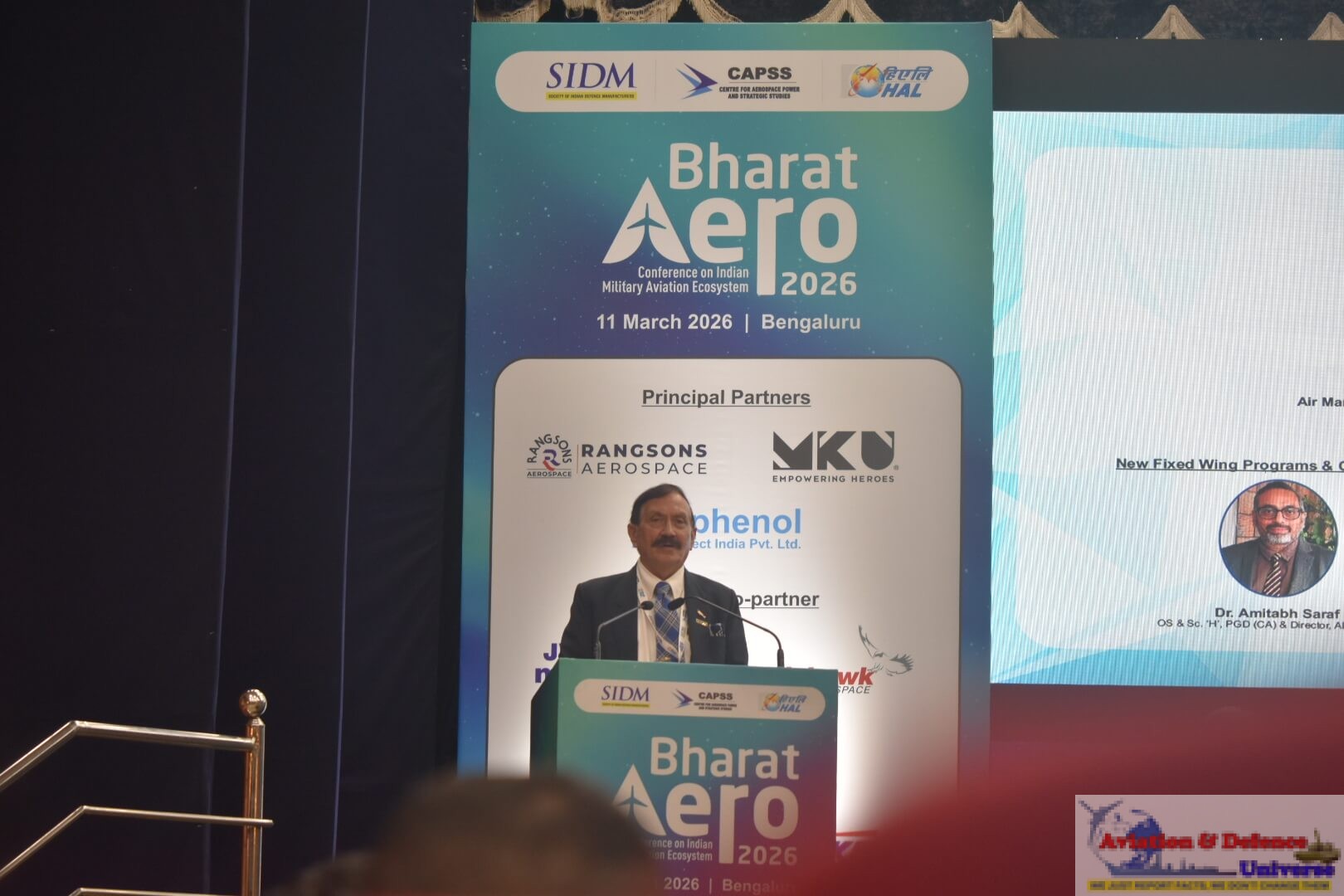
Opening the conference, Air Vice Marshal (Retd.) Anil Golani highlighted that modern airpower relies on a much larger ecosystem beyond aircraft platforms. “Combat aircraft and transport platforms represent the most visible manifestation of airpower. However, behind every operational aircraft lies an elaborate chain of design bureaus, production lines, supply chains, avionics development, testing infrastructure and certification agencies,” he stated.
He noted that the strength of a nation’s airpower increasingly depends on the depth and resilience of its aviation ecosystem. “The strength of a nation’s airpower is increasingly determined by the depth, resilience and innovation of its aviation ecosystem,” he said.
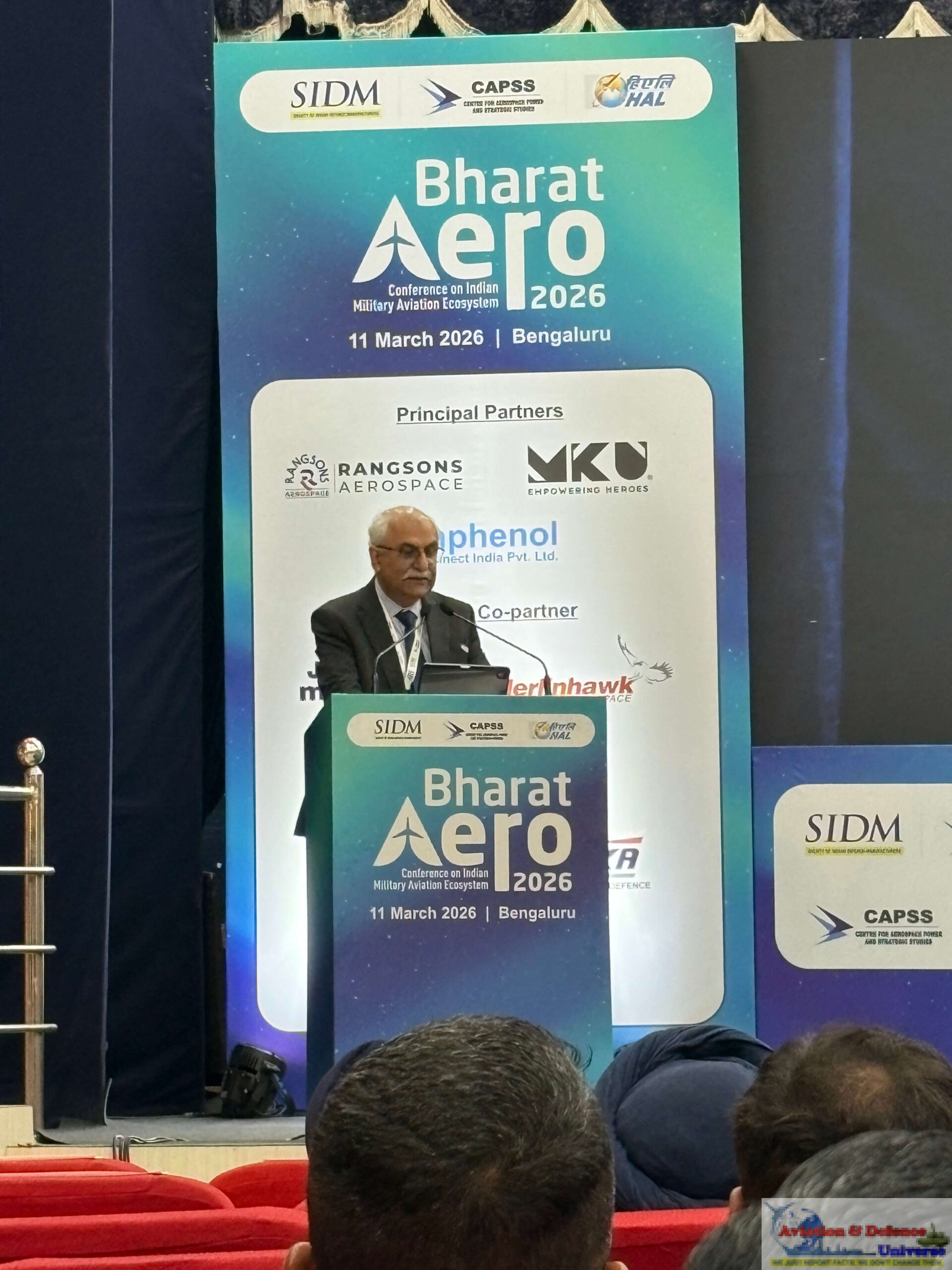 Also, addressing the gathering, Arun T. Ramchandani, President of SIDM, said the conference comes at a time when global aerospace and defence dynamics are rapidly evolving. “This conference comes at a time when the global aerospace landscape is undergoing rapid transformation driven by technological breakthroughs, shifting geopolitical dynamics and evolving national security challenges, ” he noted that modern warfare is becoming increasingly technology-driven and that strengthening India’s domestic aerospace capability is critical to meeting future defence requirements.
“Meeting these needs cannot solely rely on imports. It requires the development of a robust domestic industrial ecosystem capable of designing, manufacturing, upgrading and sustaining aviation platforms,”Jayakrishnan S, CEO of HAL’s Bangalore Complex, stressed that self-reliance in defence manufacturing is closely tied to national security and strategic autonomy, “Self-reliance in defence is not merely about production or economic growth. It is about ensuring strategic autonomy and is directly linked to our sovereignty.” Highlighting the growth of India’s defence manufacturing ecosystem, he also noted the expanding role of private industry and startups alongside public sector organisations. He also highlighted the scale of growth in production and exports, reflecting rising confidence in indigenous capabilities.
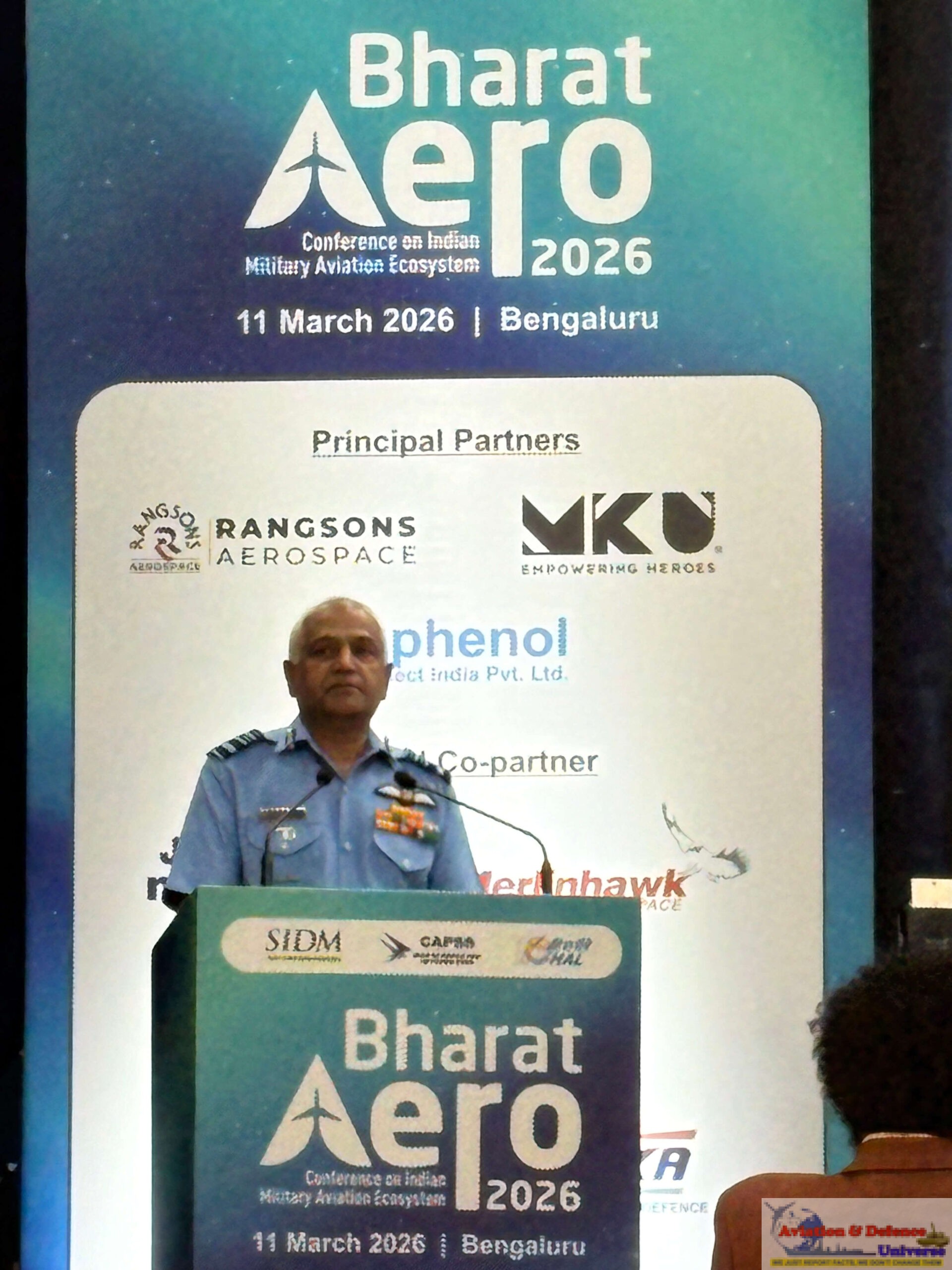 At the same time, he acknowledged critical gaps, particularly in areas such as engines, radars and advanced electronic systems, where dependence on foreign technologies still persists. The importance of domestic capability development was also echoed by Air Marshal Seethepalli Srinivas, AOC-in-C, HQ Training Command, IAF. “The need to become self-reliant in defence is not a luxury but a national imperative,” he emphasised that the Indian Air Force continues to work closely with industry, research institutions and startups to develop indigenous technologies and innovative solutions.
SIDM Vice President Neeraj Gupta emphasised two clear takeaways: the importance of collaboration and the growing role of emerging technologies. “A strong aviation ecosystem can only be built through close partnership between the armed forces, government, public and private industry, research institutions and startups,” he said.
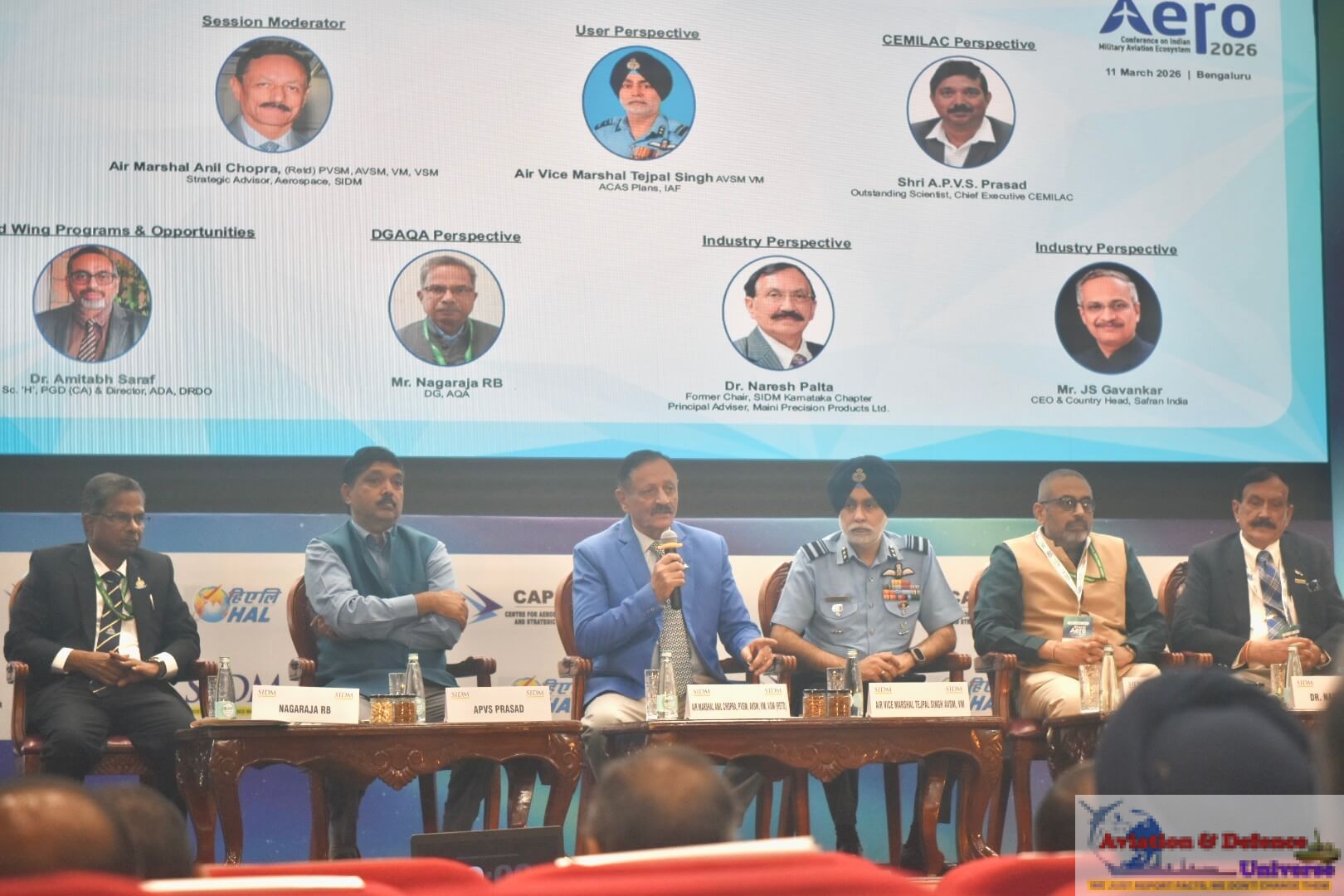
During the first technical session, led by Air Marshal Anil Chopra, advisor aerospace, SIDM focused on “IAF Fixed Wing Aircraft – Manufacturing Ecosystem & Upgrades. He set the strategic context by emphasising the central role of airpower in modern warfare. He pointed out that despite India’s progress in licensed production, there is a need to strengthen indigenous design capabilities and intellectual property ownership.
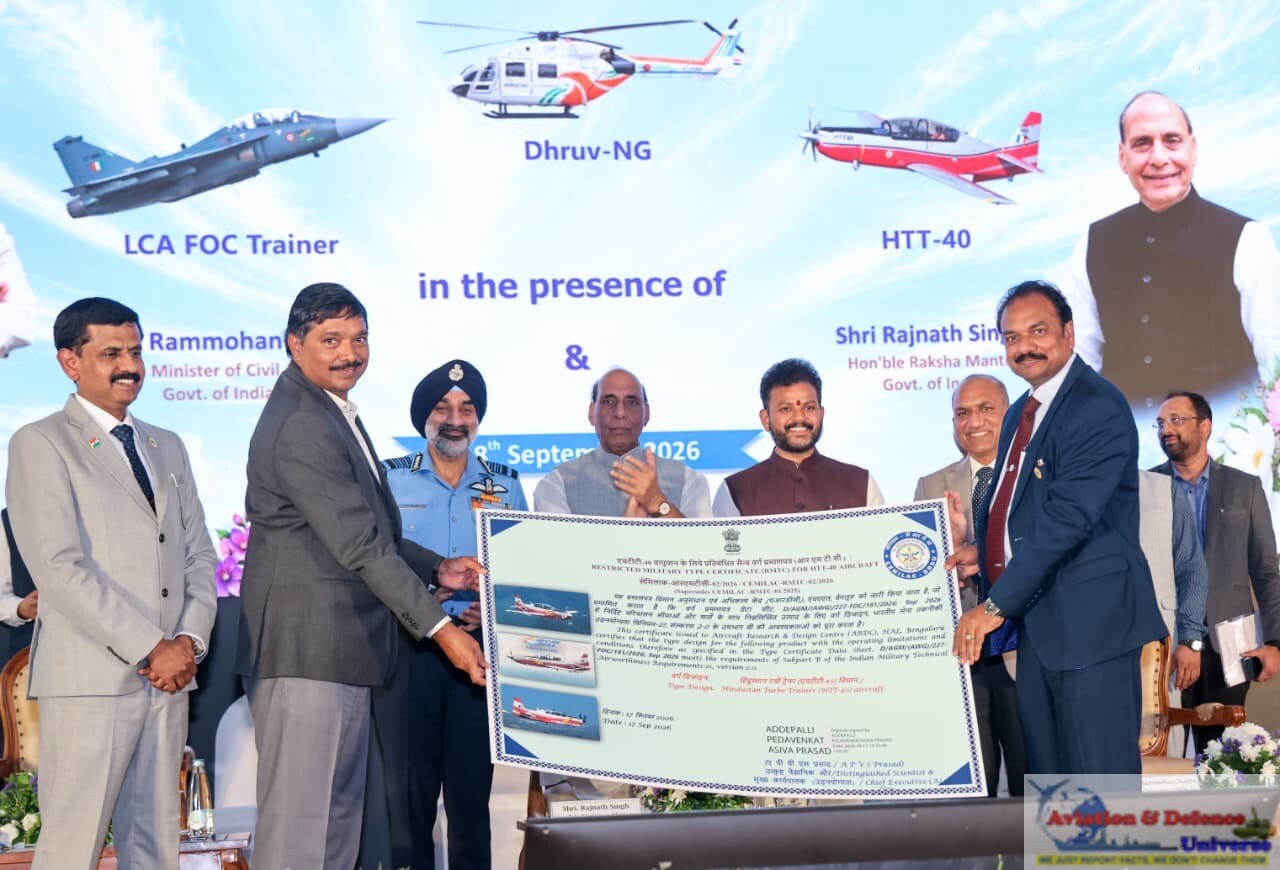
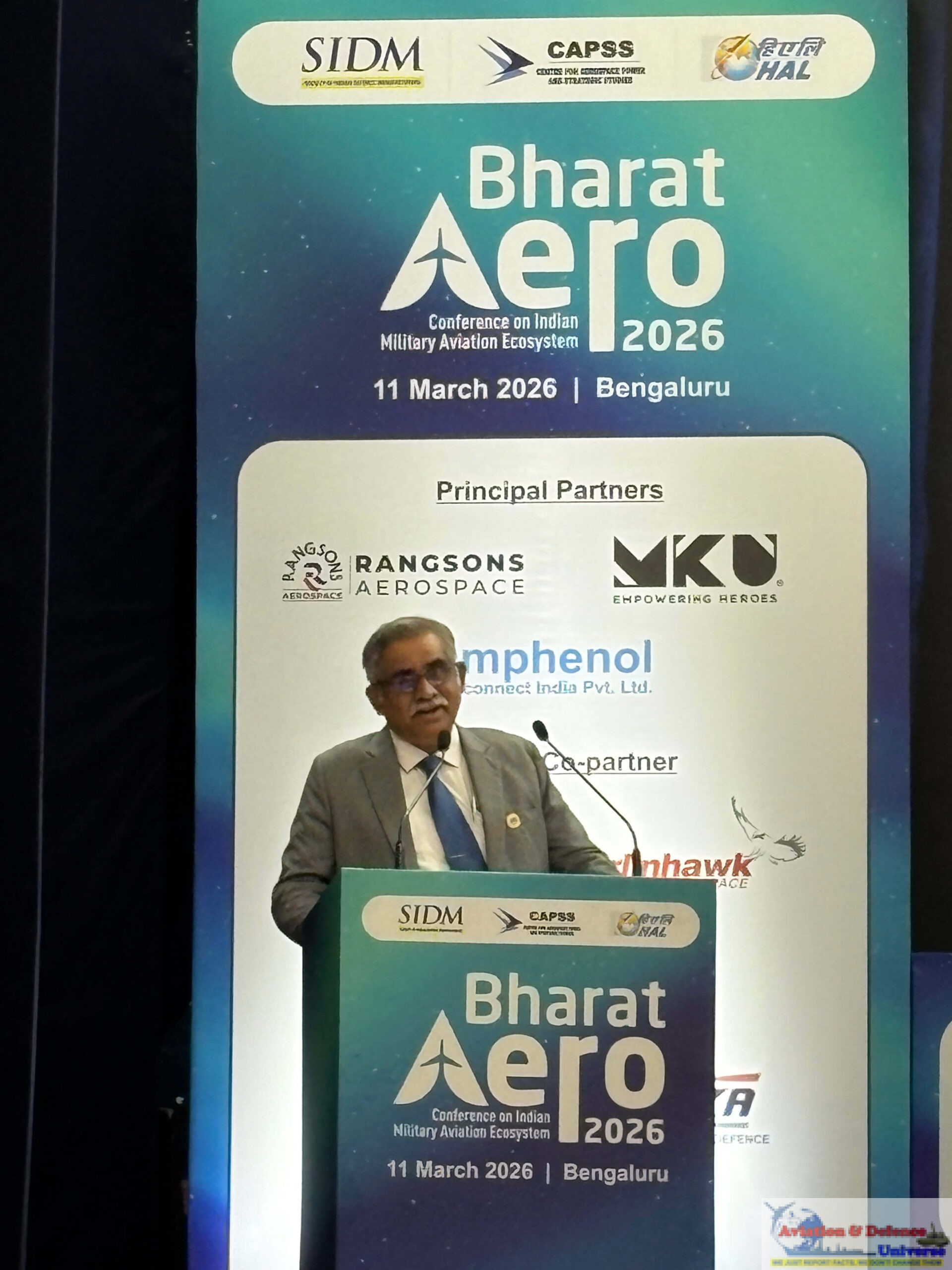 APVS Prasad, Chief Executive of CEMILAC highlighted critical gaps in India’s aerospace development approach, particularly in areas such as automation, AI and system-level design. He emphasised the importance of survivability and system integration in next-generation aircraft. “What we design for the next three years, if we delay it to eight to ten years, there is no relevance for that product,” he exorthed and also called for a stronger focus on data, simulation and early-stage design validation to reduce delays and improve system reliability.
Throughout the conference, speakers highlighted the growing influence of emerging technologies such as artificial intelligence, autonomous systems and unmanned aerial vehicles in shaping modern warfare. By bringing together policymakers, industry leaders and defence experts, Bharat Aero 2026 reinforced the importance of collaboration in building a robust and future-ready aviation ecosystem for India.
 Bharat Aero 2026 reiterated a clear and consistent message-India’s journey toward self-reliant airpower is both urgent and inevitable. The discussions highlighted that while significant progress has been made in manufacturing, exports and ecosystem development, the next phase must focus on indigenous design ownership, advanced technologies and system integration capabilities.
The conference also reinforced that airpower today is no longer defined solely by aircraft numbers, but by the strength of the ecosystem that sustains, upgrades and innovates those platforms. Collaboration—between the armed forces, industry, academia and policymakers—emerged as the central pillar for future growth.
As India navigates a rapidly evolving security environment, Bharat Aero 2026 served as a timely reminder that strategic autonomy in aerospace is not just an aspiration, but a necessity. The path ahead will demand sustained investment, policy continuity and a unified national effort to transform India into a globally competitive aerospace power.













































-A4-Size-(2)_page-0001.jpg)