


 18th BRICS Summit























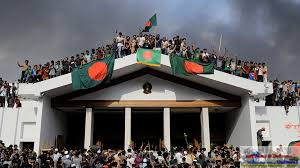
- Unrest, Rivalries and Regional Ripples: Does the Crisis Next Door Impact India?
By Jai Kumar Verma
New Delhi. 30 December 2025. Bangladesh is entering a period of acute political and social strain marked by targeted killings, intensifying political rivalries, and rising insecurity among minority communities. Once regarded as a relatively stable and fast-growing South Asian economy, the country now faces mounting  challenges to governance, social cohesion, and democratic norms. The resurgence of political violence, communal anxieties, and contested leadership transitions has generated domestic unease while also raising concerns beyond its borders. For India, Bangladesh’s closest neighbour and a key strategic partner, the unfolding situation carries profound implications for regional security, border stability, minority protection, and the evolving balance of power in South Asia. Understanding the roots of Bangladesh’s turmoil and India’s diplomatic choices is essential to assessing the broader consequences for the Indo-Pacific and the subcontinent.
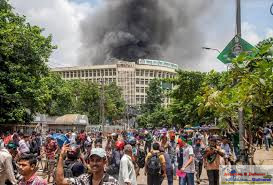
Bangladesh’s law and order situation has worsened amid escalating political rivalry, sporadic violence, and diminishing public trust in government institutions. Reports of targeted attacks, enforced disappearances, and clashes between rival parties have created an atmosphere of uncertainty, particularly in urban areas. Minority communities and political activists often feel susceptible, while allegations of politicisation of law enforcement further complicate matters. The criminal justice system faces criticism for delays and selective enforcement, weakening deterrence. Together, these factors have contributed to a growing sense of insecurity, raising concerns about stability, governance, and the country’s ability to manage future political transitions peacefully.
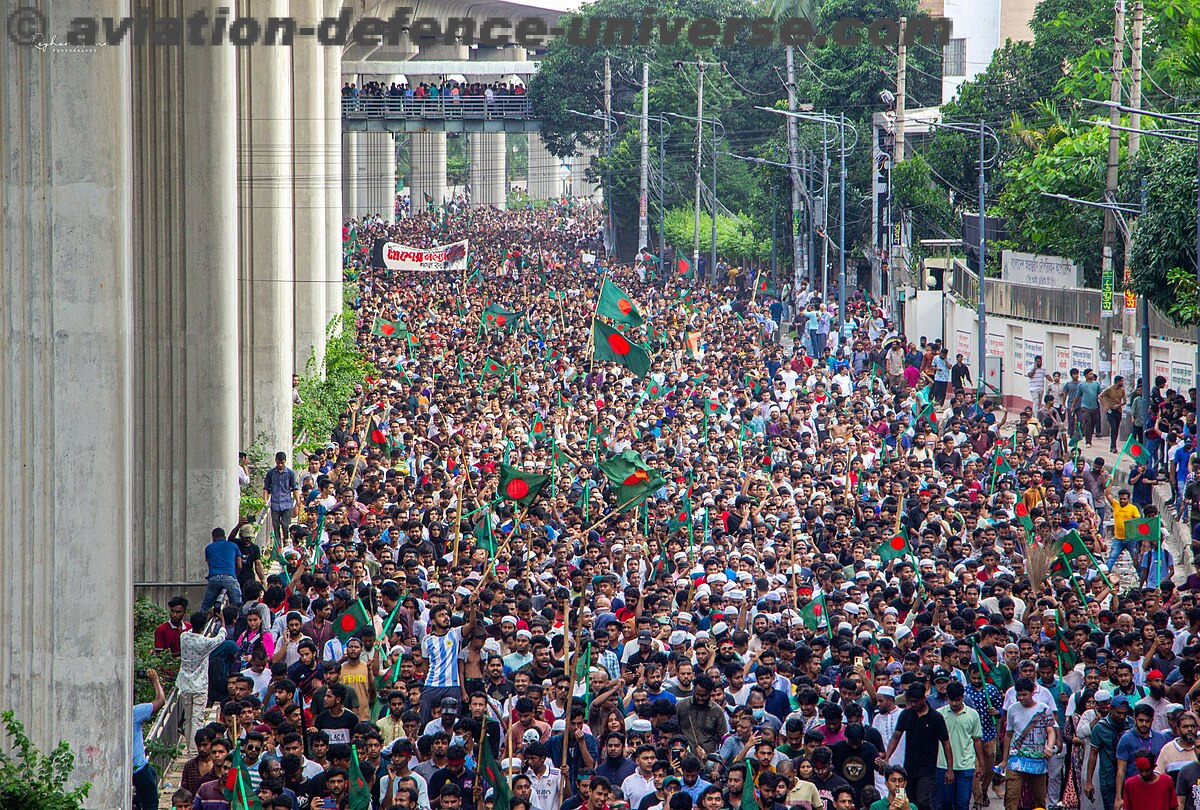 Communal violence and minority insecurity have intensified in Bangladesh amid recent unrest, with several high-profile incidents targeting the Hindu community. According to reports emanating from Bangladesh few Hindus including Dipu Chandra Das, in Mymensingh and Amrit Mondal, in Rajbari district were killed. Reports also detail dozens of Hindu houses being torched, forcing families to flee for safety. These episodes have stoked fear among minorities and drawn international concern.
Tarique Rahman’s return to Bangladesh marks an important development in the country’s tense political environment. Welcomed by an organized show of support from BNP activists, his arrival has boosted morale within the party after years of leadership absence and internal strain. Many BNP leaders and grassroots supporters now view him as a unifying figure capable of revitalising the opposition ahead of the February 2026 elections.
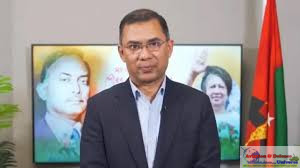 At the same time, Rahman’s comeback has intensified political frictions. Jamaat-e-Islami has reportedly issued warnings, highlighting ideological divisions and rivalry within opposition politics. Despite these challenges, Rahman has outlined an agenda focused on reorganizing the BNP, mobilizing mass support, and strengthening international engagement. He appears to have strong backing from party loyalists and sections of the Bangladeshi diaspora, though his leadership will face tests from security concerns, factionalism, and polarisation.
Rahman has sought to reassure both domestic and international audiences by emphasizing inclusivity. He has pledged that a BNP-led government would protect religious and ethnic minorities, uphold equal citizenship, and safeguard lives, property, and places of worship. Framing social harmony as vital to democratic recovery, he stressed constitutional rights and pluralism. In his first speech on Bangladeshi soil, Rahman referenced civil rights icon Martin Luther King Jr., framing his agenda in terms of national unity and political renewal. However, critics including supporters of the Awami League have panned his return as part of a “backdoor deal” that might skew the political playing field and deepen polarization rather than facilitate genuine reconciliation.
For India, the unfolding situation in Bangladesh holds significant strategic, economic, and humanitarian implications. Dhaka and New Delhi share deep historical, cultural, and economic ties, and Bangladesh’s stability is central to India’s broader vision of a secure and prosperous South Asia. India has emphasized the need to protect minority communities, particularly Hindus, amid reports of violence. Indian political figures and civil society groups have publicly condemned incidents of lynching and called for accountability. Most notably, protesters in New Delhi rallied over violence against Bangladesh’s Hindu minorities, underscoring the emotional and political resonance these issues have among sections of the Indian public.
 Anti-India sentiment in Bangladesh has increasingly been amplified by Jamaat-e-Islami, which has long framed India as an adversarial force to mobilize nationalist and religious support. Such rhetoric has gained traction during periods of political uncertainty, often spilling into street protests and social media campaigns. Tensions were further aggravated by remarks attributed to Advisor Muhammad Yunus concerning India’s North-Eastern states, which were perceived in New Delhi as insensitive and intrusive. These statements generated diplomatic discomfort and public backlash, adding strain to bilateral relations that are otherwise grounded in strategic, economic, and security cooperation.
Confusion and controversy have surrounded the murder of Hadi following conflicting official statements. Bangladesh’s Home Minister initially claimed that the killers had escaped to India, raising diplomatic and political concerns. However, Bangladesh police later clarified that there was no evidence to substantiate this claim. Adding to the tension, Hadi’s brother publicly alleged that the murder was orchestrated by Yunus to create instability and delay the upcoming elections, further deepening mistrust and political polarization. Although Yunus claims that he wants elections in February but Bangladesh watchers proclaim that the interim government wants to postpone elections for some more time so that JeI gains strength while key opposition parties, including BNP, called for earlier elections and criticised any ambiguity around the timeline.
 India is also closely monitoring warming ties between Pakistan and Bangladesh, especially after visa-free entry for officials and pledges on security cooperation, which have raised concerns in Delhi about border security and intelligence operations. There are also reports that both countries are negotiating a formal security pact similar to the Pakistan–Saudi Strategic Mutual Defence Agreement signed in September 2025. There have been reports that Pakistan’s Inter Services Intelligence (ISI), has shown renewed interest in Bangladesh, including high-level visits and contacts with Bangladeshi military/intelligence officials, which India is watching closely. Historically, during the 1990s and early 2000s, the ISI was accused of helping Indian insurgent groups operate from Bangladesh by providing training, money and weapons, including a major arms-smuggling case linked to Indian militant outfits like ULFA. Under former Prime Minister Sheikh Hasina’s government, Dhaka took steps to curb such activities and shut down many insurgent bases, which helped reduce ISI-linked terrorist operations.
Bangladesh’s geopolitical orientation is a subject of intense competition. As instability grows, countries like China may seek to expand influence through economic investments and strategic partnerships. India is also concerned about the Chinese investments and infrastructure projects in Bangladesh, including port expansion and discussions about the development of the abandoned World War II-era airstrip at Lalmonirhat in northern Bangladesh which is just few KMs away from India Bangladesh border. China has offered preferential trade terms and support for Bangladesh’s export growth. These steps are part of a broader strategic partnership under the Belt and Road Initiative, which strengthens China’s influence in Bangladesh’s economy and development plans.
Not only this United States is also interested in Bangladesh for its strategic location in the Indo-Pacific, economic growth, and large population. There have been reports and political claims that the United States showed interest in Bangladesh’s Saint Martin’s Island.
India’s long-standing ties and neighbourhood first policy position it uniquely to support Bangladesh through development cooperation, connectivity projects, and security partnerships that respect sovereignty and mutual interests. India may try to strengthen Cultural and People-to-People Engagement which may include cross-border cultural, educational, and civil society exchanges. India can expand scholarship programs, support media collaborations, and foster community dialogues that bridge societal divisions within Bangladesh.
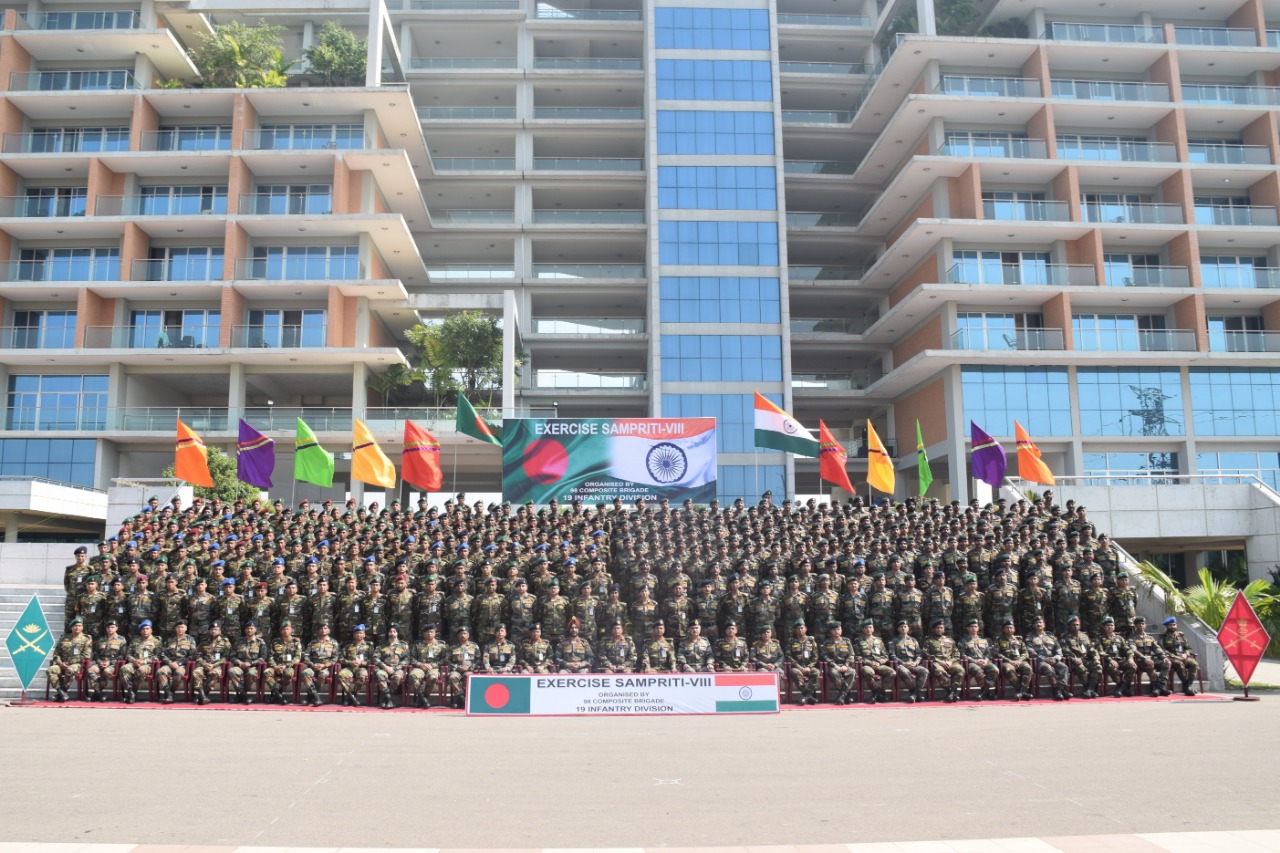 India could use diplomatic channels to press for stronger protections for minorities and judicial fairness, aligning with international human rights norms while reinforcing Dhaka’s commitments to secularism and pluralism. India’s support for credible elections in Bangladesh is critical. With February’s polls approaching, New Delhi has an interest in ensuring they are inclusive, transparent, and reflective of the electorate’s will. This means advocating not just for participation from the major parties, including the BNP under Rahman, but also for restoring space for opposition groups such as the Awami League to engage constructively without fear of repression. Active diplomatic engagement including technical assistance and observer missions could help bolster confidence in the electoral process and mitigate fears of one-sided outcomes.
Bangladesh’s current turbulence reflects a complex convergence of internal political fragmentation, minority vulnerability, and intensifying geopolitical competition. The rise in assassinations, communal violence, and contested narratives ahead of the February 2026 elections underscores the fragility of democratic processes and the risks of prolonged instability. For India, the situation demands a careful blend of principled diplomacy and strategic pragmatism—supporting minority protection, credible elections, and institutional stability while managing sensitivities around sovereignty and regional rivalries. As external actors such as Pakistan, China, and the United States deepen their engagement with Dhaka, India’s neighbourhood-first approach will be tested by rapidly shifting dynamics. Ultimately, the path Bangladesh chooses in the coming months will shape not only its own democratic future but also the security and stability of South Asia as a whole.
 In conclusion, the recent developments in Bangladesh’s foreign and security engagements are being watched closely by India. Dhaka’s growing interactions with Pakistan and China may not yet amount to formal military alliances, but they do raise strategic concerns, especially because of their proximity to India’s sensitive border areas. Bangladesh has repeatedly stated that its decisions are guided by economic needs and sovereign interests, not hostility towards India. Still, these moves highlight the changing regional balance in South Asia. For India, steady diplomacy and open dialogue with Dhaka will remain important to avoid misunderstandings and to maintain long-term stability in the region.
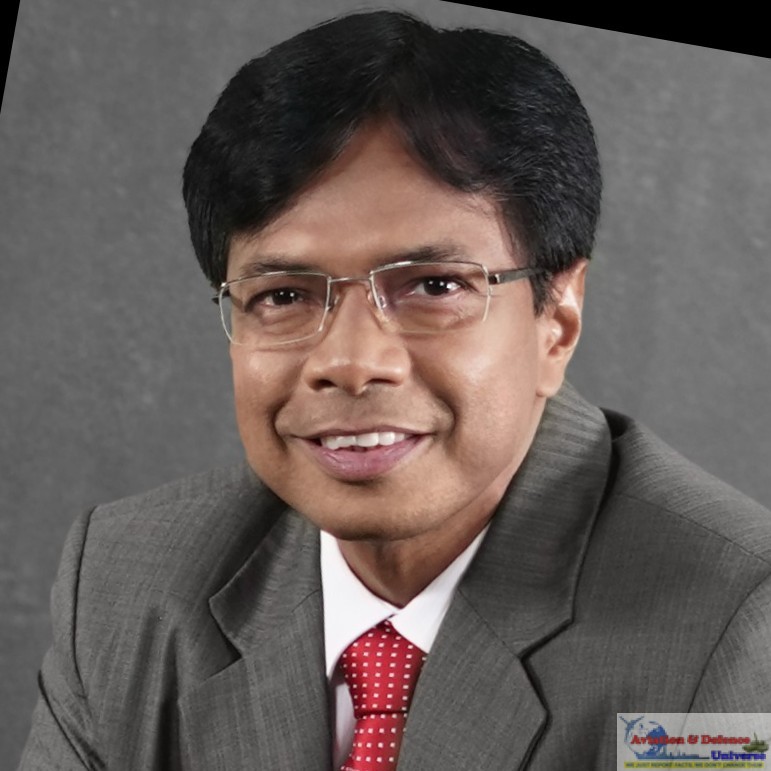
(Jai Kumar Verma is a Delhi-based strategic analyst and Life Member of United Services Institute of India and The Manohar Parrikar Institute for Defence Studies and Analyses. The views in the article are solely the author’s. He can be contacted at editor.adu@gmail.com)







































































-A4-Size-(2)_page-0001.jpg)