











- Social Media a boon or a bane to defence & security
- Challenges in synergising counter insurgency & fighting terrorism
- Cyber resilience the need of the hour
- Preparing for tomorrow’s wars & warriors
By Sangeeta Saxena
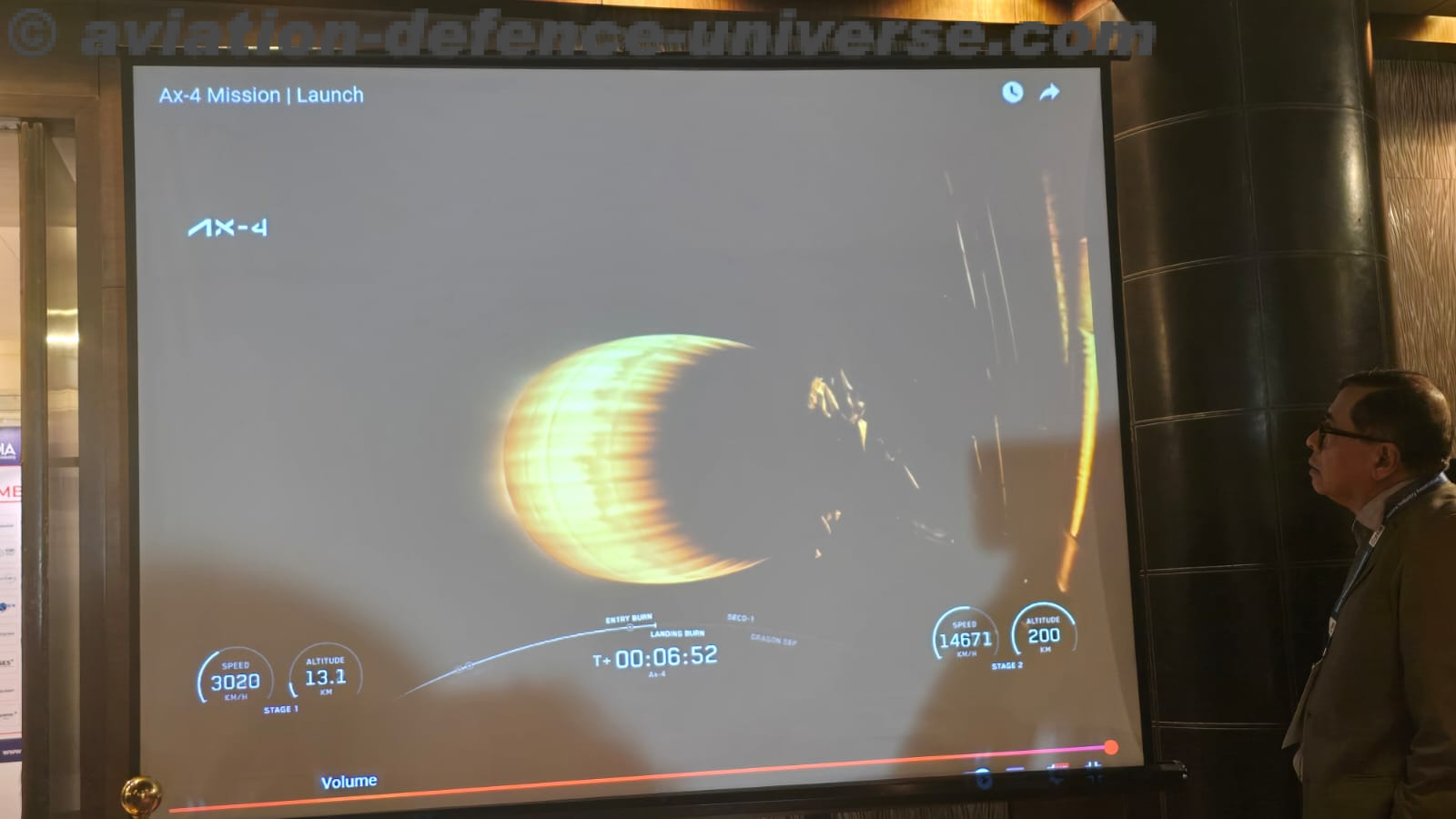
New Delhi. 26 October 2024. In modern day India one head of an organisation has become virtually a national hero and no prizes for guessing he is Dr. S Somnath, Chairman ISRO. And Day 2 at Chanakya Defence Dialogue started with his address, to a house which was absolutely full. Highlights of the day include special addresses by ISRO Chairman Dr. S. Somanath and Former Permanent Representative of India to the UN, Ms. Ruchira Kamboj, whose expertise will provide invaluable insights into space security and multilateral diplomacy. As delegates and experts from around the world convene for a second day, the dialogue remains focused on shaping a forward-looking vision for India’s role in a rapidly transforming global security landscape.
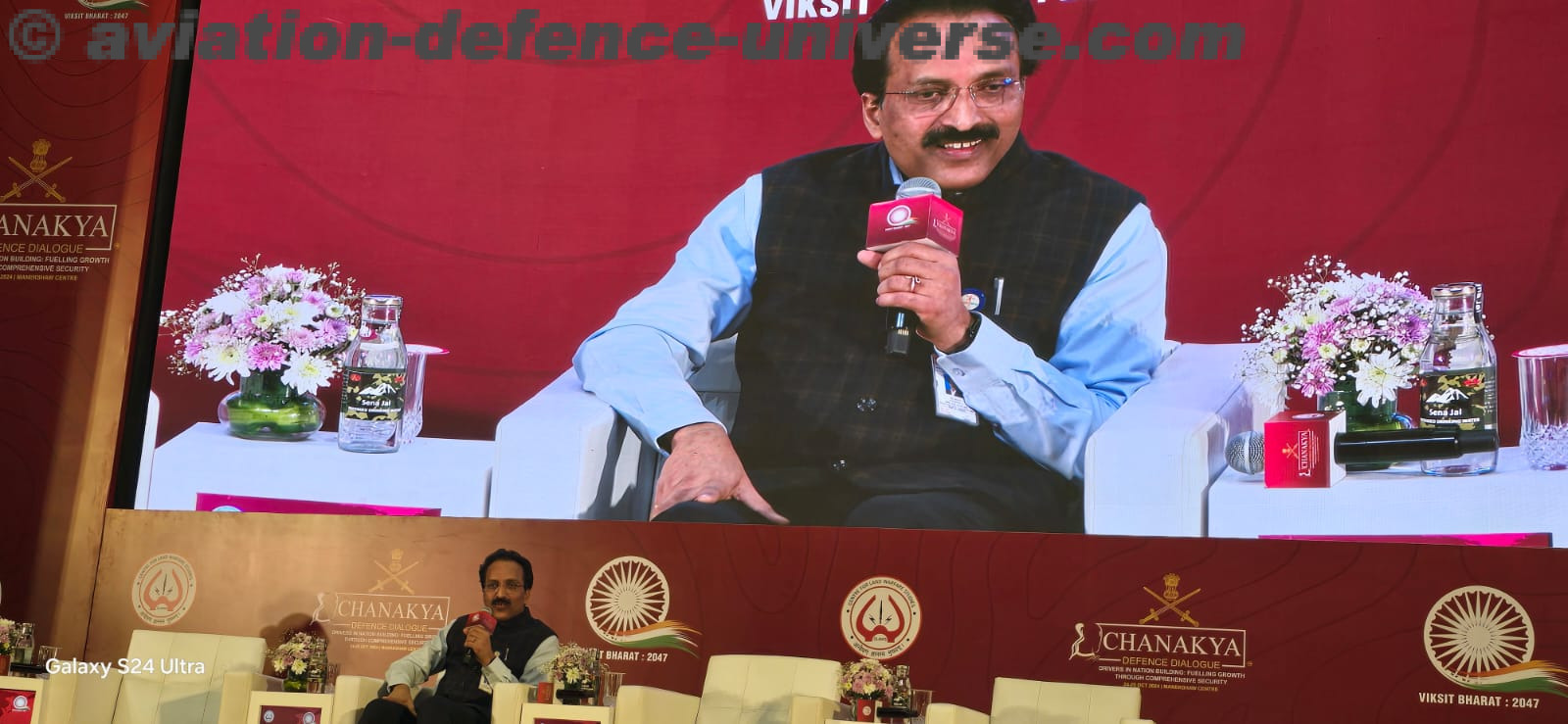 Dr. S Somnath stated, “Space has become a crowded, congested, and highly competitive domain, with infrastructure spanning satellite communications, navigation, Earth observation, and space science. We are witnessing advancements in spatial and spectral resolutions, and the NavIC system, currently in GEO, is set for expansion to LEO and MEO orbits to broaden its reach. Emerging trends in satellite communications, including high-throughput capabilities, mobile and quantum communication, and new bands like optical frequencies, are reshaping the field. However, space operations face natural, accidental, and intentional hazards, making Space Situational Awareness (SSA) essential. SSA involves tracking, characterizing, monitoring, and predicting these hazards, crucial to managing the safety of our 52+ spacecraft through observation, analysis, and mitigation.”
India’s space agency, the Indian Space Research Organisation (ISRO), achieved a historic milestone with the successful landing of its lunar mission, Chandrayaan-3, on the Moon’s surface. This landmark achievement has cemented India’s position as the fourth country to perform a successful lunar landing, following the United States, the Soviet Union, and China. Chandrayaan-3’s lander, named Vikram, touched down near the Moon’s South Pole, a region of immense scientific interest due to its potential water-ice reserves.
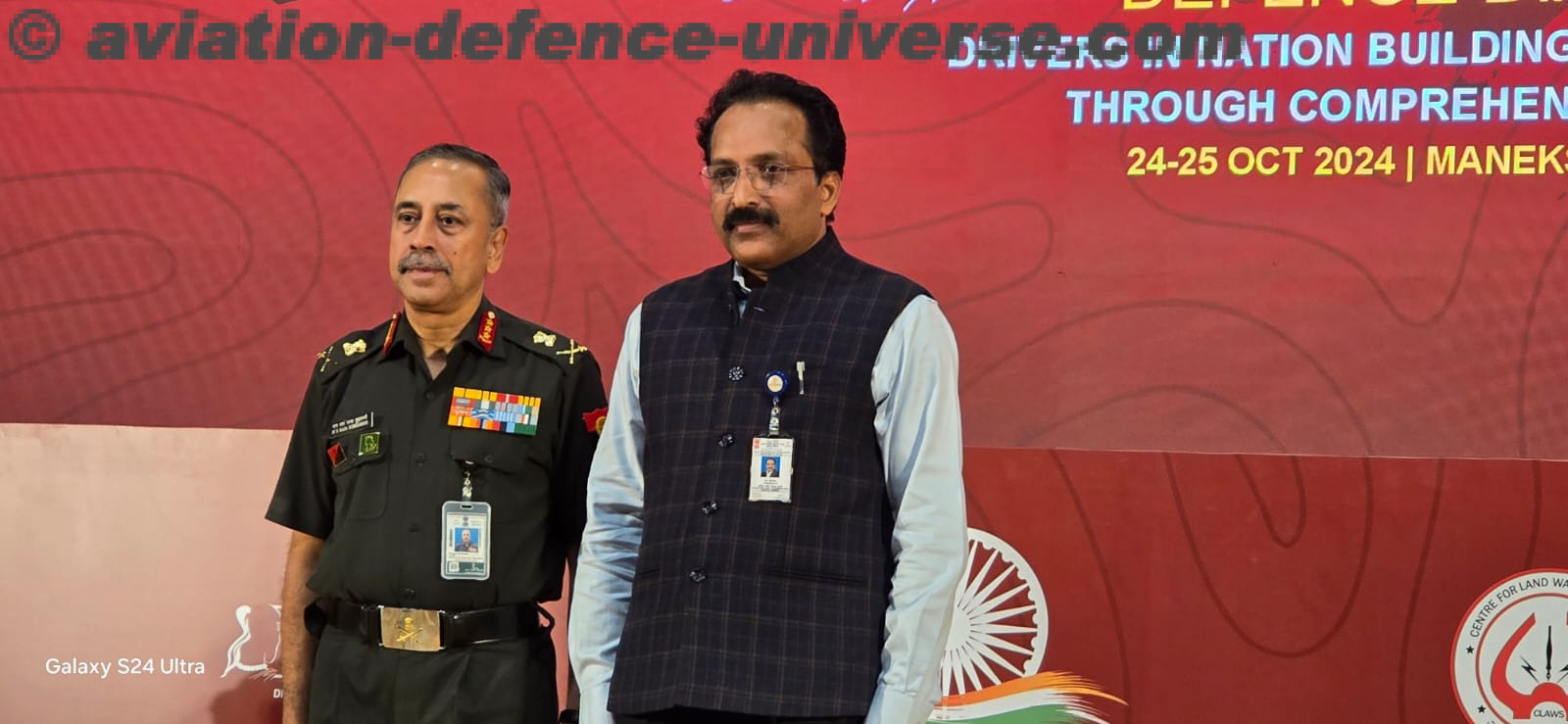 Dr. Somnath added, “ISRO’s IS4OM system underscores our commitment to safe and sustainable operations management. SSA is not limited to Earth alone; present-day monitoring around the Moon and Mars is equally important. We must also address the risks associated with re-entry of space objects and the complexities posed by large satellite constellations. India is firmly committed to debris-free missions, utilizing its strong SSA capabilities in simulation and calculation. Yet, creating an observation-based SSA infrastructure remains a priority. ISRO’s upcoming SPADEX mission will demonstrate essential techniques for docking, refuelling, repairing, recharging, deorbiting, and decluttering in space, furthering our goal for a safe and sustainable space environment.”
In her address, Ambassador Ruchira Kamboj, India’s Former Permanent Representative to the United Nations, highlighted India’s significant contributions to the UN, its leadership on global issues, and the need for reform within the organization. Her insights were structured across seven key areas, emphasizing India’s historical legacy, active role in the Security Council, leadership in counter-terrorism, contributions to UN missions, commitment to reform, stance on recent global conflicts, and its influential soft power.
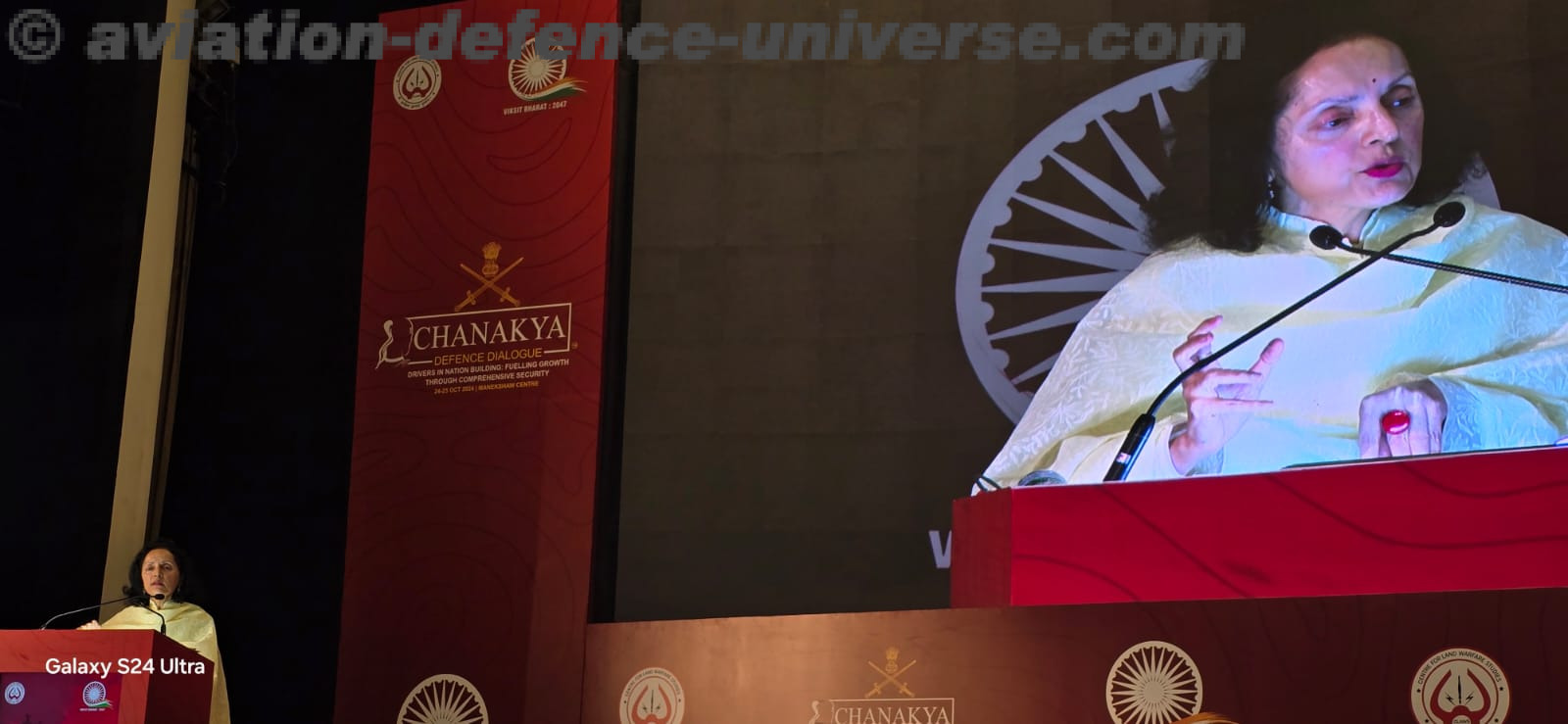 Ambassador Kamboj began by underscoring India’s foundational role in the UN. “India has been a pillar of the UN since its inception,” she stated, noting that India was a founding member and the first country to oppose apartheid on the world stage. India also played a prominent role in the decolonization process and has consistently advocated for multilateralism free from power politics, championing the cause of the Global South.
“India’s participation in the UN Security Council (UNSC) has been equally impactful, with eight tenures to date. During the latest tenure, Prime Minister Narendra Modi’s five pillars of international relations—Samman (respect), Samvad (dialogue), Sahyog (cooperation), Shanti (peace), and Samriddhi (prosperity)—guided India’s approach. Ambassador Kamboj highlighted that India took a firm stance on counter-terrorism and maritime security, even organizing an open debate on the latter. “We brought these critical issues to the forefront, reinforcing India’s commitment to global peace and security,” she noted.
India’s role in counter-terrorism has been notable, with initiatives such as the New Delhi Declaration to counter the misuse of technology in terrorism. Ambassador Kamboj emphasized India’s position, saying, “India stands firm on a policy of zero tolerance toward terrorism, advocating for strong counter-terrorism frameworks within the UN.” As one of the earliest and most dedicated contributors to UN peacekeeping, India’s legacy is profound. From the first UN mission in UNSO to unique contributions like the all-women contingent in Liberia and an all-women platoon in Abyei, India has led by example. “We’ve contributed troops to almost every UN mission and sadly have lost 177 of our soldiers in service. To honor them, India has called for a peacekeepers’ memorial at the UN,” she shared.
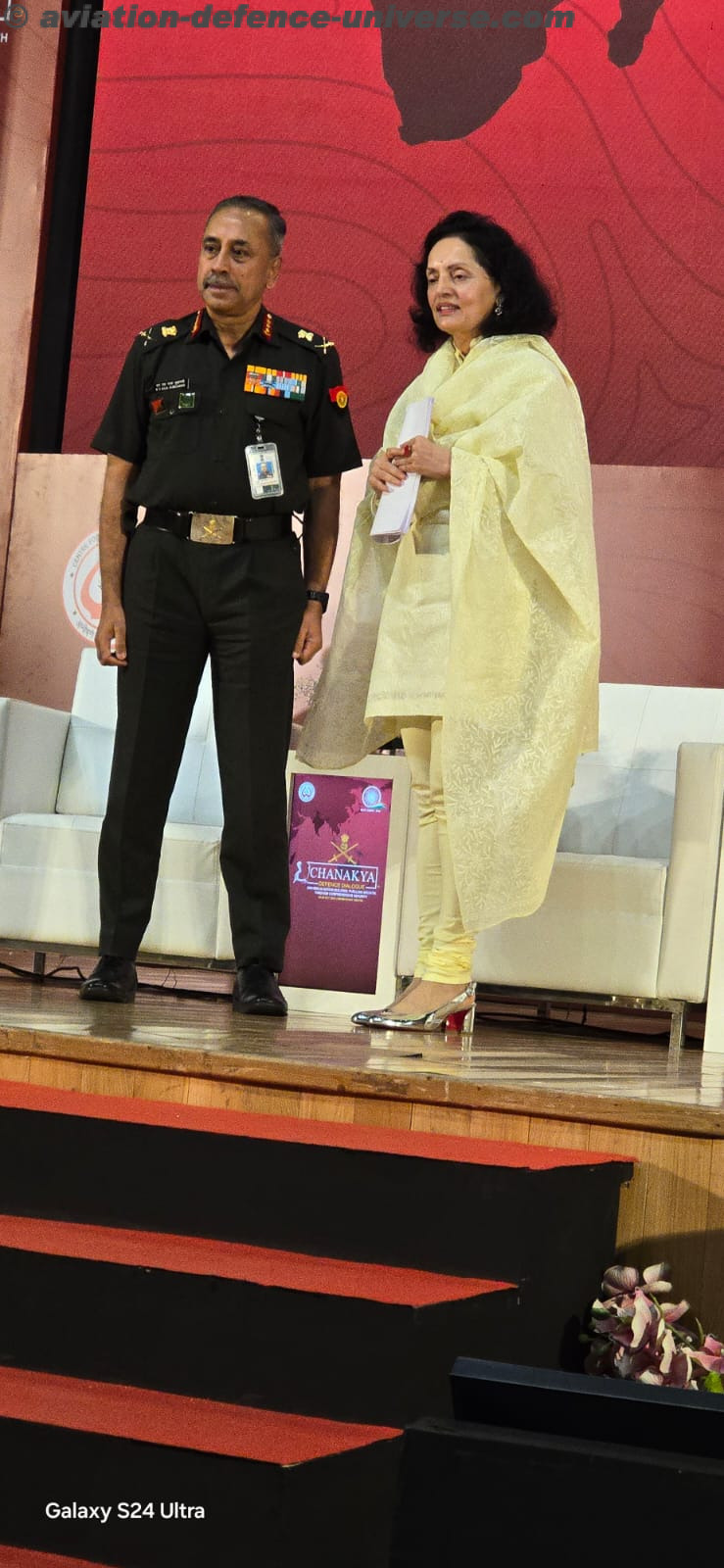 Highlighting the need for urgent reform, Ambassador Kamboj stated, “The UN, created in 1945 for a world of 51 nations, now has 193 members and faces vastly different challenges. Expanding the number of permanent and non-permanent seats, especially for the Global South, is crucial to maintaining the UN’s relevance.” Without this, she warned, the UN risks becoming sidelined as it struggles to address modern geopolitical complexities.
She also spoke on India’s Stand on Ukraine and Gaza. Ambassador Kamboj clarified India’s position on current global conflicts, emphasizing the country’s dedication to peace and humanitarian values. On Ukraine, she highlighted India’s call for “peace, dialogue, and diplomacy.” Regarding the Gaza situation, she stated that while India condemned the October 7 attack, it is equally concerned about the ongoing humanitarian crisis. “India has always believed in bringing people together, and our contributions to the UN reflect this ethos,” she concluded. Through her address, Ambassador Kamboj conveyed India’s unwavering commitment to the United Nations and the vision of a more inclusive, effective organization equipped to tackle modern challenges.
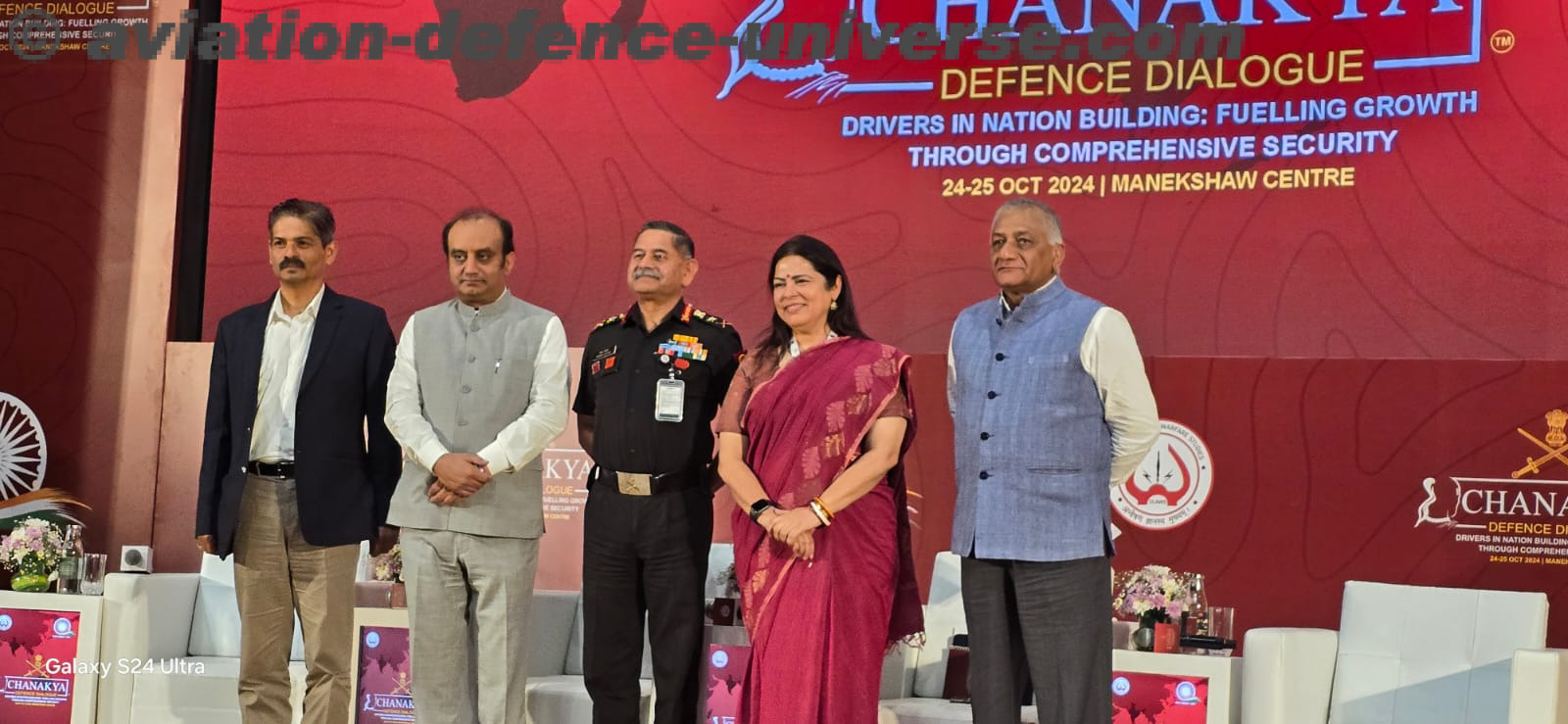
In a compelling session titled “Social Cohesion and Inclusive Growth: Pillars of a Secure Nation” at the Chanakya Defence Dialogue 2024, speakers, including R.R. Swain, IPS (Retd), Dr. Sudhanshu Trivedi, Ms. Meenakshi Lekhi, and Gen. V.K. Singh (Retd), shared their insights on the critical role of social cohesion in national security. The discussion underscored the threats to social unity, from adversarial narratives to hybrid warfare, and emphasized the need for institutional synergy, cultural values, and societal fairness to build a resilient nation.
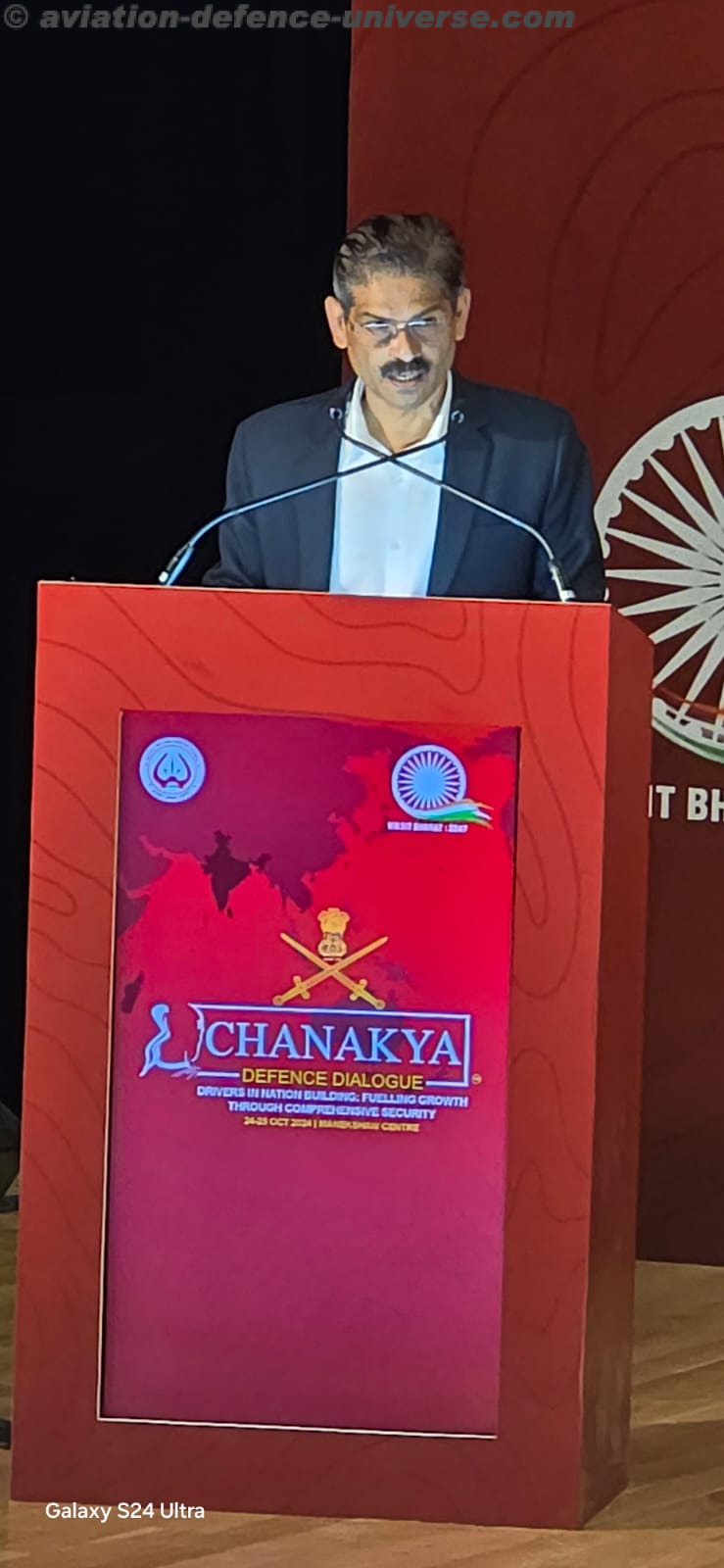 Addressing one of the most insidious threats to social cohesion, R.R. Swain former DG J&K, spoke about the “battle of narratives” posed by adversaries seeking to fracture India’s unity. “One of our greatest challenges today lies in the false narratives propagated by our adversaries,” Swain remarked, citing Kashmir as an example where adversarial messages falsely equate a breakdown in governance with freedom and justice. He stressed that transparency and accountability are essential for reinforcing social cohesion, adding, “Corrupt practices, injustice, and societal deficiencies directly hinder inclusive growth. We must counter false narratives effectively to strengthen the social fabric.” IPS officer R.R. Swain on October 31 2023, took over as 17th Director General of Police (DGP) of Jammu and Kashmir at a function held at the police headquarters in Srinagar and replaced Dilbag Singh.
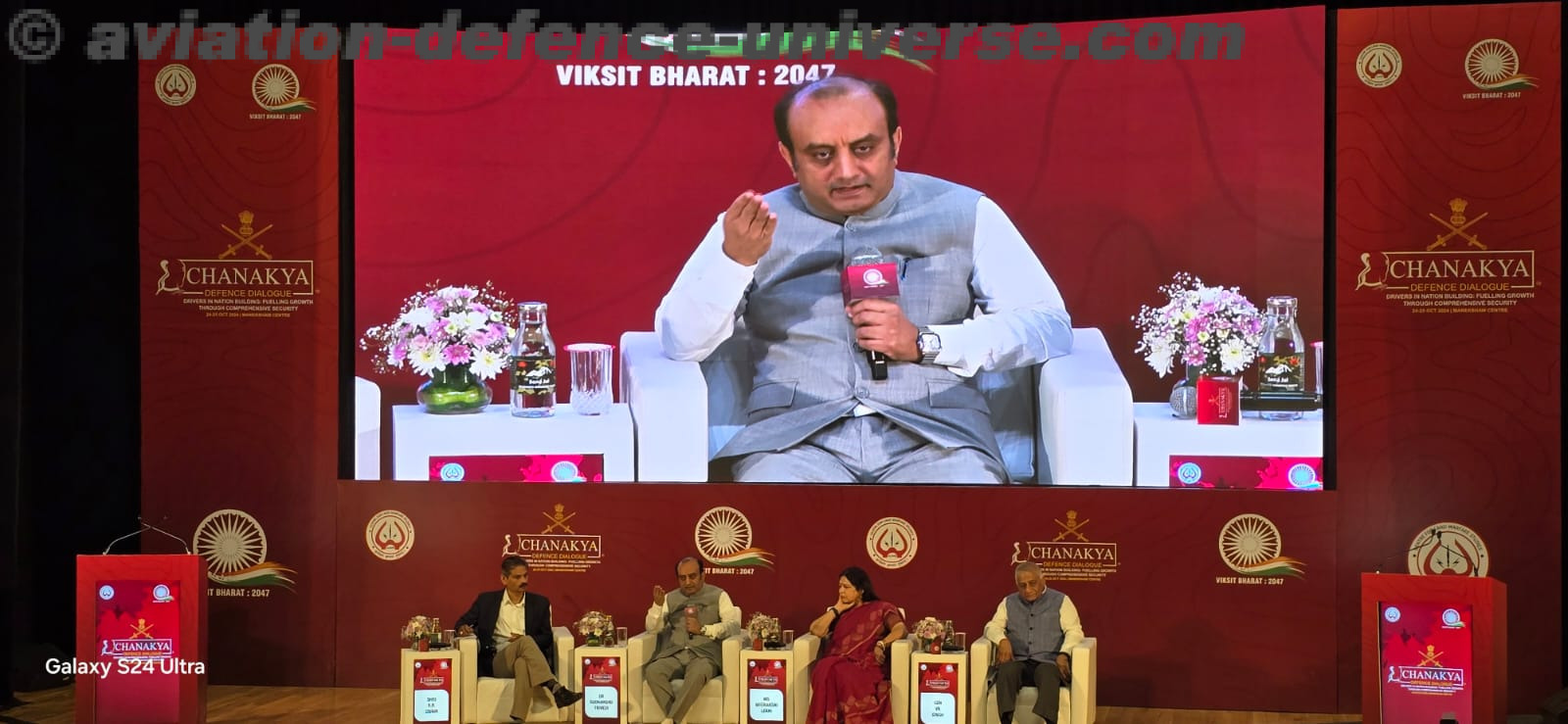 Reflecting on the historical reasons behind the downfall of empires, Dr. Sudhanshu Trivedi underscored the necessity of a socio-cultural foundation for national resilience. “In the past, we believed that a strong nation required a robust economy, defence, and technological prowess. But empires like the USSR, Roman Empire, and regions of the Middle East collapsed despite these factors, primarily due to the lack of a fourth dimension—a socio-cultural foundation,” Dr. Trivedi said. He emphasized that India’s cultural cohesion has helped it overcome global upheavals, highlighting that the country’s enduring values directly influence social unity and national security.
Dr. Sudhanshu Trivedi is an Indian politician and former professor. A leader of the Bharatiya Janata Party and Member of Parliament from its Upper House, the Rajya Sabha. Trivedi is the Senior National Spokesperson of the Bharatiya Janata Party.
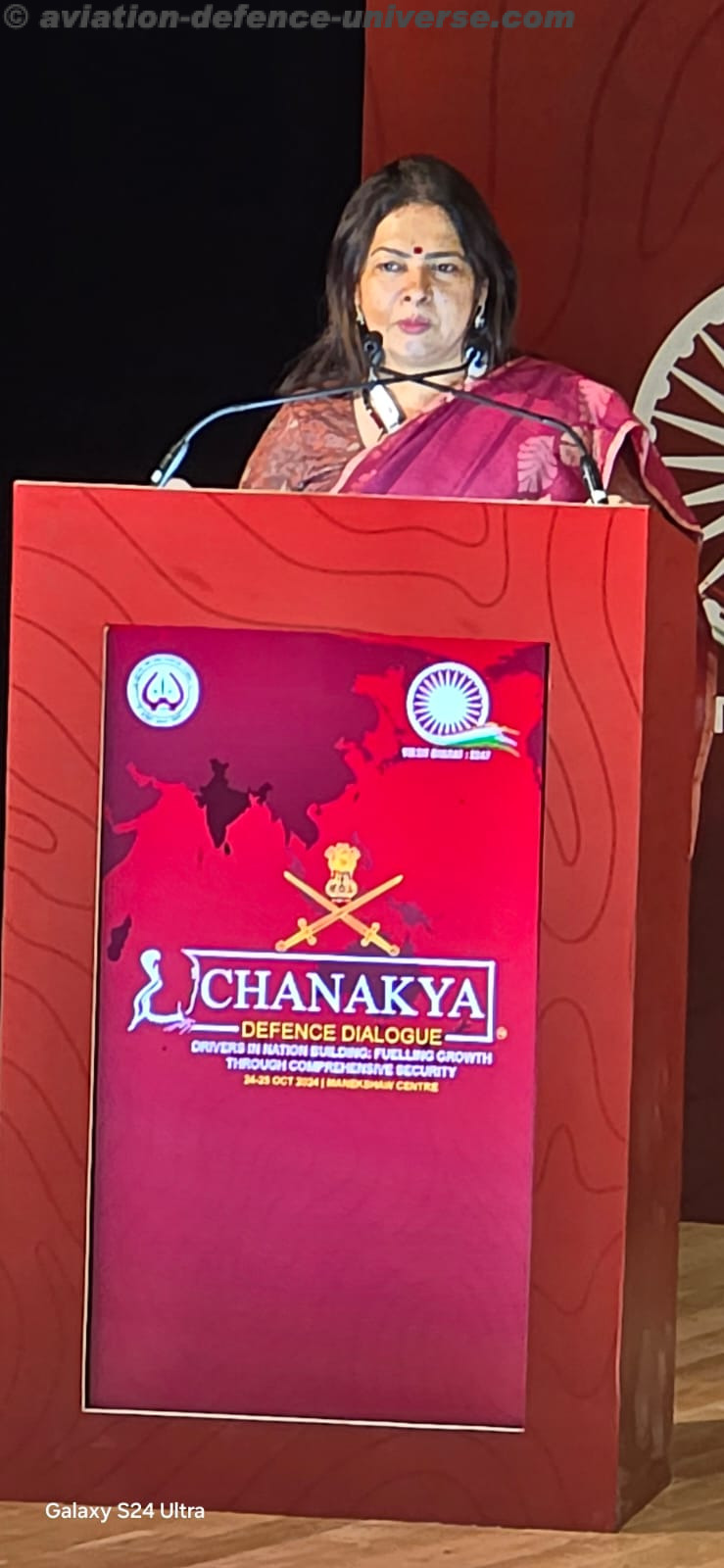 Emphasizing the crucial role of internal security, Ms. Meenakshi Lekhi noted that maintaining peace within society is as critical as securing the borders. “The nation’s goal must be to ensure social cohesion, peace, and security. It’s not just about border conflicts but addressing societal unrest as well,” she stated. According to Lekhi, the pillars of internal security—law enforcement, justice, fairness, and equality—face challenges from political interference, limited resources, and technology gaps. She argued that building trust through community engagement and accountability mechanisms is key, saying, “True fairness in law enforcement comes from equal treatment, fostering trust, and engaging with the community.”
Meenakshi Lekhi was Minister of State for External Affairs and Culture in the previous Narendra Modi government. A Bharatiya Janata Party (BJP) leader from the national capital, Meenakshi Lekhi represents the New Delhi constituency in the 16th Lok Sabha. She is also the national spokesperson of the party and a Supreme Court lawyer.
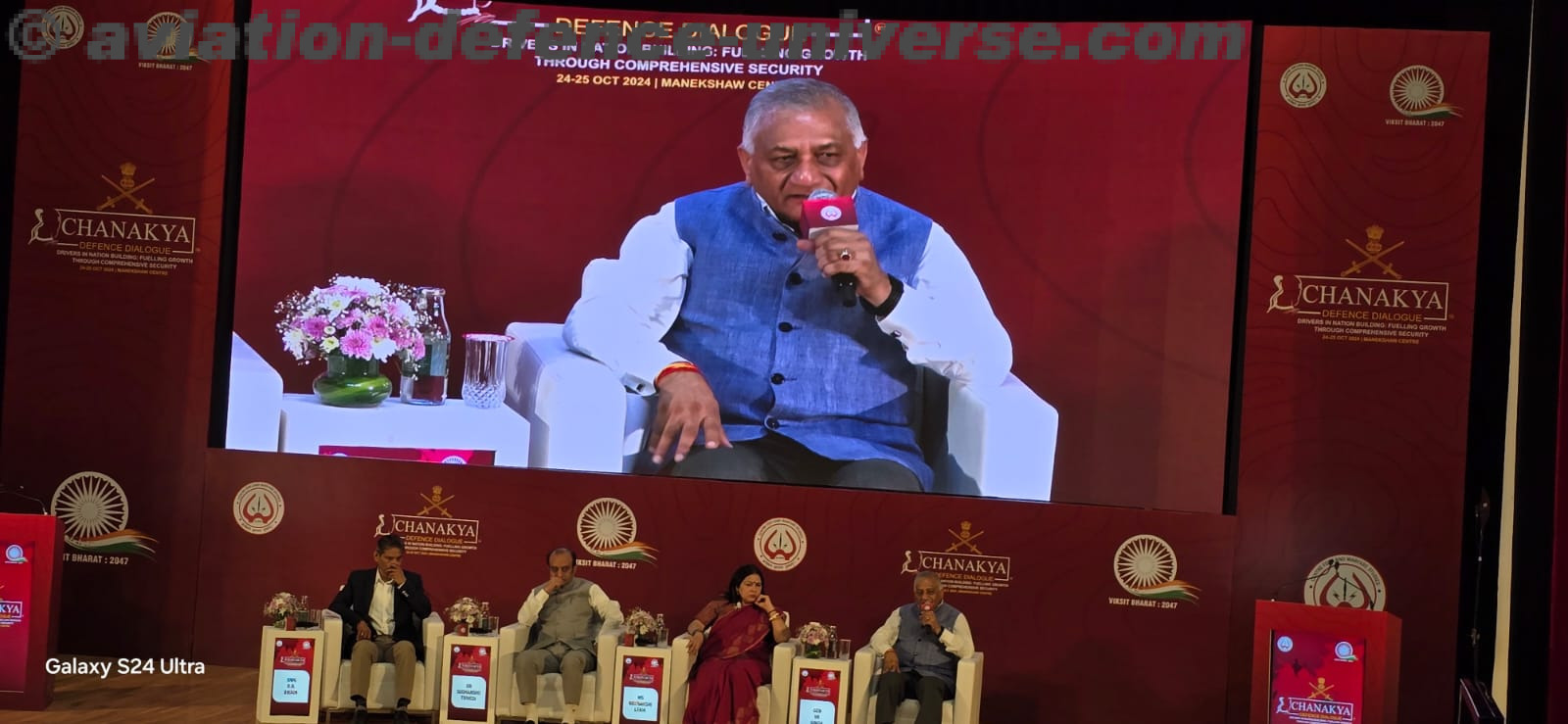 Gen.Singh also emphasized the importance of sharing intelligence in a timely, lateral, and upward manner, noting that internal security must incorporate societal aspects and respect local political contexts. “The ethos of the Army—nation first, above caste and creed—should permeate society. Social media has also emerged as a powerful tool that needs to be managed with responsibility,” he remarked, stressing the need for capacity-building and examining international standards to strengthen security operations.
The session closed with a consensus among the speakers on the importance of an integrated approach to security and cohesion, with each sector working in synergy to address challenges from misinformation to resource constraints. Together, they emphasized that social cohesion and inclusivity are the bedrock of national security, urging all stakeholders—government, law enforcement, military, and society—to unite in fostering a stable and secure nation.
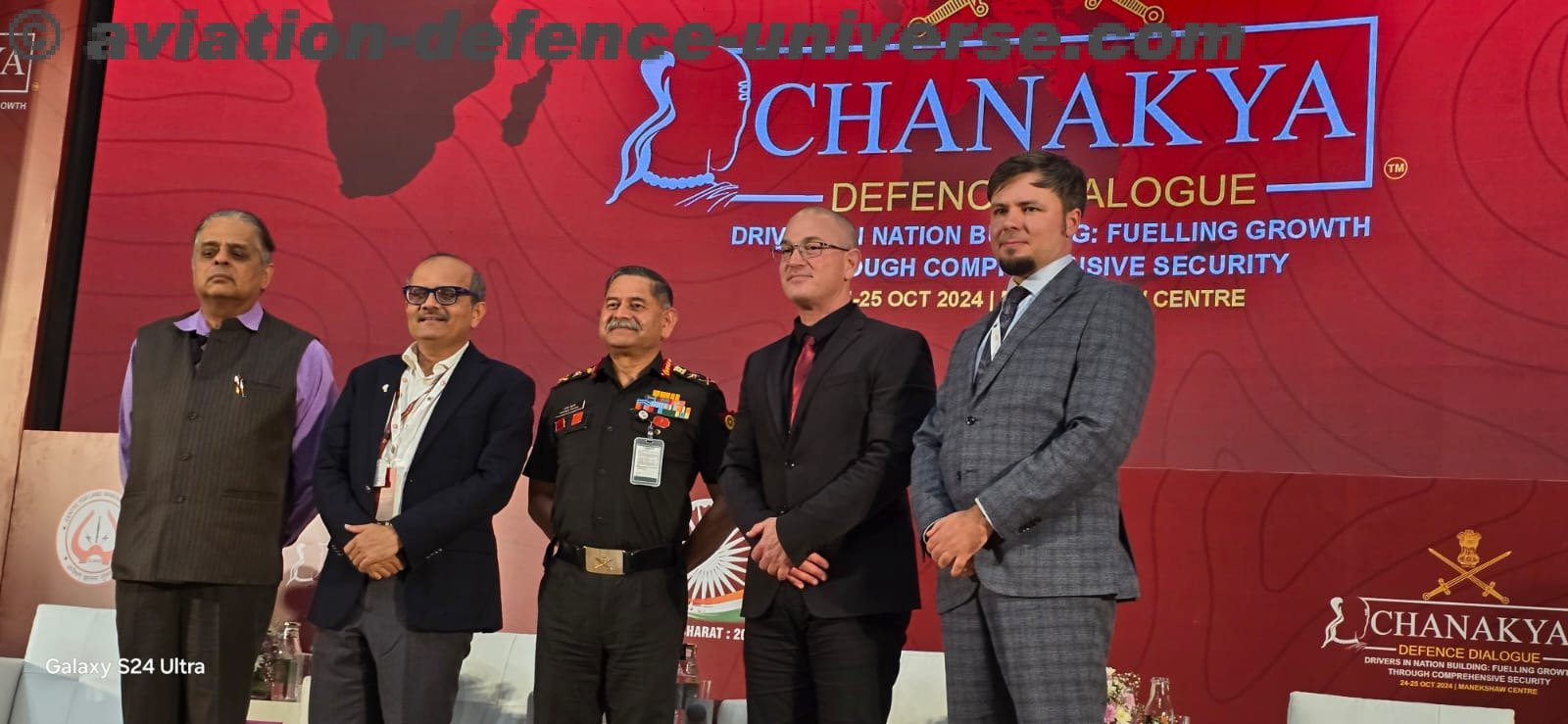 1st post lunch session at Chanakya Defence Dialogue and the Chief was still waiting to listening to this discussion on convergence of technology with Security. Moderated by Lt Gen Raj Shukla , Member UPSC, the panellists are Dr. Chintan Vaishnav Niti Aayog, Brig General Eran Ortal Signal Group Israel and Dmitry Stefanovich IMEMO Russia.
In an insightful session at the Chanakya Defence Dialogue 2024 titled “Blurring Frontiers: Convergence of Technology & Security,” experts explored the powerful role of technology in transforming national defence and security. The discussion highlighted the essential integration of artificial intelligence (AI) and other cutting-edge technologies, which have increasingly shifted the dynamics of warfare, security operations, and geopolitical influence.
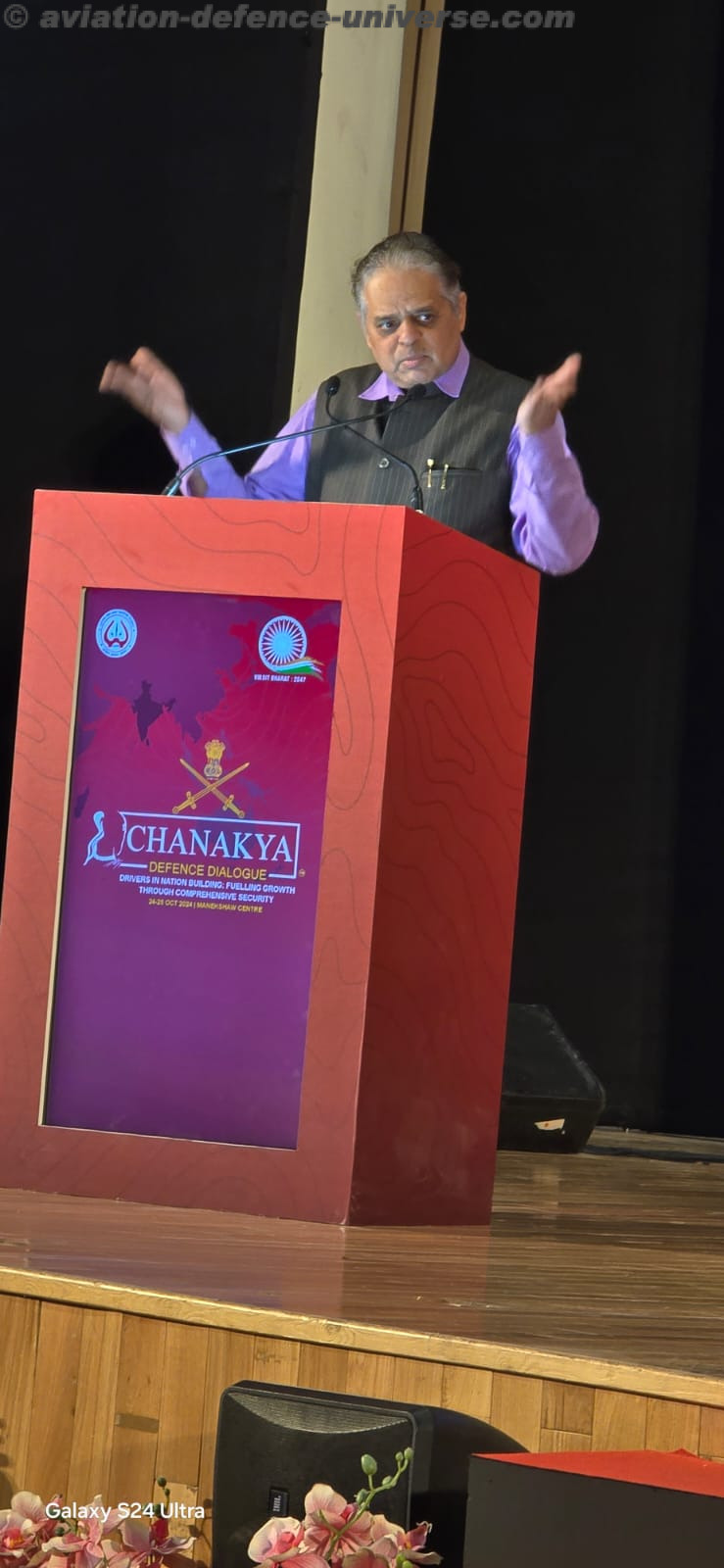
The transformative potential of AI in national security was a focal point, with speakers noting its ability to handle vast amounts of data, automate decision-making, and reshape traditional battlefield strategies. The conversation emphasized that innovation, entrepreneurship, and cultural adaptation are necessary for achieving technological advances in defence. “AI can be both a sword and a shield, reducing numbers on the battlefield and potentially limiting casualties,” an expert noted, stressing that AI could lead to more precise and strategic military operations.
Speakers discussed the game-changing impact of technology on conflict and competition, underscoring how technological tools—such as drones, AI-enabled hypersonic weapons, and cybersecurity measures—can enhance force structures. These technologies, they explained, have allowed combat to move beyond traditional “blood and gore” scenarios of tanks and fighter jets, allowing for more strategic and impactful engagements. The use of drones, for example, has demonstrated potential to reshape military force structures, providing mass precision and enabling a form of warfare that democratizes power across smaller units.
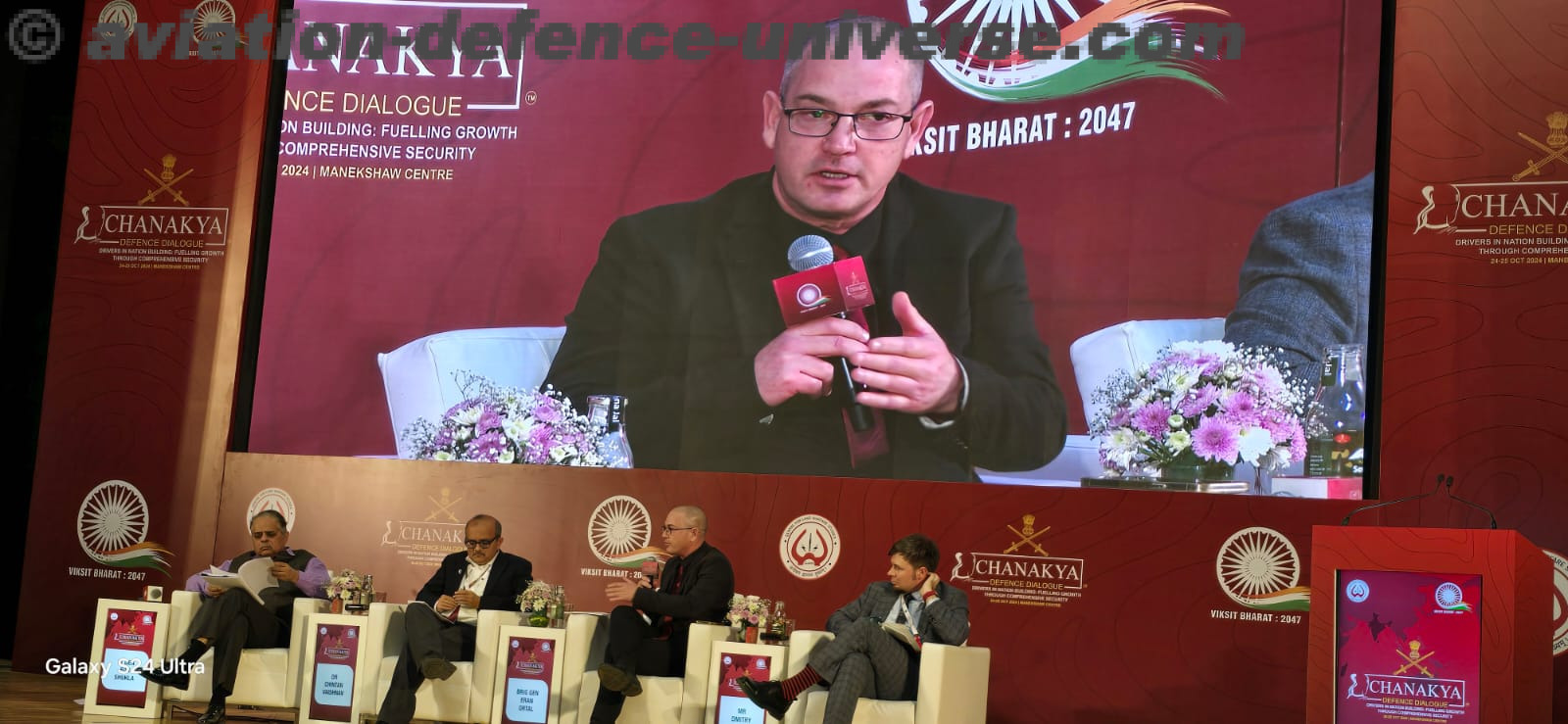 An expert drew attention to recent conflicts, citing how technology has influenced geopolitical outcomes, such as the use of drones by the Houthis against U.S. Navy assets. This, they explained, exemplifies how “precision with mass” has become an essential component in modern warfare, thanks to the democratization of high-tech weapons. The need for defence to evolve was also clear: generalized specifications for equipment (“GS QR is dead”) no longer suffice in modern warfare, with real-time innovation on the battlefield becoming critical.
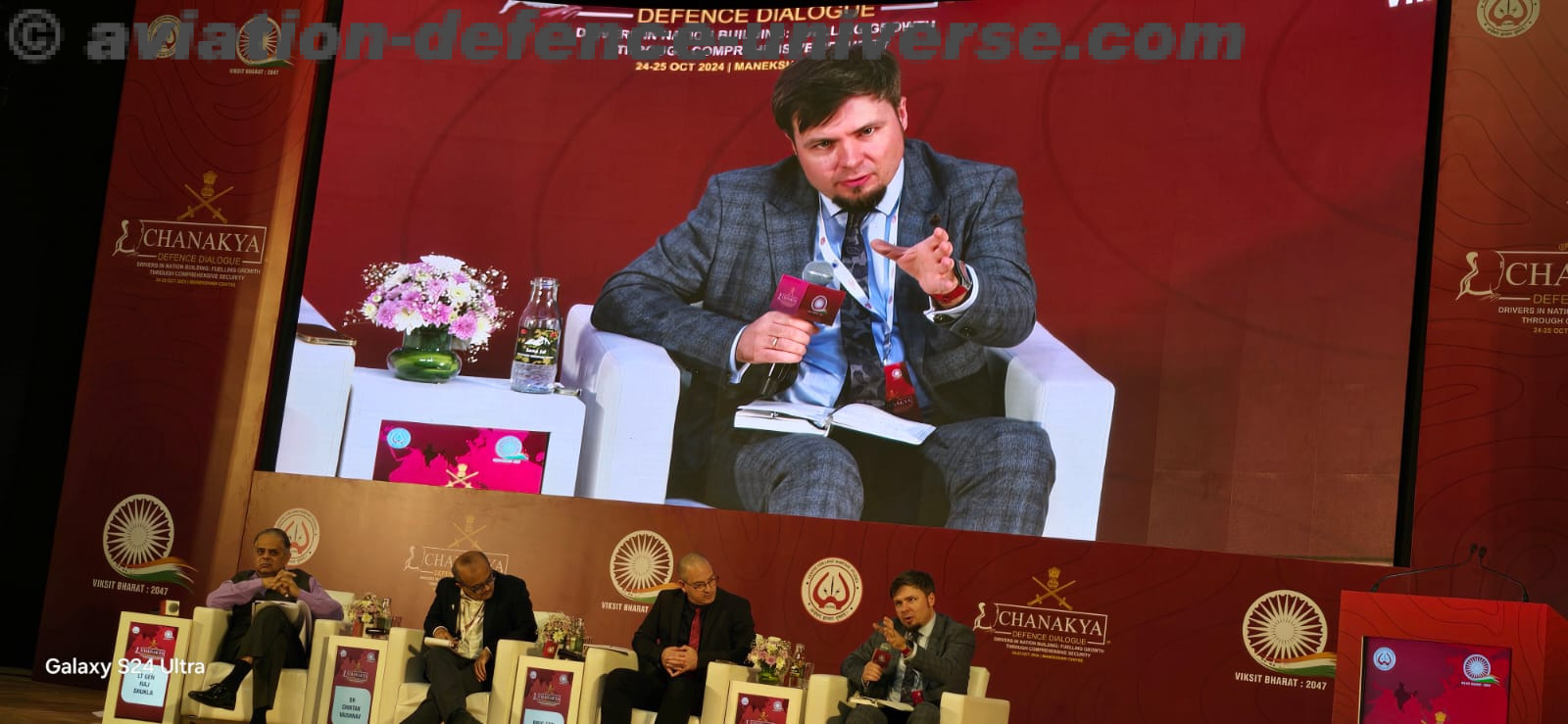 Cybersecurity, while crucial, was discussed as a tool that does not fully impact defence outcomes on its own. However, its integration with precision technologies enhances the capability to a new level. “Precision by itself doesn’t matter, but combined with cyber capabilities, it brings a different dimension to our defence strategy,” a panellist remarked, adding that understanding the problem that technology aims to solve is essential for effective integration.
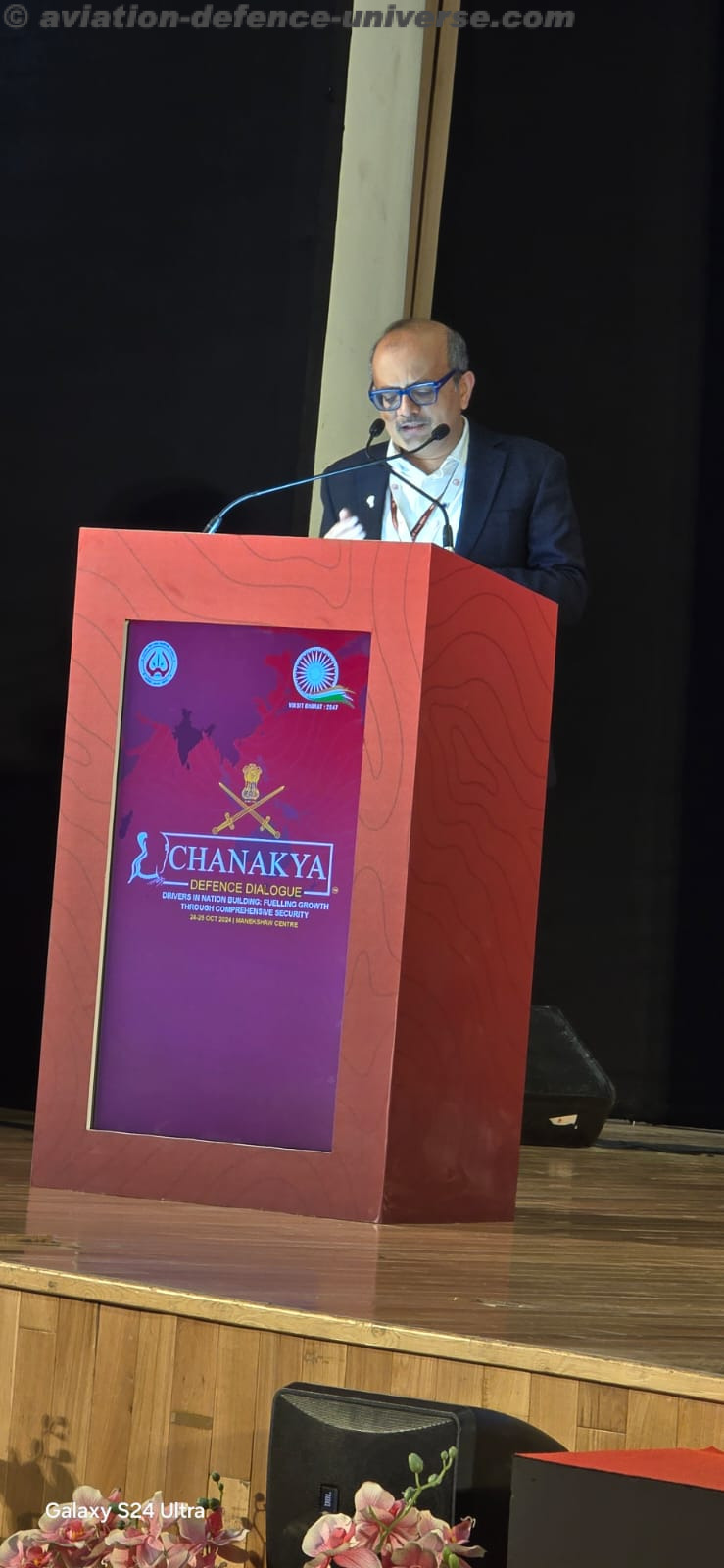 Data-driven decision-making in defence is another area where technology has become invaluable. Given the massive amount of data generated in modern conflicts, processing by humans alone is no longer feasible. Experts argued that clean data is critical for effective AI implementation, which, in turn, requires extensive training for troops and commanders on AI-enabled equipment to ensure successful integration and control in the field.
The irreversible nature of technological proliferation was another key point. “It’s impossible to stop or reverse technological proliferation,” one speaker observed, explaining that adapting to these advancements, such as AI in hypersonics, is inevitable. They added that while technological innovations can disrupt traditional power structures, they offer an opportunity for defence forces to leverage a mix of capabilities.
The session concluded on a forward-looking note, with experts highlighting the importance of integrating startups into defence corridors. This partnership could fuel continuous innovation and support the rapid deployment of new technologies on the battlefield. Ultimately, the convergence of technology and security, as discussed in this session, presents both opportunities and challenges as defence forces work to stay ahead in an ever-evolving geopolitical landscape.
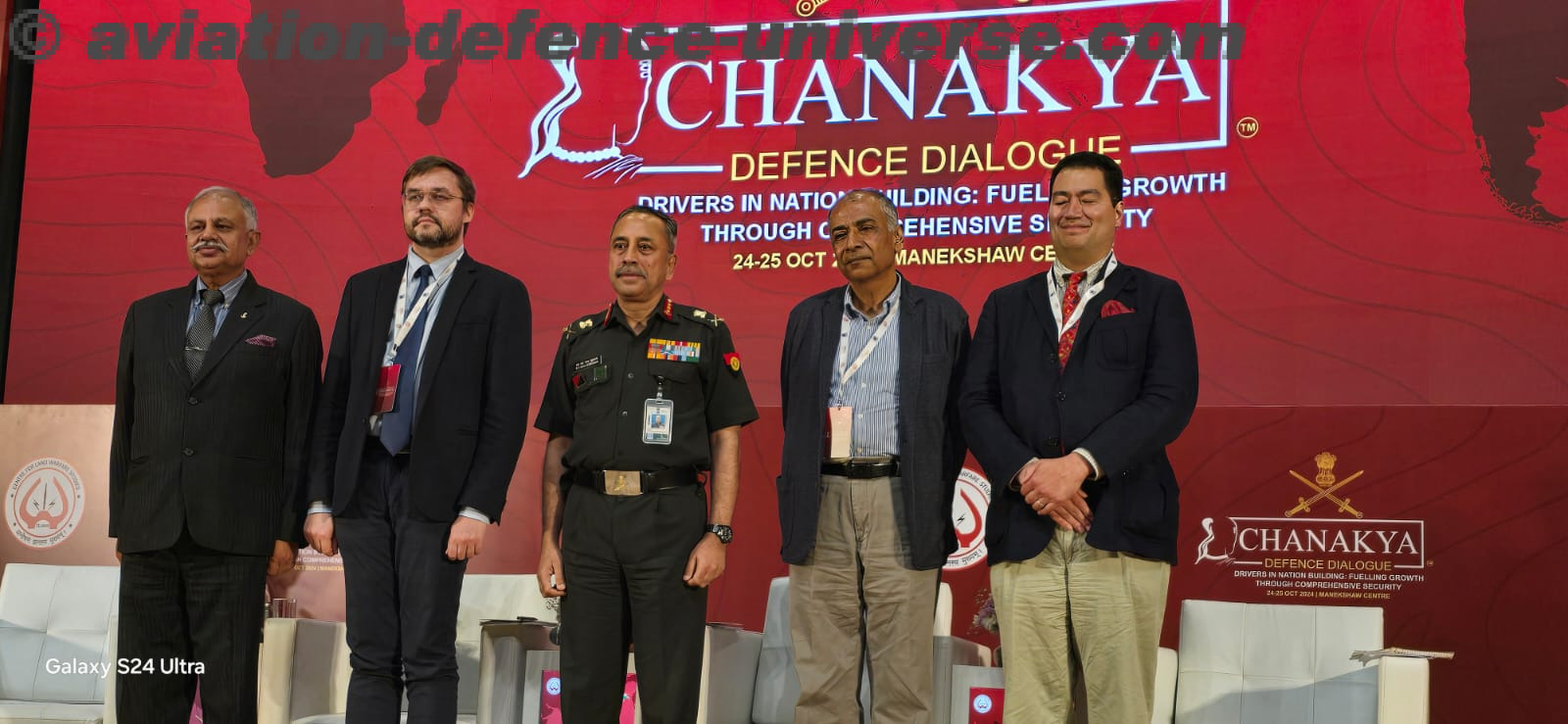 Last session of Chanakya Defence Dialogue 2024 was the one. Speakers were Dr. Konstantin Nogdanov of IMEMO Russia, Dr.Patrick Bratton of US Army War College , Prof Amit Gupta of University of Illinos and Vice Admiral AB Singh is the moderator. The topic of the session was Groundbreaker: Shaping the land warfare, Reflections for Indian Army. Prof. Amit Gupta spoke on Balancing Technological Choice: Acquisition, Adaptation & Integration. Dr. Patrick Bratton spoke on Being Future Ready : Preparing for Tomorrow’s Warriors. Dr. Konstantin Nogdanov gave an insight into recent conflicts speaking on Charting The Contours of Future Land Warfare.
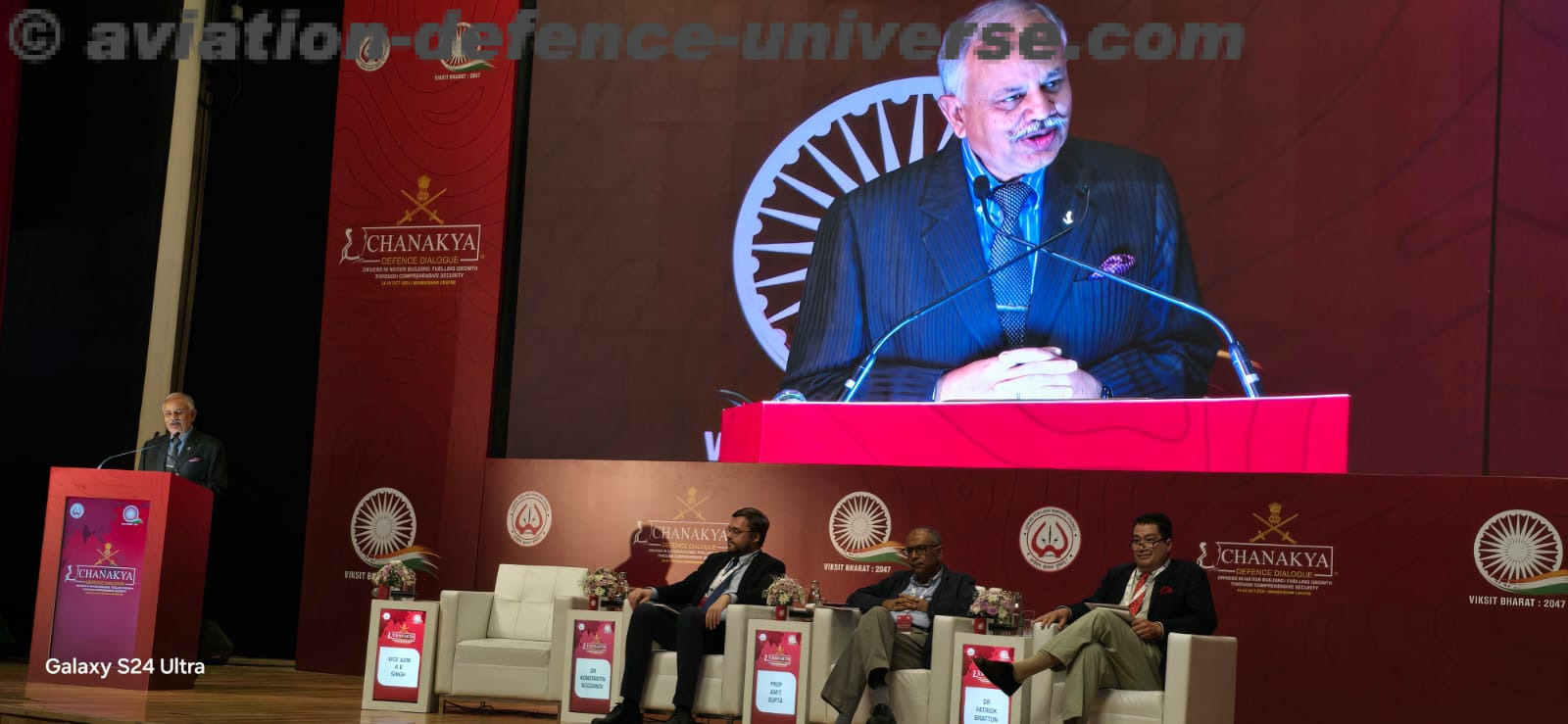 The speakers discussed how emerging technologies – such as artificial intelligence, unmanned systems, cyber warfare tools, and autonomous weapons – can strengthen the Indian Army’s capabilities by improving surveillance, precision strikes, and multi-domain operations, while also addressing new vulnerabilities and ethical concerns. The discussion highlighted the dual challenges of rapid technological advancements and evolving security threats, emphasizing the need to balance innovation with strong defense strategies.
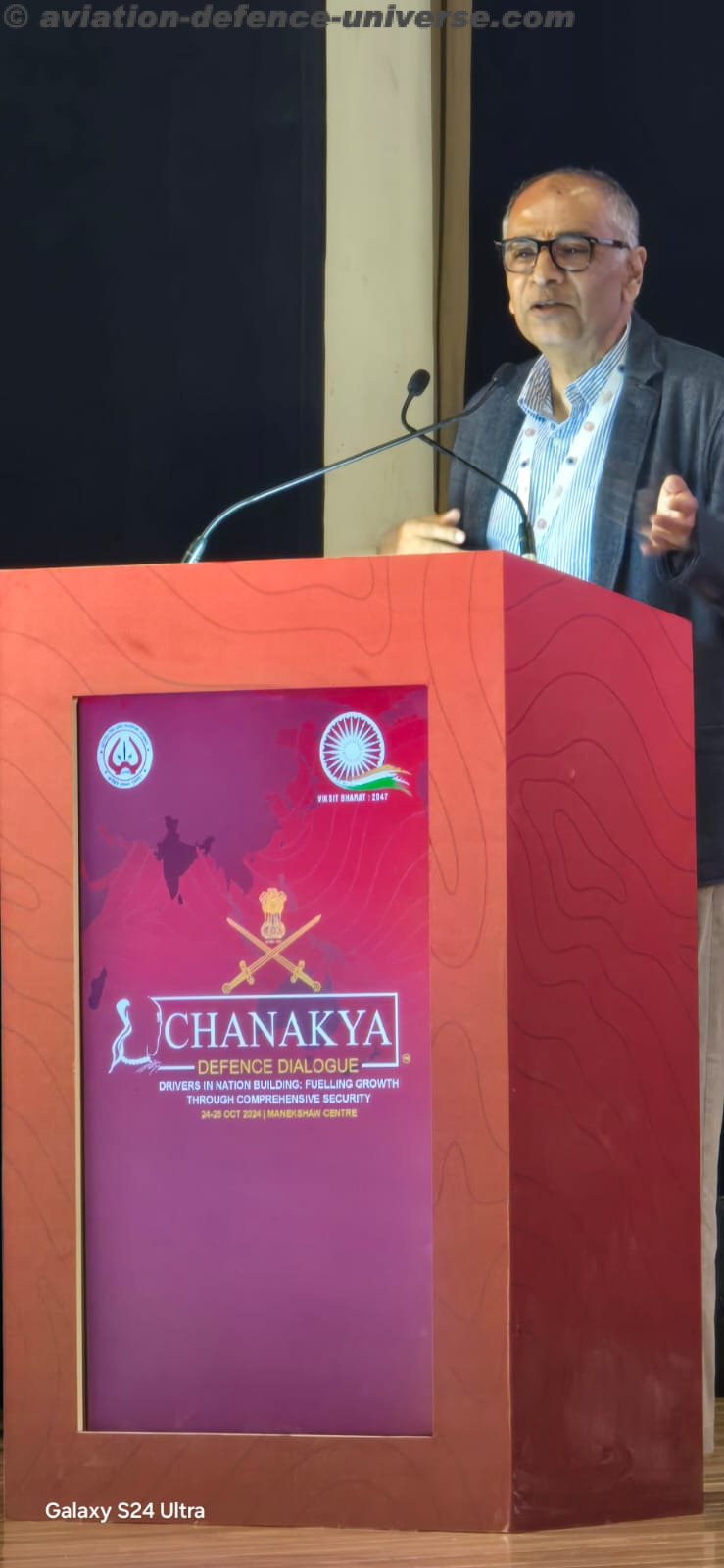 The panel explored ways to integrate these technologies into the Army’s infrastructure, enhance the resilience of critical military assets, and ensure protection against sophisticated threats. The session also stressed the importance of fostering indigenous defense technologies in line with the Atmanirbhar Bharat initiative, reducing reliance on foreign technologies, and encouraging strategic partnerships between the military, technology experts, and industry leaders to drive innovation and develop responsible solutions for current and future challenges.
Amit Gupta was an Associate Professor in the Department of International Security Studies at the SUAF Air War College, Montgomery, Alabama. His research is on international security issues as well as the role of diasporas in transnational politics.
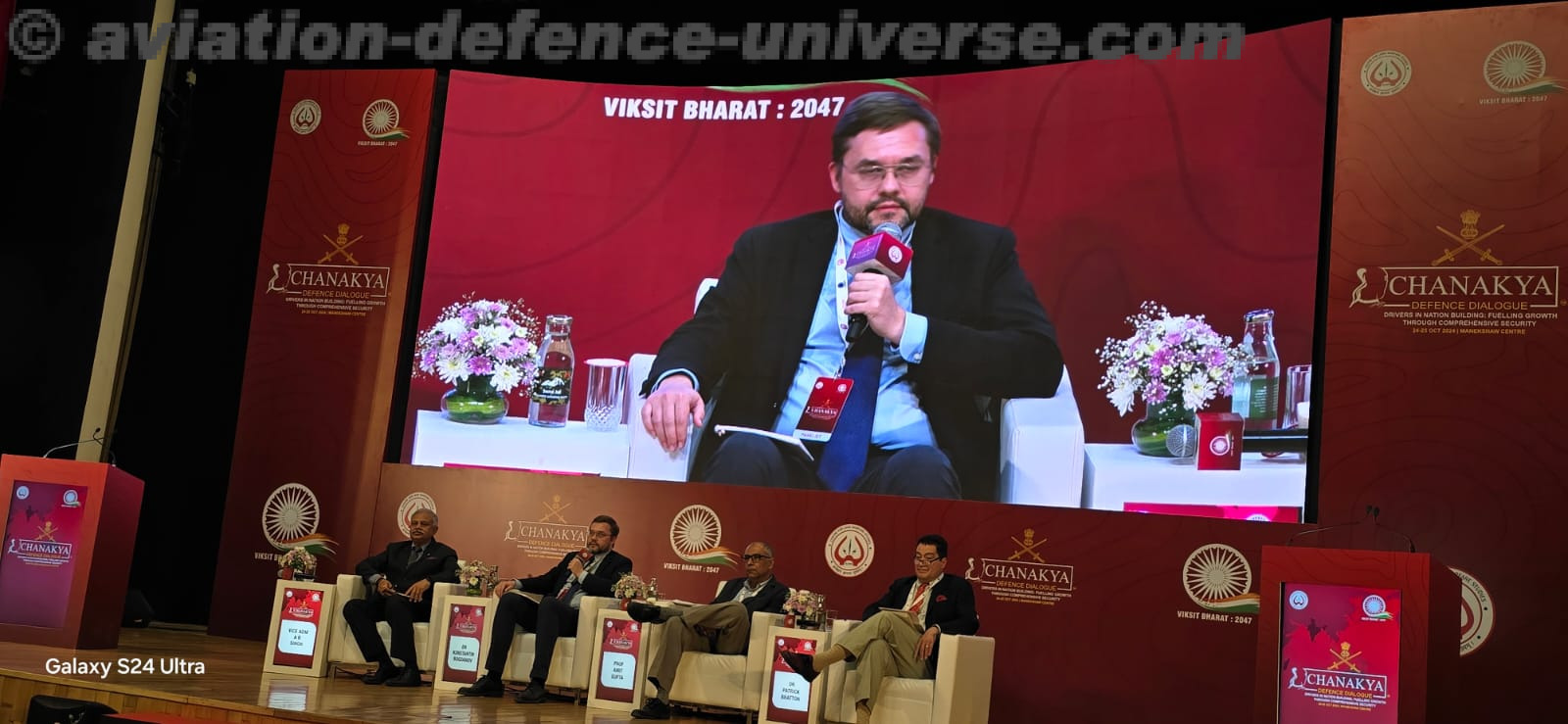 Dr. Konstantin V Bogdanov is a PhD in Engineering is Head of Section of Strategic Analysis and Forecasting National Research Institute of World Economy and International Relation, Moscow, Russia in Center for International Security. is a Senior Researcher at the Center for International Security of the Primakov Institute of World Economy and International Relations (IMEMO) of the Russian Academy of Sciences (RAS). He graduated from St. Petersburg ITMO University in 2002. Bogdanov received a Ph.D. (Candidate of Science degree) in technical science. For more than a decade he has been a contributor to the Russian media on arms control, military-political and military-technical issues. His expertise is in military and strategic studies , nuclear strategy, strategic stability, nuclear arms control and emerging technologies.
The seminar collectively underscored that India’s security requires a robust integration across social, legal, and defense domains, each reinforcing the other to strengthen India against internal and external threats. The panel also proposed evidence-based policies for equitable resource distribution and inclusive economic growth, addressing disparities and reinforcing national unity. Best practices for reforming law enforcement and judicial systems were discussed, including community-engaged policing, judicial impartiality, and anti-corruption measures to boost public trust.
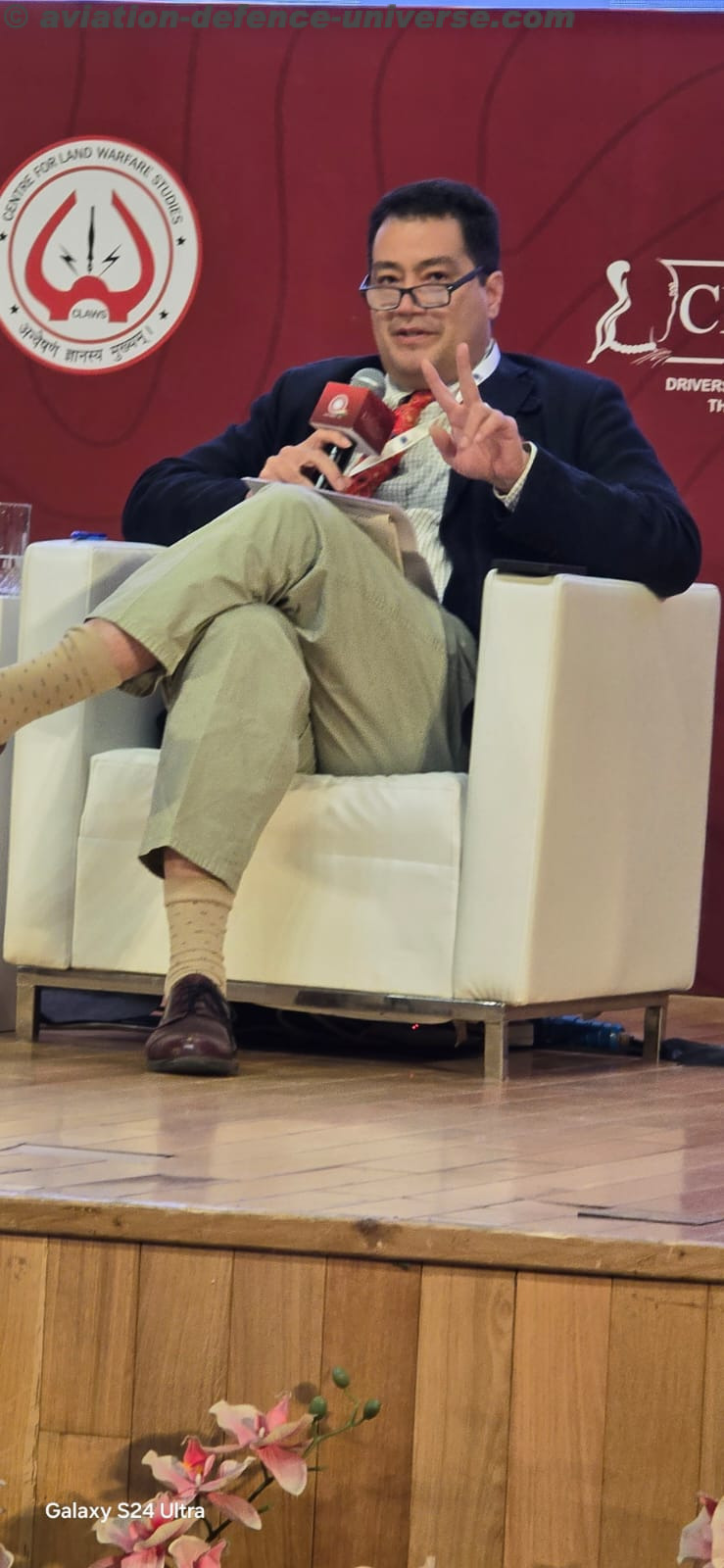 Dr. Patrick Bratton is a specialize in foreign policy analysis, strategic and security studies. I focus on coercion and the use of force; organizations and decision making; maritime security; Asian security, and Indian foreign and security policy. He is a Professor of National Security and Strategy Studies and Director of South Asian Studies. In the fall of 2009 and in summer 2011, he was a Visiting International Fellow at the Institute for Defence Studies and Analyses (IDSA), and in winter of 2023 he was a visiting international fellow at the National Maritime Foundation (NMF), both in New Delhi, India. His research focuses on strategic studies (particularly on coercive diplomacy and foreign policy decision-making), Indian foreign and security policy, and maritime issues.
One of the panel provided evidence-based policy recommendations to strengthen cyber resilience, protect critical infrastructure, and tackle emerging technological threats. They also examined how to balance technological innovation with strong security measures, and proposed ethical guidelines for AI in security applications, ensuring alignment with societal values and privacy concerns.
The discussion explored the evolving nature of land warfare, emphasizing the need for the Indian Army to develop indigenous technological capabilities while leveraging strategic partnerships with global military and industrial leaders. The panel debated how to balance innovation with operational effectiveness, creating responsible and sustainable military solutions.
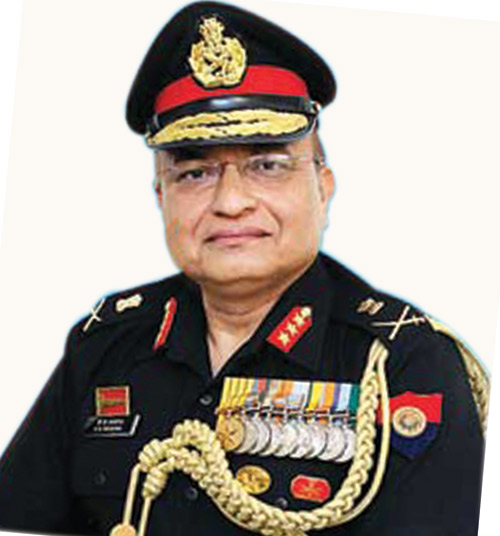
In his closing address, Lt Gen N S Raja Subramani, Vice Chief of the Army Staff (VCOAS), highlighted the Indian Army’s dedication to a secure and prosperous Bharat, emphasising on critical themes spanning geopolitics, economics, environmental concerns, space, multilateral issues, technology and the shifting dynamics of land warfare. He emphasised the intrinsic link between economic growth and national security, underscoring the military’s central role in a “Whole of 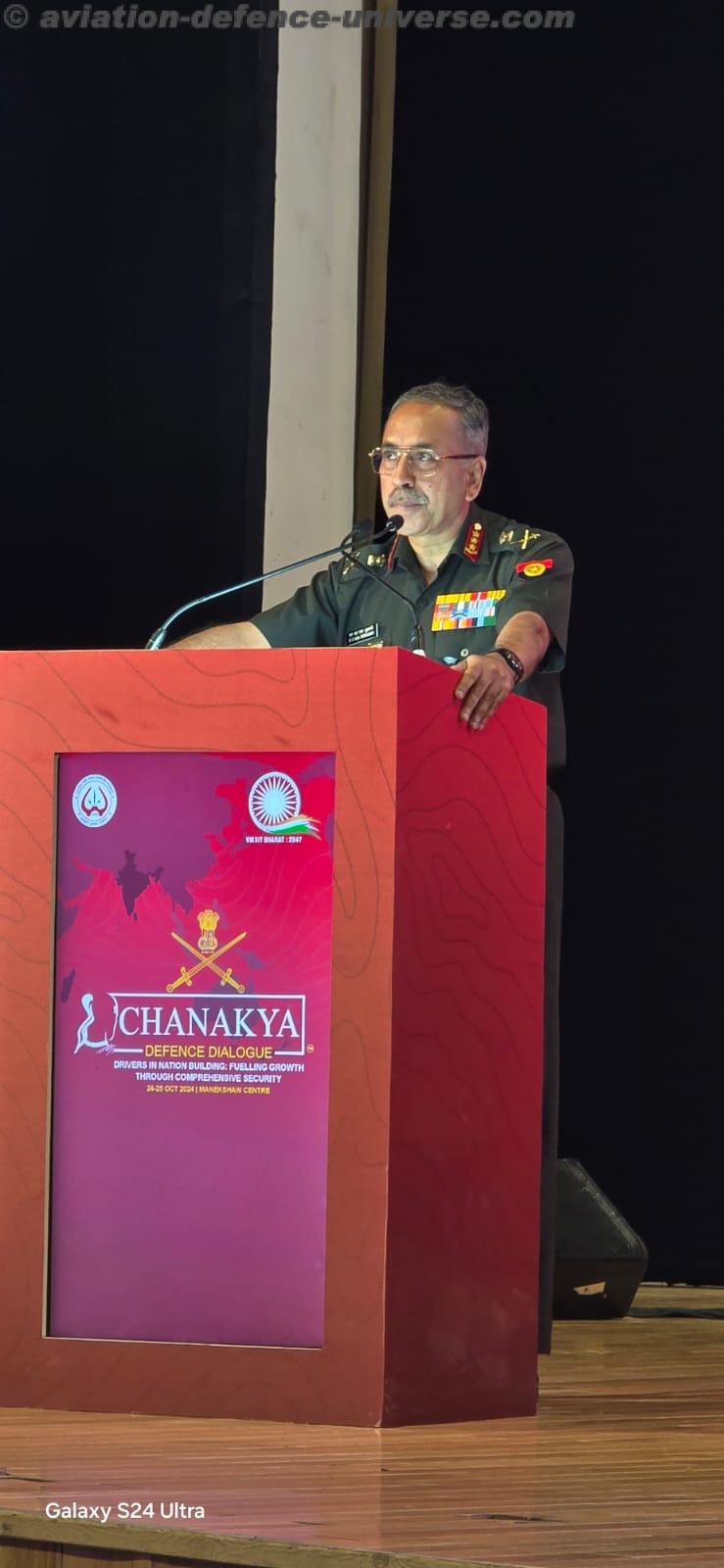 Nation” approach to defence. Strategic partnerships with other nations were noted as essential for deterring larger adversaries, with a balanced blend of hard and soft power deemed crucial – acknowledging that soft power alone cannot secure victory in conflicts. He highlighted the India’s leadership as a voice for the Global South, calling for reliable and resilient supply chains as vital for stability. He also stressed the importance of including local communities in border area development, which not only benefits the armed forces but also promotes regional economic and community growth. With the nature of warfare evolving, he concluded by underscoring the importance of training and technological proficiency as essential tools for addressing modern security challenges. Valedictory Session of Chanakya Defence Dialogue 2024 with Vice Chief of Army Staff and DDG CLAWS wrapped up the two days seminar.
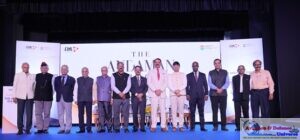
Major General RPS Bhadauria VSM (Retd) is presently the Additional Director General of Centre for Land Warfare Studies (CLAWS ). He thanked the Indian Army for co-hosting the Chanakya Defence Dialogue 2024, with the Centre for Land Warfare Studies (CLAWS) and for bringing together global defence and security leaders for insightful discussions. Held over two days, this second edition was centred on the theme “Drivers in Nation Building: Fueling Growth Through Comprehensive Security”, highlighting the vital role of security in shaping both national and international policy frameworks.


















































-A4-Size-(2)_page-0001.jpg)