























- Valor Without Trumpets : Celebrating India’s Quiet Military Heroism
- Stories That Outlast Battles Unfolded
- Assessing Echoes of Courage in India’s Military Literature
By Sangeeta Saxena
New Delhi. 06 January 2026. In a country where military valour is often remembered through a narrow set of iconic battles and celebrated heroes, Echoes of Courage arrives as a timely and necessary intervention. The book does not seek to rewrite history; instead, it fills the silences within it. Through carefully curated chapters, it brings to light stories of courage, foresight, endurance, and quiet sacrifice that have long remained outside the mainstream narrative of India’s military history.
Echoes of Courage is a deeply evocative and necessary contribution to India’s military literature, compiled by Lt Gen Ajai Kumar Singh (Retd.) and Rajan Arya. Rather than revisiting well-worn narratives of famous battles and decorated heroes, the book deliberately turns its gaze towards quiet, often overlooked acts of courage—acts that shaped history but remained largely absent from popular memory
What makes Echoes of Courage stand apart is its refusal to confine heroism to medals, headlines or moments of spectacle. Instead, it presents courage as a continuum—spanning intelligence operations, strategic foresight, humanitarian response, technological resilience, leadership in anonymity and even the unwavering loyalty of animals in uniform. The result is a layered, deeply human account of national service that resonates across generations.
One of the book’s strengths lies in how it expands the definition of courage. The opening chapters immediately set this tone by highlighting figures such as Major O.S. Kalkat, whose intelligence inputs quietly thwarted Pakistan’s designs in Kashmir. This was not heroism witnessed on the battlefield, but courage exercised through moral conviction, professional integrity and the willingness to act decisively despite personal risk. In an era dominated by hybrid warfare and covert operations, such narratives feel not only relevant but urgently instructive.
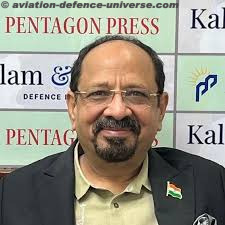 Similarly, the chapter on Colonel Narendra “Bull” Kumar reframes mountaineering expeditions in Siachen as acts of strategic vision rather than adventure. The book convincingly argues that India’s hold over the world’s highest battlefield owes as much to foresight and preparation as it does to later military deployments. This emphasis on anticipatory courage—acting before conflict erupts—adds rare strategic depth to the storytelling.
Where the book truly comes alive is in its accounts of soldiers at the tactical edge. The chapters on Rifleman Devi Prasad Limbu and Rifleman Dhan Bahadur Rai are stark reminders that wars are often shaped by split-second decisions made by individuals far removed from command rooms. These stories are narrated without melodrama, allowing the rawness of combat and the instinctive bravery of soldiers to speak for themselves.
The language in these chapters is deliberately restrained, which only amplifies their impact. There is no attempt to glorify violence; instead, the focus remains on survival, duty, and the extraordinary courage demanded of ordinary men. In doing so, the book aligns itself with a long-overdue effort to recognise the contributions of junior ranks whose sacrifices are foundational yet frequently overlooked.
The chapter on Lieutenant Colonel Poonam Sangwan offers a refreshing and dignified portrayal of women in the Armed Forces. Her Everest expedition is not framed as a symbolic achievement, but as an extension of military professionalism, resilience, and leadership under extreme conditions. This approach avoids tokenism and instead integrates gender seamlessly into the broader narrative of service and excellence.
 Equally compelling is the chapter on Baba Harbhajan Singh, where the book ventures into the realm of faith, belief and military folklore. Rather than questioning or sensationalising the legend, the author treats it as a reflection of the emotional and spiritual frameworks that sustain soldiers in harsh environments. In doing so, the book acknowledges that morale, belief, and tradition are as much a part of military life as weapons and tactics.
Some of the most haunting chapters are those dedicated to anonymity—particularly the story of Zafar-4, an intelligence operative whose courage demanded complete erasure of identity. These chapters reiterate a sobering truth: much of what keeps the nation secure can never be publicly acknowledged. The writing here is intentionally subdued, mirroring the silence that defines such lives.
Naval and air force chapters further extend this theme by highlighting leadership under pressure, restraint during escalation-prone situations, and precision in high-stakes environments. These accounts demonstrate that courage is often exercised in choosing not to act recklessly, a lesson increasingly relevant in an era of instant retaliation and information overload.
 The chapter on the Armed Forces’ response to the Bhopal Gas Tragedy is particularly powerful in its departure from combat narratives. It portrays soldiers as first responders, risking their own lives in a toxic environment to save civilians. This inclusion broadens the moral canvas of the book, reinforcing the idea that national service extends beyond borders and battlefields.
Equally important are chapters that focus on leadership exercised quietly, unit cohesion, and collective effort. By honouring entire units rather than individuals, the book reinforces the military ethos that success is rarely personal and almost always collective.
The concluding chapters dedicated to military dogs—Mansi, Pedongi, and Bahadur—are deeply moving without becoming sentimental. These stories highlight loyalty, instinct and service beyond language, reminding readers that courage and sacrifice transcend species. By placing these chapters toward the end, the book leaves readers with a quiet, reflective understanding of service that is unconditional and absolute.
Echoes of Courage positions itself as a corrective to the selective memory that often characterises popular military history in India. Rather than focusing on well-documented wars, famous commanders, or medal-winning actions alone, the book deliberately turns its attention to the margins—intelligence operations, strategic foresight, humanitarian interventions, and acts of courage that remain largely undocumented or under-acknowledged. From a defence studies perspective, this approach is both its greatest strength and its principal analytical challenge.
From a literary standpoint, Echoes of Courage maintains a consistent, accessible style that balances narrative clarity with emotional depth. The language is disciplined, avoiding rhetorical excess, which enhances credibility. Each chapter stands independently while contributing to a cohesive whole, making the book suitable for both sequential reading and selective engagement. The language used throughout the book remains accessible without ever becoming simplistic, allowing complex experiences of war, service, and sacrifice to be communicated with clarity and depth. It is emotionally resonant, evoking courage and loss in a measured manner without slipping into melodrama. Rooted strongly in oral history traditions, the narrative style makes the book equally engaging for young readers discovering stories of valour and for seasoned defence professionals seeking reflective insight. Importantly, the authors consciously avoid jingoism; the adversary is rarely demonised, and the emphasis remains firmly on Indian values, ethical choices, and the conduct of soldiers under pressure rather than on glorifying conflict itself.
In terms of relevance, the book could not be more timely. As India navigates complex security challenges, debates indigenisation, jointness, and modern warfare, Echoes of Courage provides historical and human context that policy documents often lack. It reminds readers that technology, strategy and doctrine ultimately rest on human character. Echoes of Courage fills a critical gap in Indian defence literature by documenting unsung acts of heroism that might otherwise remain overlooked, preserving invaluable institutional memory for future generations and offering moral education through authentic, real-life examples of service and sacrifice. By linking the courage of the past with the freedoms enjoyed in the present, the book creates a powerful continuum of national consciousness. In an era increasingly shaped by short attention spans and curated expressions of patriotism, it stands out by offering something rare and enduring – quiet and unembellished truth.
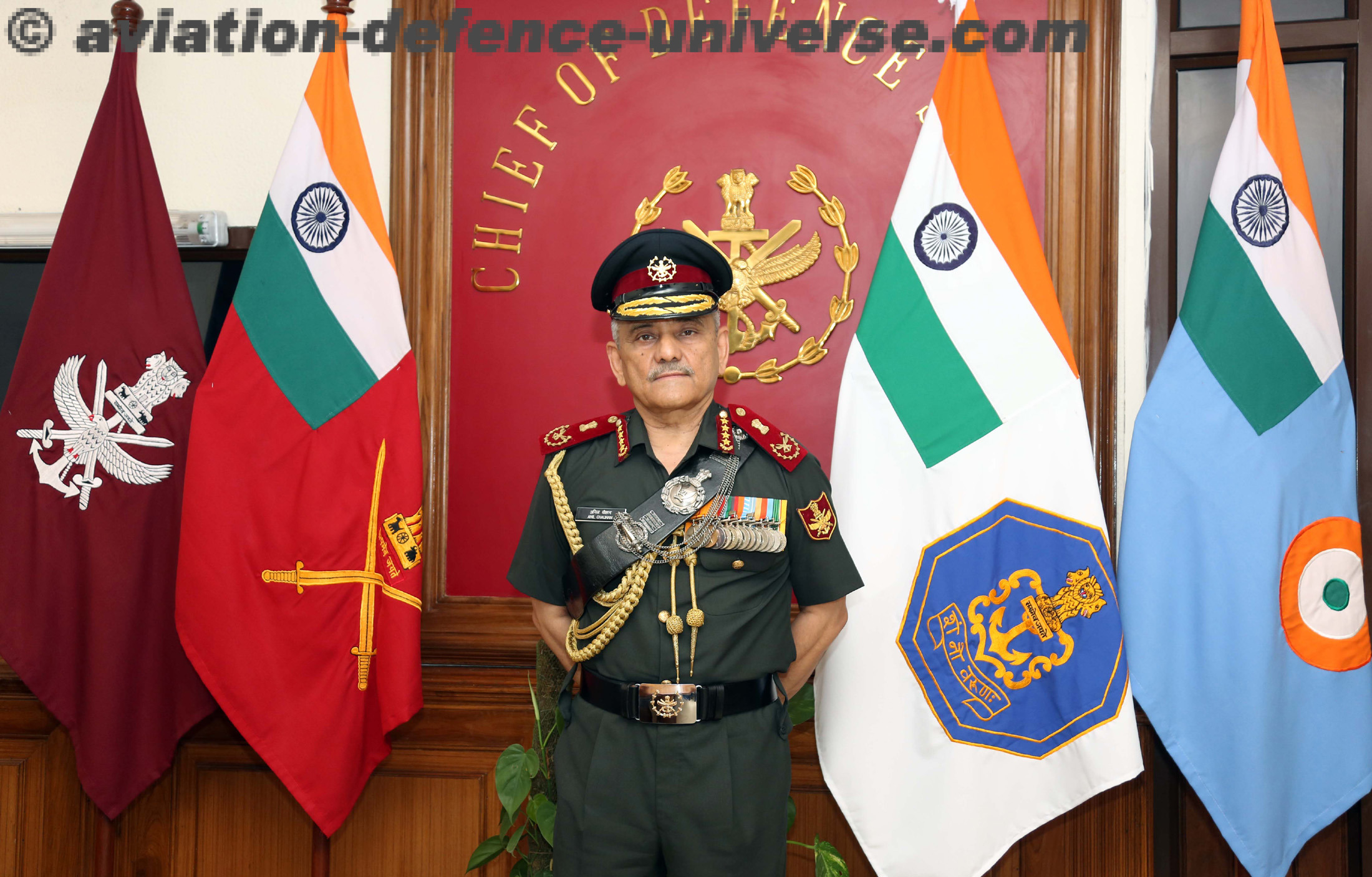 The Foreword by General Anil Chauhan, Chief of Defence Staff (CDS), sets the intellectual and emotional tone by emphasising courage as a sustained professional ethic rather than a momentary battlefield act. This framing is crucial, as it prepares the reader to appreciate heroism in silence, endurance, and moral decision-making rather than spectacle.
The Preface and Author’s Notes clearly articulate the book’s intent: to inspire India’s youth by reconnecting them with values that transcend time—honour, resilience and service. The language here is lyrical yet grounded, bridging generational gaps without sounding nostalgic or preachy.
Echoes of Courage is more than a collection of stories, it is an act of remembrance and restoration. By bringing untold narratives into the public domain, it strengthens civil-military understanding and honours service in its truest form. For policymakers, military professionals, scholars and general readers alike, the book offers valuable insights into what courage looks like when no one is watching. In doing so, it ensures that these echoes—once confined to regimental memory or classified files—are finally heard where they belong: in the nation’s collective conscience.
 This is not merely a book to be read—it is a book to be remembered, discussed and passed on. Echoes of Courage stands as a fitting tribute to those who served without expectation of recognition and as a reminder that India’s strength lies as much in character as in capability.
It was 18 chapters where each chapter was an individual tale told with elan’. Taken chapter by chapter, Echoes of Courage succeeds in building a mosaic of Indian military heroism that is rarely documented. Each chapter stands independently while contributing to a unified narrative of duty, restraint, resilience and moral strength. The language remains accessible, the relevance contemporary and the alignment with untold stories of valour consistently strong.
The book succeeds not merely as a collection of war stories, but as a moral archive—preserving values of duty, sacrifice, restraint, leadership, and humanity that define soldiering beyond medals and headlines.
Echoes of Courage : Untold Heroism of the Indian Armed Forces
Publisher: Pentagon Press
Author: Lt Gen Ajai Kumar Singh (Retd.) and Rajan Arya
Publication Date: January 2026
Genre: National Security / Military History
Pages: 192
ISBN: 978-81-994764-9-3
Price: Rs. 495/-
Rating: ★★★★★
Recommended for: Students, defence professionals, policymakers, educators and every Indian seeking to understand the true cost of peace.













































































-A4-Size-(2)_page-0001.jpg)