










- India Charts a High-Flying Future for MRO with Legal and Strategic Overhaul
By Sangeeta Saxena
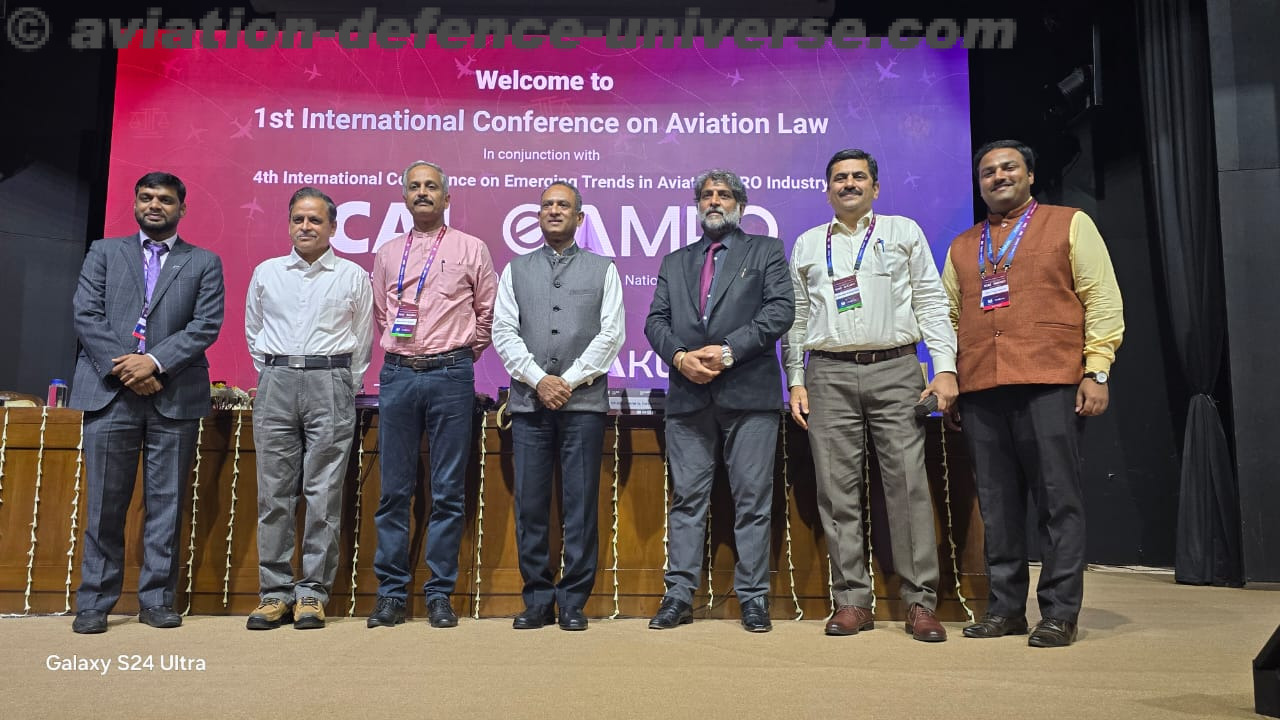
New Delhi. 17 April 2025. India’s aviation sector is on the cusp of a transformation, and the 4th International Conference on Emerging Trends in Aviation MRO Industry (EAMRO 2025), organized by Aviakul and National Law University Delhi, has emerged as a crucial catalyst in that change. Day 2 of the conference focused on the interplay of aviation law, technology adoption, and the growth potential of India’s MRO (Maintenance, Repair, and Overhaul) industry. Through expert panels, fireside chats, and keynote addresses, the conference explored actionable insights to position India as a global MRO leader.
With more than 1,700 aircraft on order and the country poised to become the third-largest civil aviation market globally, India’s demand for MRO services is set to skyrocket. Currently valued at around $2 billion, the Indian MRO industry is expected to double by 2031. Yet, despite operating over 2,000 aircraft, India’s share in the global MRO market remains a modest 1%.
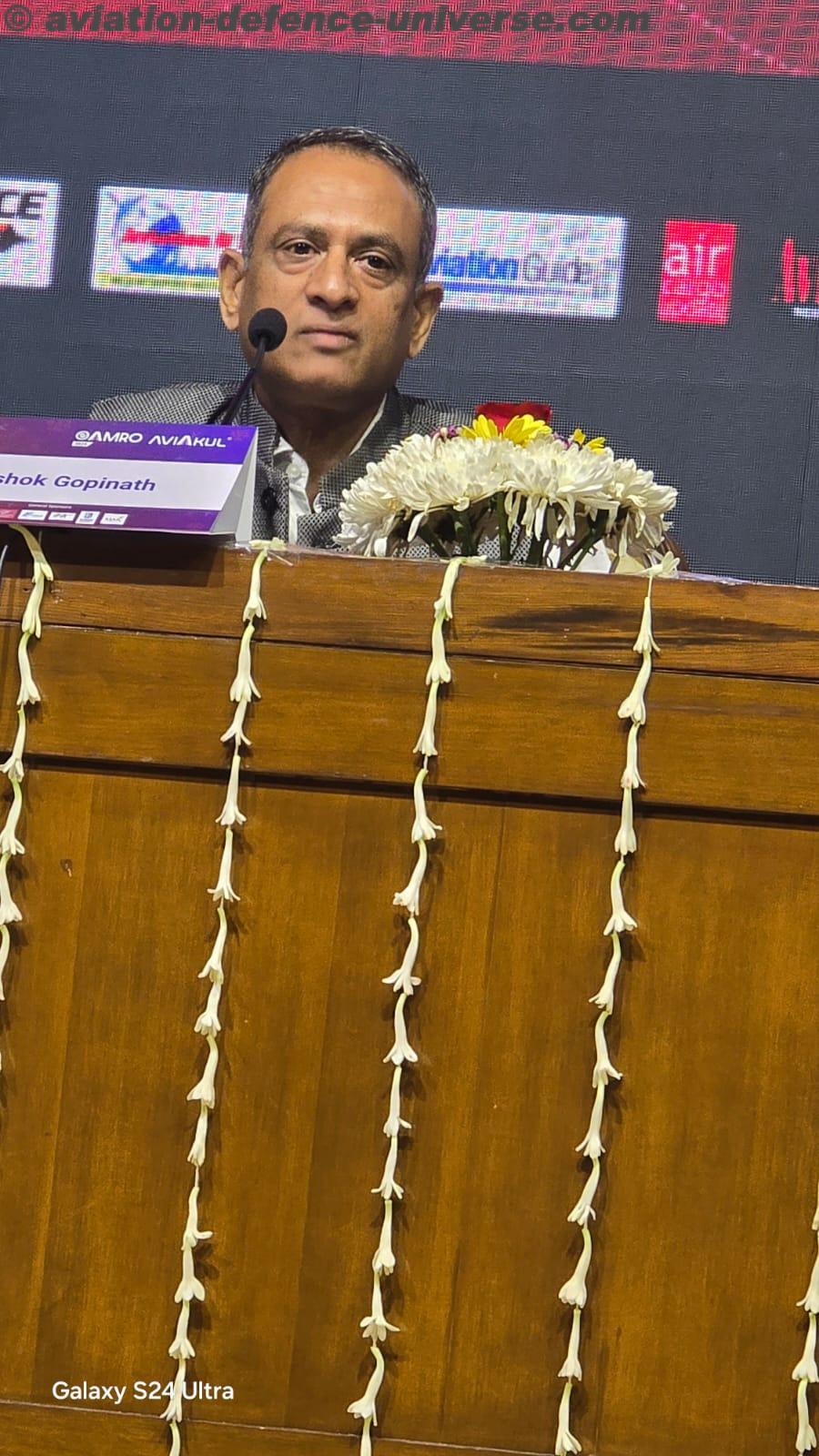 The potential is enormous. Indian companies like AIESL, GMR Aero Technic, and Safran are investing in expanding capabilities and infrastructure. As Ashok Gopinath of GMR Aero Technic pointed out, India is now transitioning from narrow-body to wide-body aircraft MRO. With Safran’s upcoming facilities in Hyderabad and Goa, and partnerships with DRDO and HAL, the momentum is palpable. Opportunities abound not only in civil aviation but also in defence MRO, drone maintenance, and the incorporation of AI, IoT, and AR/VR into diagnostics and repair operations.
Despite the promise, India’s MRO sector grapples with significant hurdles. Speakers at EAMRO 2025 pointed to a severe skills gap, lack of access to OEM technology due to restrictive intellectual property rights, and a fragmented regulatory landscape. High infrastructure and training costs, compounded by limited FDI and a lack of cohesive national policy, continue to stymie growth.
Moreover, legal frameworks have not kept pace with the rapid evolution of aviation technologies. Prof. (Dr.) G.S. Bajpai, Vice Chancellor of NLU Delhi, highlighted the regulatory lag in areas such as AI-based predictive maintenance and blockchain. Certification delays, data protection challenges, and the absence of unified standards further complicate matters.
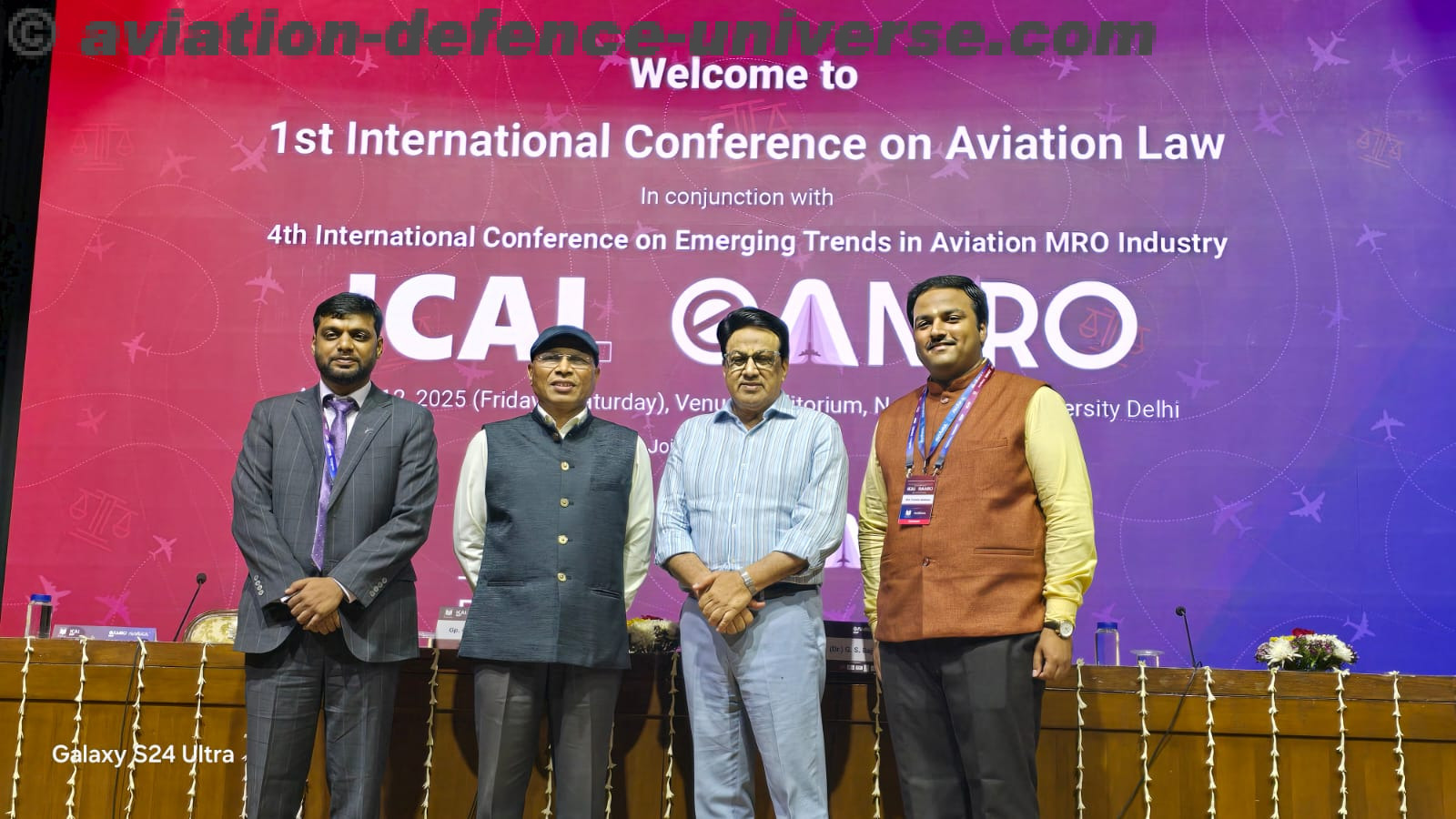 Valued now at $2 billion, the Indian MRO sector is projected to treble by 2031 but struggles with manual procedures, high prices, and regulatory fragmentation. Legal systems have not kept up with technology such as artificial intelligence, predictive maintenance, and blockchain, hence creating questions about responsibility, data privacy, and certification delays. He urged a specific aeronautical road map, changes to tax and customs policies, and integration of training and legal systems to satisfy regulatory and skill requirements. Removing barriers and building confidence will help India to reach $12B of the Asia-Pacific MRO market by 2030. Prof. Bajpai asked the legal profession to take the lead, hence orienting NLU Delhi to produce aviation law specialists and regulatory technologists. He finished by advocating aviation cooperative change.
To address these gaps, the government has begun implementing crucial reforms. The lessening of GST on MRO services provided to foreign airlines and the easing of FDI restrictions are steps in the right direction. These changes aim to make India more attractive to global investors and enable Indian MROs to compete on an international scale.
However, more is needed. Speakers at the conference called for the creation of a national engine policy, the establishment of an MRO Skill Council, and the development of a dedicated Centre for Aviation Law at NLU Delhi. Calls for reforms in customs duties, faster DGCA clearances, and alignment with international aviation laws resonated throughout the sessions. From OEM partnerships to cross-sector skill-building, the focus must be on long-term capacity building and ecosystem development. Institutions must align curricula with industry demands, regulators must harmonize frameworks, and public-private partnerships must drive innovation and infrastructure development.
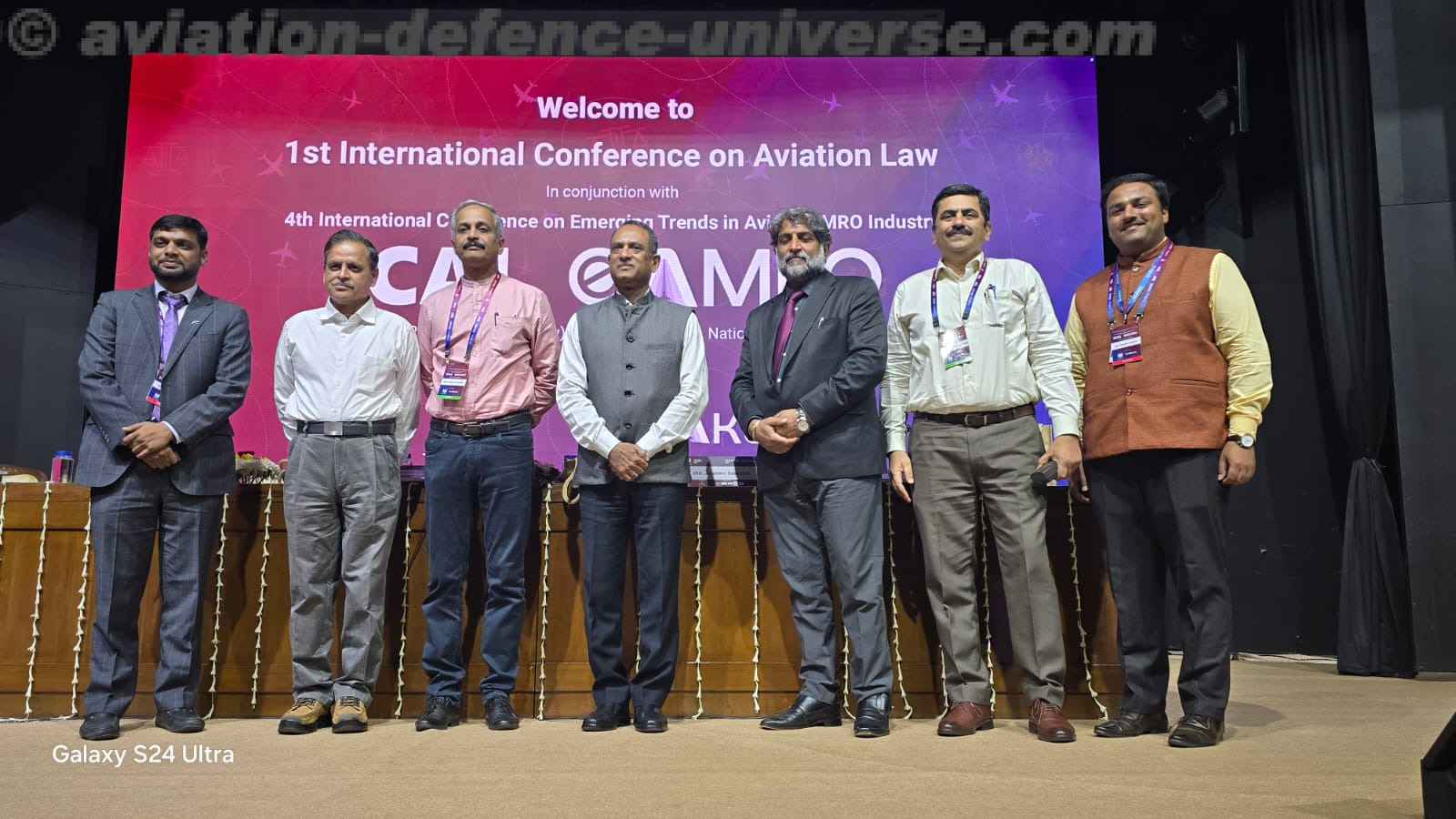 Moderated by Col. K.V. Kuber (Retd.), the opening Panel Discussion of Day 2, “Engine MRO: Challenges & Way Forward,” featured eminent panelists Ashok Gopinath (GMR Aero Technic), Ashwani Acharya (Indamer Technics), Jetendra Gavankar (Safran India), and Ravindranath Singh Thakur (AIESL), who explored the future of engine MRO in India and its challenges. Emphasizing that industry has to lead beyond laws and rules, Col. Kuber set the tone by asking India’s readiness and self- sufficiency in engine MRO. Pointing out the disparity between institutional output and industry needs, Ashok Gopinath underlined GMR’s path from narrow-body MRO in 2011 to present wide-body preparations, stressing the need of cooperation, talent development, and setting global norms.
Projecting a requirement for 3,500–4,000 engines because of fleet growth, Ashwani Acharya underlined that India has often “missed the bus” and must obtain FDI and business planning before looking for government assistance. Jetendra Gavankar described Safran’s continuing MRO projects in Hyderabad and Goa, collaborations with HAL and DRDO, increasing MSME involvement, and defence electronics and propulsion technology expansions via GCCs in Mumbai and Hyderabad. Underlining the $4 billion potential of India’s MRO sector by 2031, the pressing need for the ‘Right to Repair,’ and the difficulties OEM-controlled IP creates, R.S. Thakur highlighted AIESL’s broad footprint with three engine MRO centers and 18+ clearances. Among the common problems on the panel were a significant skills gap, limited access to OEM technology, absence of a national engine strategy, high infrastructure and training expenses, and questions about data sovereignty and regulatory hurdles. Col. Kuber ended by asking the sector to leapfrog instead of evolving slowly, underlining the need of 2–3 worldwide MRO centres in India. To place India as a global engine MRO leader, the panel jointly advocated a clear path plan, improved cooperation, educational reform, and fair policy frameworks.
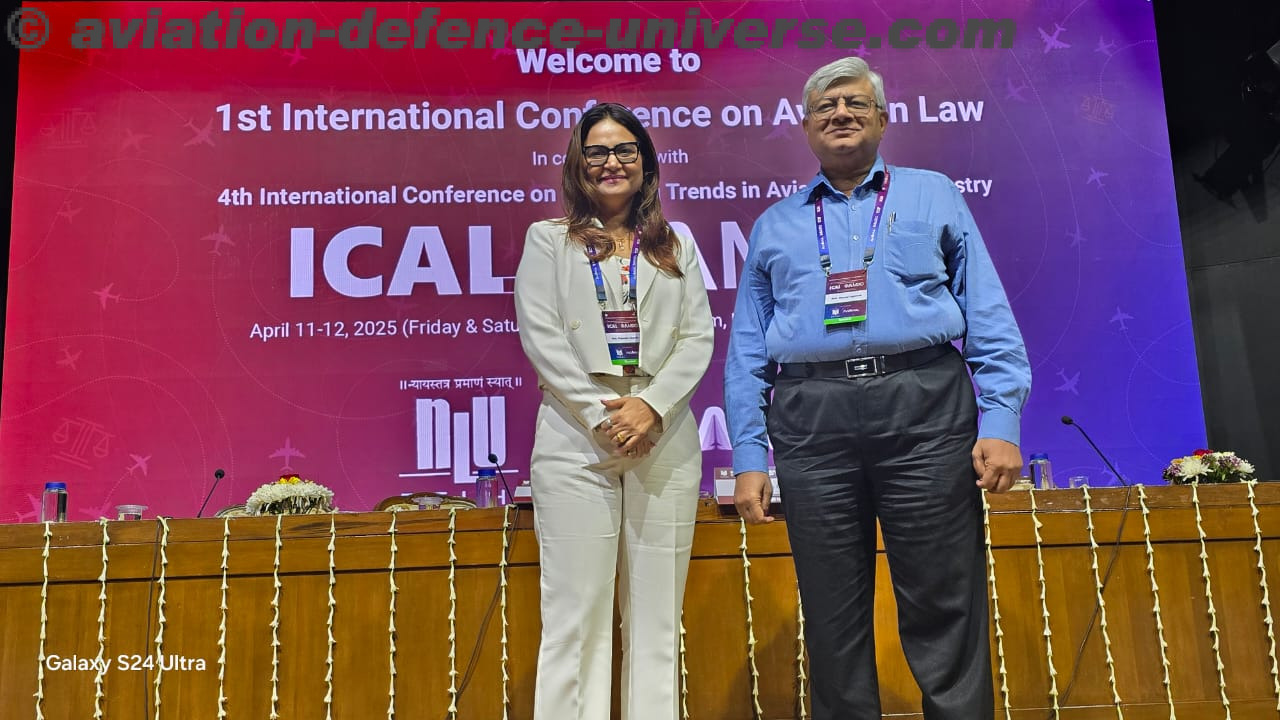 The first Fireside Chat of the conference, headlined “CEO’s Perspective: Are We Tech Ready?”, featured Sharad Agarwal, CEO of AI Engineering Services Limited, in conversation with moderator Smt. Poonam Chawla, a senior aviation writer and creator of Women Board of Directors. Chawla began the discussion by underlining the need of an end-to-end business model in India’s MRO sector and drew attention to growing global competition, especially from Dubai’s Sanad. She saw India’s ambitious target to satisfy 90% of its MRO requirements locally by 2028 and wondered how Indian MROs are using technology such as artificial intelligence and Internet of Things. Though having more than 100 MROs, Agarwal admitted India’s MRO sector is still 90% behind in competitiveness and tech readiness.
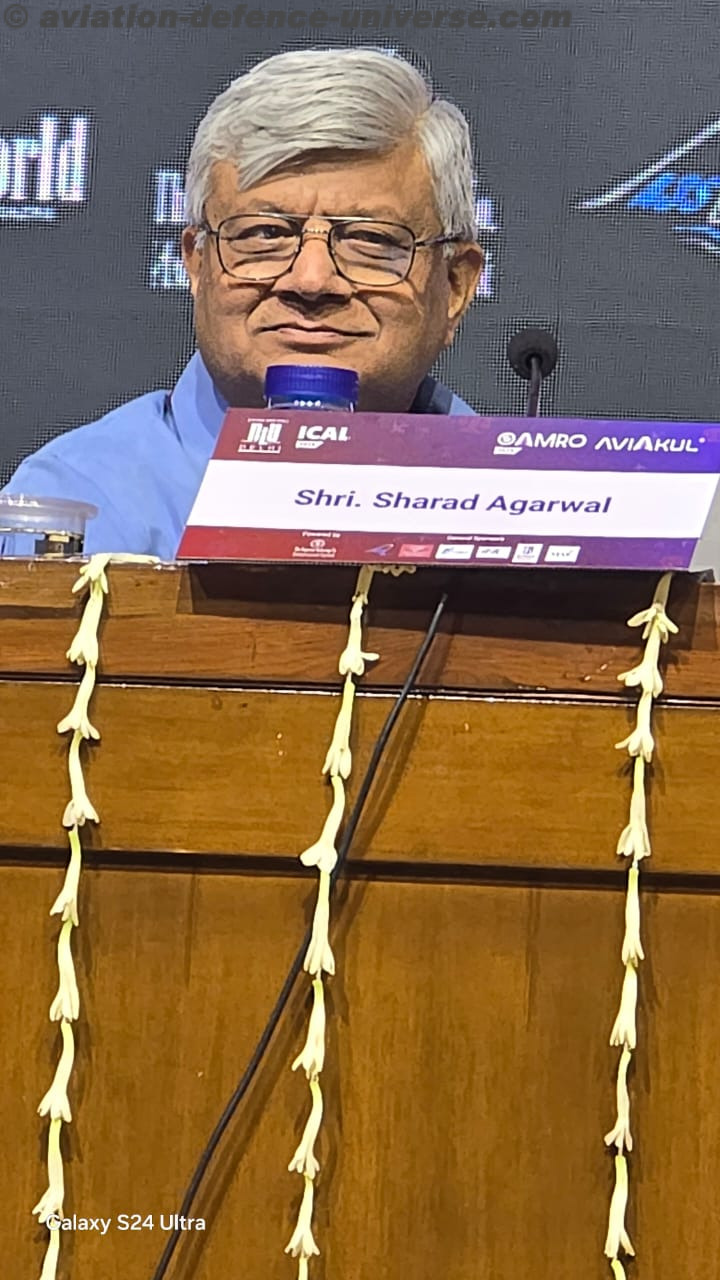 He underlined the need of robust standards, particularly on data security, and said that the defence industry initially uses most technology before they penetrate public aviation. Regarding sustainability, Agarwal underlined AIESL’s dedication to carbon reduction by means of careful waste management and highlighted aerodynamics as vital for fuel optimization. He also spoke on the need of technical infrastructure to draw foreign investment and stressed ongoing skill improvements and information transfer between seasoned and young professionals. Regarding young involvement, he encouraged the future generation to seek jobs in aviation since exponential development is necessary to bridge the current disparity. The audience underlined even more the need to demystify aviation’s aristocratic image and raise awareness via regional events in Tier 2, 3, and 4 cities. The event ended with mentions of innovation projects such as Airbus’ Zero Project for hydrogen planes and the recognition that although OEMs drive innovation, MRO-level technology adoption is gradually changing the sector.
The role of drones in MRO and the future of workforce development were spotlighted in back-to-back sessions. The day commenced with an exchange of felicitations between Vaibhav Varun, Prof. (Dr.) G.S. Bajpai, and Gp. Capt. GVG Yugandhar. In his opening address, Varun underscored the need to integrate aviation and legal ecosystems and reiterated the vision of establishing a Centre for Aviation Law at NLU Delhi. Gp. Capt. Yugandhar offered a candid assessment of India’s MRO sector, emphasizing the urgency of scaling capabilities, building trust among OEMs, and fostering a collaborative rather than competitive growth model.
Prof. (Dr.) G.S. Bajpai, Vice Chancellor of NLU Delhi, called for regulatory innovation to match rapid technological advances in MRO—ranging from AI and blockchain to predictive maintenance. Stressing India’s aim to capture $12 billion of the Asia-Pacific MRO market by 2030, he urged for reforms in training, customs, taxation, and legal frameworks to make India a global MRO powerhouse.
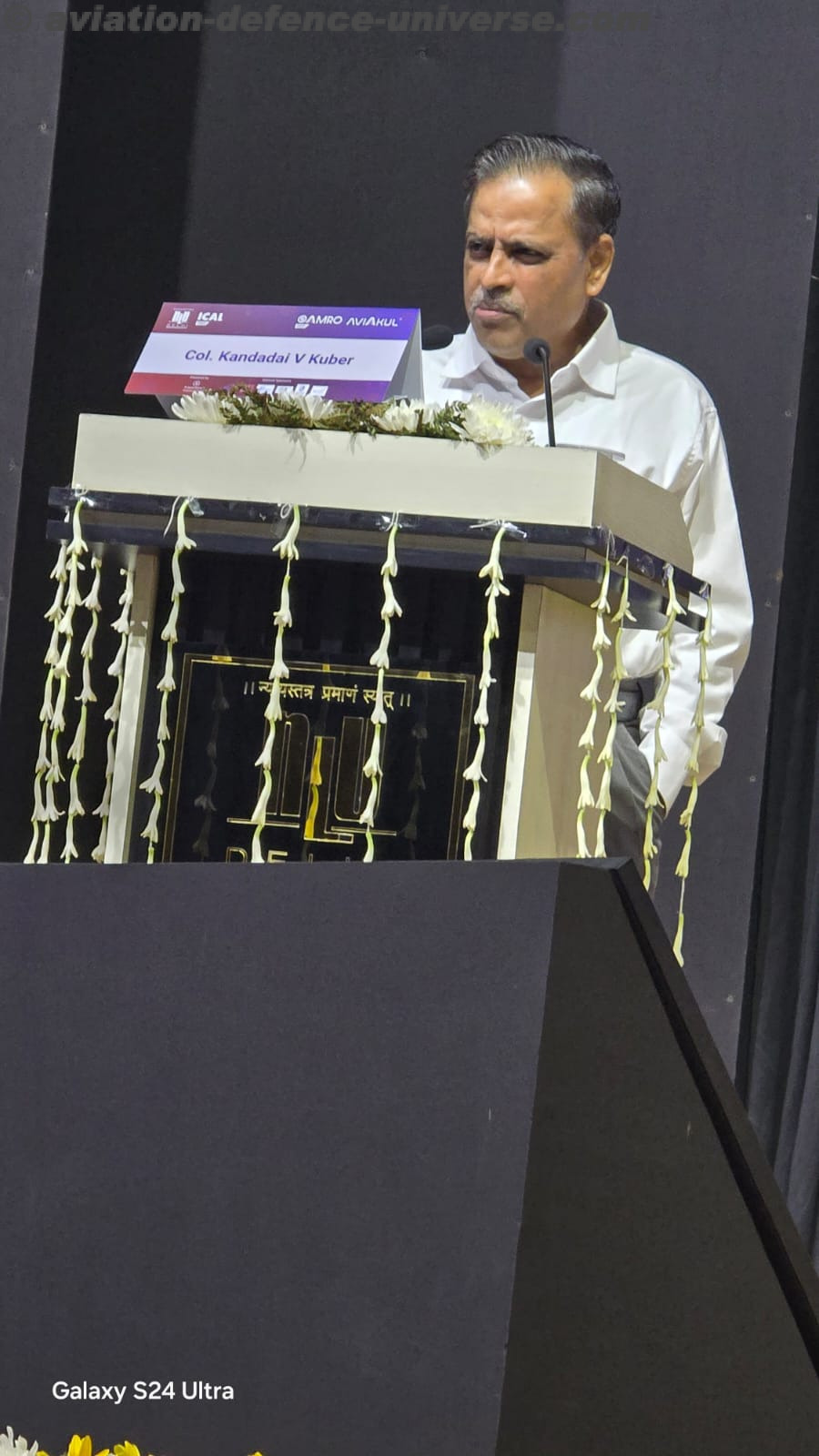 The panel discussion on “Engine MRO: Challenges & Way Forward,” moderated by Col. K.V. Kuber (Retd.), featured top executives from GMR Aero Technic, Indamer, Safran India, and AIESL. From infrastructure and training deficits to IP constraints and OEM control, the discussion revealed systemic bottlenecks and called for a national engine MRO policy and global-level MRO hubs in India. Col KV Kuber, a Director at EY (Ernst & Young) with expertise in aerospace and defense, has expressed views on the MRO industry, particularly its potential in India, and the importance of fostering competition to drive advancements. He has highlighted the potential for India to become a global MRO hub, emphasizing the need for policy reforms, infrastructure development, and skill development to enhance the sector.
He emphasizes the need for healthy competition to avoid stagnation and drive innovation within the MRO sector. This likely means he believes that a competitive environment will encourage MRO companies to improve efficiency, reduce costs, and offer better services.
In a fireside chat titled “CEO’s Perspective: Are We Tech Ready?”, Sharad Agarwal, CEO of AI Engineering Services Limited, stressed the urgent need for tech adoption, strong data frameworks, and sustainable practices in MRO. Moderated by . Poonam Chawla, the session highlighted how defence often leads in tech adoption, but MRO must now catch up quickly to meet India’s 2028 self-reliance target.
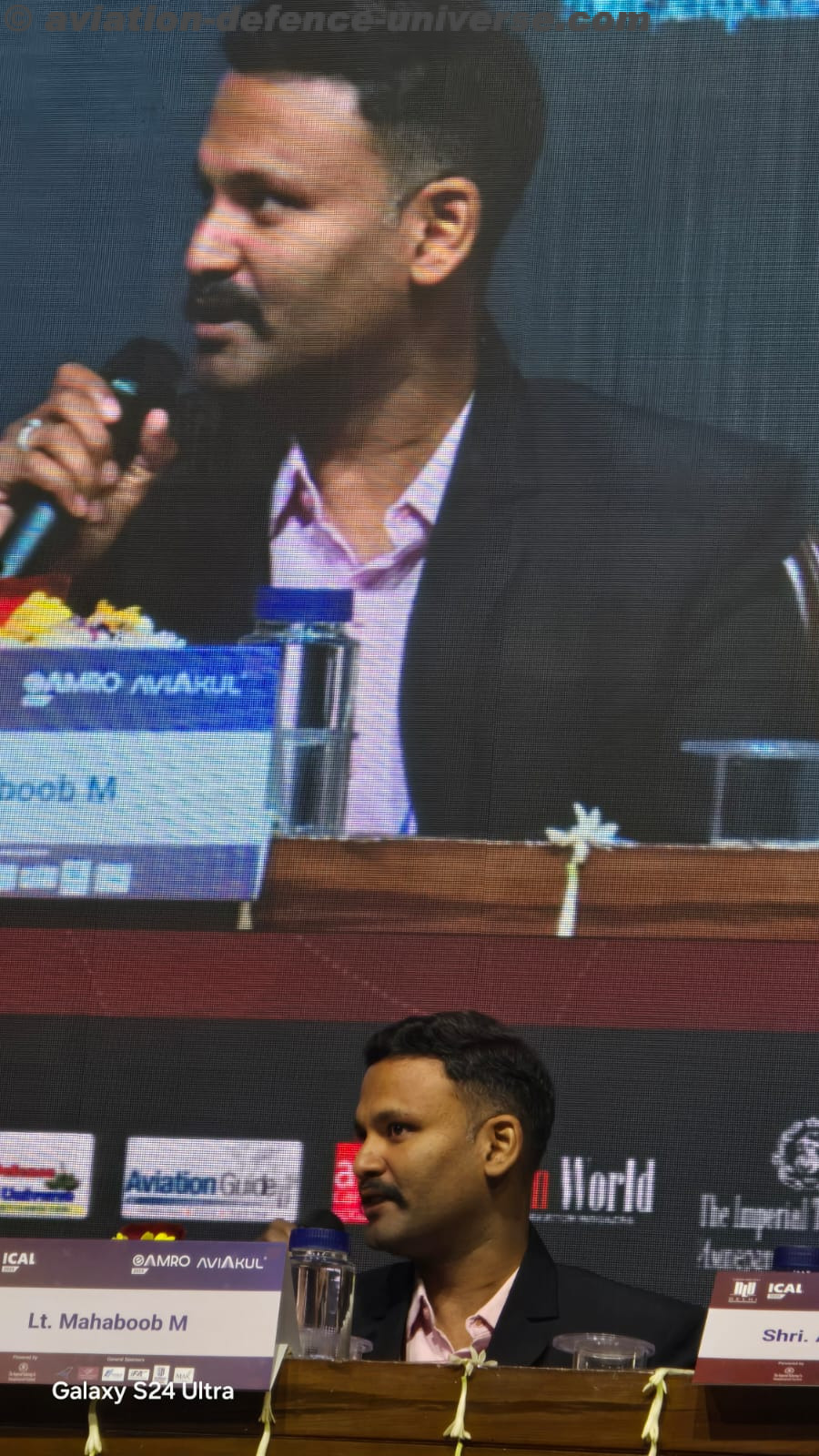
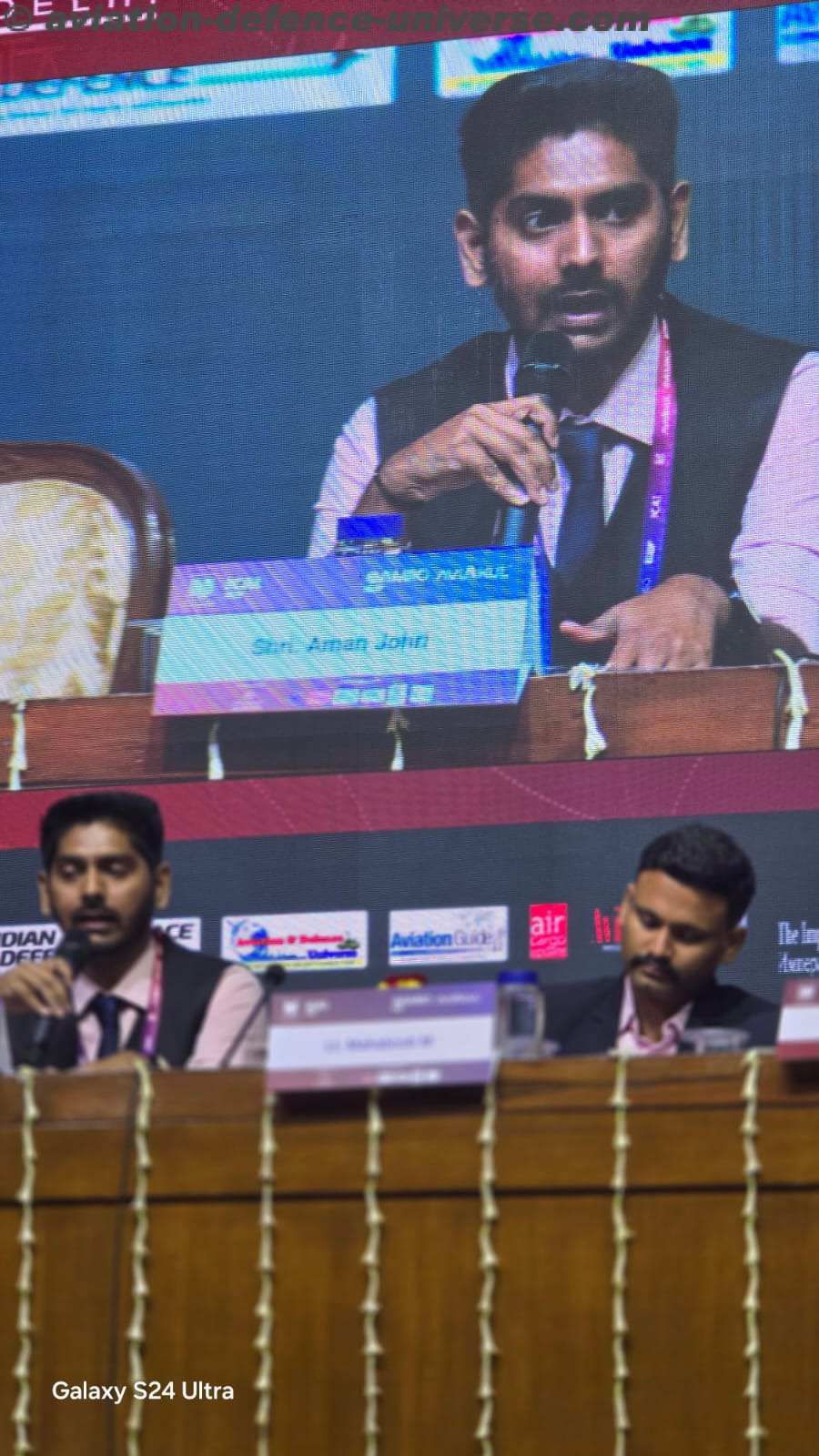 Aman Johri (Jatayu Unmanned Systems) and Lt. Mahaboob M (Sri Eshwar Drone Tech) emphasized drone tech as a current—not future—asset, urging for policy protections and rural skilling. Meanwhile, a high-powered panel led by Ashwani Sharma explored curriculum gaps, 3D printing, AR/VR, and global best practices in training. Key voices like Armel Jezequel, Ashwani Acharya, Rajendra Mane, and Capt. Ravinder Sehrawat called for regulatory harmonization and credit recognition for aviation training.
Currently valued at $2 billion, the Indian MRO industry is expected to double by 2031, but faces hurdles like manual operations, high costs, and regulatory fragmentation. Legal frameworks haven’t kept pace with technologies like AI, predictive maintenance, and blockchain, raising issues around liability, data protection, and certification delays. He called for a dedicated aerospace roadmap, reforms in customs and tax policy, and integration of training and legal mechanisms to meet skill and regulatory demands. India’s goal of capturing $12B of the Asia-Pacific MRO market by 2030 depends on removing bottlenecks and fostering trust. Prof. Bajpai urged the legal community to play a leading role, positioning NLU Delhi to develop regulatory technologists and aviation law experts and concluded by calling for collaborative transformation in aviation.
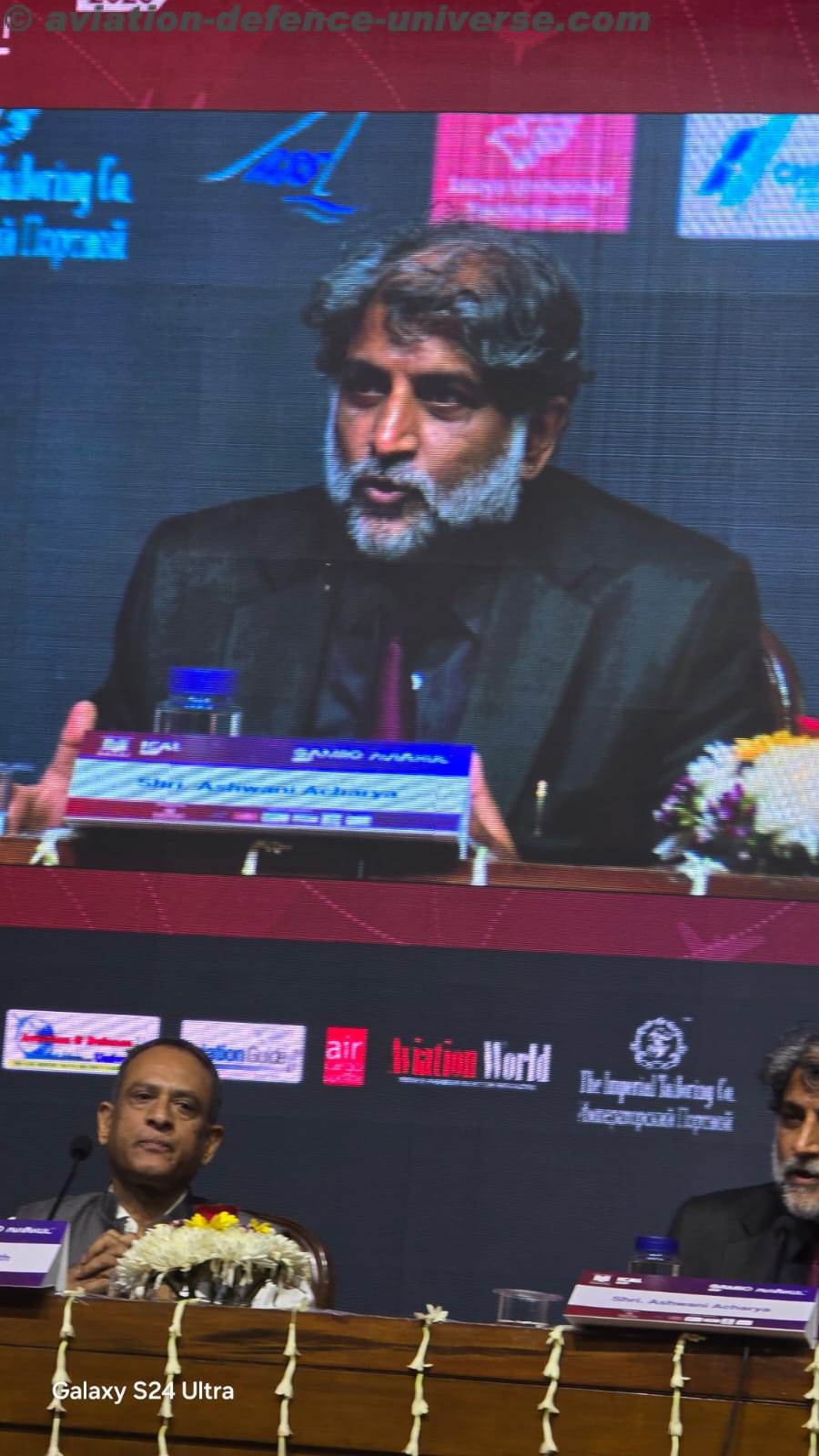
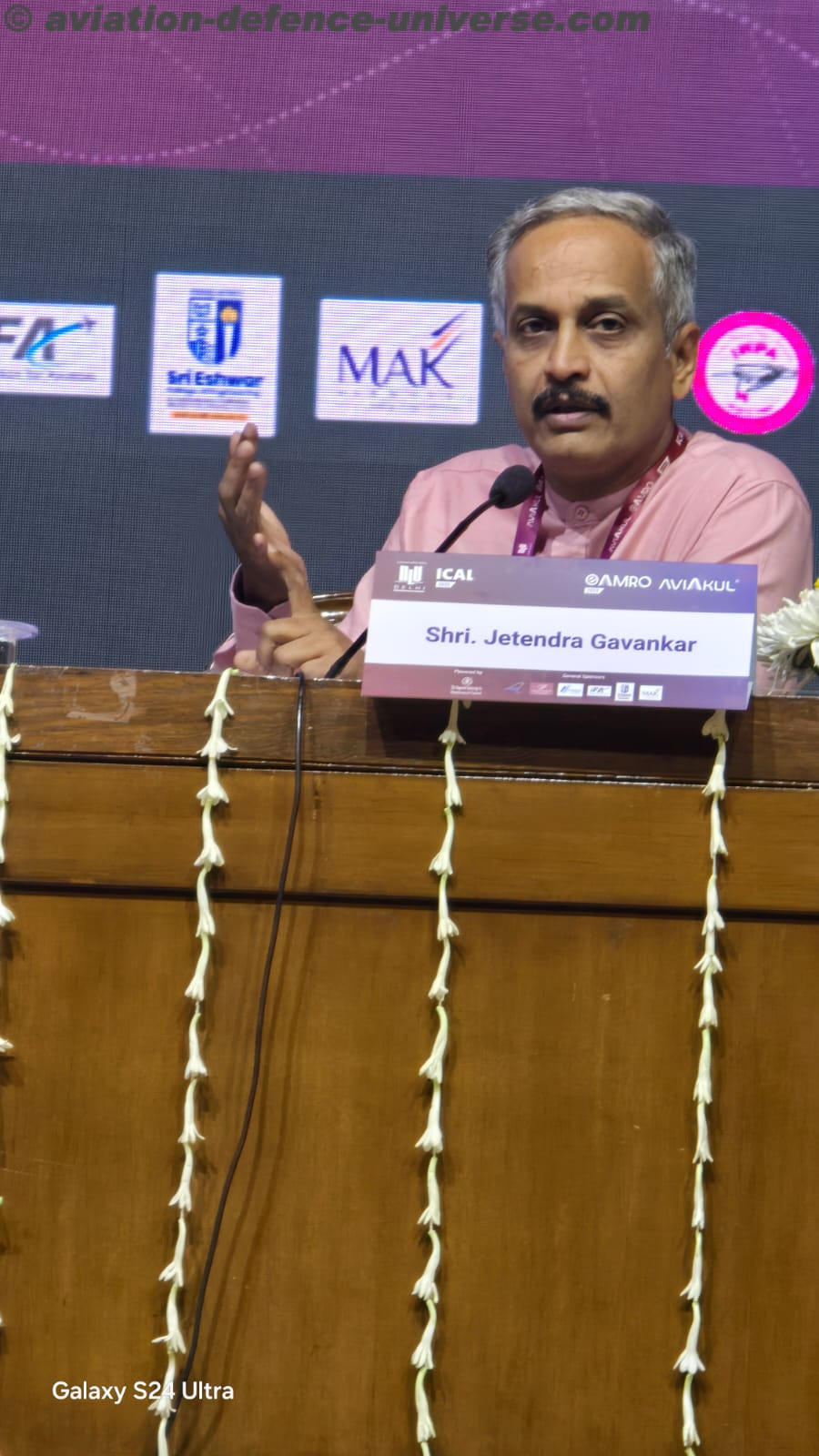 The opening Panel Discussion of Day 2, “Engine MRO: Challenges & Way Forward” moderated by Col. K.V. Kuber (Retd.), featured distinguished panelists Ashok Gopinath (GMR Aero Technic), Ashwani Acharya (Indamer Technics), Jetendra Gavankar (Safran India), and Ravindranath Singh Thakur (AIESL), who delved into the challenges and future of engine MRO in India. Col. Kuber set the tone by questioning India’s readiness and self- reliance in engine MRO, emphasizing that industry must lead the way beyond laws and regulations. Ashok Gopinath shared GMR’s journey from narrow-body MRO in 2011 to current wide-body preparations, highlighting the importance of collaboration, skill development, and setting global benchmarks while pointing out the gap between institutional output and industry needs. Ashwani Acharya stressed that India has repeatedly “missed the bus” and must secure FDI and business planning before seeking government support, projecting a need for 3,500–4,000 engines due to fleet growth. Jetendra Gavankar detailed Safran’s ongoing MRO setups in Hyderabad and Goa, partnerships with HAL and DRDO, growing MSME engagement, and expansions in defence electronics and propulsion technology through GCCs in Mumbai and Hyderabad. R.S. Thakur showcased AIESL’s expansive presence with three engine MRO
 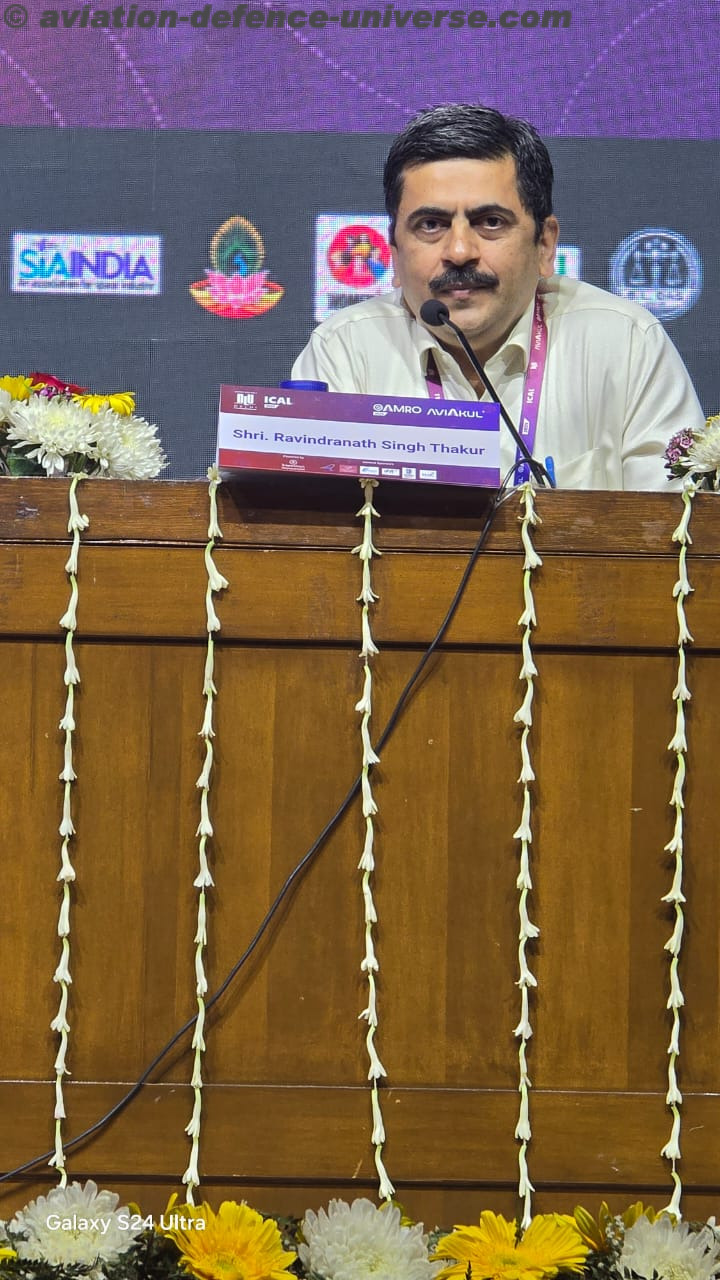 centers and 18+ approvals, underlining the $4 billion potential of India’s MRO market by 2031, the urgent need for the ‘Right to Repair,’ and the challenges posed by OEM- controlled IP. Common issues across the panel included a severe skills gap, restricted access to OEM technology, lack of a national engine policy, high infrastructure and training costs, and concerns around data sovereignty and regulatory barriers. In closing, Col. Kuber urged the industry to leapfrog rather than evolve incrementally, stressing the need for 2–3 global MRO hubs in India. The panel collectively called for a defined roadmap, enhanced collaboration, educational reform, and equitable policy frameworks to position India as a global engine MRO leader.
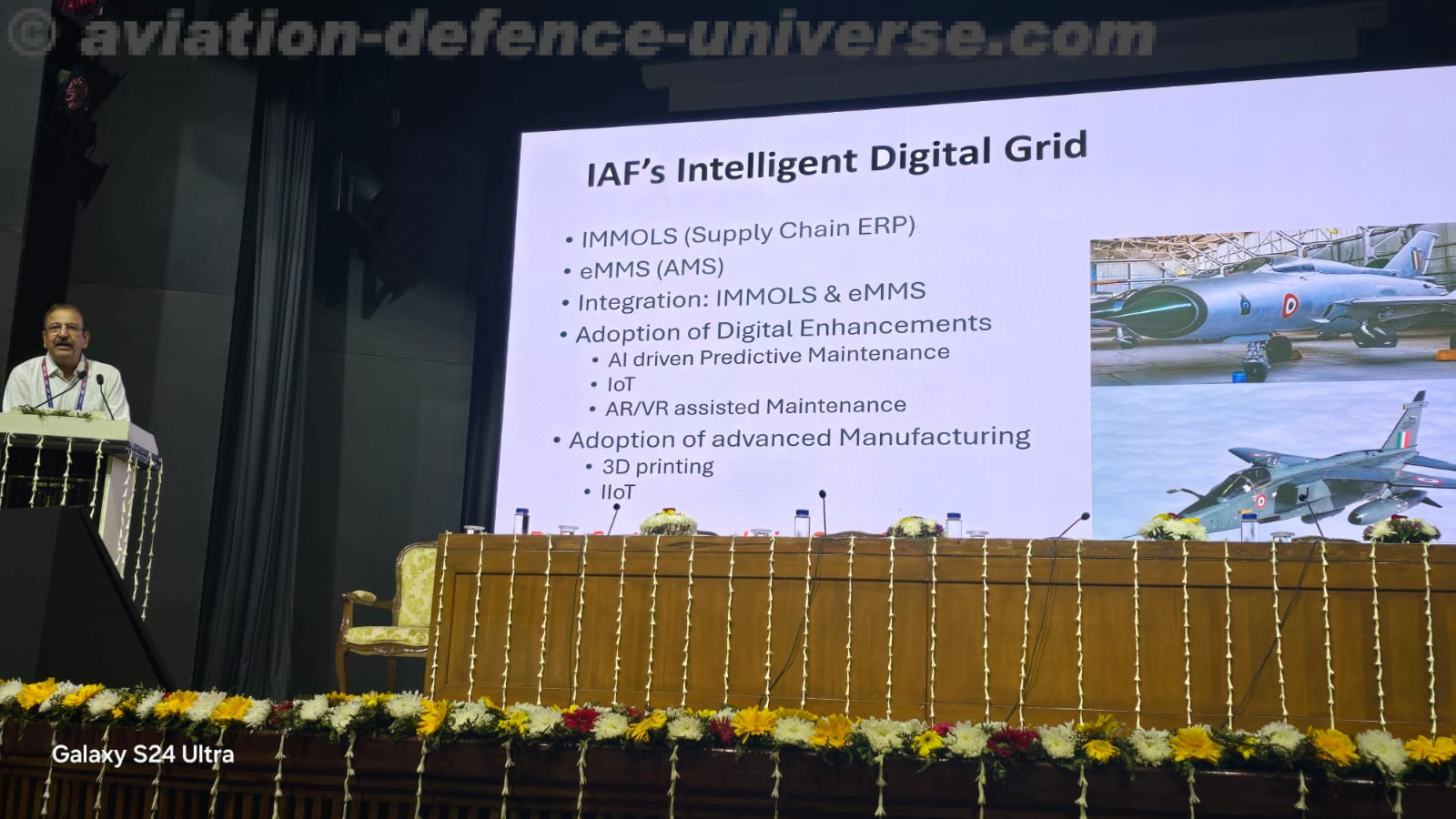 In a compelling keynote lecture on “Data-Driven Maintenance in the Military Domain,” Air Vice Marshal Puneet Sarin (Retd), VSM, Advisor to the Board at Sakthi Aircraft Industries, shed light on the Indian Air Force’s pioneering journey in MRO digitization. He highlighted how the IAF has been at the forefront with integrated platforms like IMMOLS and EMMS, which serve as comprehensive asset management systems encompassing over 100 functional applications. The IAF has made
 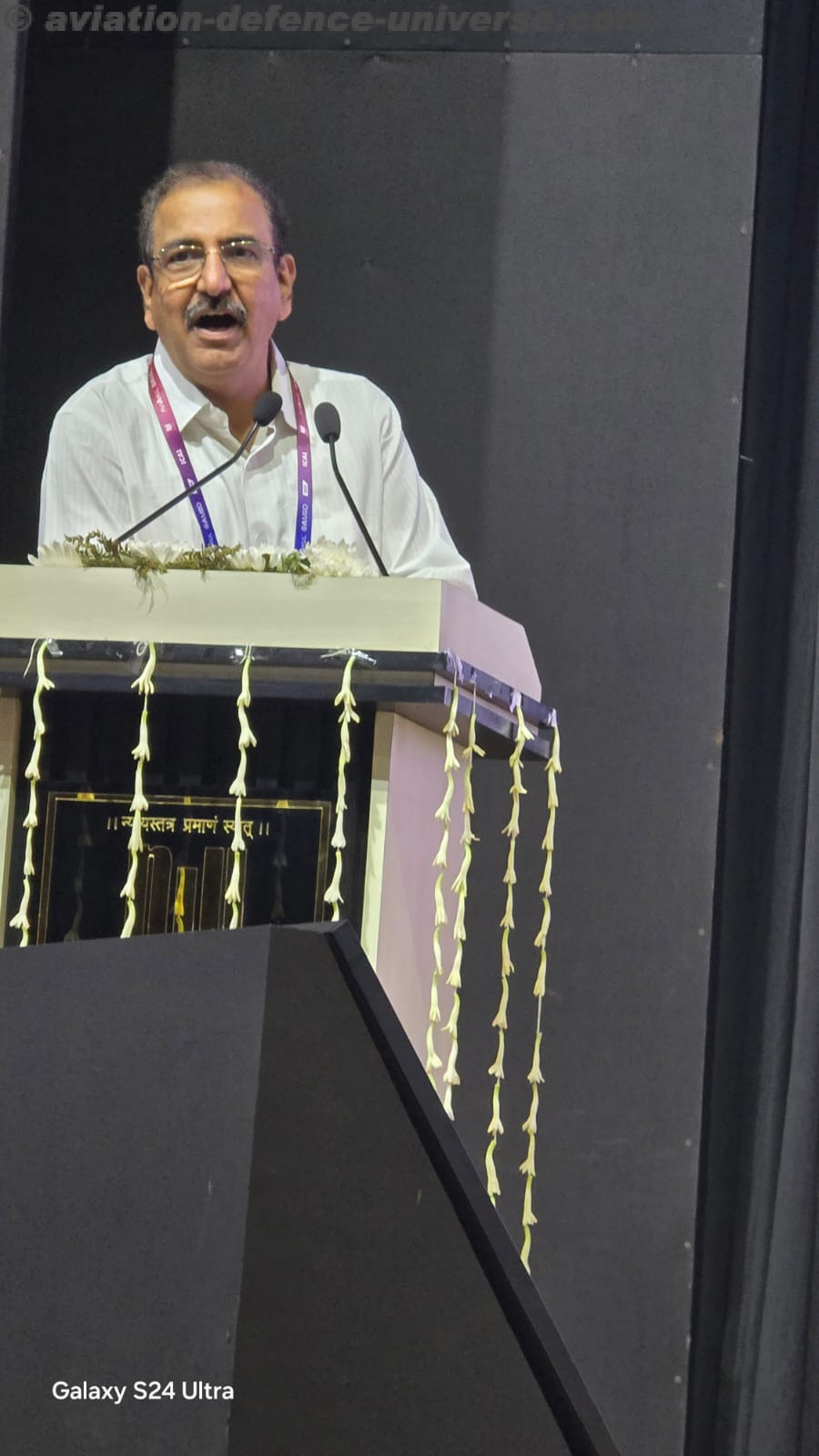 significant progress in digital transformation, with over 400 aircraft components now produced through 3D printing and the adoption of cutting-edge technologies such as blockchain-based IoT and digital twin systems. AVM Sarin also emphasized the importance of skill development, introducing AI-driven, personalized training models to equip the workforce for future demands. As the industry embraces artificial intelligence and predictive systems, he stressed that cybersecurity and data integrity must remain priorities. Looking ahead, he shared the IAF’s vision of evolving from self-reliance to becoming a global MRO export hub—an ambition where civil aviation can both learn and collaborate. He concluded with a strong message: the future of MRO lies in the convergence of data, design, and digitalization to build secure, scalable, and sustainable ecosystems.
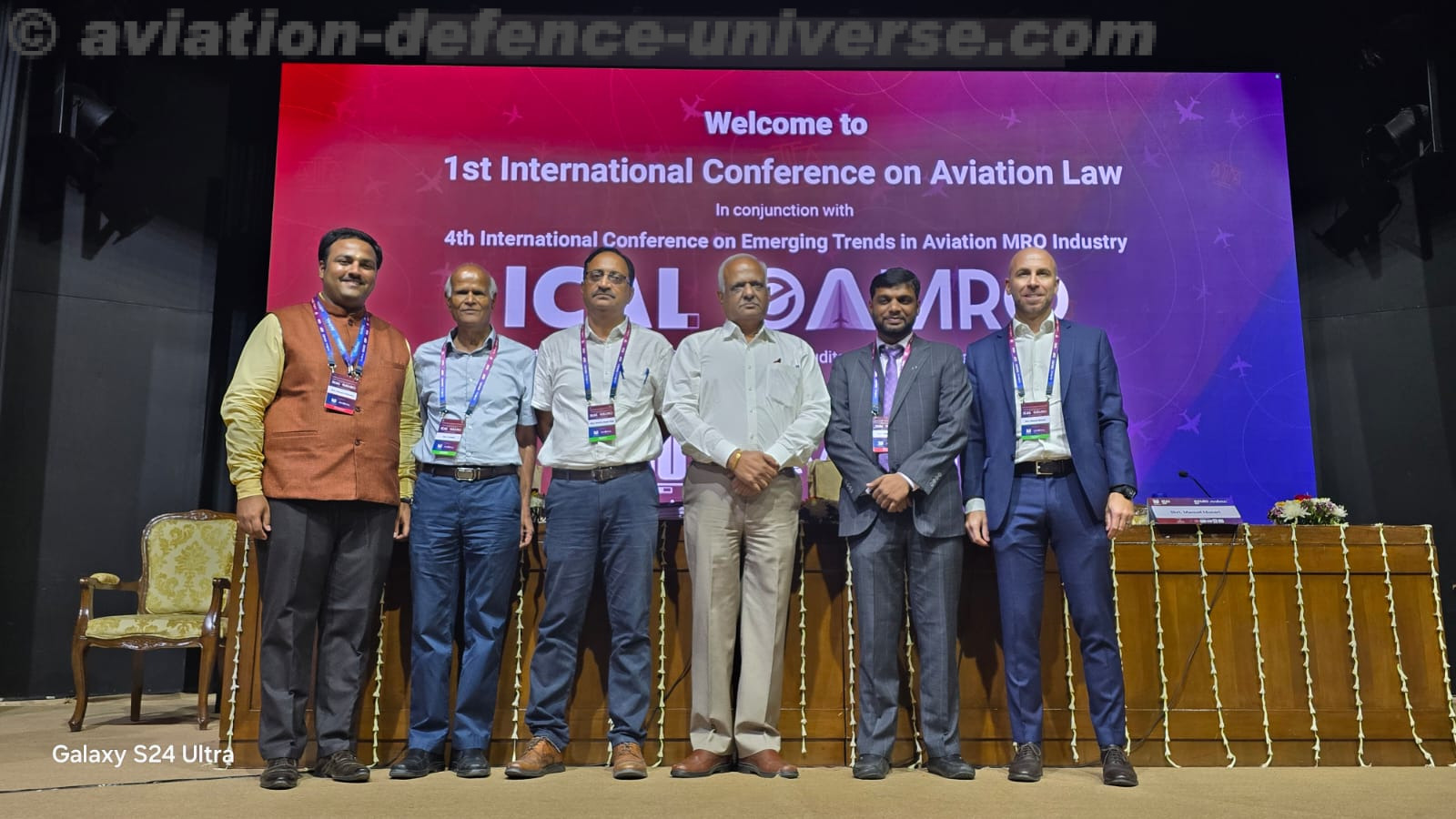 A dynamic panel discussion on “Helicopter MRO: Empowering Rotorcraft Maintenance” was led by Rajinder Singh P. and featured insights from industry experts Manuel Munari, Jitendra Singh Negi, and J.P. Modi. The panel highlighted that the number of helicopters in India has remained stagnant at around 250–260 between 2010 and 2022, pointing to an underserved MRO sector where HAL and Pawan Hans are the only major players. The discussion emphasized the urgent need for a long-term Helicopter MRO policy, simplification of DGCA frameworks, and alignment with global regulatory standards such as those of the FAA and EASA. Key challenges identified included a shortage of skilled manpower, high taxation such as the 18% GST on critical parts, lack of OEM support and data access, and inconsistent regulatory policies. However, the conversation also illuminated significant opportunities through digitalisation, skill development, reverse engineering, PPP models, dedicated MRO hubs, and export potential. The panel agreed that collaboration between DRDO, private players, OEMs, and regulators will be essential to unlocking scale, innovation, and growth in India’s rotorcraft maintenance ecosystem.
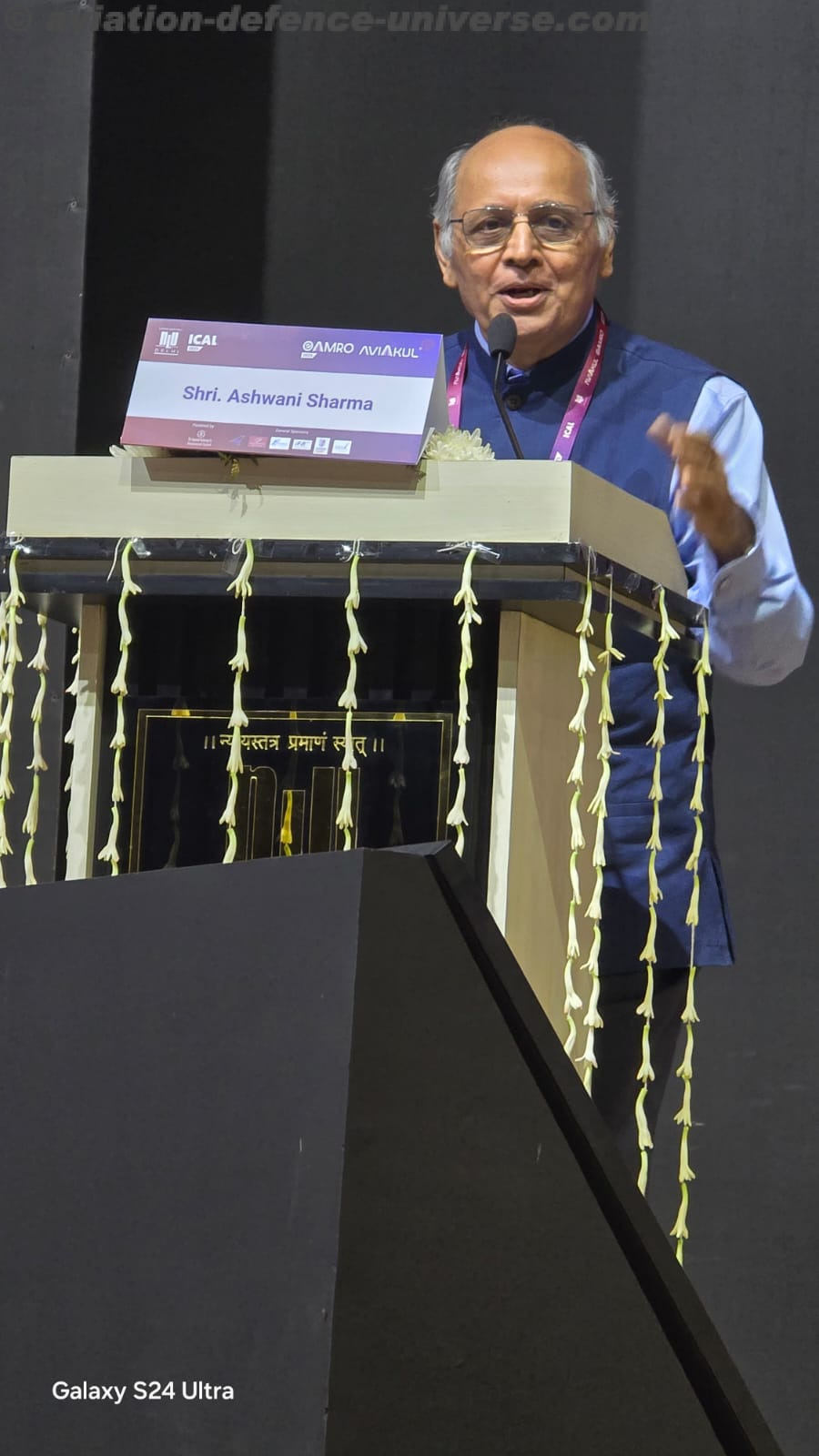 The Fireside Chat on “Role of Drones in MRO” and the Panel Discussion on “Upskilling Future MRO Workforce” collectively explored the integration of emerging technologies and the urgent need for skill development in the Indian aviation maintenance sector. Aman Johri, CEO of Jatayu Unmanned Systems, emphasized that drones are no longer futuristic—they are already reshaping the MRO landscape. He advocated for distinct efforts in education, skill-building, and awareness by different entities, continuous training, and a workforce protection policy to help India become a global leader in skilled manpower. Lt. Mahaboob M highlighted successful curriculum-industry alignment at Sri Eshwar Drone Tech Pvt. Ltd., which has improved placements and enabled targeted training for rural and agricultural communities. Moderated by Ashwani Sharma (Chairman, AeSI Mumbai), the panel discussion brought together leaders like Armel Jezequel (CEO, Aircraft Academy, France), Ashwani Acharya (MD, i-Rise Foundation), Rajendra Mane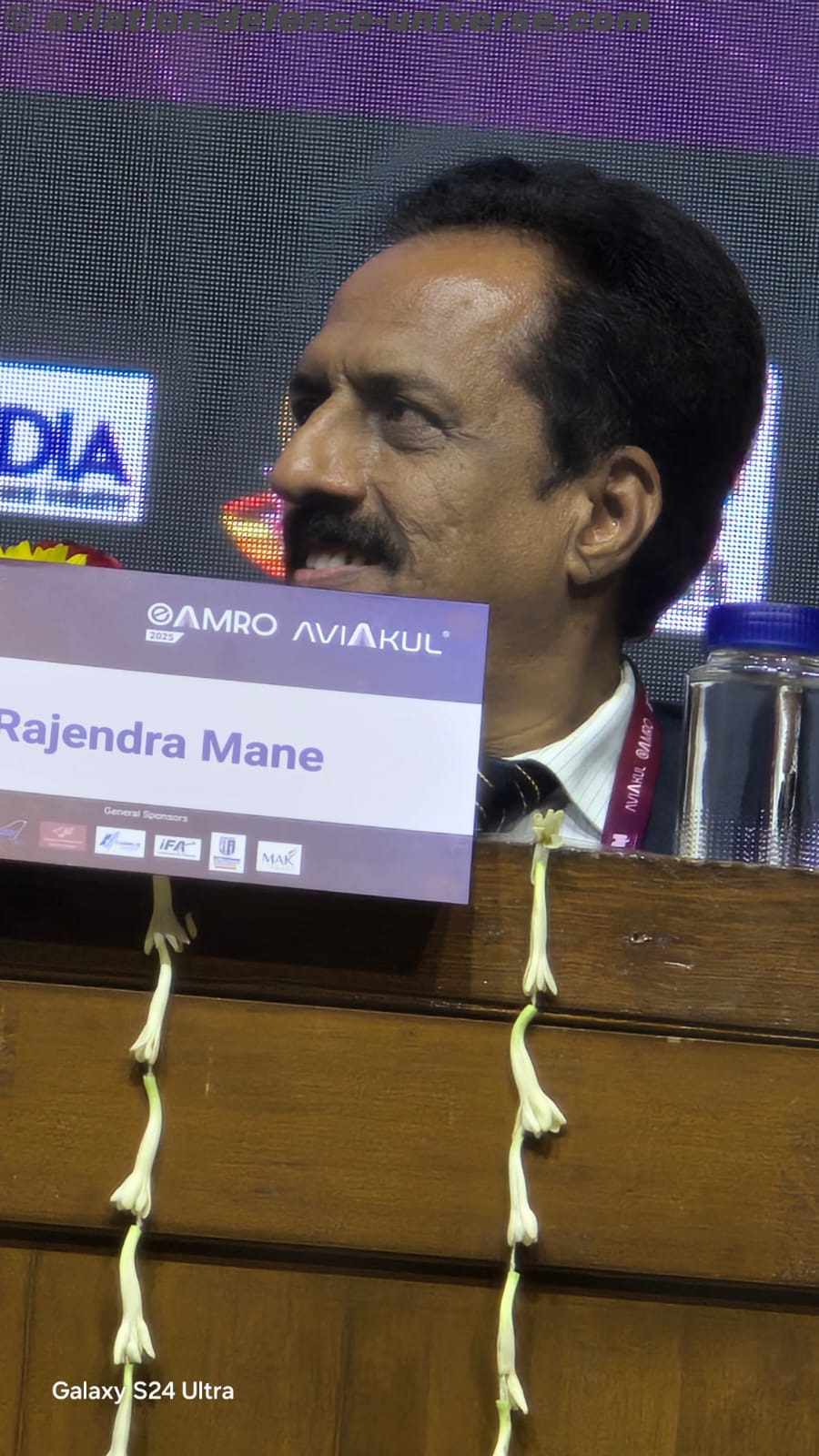
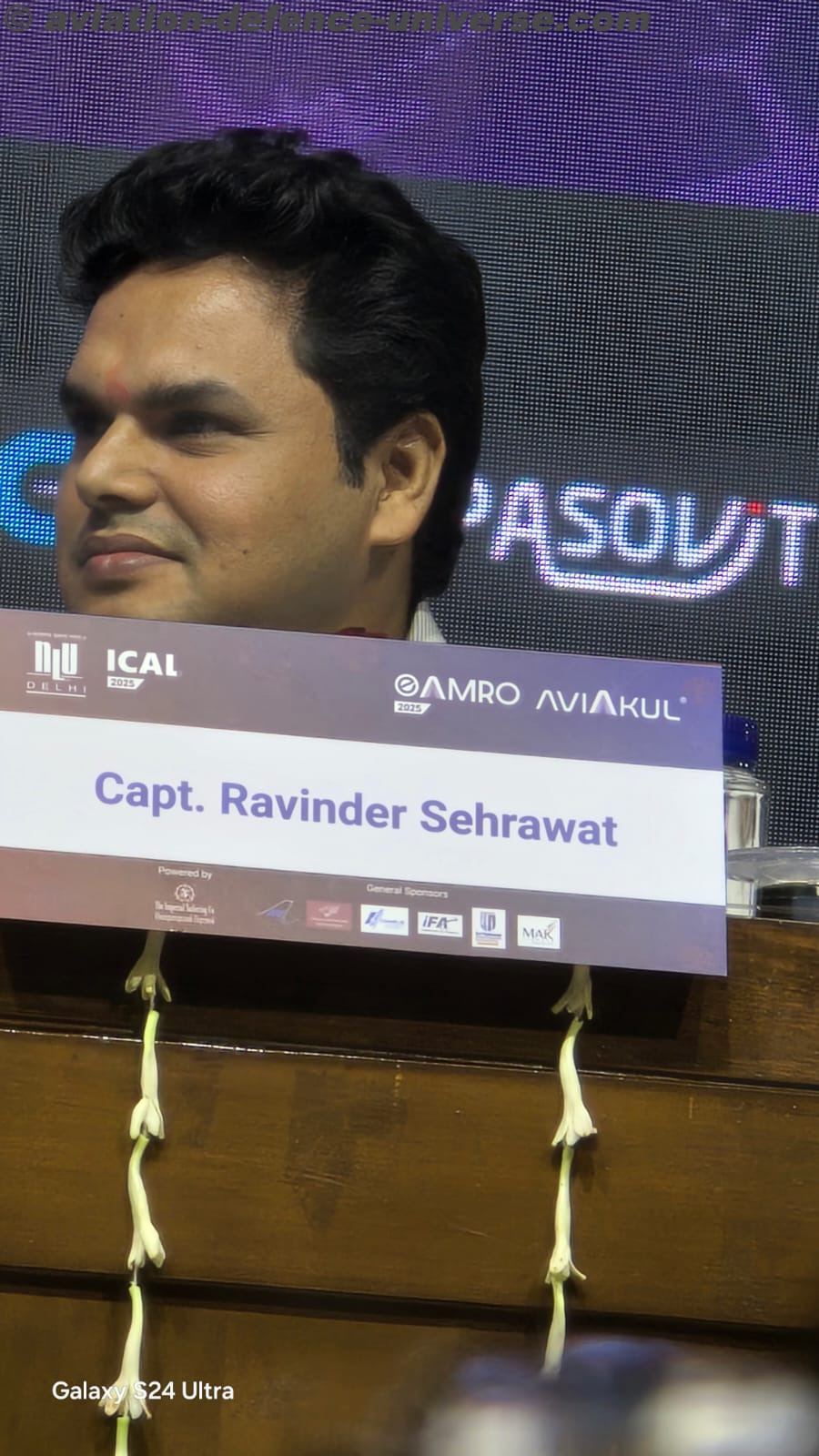 (Training Manager, SAME), and Capt. Ravinder Sehrawat (Director, Institution for Aviators). Sharma noted the widening disconnect between institutional training and industry needs, especially with newer technologies like 3D printing, AR/VR, and IoT. Acharya called for an MRO Skill Council and post-pandemic skilling ecosystem reforms. Jezequel added that Europe faces similar issues of manpower shortages and regulatory burdens. Mane shared SAME’s best practices— 60% practical training, integration of soft skills, and proposals to convert AME credits into graduation credits.
Capt. Sehrawat debunked myths about Indian training quality but emphasized the need for better regulatory oversight and harmonization between agencies like DGCA and FAA. Audience feedback underscored the necessity of aligning academic curricula with global and domestic MRO demands and establishing a standardized training framework.
EAMRO 2025 wasn’t just another industry conference—it was a strategic dialogue to reimagine India’s aviation MRO sector. With clear roadmaps, strong policy frameworks, and integrated legal support, India has the opportunity to leapfrog into global MRO leadership. The time to act is now, and EAMRO 2025 has set the course.






































































-A4-Size-(2)_page-0001.jpg)