












- Vayuyan Adhiniyam, UDAN, MRO Hubs Take Centerstage at Mumbai Aviation Summit
- Maharashtra, Gujarat, Goa, Madhya Pradesh, Daman & Diu with Dadra & Nagar Haveli brainstorm their aviation issues
- India’s Aviation Leadership Soars: Centre, States Unite at Western Regional Conference
By Sangeeta Saxena
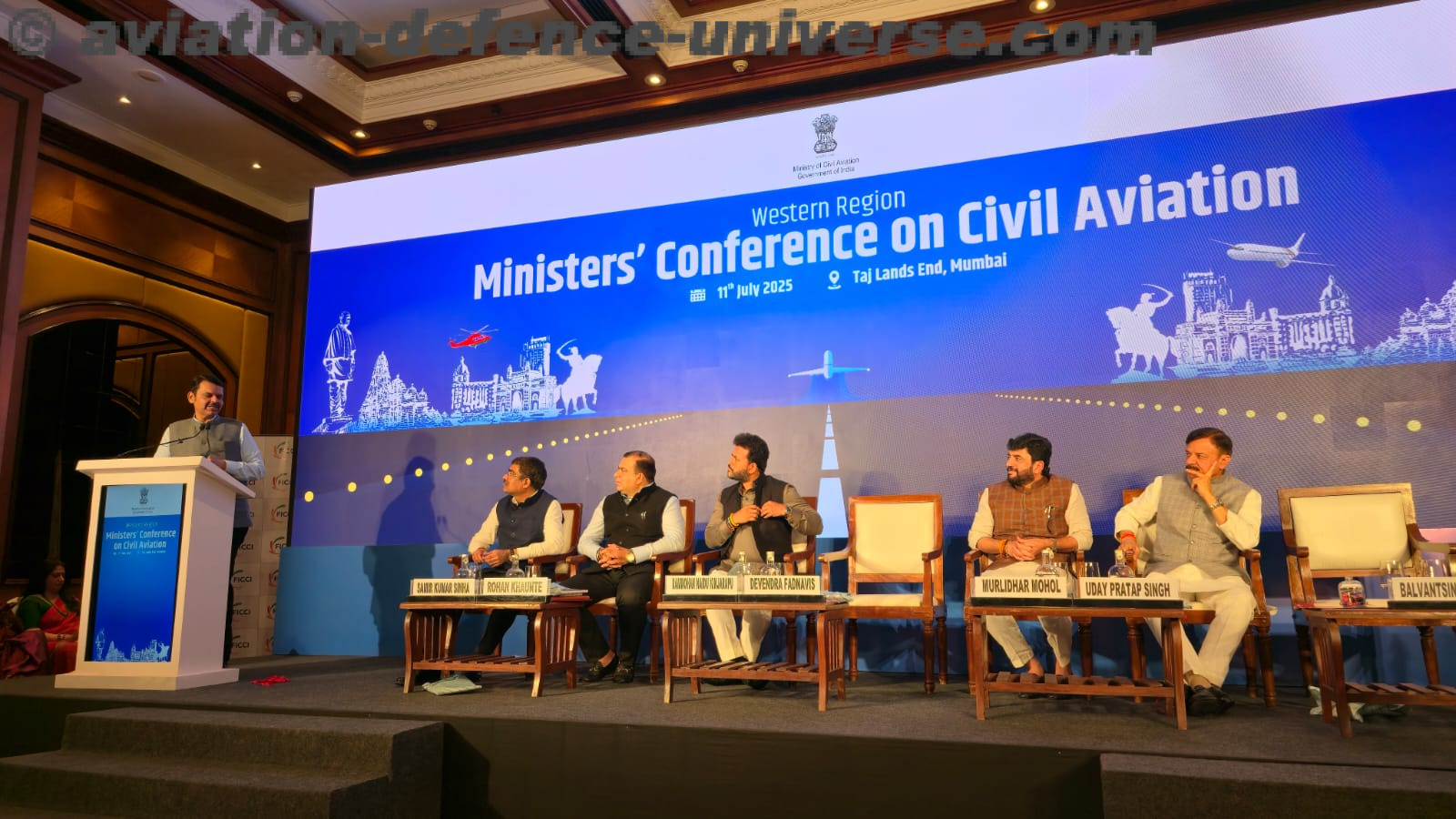
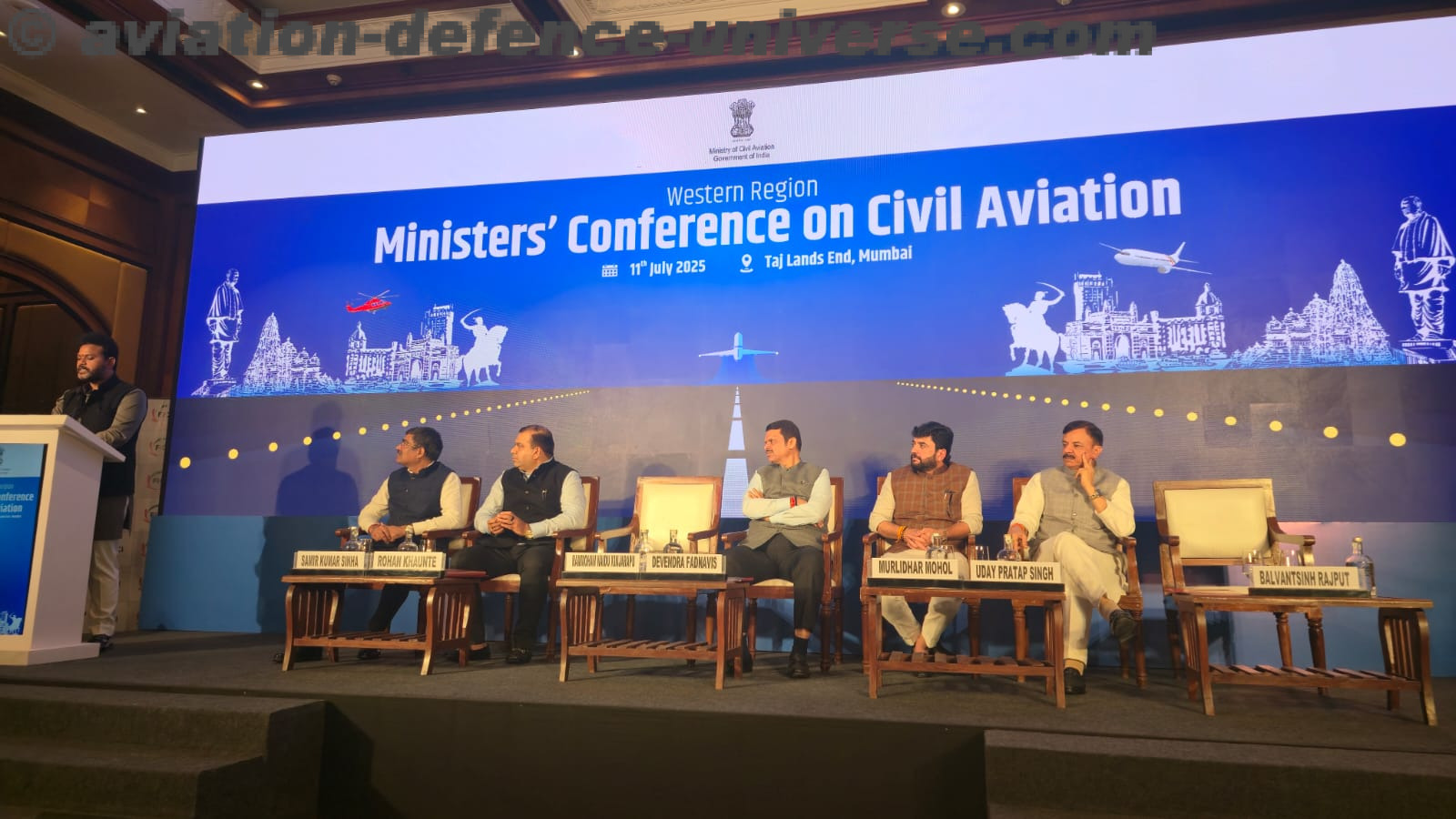
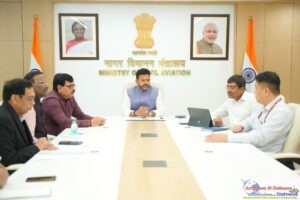
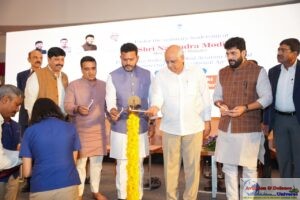
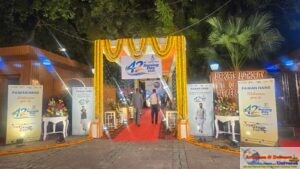
Mumbai. 11 July 2025. The Western Region Civil Aviation Ministers’ Conference in Mumbai marked a significant turning point in India’s aviation journey, charting a new and inclusive flight path for the skies. 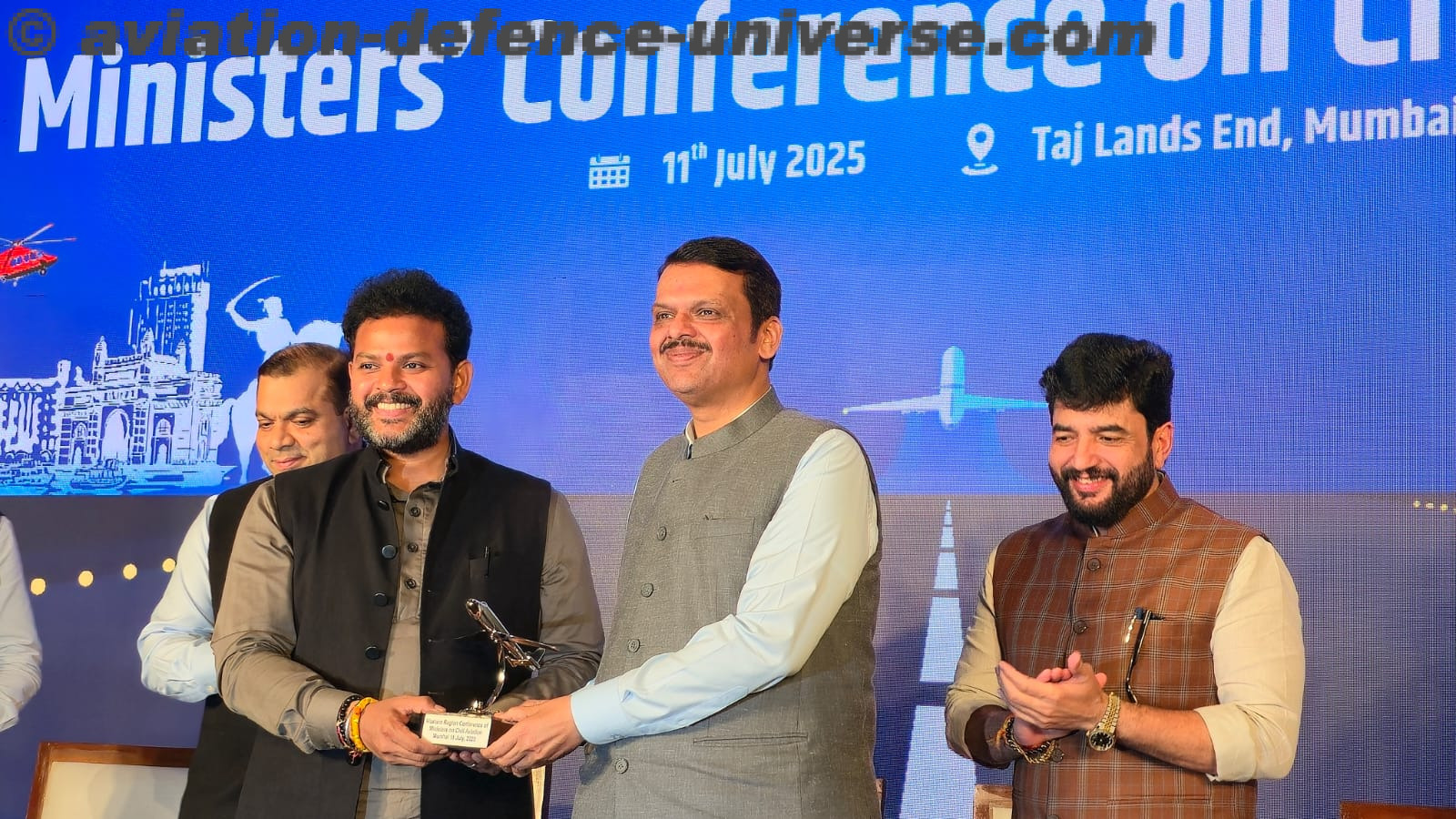 Hosted in the country’s financial capital, the groundbreaking regional meet brought together key stakeholders from the Centre and state governments to collectively democratize air travel and strengthen last-mile connectivity. In a landmark move to decentralize, democratize, and deepen India’s civil aviation footprint, the Ministry of Civil Aviation convened the first-ever Western Region Civil Aviation Ministers’ Conference at Taj Lands End, Mumbai. With participation from key states including Maharashtra, Gujarat, Goa, and Madhya Pradesh—and Union Territories Daman & Diu and Dadra & Nagar Haveli—the conference marked a significant shift toward region-specific planning and state-centre synergy.
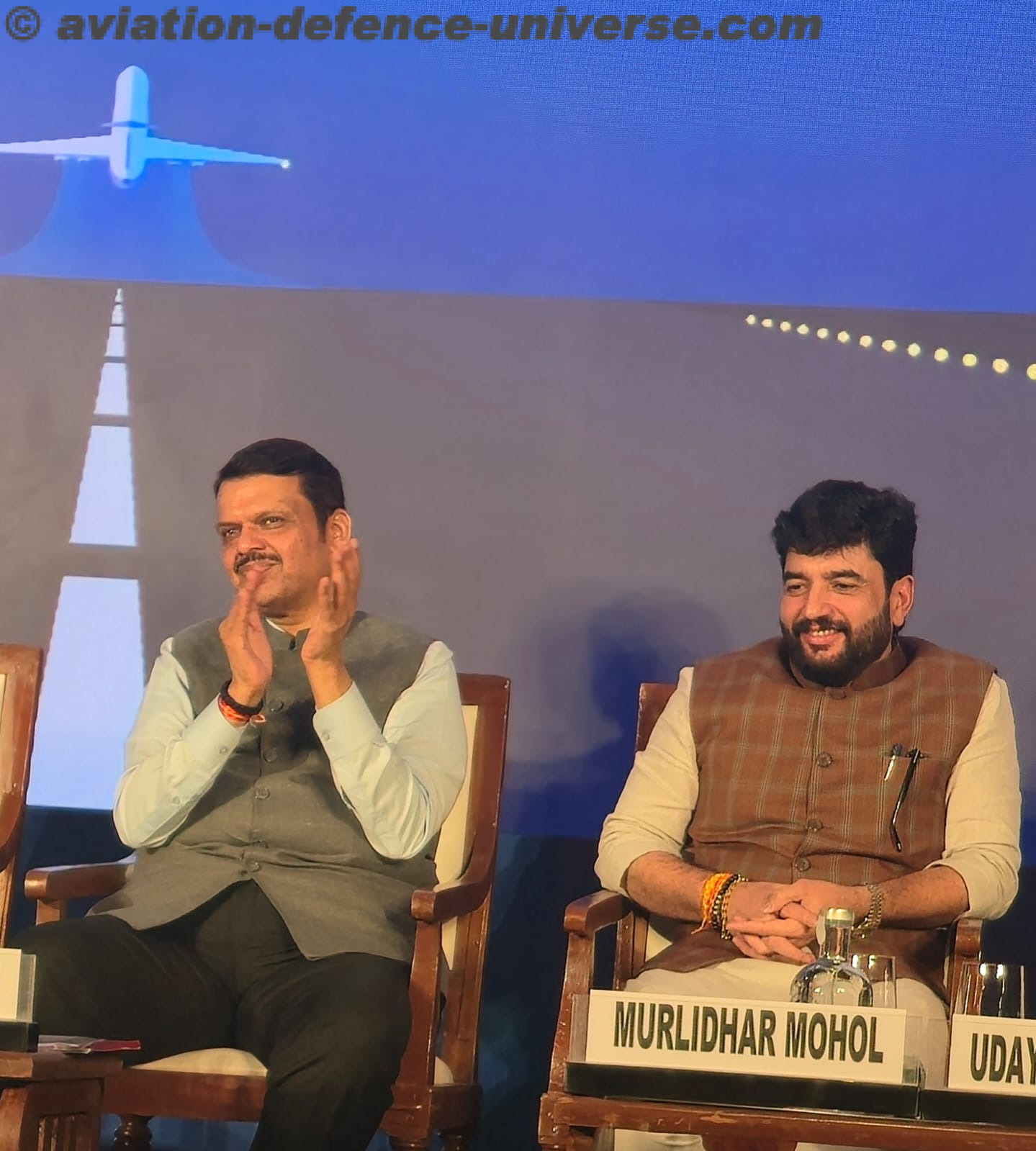
The event witnessed high-level strategic dialogue led by Civil Aviation Minister K. Ram Mohan Naidu, Maharashtra Chief Minister Devendra Fadnavis, and MoS Murlidhar Mohol, underlining the united leadership driving India’s aviation ambitions. Central themes of the summit included the unveiling of the progressive Vayuyan Adhiniyam, expansion of the UDAN scheme, and plans to establish MRO hubs, reaffirming the Centre’s commitment to making civil aviation accessible, robust, and future-ready.
Minister for Civil Aviation K. Ram Mohan Naidu, while addressing the houseful at Western Region Civil 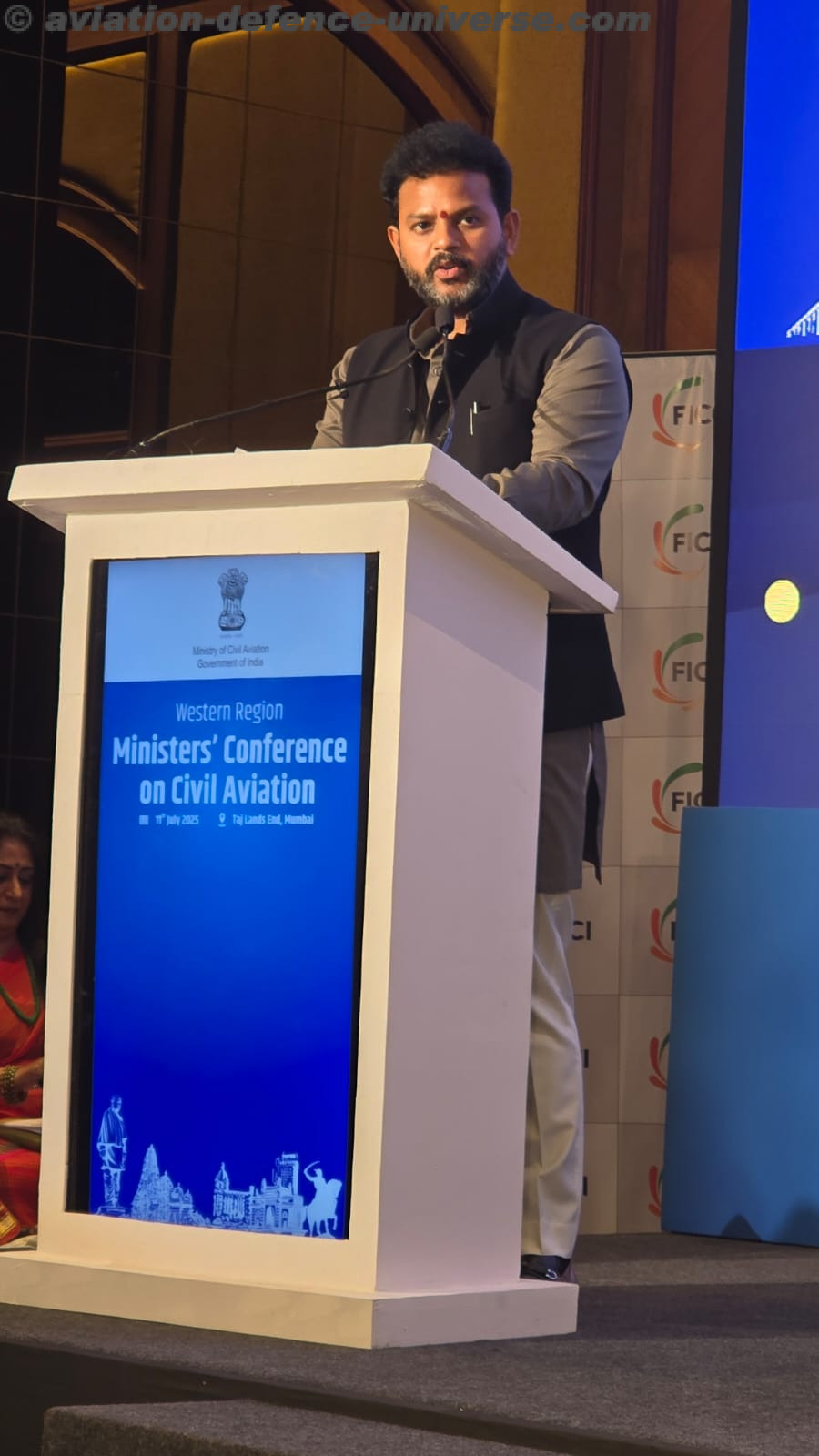 Aviation Ministers Conference held at Taj Lands End, Mumbai reiterated , “ Today’s Western Regional Civil Aviation Conference is a milestone in our journey to decentralize and democratize aviation. We want to take aviation to the doorstep of every citizen in every corner of India. India is now the third largest domestic aviation market in the world. We have moved beyond just connectivity; we are enabling economic transformation. When Prime Minister Modi envisioned UDAN—Ude Desh Ka Aam Nagrik—it was not just about flights; it was about empowerment. In the last 7 years, over 500 new routes have been awarded under UDAN, connecting smaller cities like Darbhanga, Jharsuguda, and Shivamogga. Western India is a key aviation hub. States like Maharashtra, Gujarat, Madhya Pradesh, and Goa contribute significantly to passenger and cargo volumes. These states will lead the next phase of aviation growth. The focus is now on operationalizing all 220 airports, heliports, and water aerodromes in India by 2030.”
The Government of India’s new civil aviation policy represents a transformative shift aimed at democratizing air travel, enhancing regional connectivity, and fostering sustainable growth in the aviation ecosystem. Central to this vision is the “Vayuyan Adhiniyam”—a comprehensive legislative framework that replaces outdated regulations and consolidates various aviation laws under one modern statute. This progressive act emphasizes ease of doing business, passenger rights, air safety, and the promotion of green airports. It empowers the Ministry of Civil Aviation to implement fast-track approvals, encourage private investment in infrastructure, and support innovation in drone technologies and urban air mobility. By focusing on decentralization and stronger Centre-State collaboration, the new policy is poised to make India not just a leading domestic aviation market but a formidable global aviation hub.
“We are introducing a new policy on fractional ownership of aircraft, making business aviation more accessible and efficient for high-growth sectors. Cargo is a gamechanger. Under the PM Gati Shakti plan, air cargo infrastructure is being developed with integrated logistics across airports, roads, rail, and ports. Drones are the future of last-mile delivery and surveillance. We’re working with IITs, startups, and industry to develop a secure and scalable drone ecosystem with a strong regulatory framework. Skilling is critical. We’re focused on setting up more Flight Training Organizations (FTOs), AME institutions, and drone pilot training schools—especially in Tier 2 and Tier 3 cities. We have operationalized over 150 routes under the UDAN scheme in Western India alone. The enthusiasm of the states has been phenomenal and their role is key in pushing this forward. We urge all state governments to appoint nodal officers for faster coordination on land acquisition, approvals, and security clearances for aviation infrastructure. The government will support the establishment of MROs (Maintenance, Repair, and Overhaul units) in states. Maharashtra and Gujarat have significant potential to become MRO hubs for both civil and defence aviation. We must align our ambitions with sustainability. All new airport development must incorporate solar energy, water recycling, and green building codes. This is India’s moment. We are not just connecting the skies—we are building an ecosystem that will place India at the forefront of global civil aviation,” he confirmed.
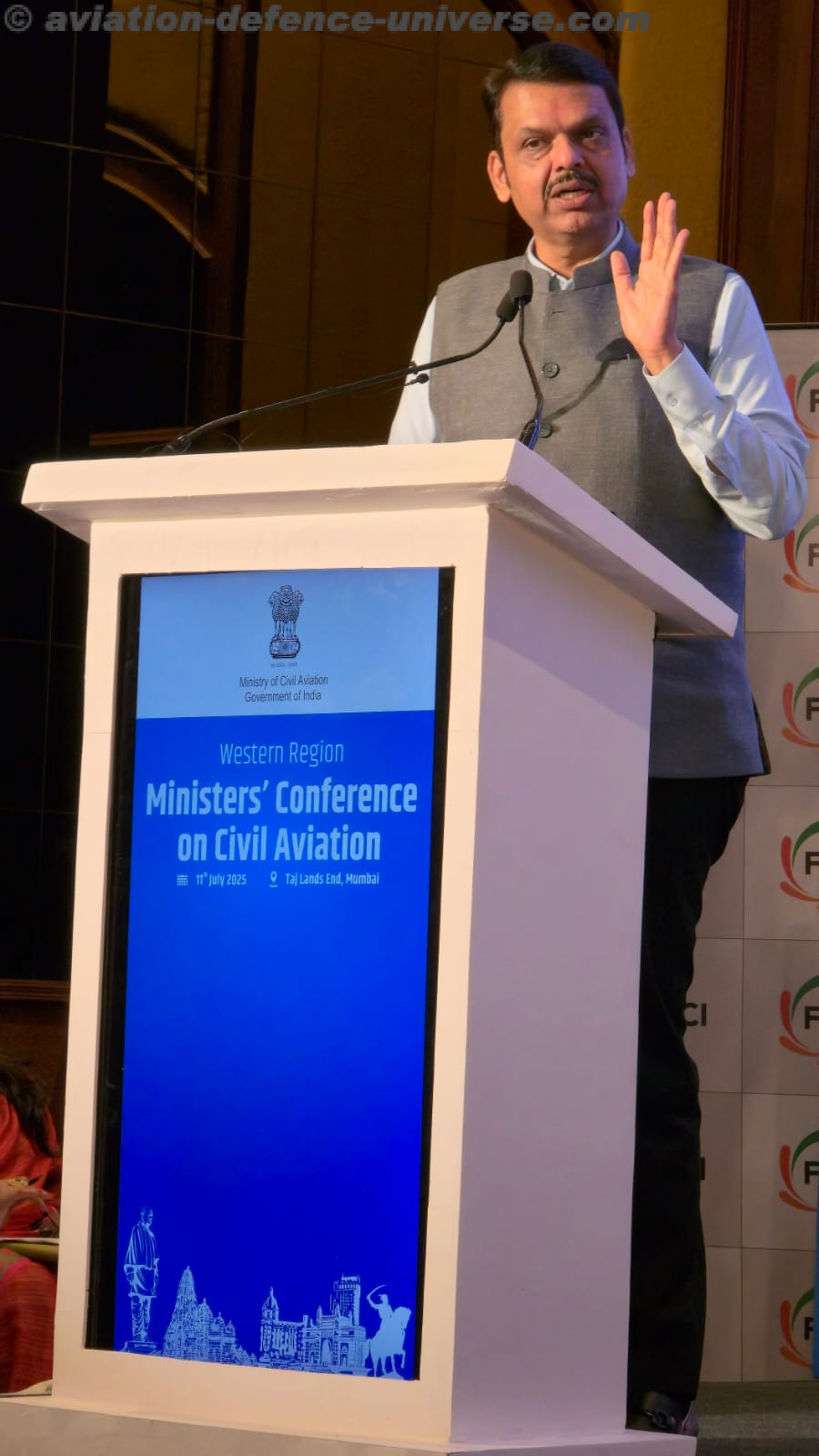 Maharashtra Chief Minister Devendra Fadnavis, combining the essence and impact of his speech at the Western Region Civil Aviation Ministers’ Conference in Mumbai stated “Aviation is no longer a luxury for the elite—it has become a way of life for the common citizen. Today, our aspirational population demands air connectivity in every district. Under the guidance of Prime Minister Narendra Modi, India’s civil aviation sector is experiencing unprecedented growth—from Greenfield and Brownfield airports to MROs and human resource development. In Maharashtra, we are expanding infrastructure in 30 of 36 districts, with new projects like the Gadchiroli airport, which alone is attracting ₹1.5 lakh crore in investment. We’ve proposed an OAS survey for Gadchiroli, which I believe will transform the region. Similarly, the long-stalled Navi Mumbai Airport project was fast-tracked post-2014 under the PM’s Pragati initiative—seven of eight major clearances came in a single day. Now, we’re planning Maharashtra’s first offshore airport near Mumbai, inspired by the offshore port in Vadhavan, and work on the DPR has already begun.”
The state has emerged as a pivotal force in strengthening aerial connectivity across western India, playing a strategic role in transforming the region into a dynamic aviation hub. With 13 operational airports—including three international ones—the state has not only boosted inter-state and intra-state air travel but also accelerated regional development through initiatives like the RCS-UDAN scheme. Projects such as the Navi Mumbai International Airport, the proposed Purandar Airport near Pune, and the new Greenfield airport at Gadchiroli reflect the state’s commitment to bridging connectivity gaps in both urban and remote regions. Maharashtra’s proactive land acquisition policies, establishment of MRO and cargo hubs like MIHAN in Nagpur, and investment in aviation skill development centres further underline its leadership in creating a robust and future-ready civil aviation ecosystem for western India.
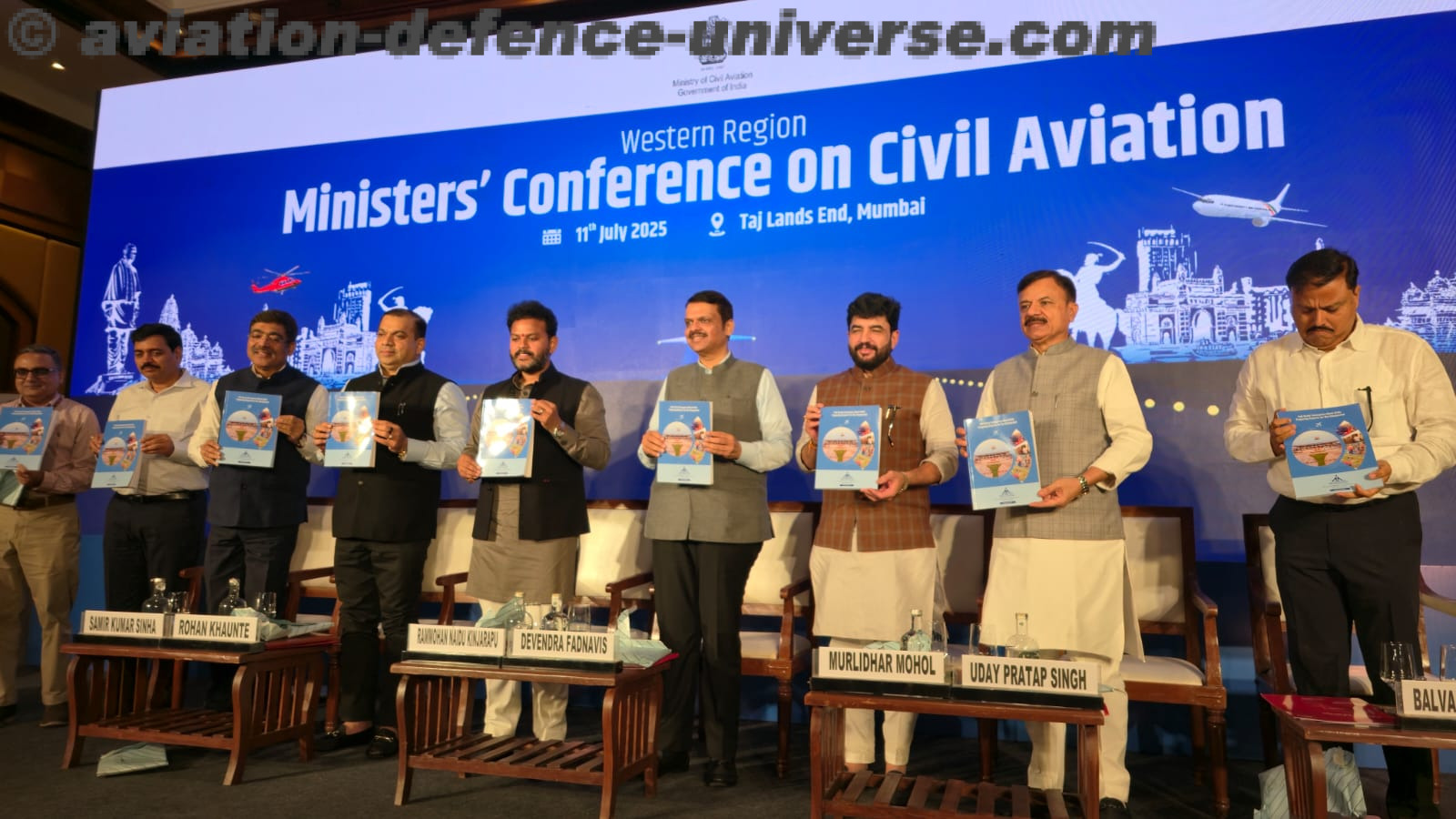 “Our vision includes transforming Pune’s saturated airport infrastructure by developing a new airport at Purandar, with land acquisition to be completed soon. We’re also investing in cargo hubs—Pune, Nagpur, and Navi Mumbai together can create a powerful logistics ecosystem. Shirdi airport is receiving a terminal upgrade, and we are scaling up Brownfield airports to meet future demand. I urge the Civil Aviation Ministry to streamline inter-agency approvals by creating synergy between DGCA, IMD, and AAI, and to clearly define Centre-State responsibilities under RCS, especially for security and fire services. With plans to induct 1,700 new aircraft nationally, airport readiness must precede fleet expansion. Maharashtra is committed to aviation skill development—we’ve started a pilot training institute in Amravati and are working with IIT Bombay on a drone port and regulatory framework. From shifting Dahisar radar and DN Nagar radar to transmission tower clearance, we seek prompt support from the Centre to unlock land and facilitate urban transformation. We in Maharashtra are fully aligned with the Modi government’s goal of making India a global aviation powerhouse, ” he pointed.
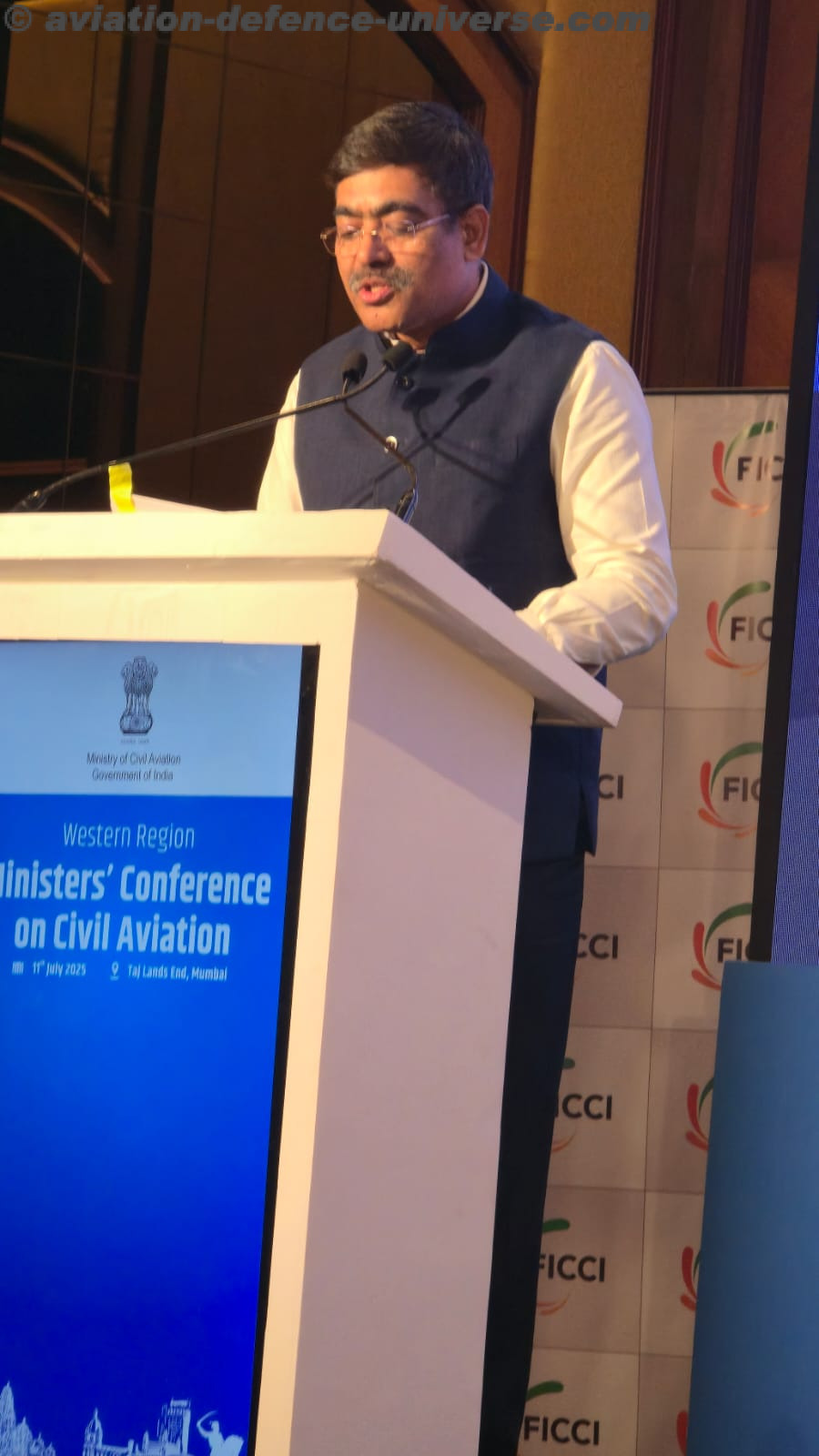 Samir Kumar Sinha, Secretary, Ministry of Civil Aviation, who addressed the Plenary Session at the Western Region Civil Aviation Ministers Conference in Mumbai stated, “It is a privilege to welcome you all to the plenary session of the Western Region Ministers’ Conference on Civil Aviation. I thank the Government of Maharashtra for hosting us in a state known for its leadership in infrastructure, connectivity, and innovation. The Western Region—comprising Maharashtra, Gujarat, Goa, Madhya Pradesh, Daman and Diu, and Dadra and Nagar Haveli—represents both economic dynamism and geographical diversity. Its unique aviation needs demand a region-specific, tailored strategy. This conference is not just an administrative gathering—it’s a platform for meaningful dialogue, where national priorities meet local realities, and where civil aviation becomes a true driver of inclusive and sustainable growth. Our one-on-one engagements with the states and industry partners have provided valuable insights into local aspirations, infrastructure gaps, and investment opportunities. These reinforce our shared vision for collaborative progress.”
“This is the first-ever platform where almost the entire Ministry of Civil Aviation is present to listen to and resolve state-level issues in a time-bound manner. The vision behind this initiative is thanks to the Honourable Minister of Civil Aviation, Shri Ram Mohan Naidu. We are also grateful to the Honourable Minister of State, Shri Murlidhar Mohol, for his support and encouragement at every step of this initiative. The Ministry remains committed to strengthening programmes like UDAN, developing MRO clusters, and supporting both Greenfield and Brownfield airport projects. Real progress, however, depends on robust partnerships with state governments. Appointing civil aviation nodal officers in each state will streamline coordination. Public-private partnership (PPP) models under UDAN and aviation skill parks for MRO, cargo, and crew training are vital to our forward strategy. States have shown keen interest in enhancing connectivity to religious and tourist destinations. We will work closely with you to identify and prioritise routes under the Spiritual Tourist Circuit. Our aim is to co-create state-specific aviation models—led by data, driven by local priorities, and supported by enabling policy frameworks. Today’s discussions have helped us shape a more responsive and effective civil aviation ecosystem—one that is modern, safe, inclusive, and future-ready. This conference marks the beginning of a deeper, enduring partnership built on mutual respect, shared vision, and the drive to make aviation a true enabler of national development, ” he reiterated.
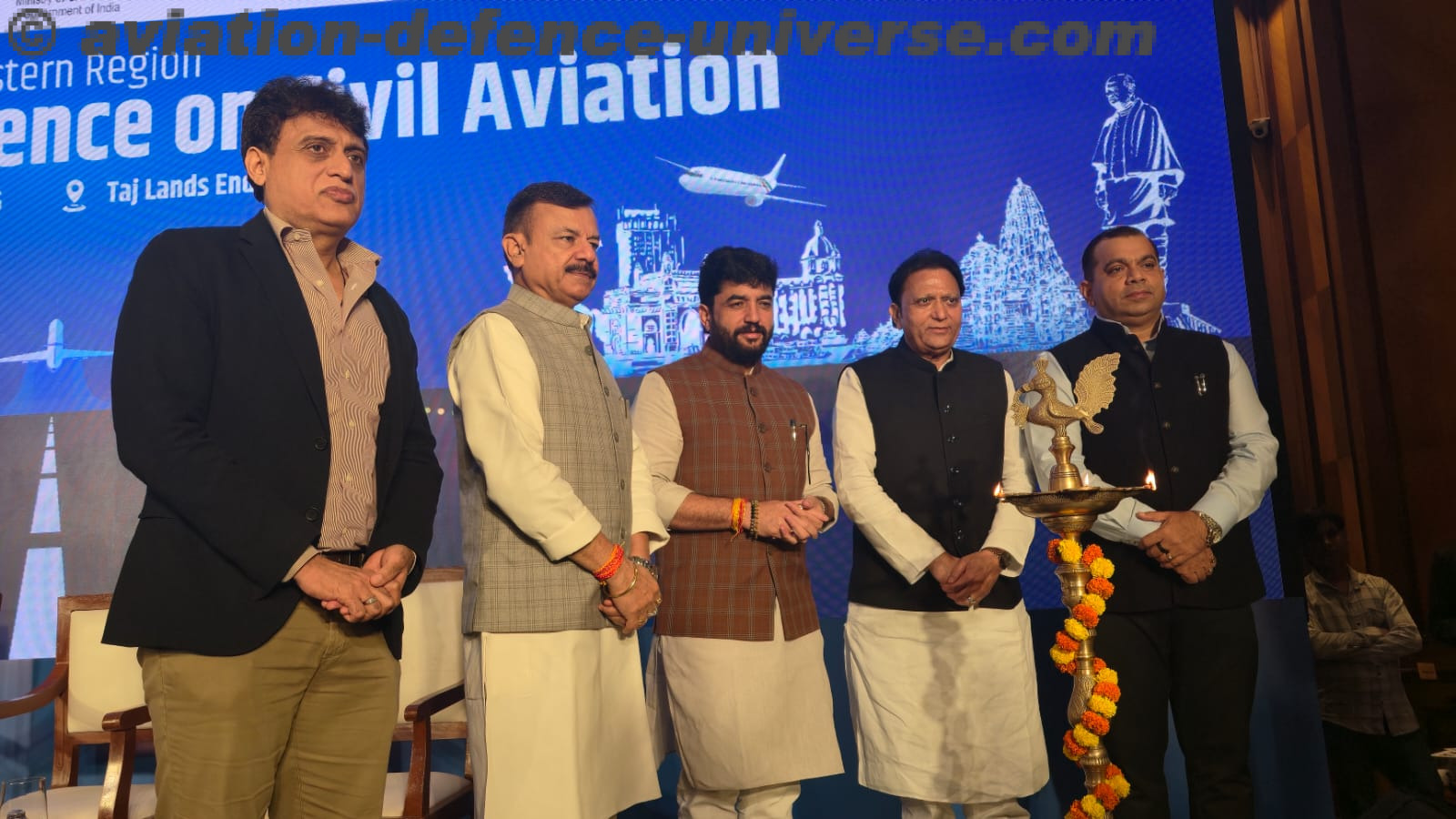 The Ministry of Civil Aviation has played a transformative role in democratising air travel across India by actively involving the entire nation in its civil aviation growth story. At the heart of this inclusive strategy lies the Regional Connectivity Scheme (RCS)–UDAN, which seeks to bridge the connectivity gap by linking Tier 2 and Tier 3 cities both to each other and to major Tier 1 hubs. By identifying underserved and unserved airports, providing viability gap funding, and encouraging airline participation through concessions and incentives, the Ministry has ensured that affordable air travel reaches the remotest corners of the country. This initiative not only brings economic opportunities to smaller towns but also strengthens social inclusion, medical access, and tourism potential. Through a collaborative approach with state governments, airport developers, and private operators, the Ministry has catalysed a nationwide aviation movement that is sustainable, inclusive, and aligned with the vision of Sab Uden, Sab Juden—Let everyone fly, let everyone connect.
“Today’s Western Region Civil Aviation Ministers Conference in Mumbai is not just symbolic—it’s a signal that the Centre and states are working together to strengthen India’s civil aviation sector. I thank the Hon’ble Minister of Civil Aviation, Shri K. Ram Mohan Naidu, for choosing Maharashtra and Mumbai as the venue for this significant regional conference. The Ministry’s focus on regional and last-mile connectivity is truly commendable and will play a key role in the balanced development of our nation. The vision of Prime Minister Shri Narendra Modi ji is to ensure that even the common citizen has access to air travel—and with the UDAN scheme, this dream is becoming a reality,” stressed Murlidhar Mohol, MoS (Civil Aviation).
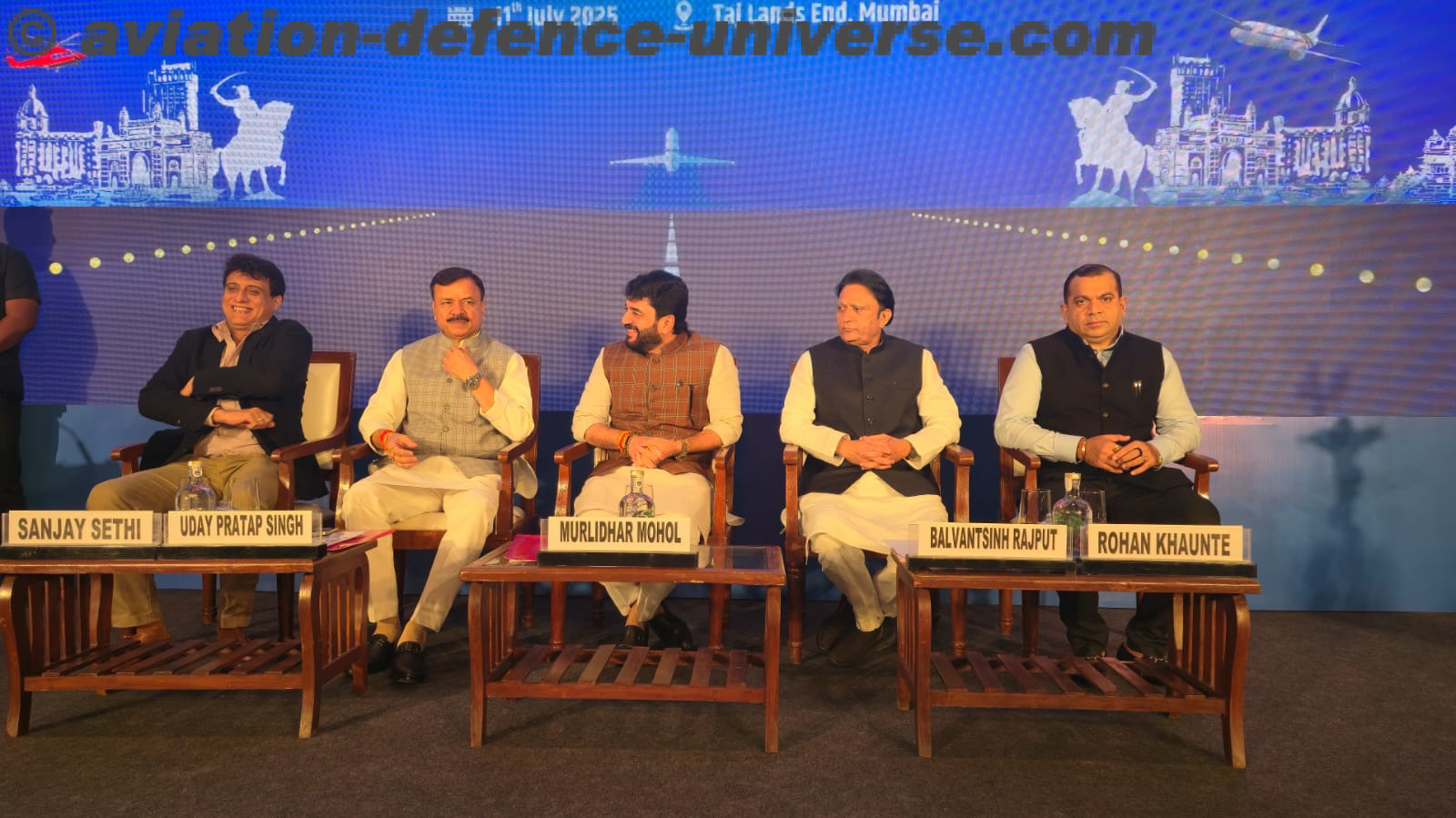 He stressed that Mumbai holds a pivotal position in India’s aviation ecosystem, serving as a gateway for both domestic and international air traffic. Home to Chhatrapati Shivaji Maharaj International Airport (CSMIA), one of the busiest airports in the country, Mumbai connects India to major global destinations and plays a key role in business, tourism, and cargo transport. The city is also poised to significantly expand its capacity with the upcoming Navi Mumbai International Airport, which is expected to further boost air traffic and regional economic growth. As Maharashtra’s commercial capital, Mumbai supports a dense network of aviation services including MRO (Maintenance, Repair & Overhaul), cargo handling, and airline headquarters, making it a central hub in India’s air transport landscape.
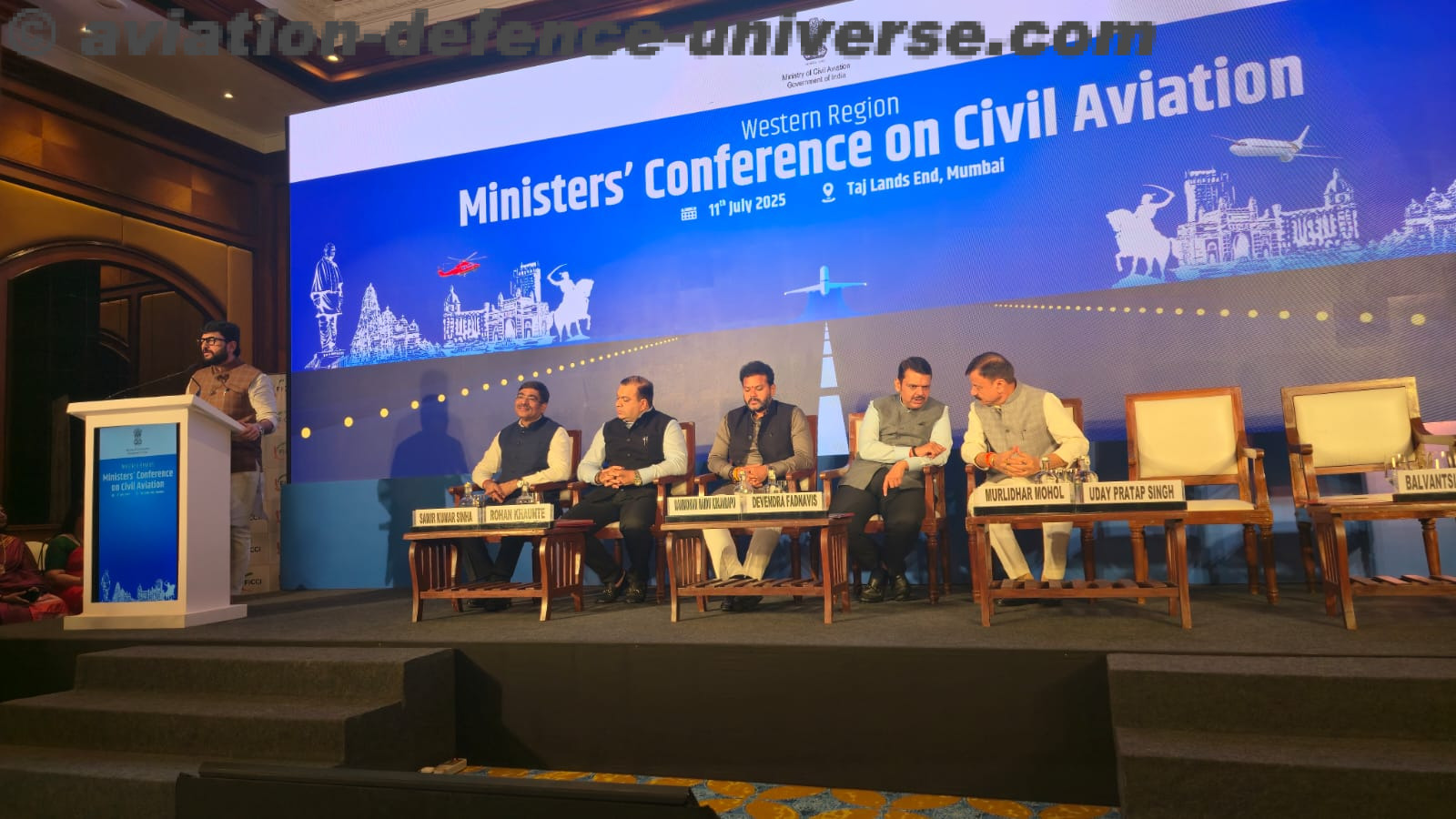 “Maharashtra has taken significant strides in aviation infrastructure. From developing new airports to connecting previously unserved regions, we are proud of the progress made. Pune, my hometown, is rapidly expanding, and we look forward to further enhancing its aviation connectivity. There is tremendous potential in tourism-driven aviation—be it religious tourism in Shirdi or eco-tourism in Sindhudurg. With better air access, these sectors can drive growth and generate employment. Conferences like these must happen more often—they create synergy, align policy across states, and give clarity to stakeholders. Maharashtra reaffirms its full commitment to supporting the Ministry of Civil Aviation’s initiatives to make India’s aviation sector more robust, inclusive, and globally competitive,” he added.
 Sanjay Sethi, Additional Chief Secretary, Civil Aviation and GAD, Government of Maharashtra, expanded, “On behalf of the Government of Maharashtra and our Honourable Chief Minister, I warmly welcome all attendees to the Western Region Minister’s Conference. This gathering marks the growing role of state governments in shaping India’s civil aviation landscape. Under the Chief Minister’s guidance, we’ve launched an ambitious Vision 2047 programme, segmented into targets for 2029, 2035, and 2047. It aligns with national goals while focusing on building safe, smart, and sustainable air transport. With institutional mechanisms, infrastructure development, and proactive incentives, Maharashtra is laying the foundation for a robust aviation future. Our efforts through the Maharashtra Airport Development Company since 2002—including the MIHAN project—have demonstrated that, like ports, airports can become engines of economic growth through SEZs, MRO facilities, and cargo hubs.”
MIHAN (Multi-modal International Cargo Hub and Airport at Nagpur) has emerged as a formidable aviation hub in central India, transforming Nagpur into a key node for cargo, maintenance, training, and regional air connectivity. Since its inception, MIHAN has successfully attracted multiple industries into its SEZ, driving demand for air freight and bolstering intermodal logistics. The airport now handles substantial cargo volumes and serves as a strategic base for MRO (Maintenance, Repair & Overhaul) facilities, with both domestic and international players setting up operations. Its central geography in India makes MIHAN an ideal transshipment point, reducing travel time and costs for cargo moving east–west and north–south. Residential, educational, and commercial developments within the MIHAN zone have ushered in robust economic growth and employment opportunities. Supported by seamless road and rail links, MIHAN exemplifies holistic airport-led development and is steadily being recognized as a model aviation and industrial hub.
 “Maharashtra operates 13 airports, including three international ones, and has seen significant progress under the UDAN scheme with eight of nine regional airports operational. We’ve activated 16 UDAN routes, supported over 45,000 flights, and served 18 lakh passengers. Recent milestones include Solapur airport’s launch, 24×7 operations at Shirdi, and Pune Airport’s terminal expansion. We’ve committed 100% VGF support in Solapur and provided 488 hectares of land for aviation infrastructure. Flagship projects like Navi Mumbai International Airport and upcoming airports in Purandar, Wadhawan, and Gadchiroli reflect our forward-looking approach. We’re also modernising Pune, Nagpur, Aurangabad, and Shirdi airports while preparing for the 2027 Nashik Kumbh Mela. Cargo logistics, aviation skill centres, and streamlined tourism-linked operations are priorities. Maharashtra remains committed to supporting the Government of India in building a stronger, more connected aviation ecosystem, and we’re proud to host this pivotal conference in Mumbai,” he added.
The Ministry of Civil Aviation has announced an initiative to partition India into five geo-administrative regions—Northern, Southern, Eastern, Western, and Central—to better coordinate infrastructure development, regional connectivity, and policymaking. As part of this strategy, the inaugural Western Region Civil Aviation Ministers’ Conference brought together state ministers and senior officials from Gujarat, Maharashtra, Goa, Madhya Pradesh, and the Union Territories of Daman & Diu and Dadra & Nagar Haveli. The conference aimed to align on regional priorities like UDAN route expansion, heliport development, MRO infrastructure, and cargo logistics. By facilitating direct engagement between Central and state governments, along with key aviation stakeholders, the Ministry seeks to ensure that regional voices shape national strategy, optimizing resource allocation and strengthening last-mile connectivity across India’s aviation network.
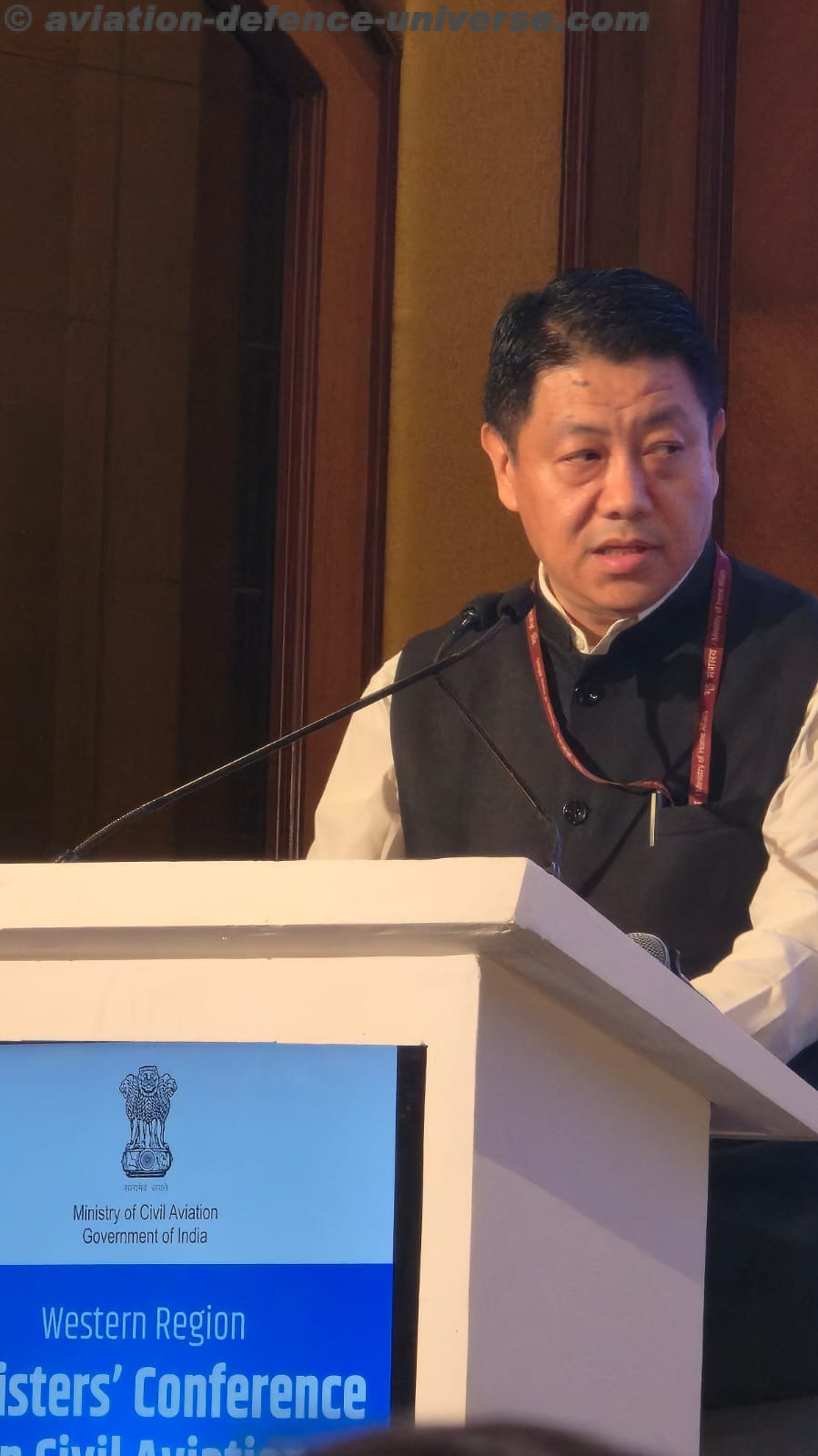 Asangba Chuba Ao, Joint Secretary, Ministry of Civil Aviation, welcomed the jam packed house at Taj Lands End, Mumbai. “ It is a privilege to welcome each one of you to the Western Region Ministers Conference on Civil Aviation in this iconic city of Mumbai. A special welcome to Shri Murlidhar Mohol, Honourable Minister of State for Civil Aviation and Cooperation—our Chief Guest today. His commitment to advancing the aviation sector in such a short time is commendable. We are honoured by the presence of Ministers from Gujarat, Goa, Maharashtra, and Madhya Pradesh. Their participation underscores the Centre-State synergy vital for unlocking the aviation sector’s full potential. Over 130 industry leaders are with us today—from airlines, airports, OEMs, MROs, FTOs, leasing, and ground handling. This turnout reflects the high expectations and positivity surrounding this conference. Continued government-industry engagement is critical. We’re here not just as representatives, but as partners, shaping the aviation future of this region and our country. This forum comes at a time when aviation faces both immense challenges and boundless opportunities. The convergence of leaders, policymakers, and experts makes this conference both timely and essential. Let us leverage this platform for actionable outcomes, guided by collaboration, innovation, and shared vision. On behalf of the Ministry of Civil Aviation, I welcome you to this path-breaking conference,” he stated while addressing the inaugural session at the conclave.
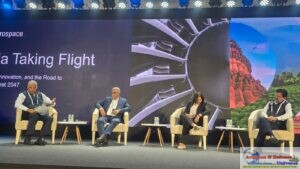
The Western Region Civil Aviation Ministers’ Conference stood out as a pivotal platform for aligning state aspirations with national aviation goals. From unveiling the Vayuyan Adhiniyam to spotlighting UDAN successes, cargo and MRO potential, and aviation skill development, the dialogue reflected India’s readiness to scale new heights. Maharashtra’s robust infrastructure push, Western India’s strategic role, and collaborative policy models were underscored as key to achieving PM Modi’s vision of inclusive air travel. With actionable outcomes and clear commitments from all stakeholders, the conclave set the course for a modern, green, and globally competitive Indian aviation sector.

























































-A4-Size-(2)_page-0001.jpg)