


 18th BRICS Summit











- Leh to Spotlight Indian Unmanned Systems for Army
- To showcase Indian Army’s vision of 2024 as the ‘Year of Technology Absorption
By Sangeeta Saxena
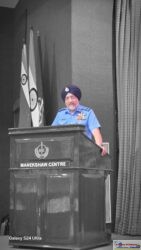
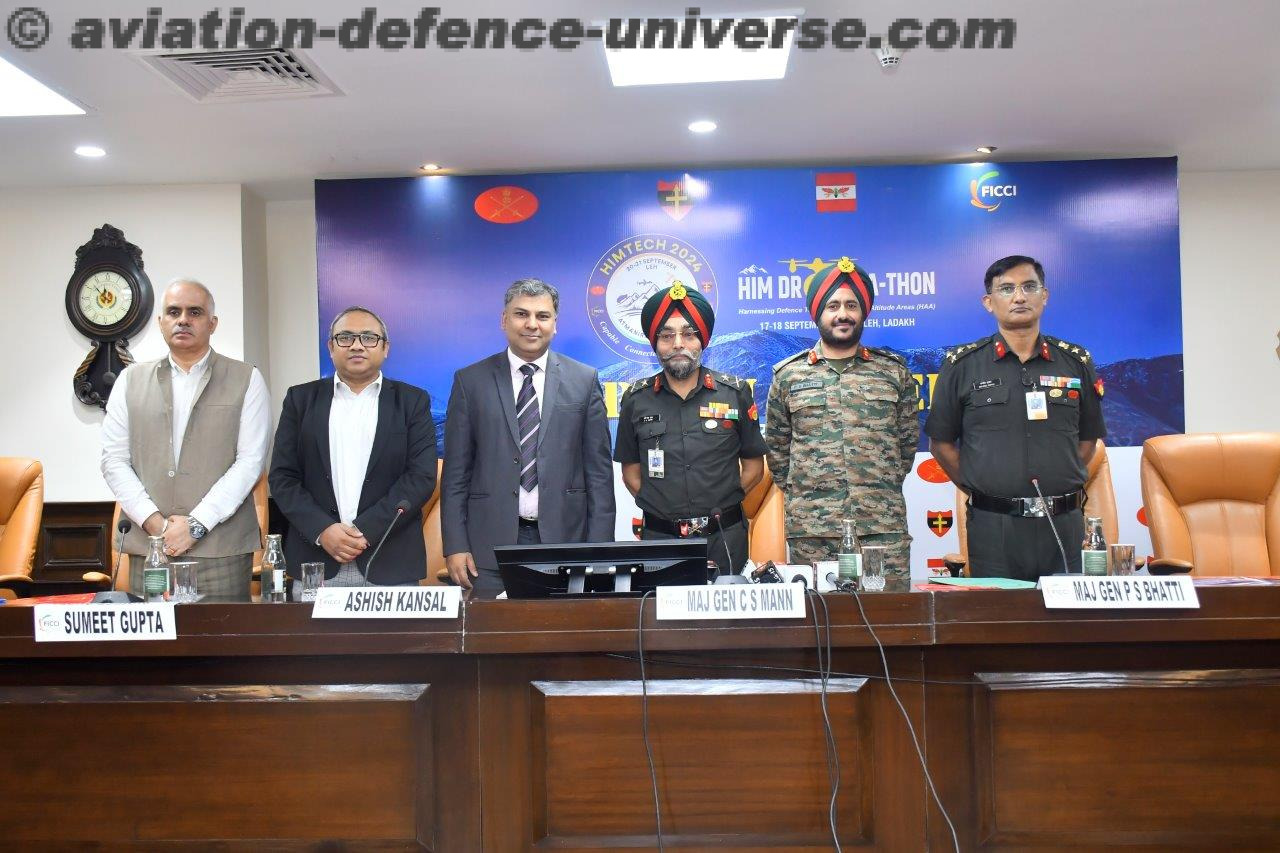
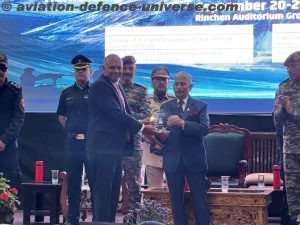
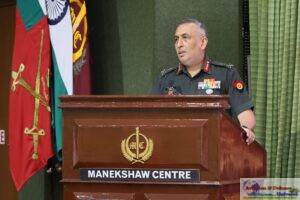
New Delhi. 04 September 2024. In a bid to showcase India’s defence technology capabilities, the Indian Army and the Federation of Indian Chambers of Commerce & Industry (FICCI) are set to host two major events in the high-altitude terrain of Leh, Ladakh—HIMTECH 2024 and HIM-DRONE-A-THON-2. The events, aimed at fostering innovation in indigenous defence technologies, are a vital part of the Indian Army’s vision of 2024 as the ‘Year of Technology Absorption.’ A curtain raiser event held at the Manekshaw Centre in New Delhi on September 4, 2024, unveiled teasers for these significant gatherings, which are expected to draw leading players from the defence, technology, and industrial sectors.
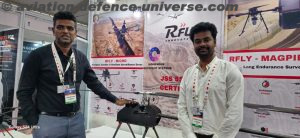
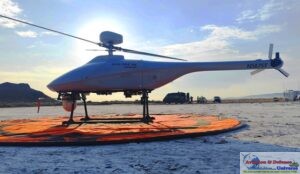
 It put forth Indian Army’s commitment to harnessing technology in the quest to modernise its operational capabilities. These initiatives are set to provide a platform for collaboration between the defence forces, industry, and academia, focusing on solutions for high-altitude military operations. HIM-DRONE-A-THON-2, scheduled for September 17-18, 2024, at Wari La, Ladakh, will spotlight advancements in drone technology, particularly for high-altitude environments. The event will see the participation of over 25 drone manufacturers, each showcasing innovations tailored for extreme conditions. Industry representatives will have a chance to align their offerings with the Army’s future requirements, while the Army evaluates the latest technologies for potential adoption.
Following closely on September 21-22, 2024, HIMTECH 2024 will be held at the Rinchen Auditorium Grounds in Leh. This exhibition will highlight defence technologies developed for high-altitude applications, focusing on green energy, infrastructure durability, waste management, and communication technologies. With over 70 Indian companies set to participate, the event promises to drive significant advancements in indigenous technology while reinforcing India’s defence capabilities.
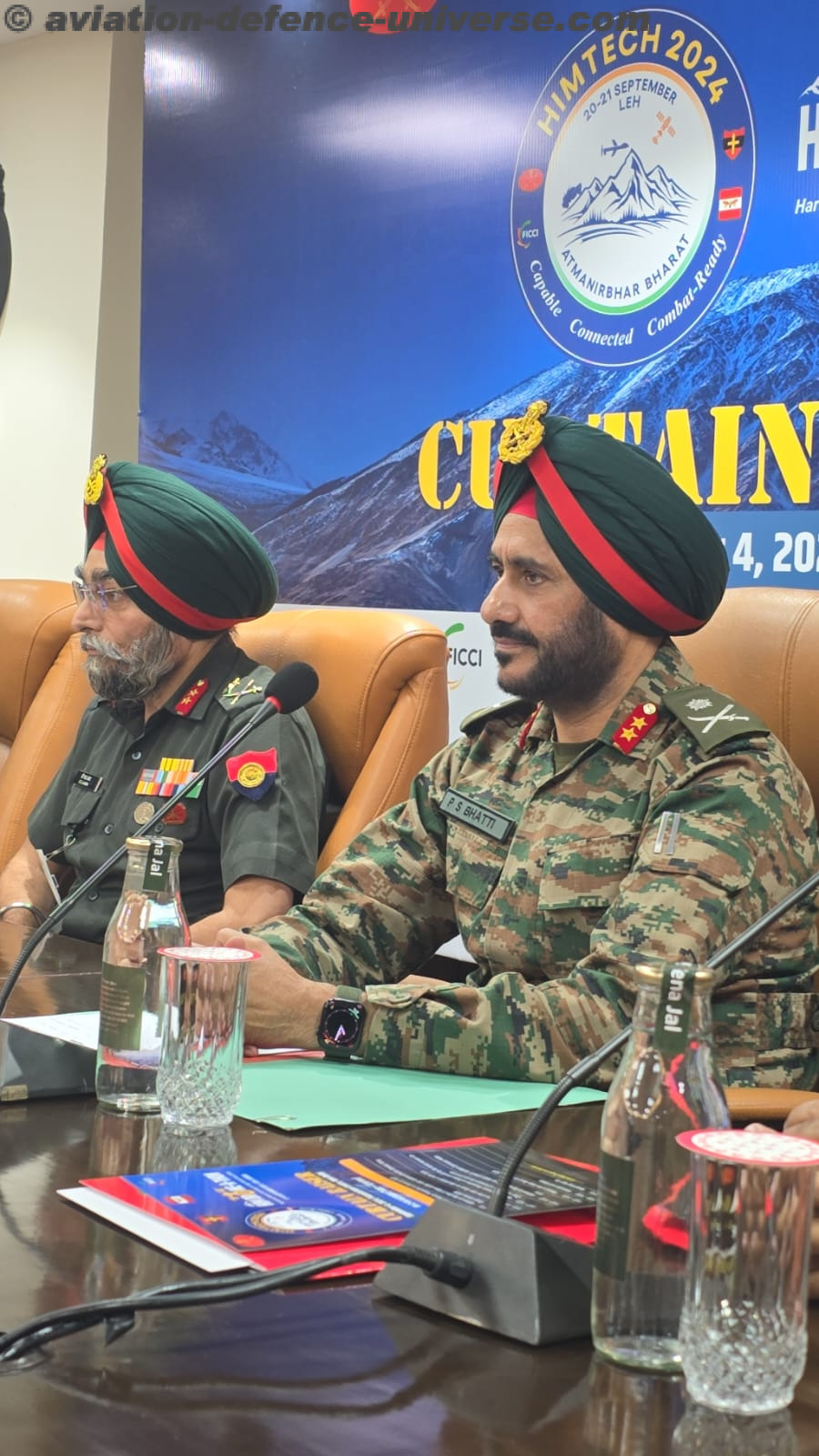 At the curtain-raiser event, Maj Gen C.S. Mann AVSM, VSM, ADG, Army Design Bureau and Maj Gen P.S. Bhatti, MGGS (SD&CD), Northern Command emphasised the importance of adopting advanced indigenous products to enhance the Army’s operational readiness in challenging environments like Ladakh.
“We all are aware that recent and ongoing conflicts have highlighted the importance of drones and rather I will say the indispensability of the drones for any future conflict. And that is primarily because of their transformative impact on the modern military operations. And as warfare evolves, it is evolving towards greater complexity, speed and precision. And for all these aspects, I feel drones offer critical advantages. That is in terms of enhancing the situational awareness and then the strike capability, both in terms of the range or say the depth into the adversary’s territory and the precision as well. Also thus they provide more flexibility in the operational employment. And of course all this gives us a much lower cost option compared to any other weapon systems,” he stated.
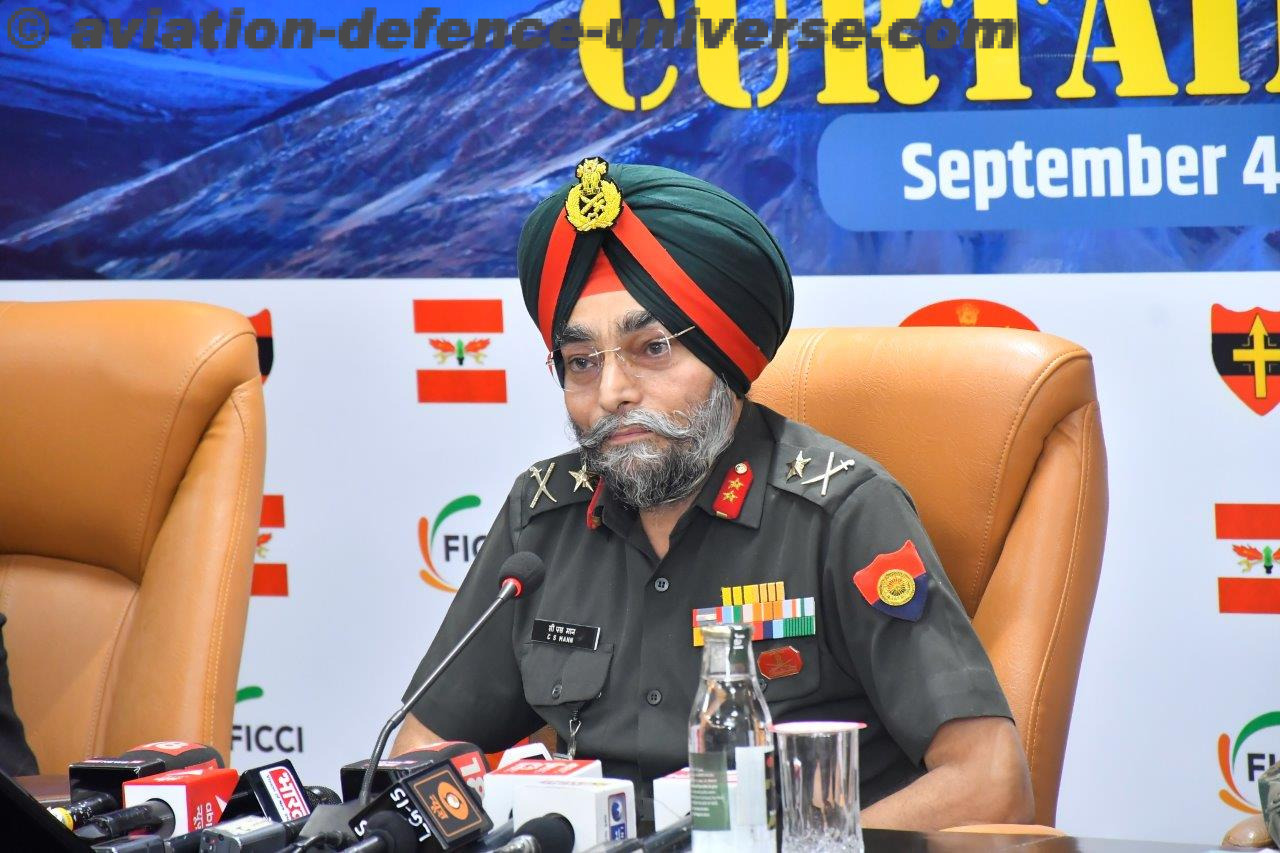 Maj Gen Mann expressed his satisfaction with the domestic industry’s enthusiasm and proactive approach, noting that they have consistently presented multiple solutions across the full spectrum of equipment required. He emphasized that the need for indigenous capability requires no further explanation. He acknowledged that by now, everyone understands the critical importance of Atma Nirbharta (self-reliance) and the significance of indigenous products, especially in light of the recent disruptions in global supply chains caused by ongoing and recent conflicts over the past 2-3 years. Turning his focus to the high-altitude aspect and the event in particular, he highlighted its importance in addressing these challenges.
He added, “ And it is because of these factors that the induction of drones has been one of the major aspects which Indian Army has been pursuing and it is a part of our broader modernization program of Indian Army to basically prepare for the future operations. To have our requisite operational readiness, the kind of agility and the adaptability which is required. And this is applicable across the entire scale of warfare. And of course also for the HADR operations that is Human Assistance and Disaster Relief Operations. So this entire spectrum. So Indian Army has actually procured a wide range of drones in the recent past including the swarm drones also,” he added.
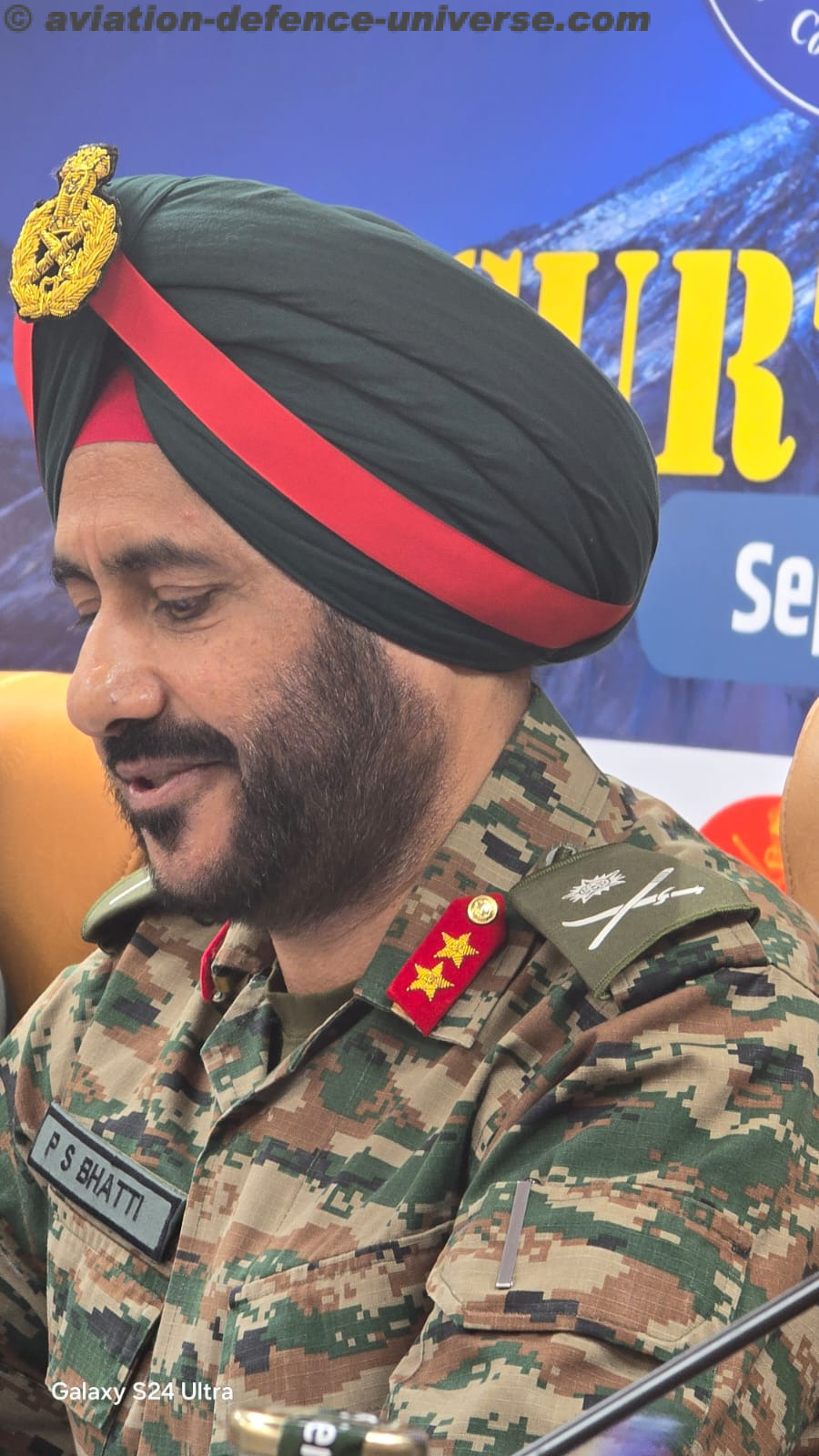 Maj Gen P.S. Bhatti, MGGS (SD&CD), Northern Command, stressed the theme of HIMTECH 2024: ‘Harnessing Military Technology for High Altitude Areas,’ promoting Leh as a hub for defence innovation and a new business destination for technology developers and academic institutions. “ Now high altitude as such is actually something which is peculiar to Indian Army. Because the highest battlefield of the world lies there. And that is why the challenges which are faced by the Indian Army are not faced by anybody else. And these challenges are not only in terms of the geographical challenges but also right from the Icy Siachen Glacier to the rugged mountains the kind of adversities in terms of weather and terrain which our troops have to face are enormous. And it is here that the drones can actually provide a solution to many of those problems which are faced by the troops operating in those high altitude areas,” he stated.
He addressed the specific challenges related to equipment, particularly drones, in high-altitude environments. While drones can easily operate at lower altitudes, taking off from mean sea level or even at heights of 1,000 to 2,000 meters, the scenario changes dramatically at higher altitudes. When a drone needs to take off from around 5,000 meters, the same drone may struggle to even lift off, or it may achieve only minimal altitude. Its endurance and range may also be significantly compromised.
These challenges stem from the terrain and, more critically, the weather conditions in such environments. Low temperatures, often dropping to as much as minus 40 degrees Celsius, coupled with high wind speeds, require greater platform stability. Additionally, icing on the airframe poses further risks. He noted that batteries also discharge much faster in these extreme conditions, negatively impacting the drone’s capability, endurance, and range. As a result, these challenges necessitate specialized and unique solutions tailored to high-altitude operations.
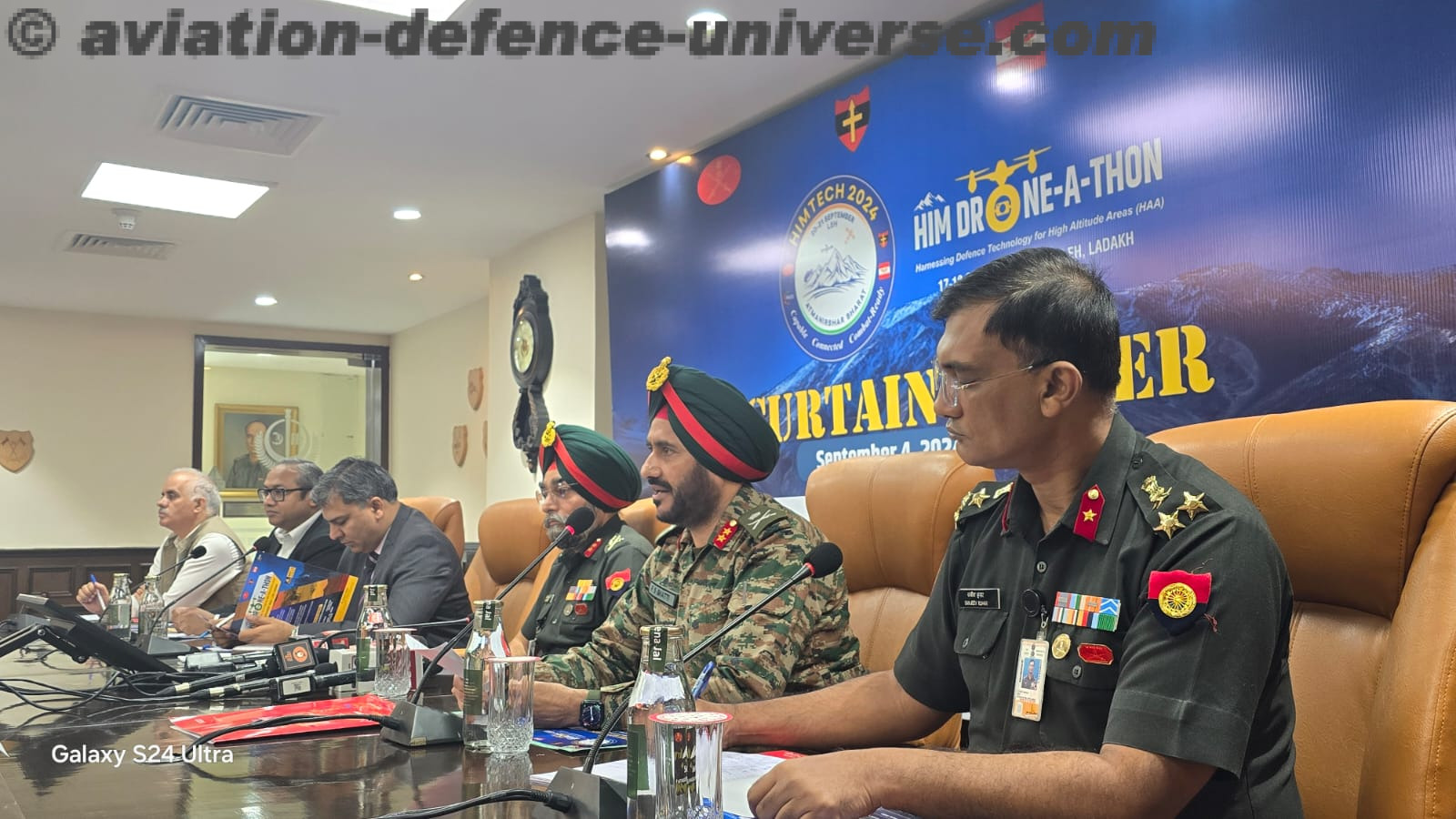 “ So why the need for this kind of event? You see industry has been very forthcoming and we keep receiving multiple offers from the industry wherein they want to demonstrate their equipment in terms of NCNC. That’s No Cost No Commitment Demonstrations. Now by doing it individually for every industry, is of course quite effort intensive. And apart from that it does not give us a holistic assessment of the industry’s capability. So that’s the reason we thought that let’s have one event as such wherein we try to get maximum possible industry. And also from the Indian Army side, the troops who are operating in those kind of terrains, not only why this event is going to take place at one location, but we will have participation from the all other commands also. And the other directors who are dealing with this, specifically with the procurement of this kind of equipment, will also be there. Let’s get all of them together so that we synergize the entire effort and are able to get a holistic capability assessment to what is available to the industry. So keeping that in mind, the event is going to be held on the 17th and 18th of September,” Maj Gen Bhatti added.
He highlighted the benefits for the industry participants, emphasizing that the event would offer a valuable opportunity for them to internally evaluate how well their products perform compared to their design capabilities. Additionally, it would provide an important chance for the industry to experience the terrain and weather conditions firsthand. This exposure would help ensure that, in the future, when designing equipment, they can account for these challenging factors and tailor their products accordingly.
“Near Leh, in fact Wari La to be very specific is the venue. And that’s at an altitude of about 15,200 feet from where the equipment is expected to take off and operate for the desire or for the intended goals. And we really expect this time maximum possible participation. In fact we have already received about more than 25 confirmations from the industry so far and we are expecting many more. And I think now that we have launched that special incentive being given to the startups, I am sure that some more startups will join us for this event. And we are looking at five different categories of drones here. That is surveillance drones, swarm drones, loitering munition, logistic drones, first person view drones and say drones with all kinds of payloads, maybe in terms of synthetic capacitor radar, in terms of electronic warfare equipment, in terms of communication equipment or in terms of electronic intelligence. And what is the outcome you are expecting from this kind of event? The outcome is that actually it’s I will say a collaborative learning. It is both for the industry as well as for the Indian Army,” he informed.
 He stated that as far as Indian Army is concerned, it will get an assessment of what is the kind of capability existing in the industry as of today. And because of this awareness, it may be able to identify that the kind of equipment is actually suitable for procurement. Maybe immediately by utilizing the various sources, not only the central procurement, as a capital procurement, but also through Army Commander Special Financial Powers because some of the equipment may be specific to a particular area and the terrain or a kind of operation.
“And also it will give us a good indication of what are the gaps against what we desire which is not there in the industry as of today. So that will facilitate us then to accordingly look at and identify and initiate some of the R&D or the D&D projects under various categories of maybe IDEX, MAG, or say through the Technology Development Fund and through our own Army Technology Board also. And also having experienced equipment over there, if you are going in for the procurement, it also gives us a very good fair idea of formulating our operational requirements or the qualitative requirements for the equipment so that the requirements are framed in a manner that they are meeting our operational requirement and they are available within the industry, drawing a balance between the two. And also for the industry, because once you operate it over there, that is where the troops on ground will be able to suggest various modifications to the equipment and also in terms of the product improvements by virtue of which the equipment may be rather more acceptable or more applicable for the kind of employment we are looking at. So with this, I will request that since we are doing this event in collaboration with FICCI, they expect a maximum amount of industry participation in this. And please come forward, showcase your equipment, give us an opportunity to assess and examine as to what is available in the industry so that it facilitates us in meeting our capability development requirements at the earliest. And lastly, it is not only industry, because when we go around to the academia, we find that there are many talented people in the academia also. So by virtue of this event, I would even urge the academia also to participate to the maximum extent possible so that your R&D efforts can also actually fructify into the products,” he said.
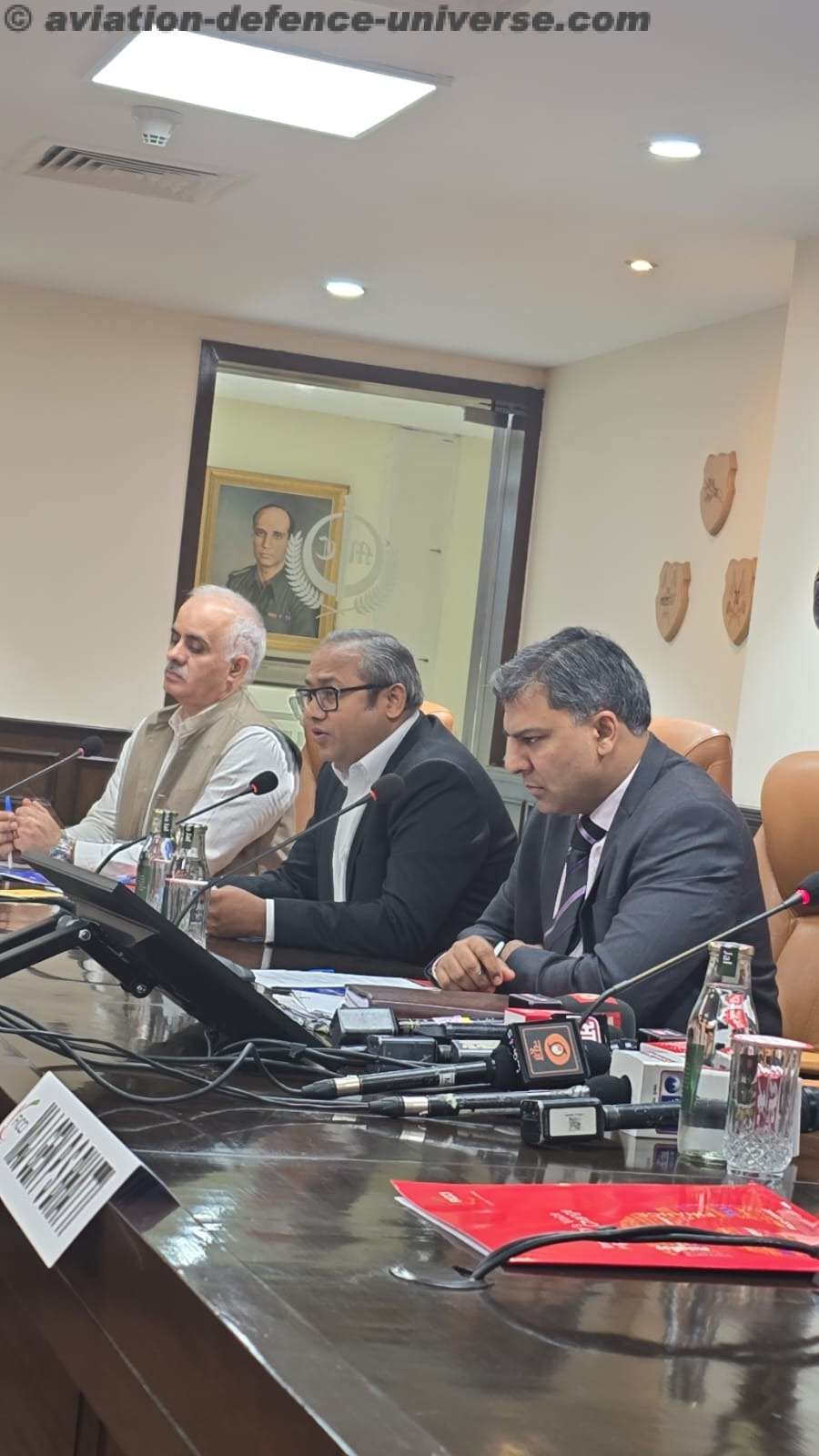 Representing FICCI as Co-Chair Defence CMD SMPP, Ashish Kansal, underscored the opportunities HIMTECH 2024 presents for Indian industries, particularly in fostering partnerships with the armed forces. He also highlighted the potential of these collaborations to increase export opportunities for Indian-made defence products. This event not just allows the industry to showcase what the industry is capable of, but it is very critical, very crucial in terms of making the army aware of what is available and then allowing the army to procure such equipment and further strengthening our borders.
“We have spoken about drones. Let me also inform you that alongside we will have an exhibition called Himtech which will showcase equipment other than drones also which are very suitable for the Indian Armed Forces at such high-tech attitudes and again the industry will be putting all its efforts to put across the best-in-class equipment for our armed forces. As many of you know, Himalayas is one of the most formidable natural strategic defences which safeguard the Indian frontiers in the north. We have not only the best manufacturers but also some of the best technological minds of India coming there to showcase what the industry can cater. I am also thankful to the Indian Army for providing this opportunity to the industry which does not come so easy. It is an opportunity where we have an access to the customer, where we can actually showcase the equipment to the real customer, get his views, not just stand a chance of procurement but a chance to learn what is lacking and a chance to learn what is required to be done more or what else is the user challenge which an innovative mind can work upon. So these problem statements is what the engineering minds, the innovative minds look for,” he stressed.
He emphasized that HIMTECH would serve as a vital platform for showcasing the ingenuity, reliability, and cost-effectiveness of Indian products. He expressed confidence that these products would surpass those offered by counterparts from other countries. He also acknowledged the significant role of the Northern Command, noting that their support provided the industry with valuable business-to-government interactions. Although companies are presenting their equipment on a No Cost, No Commitment (NCNC) basis, he observed that, in practice, the industry views this as more than just a demonstration. He hinted at the potential for procurement orders, which are essential for the survival and growth of the industry, and ultimately, an opportunity to serve the Indian armed forces.
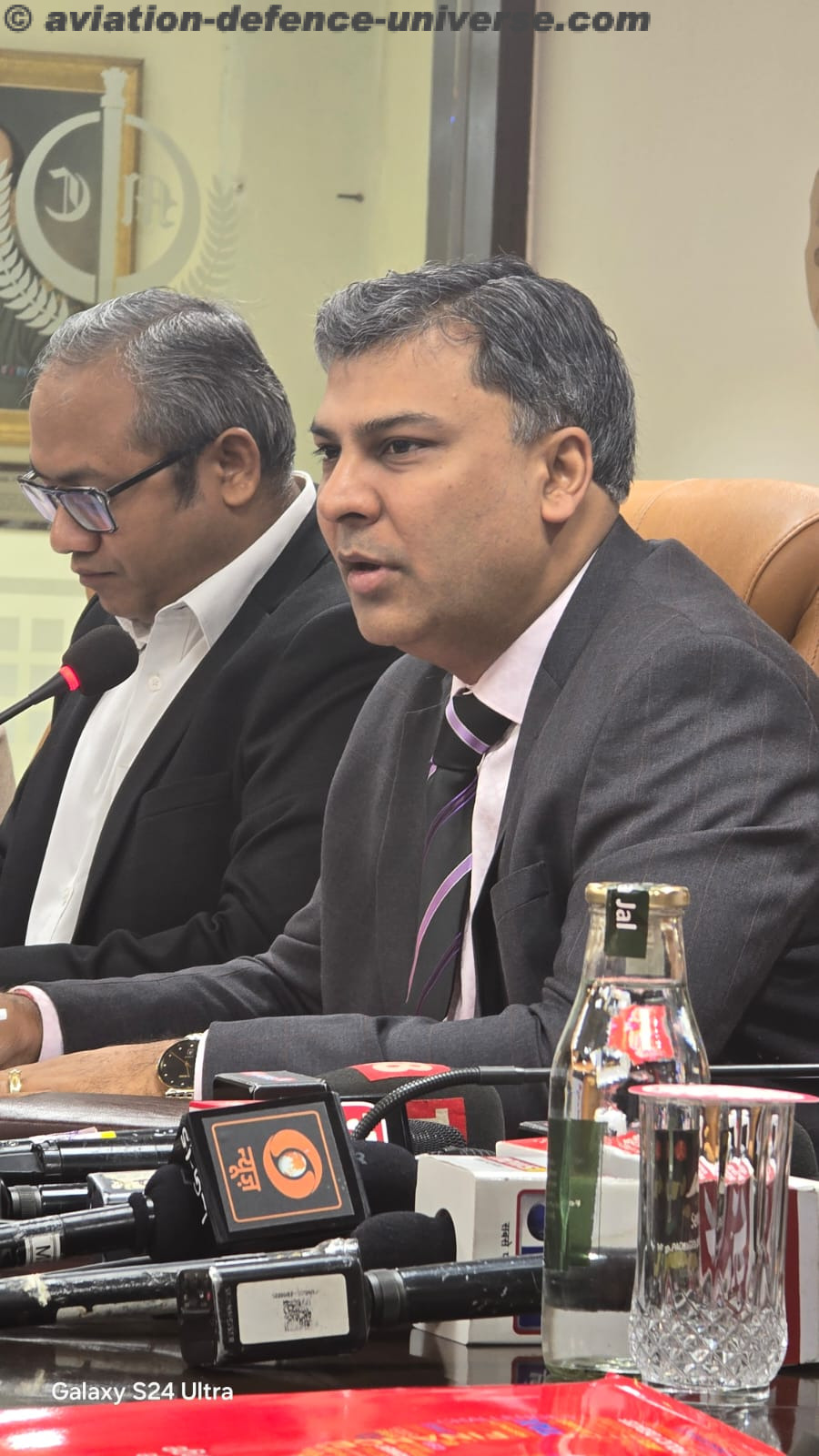 “And this is one event where we not just get to learn this, we get to experience this also first hand. The exhibition aims to highlight the technologies which may have been sitting in rooms of R&D centres, the technologies which may have been sitting in the rooms of academia centres or with an industry as a small project but which may be of high significance in an operational requirement. So this event allows the industry, the academia, the startups, everyone to come out open and showcase these technologies to every important decision maker at one place. So it’s a golden, I would say it’s a platinum opportunity which allows all sides to be at one place and get some logical conclusions out of this. The diverse areas which the industry plans to present will focus on green energy, human sustainability, equipment sustenance, infrastructure, waste disposal and combination technology system. I am confident that these participating industries will play a crucial role in advancing the technology and sustainability of our armed forces and the special high altitude operations,” he added.
Drones have emerged as game-changers in modern military operations, offering unparalleled advantages in surveillance, precision strikes, and logistical support. As unmanned aerial systems (UAS), drones provide real-time intelligence and strike capabilities, significantly reducing the risk to human life. Their versatility allows them to be deployed in challenging terrains and extreme weather conditions, making them invaluable for border surveillance, reconnaissance, and high-altitude operations. For many armies worldwide, drones have shifted the balance of power by enabling them to carry out missions with precision, agility, and minimal resources, marking a new era in warfare where technology dominates the battlefield.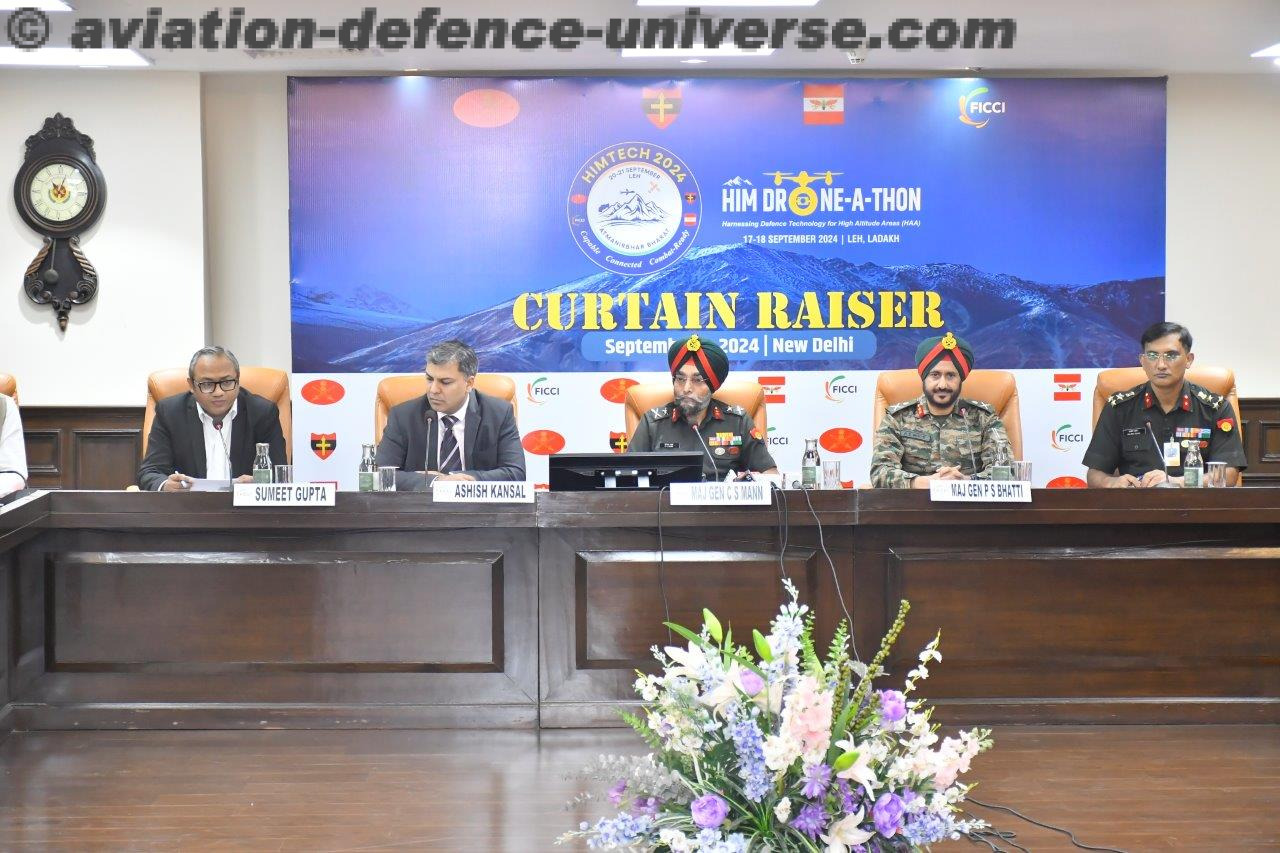





































































-A4-Size-(2)_page-0001.jpg)