













- Indian Women in Aerospace Leadership: Breaking Barriers
- From IIT to Embraer Leadership: Women, Wings and the Future
By Sangeeta Saxena
New Delhi. 21 March 2026. The aviation industry has seen increasing participation from women across roles—from pilots and engineers to leadership positions. However, operational and decision-making roles still remain male-dominated. Leaders like Adity Shekhar represent a new generation of professionals who are not only breaking barriers but also reshaping industry narratives. Their presence highlights the importance of diversity in decision-making, innovation and organisational growth.
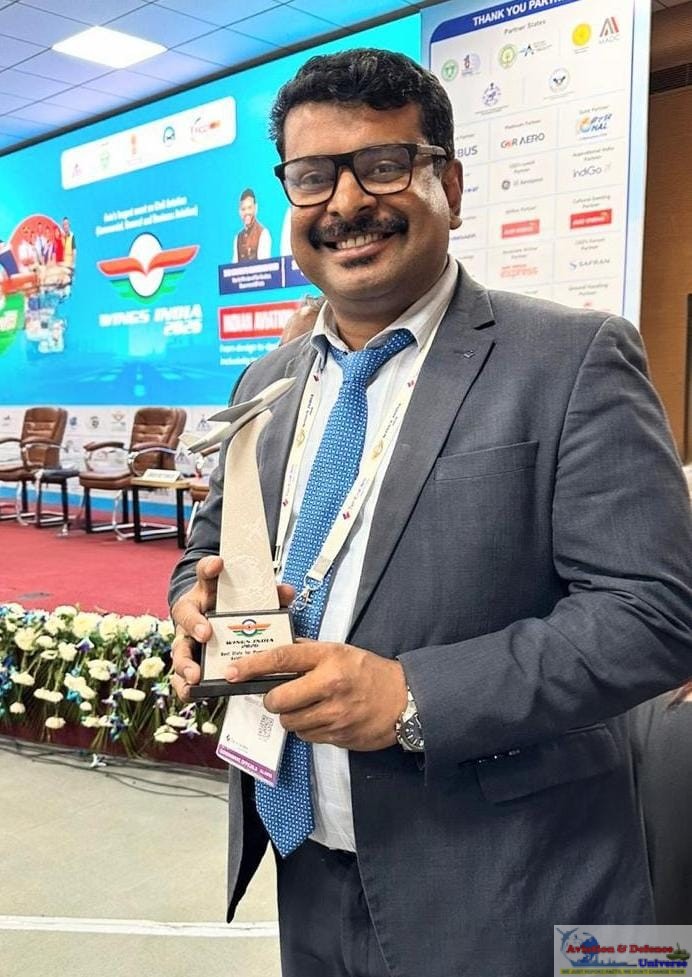
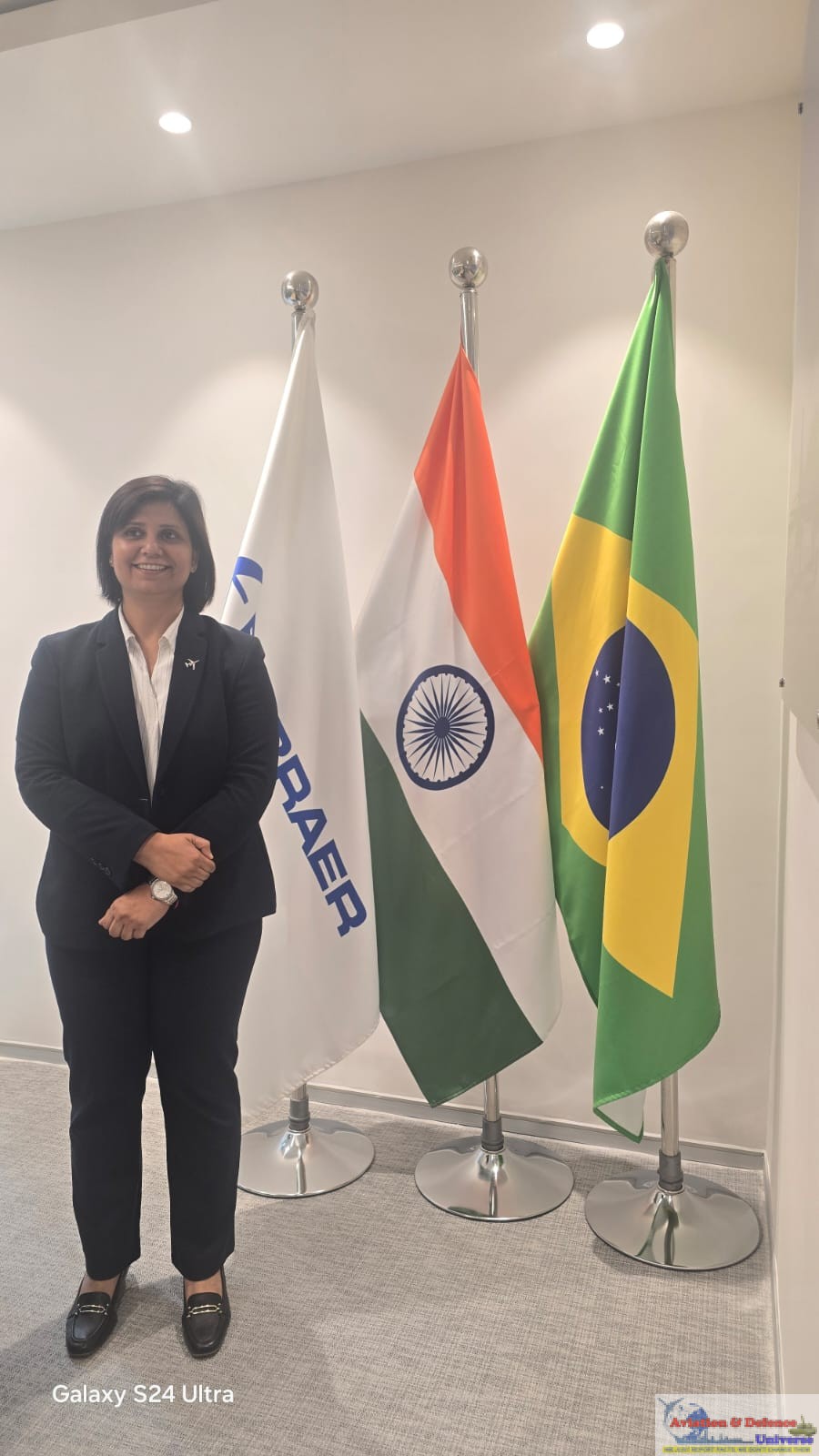
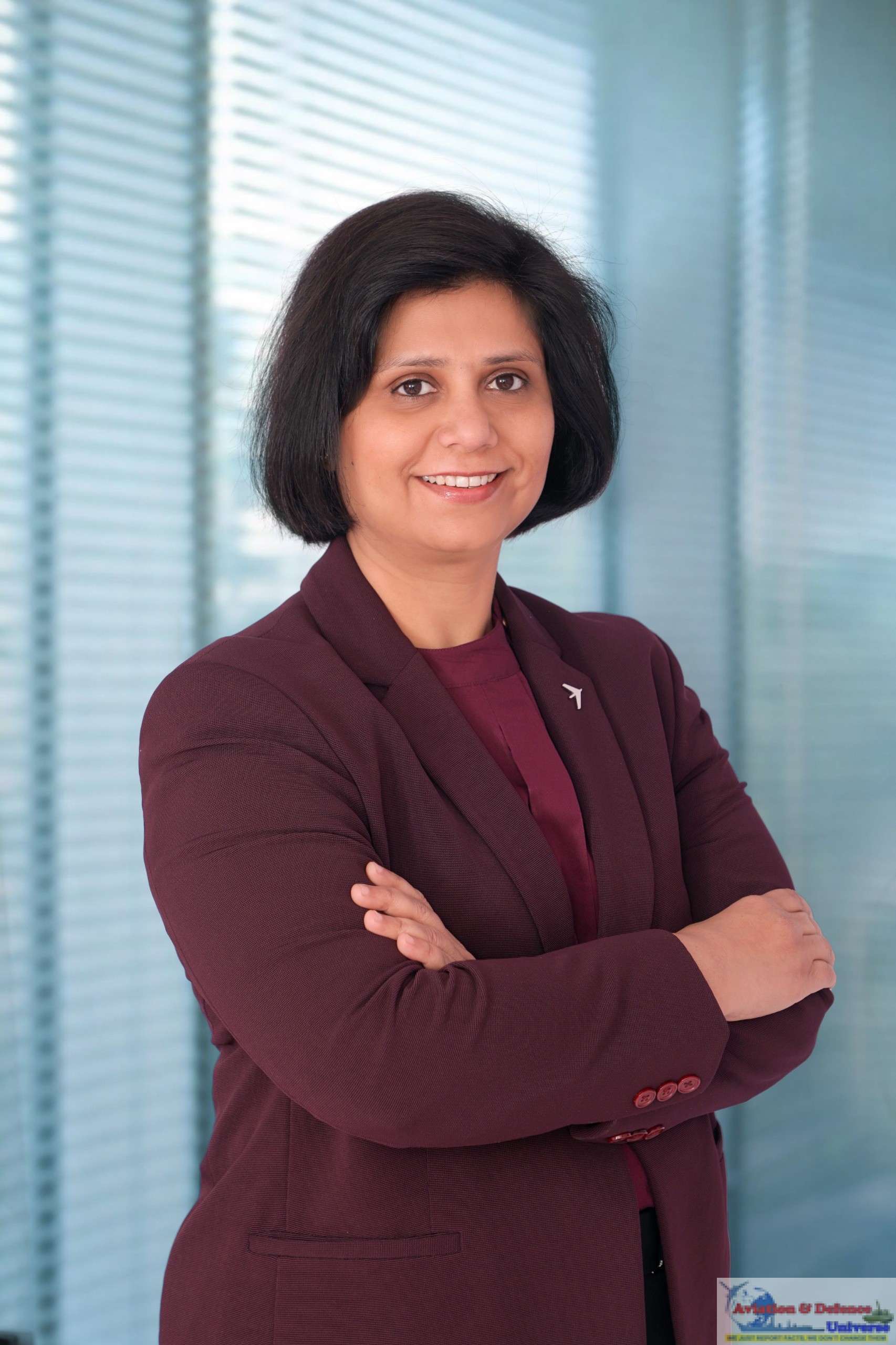
In an industry traditionally dominated by men, Adity Shekhar, Regional Vice President – Sales and Board Director at Embraer India, represents a powerful shift in leadership, capability and perspective. With a career spanning engineering design at GE Aerospace to strategic leadership in global aviation markets, her journey reflects both technical depth and commercial acumen.
At a time when India’s aviation sector is entering a new phase of expansion—driven by regional connectivity, manufacturing ambitions and policy support—leaders like Adity are shaping not just business outcomes, but the broader ecosystem.
In this exclusive conversation with ADU, she shares insights on her journey from engineering to leadership, Embraer’s vision for India, and the evolving role of women in aviation and aerospace.
ADU. Since we are meeting during Women’s Month, it is particularly meaningful to speak with a woman working in operations—an area where representation is still limited. Let’s begin with your background.
 Adity Shekhar. Going back to the beginning, when I was an engineering student, I was very passionate about engines and mechanical components. That interest led me to pursue mechanical engineering. I also completed my master’s from IIT Delhi in mechanical engineering design.
After that, I joined GE Aerospace in Bangalore, my first job, where I worked as a design engineer on the LEAP engine. I was also part of the Engineering Leadership Program, which helped me gain a high-level understanding of engine design rather than focusing on just one component.
After about four years in that role, I felt I could contribute more by helping sell the product and understanding how to communicate its value proposition to customers. With that in mind, I pursued an MBA in Germany, focusing on technology and sustainability—areas I was deeply passionate about. Eventually, I returned to GE Aerospace and joined the sales and marketing division, working with major Indian airlines such as IndiGo, Air India, and Vistara.
After a fulfilling 17 years with GE Aerospace, I joined Embraer. I’ve now been here for almost two years, heading Commercial Aviation Sales and Marketing for India and the region.
My passion has always been aviation. Aerospace is a field that grows on you immediately, and once it does, you can’t imagine doing anything else. There is always more to learn—you could spend a lifetime and still know only 1% of the entire field because it is so vast, complex, and engaging. Even after 17 years, I still feel like a curious young engineer, going through an induction program and eager to learn more.
ADU. So now that you’ve been at Embraer for two years, how has the experience been? What are your roles and responsibilities, and are you also looking at markets beyond India?
 Adity Shekhar. I chose this role at Embraer because it allowed me to evolve and view aerospace from a broader, more holistic perspective, looking at the entire aircraft and the overall market. The engine is just one part of the aircraft; there is an entire ecosystem that sustains both the aircraft and the industry. This role pushed me out of the comfort zone I’d been in for 17 years. It has allowed me to learn rapidly and contribute to aircraft sales in a much more accelerated way.
There is an entire support ecosystem, a policy framework, and a set of regulatory norms to navigate, and working together with teams within and outside Embraer across all these aspects is truly exciting.
ADU. And what makes Embraer stand out for you?
Adity Shekhar. When you look at Embraer’s portfolio, it is remarkable for a “young” 56 year old organisation. In these 56 years, we have designed more than 50 different aircraft types. It truly reflects an engineering driven company that builds the best possible products in whichever segment it operates.
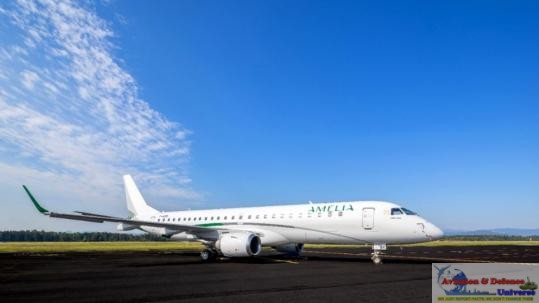
Embraer specialises in the regional aviation space. Initially, the company produced 30, 40 and 50 seater aircraft. Today, we manufacture aircraft with 75 to 88 seats, and on the other end of the spectrum, we have the largest aircraft in the small narrow body segment, the E2 195, which seats 146 passengers.
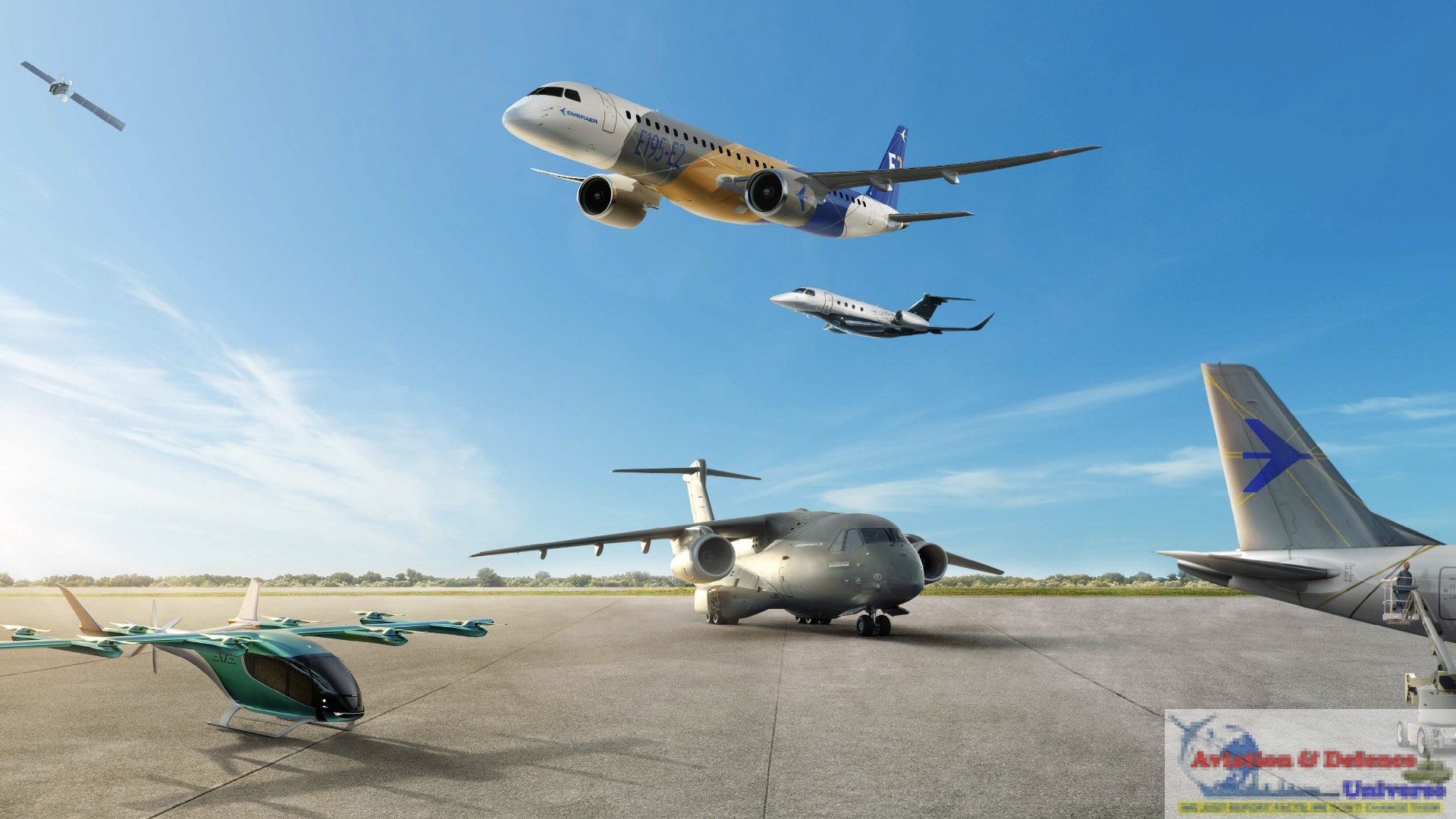 When I look at our products, each one has been designed with a clear philosophy and a mindset of solving customer problems. In regional aviation, you need reliability, fuel efficiency and passenger comfort. All of these are embedded into our aircraft—with zero compromise on comfort.
ADU. Can you share an example of how Embraer aircraft are performing in India?
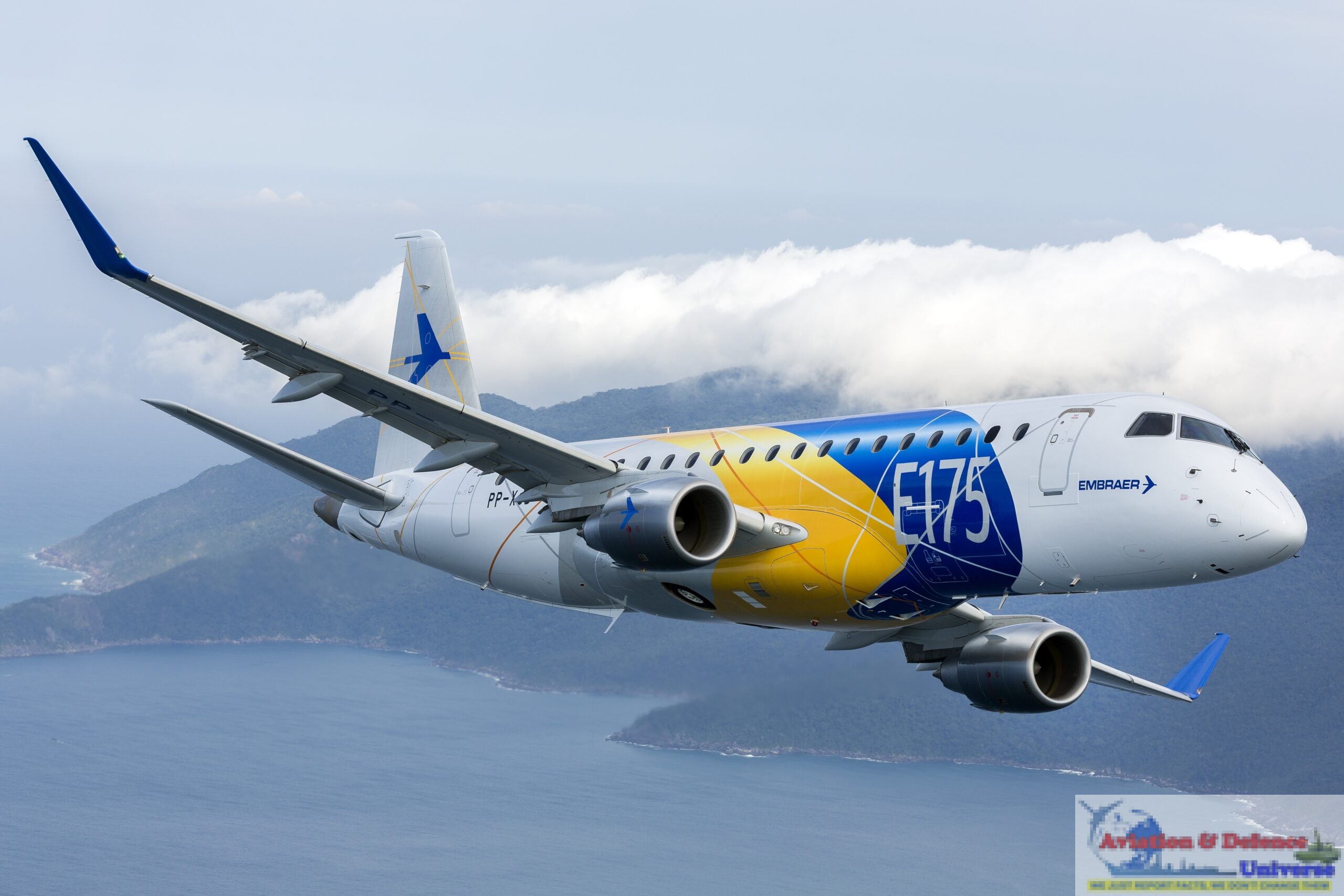
Adity Shekhar. Take the E175, which Star Air operates. Their passenger comfort, reliability and performance have been exceptional—so much so that their reliability is higher than the global average.
ADU. How do you see India’s aviation market evolving?
Adity Shekhar. I view Indian aviation in phases of growth. Around 2016, we saw the narrow body growth wave with major fleet orders from airlines such as IndiGo and Vistara. Then the launch of UDAN opened more Tier 2 and Tier 3 connections.
But, only about 11% of Indians have flown so far, which means there is still significant growth potential. After the narrow body wave came the wide body wave as India built its international hub status. Now, the focus is on strengthening regional connectivity—Tier 2 to Tier 3 and Tier 3 to Tier 1.
This is where Embraer plays a major role. We’ve built such ecosystems before, in USA for example, and India is primed for it now. I am grateful for Embraer management’s vision to support this growth opportunity, including the mandate to lead the effort to bring the Final Assembly Line (FAL) to India.
ADU. Could you tell us more about the Final Assembly Line (FAL) project in India.
 Adity Shekhar. We recently signed an MoU with Adani Defense & Aerospace to bring the E175 FAL to India. The E175 is a proven regional aircraft – and uniquely suited for India’s Regional Transport Aircraft needs. We see demand for more than 500 aircraft over the next 20 years. This also aligns with India’s national vision under Atmanirbhar Bharat: building capability, know how, and Make in India. I must acknowledge the support we have received from India’s Ministry of Civil Aviation, including the Minister of Civil Aviation Mr. K RamMohan Naidu and Secretary of MoCA Mr. Samir Sinha. Embraer will be the first commercial aircraft manufacturer to bring a full FAL to India. Beyond assembly, the FAL will bring technology transfer, it will build capability and prepare India to perhaps eventually design aircraft domestically in the future.
We are also expanding our supply chain. With new team members in Delhi and Bengaluru, we’re exploring how Indian manufacturing can support FALs not just in India but across our global operations.
ADU. Besides India, do you oversee other markets?
 Adity Shekhar. Yes, Sri Lanka, Nepal and Bhutan. I believe, these markets will closely follow India’s aviation trajectory, and I am confident of our prospects in these markets. India and Brazil also share a warm relationship and are part of the Global South. The rapport between our leaders, including President Lula’s recent visit, will continue to expand opportunities here at home.
ADU. Since it’s Women’s Month, what is Embraer doing to support women in the workforce?
Adity Shekhar. Embraer has been a UN Global Compact signatory since 2008, reinforcing our long-standing commitment to diversity and equity. We invest intentionally in advancing women, ensuring stronger representation in leadership roles across the company.
Creating an environment where women thrive drives innovation, strengthens collaboration, and supports a more sustainable workplace. Diverse teams perform better—bringing together different perspectives and communication styles leads to stronger decisions and more innovation.
Since 2021, we’ve accelerated our efforts to promote gender equity, including setting targets to increase the number of women in our workforce, senior leadership, and the Engineering Specialization Program. We are investing in continuous development and supporting women’s progression in strategic positions.
We are also encouraging girls and young women to explore STEM careers through our social impact programs—helping build the next generation of aerospace talent.
At Embraer, we have programs like EMpower Women, a flagship internal program focused on developing women across Embraer. It offers leadership‑led mentoring, structured support networks, and platforms for sharing professional experiences—helping strengthen the pipeline of future female leaders.
 Girls in STEM is a hands‑on engagement program for school‑age girls that includes workshops, lectures, and visits to Embraer facilities. It aims to spark early interest in science and engineering, breaking stereotypes and encouraging girls to explore careers in traditionally male‑dominated fields. Our Diversity Academy is a learning platform to strengthen understanding of diversity and inclusion across the entire workforce.
As Embraer’s presence in India grows, opportunities will naturally increase, including in leadership roles. Personally, I’ve often been the only woman in the room—whether in classrooms or negotiation tables. It has shaped me and empowered me, and I hope to see more women enter this sector.
ADU. Looking back, do you think mentorship could have helped you earlier in your career?
Adity Shekhar. Absolutely. Mentorship would have made my transition from engineering to commercial roles smoother and less uncertain. It could have provided clarity, reassurance and direction—not just for me, but for many young women hesitant to take the first step because they don’t know where to begin.
Adity Shekhar’s journey reflects the evolving face of the aerospace industry—where technical expertise, strategic thinking and inclusive leadership converge. From designing advanced engines to shaping aviation markets, her career underscores the importance of adaptability and continuous learning in a rapidly changing sector.
 Aerospace engineering continues to be one of the most technically demanding and least gender-balanced fields. Yet, initiatives such as STEM outreach programs, mentorship platforms and corporate diversity strategies are gradually changing this landscape. By encouraging young women to pursue engineering careers and providing structured support systems, companies like Embraer are helping build a future-ready, inclusive aerospace workforce.
As India moves toward becoming a global aviation hub, the convergence of policy support, manufacturing ambitions and regional connectivity will define the next phase of growth. At the same time, the increasing participation of women in aviation and aerospace will play a critical role in shaping a more innovative and balanced industry.
Her story is not just about individual success—it is about the transformation of an industry that is learning to be more inclusive, more ambitious and more future-ready.
As Told To Sangeeta Saxena