












- Elaborates on MDO, Theatre Commands, AI and Gender Integration
- Outlines Roadmap for Multi Domain Ops and Indigenous Platforms”
- Explains how Indigenous Aircraft Are Shaping the Indian Air Force of Tomorrow”
By Sangeeta Saxena
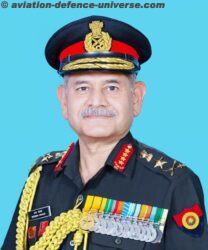
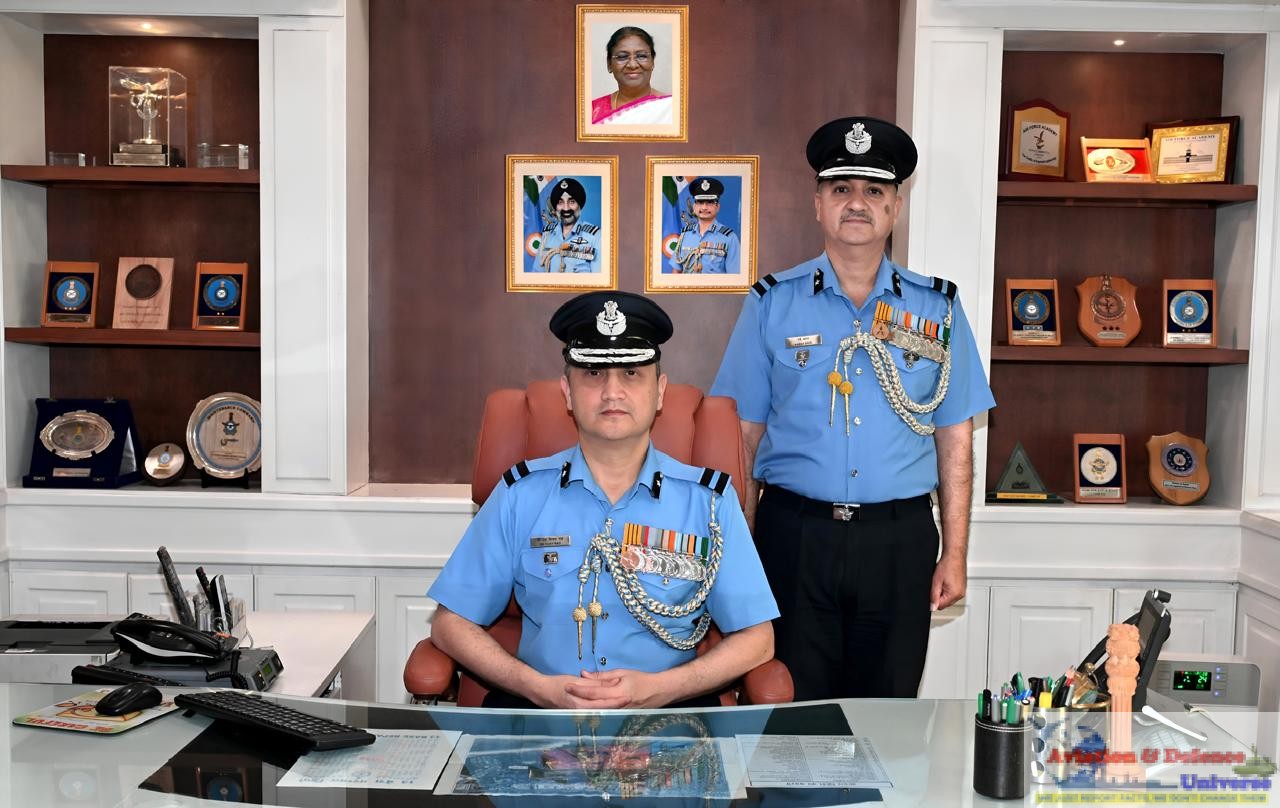
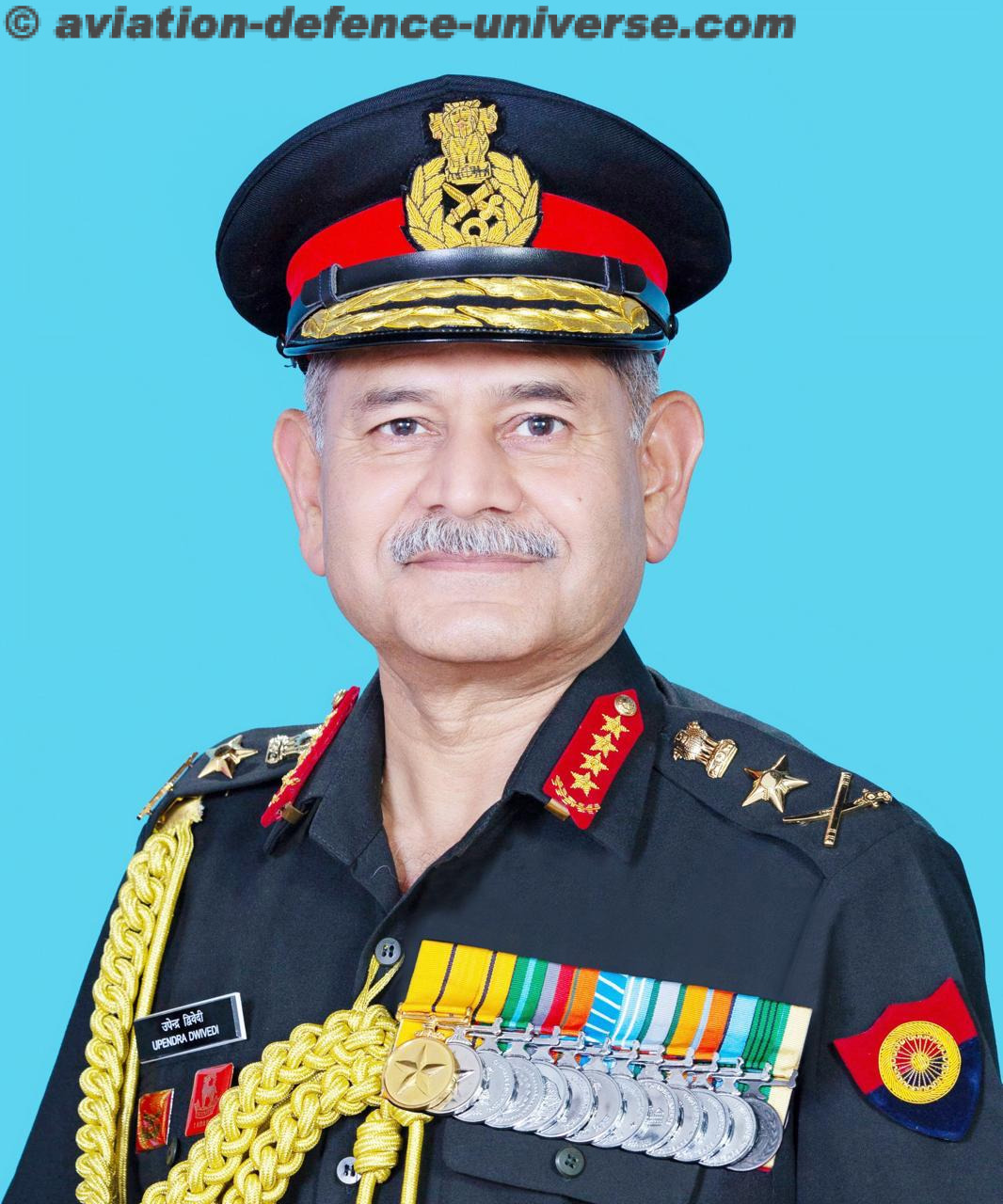
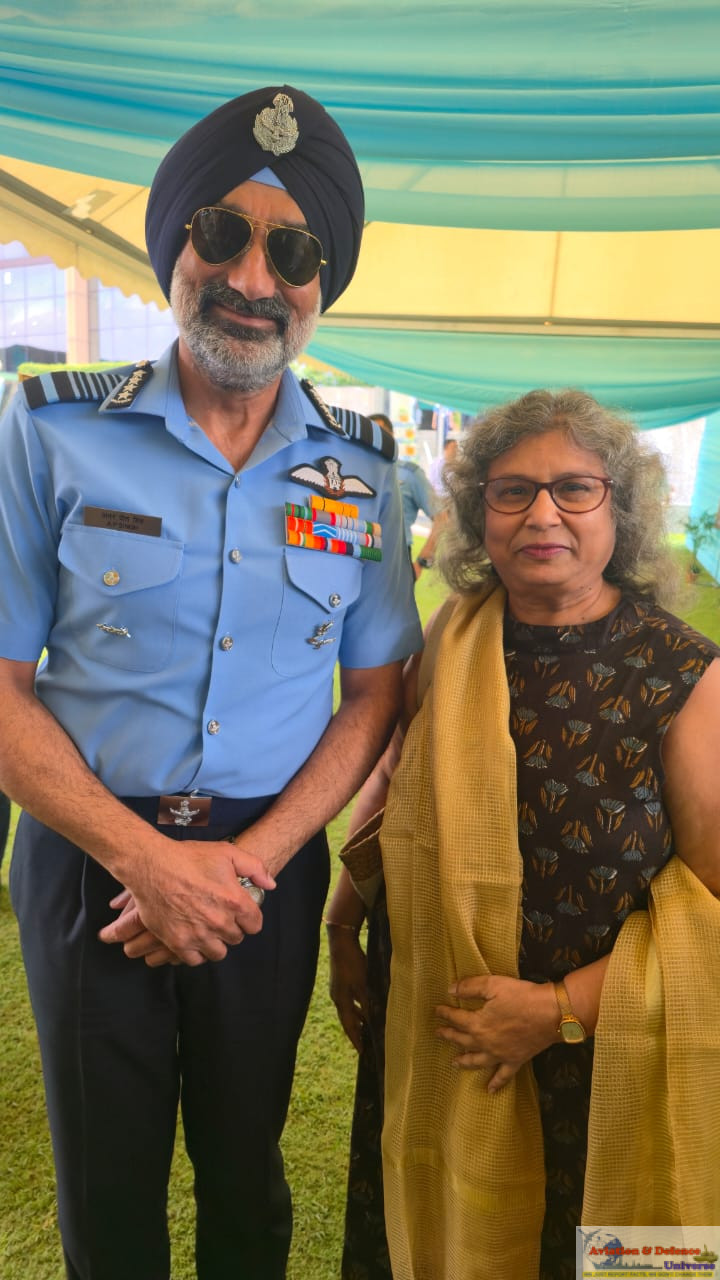
New Delhi. 16 October 2025. As the Indian Air Force celebrates its 93rd anniversary, the Chief of Air Staff, IAF, Air Chief Marshal AP Singh PVSM, AVSM in an exclusive interview with Aviation & Defence Universe (ADU) to commemorate the Airforce Day 2025, spoke of how the service is adapting to a rapidly evolving strategic environment In a wide-ranging interview, he explains the IAF’s concept of multi-domain operations and discusses how a new joint doctrine unveiled in August 2025 formalises cross-domain convergence, citing recent operational examples such as Operation Sindoor. He emphasises that building sustainable MDO capability will require a whole-of-nation approach, rooted in self‑reliance and integration with industry and academia.
 ADU. As the Indian Air Force celebrates its 93rd anniversary, how is the IAF adapting to the demands of multi domain warfare in the current geopolitical climate?
ACM AP Singh. Multi-Domain Operations (MDO) involve the simultaneous execution of operations across multiple domains, converging to achieve a greater cumulative effect, rather than conducting sequential operations in isolation. A joint doctrine on MDO was introduced on August 27, 2025, by Hon’ble Raksha Mantri Shri Rajnath Singh at the Ran Samwad 2025 seminar. So you see, the Indian Armed Forces are already on the right track. But let us delve a little deeper into the concept for a broader understanding.
The Indian Air Force has always been a pioneer in cross-domain operations. From its inception, the IAF has contributed to joint operations across land, maritime and air domains. Its ability to influence multiple domains simultaneously has been demonstrated consistently, including in the 1999 Kargil War, when satellite-based navigation and targeting were effectively leveraged. Nearly 25 years later, we have further demonstrated control over the space domain, successfully employing satellite- guided munitions while countering adversary attempts using similar techniques. The IAF continues to evolve its offensive and defensive capabilities in both the space and cyber domains to address emerging threats.
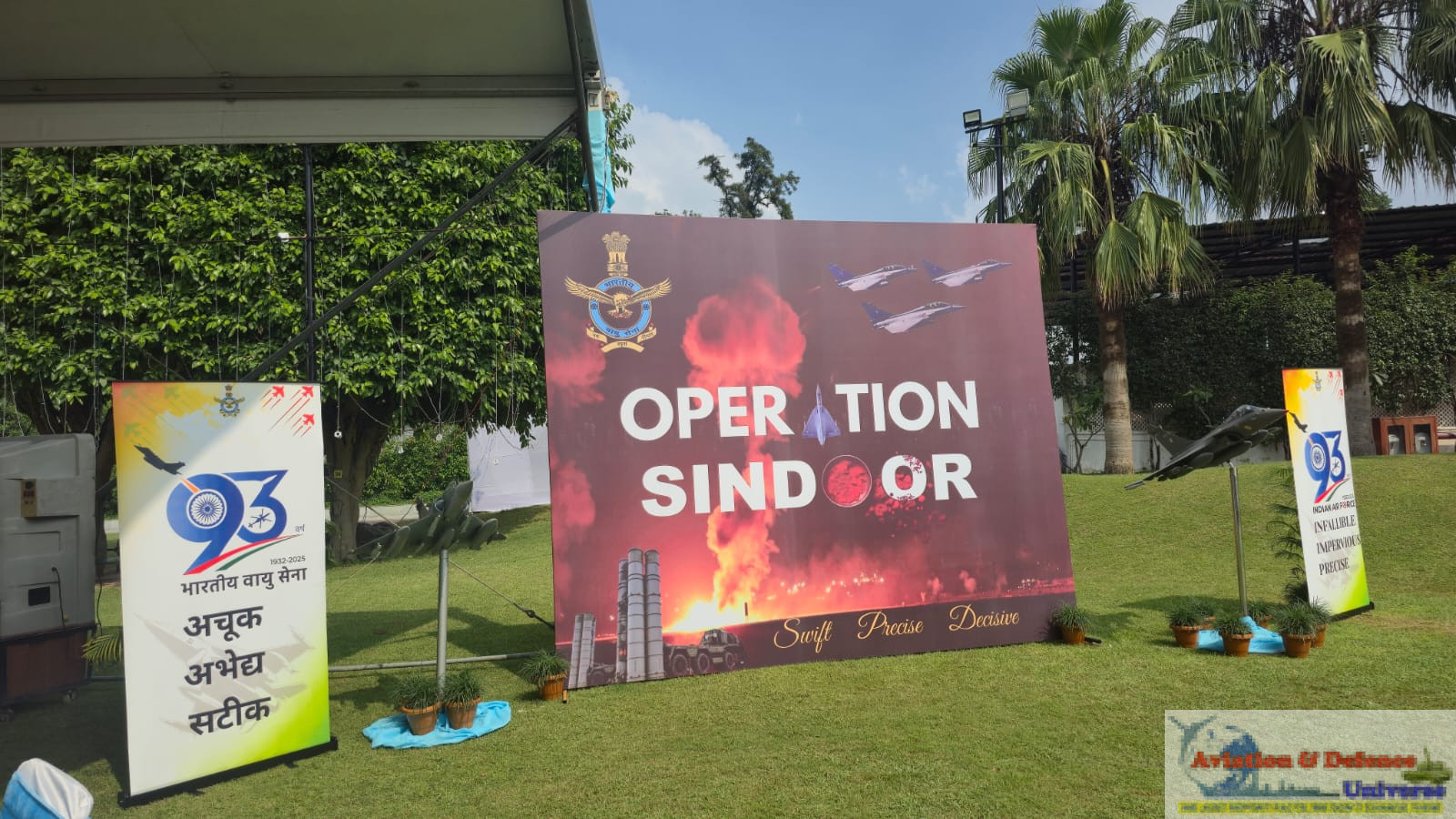 Operation Sindoor is a recent example of India’s capability to conduct true Multi- Domain Operations. Under a joint architecture established by the CDS and the three Service Chiefs, the Army, Navy and Air Force synergised their efforts, creating a unified theatre of operations. Real-time coordination of assets and equipment, supported by the Defence Space Agency and Defence Cyber Agency, enabled centralized allocation and timely reallocation of critical resources, a factor that proved decisive in the operational outcome. In short, we executed simultaneous operations across multiple domains, converging to achieve a greater cumulative effect, rather than conducting sequential operations in isolation – a text book MDO.
Looking ahead, the evolving geopolitical landscape requires us to build sustainable MDO capabilities. Self-reliance is the only viable path to achieve this, and the Armed Forces will require the active support of the nation. To fully harness the potential of Multi-Domain Operations, a Whole-of-Nation approach will be essential, integrating technology, industry and human capital to ensure India remains strategically resilient across all domains.
ADU. How is the IAF aligning its doctrine and operations with the integrated theatre commands and tri services joint-ness agenda?
ACM AP Singh. The proposal of Integrated Theatre Commands is a means to an end, with the ultimate goal being seamless jointness and integration across all domains of operations. In today’s era of multi-domain operations, a whole-of-nation approach is necessary to achieve this goal. The Indian Air Force has long been committed to ensuring jointness and integration across all domains. The IAF doctrine already embodies the principles of jointness and integration, with structures designed to support land or naval campaigns. The doctrine is publicly available online, providing detailed insights into the IAF’s approach. The IAF doctrine is derived from the characteristics of air power, such as flexibility and versatility, as well as the principles of war. The basic tenets of joint-ness are already incorporated into the way the IAF categorizes its missions and develops its capabilities. The IAF doctrine also takes into account the famous doctrinal loop, where combat experience and lessons learned from war inform and refine the doctrine. The recent experience during Operation Sindoor has validated many concepts of the doctrine and any necessary changes will be made accordingly.
ADU. How would you assess the role of indigenous platforms like LCA Tejas Mk-IA, C 295, and upcoming AMCA in shaping the future of IAF?
ACM AP Singh. Indigenous platforms are central to shaping the future operational capabilities of the Indian Air Force, providing both technological edge and strategic autonomy.
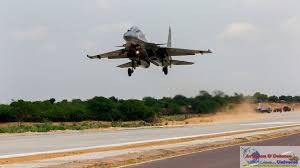
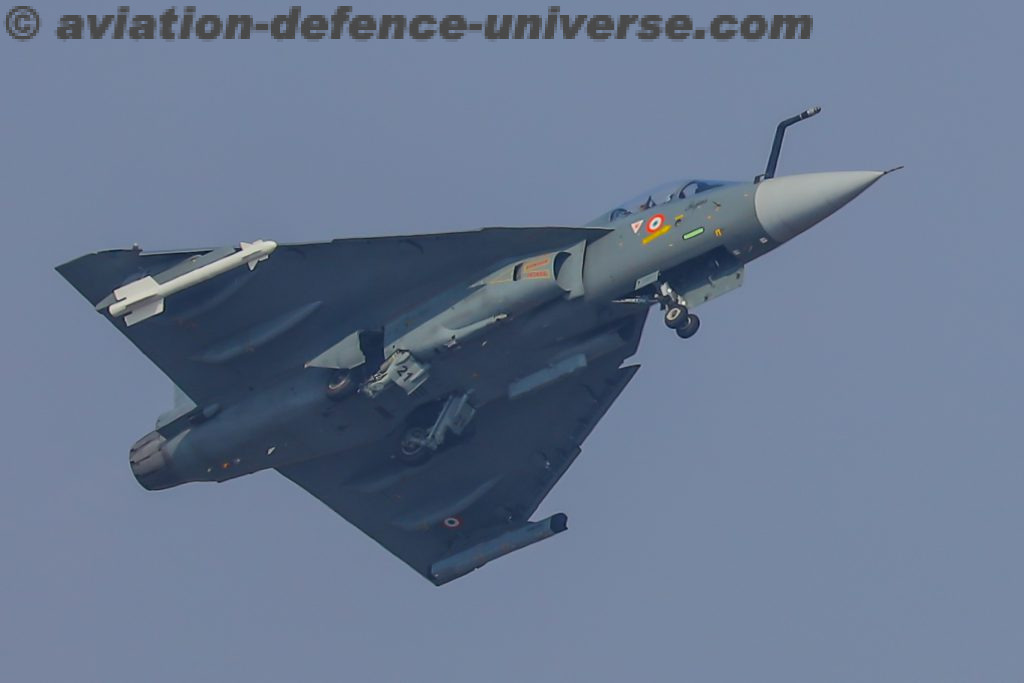 The LCA Tejas Mk-1A is an all-weather, multirole combat aircraft capable of operating in dense and hostile air defence environments. It is designed for prolonged operations under demanding conditions and incorporates a comprehensive Electronic Warfare (EW) suite, advanced radar and air-to-air refuelling capability. Its future upgrades will include integration of Astra Mk-II and BrahMos-NG, enhancing its lethality. The upcoming Tejas Mk-II is being developed around a higher-thrust engine, offering improved performance, maintainability and operational flexibility. Both aircraft feature swing capability, allowing them to undertake multiple roles in a single mission i.e from conventional strike to electronic warfare and deployment of advanced air-to- air and precision-guided munitions or pure Air Defence.
The Advanced Medium Combat Aircraft (AMCA), a fifth-generation indigenous fighter, brings stealth features such as internal weapons bays, supersonic intakes and optimized aircraft shaping. With an advanced sensor suite and compatibility with indigenous weapons, AMCA is designed for multirole operations in networked combat environments with high survivability. Collectively, these platforms will enable the IAF to meet evolving operational requirements across the full spectrum of missions.
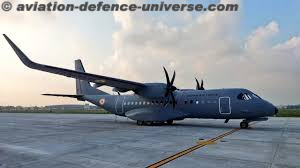
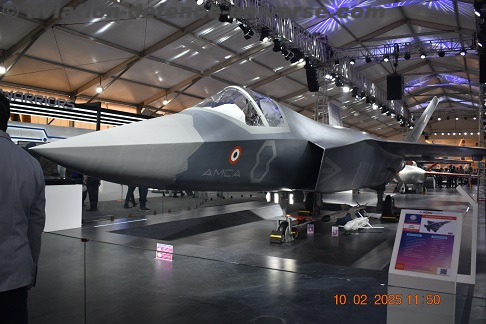 Beyond operational advantages, developing indigenous aircraft reduces dependence on foreign suppliers, promotes self-reliance, and is cost-effective over the long term. You may be aware AMCA is planned to be developed through a model of true public-private partnership. Multiple major private Indian defence companies have shown inclination to join DRDO’s Aeronautical Development Agency (ADA) in this ambitious programme. Imagine the benefits our nation can reap through such endeavours. Additionally, these platforms can be optimised for Indian operational conditions. The C-295 transport aircraft project, led by the Tata Consortium, further strengthens India’s aerospace ecosystem, expanding indigenous manufacturing capabilities and providing a significant boost to the local aviation industry. In essence, indigenous platforms like the LCA, AMCA and C-295 are not just aircraft, they are enablers of strategic autonomy, operational flexibility and long-term capability growth for the IAF.
ADU. With increasing participation in international exercises like Red Flag, Pitch Black, and Tarang Shakti, how do you view the IAF’s role as a global air force?
ACM AP Singh. I firmly believe that the Indian Air Force has a critical role to play as a responsible and reliable partner in the global aviation community. Our participation in international exercises such as Red Flag, Pitch Black and our own Tarang Shakti reflects this commitment and represents an important dimension of our strategic outreach and aerial diplomacy. These interactions serve as powerful instruments of military cooperation, confidence-building and capability development. They reinforce India’s position as a credible and responsible security partner in both regional and global contexts. Today, the IAF is recognised as a formidable air force capable of projecting power and influence beyond our national borders. Our participation in these exercises demonstrates our ability to operate alongside the world’s best air forces, showcasing our tactical ingenuity, professionalism, and seamless interoperability.
 As a global air force, we envision the IAF playing an increasingly significant role in shaping regional security architecture, providing humanitarian assistance and disaster relief and promoting aviation cooperation and capability development. We remain committed to building on our successes and expanding engagement with international partners to address emerging challenges and seize new opportunities.ADU. With growing opportunities for women officers and Agniveervayu women, how is the IAF ensuring gender integration and long term HR planning?
ACM AP Singh. The Indian Air Force has made significant strides in promoting gender equality and ensuring that women have equal opportunities across all roles. Today, women officers are inducted into all combat and non-combat streams without restriction, including Flying and Ground Duty branches. They are considered for command appointments, career-based courses, deputations abroad and operational employment across all theatres, including high-altitude and challenging environments. Women officers also have equal access to adventure activities such as mountaineering (including Everest), para-jumping, and skydiving.
Career progression in the IAF is governed by gender-neutral policies, supported by structured Annual Flight Orders (AFOs) and Human Resource Plans (HRPs). All Short Service Commissioned Officers, regardless of gender, are eligible for Permanent Commission upon meeting the established qualitative requirements, ensuring long- term career opportunities.
Under the Government of India’s Agnipath Scheme, women have also been inducted into the IAF as Agniveer Vayu, marking the first time women have been included in the non-officer cadre. To date, 815 women Agniveers have completed training and are posted across IAF bases, with another 150 currently undergoing training. These initiatives reflect the IAF’s commitment to gender integration, empowerment, and long-term human resource planning, ensuring that talent and capability are harnessed fully, irrespective of gender.
ADU. How is the IAF incorporating artificial intelligence, drone swarms, and space based assets into its operational and planning processes?
ACM AP Singh. The Indian Air Force is actively integrating artificial intelligence (AI), drone swarms and space-based assets into its operational and planning processes, reflecting our commitment to harnessing advanced technologies for future warfare.
 AI is now a core component of our operational doctrine. Our AI-enabled Integrated Air Command and Control System (IACCS) provides real-time guidance for interceptions, predictive analysis of adversary movements and pilot identification. AI is also being used to enhance operational efficiency by forecasting resource requirements, analysing intelligence documents, and streamlining information management. In terms of fleet readiness, AI supports predictive maintenance, reduces downtime and enables non-invasive diagnostics through printed circuit board and drone-based inspections. For pilot training and safety, AI provides personalised feedback, analyses cockpit voice recordings and generates real-time alerts. Furthermore, we are collaborating with academia and industry to develop AI-powered solutions in weather forecasting, sensor fusion and unmanned systems, reinforcing our network-centric warfare capabilities.
Swarm drones are a key element in modernising IAF capabilities. The first swarm flight has been successfully inducted and integrated into operations. In collaboration with HAL, we are developing the Combat Air Teaming System (CATS) for Multi-Domain Operations (MUM-T) and swarm-enabled missions. These drones, equipped with advanced AI for target detection and identification, can operate alongside manned platforms to achieve strategic effects through saturation, deception and coordinated strikes, complementing our conventional airpower.
 The space domain has evolved from a support function to a fundamental enabler of modern operations. Navigation, communications, and precision targeting rely heavily on space-based assets. The Government of India’s approval of the SBS-III program in October 2023, aiming to launch 52 military satellites by 2029 under the Defence Space Agency, is a critical step in ensuring resilient access to these capabilities, even in contested environments. Complementary initiatives, such as SAMOOHA and the ELINT constellation, enhance our space-based intelligence gathering and situational awareness. Additionally, the IAF is advancing near-space technologies through the 75 Mission Defence Space Challenges, focusing on innovations such as space docking, robotic arms, on-orbit maintenance and high- frequency communication. We are also leading astronaut selection and training for the Gaganyaan mission, including flying, physical, and aero-medical training, as well as integrated air-drop tests for crew module recovery.
Together, these initiatives ensure that the IAF remains at the forefront of technology-driven warfare, integrating AI, unmanned systems, and space assets into a cohesive, future-ready operational framework.
 As told to Sangeeta Saxena