










- Windracers’ Roadmap Revealed
- Unmanned Logistics Takes Flight
By Sangeeta Saxena
Dubai. 29 November 2025. At the Dubai Airshow, innovation, defence collaboration, and advanced unmanned systems take center stage. Logistics drones play a transformative role in modern supply chains by enabling rapid, autonomous transportation of goods across difficult terrains and long distances. They significantly cut delivery time by flying direct routes and are highly effective in remote, mountainous, coastal, desert and disaster-stricken regions where traditional logistics struggle. In defence, they support frontline resupply, naval operations, high-altitude missions, and even electronic intelligence, reducing risks to personnel while maintaining critical supply lines. Their value extends to humanitarian relief, where they deliver medical supplies, vaccines, and essential aid to inaccessible communities.
Cost-effective compared to trucks or helicopters, cargo drones reduce fuel consumption and infrastructure needs, offering scalable deployment for middle-mile and last-mile deliveries. Fully autonomous systems also lower training requirements and minimise human error, while electric and hybrid platforms contribute to greener logistics. With use cases across e-commerce, healthcare, postal services, oil and gas, mining, and agriculture, logistics drones strengthen national capabilities by enhancing supply-chain resilience, disaster preparedness, defence readiness, and technological leadership, all while generating opportunities in drone manufacturing, AI, software development, and maintenance.
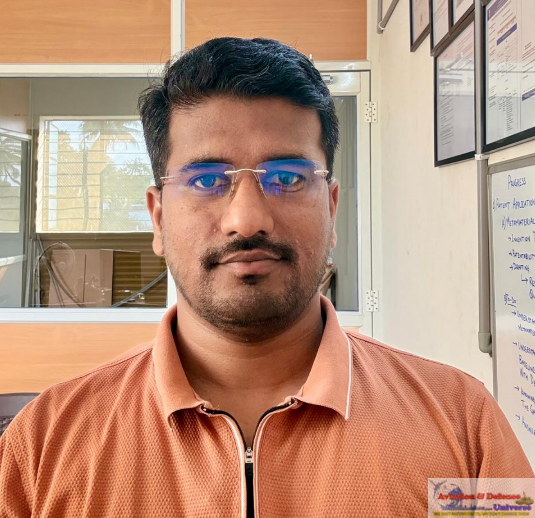
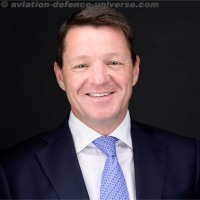
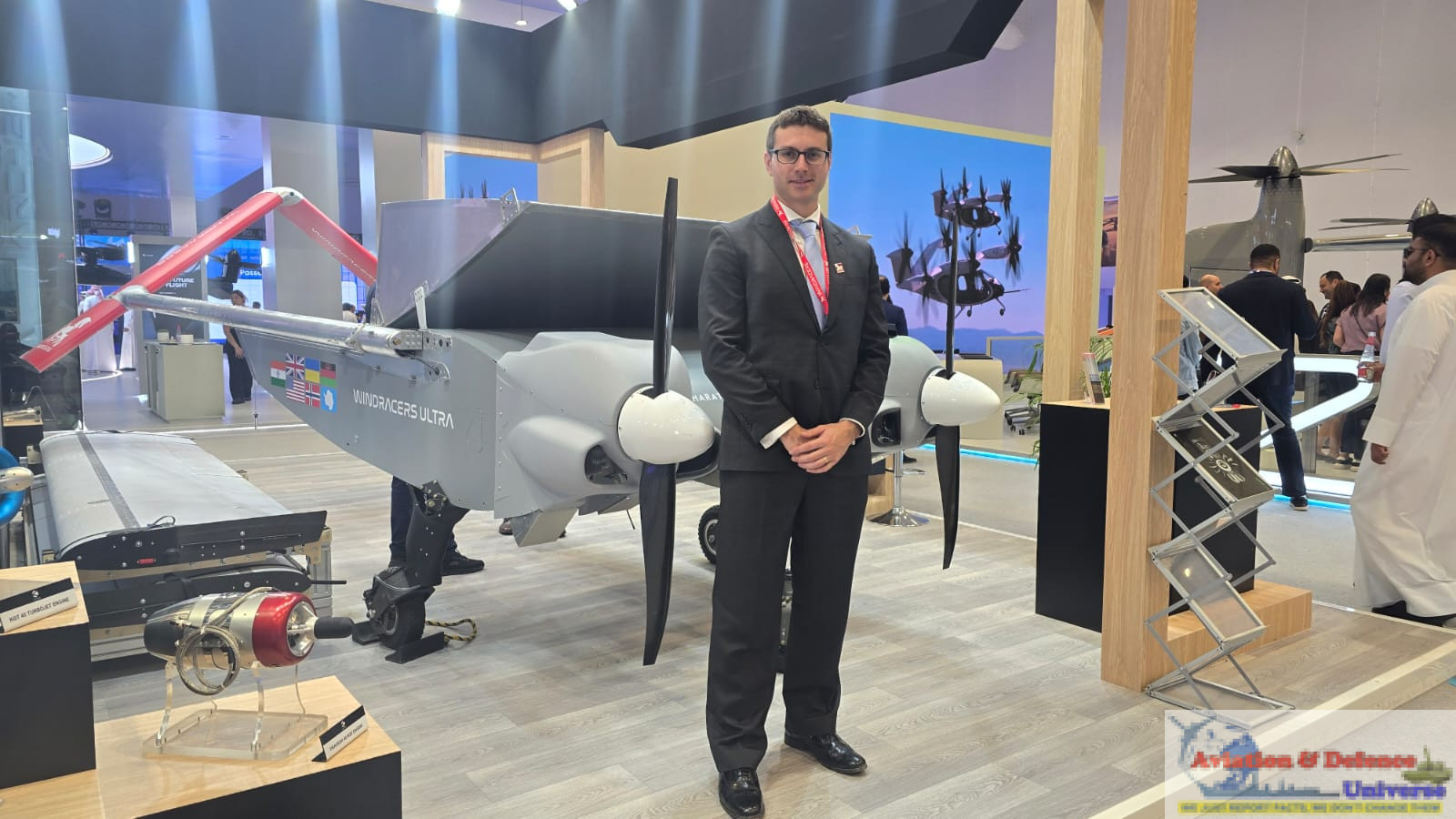
Among the highlights this year is the growing partnership between Windracers and Bharat Forge, following their notable signing ceremony at DSEI London. In this exclusive conversation, Nickolay Jelev, Programme Manager at Windracers, discusses recent developments, the capabilities of the Windracer Ultra unmanned cargo aircraft, and the opportunities emerging in India’s diverse operational environment.
ADU. We are meeting at the Dubai Airshow and Windracers is here with Bharat Forge. Lovely to see you together after the signing at DSEI London. What is new now? What developments have occurred in the last two and a half months?
Nickolay Jelev. We are continuing our engagement on the same topics we initiated earlier. We have conducted a number of demonstrations in the UK and are actively working toward a deployment next year.
ADU. This is day four of the show and it wraps up tomorrow. How has the show been for you?
Nickolay Jelev. We have had a lot of interest from Indian users as well as users in the UAE. It is a new market and a new opportunity for us, and being our first time here, we are very pleased. A massive thank you to Bharat Forge and the Kalyani Group. We are grateful and happy to be here introducing the aircraft to the Middle Eastern and West Asian market.
ADU. For the benefit of our audience, what exactly is Windracer?
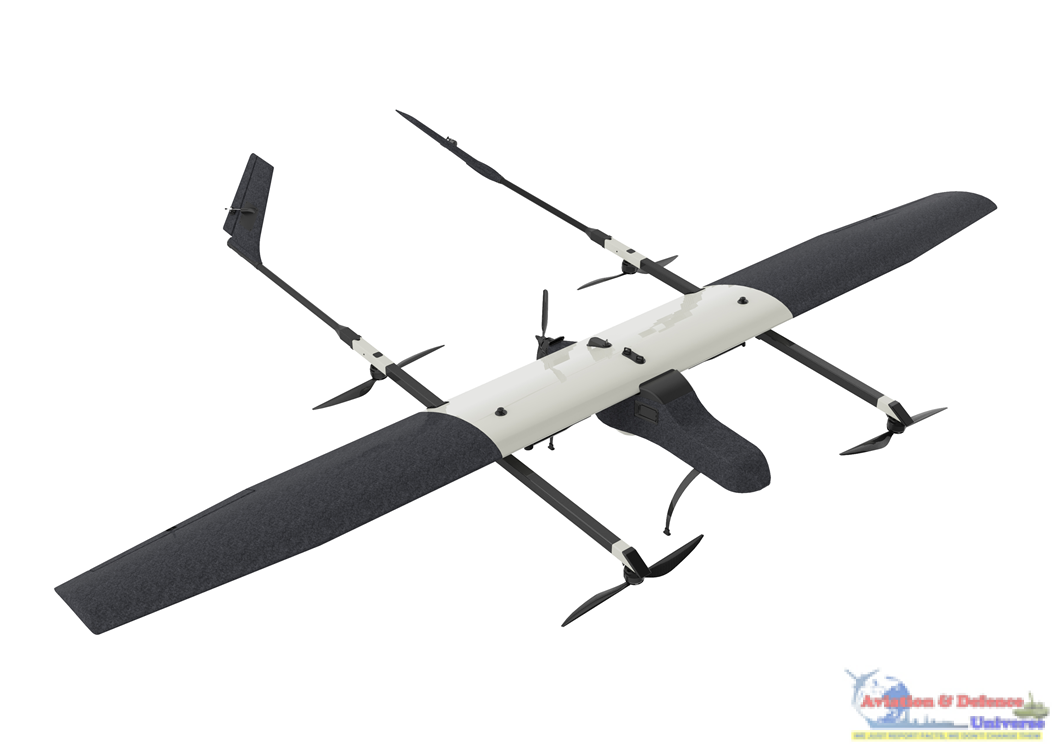
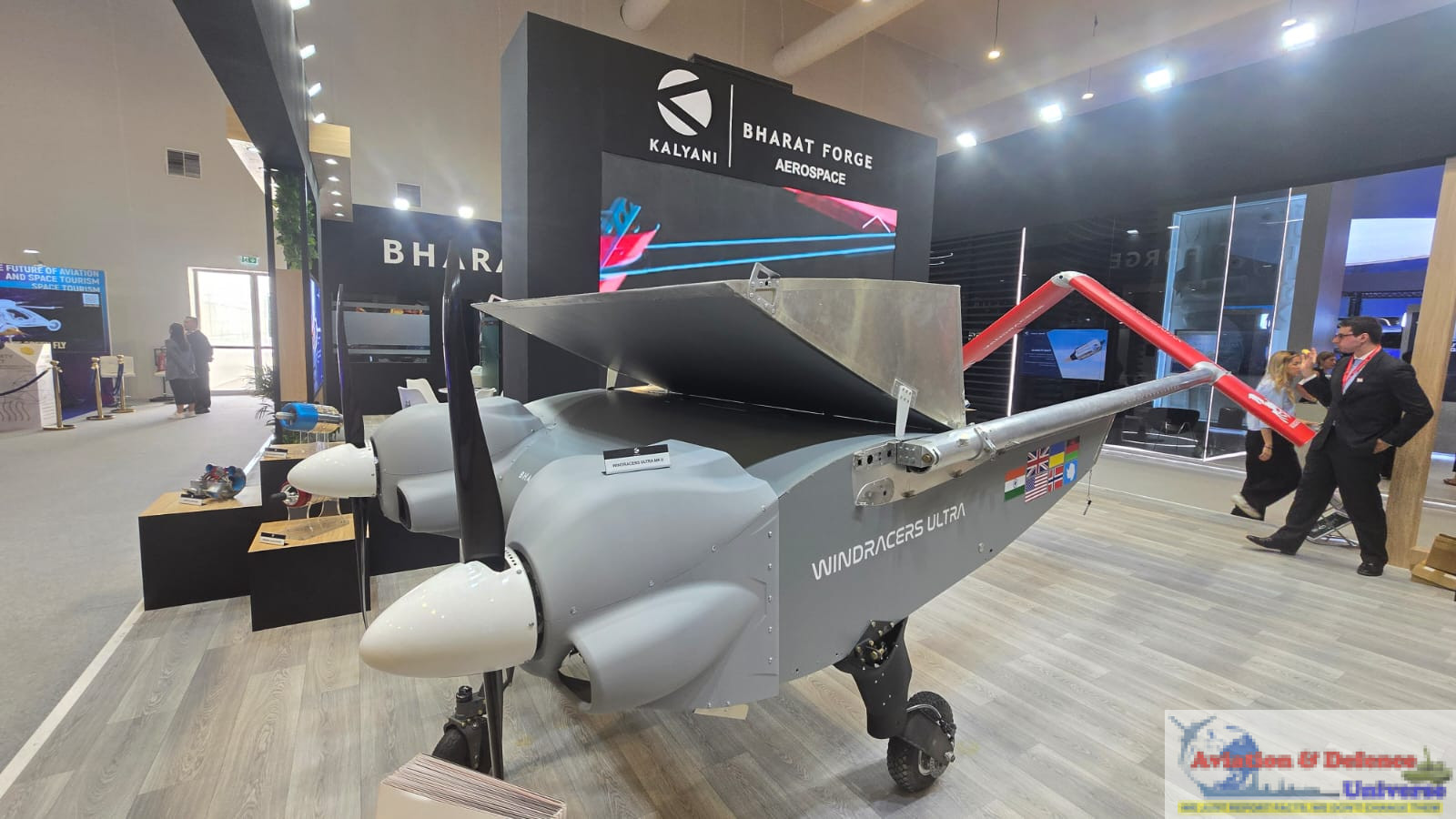
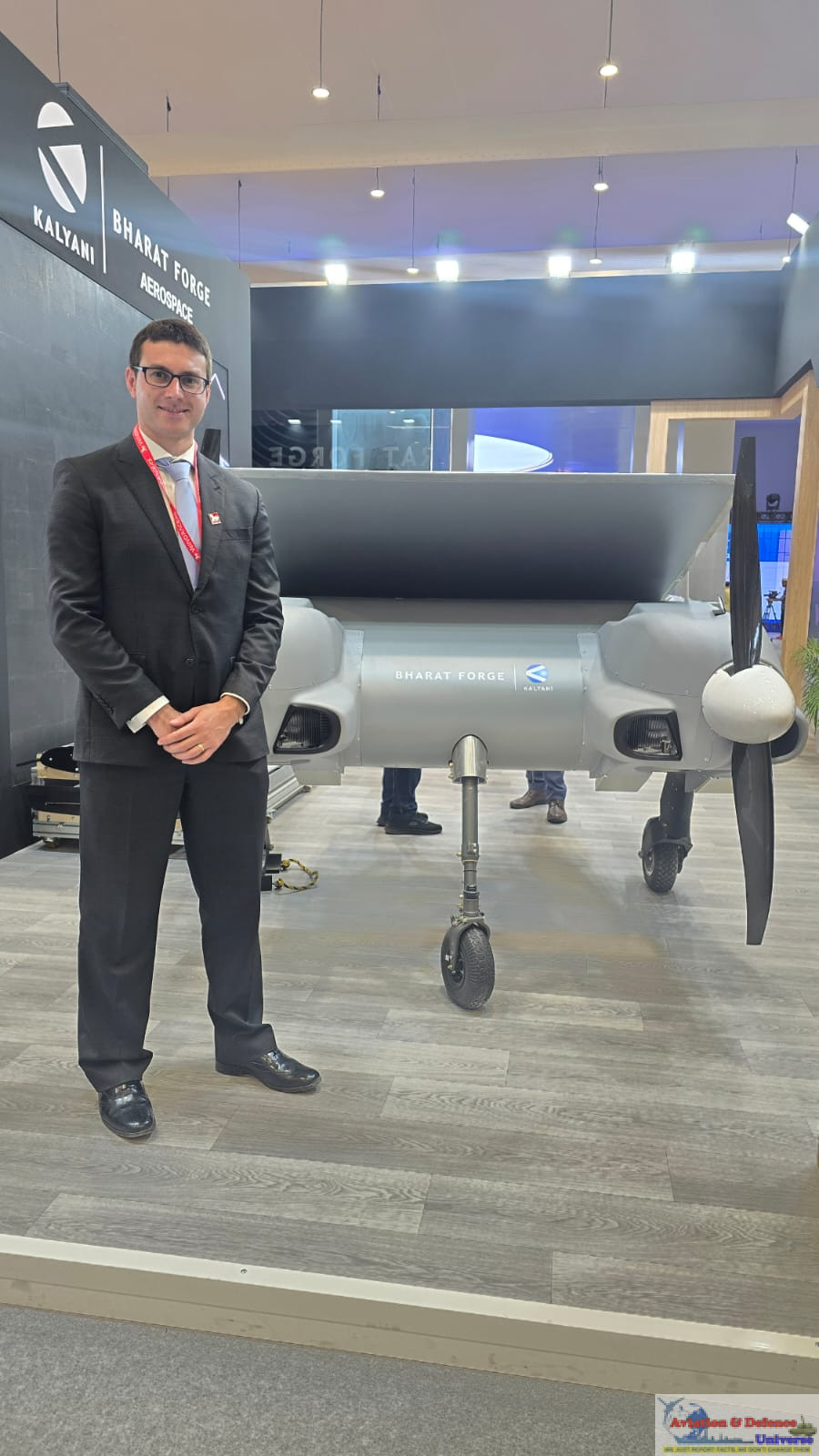
Nickolay Jelev. The Windracer Ultra is a large fixed-wing cargo drone. It is a twin-engine, petrol-driven aircraft capable of carrying a 150-kilogram payload over very long distances, up to 1,000 kilometres. The aircraft is designed and built by Windracers in the UK and supported by a global supply chain across India, Europe and the US.
 ADU. How long has Windracer been operating as a logistics product?
Nickolay Jelev. Our first flight with the Windracer Ultra was in 2019. We began customer operations around 2021–2022 during COVID with the Royal Mail in the UK, flying missions in South Cornwall and northern Scotland. Since then, we have expanded into research operations with institutions such as the British Antarctic Survey, the Norwegian Research Institute, and the University of Fairbanks, Alaska. We also conduct defence work with the UK MoD in support of war efforts.
ADU. How many customers do you have at the moment?
Nickolay Jelev. I cannot disclose the exact number. What I can say is that we have multiple customers across different sectors. In defence, the UK MoD is our largest customer. In research, we have several active projects and upcoming announcements. In humanitarian work, our key project is with Avion Sans Frontier, with trials planned in Malawi and Democratic Republic of Congo.
ADU. You have a MOU with Bharat Forge in India. Do you have similar MOUs with other countries?
Nickolay Jelev. No. This is our first MOU and a very important one. It represents a massive opportunity.
 ADU. What is the focus of this MOU? Is it related to manufacturing in India?
Nickolay Jelev. The primary focus is a defence use case, specifically involving aircraft carrier operations.
ADU. What is the payload capacity?
Nickolay Jelev. The standard payload is 150 kilograms.
ADU. If a customer requires a higher payload, can the aircraft be reconfigured?
Nickolay Jelev. Yes, for certain specific applications. While our typical payload is 150 kilograms, there are use cases where exceeding that may be necessary, and the aircraft can be tailored accordingly.
ADU. India has vastly different terrains. plains, the Himalayan mountains, deserts, and long coastlines. Can your unmanned system operate across all these environments?
Nickolay Jelev. Certainly. That is exactly what we designed it for. We have been operating in maritime and coastal environments since 2021 and the aircraft is fully ready for maritime operations, including carrier operations, which we have demonstrated in the UK.
High-altitude terrain presents challenges, but the MkII version has more powerful engines and is expected to handle mountainous environments well. We currently operate up to a 17,000-foot ceiling and aim to expand that.
For deserts and extreme cold, we have extensive operational experience with the British Antarctic Survey and in Alaska. The aircraft has been adapted for both extreme heat and extreme cold.
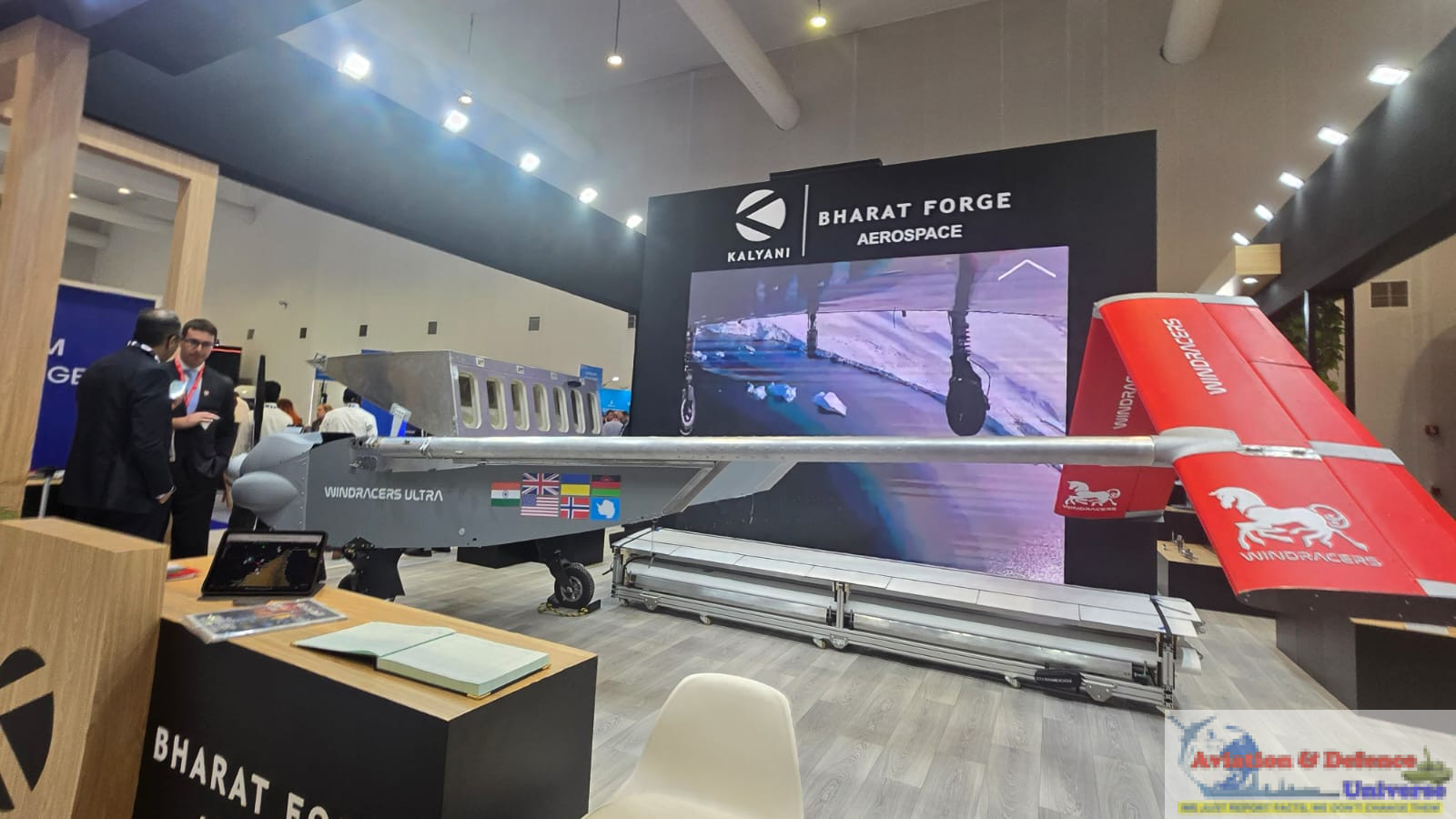 ADU. When temperatures range from +50°C to –60°C, does the engine configuration have to change?
Nickolay Jelev. To some extent, yes. The main difference is in cooling. These are air-cooled engines, so the cooling configuration varies for extreme conditions. Everything else is handled by the electronic fuel injection system. The two-stroke engines perform extremely well in both hot and cold climates.
ADU. When do operations in India begin? What stage are you currently at?
Nickolay Jelev. We expect to start operations next year. That is all I can share at the moment.
ADU. Will manufacturing remain in the UK or will you explore production in India?
Nickolay Jelev. We already manufacture many components in India. Full manufacturing will depend on our operational progress. We would love to manufacture the aircraft in India as part of a native Indian capability. It will depend on the scale we achieve.
ADU. Anything we may have missed that you would like to add?
Nickolay Jelev. Yes. We not only build the aircraft but also the autopilot system. We design the autonomy ourselves. The aircraft is fully autonomous and does not require skilled pilots, making it far easier to operate than traditional fixed-wing aircraft. Through continuous operations in Antarctica, Alaska, and Ukraine, we refine and adapt the system constantly. In Ukraine, the aircraft has been used for logistics resupply as well as electronic intelligence missions. It is war-tested, which is a critical validation.
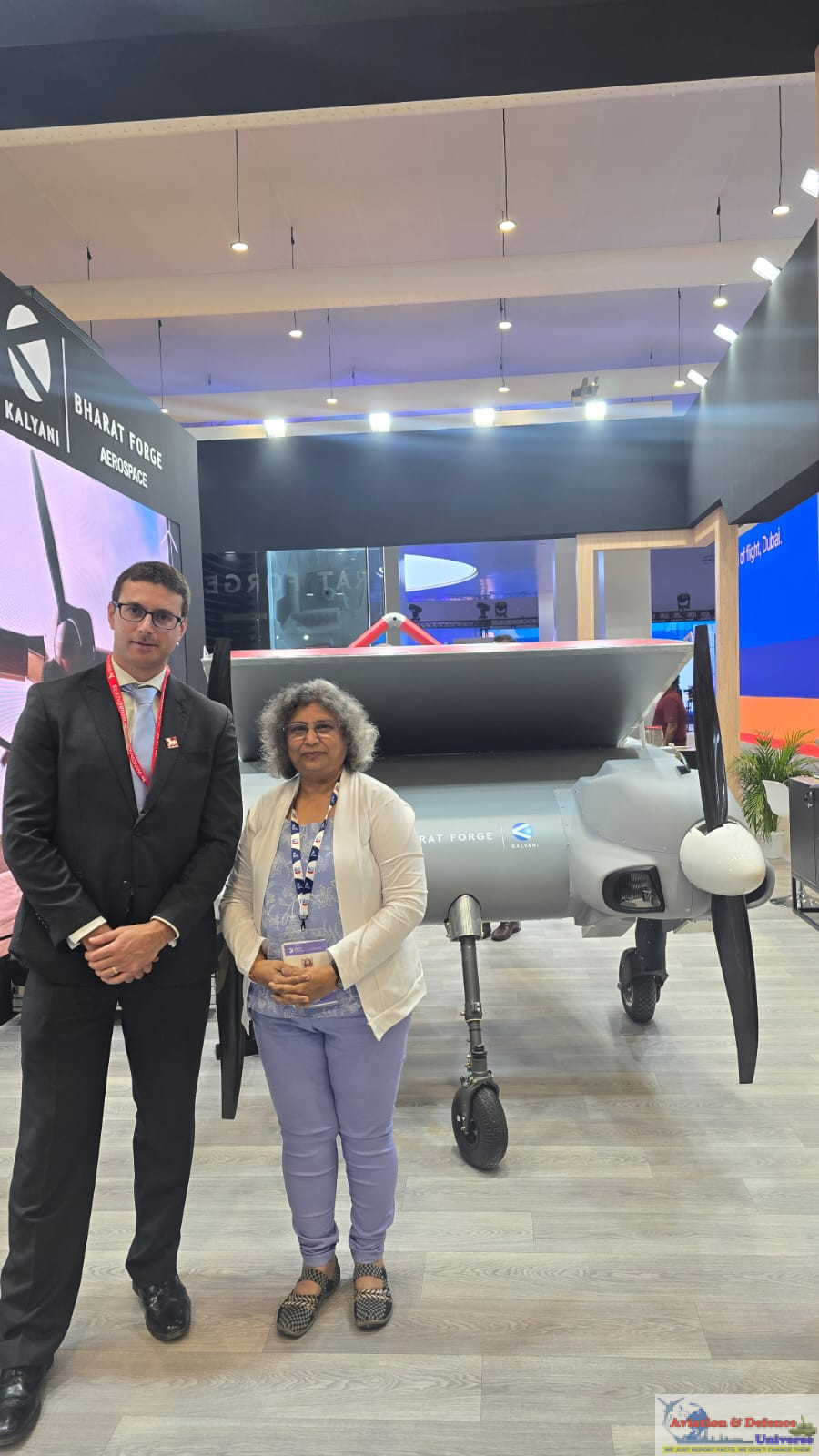
ADU. What is the MRO system for this aircraft?
Nickolay Jelev. We have multiple maintenance levels. Basic maintenance allows operators with minimal training to replace simple components like wheels, control surfaces, and bolt-on parts quickly. More intrusive maintenance is handled at our depot by expert technicians. We are working closely with Bharat Forge to establish the full MRO framework.
The Windracer Ultra is emerging as a versatile, autonomous logistics solution capable of operating across extreme climates and challenging terrains. With proven performance in regions such as Antarctica, Alaska, and even active conflict zones, the platform is now poised for deployment in India through Windracers’ first-of-its-kind partnership with Bharat Forge. As Nickolay Jelev explains, this collaboration aims to meet key defence use cases, explore manufacturing opportunities, and build a robust operational and MRO ecosystem tailored for India’s unique requirements.
As told to Sangeeta Saxena / Interview was taken at Dubai Airshow 2025