













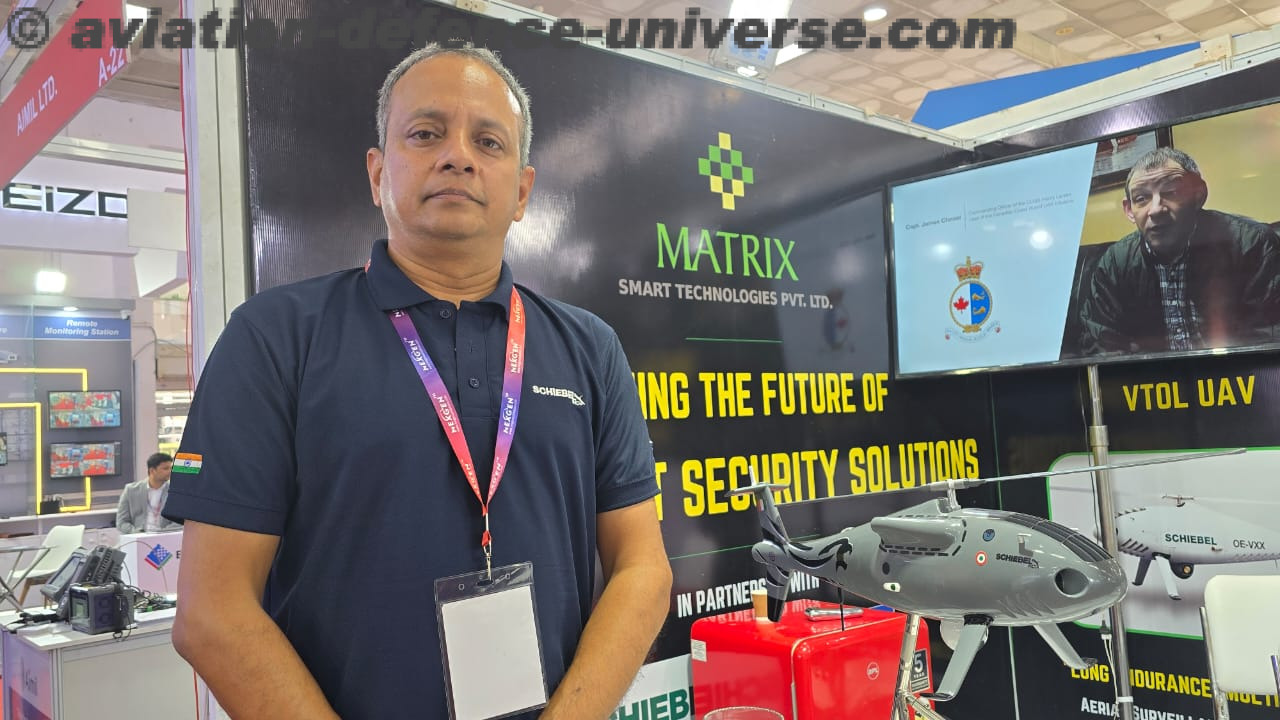
- India No Longer Needs to be Convinced – It’s About Implementation Now – Jajati Mohanty
- Schiebel Systems India CEO on Navy Success, Army Interest, and Building Supply Chains in India
By Sangeeta Saxena
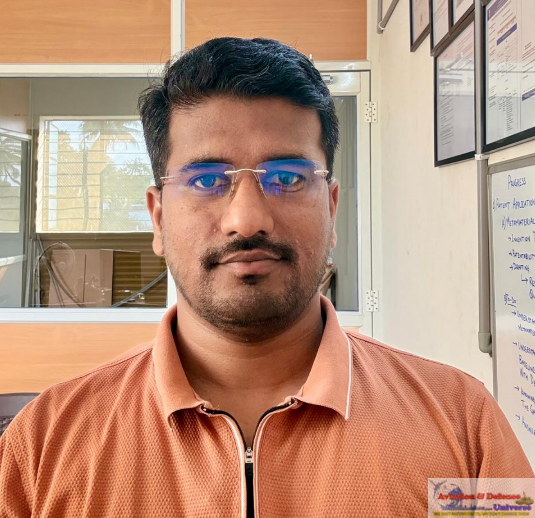
New Delhi. 25 September 2025. In this candid conversation, Jajati Mohanty, CEO of Schiebel Systems India, recalled the company’s journey from introducing tactical UAVs to the Indian Navy to preparing next-generation solutions like the S-300 with 24-hour endurance and high-altitude capability. With Hyderabad as a hub for MRO and software development, and growing ties with Indian suppliers, Schiebel is embedding itself deeper into India’s defence ecosystem. As the Indian Army and Coast Guard show increasing interest and the Navy prepares for follow-on orders, Schiebel India is positioning itself not just as a supplier, but as a long-term partner in India’s unmanned systems domain.
 Schiebel Systems India Pvt. Ltd., part of the global Schiebel Group, has been steadily strengthening its presence in India with naval successes, MRO facilities in Hyderabad, and growing interest from the Indian Army and Coast Guard. In an exclusive conversation with Aviation & Defence Universe (ADU), Jajati Mohanty, Chief Executive Officer, Schiebel Systems India Pvt. Ltd., spoke about the company’s journey, its operational footprint in India, its role in Op Sindur, upcoming projects like the S-300, and how India’s growing defence ecosystem is opening new avenues for unmanned aerial systems.
ADU. How did the Schiebel journey begin? What was the ideation behind the company’s entry into unmanned systems?
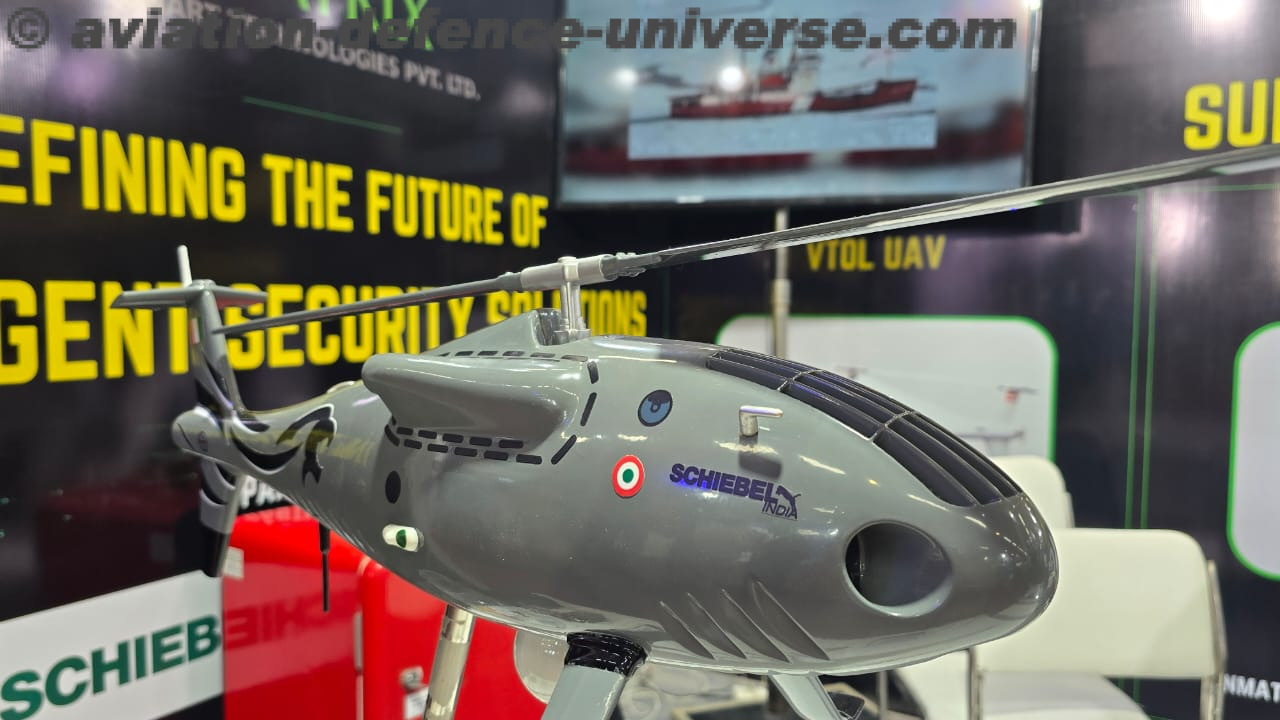
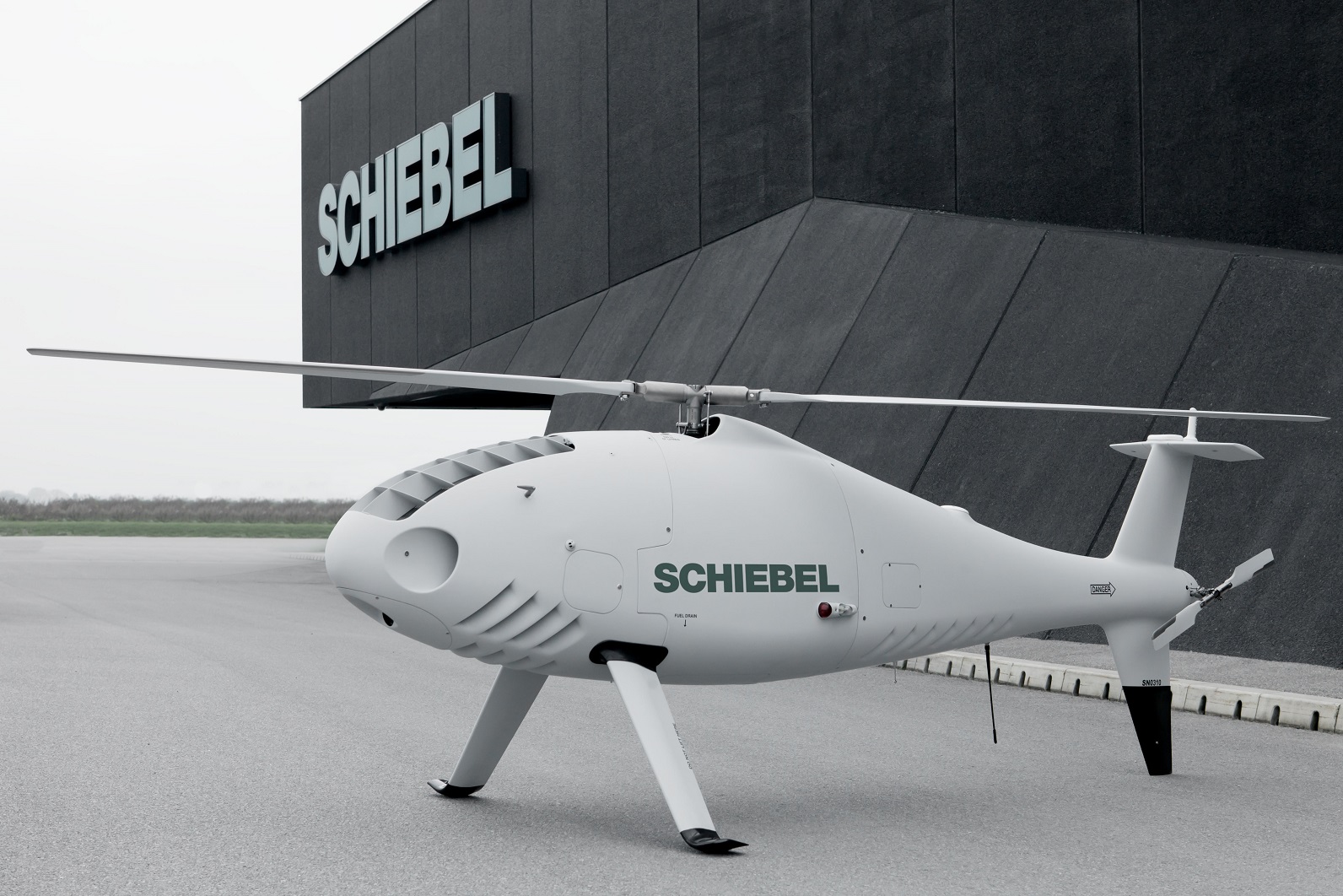
Jajati Mohanty. Schiebel started as a family-run business with a vision to bring disruptive solutions into unmanned aerial systems. About two decades ago, the market had no tactical helicopters that could fly beyond a couple of hours. We ideated a platform that would bridge that gap. That’s how the Camcopter S-100 was born – a rotary UAV with over five hours endurance, which immediately disrupted the market and created a new class of capability.
ADU. Once the initial concept was proven, what were the key iterations that shaped the company’s growth?
Jajati Mohanty. Iteration was central to our journey. We began with EO/IR payloads but quickly expanded to radars, LIDARs, SIGINT, and logistics packages. Each iteration was driven by customer demand – navies wanted persistent ISR, armies wanted logistics drops, and special forces wanted stealth support for operations. Every step, we refined endurance, payload capacity, and mission adaptability. From 5-hour endurance, we moved to 6–10 hours, and now we are preparing to deliver 24-hour flight capability with the S-300. The iterative approach allowed us to stay ahead while others tried and failed to replicate this technology.
 ADU. How was implementation achieved in the global and Indian markets?
Jajati Mohanty. Implementation meant embedding the system with customers and proving its worth operationally. In India, the Navy deployed S-100s on frontline warships, including during Operation Sindur, where the performance was highly appreciated. That success triggered follow-on orders, discussions with the Army, and upcoming Coast Guard projects. Implementation also required building infrastructure – MRO in Hyderabad, shore support in Vizag and Mumbai, and software teams for next-gen applications. Globally, the same principle applied: demonstrate value in real-world operations, build customer trust, and establish long-term partnerships.
ADU. What role did technology leadership play in sustaining this trajectory?
Jajati Mohanty. The heart of the system is the engine – optimised and purpose-built. Many big players tried to replicate it but couldn’t. That optimisation, combined with payload versatility and mission adaptability, has kept us in the lead. We fought global competition, we held the niche for 20 years, and now with the S-300, we plan to disrupt again. The key was never resting on early success but continuously iterating.
ADU. In India, do you have a production centre?
Jajati Mohanty. Yes, we have a production centre in Hyderabad. Our strength is broken into the MRO operations, software operations and the shore support. We have two shore support offices in Vizag and Mumbai, where around 5 to 6 people help out the Indian Navy. The MRO operations in Hyderabad have around 8 to 9 people. A software team of around 10, growing to 20+, is developing next-generation software. Effectively, the Schiebel India team in Hyderabad will be close to 30-35, and will increase as customers are added.
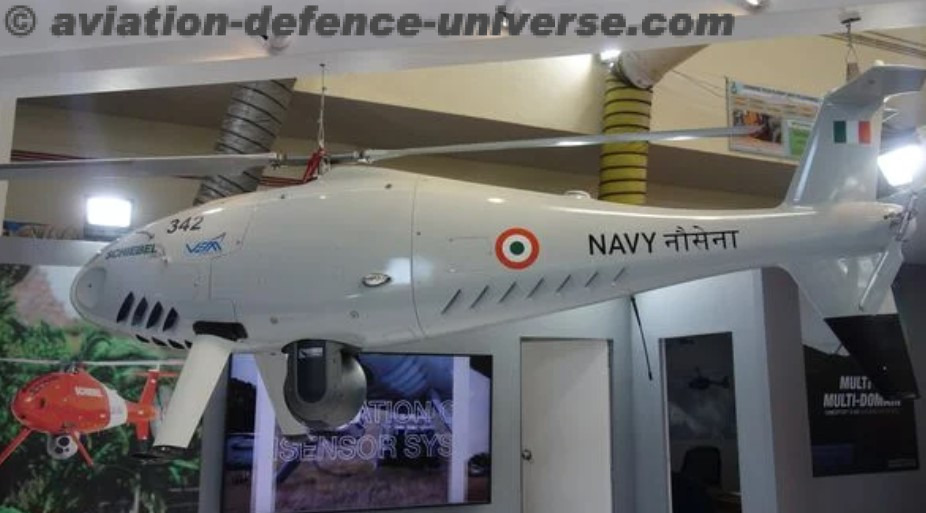 ADU. How has Schiebel’s exciting India journey progressed?
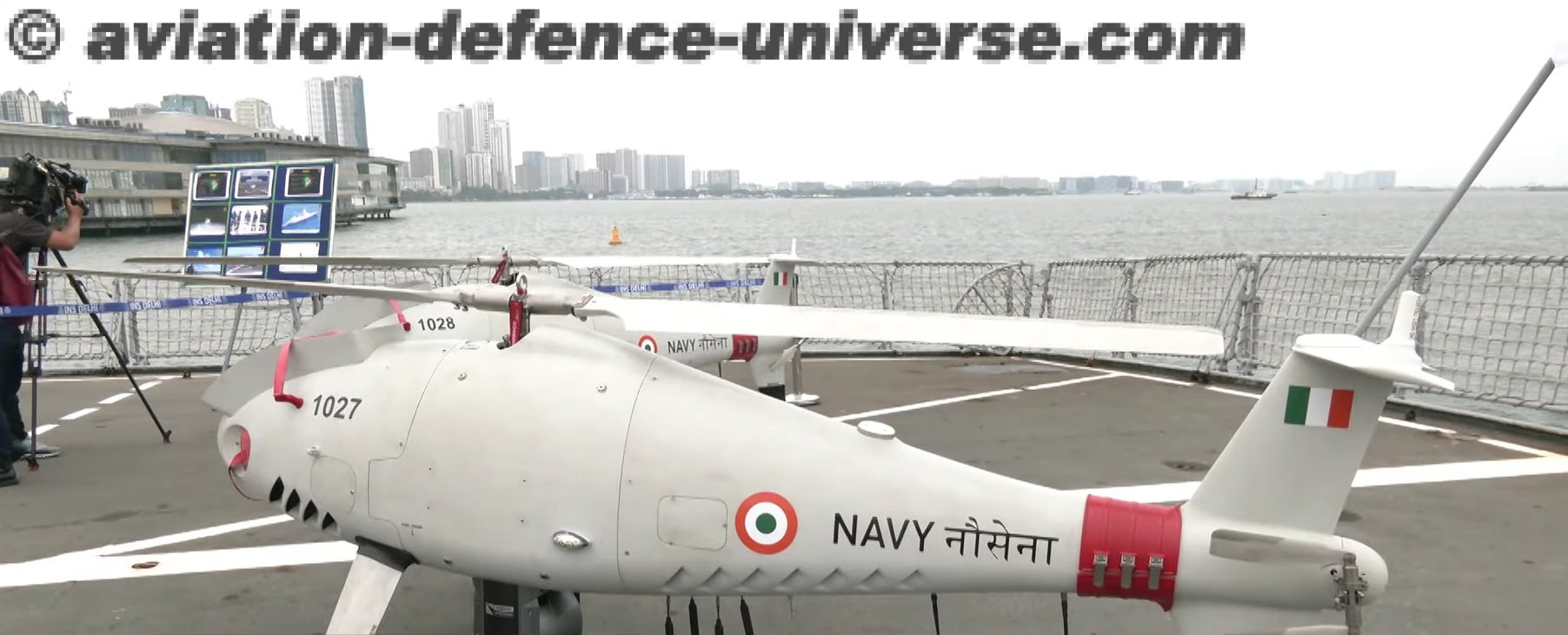
Jajati Mohanty. Yes, we have already won and the systems have been delivered. We have given them 4 systems with 8 birds. They are being extensively used from 4 different frontline warships and performing very well. In fact, during Op Sindur the performance was very good and much appreciated. Work is ongoing for a follow-on order as the Navy is happy with the systems.
ADU. Were these drones also used by the Army during Op Sindur?
Jajati Mohanty. They were monitoring in the Indian coast. The Navy has been using them regularly over the last one year in the Middle East, Arabian Sea, and South East. Now, with the next order, drones will operate from ships as well as shore bases. We are also working with the MOD on another order, collaborating with DRDO for ITR missile monitoring, and expecting an RFP from the Coast Guard soon. The product is now known in the Indian market—it’s no longer about education, but about implementation.
 ADU. Why is it only the Indian Navy using the system? What about the Army and Air Force?
Jajati Mohanty. The product has a role for Army and Air Force. But Air Force does not get into tactical units—the tactical zone is Navy and Army. For the Army, it’s a little overkill since they can use cheaper drones, but they have shown interest because the Navy is happy. A demo is planned soon. The Army also wants a high-altitude drone, for which we will have a solution shortly. Just like we disrupted the market 20 years ago with a 5+ hour helicopter, we are now flying 6–10 hours and soon will disrupt the market again with a 24-hour helicopter.
ADU. A 24-hour endurance drone sounds like a game-changer.
Jajati Mohanty. Yes, Navy is also interested. Tactical drones usually max out at 10 hours, so 24 hours will be a huge jump. Army too will benefit with high-altitude capability. This requirement is being addressed with the new S-300, which had its first internal prototype flight. Korea is the first customer, with design, development, and prototype flight planned for next year. The best part is the same control station will operate both S-100 and S-300, making upgrades seamless.
 ADU. Payload is critical in UAV operations. How has Schiebel advanced in this area?
Jajati Mohanty. Initially, it was only EO/IR. Now we have radars, LIDARs, VIDARs, thermal spectral cameras, radar receivers, comms relay, SIGINT payloads—you name it. This enables logistics ops, special ops, ISR, and comms. For special ops, the advantage is stealth and precision—quiet flight, high accuracy, thermal detection, and even logistics drops in denied areas.
ADU. What about MRO support in India?
Jajati Mohanty. Yes, the complete naval setup comes to us in Hyderabad. The Government of India decided a decade ago not to increase manpower, so OEMs like us take on deeper maintenance. We have shore support (second-line) next to the Navy and MRO (third-line) in Hyderabad, where engines, gearboxes, and systems are fully serviced. The test stand is complete and MRO is fully set up with Indian vendors. We also conduct training, with plans to hand over to the Navy through a Learning Management System we’re developing with them.
ADU. Is your jurisdiction only India or does it extend to the region?
Jajati Mohanty. We look at India, Sri Lanka, Mauritius, Southeast Asia. The MRO in Hyderabad will serve Asia. We are also working under Make in India, open to SAARC countries—except the very friendly ones.
ADU. Would you like to add a closing remark?
Jajati Mohanty. Technology of this niche level was not available in India earlier. The key is the optimised engine—we’ve held on to this advantage for 20 years against the biggest global players. With the S-300, we aim to disrupt the market again. India’s supply chain is now also being integrated into our ecosystem. Confidence is high—we’ve proven we can deliver, and now we aim to scale further.
ADU. Today, how do you see Schiebel positioned after this journey from ideation to global implementation?
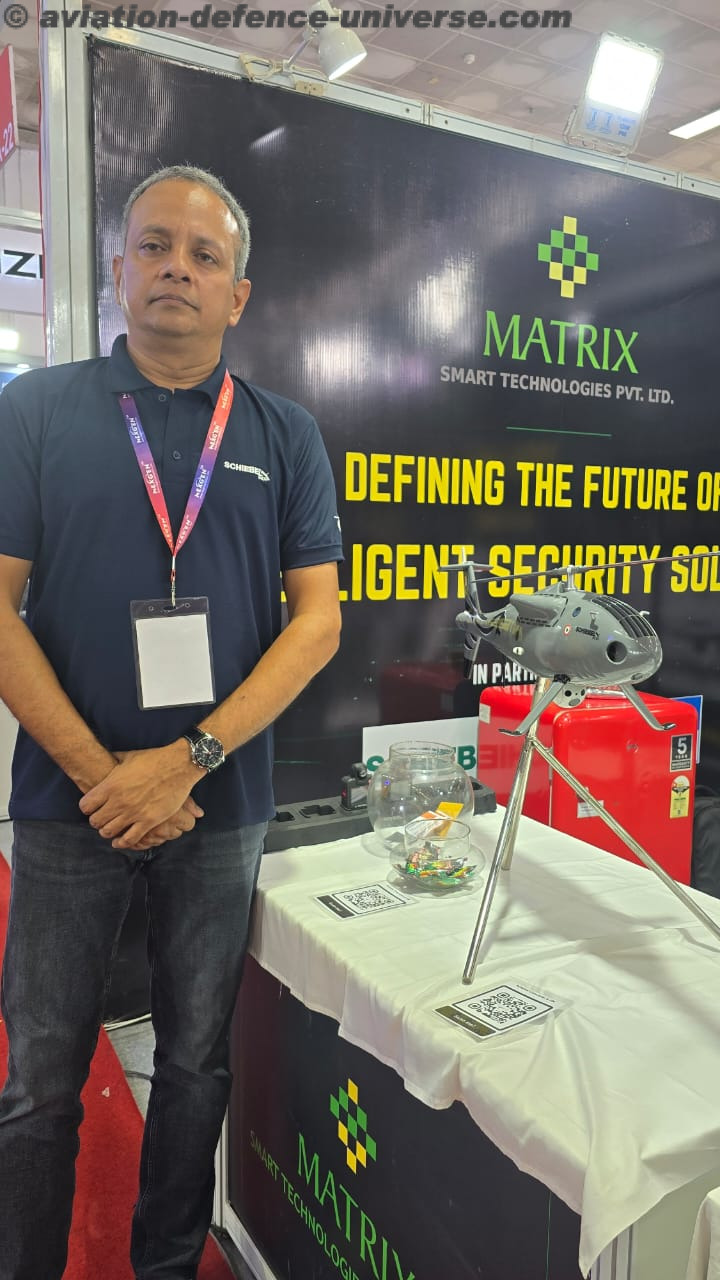
 Jajati Mohanty. Today, Schiebel is a global leader in rotary UAVs, with manufacturing in Austria and assembly in India, France, Korea, Abu Dhabi, and Australia. In India, we are not just delivering systems but creating a local supply chain through partnerships with Indian firms like VEM Technologies. The story is one of ideation – creating what didn’t exist, iteration – evolving with every customer requirement, and implementation – proving capability in the toughest operational environments. That’s why we’ve not just survived but led this market for two decades, and we are ready to shape the next two with the S-300.
Schiebel’s journey illustrates a classic cycle of ideation, iteration, and implementation. From the initial breakthrough of a 5-hour tactical rotary UAV to the upcoming 24-hour endurance S-300, the company has consistently evolved by listening to customer needs and pushing technological boundaries. In India, operational success with the Navy, upcoming engagements with the Army and Coast Guard, and the establishment of an indigenous supply chain and MRO ecosystem demonstrate how global innovation can be localized effectively. For Schiebel, the story is far from over—it is entering its next disruptive chapter.
As told to Sangeeta Saxena