




























- Weaponising Drones with Precision: Zeus Numerix Makes India Proud at DSEi London
By Sangeeta Saxena
Excel Centre, London. 18 September 2025. At DSEi UK 2025 Aviation & Defence Universe (ADU) met with Abhishek Jain, Chief Business Officer of Zeus Numerix, a pioneering Indian defence tech startup incubated at IIT Bombay. From developing guided mortars to a plug-and-play UAV bomb rack backed by DRDO, Zeus Numerix is proving that Indian startups can stand tall on the world stage. In this exclusive interview, Jain discusses their IDEX and DRDO-backed projects, rigorous safety features, global potential, and why India’s development ecosystem needs to invest more in true R&D.
ADU. Please begin by introducing Zeus Numerix and your journey so far.
Abhishek Jain. I’m Abhishek Jain, Co-founder and currently Chief Business Officer of Zeus Numerix. We began in 2004 at IIT Bombay and were the very first company to be incubated under SINE (Society for Innovation and Entrepreneurship). Since then, we’ve worked on over 300 defence projects, and we’ve always focused on the defence sector — right from the beginning.
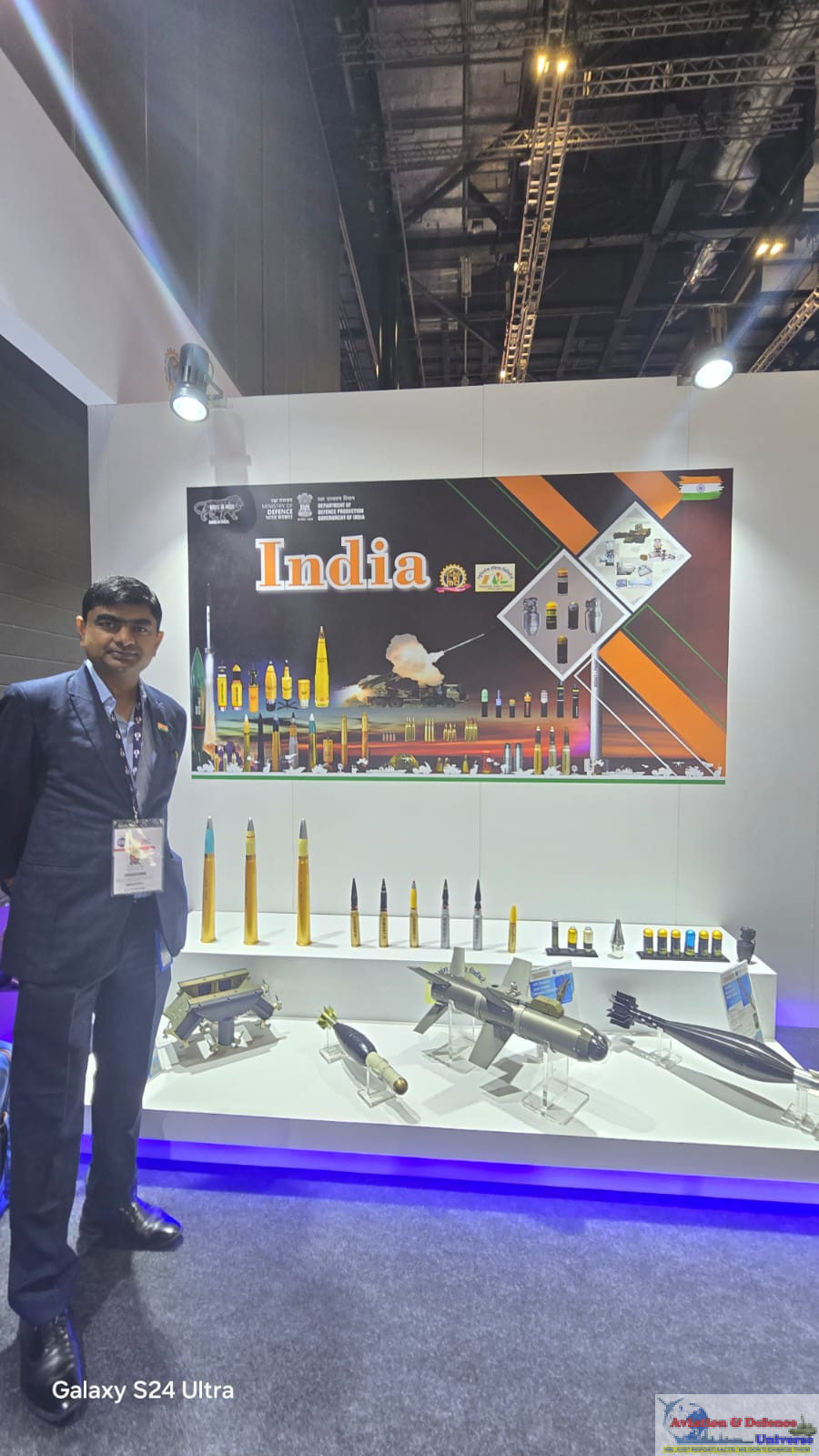 ADU. What are the major technologies you’re showcasing here at DSEi UK 2025?
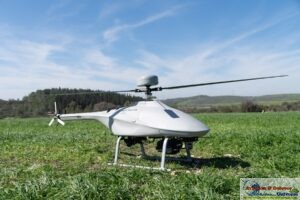
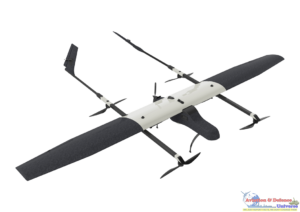
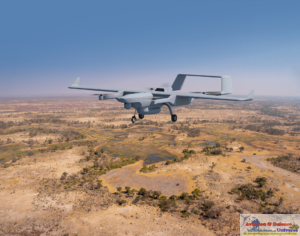
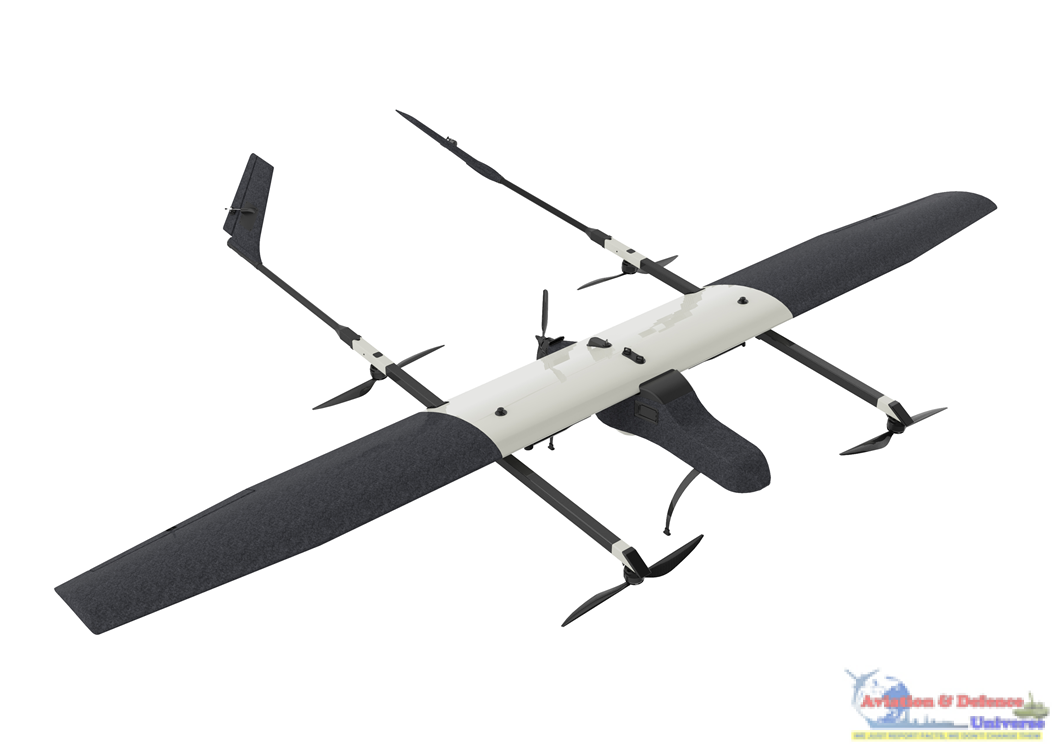
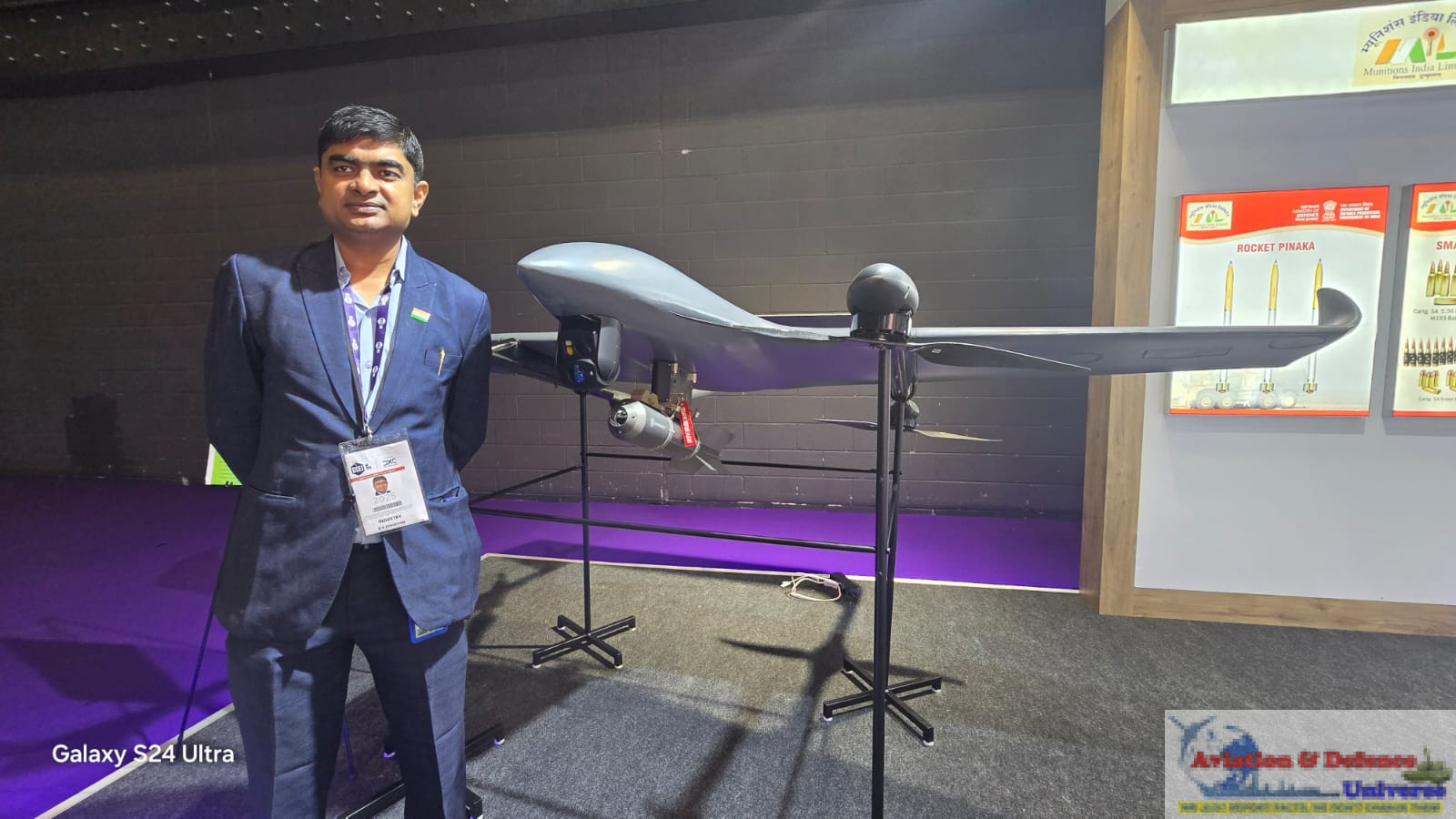
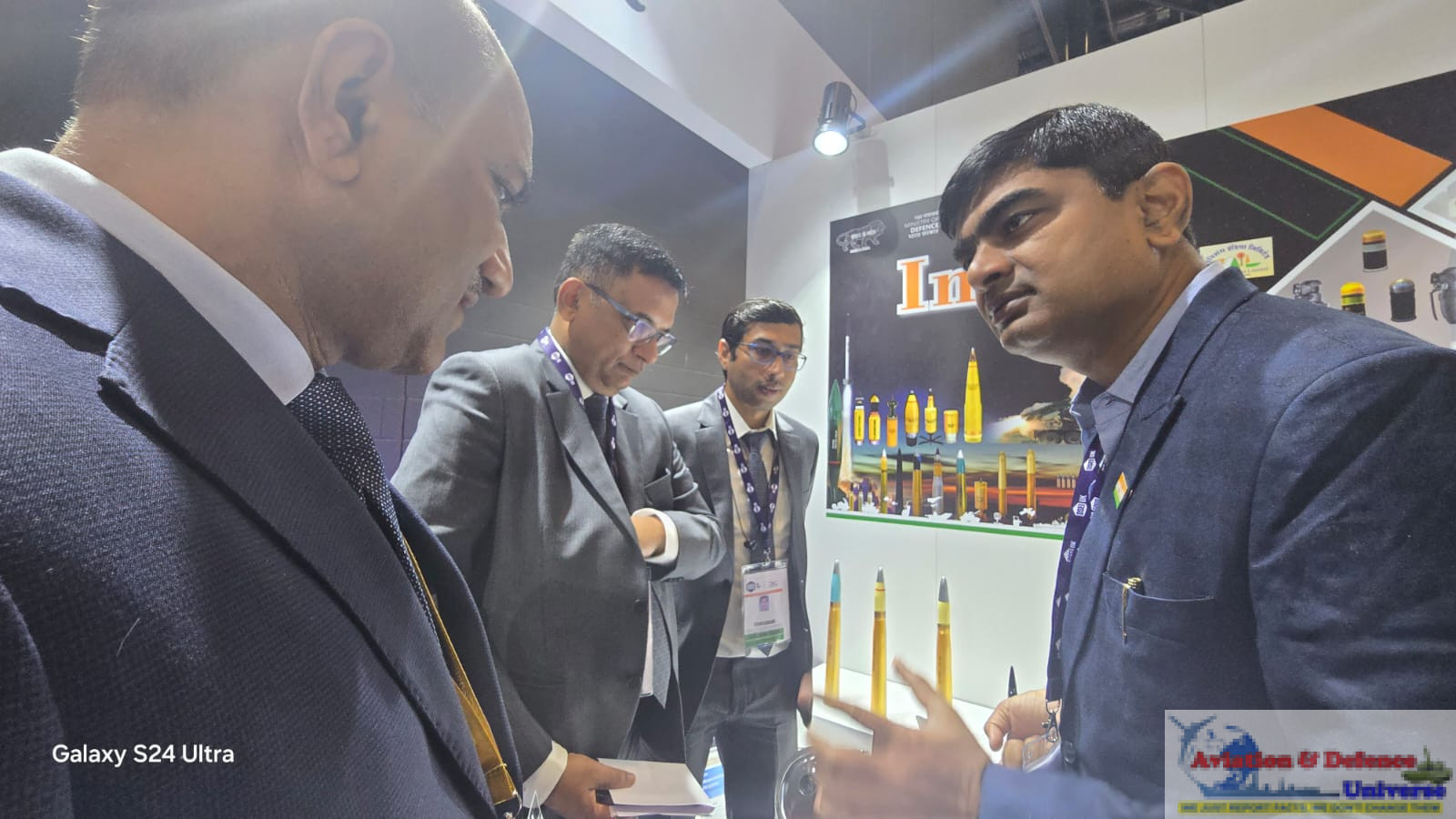
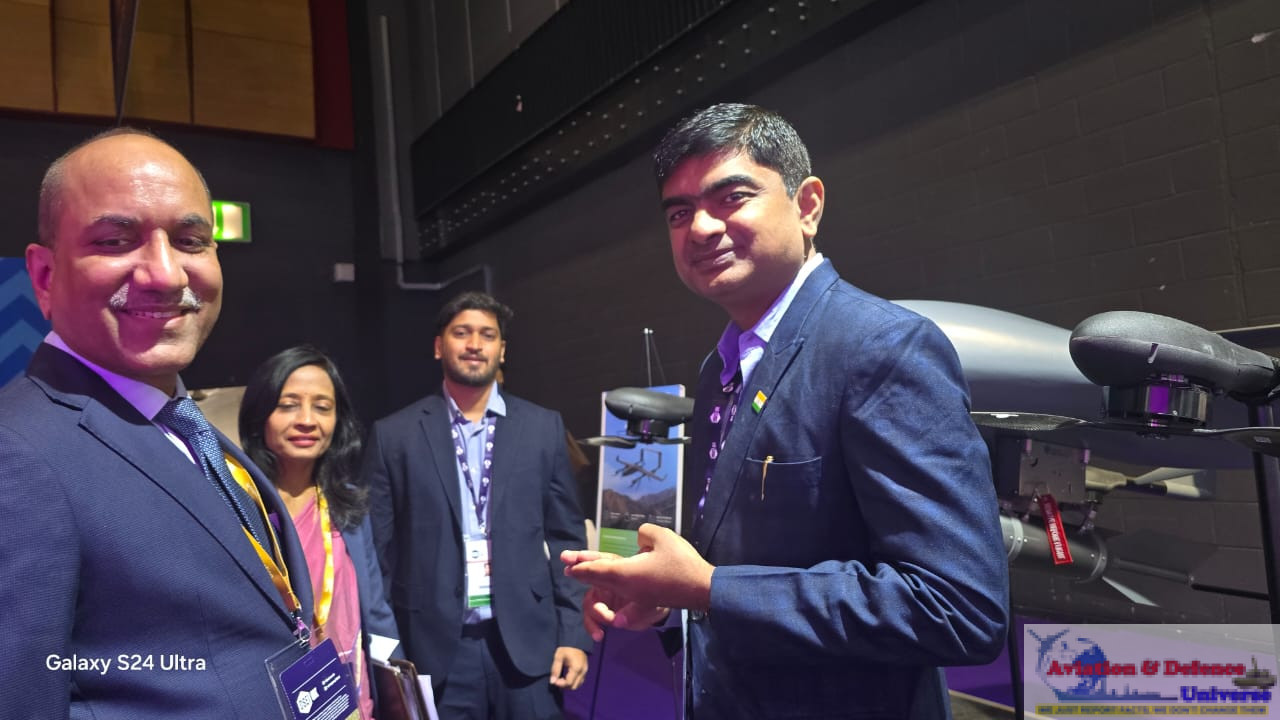
Abhishek Jain. The two main areas are UAV weaponisation and precision munitions. For instance, under an IDEX-supported project, we’ve developed a guided mortar. We’ve already conducted 200 live firings. It’s not on paper — it’s proven. We’re also working on a DRDO-sponsored project to weaponise UAVs. Any drone that can carry at least 5 kg — we can weaponise it in 10 minutes. It’s modular. Just tighten four screws, fit our ejector rack, and the bomb is plug-in ready.
ADU. Speed is one thing, but safety must be paramount. How have you addressed that?
Abhishek Jain. Absolutely. Unlike some Jugaad systems out there, our solution ensures dual safety in the ejector rack and triple safety in the bomb. That’s five total safeties — the bomb won’t detonate unless all five steps are sequentially completed. You can even kick it on the ground — it won’t go off. That’s the level of MIL-STD 1316 compliance we’re maintaining under DRDO guidance.
ADU. Have these systems been trialled in real-world environments?
Abhishek Jain. Yes. We’ve dropped them in Joshimath, Babina, and Ladakh. We’ve manufactured around 50–60 pieces already. The full-explosive and lethality trials are next, after which we’re ready for production.
ADU. How widely compatible are these with drones already available in India?
Abhishek Jain. So far, we’ve integrated with over 15 Indian drone manufacturers — all domestic. The entire design was inspired by how Ukraine’s Aerorozvidka turned hobby drones into battlefield tools. We wanted something universally compatible, so the only two requirements are: 5 kg lift and some mounting space below the drone.
 ADU. Beyond basic munitions, are you exploring advanced targeting?
Abhishek Jain. Yes. With IIT Delhi, we’re developing a laser-guided bomb variant of this munition. It’s currently under testing. Once complete, we’ll be able to target moving objects too.
ADU. What other safety or performance enhancements are in the pipeline?
Abhishek Jain. We’ve added an emergency jettison system, so if a drone faces any fault mid-mission, the bomb can be released without exploding. There’s also a time-delay detonation — giving the UAV time to clear the blast radius, protecting your platform.
ADU. What did it take to develop all this — and how do you view India’s R&D ecosystem?
Abhishek Jain. The IDEX funding we got was ₹1.5 crore over 2 years. A similar US programme got $5 million over 4 years. We seriously underfund R&D in India. Development is not manufacturing — it takes time, testing, failure, and iteration. For example, we had to do 10 sets of 10 mortar firings to understand all the design nuances.
ADU. Any thoughts on the mindset shift needed in Indian defence innovation?
Abhishek Jain. Yes, we need engineers who can go beyond textbooks. Most engineers avoid math the further they get from college. We must invest in hands-on, systems-level thinking. Precision weapons need judgment, not just coding or CAD skills.
Zeus Numerix, under Abhishek Jain’s leadership, is delivering where it matters most — safety, speed, and smart systems for India’s precision warfare needs. Their modular UAV bomb rack and guided mortar platforms show that Indian startups can compete globally in high-impact, high-tech defence innovation. And as DSEi UK 2025 proved, India is not just catching up — it’s setting new benchmarks in battlefield technologies.
As told to Sangeeta Saxena