

















- Deliberates on future of naval defence
By Sangeeta Saxena
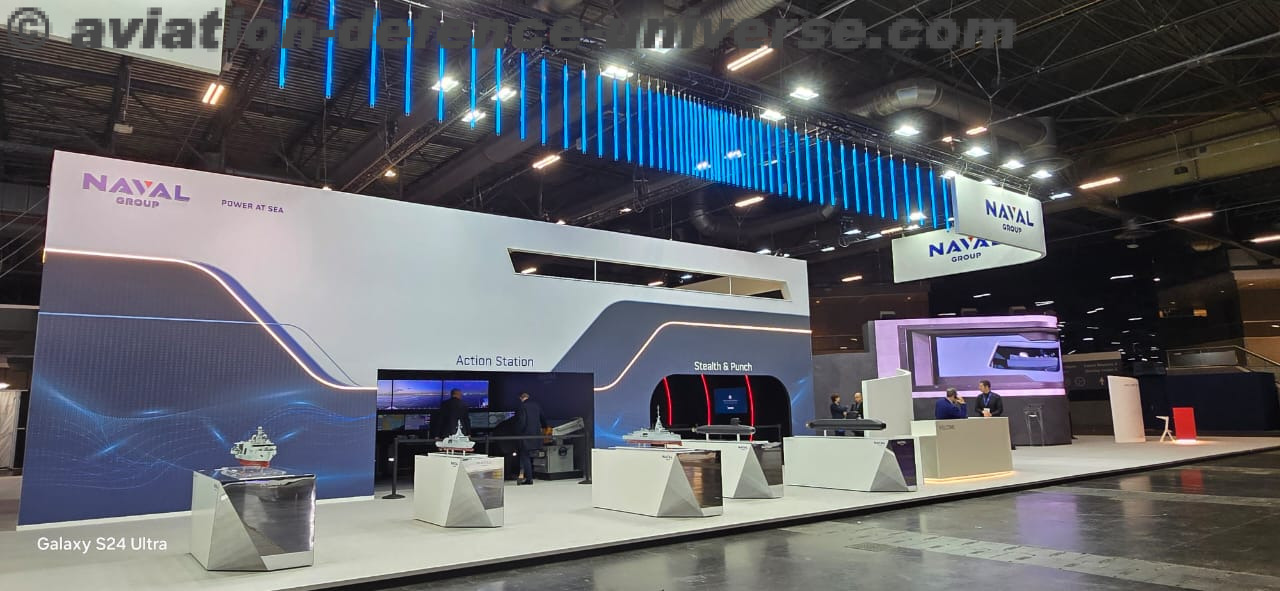
Parc de Expositions, Paris. 04 November 2024. For navies of the world, Naval Group offers a comprehensive range of surface vessels, from patrol boats to nuclear-powered aircraft carriers, designed to meet diverse operational needs. Their warships—including the Gowind®, multi-mission frigates, and defence and intervention frigates—deliver superior performance across all forms of warfare. The Defence and Intervention frigate (FDI), which is smaller in size yet multi-mission capable, incorporates the newest technology advancements in both its design and construction, and it reflects experience as a high-value integrator. In addition to the surface ships, a wide range of submarines and underwater weapons and sensors for advanced sea-bed warfare was also presented at Naval Group stand. Each vessel is equipped with the latest technologies and advanced systems to effectively counter conventional, cyber, and asymmetric threats.
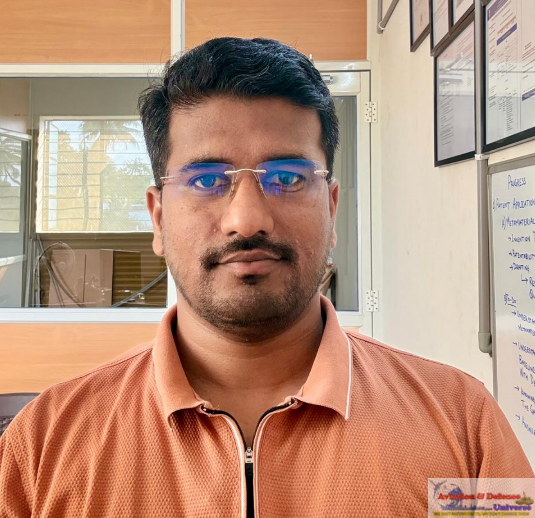
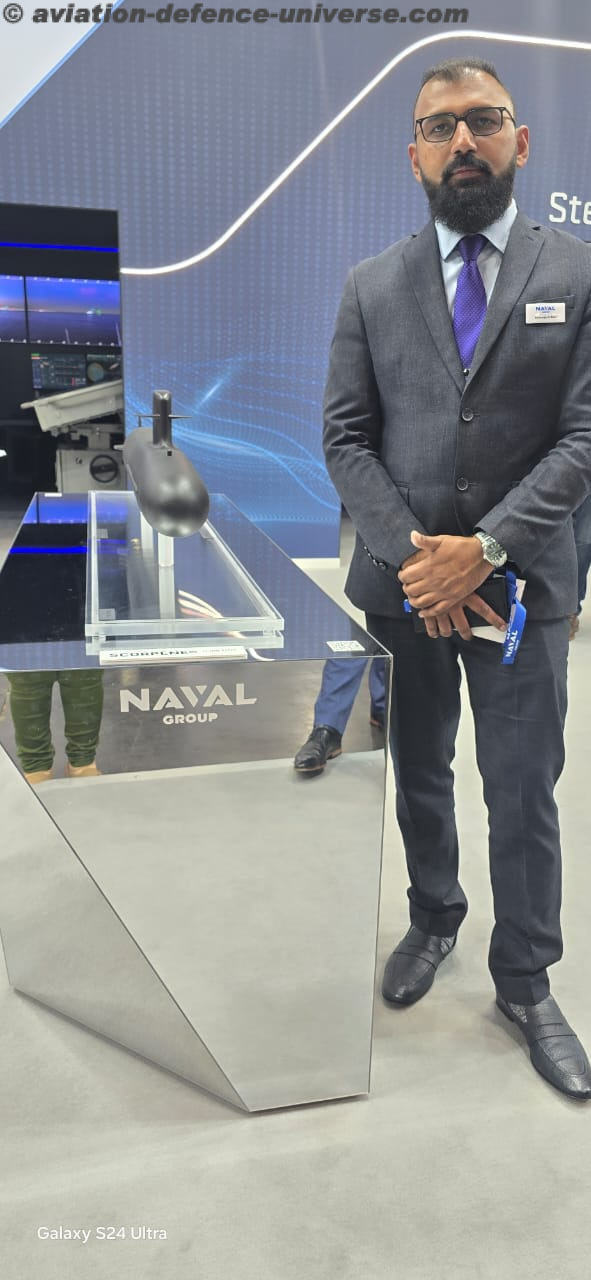
“Here at Euronaval, we want to highlight that we have developed a new business line focused on drones, specifically surface ship drones and underwater drones. We are one of the few companies that has created demonstrators and conducted actual sea trials with such large drones. Some of these drones will be on display at our booth, while the extra-large unmanned vehicle (XLUUV) will be featured at the booth of French Ministry of Defence,” stated Soumyajyoti Basu, Vice President, Sales for India at Naval Group during Euronaval 2024, in an exclusive interview with Aviation & Defence Universe (ADU).
ADU. We’re here at Euronaval 2024, where Naval Group has a significant showcase. What is your main focus for this event?
S.Basu. Our primary focus here, is to showcase to both our existing and potential future customers the innovations we’ve been working on, as well as the technological differentiators that we propose to empower our customers, both in France and internationally. Our goal is to give them real power at sea.
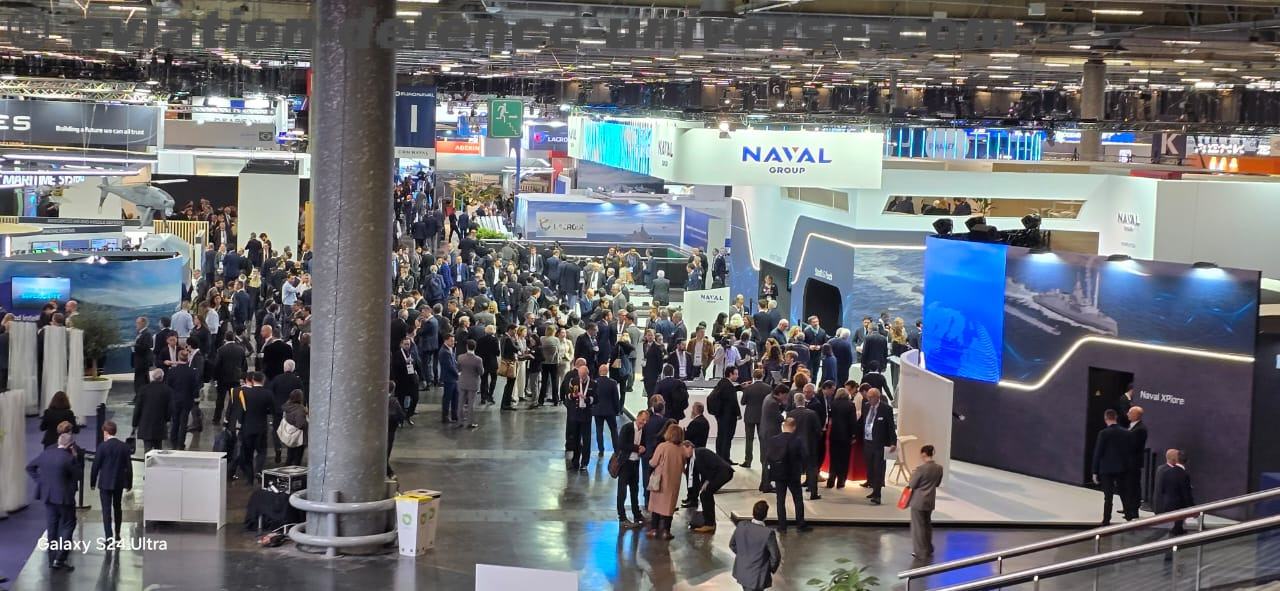 To do so, we are presenting a range of products, including our portfolio of submarines. As you may have seen, we have recently launched several projects that allow us to present not only our Scorpene-class submarines but also other variants that are slightly larger and more advanced. In addition to submarines, we are also showcasing our surface ships, the Gowind-class ships, and our flagship digital surface combatant – the FDI (defence and intervention frigates). This is a truly digitally smart surface vessel designed for modern naval needs.
If you look just outside, you’ll notice showrooms dedicated to seabed warfare and tactical combat. This reflects our focus on providing cutting-edge services, sensors, and tools for collaborative combat—a growing trend in future naval forces. This collaborative approach will enhance overall operational effectiveness.
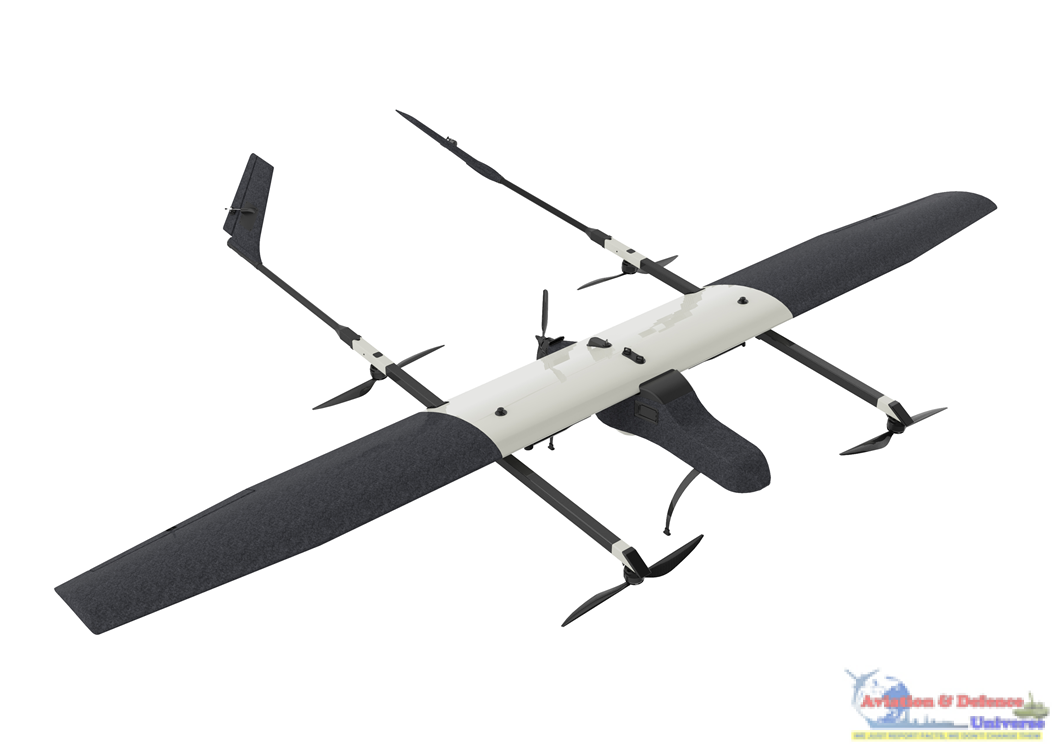
In addition to these products, we are also excited to share our technical breakthroughs, specifically in domain of naval drones. As you might have heard, last year we reorganized our company to better focus on these innovations.
ADU. What is seabed warfare?
S.Basu. In my view, seabed warfare is evolving rapidly, with an increasing number of sensors, sea mines, and weapons being deployed in the sea and on the seabed. As this trend continues, seabed warfare strategies will need to adapt. For example, mine hunters are no longer traditional ships that go out to hunt mines. Instead, it’s now about motherships that can carry and deploy multiple drones. These drones venture beyond certain limits to scan, relay information, and perform actions—without the mothership having to go into the high-risk zones.
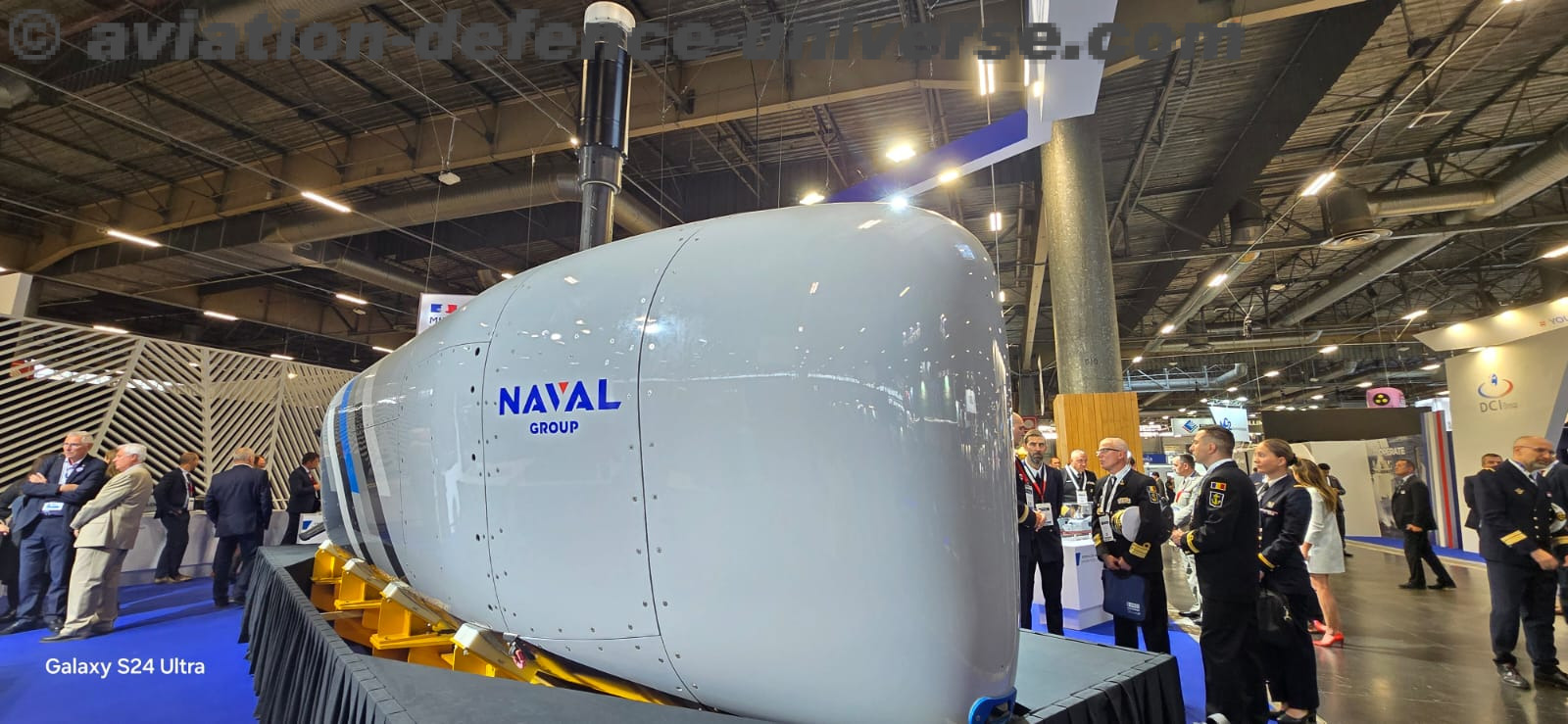 While human operators remain involved in the loop, drones play a crucial role in these operations. For example, but we have a ground-breaking project in the Netherlands and Belgium based on this concept, the first of its kind. This mothership concept, which carries several drones, is already undergoing trials, and the first ship of its class is receiving significant attention in the media. We are very proud of this project, as it represents a major technological breakthrough.
We are collaborating with our partners in the Netherlands, Belgium, and France on this initiative, and we are excited to offer this innovative solution. India may be interested in this technology. The ship itself is one component, the drones are another, but it’s also about how these elements come together, particularly the mission system, which acts as the brain of the operation. Managing and mastering this integration is critical, and we offer our expertise and experience to help our customers navigate these complexities.
ADU. Are these drones developed by Naval Group?
 S.Basu. We have a diverse portfolio. As I mentioned, we have a dedicated business line for drones, focusing on advanced and highly specialized drones that are difficult to design and develop. We have successfully created, demonstrated, and tested these drones. However, we are not aiming to cover all drone segments as they can vary widely in size, function, and capability – ranging from small and large to combat-ready models equipped with weapons and sensors.
Our focus is on high-tech naval drones. For other types of drones, we collaborate with partners to develop comprehensive solutions.
ADU. Shifting the focus to India, could you give us an update on Naval Group’s relationship with India?
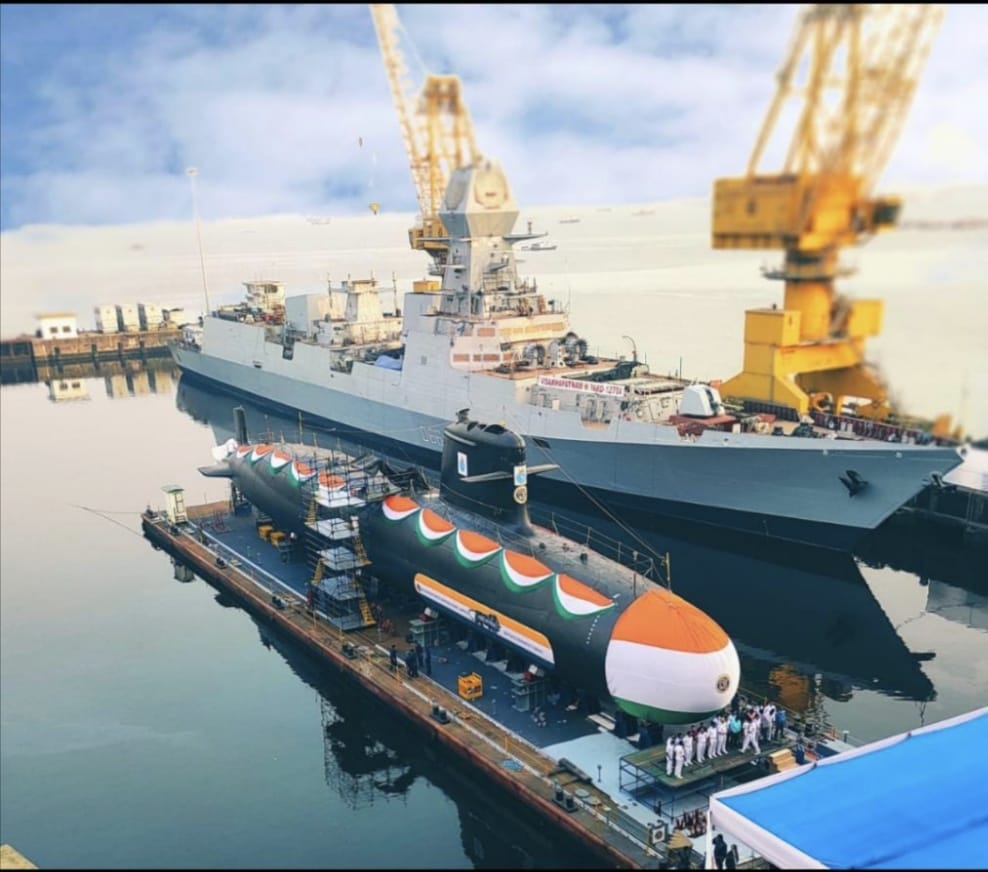
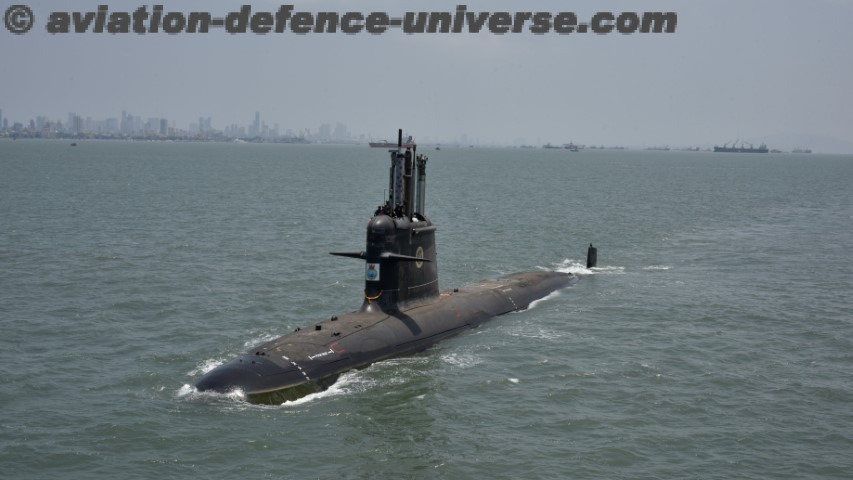 S.Basu. It’s worth noting that we’ve had a 20-year-long partnership with India and this story is built on strong foundations and successful milestones. The P75 project has been a success story in technology transfer, with five submarines built in India and the sixth one currently undergoing sea trials. Additionally, we have ongoing collaborations with DRDO for torpedoes, AIP (Air Independent Propulsion) systems, and other indigenous technologies. Our research and development teams are working closely with institutions like NITs and IITs in India on future technologies. Beyond submarines, we are also proposing cooperation in surface ship design with Indian shipyards, such as LPDs (Landing Platform Docks) and motherships for mine-hunter. Looking ahead, we are bringing our expertise in drones, which will play an integral role in the future of defense. We are excited to contribute to strengthening India’s defense capabilities through such cooperations.
ADU. After completing the six submarines, what is next?
S.Basu. Beyond building submarines, we’re committed to their long-term maintenance. We collaborate directly with the Indian Navy and MDL (Mazagon Dock Shipbuilders Limited) and have made dedicated investments in Karwar and Mumbai, where we have teams, engineers, workshops, machine tools, and the infrastructure needed to support the Navy directly. This is a long-term supportability initiative. The Indian Navy has extensive experience in submarine maintenance, but we are committed to providing tailored solutions and services to support them wherever possible.
Beyond that, we are working with MDL on the three additional submarines, which will feature more modernized Scorpene design. We are optimistic that these will enhance the Indian Navy’s fleet in the coming years and will feature a high level of indigenous content, meeting India’s goal for self-reliance.
ADU. Has Naval Group developed an Indian supply chain to support these initiatives?
 S.Basu. Yes, we’ve established a robust supply chain in India through the P75 program, and we’re building on these partnerships for ongoing maintenance and new projects. We have shortlisted more qualified Indian suppliers to contribute to the production of our proprietary equipment, ensuring compliance with local content requirements for future projects including that of additional Scorpene submarines. Additionally, we continue to support MDL and other stakeholders in identifying further qualified Indian companies that meet our specifications.
ADU. You mentioned collaborations with IITs and NITs. Does Naval Group have a program to support Indian startups working on naval technologies?
S.Basu. We collaborate with institutions like IITs and NITs through Indo-French programs, such as CEFIPRA. We fund research projects in areas like algorithms, welding technology, and other cutting-edge naval technologies. This research effectively acts as a form of incubation, enabling students and researchers to work on advanced technologies, with funding provided jointly by French and Indian partners.
ADU. Would you like to add any final thoughts?
 S.Basu. India and France share a unique strategic partnership, and we are honoured to be a part of this relationship. Naval Group has been operating in India for two decades, and we are committed to continuing this partnership for many more years to come. Our Indian team has grown significantly. We’ve also discussing export-oriented agreement with Indian shipyards such as Cochin Shipyard, MDL, GRSE, and others, further underscoring our commitment to India as a strategic partner. Indian naval defence is deeply embedded in the DNA of France and French industries, and our enduring commitment and presence in India reflects this.
As told to Sangeeta Saxena