


 18th BRICS Summit










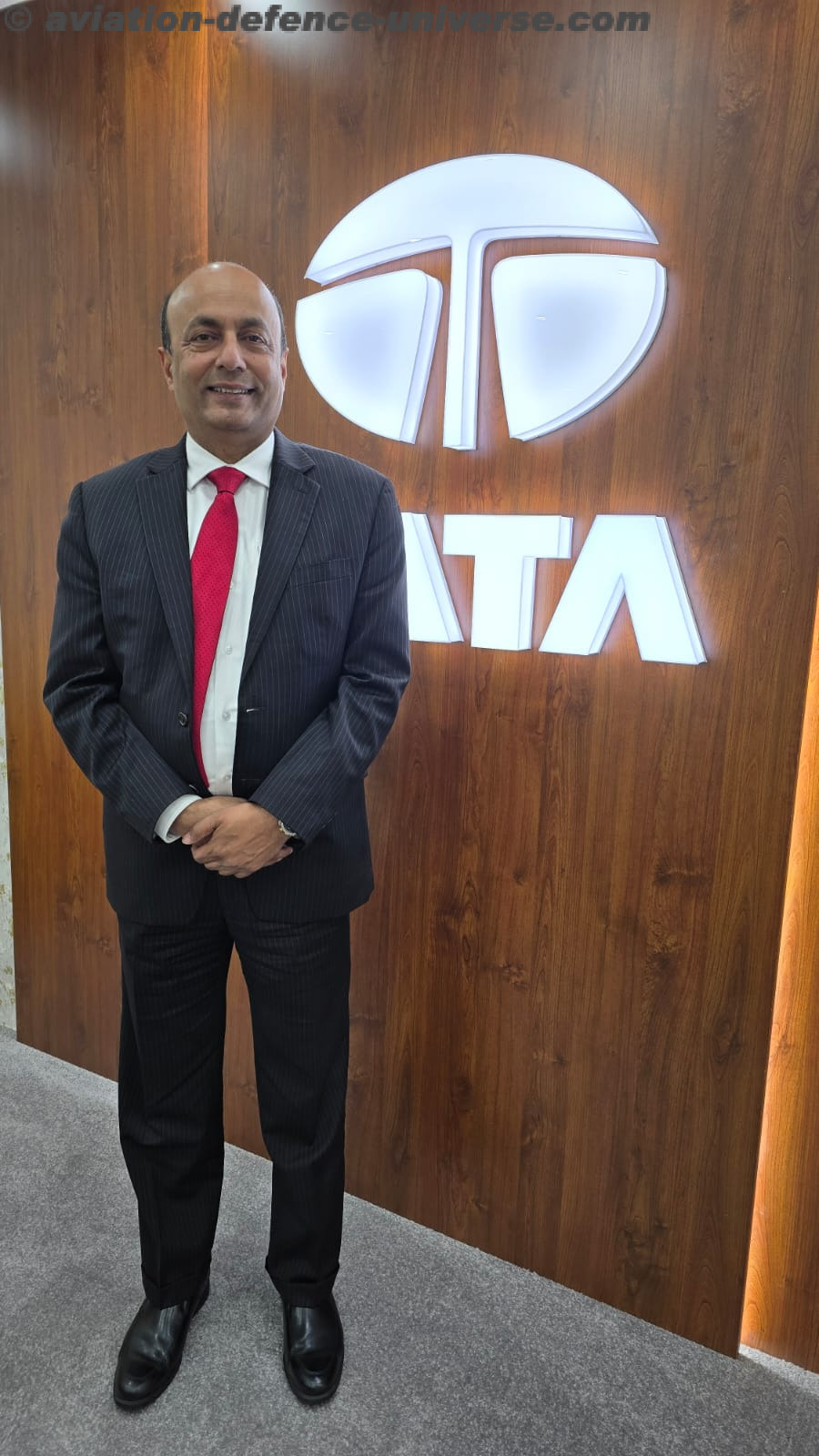
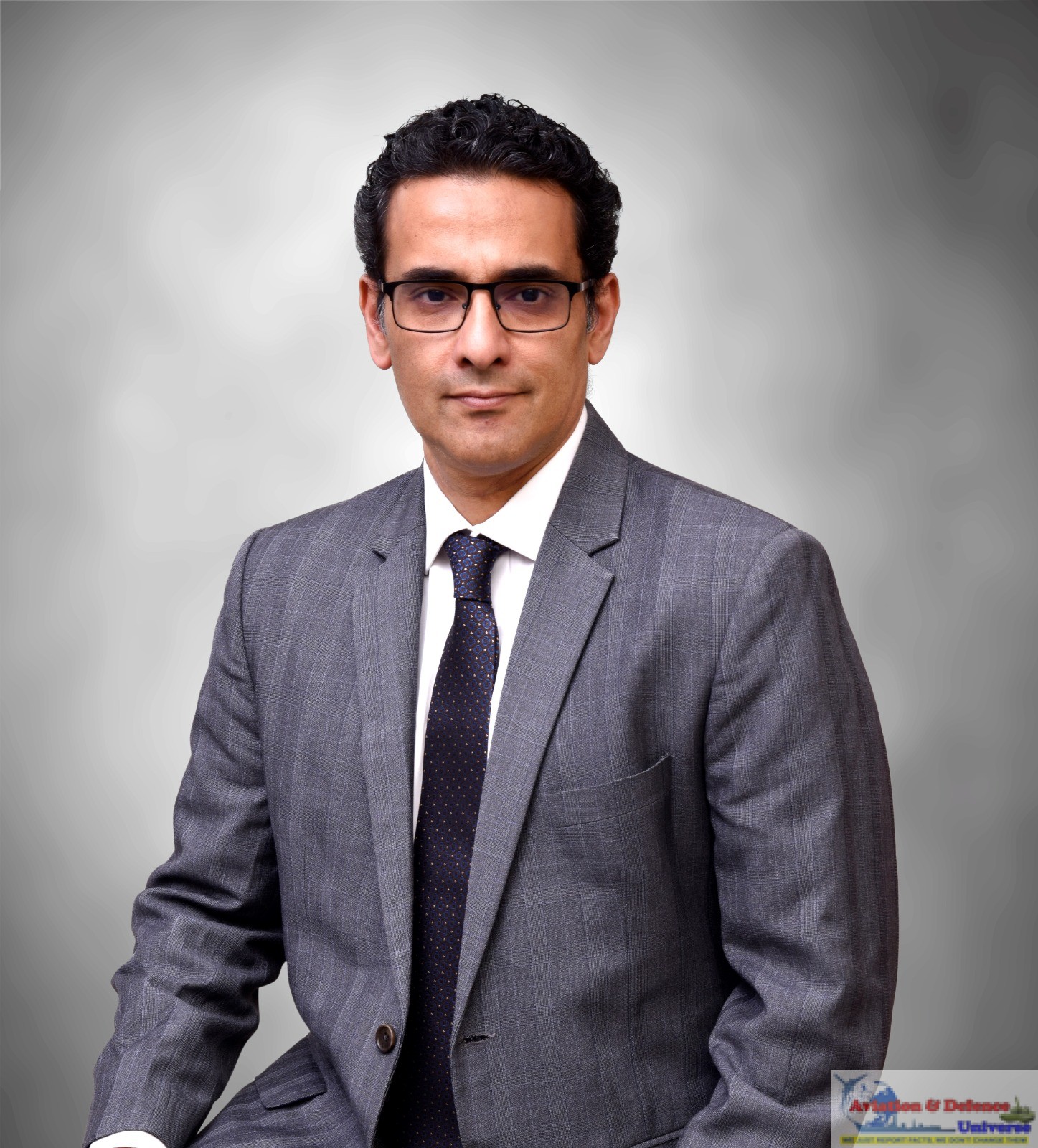
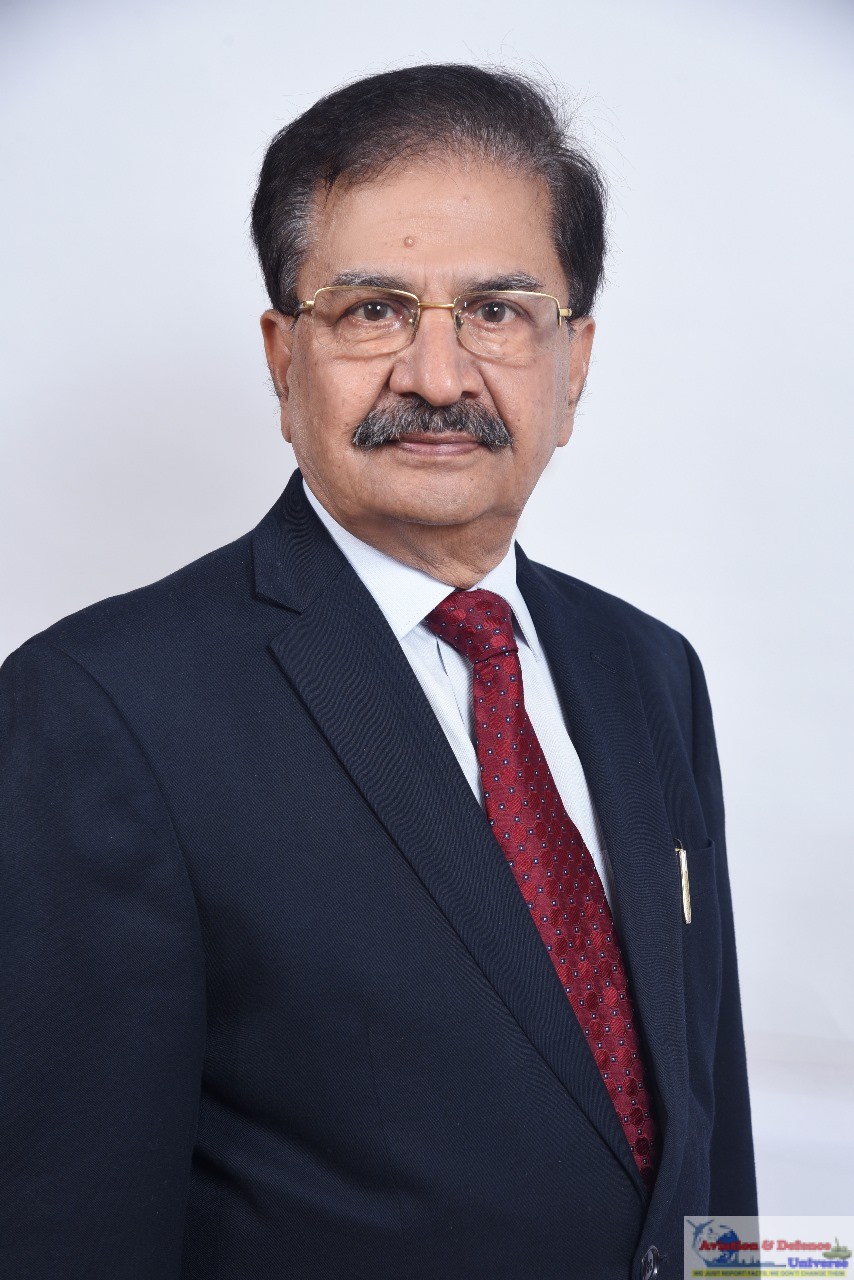
- President Manufacturing Anupam Singhal on Revolutionizing Aviation with Cutting-Edge Technologies
By Sangeeta Saxena
Farnborough, UK. 24 July 2024. When IT started with a bang, then boomed globally, became the career of choice and broke the myth that it was a bubble which will burst very soon, one fact was clear IT was here to stay , digitisation will be the order of the day and no field was going to be left untouched. So how could aviation remain unbrushed by its charisma? A major change in airshows which is a very pleasant one, is the presence of IT majors in good strength and the recently concluded Farnborough International Airshow 2024 was proof enough to this positive change. Making all Indians proud at the show was the presence of Tata Consultancy Services popularly called TCS.
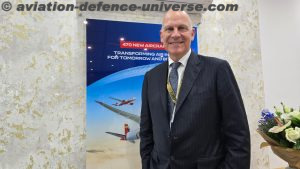
 “At this turning point in its history, the aerospace sector is ready to take off thanks to technological advancements. Growth is threatened by supply chains and sustainability issues, notwithstanding the record demand. Accepting cutting edge technologies like blockchain, quantum computing, AR/XR and AI/GenAI will revolutionise MRO and help accomplish sustainability objectives while fortifying and strengthening supply chains. Now is the time to take action, and we are excited to realise all of these for our clients,” stated Anupam Singhal, President Manufacturing, TCS in an exclusive interview with Sangeeta Saxena Editor Aviation & Defence Universe (ADU) at Farnborough Airshow 2024 recently.
ADU. What is TCS targeting at Farnborough Airshow?
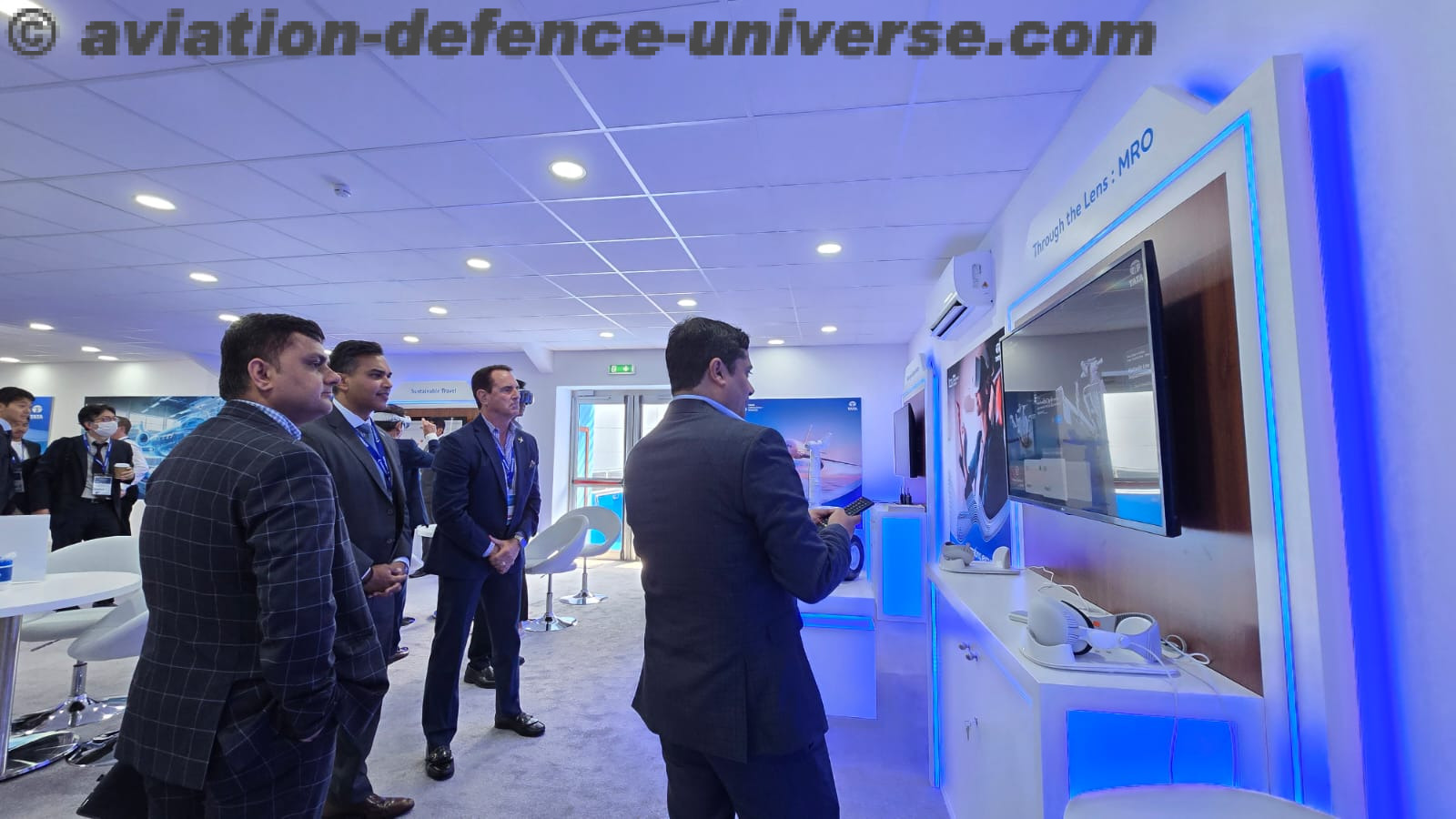
AS. TCS has a large presence in the aerospace and defence sectors. We work with most of the OEMs wherein we provide them services across the system development, IT infrastructure services, business process , supply chain and some of the new technologies like AI, Gen AI and quantum. We have multiple use cases which we believe are going to really help them some of the challenges they are facing right now.
ADU. Which according to you are the three main issues in which TSC can give solutions to the aviation sector?
AS. Supply chain resilience is a big problem. It could be because of political turmoil or issues around fulfilling the huge demand in the marketplace. So, our approach is to ask ourselves how we can give our aviation clients more insight. Fundamentally we ask, “Can we use technology to give them a wider view of the possibilities?”. That guides our supply chain resiliency first mentality.
 Second is sustainability. If you look at sustainability, everyone is talking about India, with the growth of air travel and the number of orders which they have placed. And if you look at it, the more travel occurring and increasing planes in the air means more the carbon emissions are being emitted. So, safety aside, how do you store these emissions? Once the plane is in the air, what we understand is that for every one minute of flight, it dumps roughly 100 kilograms of carbon dioxide. And we’ve all been in a situation wherein you are just about to land, but the pilot announces that there are air traffic control issues and there is going to be a holding pattern for the next 20 minutes. That means every minute they are flying in that pattern, waiting to land they are burning that much fuel, which is not required. Another challenge is the weather situation, where condition’s cause pilots to take wider flight paths. So, we can look at these weather patterns developing in two ways. One is through historical data. Second, considering the various parameters, are we able to forecast before the flight wherein the plane must stay in the air to prevent them from burning excess fuel, and ensuring a flight optimised path. Even if there is an unexpected weather pattern developing somewhere, we can look for an alternate route which can take them through the shortest possible time in a safe manner. I think this is the power of technology which can enable this industry in both these parts.
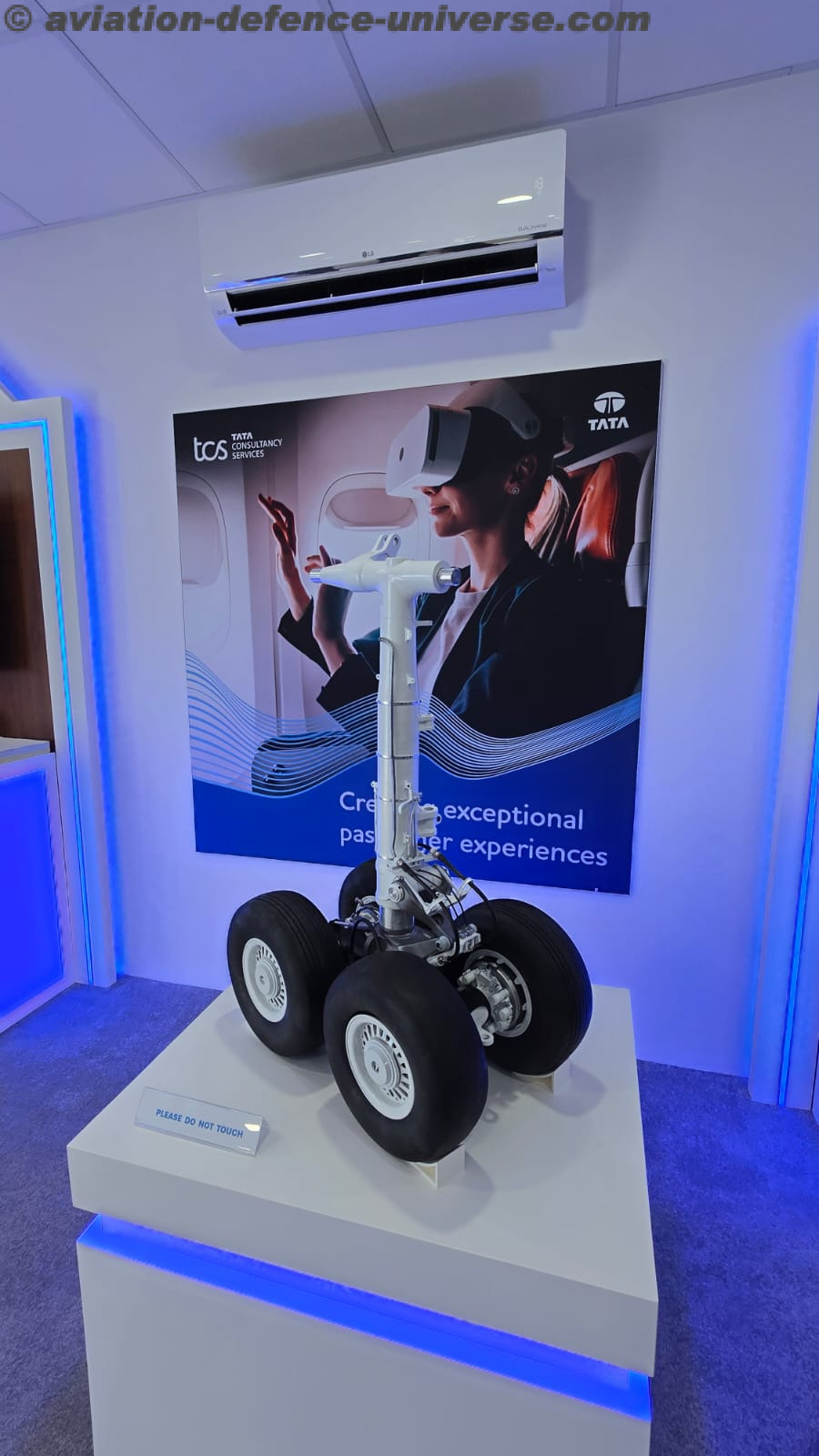
And third is obviously customer experience. Though the manufacturers may not have that direct B2C responsibility, they are in touch with you. Because when you are traveling, it is the airline which is a villain most of the time. Oh, they are not doing well, but in the back end there could be lot of things happening unexpectedly. If there is a mechanical issue in the plane, the airline gets the wrath. But there is a possibility that the issue may be in the back end. This could be anything from the MRO, the whole maintenance of the engine, or even that the engine is dumping tons of emissions mid-flight. With these potential backend issues in mind, we want to create predictive analytics, so that rather than having this sudden mechanical issue, it can be forecasted in advance. For example, once a flight runs for 8 hours, airlines can use those analytics to know exactly which part would need to be serviced or replaced.
ADU. Are you forecasting and is there a software for forecasting?
AS. It is the whole modelling. So, we build the model and that sits on their internal system. The first thing is every airline, every manufacturer would have their own data set. What we build is a complete intelligence layer on top of it, which can sit on their system and analyse the data or harmonize the data to give that insight. Obviously, it is a highly regulated industry, so they have to do what they need to do. But giving them more insight than what they have right now, provides them with much more possibilities to consider.
ADU. So, are there soft wares for predictive maintenance?
AS. Predictive maintenance, yes. This engine data which comes, you build a whole complete analytics layer on top of it. You can fairly predict that engine is, this part is going to go bad or this part may need service. This is the possible flying time because you have all the past data of the situations. On that predictive model you make and say you need to do this now. If you don’t do it, then perhaps you would have to cancel your flight or if you have to fly, you know, your flight would be delayed. Because for the airlines as well, they make money if the plane is in the air. If the plane is on the ground, they don’t make any money at all.
 So, and as passenger we are so upset. You would have missed your big interview opportunity which you may have or you may be upsetting some big, you know, CEO of a firm because you are going to do and then the next time perhaps he or she could be available after three months of time and you don’t want to do it. So, the whole customer experience becomes extremely important. We believe customer at the focus, at the centre and the sustainability. The second is the whole supply chain resilience and third which is extremely important, cyber security.
ADU. Which other risks and challenges does a company like TCS has to cater for when it works in aviation?
AS. Risks are very different, and the challenges are different too. The good thing about the technology is that yes, it is there for the good purpose. The technology is there with the bad elements as well. So, the challenge all of us have is how do we stay ahead of the bad elements in everything what we do. In cyber security you have tons of data which you have, or which is coming in. You can fairly analyse where the potential vulnerabilities you have on the system are so you can plug them and protect the system. That is a very complex, sophisticated system in the back end, which you and I as normal passengers don’t realise.
 For us, the airline is the one who is the villain but that’s where I think the ability for us to bring that visibility, removing those blind spots for all the people is important. See, we are not saying these things will replace human beings. The idea of having a ‘human in the loop’ is basically that people are the decision makers, the technology simply gives them the right data points. The right insight is what it is. You make your decision. Because in the airline business, I think it will still take some time wherein the machine can make the decision all the time, even with AI in the market because AI is data. If the data quality is not good, then the insights are equally as bad.
So, the biggest challenge in the industry is the data. First, having the data. Second, connecting the data. Because data may be lying in multiple silos, and they need to be talking to each other. Third, the quality of data. A thing could be defined as something at one place, by some different name at another place and with a different dimension somewhere else. The ability for us to build that, connect all these three items, is critical. One is lying in your design shop, one is lying in your production, one is lying in your sales, one is lying in your after sales and one is lying in your repair maintenance. Same item. What could be the possibilities of a different item?
ADU. Do the new technologies benefit MROs in their functioning and eventually in supply chain management?
AS. Absolutely. Cloud-based engineering platforms and digital threads can be enhanced by AI and GenAI in product development, enabling a “shift left” approach to supplier collaboration. Due to the reduced danger of long-tail supply chains and expensive redesigns, there are wiser component selections.
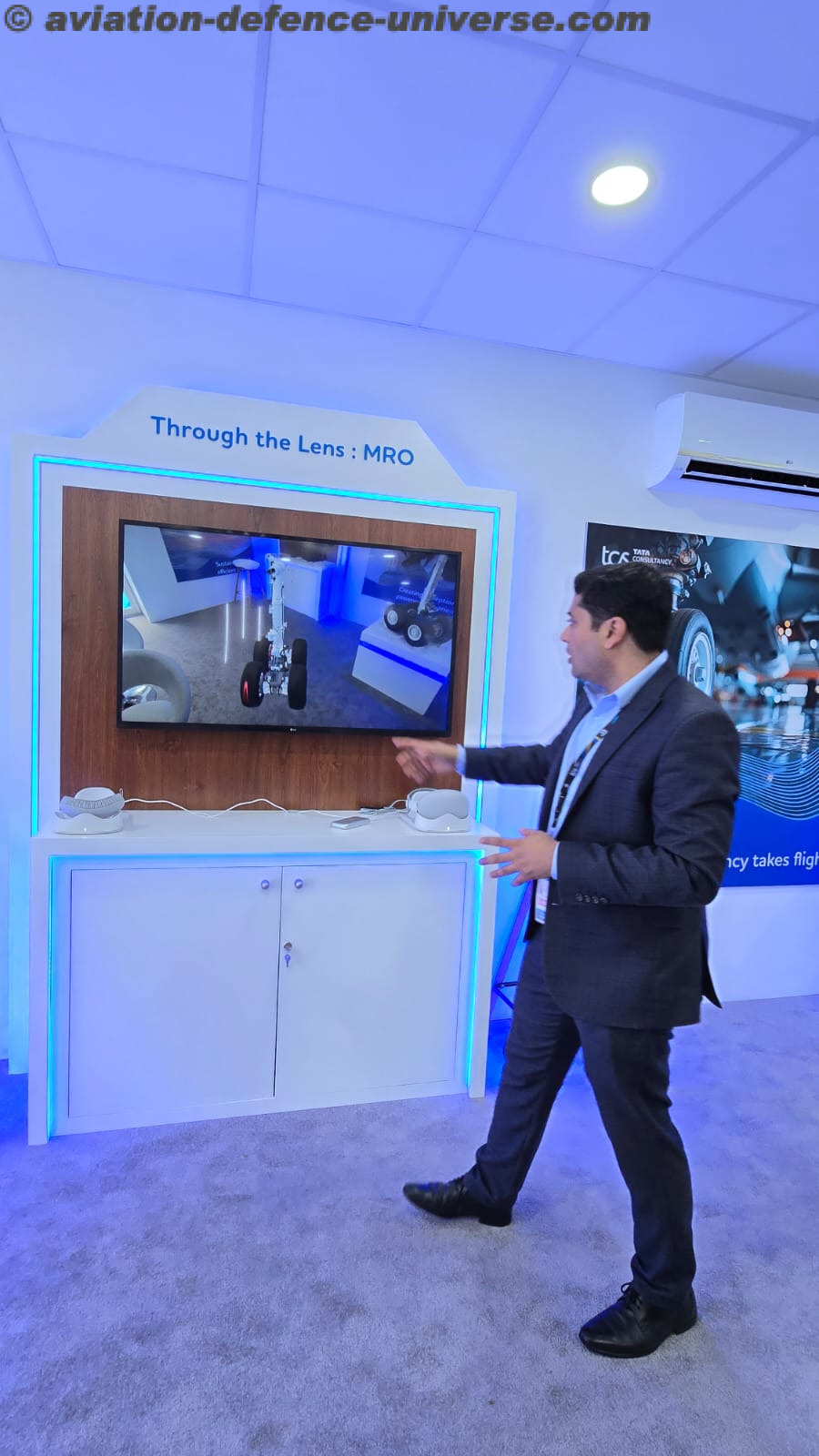 Utilising AI and GenAI, production processes can be optimised without increasing inventory costs by anticipating material shortages and quickly sourcing alternatives from Tier 1 and Tier 2 suppliers. AI and GenAI-enhanced MRO and used serviceable supplier partnership is expected to yield considerable benefits for the MRO market. Businesses can obtain a better understanding of acquisition costs and transaction velocity in evaluating fair market and aftermarket resale values by utilising aircraft condition monitoring data, which is provided by blockchain technology and AI systems for “back to birth” traceability.
The marriage of generative AI and blockchain technology promises faster and more effective search and discovery of used materials as well as new parts in the MRO sector. This enhances planning for the use of scrap materials from ageing fleets in closed-loop production in addition to maintaining asset value and airworthiness.
Businesses can negotiate the complexity of contemporary supply chains and strike a balance between operational resilience and efficiency and sustainability objectives by adopting these varied technical solutions.
ADU. Now that you have an in-house airline have you got a lot of work off loaded to you which was earlier going to other IT companies?
AS. So, Air India, as you know, the way it is structured, is an independent firm. And we compete for their work with others. So, there is nothing which is likely offloaded to us. We compete and in some places we do that work, some places we don’t do that work. But we do have the capabilities. Our airline business, which is under Travel Tourism and Hospitality, that’s where they take care of this MRO work. But at the back end of the MRO piece of it, the whole service, logistics, supply chain, that’s become part of it. There are a lot of important things like manufacturing execution and product life cycle management, PLM as you know. The whole personalisation of the experience is extremely important.
ADU. TCS, being a part of the aerospace ecosystem, have you also created digital assets for every individual industry like the OEMs, the engine makers, furbishers, airlines, shop floor MROs and supply chain industry?
AS. We have been collaborating with airlines for quite sometime. TCS Aviana™ is a unified, autonomous, and digital airline operation solution that can help mitigate operational inefficiencies, cumbersome information access and exchange mechanisms, suboptimal decisions, and their consequences–cost, 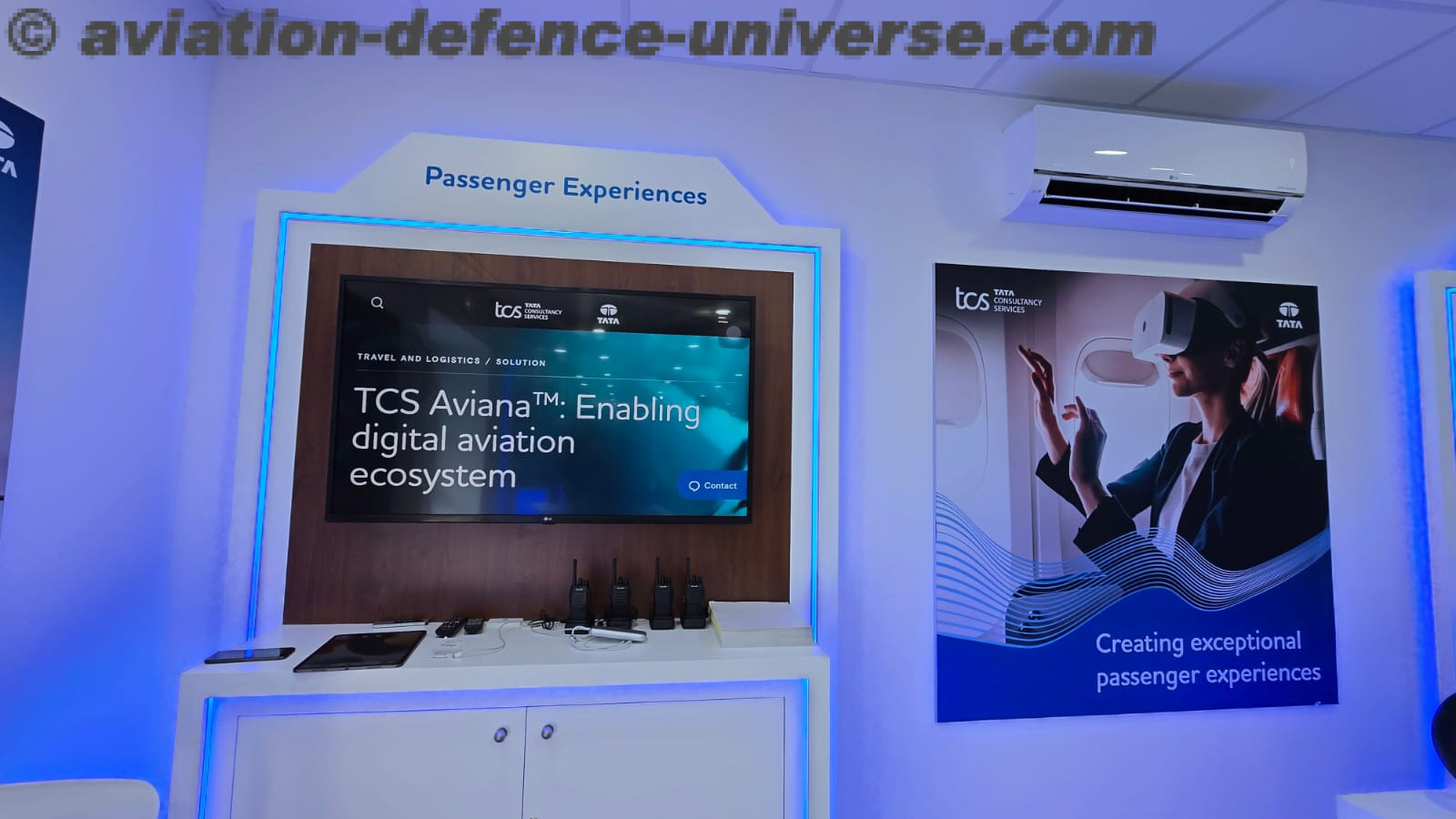 disruption, and customer dissatisfaction. United Airlines has been using this solution of TCS.The company has so far established a strong digital basis, which consists of a digital e-commerce platform and an always-on IT infrastructure. TCS collaborated with SAS Innovation Lab to provide top-notch customer support through cutting-edge platforms like Turi, a chatbot powered by artificial intelligence (AI) that acts as a personal travel agent and it’s data-driven decision-making and intelligent IT operations management through the usage of TCS’s award-winning cognitive automation platform, ignioTM. Over the course of 30 years, TCS and KLM have developed a range of industry-first services for its customers, setting the pace for the rest of the aviation world and ensuring the best possible experience for passengers, including a suite of award-winning mobile apps – for booking and reservation management, BlueBot – the airline’s AI-powered social media chatbot, Voice assistance integration – Google Assistant voice implementation with BlueBot, for voice-driven customer service, A smart digital queue – a personalized solution that allows every single KLM customer to queue digitally in the airport lounge and the ability to collect boarding passes via social media – WhatsApp, Facebook Messenger and WeChat.
 TCS has expanded its partnership with Rolls-Royce to research into hydrogen fuel system technology, continuing to prove hydrogen could be a zero-carbon aviation fuel of the future. TCS partnered with GE to deliver Business Data Object Modelling, designed for high performance analytics and reporting. The Services Data Lake digital platform delivers crucial data that is refreshed 90 percent faster than existing solutions, leading to a 20 percent reduction in financial closure cycle time. The platform helps consolidate contractual, parts, technician, and repair services data from individual product and service lines, thereby overcoming challenges such as slower data collation, delays in performing quarter end and period closures and predictive analytics failure.
TCS and British Airways have created the SWIFT MRO, an integrated IT solution designed for the Maintenance, Repair, and Overhaul (MRO) industry. This solution, based on the latest SAP platform, incorporates British Airways’ best practices and focuses on key MRO requirements such as compliance control, inventory management, and maintenance operations. SWIFT MRO aims to enhance productivity by minimizing manual intervention, increasing process automation, and eliminating non-value-added activities through a simplified Graphical User Interface. Garuda Indonesia is also using SWIFT MRO.
TCS has set up a private cloud for Virgin Atlantic and provides services including Infrastructure-as-a-Service, End User Services and Application Support Services across the whole of Virgin Atlantic’s technology landscape.
ADU. Part of your portfolio is also defence. What are you doing in that?
AS. We are doing very little right now. We are just starting in defence because, as you know, in this segment there are lot of things that you can do, but more things that you cannot do. We do work, but we are not big into defence sector. Our ambition is to be significant in the defence sector in the future.
As told to Sangeeta Saxena







































-A4-Size-(2)_page-0001.jpg)