









- Ease of Doing Business Is Priority No. 1 & FDI Must Not Dilute Indian Capability
- Reveals New MRO Roadmap & appreciates government’s role in creating it
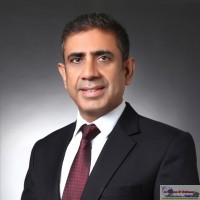
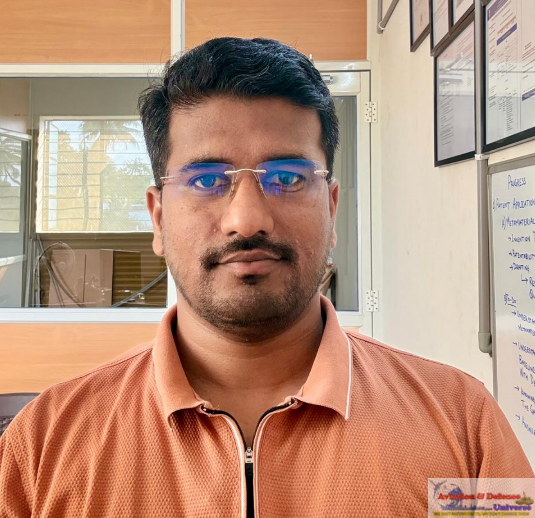
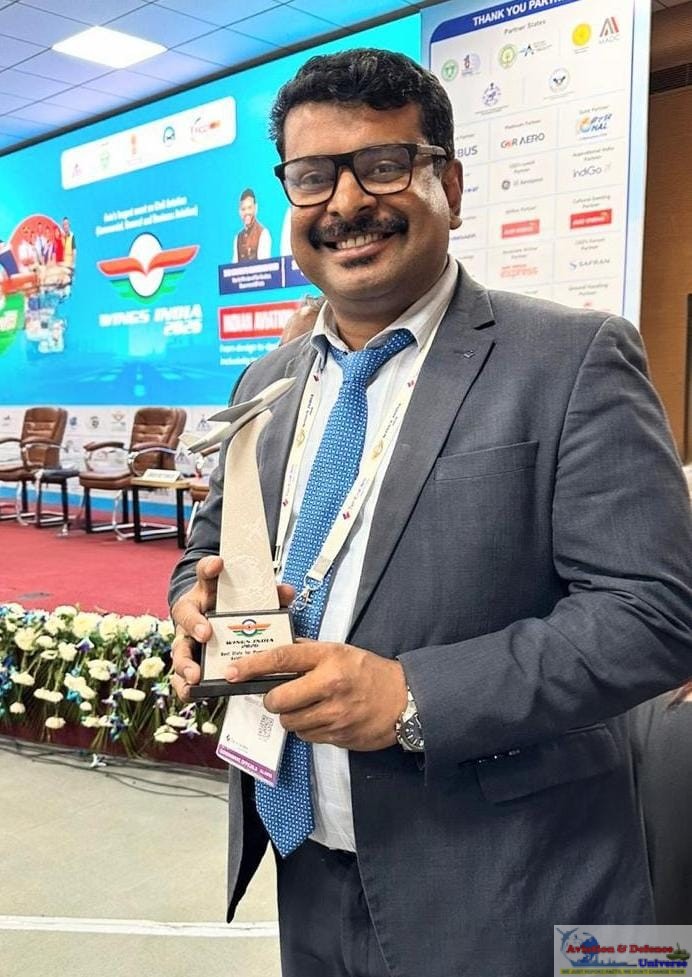
- Bharat Malkani Founder & CMD Max Aerospace in a candid conversation with ADU
By Sangeeta Saxena
New Delhi. 16 November 2025. India is entering a decisive growth phase in MRO, supported by rising fleet sizes, OEM interest, indigenous capability, and transformative regulatory reforms. The country is moving from an import-dependent model to one driven by local capability creation. With policy changes around customs, royalty, ease of doing business, and manpower training, the Indian MRO market is poised to reach USD 4–5 billion in the coming years. New MRO hubs—Nagpur, Hyderabad, Bengaluru, and MIHAN—are positioning India as the largest MRO ecosystem in South Asia, aligned with the government’s Atmanirbhar Bharat vision.
At a time when India’s civil aviation sector is witnessing unprecedented expansion and the demand for robust MRO capabilities is at an all-time high, Max Aerospace remains a frontline contributor to India’s journey toward self-reliance in aviation services. In this candid conversation with ADU, Bharat Malkani, Founder and CMD of Max Aerospace and a key voice in India’s MRO policymaking ecosystem, reveals how the Ministry of Civil Aviation (MoCA) and industry stakeholders have jointly crafted what could become the most transformative MRO policy reform in India’s history.
From regulatory bottlenecks and foreign OEM participation to Max Aerospace’s major new facility, upcoming manufacturing plans in Nagpur, and the future of India’s MRO ecosystem—this interview offers deep insight into the direction India is headed as it pushes toward becoming a global aviation hub.
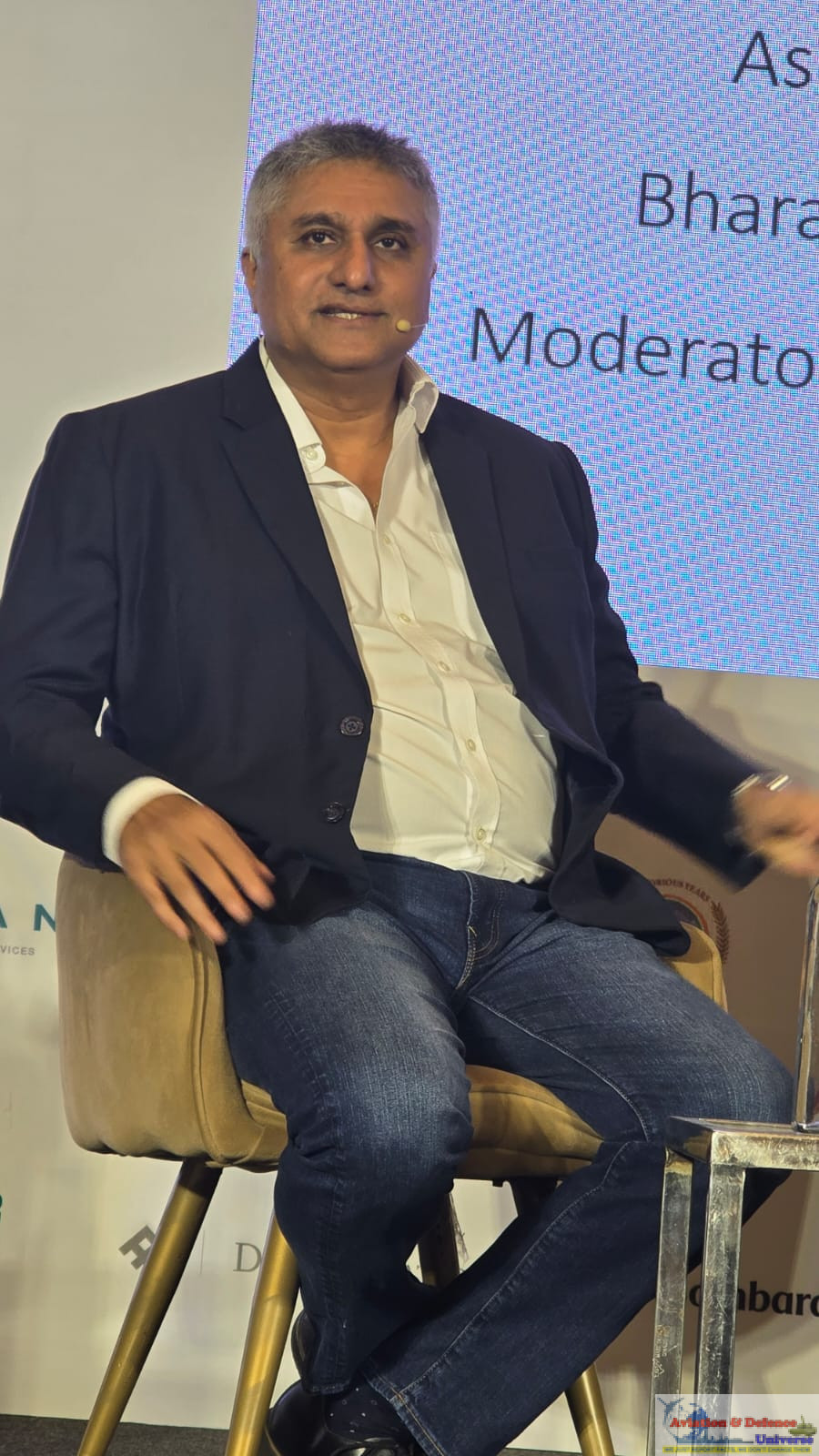 ADU. You mentioned you had something big to share. What’s new on the policy front?
Bharat Malkani. I’m headed to MoCA as we speak. The MRO association—along with all airlines and Air India Engineering—was asked by MoCA to chart the future roadmap for Indian MRO. Our import bill is massive and unsustainable, and we’ve spent months drafting clear, structured reform proposals.
The minutes circulated yesterday show consensus between government and industry. My goal now is to ensure these reforms translate into regulation, especially around three pain points: ease of doing business, excessive bureaucratic control, and legacy processes that hinder growth.
ADU. What are examples of the barriers you want removed?
Bharat Malkani. A glaring example is the requirement for RAW or IB clearance for every foreign specialist coming to train Indian MRO teams. This is counter-productive—everything in aviation is imported: aircraft, manuals, tooling, training. Expecting every trainer to get intelligence clearance slows down India’s knowledge absorption dramatically.
Globally, you deposit your passport, walk into the MRO and start work. We showed MoCA how Air France, Singapore Airlines and Lufthansa do it. The government saw reason. Visa itself is a clearance—MEAs don’t issue visas to criminals.
ADU. You also mentioned airport royalty charges.
Bharat Malkani. Royalties at private airports are an outdated colonial concept. MRO is an essential service—no MRO, no aviation safety. Royalty is unjustified and we’ve asked for its removal. These points are now acknowledged, and the draft reforms reflect that.
ADU. Is implementation assured?
Bharat Malkani. The agreement is on paper, and every stakeholder—DGCA, BCAS, AI, MoCA, airlines, MROs—was part of it. Implementation mechanics will be clearer after today’s meeting. It’s a wait-and-watch, but directionally, it’s the biggest MRO policy shift India has ever seen.
 ADU. What is your view on 100% FDI for foreign MROs in India?
Bharat Malkani. I openly oppose it. No country allows foreign MROs to hold majority ownership. Try buying 51% of Safran or Collins—France or the US would shut you down. So why should India offer 100% ownership?
Safran’s Hyderabad MRO is seen as a great move. I disagree. They should have been required to partner with an Indian company, like they did with HAL for Shakti. Today, all intellectual property stays with them; we become labour. That’s not self-reliance.
ADU. Coming to Max Aerospace—what’s the status of your upcoming new facility?
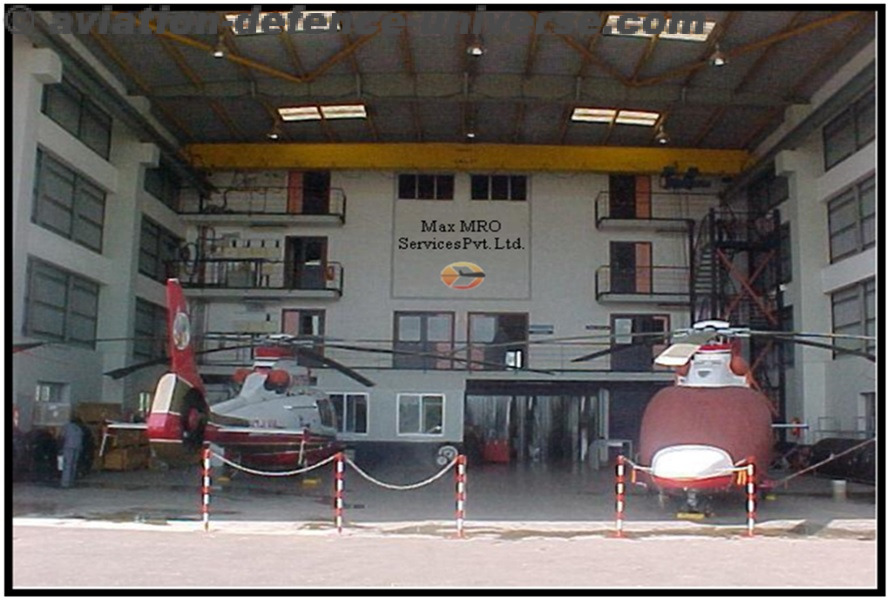
Bharat Malkani. Monsoon delays set us back, but we’re tracking January for commissioning. The new facility is at least four times larger than our current one. We already hold major wide-body licences for Phase 1 and won’t take advance licences without readiness—it wastes money.
Training manpower for wide-body systems happens at OEM facilities. It’s expensive but delivers unmatched quality. This is why over half our revenue comes from exports and why we’ve had zero warranty removals for more than five years.
ADU. What’s the update on your Nagpur aircraft manufacturing project?
Bharat Malkani. Maharashtra has confirmed land and infrastructure support. The aircraft will be manufactured in Nagpur, partly inside and partly around MIHAN. We don’t want to operate from an SEZ—too many constraints for a programme where 50% must be made in India.
Bell supported us at the pre-bid stage. The aircraft we propose is battle-tested, field-proven and ideal for Indian military needs. Funding will be through a mix of our capital, private equity and bank debt. Given the defence focus, banks are extremely forthcoming.
ADU. What would you like the public to understand about aviation today?
Bharat Malkani. Aviation is no longer for the rich. It is a time-saving necessity for the common man. If someone with a six-day leave travels 36 hours each way by train, it kills half the holiday. Aviation gives them time with their families. As new airports like Hindon expand, this accessibility must be communicated. India’s aviation boom is people-driven, not luxury-driven.
 ADU. How do you envision the MRO industry’s global growth?
Bharat Malkani. Globally, the MRO industry is experiencing double-digit growth due to ageing fleets, supply chain realignments, and increasing digitalisation. Airlines are outsourcing more maintenance, shifting to predictive analytics, and demanding cost-efficient turnaround solutions. As OEMs tighten control over IP and aftermarket services, independent MROs are collaborating worldwide to stay competitive. The global MRO market, estimated at USD 90 billion and projected to cross USD 125 billion by 2030, is being shaped by sustainability pressures, manpower shortages, and the emergence of South East Asia and Gulf as new power centres.
ADU. What are Max Aerospace’s plans to expand business in Weat Asia?
Bharat Malkani. Max has partnered Air Charter International , an eVTOL company in Dubai. We are going to be leading the foray into electric propulsion and allied requirements of this what we see as the future of air mobility
The Middle East and Southeast Asia have emerged as the world’s fastest-growing MRO corridors, driven by massive fleet expansion, a surge in low-cost carriers, and strategic government investment. Countries like UAE, Saudi Arabia, Singapore, Malaysia and Indonesia are building world-class MRO clusters with strong OEM participation and capable regulatory systems. Dubai and Singapore serve as global MRO nodes, while emerging centres in Riyadh, Abu Dhabi, Jakarta and Bangkok are capturing wide-body and cargo MRO demand. Both regions are benefiting from aviation liberalisation and are now competing directly with Europe for global MRO leadership.
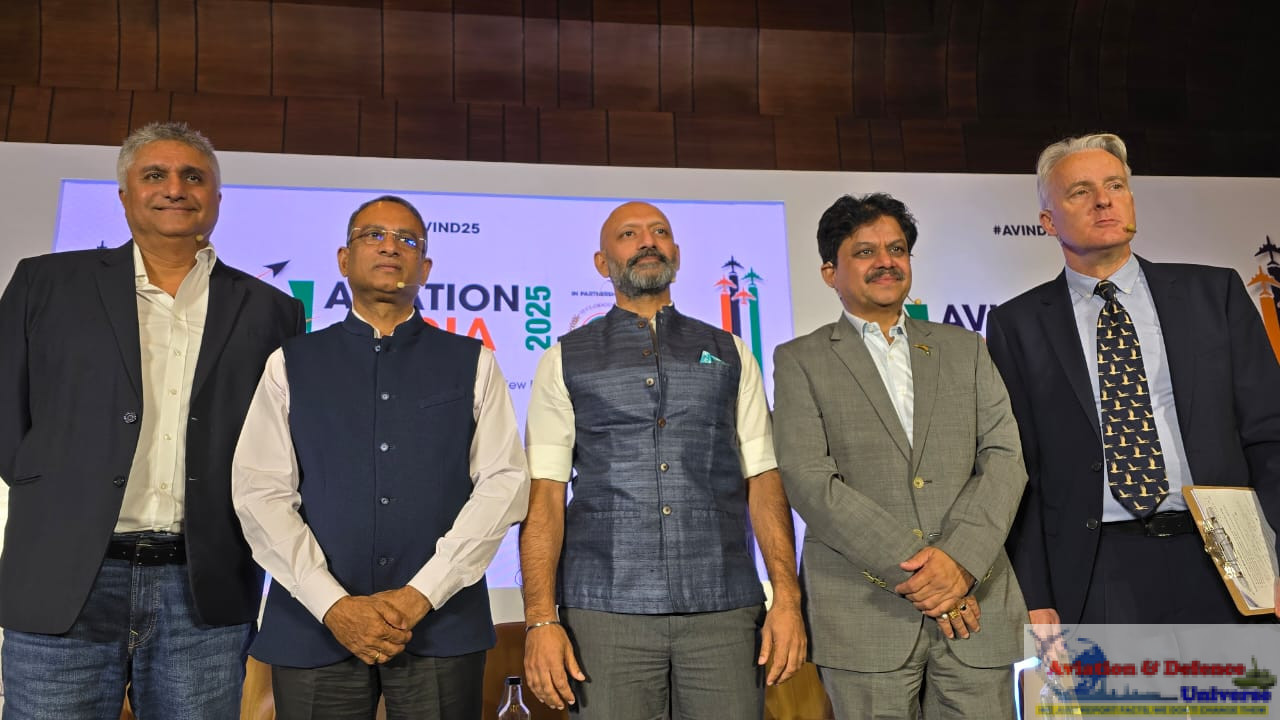
In this powerful conversation, Bharat Malkani lays bare both the opportunities and the structural challenges of the Indian MRO sector. From landmark policy reforms and global benchmarking to the bold new manufacturing push in Nagpur and Max Aerospace’s capacity expansion, his insights reflect the confidence of a sector finally coming of age. As India prepares for one of the most significant overhauls of its MRO ecosystem, Max Aerospace will continue to play a central role—driving capability, fostering global standards, and anchoring the nation’s ambition to become a world-class aviation hub.
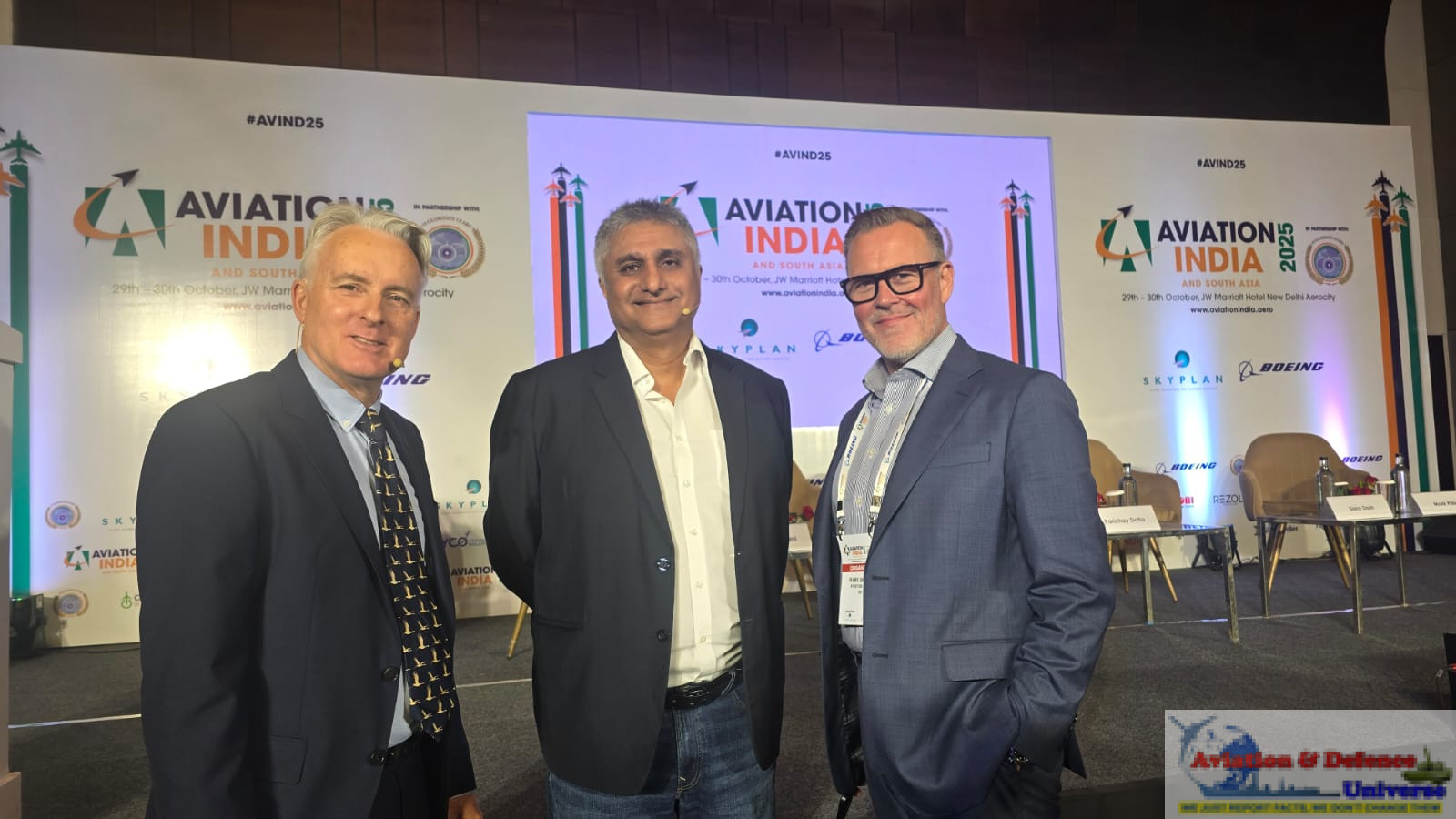
As told to Sangeeta Saxena/ Interview conducted at Aviation India 2025