














- “Every Boeing Aircraft Has a Part Made in India – Our Goal Is to Enable Every Indian to Fly”
- MRO, Leasing, Industrialisation –India is creating an aviation ecosystem for the world
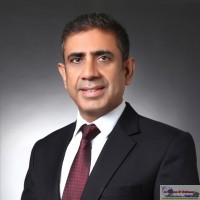
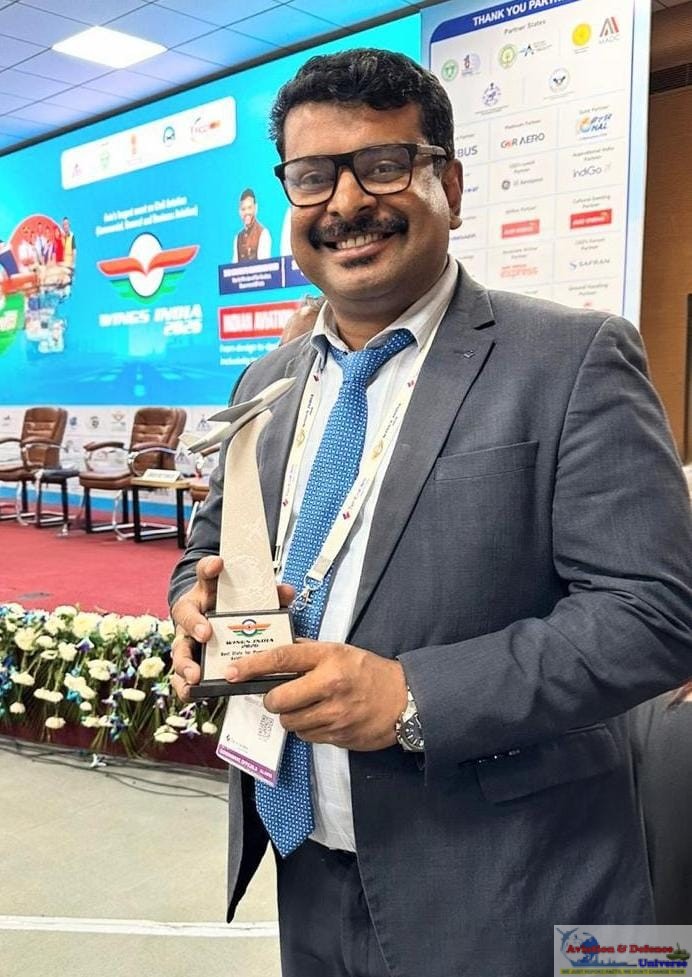
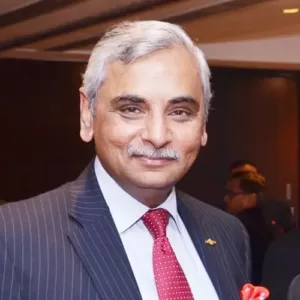
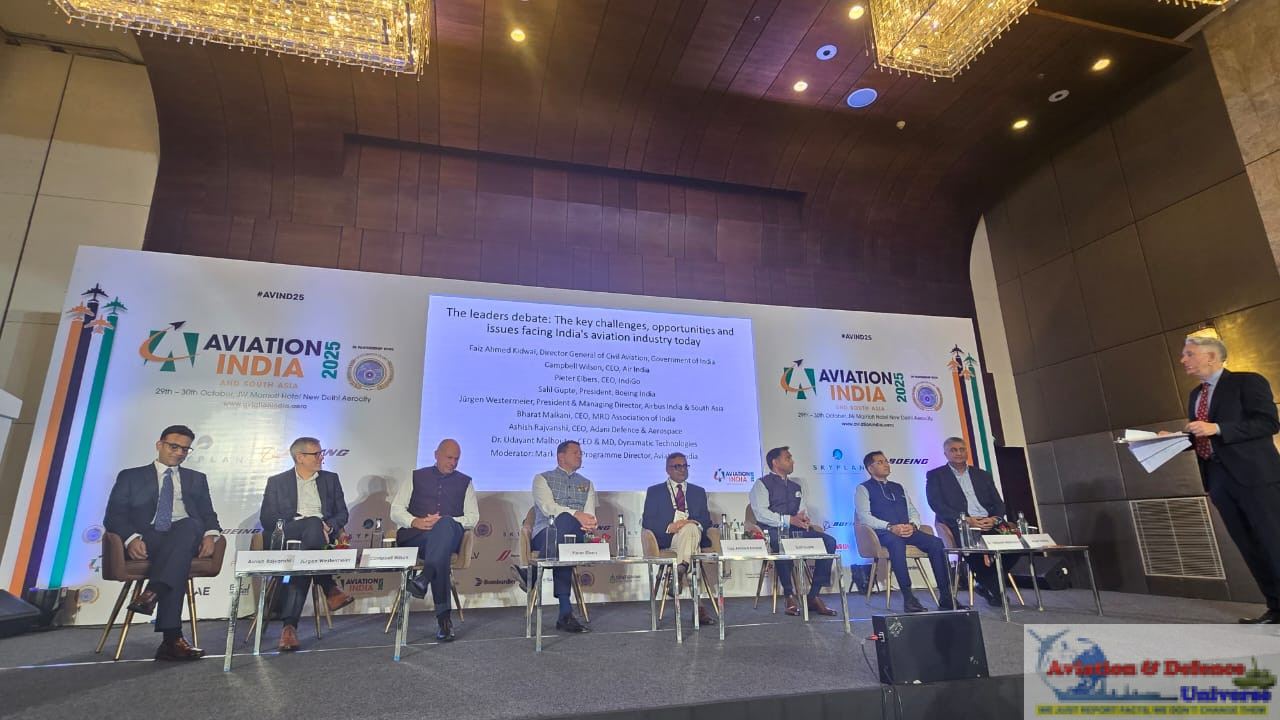
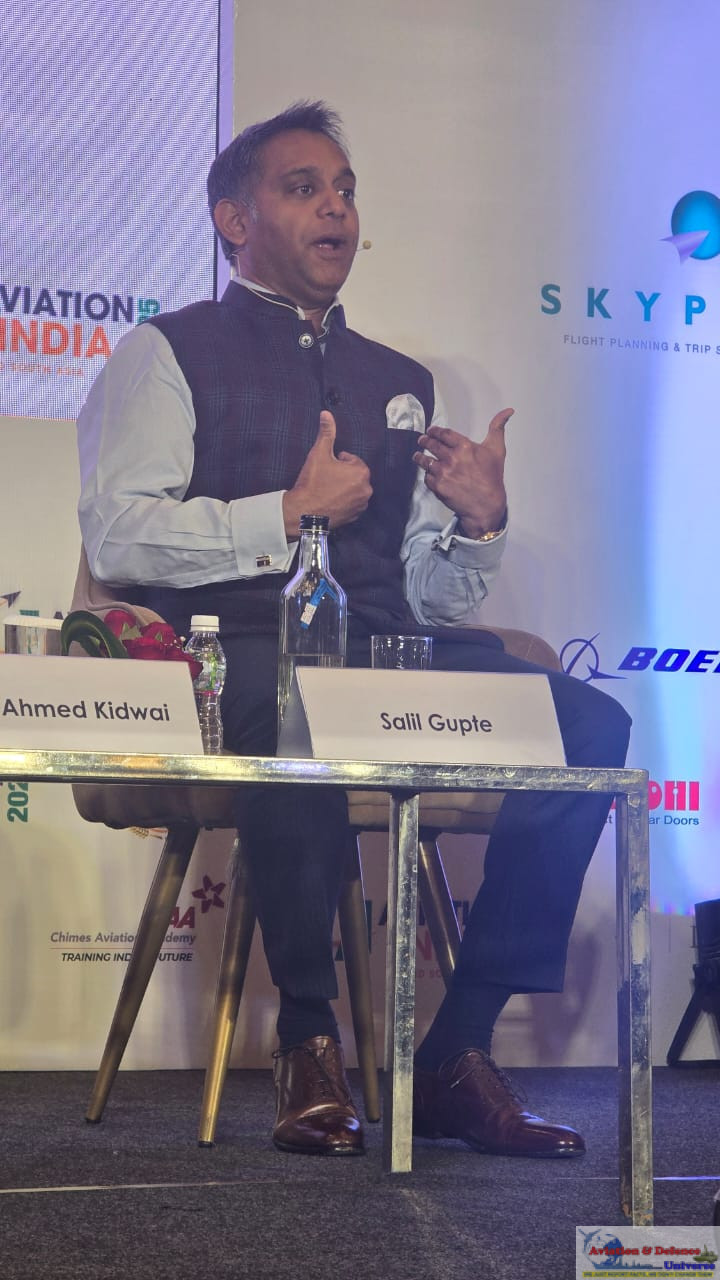
New Delhi. 13 November 2025. In a rapidly evolving geopolitical and economic environment, India’s civil and defence aviation sectors are undergoing a transformational shift. With record air-traffic growth, rising demand for aircraft, an expanding MRO ecosystem and strong government focus on Atmanirbhar Bharat, the India–US aerospace partnership is entering a new phase. On the sidelines of a high-level industry dialogue, ADU engaged in an exclusive conversation with Salil Gupte, President, Boeing India, to understand how Boeing views India’s growth trajectory, the evolution of MRO capabilities, the impact of Gift City on leasing, and the future of co-development and aerospace industrialisation. In this discussion, Gupte outlines the momentum, the challenges and the opportunities shaping India’s aviation and aerospace future.
ADU. Salil, what is new from Boeing’s perspective in the current geopolitical context?
Salil Gupte. Well, certainly it’s a very complex time geopolitically right now. There’s a lot of changes around the world, but I think the one thing that has been constant is that even as trade discussions between the US and India evolve, we continue to work collaboratively to follow the direction of the two leaders. And that means continuing to build the airline ecosystem that allows our airline customers here to thrive in training, in MRO, and to build the aerospace industrialisation required to achieve Atma Nirbhar. All of that remains a focus for us.
 ADU. In an earlier session, the panel mentioned that even minor changes like seat refits take a long time. Why does aircraft reconfiguration require such lengthy timelines?
Salil Gupte. Many passengers assume that a seat on an aeroplane is like a piece of furniture you buy off the shelf. In fact, it is a very complex process. A new seat design, or even a modification, must be certified through a large number of tests that evaluate its performance under turbulence, runway excursions, g-forces and flammability standards. These are strict regulatory requirements designed to ensure safety. These tests are conducted primarily between the seat OEMs, companies like Raytheon and Safran, and the regulators. Aircraft OEMs are part of the process, but much of the work is directly between seat manufacturers and airlines. These timelines are long as they must be, because safety has to be paramount in aviation, including in something as simple as a seat.
ADU. Boeing has significantly engaged with India’s MRO sector. How do you assess your progress, and are you collaborating with existing Indian MROs like Max Aerospace or Air Works?
Salil Gupte. Absolutely. We have been the leading backer of MRO work in India over the last decade among foreign OEMs. We encouraged our component OEMs, Spirit, Collins and others, to bring component work here.
We also placed significant work ourselves, such as the P-8I maritime patrol aircraft heavy checks with Air Works, now part of Adani. That was the first P-8I work done outside the United States, with the support of the US government. The US Navy was incredibly impressed and came to see the work themselves. AIESL has been doing landing gear work for the P-8I. And then there is the world-class C-17 hangar built at Hindon with L&T. It can support civil and defence MRO. The synergy between defence and civil MRO is emerging strongly in India, and that is something we have been consistently backing.
 ADU. Has Gift City changed the leasing landscape for Boeing’s customers in India?
Salil Gupte. Gift City should be commended. It was an aggressive, thoughtful step by the Government of India to create a leasing ecosystem with a tax environment competitive with Singapore. The original expectation was that Gift City would attract foreign lessors first. My counsel was that we should follow the Atmanirbhar approach and focus on Indian banks, Indian lessors and Indian companies setting up at Gift. Once domestic players start financing through Gift City, foreign entities will naturally follow. And that is what we are seeing. Some airlines are already doing widebody financing through Gift, and narrowbody deals may follow. Over time, this will increase leasing options for Indian customers.
Boeing does not lease aircraft, but our customers benefit from having more competitive leasing options in India rather than relying only on foreign entities.
ADU. Boeing often highlights India’s role in its global supply chain. How much of a Boeing aircraft is made in India?
Salil Gupte. Three percent of every Boeing aircraft is done here in India, whether in engine components or other parts. Every single Boeing aircraft has some part made in India. That is supported by the US government and arises from the joint vision articulated by Prime Minister Modi and President Trump on aerospace industrialisation. We also offered final assembly for fighters in the past under Atmanirbhar requirements. We have not been selected yet, but that can change in the future.
 ADU. India has a major upcoming requirement for helicopters. What are Boeing’s plans?
Salil Gupte. There are multiple opportunities in co-development for manned and unmanned systems, primarily in defence. Several co-development projects are underway with Indian partners, as required by the Defence Services. One example is our Liquid Robotics Wave Glider co-development, a maritime unmanned system that connects with our P-8 aircraft. It provides ISR capabilities for submarine tracking, an area of growing importance for the Indian Navy. We are partnering with Sagar Defence in Pune, and the project is progressing at pace.
ADU. Would you like to share a closing thought on India’s aviation journey?
Salil Gupte. I truly mean what I said on the panel. Amid all the big announcements, industrial tie-ups and ribbon-cuttings, we must remember why we are here on the civil aviation side. We are here so that every Indian can fly. So that every person can get where they need to go safely, quickly and efficiently. If we can move even a small percentage of rail passengers onto aeroplanes, India’s aviation market will double. That is what the aviation industry must stay focused on.
In this wide-ranging conversation, Salil Gupte outlines Boeing’s long-term partnership vision for India. From expanding the MRO ecosystem and strengthening leasing through Gift City to deepening co-development and increasing aerospace industrialisation, Boeing aligns closely with India’s Atmanirbhar and Viksit Bharat 2047 ambitions. With a strong supply-chain presence, active defence collaborations and a sharp focus on enabling mass air mobility, Boeing sees India not just as a fast-growing market but as a central pillar of its global strategy. As Gupte reiterates, the ultimate goal is simple yet transformative: to ensure that every Indian has the opportunity to fly.
(As told to Sangeeta Saxena /Interview conducted at Aviation India 2025)