






















- Illuminating India’s Defence: Trakka Systems’ Martin Doolin on Partnership with Matrix”
- Shining a Light on Security: Trakka Systems Strengthens Presence in India”
- Indian Navy Already Using Our Equipment, Says Trakka Systems’ Martin Doolin”
By Sangeeta Saxena
New Delhi. 26 September 2025. Trakka Systems’ entry into India through its collaboration with Matrix Smart Technologies is a significant milestone in strengthening India’s access to world-class surveillance and mission equipment. With the Indian Navy already using Trakka’s systems and with production and service now being localized, the company is positioning itself as a reliable partner in India’s defence and homeland security ecosystem. Reflections highlight not only the technological edge of Trakka’s products but also the company’s commitment to building long-term partnerships through training, service, and local capacity building.
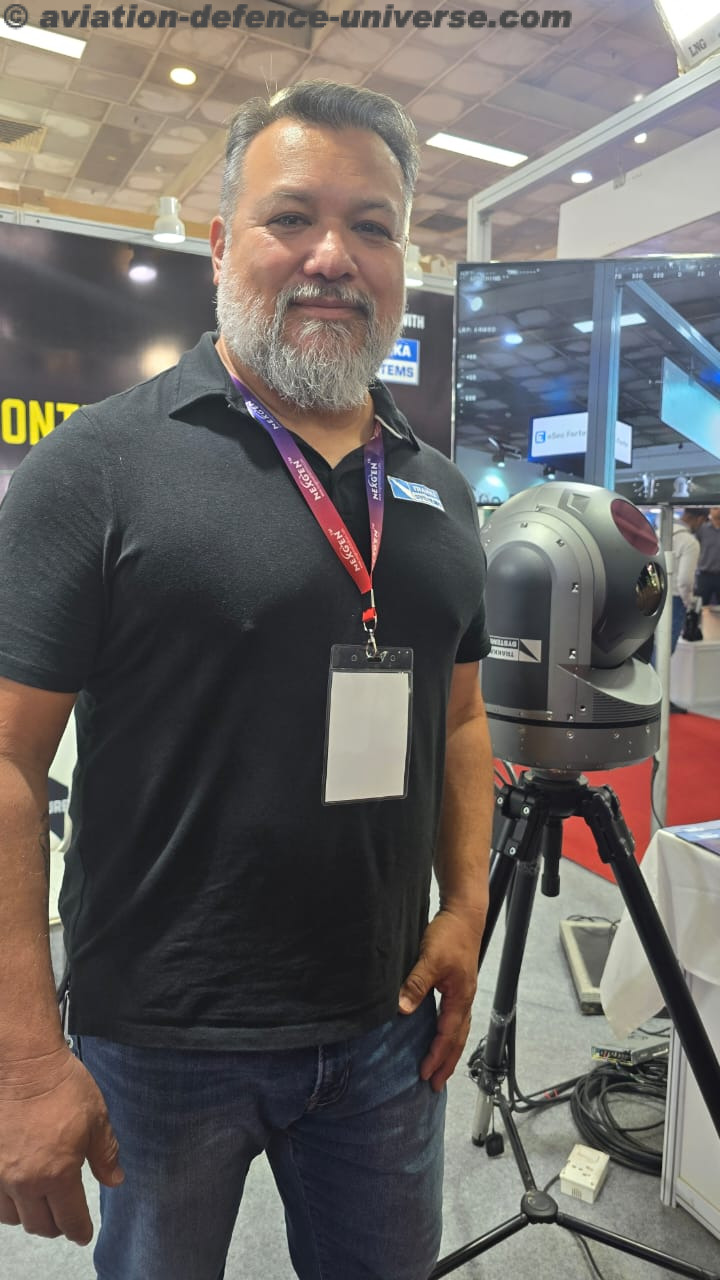
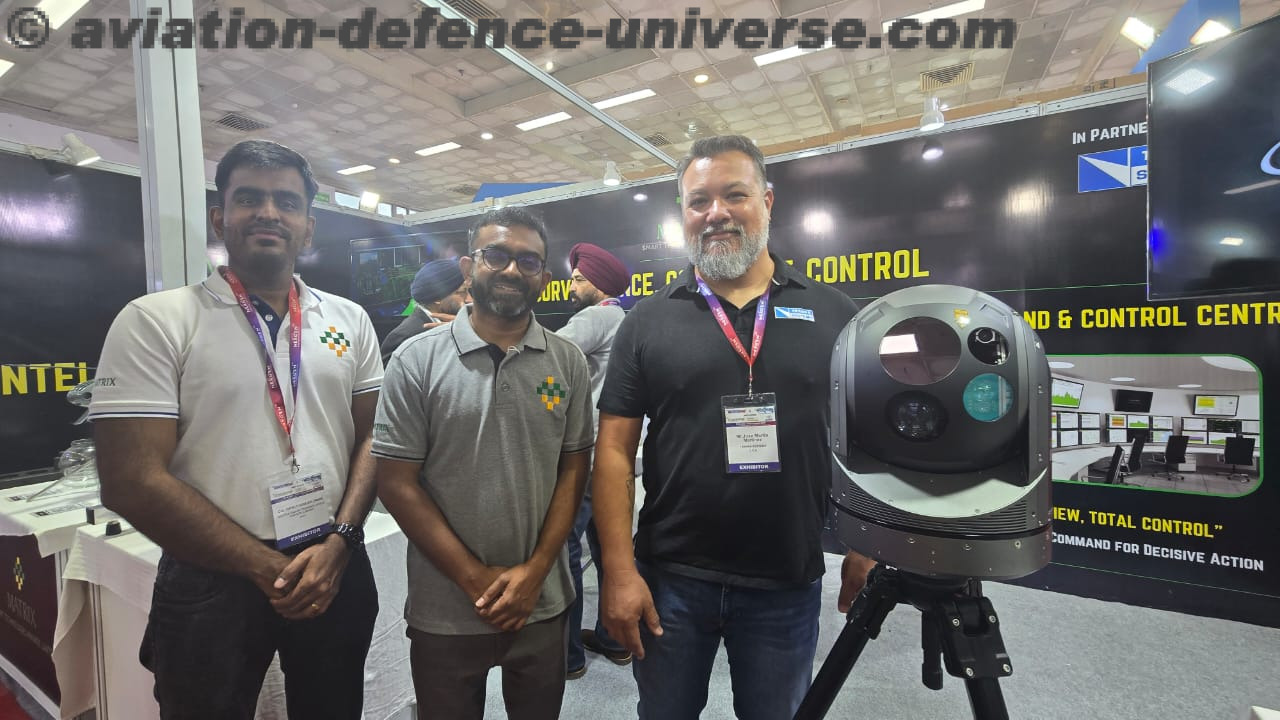
At the recent showcase in India, Aviation & Defence Universe (ADU) caught up with Martin Doolin, Field Service Technician at Trakka Systems, Bradenton, Florida, USA, who was present alongside Matrix Smart Technologies. With Trakka expanding its global footprint and starting production and service in India, Martin Doolin shared insights into the company’s partnership, products, and vision for supporting India.
ADU. What is Trakka Systems’ footprint in India?
Martin Doolin. We’ve partnered with Matrix to start production and service here in India. There’s a big need for our products here, and a lot of interest in them. We want to provide solutions that help people do their jobs better—whether they’re in the military, law enforcement, or natural disaster response.
 ADU. How new is this partnership with Matrix?
Martin Doolin. We are right at the beginning of implementing it. Discussions have been on for some time, but now the actual work has started. It’s an exciting phase—there’s a lot to do, but it will be worth it.
ADU. Who are your clients in the U.S. and globally?
Martin Doolin. We have a wide range of clients—law enforcement, militaries, and government agencies that handle border security, patrolling, counter-drug operations, and search and rescue. Globally, we have facilities in Australia and Sweden, apart from the U.S., and serve Europe, Australia, and many other markets.
ADU. What does the India collaboration mean in terms of products and services?
Martin Doolin. In Australia, we manufacture searchlights, while Sweden handles cameras. In the U.S., we now produce both. With Matrix in India, we are expanding production and service here as well—for both lights and cameras. This ensures Indian customers have local support and faster response times.
ADU. How important is training to this partnership?
Martin Doolin. Training is critical. I’ve come for demonstrations and to support training in Hyderabad. One of my co-workers will join soon, and together we’ll provide as much training as possible to set Matrix up for success. We’ll continue to be a resource for them—always available by email or call.
 ADU. Who are your clients in India?
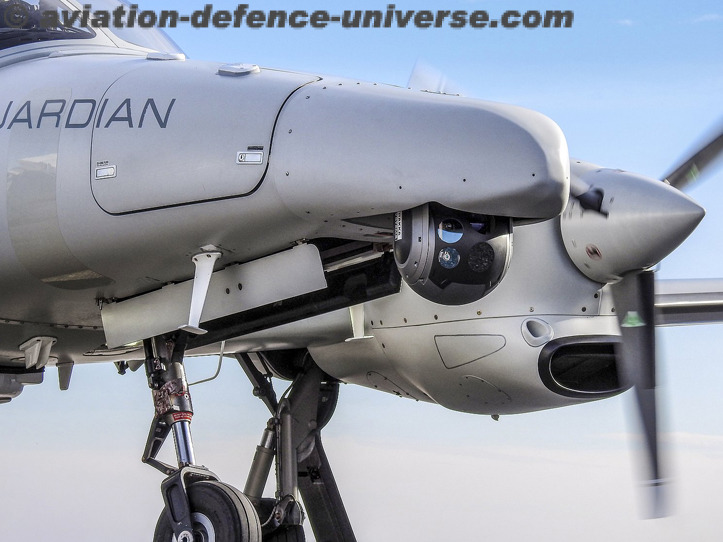
Martin Doolin. Right now, the Indian Navy is already using our equipment. We’re working to expand further into other services and agencies. Things are spreading quickly around the world, and India is definitely a major focus.
ADU. What are your impressions of India on this first visit?
Martin Doolin. This is my first time in India, and I’m loving it. It’s a privilege to be here. The people I’ve met are very smart, dedicated, and motivated to succeed. I feel fortunate to be part of this team.
As explained by Martin Doolin, Trakka Systems is best known worldwide for its high-intensity searchlights and advanced camera systems. These products are designed for tough, real-world missions—border security, law enforcement, counter-narcotics, disaster response, and search & rescue.
Doolin emphasized that Trakka’s products are built to ensure professionals in the field can “do their job better,” whether they’re on military patrol, responding to emergencies, or supporting humanitarian missions. The searchlights manufactured in Australia and the camera systems from Sweden are integrated across airborne, land, and maritime platforms. According to Doolin, the technology’s strength lies in its precision, rugged reliability, and adaptability—qualities already trusted by the Indian Navy.
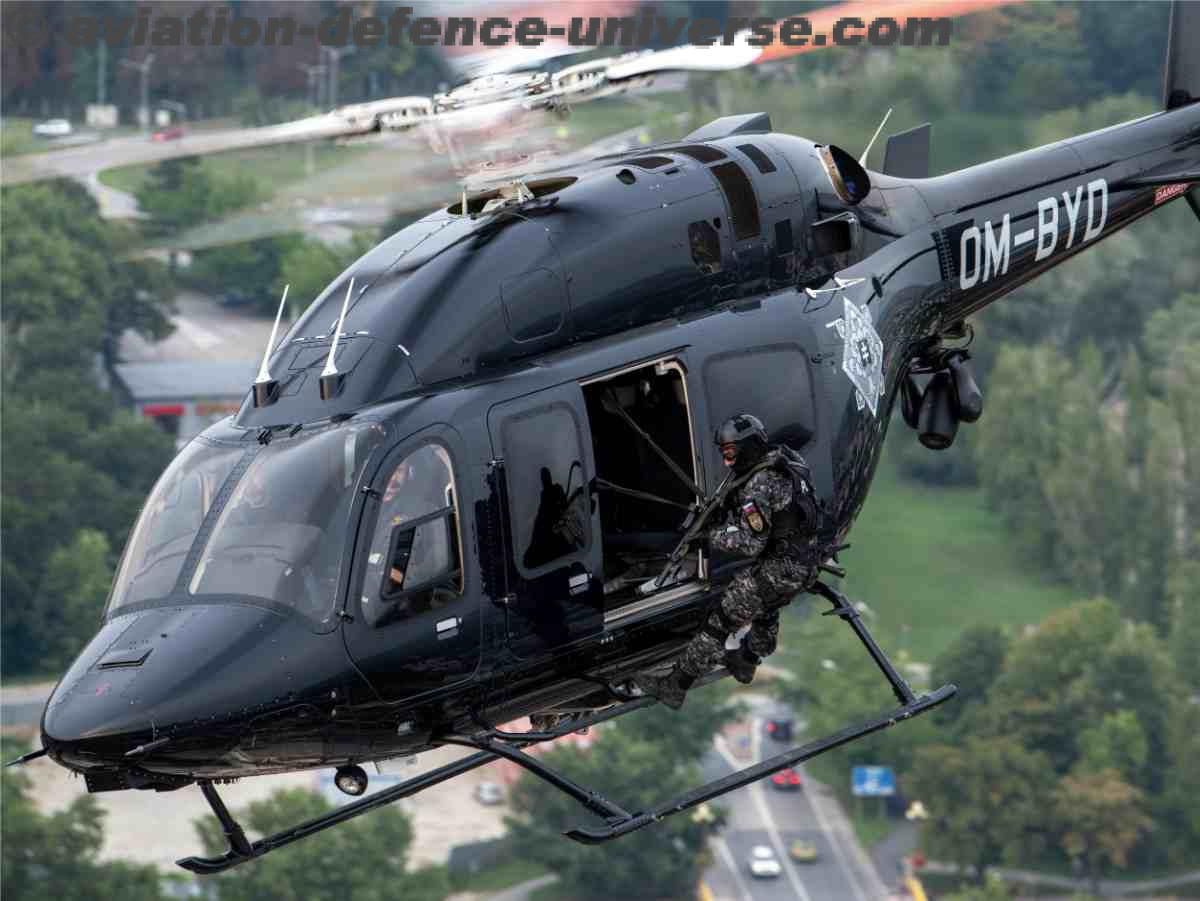 For over two decades, Trakka Systems has pioneered Critical Vision Technologies that empower airborne, land, and maritime missions worldwide. Founded in 1995, the company operates state-of-the-art engineering, manufacturing, and service facilities in Australia, Sweden, and the United States, and its cutting-edge products are trusted by military, law enforcement, and commercial organizations across the globe. Trakka’s Total Mission Solutions—which integrate the TrakkaCam® gyro-stabilized multi-spectral imagers, TrakkaBeam® high-intensity searchlights, and TrakkaMaps® mission management software—offer seamless plug-and-play capabilities, significantly reducing integration time for OEMs, integrators, and end-users. Whether deployed individually or as part of this comprehensive suite, Trakka’s systems enhance situational awareness, improve crew coordination, and raise operational safety standards. With a relentless focus on innovation and mission success, Trakka Systems continues to redefine the benchmarks of vision technology for critical operations.
As told to Sangeeta Saxena