






















- When the Army Marched Among the People: A First-Hand View from Jaipur’s Mahal Road
- Discipline on Display, Pride in the Stands: Witnessed from Jaipur’s Civilian Heart
- From Cantonments to City Streets: A Parade, A City, A Nation: Army Day Comes Alive in Jaipur
By Sangeeta Saxena
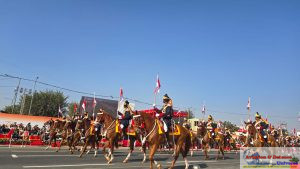 Mahal Road, Jaipur. 15 January 2026. This year’s Army Day Parade carried a significance that went beyond tradition. For the first time, the Indian Army chose to hold its Army Day Parade in a civilian urban space, moving it out of the controlled confines of cantonments and parade grounds and into the heart of a living city. By selecting Mahal Road in Jaipur, the Army quite literally brought the parade to the people—allowing citizens to witness, at arm’s length, the discipline, professionalism, and pride of the force that safeguards them. It was a powerful gesture of outreach, transparency, and connection, underscoring that the Army is not apart from society, but deeply rooted within it.
 Standing along Mahal Road, I felt a quiet anticipation build as the first light of Army Day settled over the parade route. The wide boulevard, framed by Jaipur’s distinctive architecture and lined with spectators, seemed an apt stage for an event that celebrates discipline, sacrifice, and national resolve. As the parade commenced, the rhythmic sound of marching boots echoed with precision, instantly commanding attention and respect. There was a palpable sense of pride in the air—among soldiers on parade and civilians alike.
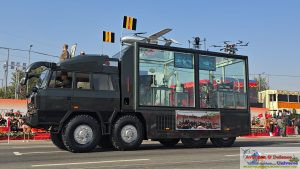
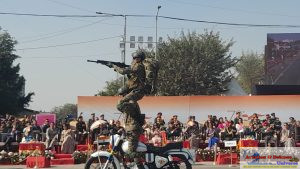
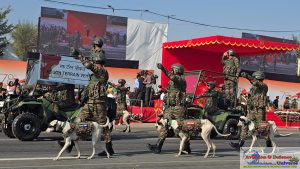
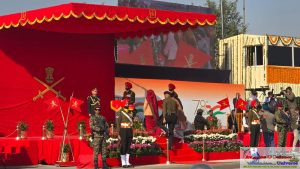 Watching the contingents march past at close quarters was a powerful reminder of the professionalism and diversity of the Indian Army. Infantry units, mechanised elements, and specialist detachments moved in flawless coordination, their drill reflecting countless hours of training and an uncompromising standard of excellence. The display of modern equipment alongside traditional regalia told a compelling story of an Army rooted in legacy yet firmly oriented toward the future. Each formation drew spontaneous applause, not out of ceremony alone, but out of genuine admiration.
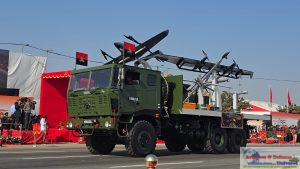 What struck me most was the quiet confidence of the soldiers—faces composed, movements exact, eyes fixed ahead. There was no theatrics, only purpose. As the parade progressed, it became clear that this was more than a ceremonial event; it was a statement of readiness in an era of evolving security challenges. Standing there on Mahal Road, amidst families, veterans, and young students watching in awe, I felt the deeper significance of Army Day—not just as a commemoration, but as a reaffirmation of the bond between the nation and those who stand guard over it, today and always.
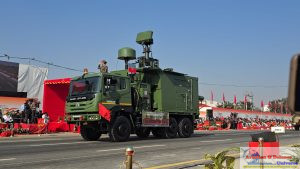 What made the parade truly unforgettable was the overwhelming response from the public. Long before the first contingent stepped onto Mahal Road, the stands were already filled to capacity—not a single seat vacant—and the spillover crowds lined pavements, medians, and vantage points all along the route. Families arrived early, children perched on shoulders, veterans stood quietly among them, and young students waved flags with unrestrained excitement. The energy was unmistakable: a civilian audience drawn in vast numbers, united by respect and curiosity, eager to witness the Army up close. The packed stands were more than a measure of attendance; they were a powerful expression of trust, pride, and an enduring emotional bond between the people and their Army.
As the final contingent marched past and the echoes of command faded, what remained was a lasting impression of connection—between the Indian Army and the people it serves. Holding the Army Day Parade in a civilian setting was more than a change of venue; it was a reaffirmation of trust, accessibility, and shared national pride. The filled stands, the attentive crowds, and the quiet admiration on countless faces spoke volumes. On Mahal Road in Jaipur, Army Day was not merely observed—it was experienced, reminding everyone present that the strength of the Army is inseparable from the confidence and support of the nation it protects.