










- Navigates India’s Naval Tech Frontier
- Mission Underwater: Bold Dives into XLAUV Innovation
- India’s Silent Shipbuilder: Anil Das on Conceptia’s Naval Design Legacy
By Sangeeta Saxena
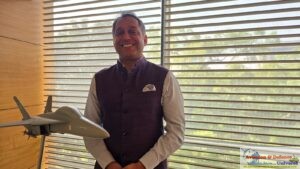
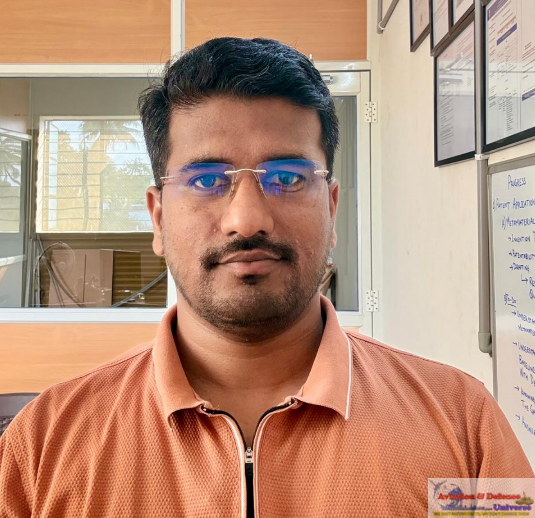
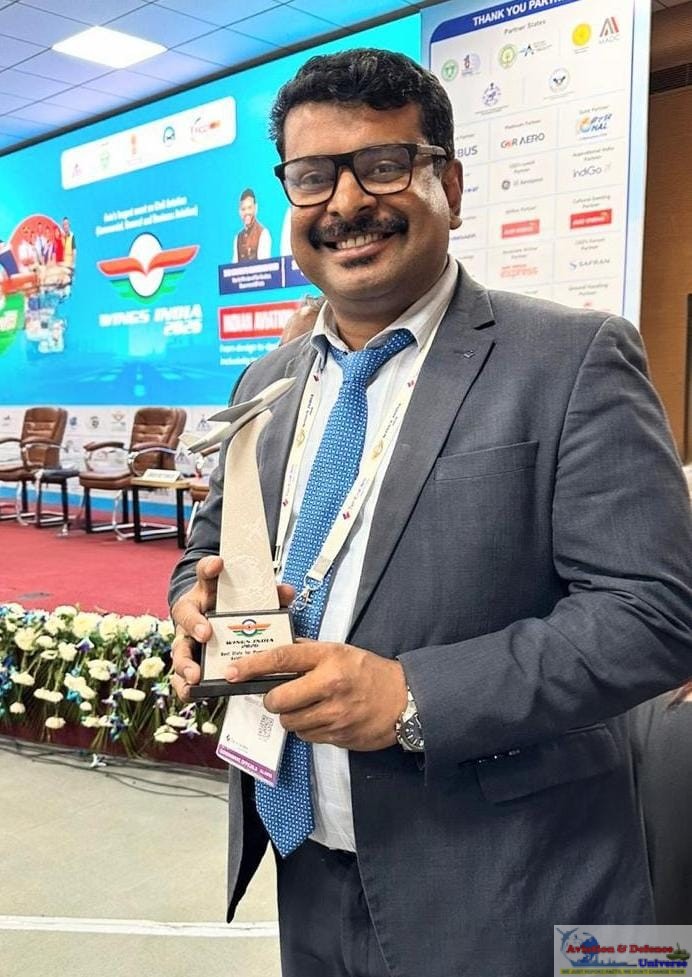
Excel Centre, London. 19 September 2025. At DSEi UK 2025, the world’s defence and security ecosystem gathered under one roof, and India’s maritime innovation had a proud flagbearer in Anil Das, CEO and MD of Conceptia Software Technologies Pvt Ltd. With over two decades of experience and naval roots running deep, Mr. Das is not only a former Indian Navy naval architect, but also a passionate advocate of digital transformation in shipbuilding and collaborative innovation through public-private partnerships. In this exclusive chat with Aviation & Defence Universe (ADU) at the India Pavilion, he speaks about Conceptia’s journey, its focus on naval systems, innovations in quality inspection software, and the future of Indian underwater autonomy.
ADU. Can you introduce Conceptia to us?
Anil Das. Conceptia is a 20-year-old engineering services company based in Bangalore with a pan-India presence and around 700 employees. We primarily focus on engineering solutions in the defence sector, especially naval systems. We’re here to explore opportunities, scout technologies, and look for partnerships that align with the ‘Make in India’ vision.
 ADU. What are some of Conceptia’s core capabilities and your work with Indian shipyards?
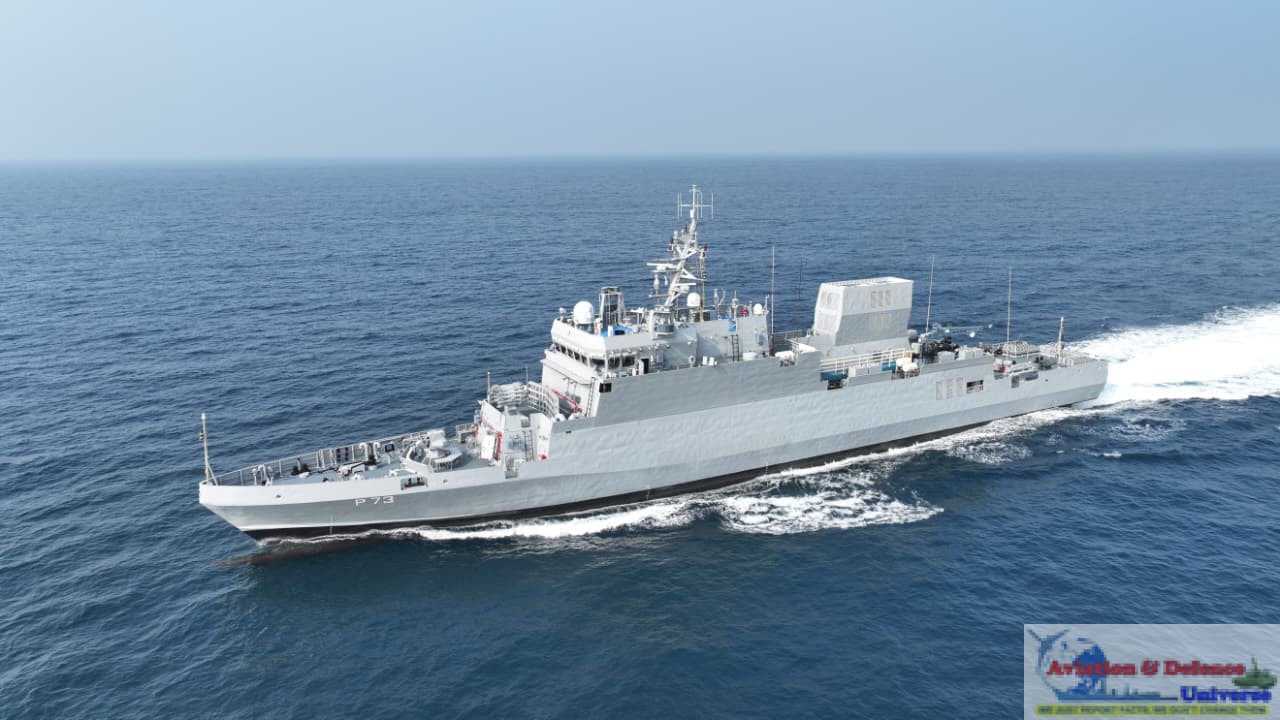
Anil Das. We’ve worked extensively with DPSU shipyards and support private yards when the opportunities arise. We have design centres with naval architects and ship design engineers who create drawings used for shipbuilding. We’ve also digitalised quality inspections with a tablet-based system and are exploring real-time inspection through camera-enabled tools. Our clients include GRSE, MDL, and Cochin Shipyard, and we’ve even worked with L&T’s shipyard and earlier with Pipavav (now Swan).
ADU. You mentioned digitalisation of inspection — can you elaborate on that innovation?
Anil Das. Absolutely. One of our key developments has been in quality inspection software, where we’ve replaced the manual inspection process with a tablet-based digital system. Inspectors now capture real-time inspection data using tabs. All this data gets stored on a central server, which allows for later-stage data analytics and quality audits. But we’re not stopping there — we are also exploring real-time or 24/7 quality monitoring using camera-based systems and sophisticated add-on devices. This is a game-changer for the inspection ecosystem, especially in the shipbuilding industry.
ADU. Are you looking at the export market as well?
Anil Das. Definitely. We always ask: can we design ships for you? The defence export ecosystem is challenging due to technology controls, but shows like DSEi offer a glimpse into future possibilities. At the UK-India Business Council event, there was encouraging talk of collaboration between Indian and UK defence industries, and we believe MSMEs like ours will benefit in the long run.
 ADU. Do you serve other services like the Army or Air Force?
Anil Das. Not yet. My 16-year service with the Indian Navy as a naval architect has naturally shaped our focus on the naval domain. The Indian Navy is the largest employer of naval architects in the country, and I have personally worked on submarine programmes — both during the construction and design phases. That’s why our expertise and engagements are centred on naval systems and shipbuilding.
ADU. Do you also engage with the commercial shipbuilding sector?
Anil Das. Yes, we do. For instance, we recently completed the tender design of a 380 TEU container ship for a private client. In addition, we have been closely involved in civilian shipyards like Cochin Shipyard, where we worked on detailed design for a catamaran ferry and also helped digitise their inspection processes.
 ADU. Tell us more about the XLAUV programme.
Anil Das. We’ve formed a consortium with Krishna Defence and Planis Technologies to build XLAUVs — eXtra Large Autonomous Underwater Vehicles. At DSEi, we’ve seen impressive platforms like BAE’s HEARN. These technologies excite us. The underwater domain is strategic, and India needs robust indigenous capabilities.
ADU. Where are your offices located?
Anil Das. Our headquarters is in Bangalore. We also have offices in Cochin, Chennai, Vizag, Kolkata, Mumbai, and outreach offices in Calcutta and GRSE. Cochin is critical due to its naval proximity. Our naval architects are based there, supporting both defence and civilian shipbuilding projects.
ADU. Any final thoughts?
Anil Das. We have two more days at DSEi. It’s a great platform to network and explore technologies. We’re optimistic about building on these connections and contributing to India’s Atmanirbhar Bharat journey.
With a strong naval presence, Conceptia Software Technologies is navigating the high tides of defence innovation with precision, digitalisation, and vision. From naval design centres across India to futuristic underwater autonomy collaborations, the company reflects how MSMEs are becoming the silent workhorses of India’s defence industrial base. In London as a part of the FICCI delegation, Anil Das puts it, “We’re not just designing ships — we’re building India’s maritime future.”
As told to Sangeeta Saxena